 Complete Gardening
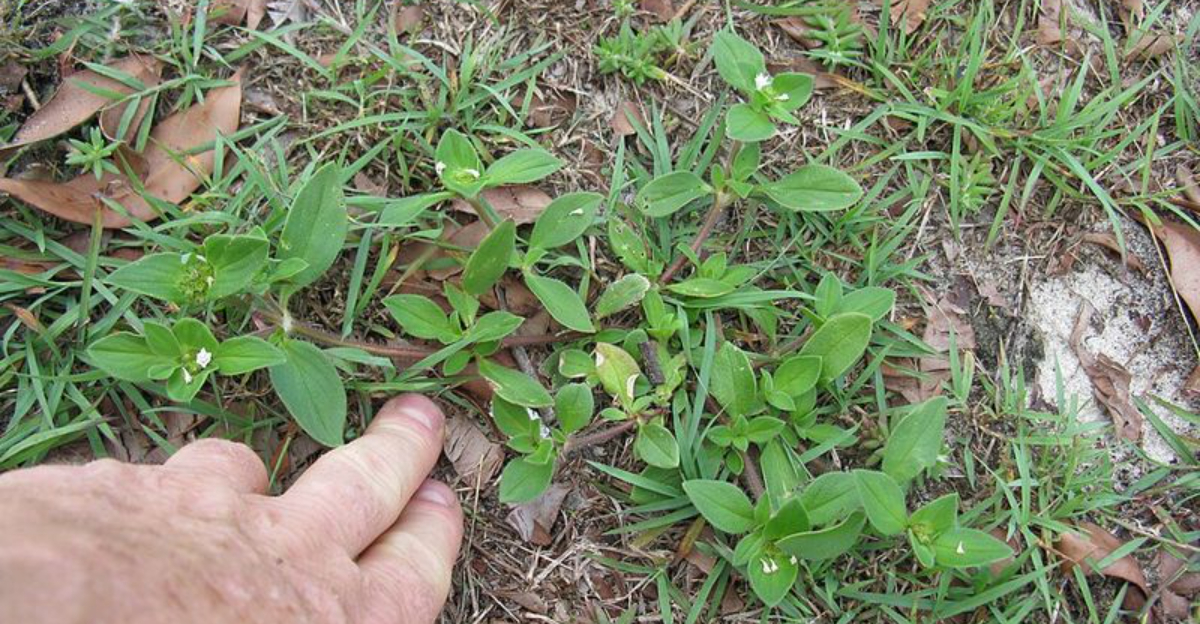
When the garden starts waking up after winter, most gardeners focus on cleaning beds, planting seeds, and preparing soil. But one early spring habit often leads to a constant battle with weeds later in the season.
The mistake is disturbing bare soil too often before planting.
It might seem helpful to keep turning or raking the soil, but this simple action can actually trigger a wave of new weeds.
Why Disturbing Soil Creates More Weeds
Most gardens contain thousands of dormant weed seeds hidden just below the surface. Many of these seeds can remain inactive for years until the right conditions appear.
When you dig, rake, or till the soil in early spring, you bring those buried seeds up to the surface where they receive:
- Sunlight
- Warmth
- Moisture
These conditions signal weed seeds to germinate quickly.
Within weeks, beds that looked clean can suddenly fill with new weeds.
The “Weed Seed Bank” Problem
Garden soil contains what many gardeners call a weed seed bank. This is a reserve of seeds waiting for the right moment to grow.
Frequent soil disturbance in spring activates this seed bank. Each time the soil is turned, another wave of seeds gets exposed.
This is why gardens that are constantly tilled often struggle with more weeds.
A Better Approach: Disturb Soil Less
Instead of repeatedly turning soil, many gardeners now use low-disturbance methods.
These include:
- Adding compost on top of beds rather than digging it deeply
- Using mulch to cover exposed soil
- Planting directly into prepared areas without unnecessary tilling
Keeping soil covered helps prevent weed seeds from receiving the light they need to sprout.
Mulch Is One of the Best Defenses
Applying organic mulch early in the season can greatly reduce weed growth.
Mulch works by:
- Blocking sunlight from reaching weed seeds
- Retaining moisture in the soil
- Improving soil structure as it decomposes
A layer about 5 to 8 centimeters thick is usually enough to suppress most weeds.
Catch Weeds While They’re Tiny
Even with good prevention, some weeds will still appear. The key is removing them while they are small.
Young weeds are easy to pull and haven’t yet produced new seeds that could create future problems.
A Small Spring Habit With Big Results
Weeds are much easier to prevent than to remove later. By avoiding unnecessary soil disturbance and protecting your beds early in the season, you can greatly reduce weed pressure throughout the year.
Sometimes the best way to control weeds is simply to leave the soil alone.