 Complete Gardening
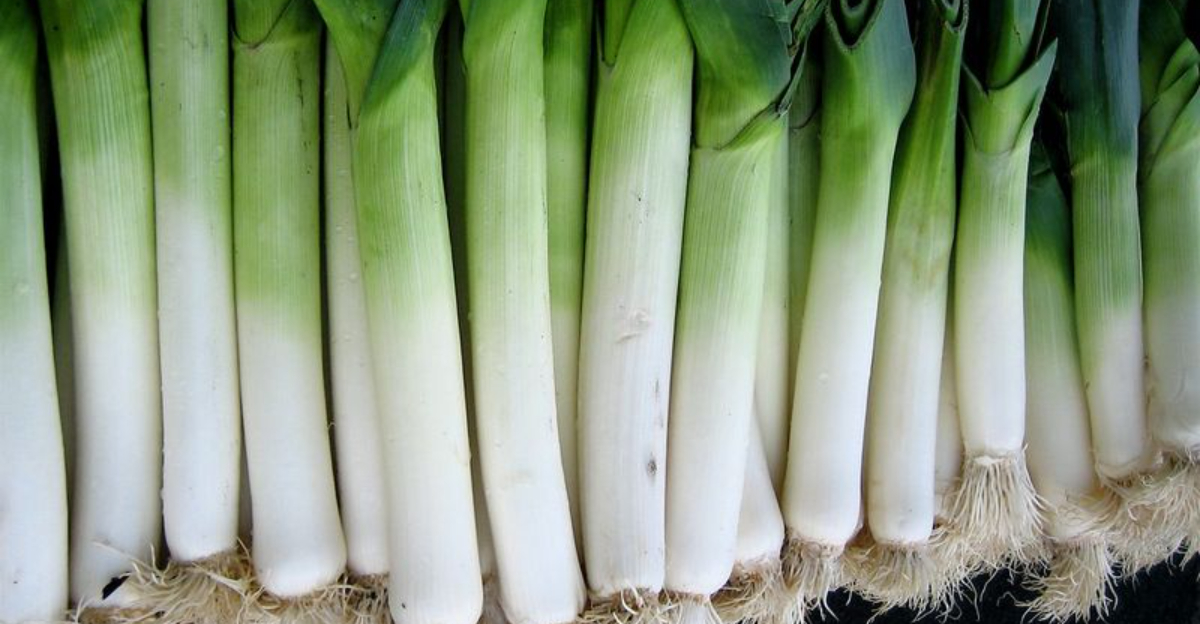
You don’t have to wait for warm weather to start your garden. Many vegetables actually prefer the cool, crisp temperatures of early spring and can handle a light frost without missing a beat.
Getting these hardy crops in the ground before your last frost date means you’ll be harvesting fresh produce weeks ahead of your neighbors. Whether you’re a seasoned gardener or just getting started, these 12 cold-tolerant vegetables are the perfect way to kick off your growing season early.
Kale
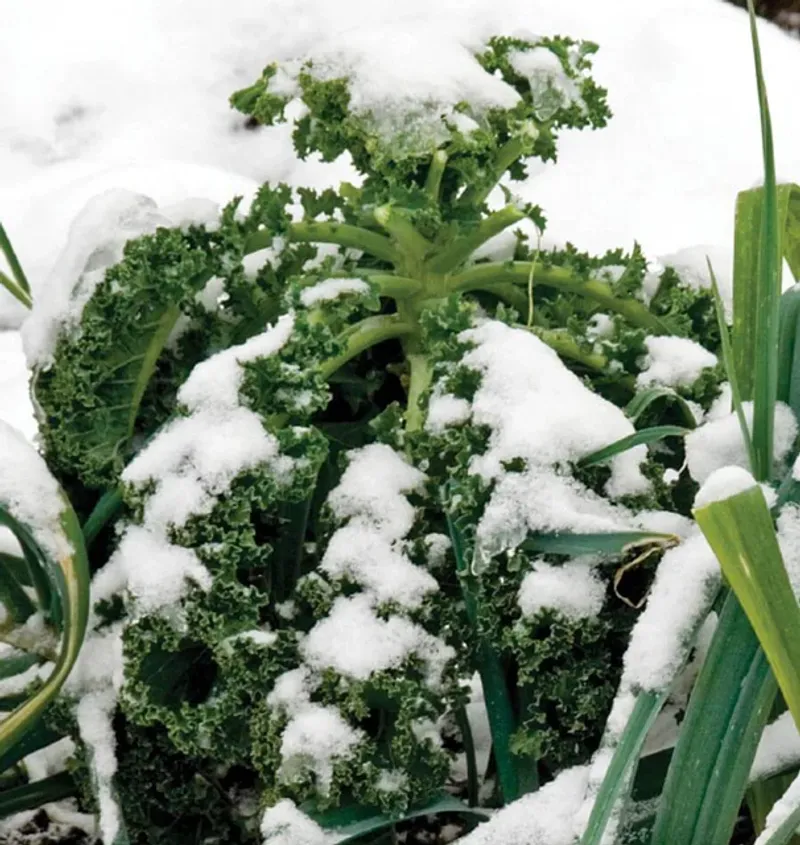
Frost doesn’t scare kale — it actually makes it taste better. When temperatures dip, kale converts some of its starches into sugars, giving the leaves a sweeter, milder flavor.
That’s a pretty cool trick for a leafy green!
Plant kale 3–5 weeks before your last frost date. It can handle temperatures well below freezing, making it one of the toughest vegetables in the garden.
Try varieties like ‘Winterbor’ or ‘Red Russian’ for extra cold hardiness and a colorful harvest.
Spinach
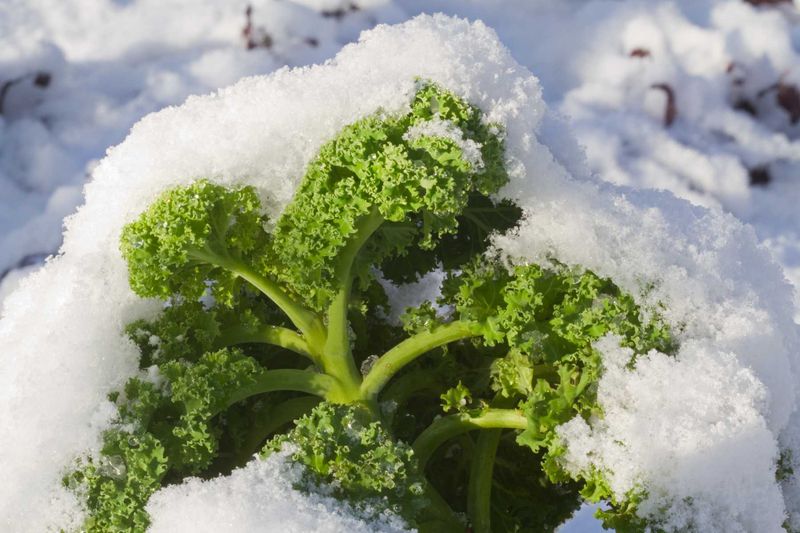
Spinach is basically the overachiever of the cool-season garden. Seeds will actually germinate in soil as cold as 35°F, which means you can get it going really early in the season.
Most gardeners are surprised by how quickly it takes off.
Expect to harvest tender leaves in just 35–60 days. Spinach tolerates light frosts with ease, and a little cold snap can actually improve the flavor.
Sow seeds 4–6 weeks before your last frost for a head start on fresh salads.
Broccoli
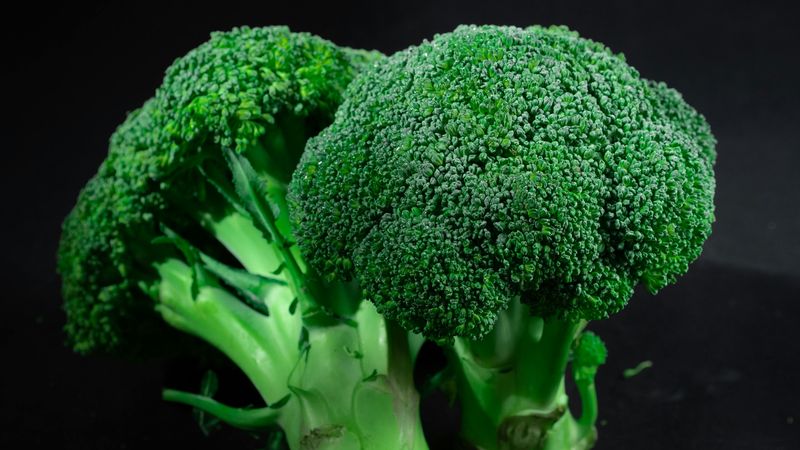
Broccoli has a reputation for being picky, but when it comes to cold weather, it’s surprisingly tough. Mature plants can survive temperatures down to the mid-20s°F, which is impressive for a vegetable most people think of as delicate.
Start transplants indoors and move them outside 3–4 weeks before your last frost. Cool weather actually encourages tighter, better-tasting heads.
Varieties like ‘Belstar’ and ‘Calabrese’ are reliable choices that reward early planters with generous harvests before summer heat arrives.
Cabbage
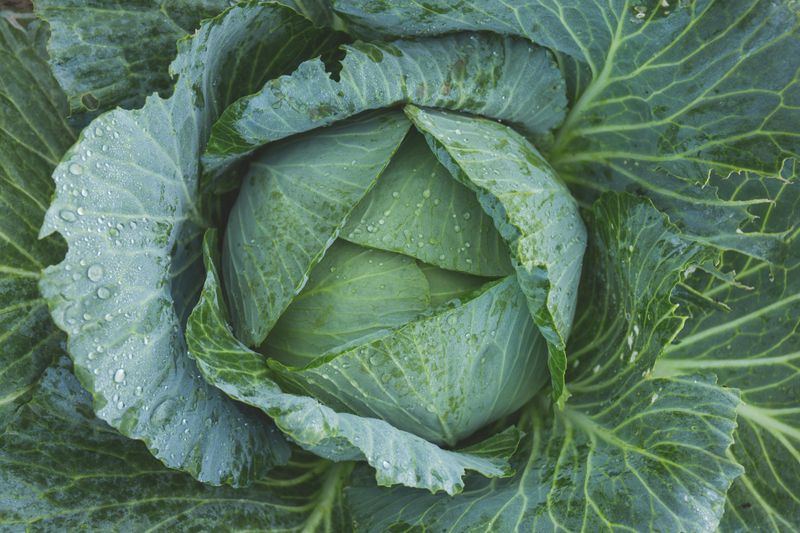
Few vegetables are as no-nonsense as cabbage. It shrugs off frost, tolerates cold rain, and keeps on growing when other crops would give up.
Historically, cabbage has been a survival crop for farmers across cold climates for centuries.
Cabbage can handle temperatures as low as 26°F and actually develops a sweeter flavor after a frost. Start seeds indoors 6–8 weeks before your last frost date, then transplant outdoors a few weeks early.
Give each plant plenty of space to form a firm, solid head.
Carrots
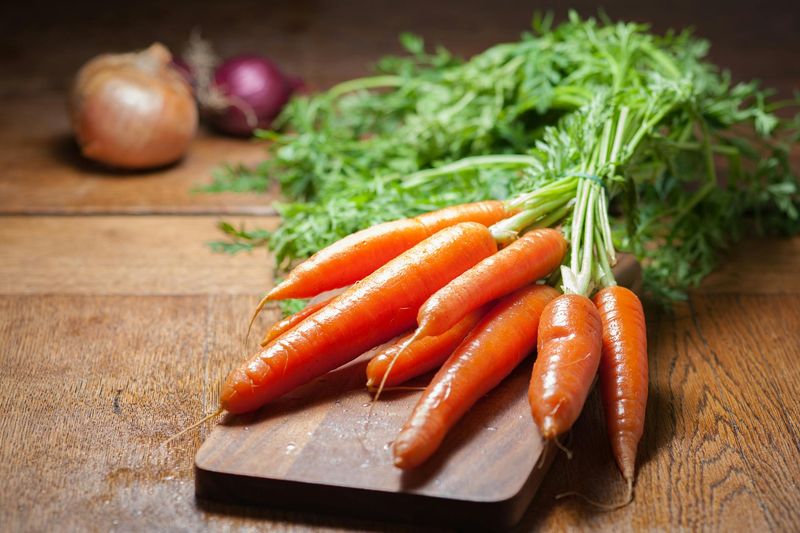
Here’s something most people don’t know: carrots taste sweeter after a frost. Cold temperatures cause the roots to convert starches into sugars, making frost-kissed carrots noticeably more flavorful than those grown in warm soil.
Sow carrot seeds directly into well-loosened soil 3–5 weeks before your last frost. They prefer cool ground for germination and will sprout slowly but steadily.
Thin seedlings to prevent crowding, and look forward to a harvest that’s honestly better than anything you’d find in a grocery store.
Beets
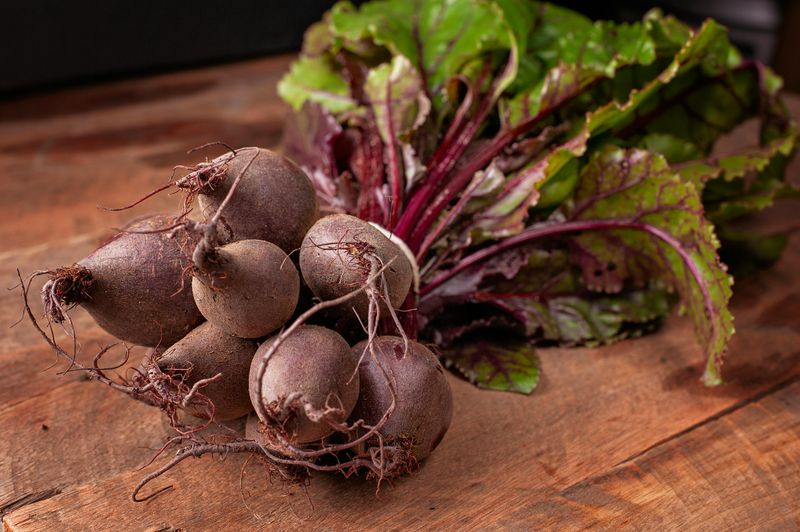
Beets are one of those underrated garden workhorses that quietly thrive while flashier crops struggle in the cold. Both the roots and the greens are edible, giving you two harvests from a single planting — a great deal by any measure.
Direct sow beet seeds into well-drained soil 4–6 weeks before your last frost. They tolerate light freezes without much fuss.
Soaking seeds overnight before planting can speed up germination. Try ‘Detroit Dark Red’ or ‘Chioggia’ for reliable cold-season performance and beautiful color at the dinner table.
Turnips
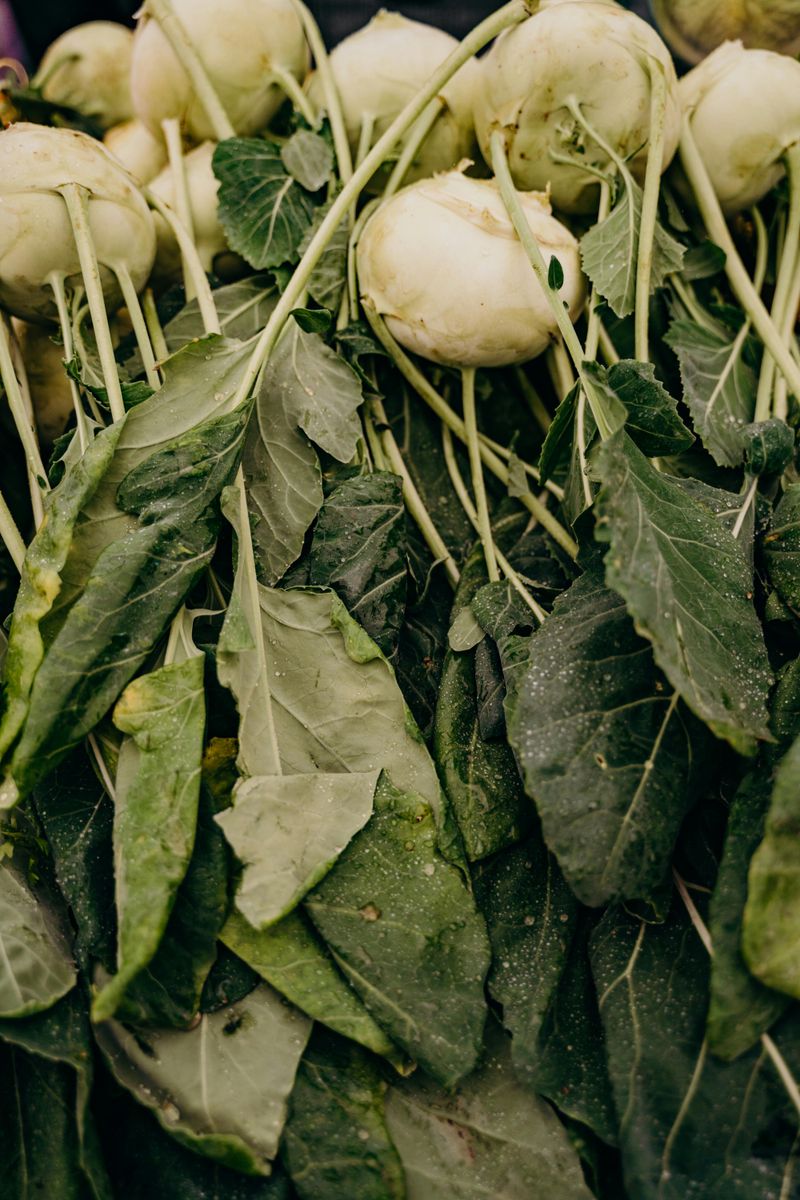
Turnips are the sprinters of the cool-season garden — they grow fast and ask for very little in return. Some varieties go from seed to table in as few as 35 days, which makes them perfect for impatient gardeners itching to harvest something early.
Direct sow seeds outdoors 4–6 weeks before your last frost date. Turnips handle cold snaps well and even taste better after light frost exposure.
Don’t forget the greens — they’re nutritious and delicious sauteed with a little garlic and olive oil.
Peas
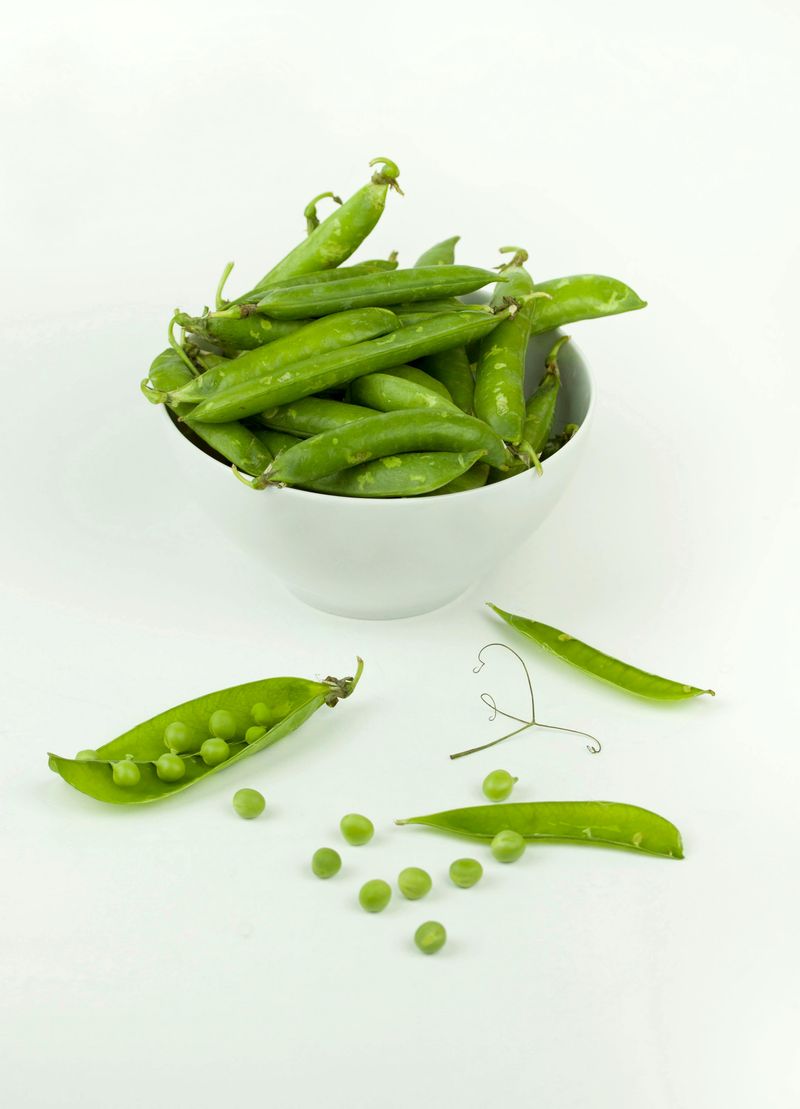
There’s something almost magical about pushing pea seeds into cold, barely-thawed soil and watching them sprout weeks later. Peas actually prefer cool weather and will stall or fail entirely if planted when temperatures climb too high.
Plant pea seeds directly in the garden 4–6 weeks before your last frost. They can handle temperatures down to about 28°F without serious damage.
Set up a simple trellis or fence for them to climb, and you’ll be snacking on fresh sugar snap peas long before summer officially arrives.
Radishes
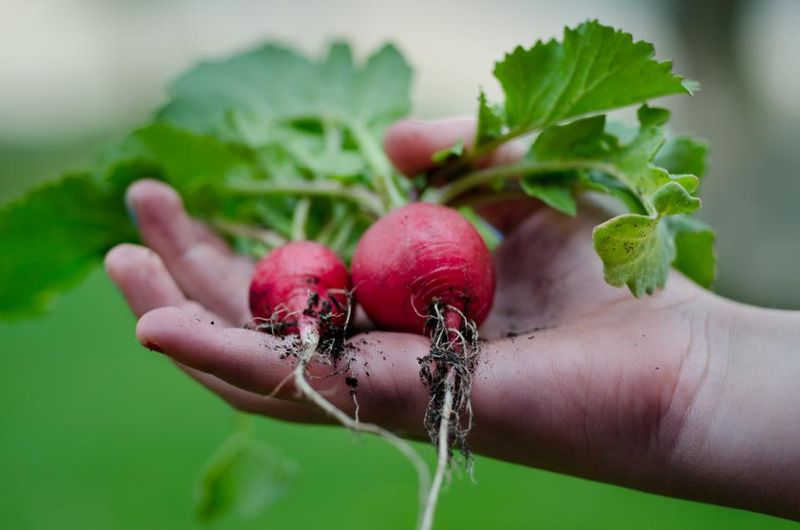
If you’ve never grown radishes before, prepare to be amazed by how fast they move. Some varieties are ready to pull in as little as 22 days from planting, making them the ultimate quick-win crop for early-season gardeners.
Sow seeds every two weeks during cool weather for a continuous harvest throughout spring. Radishes tolerate thick frosts and germinate in surprisingly cold soil.
They also make great row markers planted alongside slower crops like carrots. Try ‘Cherry Belle’ or ‘French Breakfast’ for crisp, peppery results.
Onions
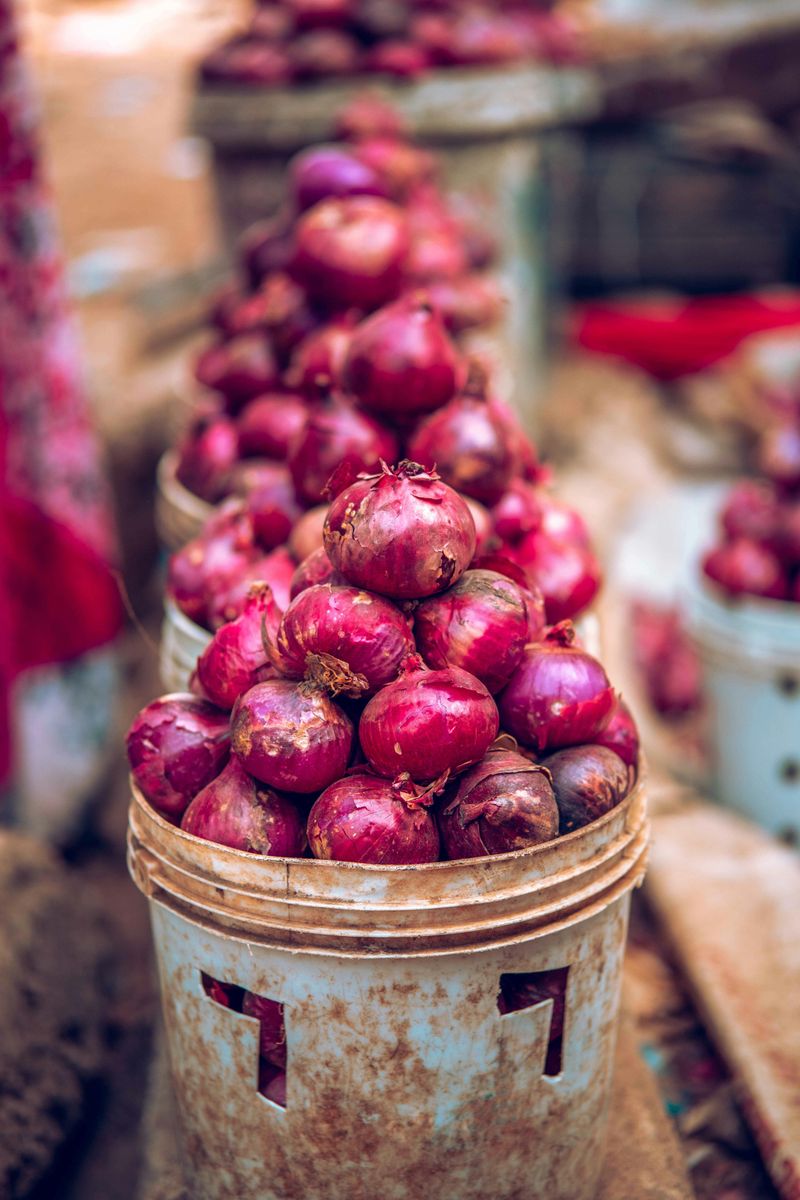
Onions are cold-resistant champions that can tough out mild frosts, cold rain, and even a light snow without skipping a beat. Starting them early is key, since they need a long growing season to develop full-sized bulbs.
Start seeds indoors 10–12 weeks before your planned transplant date, then move them outside as soon as the ground can be worked. Sets or transplants can go into the garden 4–6 weeks before the last frost.
Choose long-day or short-day varieties based on your region for the best results.
Leeks
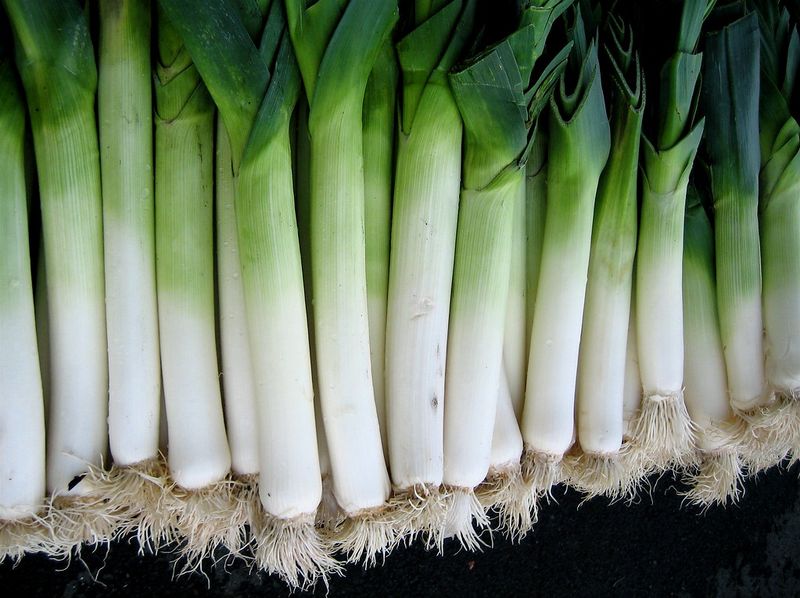
Leeks are like the sophisticated cousin of the onion family — mild, buttery, and absolutely delicious after a good frost. Cold weather concentrates their natural sugars, making late-season leeks far tastier than those harvested in summer heat.
Start seeds indoors 8–10 weeks before transplanting, or plant directly in fall for a winter harvest. Leeks can survive hard freezes and will keep growing slowly all season long.
Mound soil up around the base as they grow to blanch the stems, which keeps them tender and pale.
Swiss Chard
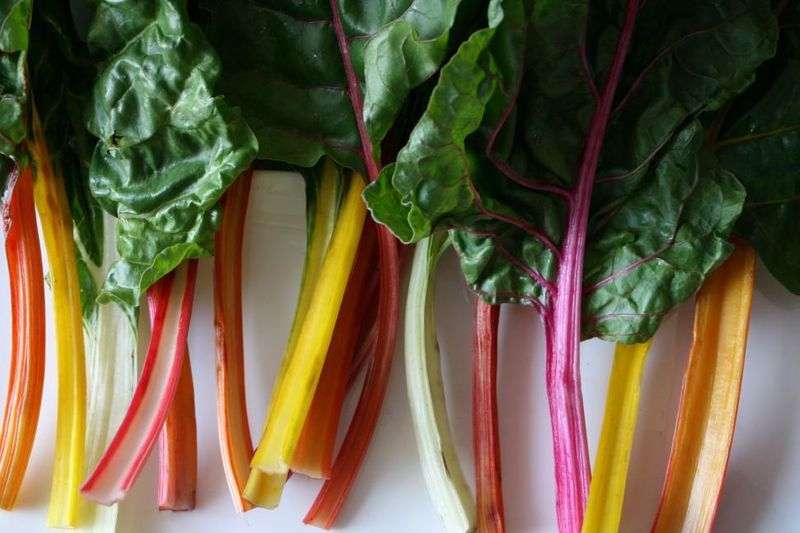
Swiss chard might be the most cheerful-looking vegetable in the cold-season garden. Its stems come in vivid shades of red, orange, yellow, and white, making it as ornamental as it is edible — a nice bonus when everything else still looks bare.
Some varieties handle temperatures as low as 15°F, which is remarkable cold hardiness for such a colorful crop. Start seeds indoors alongside your cabbage and broccoli, or direct sow when you transplant other brassicas outside.
Harvest outer leaves regularly to keep the plant producing all season long.