
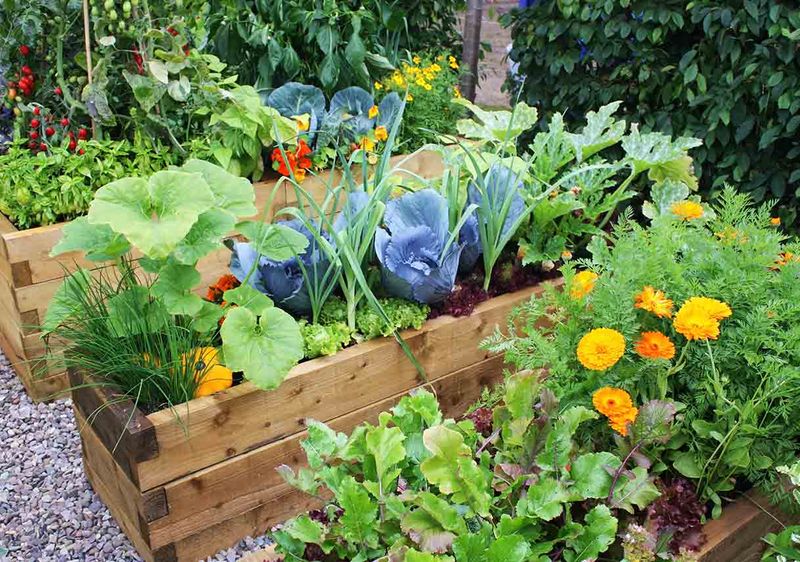
Your Florida front yard can do more than just sit there looking pretty. With the right picks, it can feed your family too, and the folks at UF/IFAS say these plants pull double duty by looking sharp and tasting great. That matters here where sandy soil, blazing summer heat, and surprise storms make gardening tricky. Here are ten edible plants that earn their spot out front and can handle real Florida conditions.
1. Pineapple
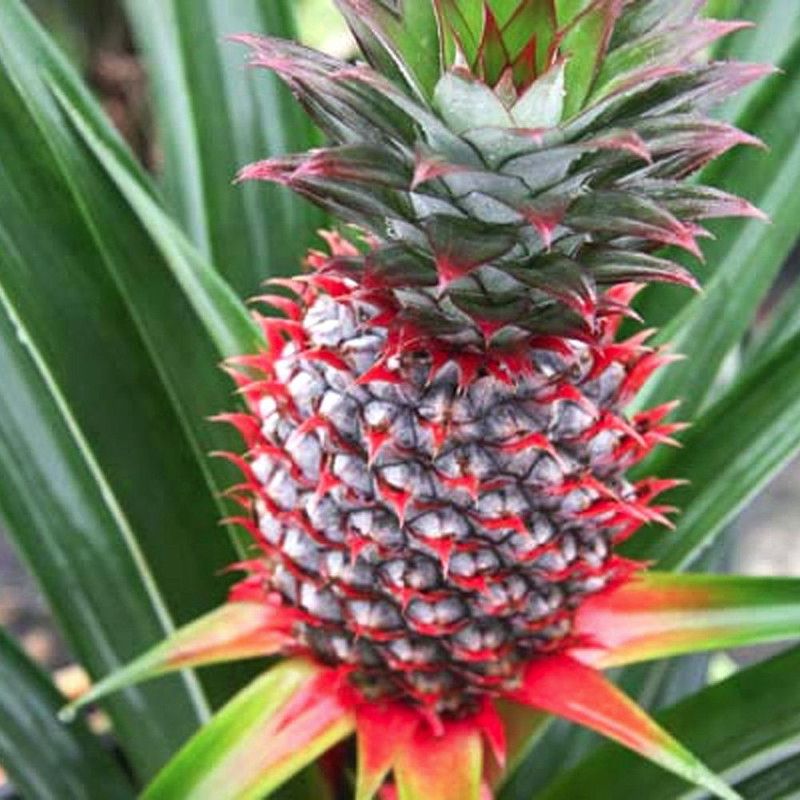
Few plants make a bolder statement in a Florida yard than a pineapple, with its spiky rosette of blue-green leaves that looks like something out of a tropical postcard. Plant one near your walkway and neighbors will stop to ask what it is.
UF/IFAS points out that pineapples thrive in our sandy, fast-draining soil because they hate wet feet, so they fit Florida conditions almost perfectly. You can even start one from the leafy top of a grocery-store fruit, then wait patiently while it grows into a landscape centerpiece.
Fun fact: a single pineapple plant usually produces just one main fruit, then sends out pups you can replant for the next round. The trade-off is time, since it may take a couple of years to fruit, but the payoff is a sweet, sun-warmed pineapple grown steps from your door.
2. Loquat
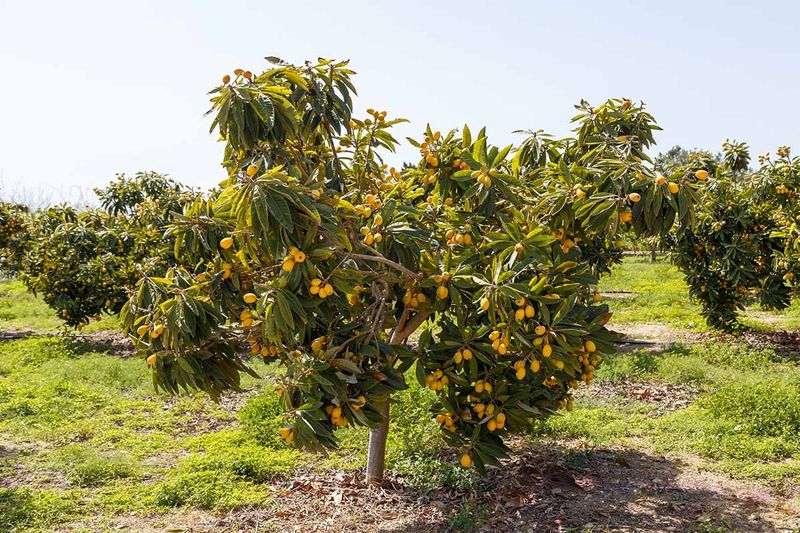
Picture a small, tidy tree with glossy leaves that stays green all year and hands you clusters of tangy-sweet orange fruit in late winter. That is the loquat, a landscape favorite that quietly earns its keep.
Because it tolerates our heat and shrugs off many pests, UF/IFAS lists it as a solid, low-fuss choice for home yards across much of Florida. Its rounded shape and leathery foliage give the front yard structure even when it is not fruiting.
The fruit ripens at an odd time, February through April, which means fresh eating when little else is producing. Birds love loquats too, so plan to harvest promptly or share the bounty with your feathered neighbors.
3. Rosemary
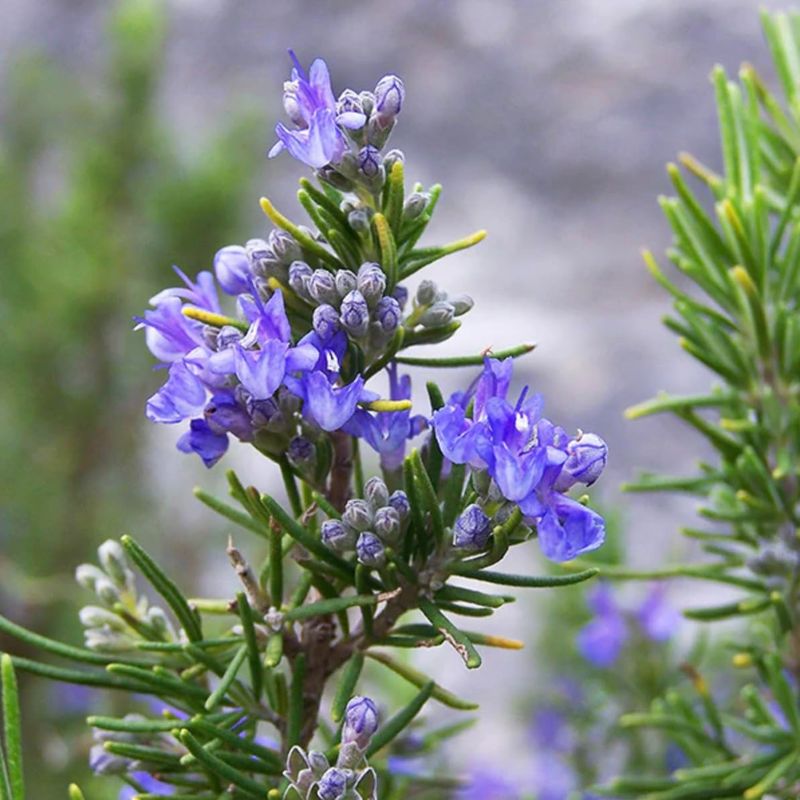
Run your hand across a rosemary shrub and the whole yard suddenly smells like a Sunday roast. That aromatic punch is only half the appeal, because rosemary also forms a neat, silvery-green hedge that holds its shape beautifully.
Drought is no problem for this Mediterranean herb, which is exactly why it laughs at Florida’s brutal July heat and sandy soil that drains in a flash. UF/IFAS treats it as a dependable, low-maintenance woody herb once it settles in.
Snip sprigs whenever you cook, and the plant just keeps bushing out. Some varieties even push out tiny blue flowers that bees adore, turning your seasoning stash into a pollinator pit stop.
4. Blueberry (Southern Highbush)
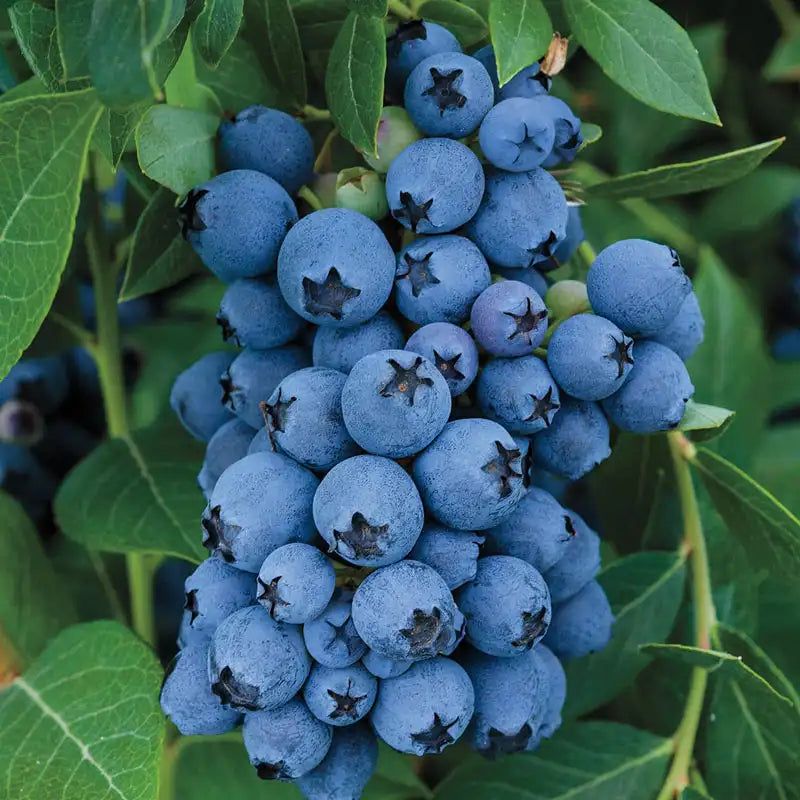
Homegrown blueberries taste nothing like the firm ones from the store, and a well-placed bush proves it season after season. Southern highbush varieties were bred specifically for our mild winters, so they belong in Florida yards.
Beyond the fruit, the shrub delivers real curb appeal: white spring blooms, summer-green leaves, and fiery red-orange color when the weather cools. UF/IFAS recommends acidic soil and consistent moisture, and mulching heavily helps sandy ground hold what little water it can.
Plant two different varieties for better pollination and you will pick handfuls of berries in spring. Just tuck them where you can reach easily, because once the fruit ripens, resisting a snack on the way to your car is nearly impossible.
5. Rainbow Chard
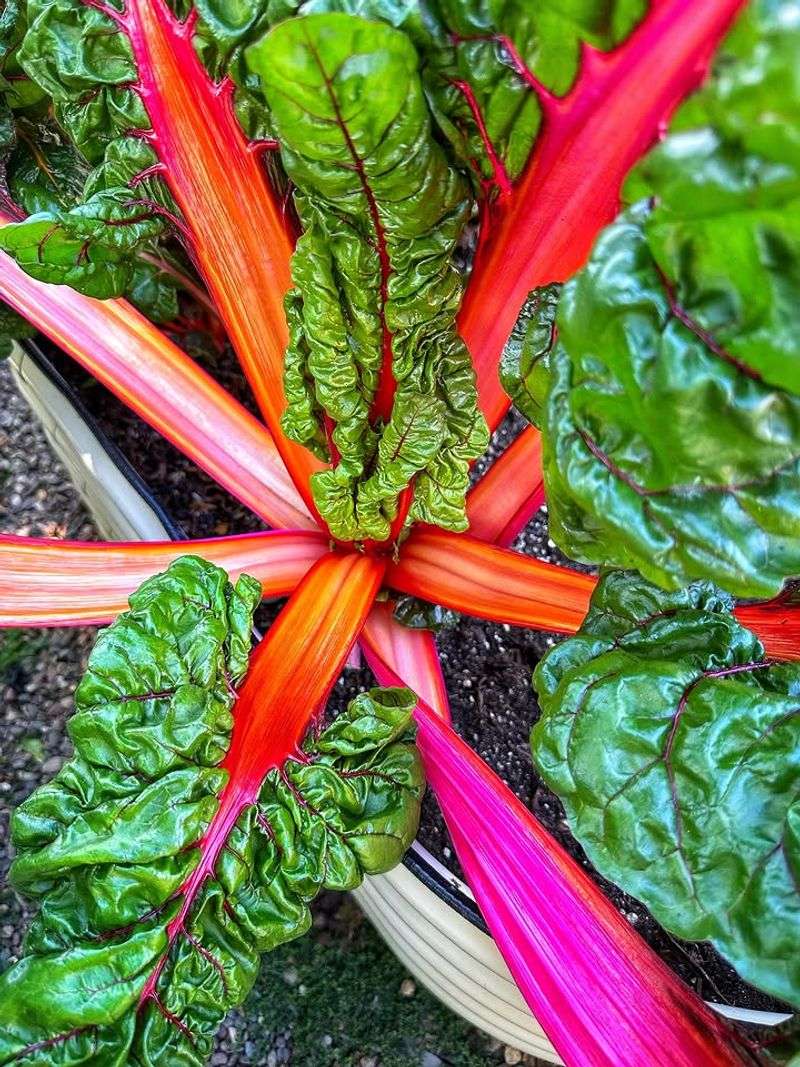
Talk about a plant that thinks it is a flower. Rainbow chard sends up broad, crinkled leaves on stems glowing in neon pink, gold, orange, and ruby red, so a row of it reads like a painted border.
Cool-season planting is the trick in Florida, since chard prefers our milder fall and winter stretch over the punishing summer. UF/IFAS notes it grows well from seed and keeps producing as you harvest the outer leaves.
You get a long, generous run of greens for sauteing, salads, or tossing into soups. Because you pick leaf by leaf instead of pulling the whole plant, the colorful display stays intact right through the season.
6. Meyer Lemon
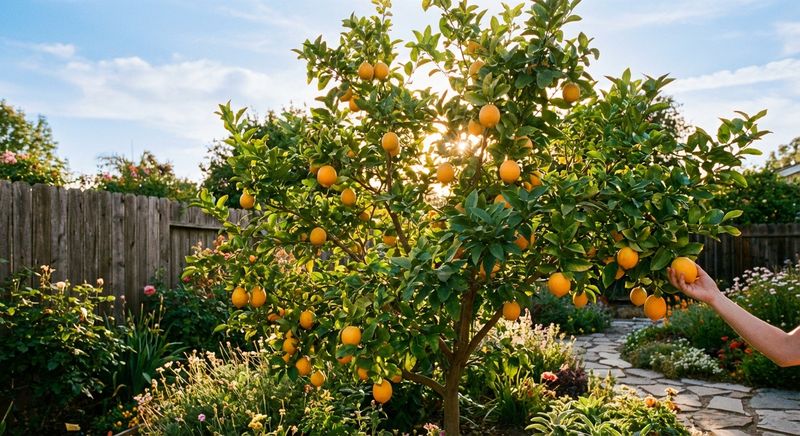
Sweeter and less sharp than a regular lemon, the Meyer lemon is the citrus that made backyard growers fall in love all over again. Its compact size means it fits tight front-yard spaces and even large containers.
Glossy evergreen leaves, fragrant white blossoms, and cheerful yellow fruit give you three seasons of interest on one small tree. UF/IFAS reminds Florida growers to watch for citrus pests and disease, so choosing certified, healthy stock matters a lot here.
Position it in full sun and give the sandy soil a boost of organic matter, and you will be squeezing fresh lemons into your iced tea by winter. The scent alone during bloom time is worth the space.
7. Pigeon Pea
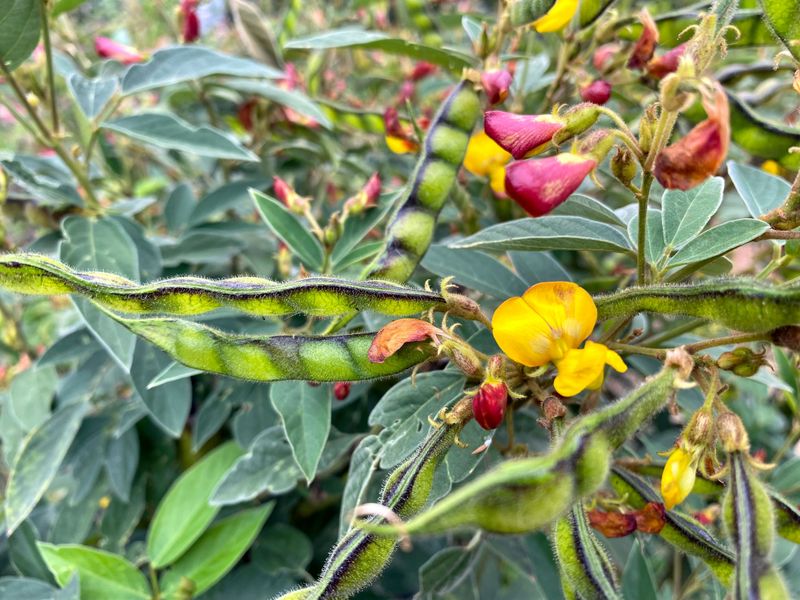
Here is an unsung hero that works overtime while looking easygoing. Pigeon pea grows into a tall, airy shrub dotted with yellow-and-red pea flowers, and it barely blinks at heat, drought, or poor sandy dirt.
What sets it apart is how it feeds the soil, pulling nitrogen from the air and enriching the ground around it, a trait UF/IFAS values in low-input Florida gardens. That means less fertilizer for you and healthier neighbors for whatever grows nearby.
The edible peas cook up like any other legume, fresh or dried, adding protein straight from the front yard. As a bonus, its quick, sturdy growth makes it a handy short-term privacy screen while slower plants fill in.
8. Mango
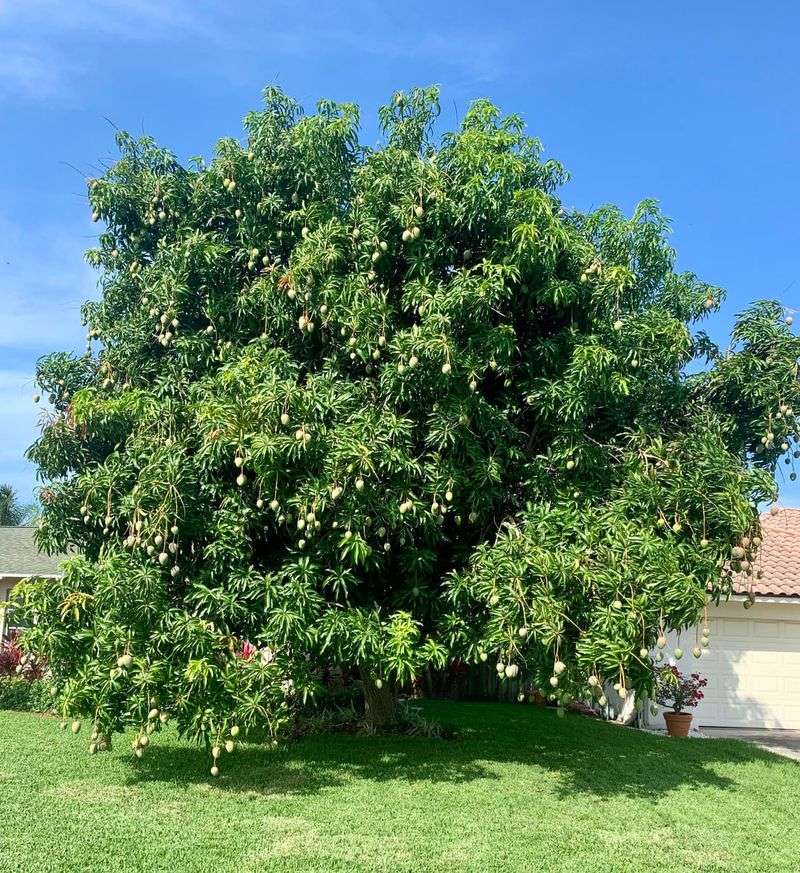
Nothing says South Florida summer quite like a mango tree heavy with fruit. A mature tree becomes a shade-throwing, canopy-spreading landmark that anchors a whole front yard.
UF/IFAS recommends mangoes for the warmer parts of the state, where they handle heat like champions once established, though they do need protection from hard cold snaps up north. Pick a grafted, named variety for reliable fruit and a manageable size.
When July arrives and the branches sag with ripening fruit, you will understand why entire neighborhoods trade mangoes by the bagful. Just give the tree room to spread, because a happy mango does not stay small for long.
9. Nasturtium
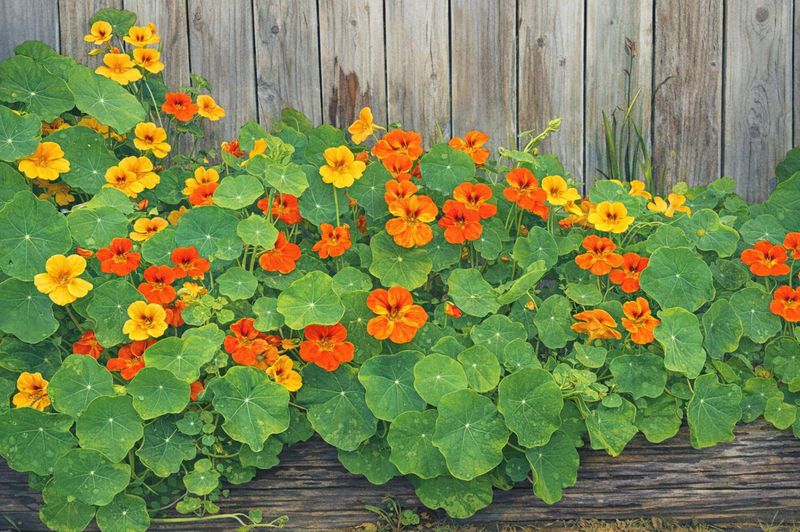
Cheerful, peppery, and completely edible from flower to leaf, nasturtium is the plant that turns a salad into a conversation. Its round leaves and jewel-toned blooms in orange, red, and gold sprawl or mound wherever you let them.
Cooler months are its moment in Florida, since it fades fast in extreme heat, making it a perfect fall-through-spring filler for front borders and containers. Both the leaves and blossoms carry a gentle horseradish-like bite that dresses up any dish.
It asks for almost nothing, thriving even in lean, sandy ground where fussier plants sulk. Gardeners often say nasturtiums grow best when you ignore them, which is exactly the kind of low-effort win Florida yards reward.
10. Everglades Tomato
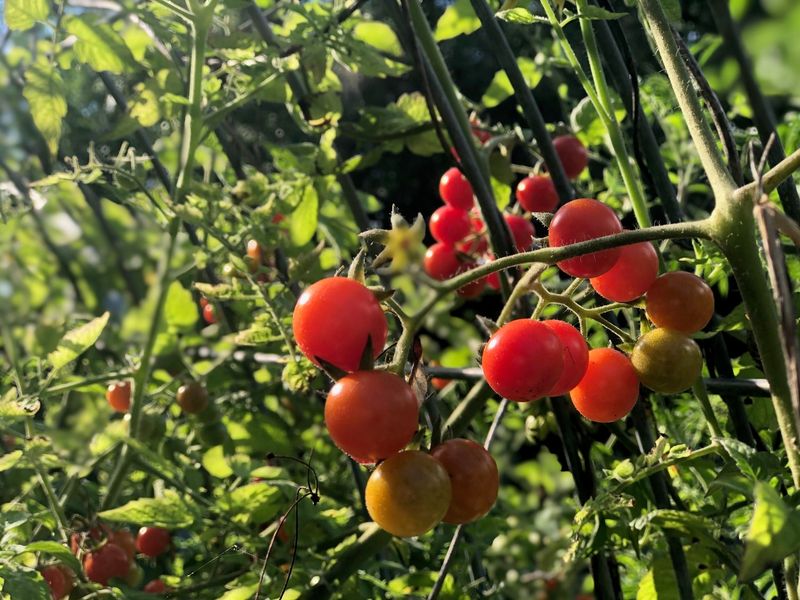
Meet the tomato that actually wants to live in Florida. The Everglades tomato is a wild, native-adapted type producing swarms of tiny, intensely sweet fruit on a rambling, resilient plant.
Where standard tomatoes wilt and rot in our humidity and heat, this scrappy survivor keeps setting fruit through conditions that flatten the big hybrids, a trait UF/IFAS gardeners prize for tough summer growing. It can reseed itself and pop up year after year with almost no help.
The plant does sprawl, so give it a cage or let it tumble as a groundcover-style edible. Pop one of those pea-sized tomatoes in your mouth warm off the vine and you may never fuss over finicky beefsteaks again.