
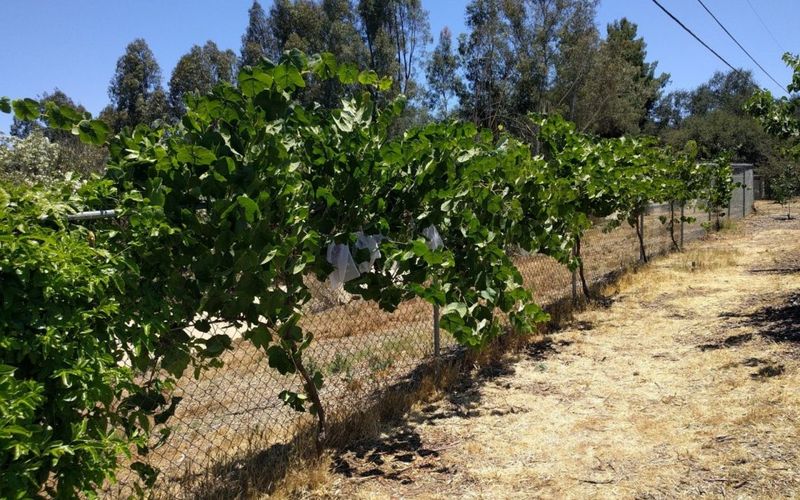
Crape myrtles have ruled Texas driveways for decades, but a lot of homeowners are ready for something that gives back more than summer blooms. More Texans are now planting fruit, nuts, and herbs along their driveway fences so the walk to the mailbox ends with a snack.
The best of these plants shrug off triple-digit heat, tough soils, and watering rules. Here are nine edible picks that look great, feed your family, and fit right into a Texas yard.
1. Fig Tree
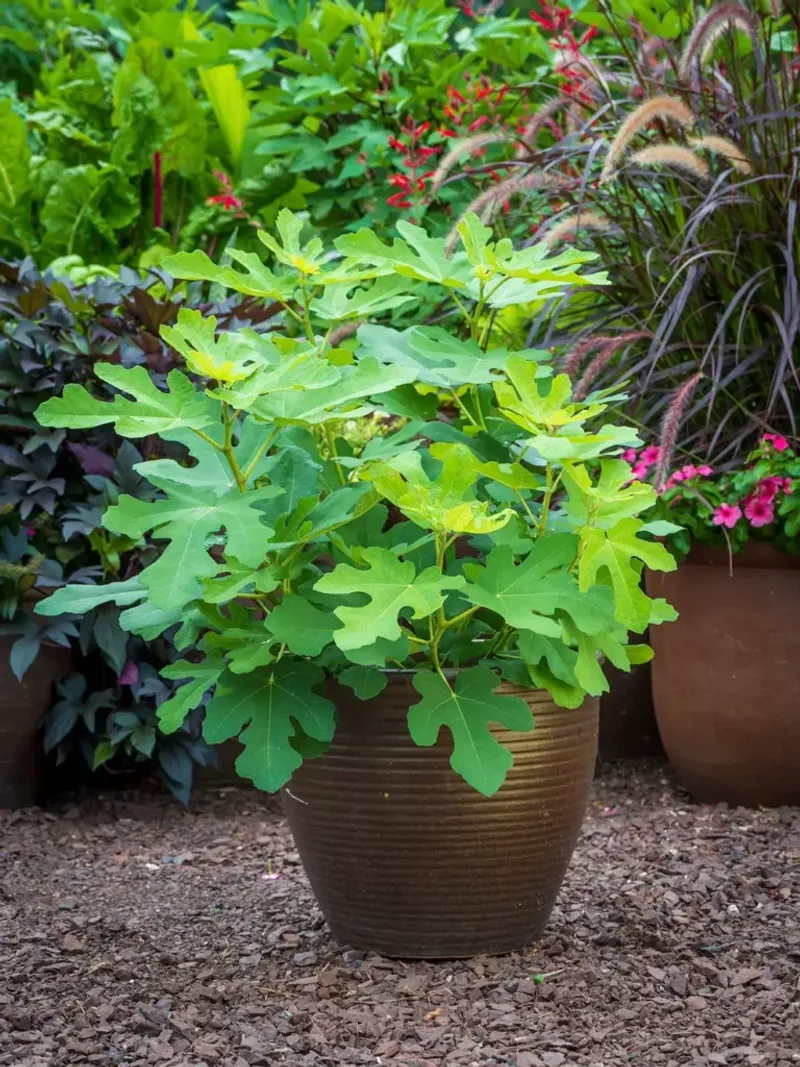
Ask any Texas grandmother about figs and you will probably hear a story about fig preserves cooling on the kitchen counter. Figs have been a backyard staple across the state for generations, and they are making a strong comeback along driveway fences.
Varieties like Celeste, Texas Everbearing, and LSU Purple handle summer heat well and can produce sweet fruit by midsummer. Their big, bold leaves also make a lush green screen that feels more tropical than a bare crape myrtle trunk.
Plant figs where they get full sun and a bit of shelter from winter wind, which a fence provides nicely. Deep, occasional watering during dry spells usually keeps them happy, and a layer of mulch helps protect shallow roots.
In North Texas, a hard freeze may knock them back, but most established trees resprout from the base.
2. Pomegranate
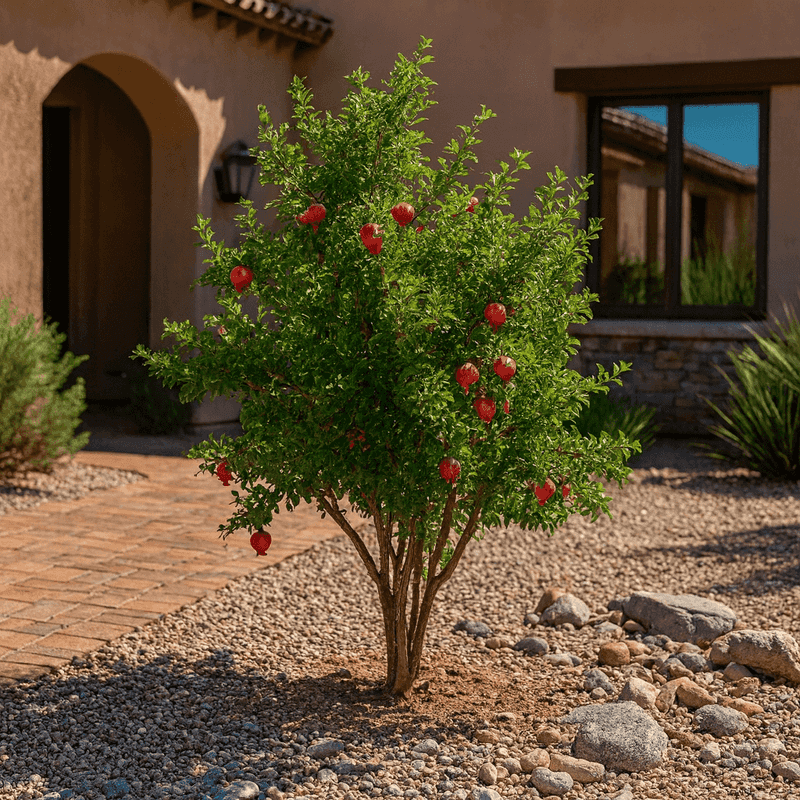
Picture blooms as fiery as a crape myrtle, followed by glossy red fruit you can actually eat. That trade is exactly why pomegranates are winning over so many Texas homeowners.
Pomegranates are tough customers. They tolerate alkaline soil, heat, and drought once established, which makes them a smart fit for yards dealing with water restrictions.
Varieties such as Wonderful, Al-Sirin-Nar, and Salavatski are often recommended for Texas conditions, with the last two known for better cold tolerance.
Along a fence line, you can let them grow as a multi-stem shrub or train them into small trees. Expect orange-red flowers in spring and fruit ripening in early fall.
Hummingbirds often visit the blossoms too, so you get a little wildlife show along with the harvest.
3. Blackberries
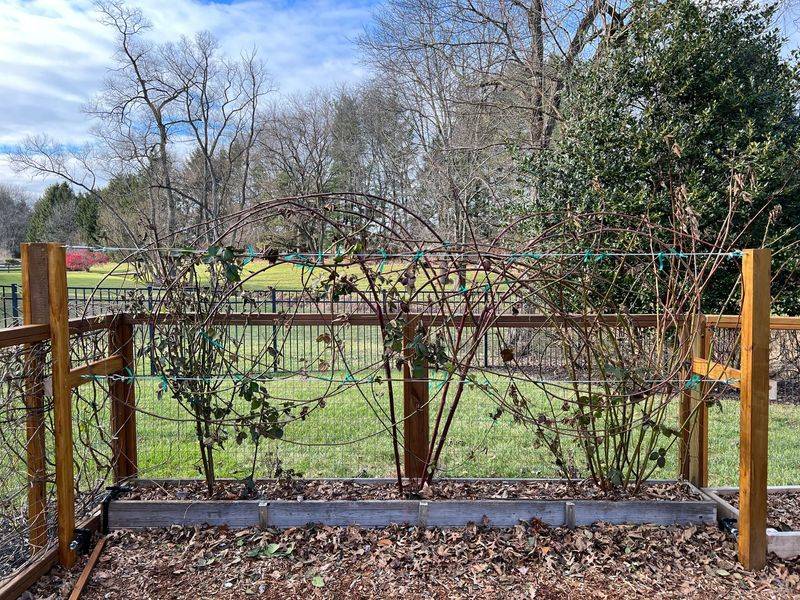
Few things beat walking out to grab the mail and coming back with a handful of warm, ripe blackberries. Texas A&M has bred several thornless varieties, including Natchez, Ouachita, and the Texas favorite Brazos, that make this daydream practical.
Blackberry canes love to climb, so a driveway fence works like a ready-made trellis. Tie the canes to wire or fence rails and they form a dense green wall by late spring.
Harvest usually arrives in May and June, right before the worst summer heat.
Give them full sun and well-drained soil, since soggy roots can cause trouble. After fruiting, cut the old canes back to make room for new growth.
Birds love the berries as much as kids do, so you may need to share a few.
4. Muscadine Grapes
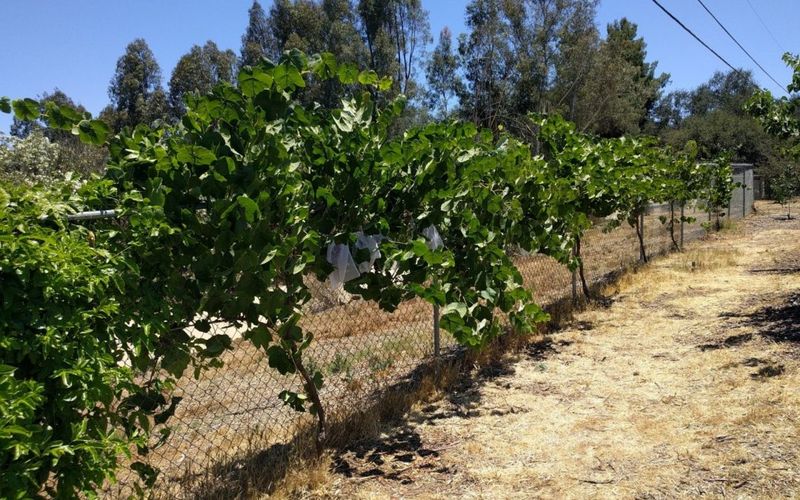
Southern summers and muscadines go together like porch swings and sweet tea. These native grapes thrive where many fancy European grapes struggle, especially in the humid eastern half of Texas.
Muscadines resist Pierce’s disease, which wipes out many other grape types in the state. That toughness makes them one of the most reliable fruiting vines you can grow on a fence.
Varieties like Carlos, Noble, and Triumph are popular picks, though some need a partner vine for pollination, so check the tag.
The vines grow fast and can cover a long stretch of fence in a couple of seasons. Thick-skinned grapes ripen in late summer and early fall, perfect for jelly or eating straight off the vine.
Prune hard each winter to keep things tidy and productive.
5. Loquat
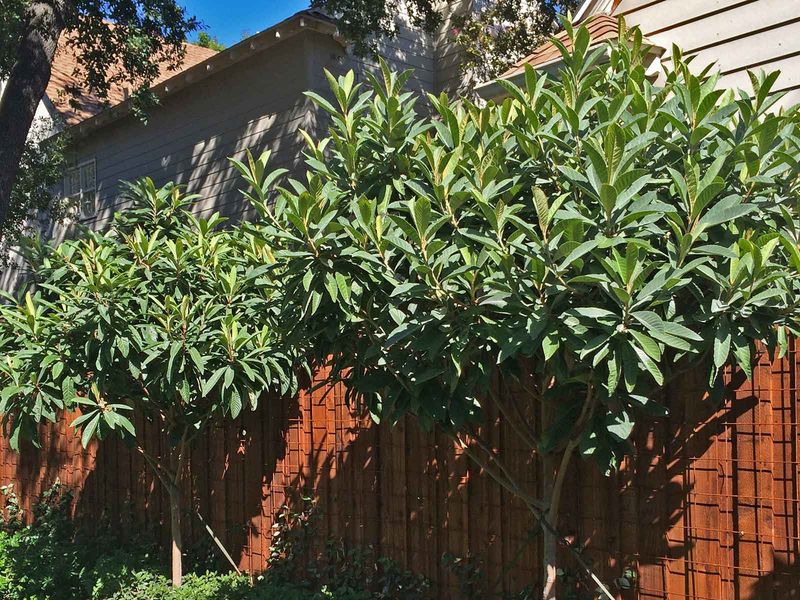
Here is a fun one. Loquats bloom in fall and early winter, then ripen their sweet, apricot-colored fruit in late winter or spring, when almost nothing else in the yard is ready to pick.
The big, leathery evergreen leaves stay attractive all year, giving you a solid screen that does not go bare in winter like crape myrtles do. Loquats do best in South Texas, the Gulf Coast, and the Hill Country, where freezes are lighter.
A hard freeze during bloom can damage the fruit, though the tree itself is fairly hardy.
Plant them in full sun to part shade and water deeply while they get established. The fruit tastes a bit like a mix of peach, mango, and citrus.
Many Houston neighbors share their extras every spring, which is part of the charm.
6. Texas Persimmon
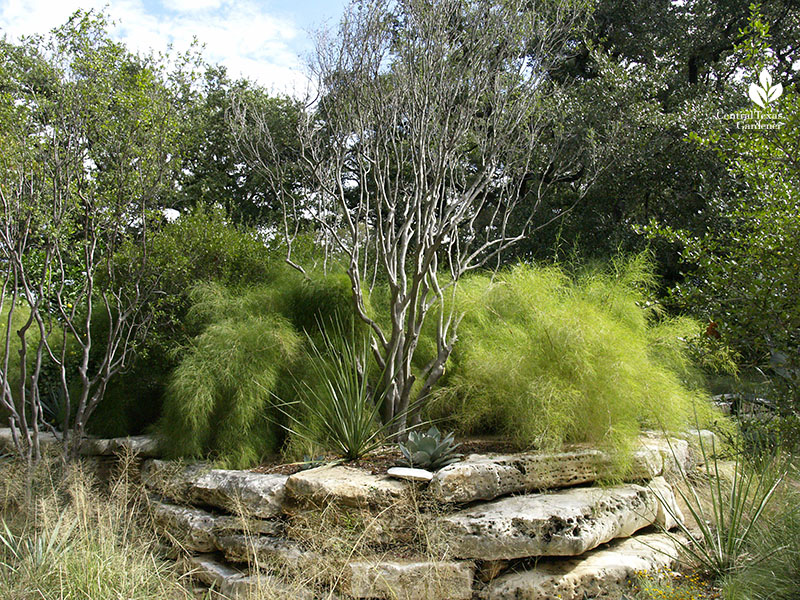
Hill Country hikers know this native by its smooth, silvery bark that peels like a sycamore’s, and that bark rivals anything a crape myrtle can show off. Texas persimmon is a true local, built for limestone soils and long dry spells.
The small black fruits ripen in late summer. They are sweet and soft when fully ripe, though they are seedy and can stain fingers and pavement, so plant a few feet back from the driveway edge.
Female trees bear the fruit, so buy from a nursery that knows which is which.
Once settled, this tree needs very little water, a big win under city watering rules. Birds, foxes, and other wildlife love the fruit, turning your fence line into a small habitat corridor.
It is a quiet, hardworking pick for anyone who wants native plants with a payoff.
7. Meyer Lemon
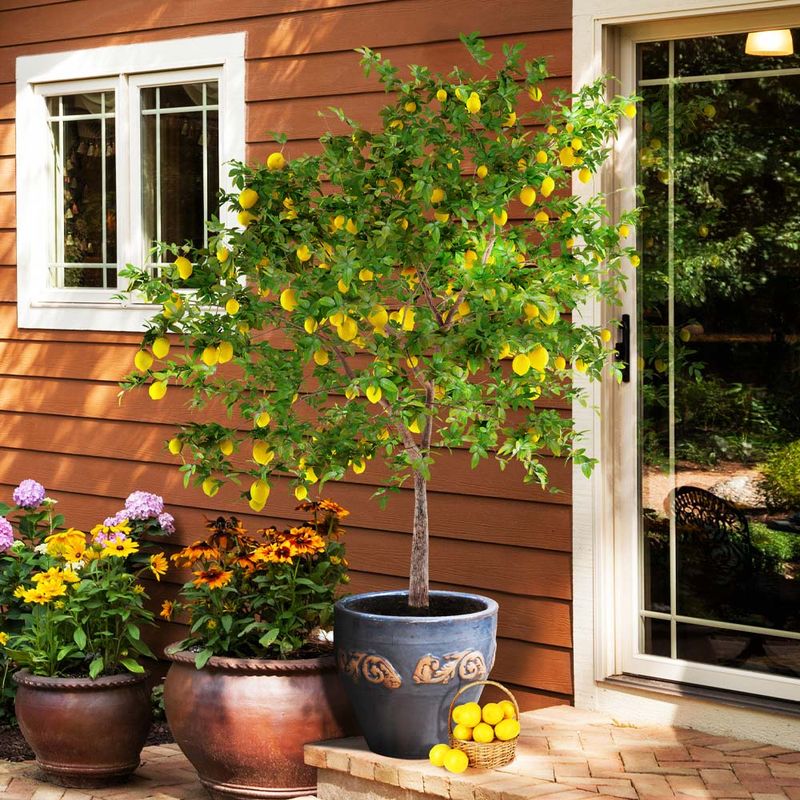
“Fresh lemonade from the driveway” sounds like a sales pitch, yet thousands of Texans make it happen every winter. Meyer lemons are among the most forgiving citrus trees for home growers.
In the Rio Grande Valley, Corpus Christi, and much of the Gulf Coast, you can plant them right in the ground along a sunny fence. A south-facing fence also reflects heat, which may help protect the tree on chilly nights.
Farther north, many folks grow them in large pots lined up along the driveway and roll them into the garage when a freeze is coming.
The blossoms smell wonderful in spring, and the juicy fruit usually ripens from late fall into winter. Feed with a citrus fertilizer and water deeply when the top few inches of soil dry out.
8. Rosemary
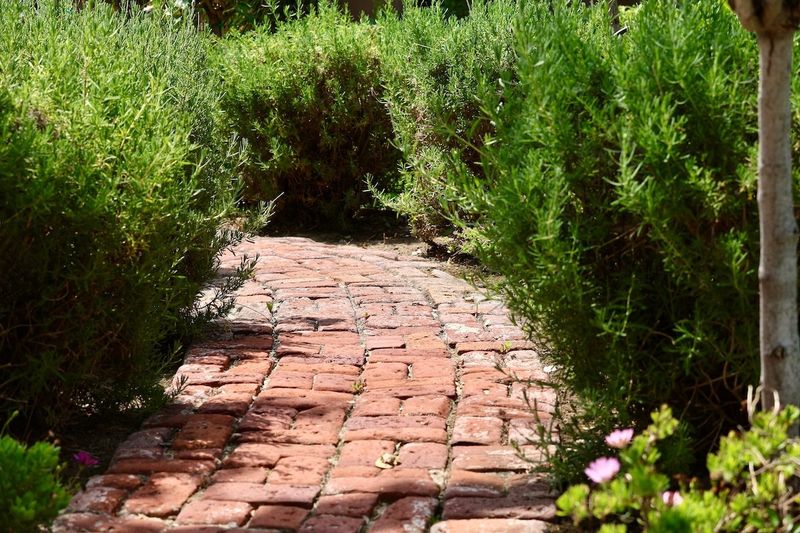
Brush past it on the way to your car and the whole driveway smells like a Sunday roast. Rosemary is the low-maintenance herb that works as a hedge, and it might be the easiest plant on this list.
Upright types like Tuscan Blue and Arp can grow three to five feet tall, making a fragrant evergreen border at the base of a fence. They thrive in poor, rocky soil and actually prefer to stay on the dry side, so overwatering is the bigger risk.
Arp is a good choice for North Texas because it handles cold better.
Small blue flowers in winter and spring feed bees when little else is blooming. Snip sprigs anytime for cooking.
Pair rosemary in front of taller fruit trees and you get a layered look that is both pretty and useful.
9. Pineapple Guava
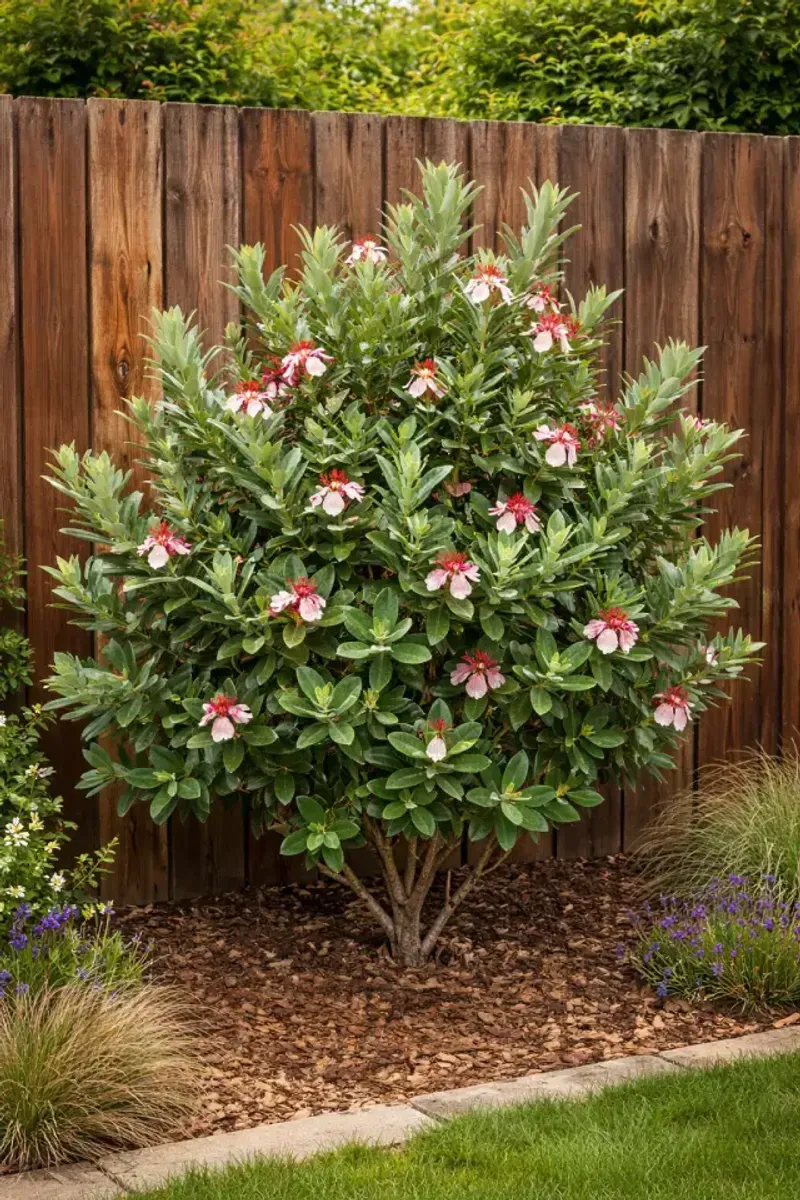
Edible flower petals that taste like cotton candy? Pineapple guava, also called feijoa, delivers exactly that, plus a fruit that tastes like pineapple, mint, and strawberry rolled together.
This evergreen shrub has soft, silvery-green leaves that look elegant as a hedge or a privacy screen. It tolerates heat, handles some drought once established, and shrugs off light freezes better than true tropical guavas.
That makes it a nice fit for Central and South Texas yards.
Spring brings showy red-and-white blooms, and the fleshy petals are sweet enough to eat right off the plant. Fruit ripens in fall and usually drops when ready, so just collect it from the ground.
Planting two shrubs may improve fruit set, so line a few along the fence for best results.