
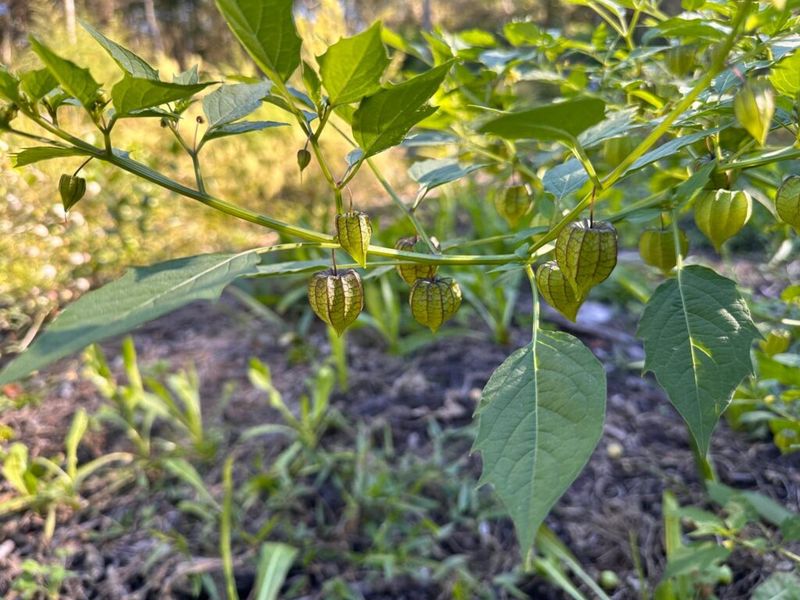
A porch can grow more than pretty flowers in Florida. With the right native edible plants, even a small container can hold fruit, herbs, or greens that handle heat, sandy conditions, storms, and local pests better than many fussy garden crops. These plants also bring birds, butterflies, and a real sense of place to your home. Here are eight Florida native edibles that earn their spot by looking good and giving something useful back.
1. Beautyberry
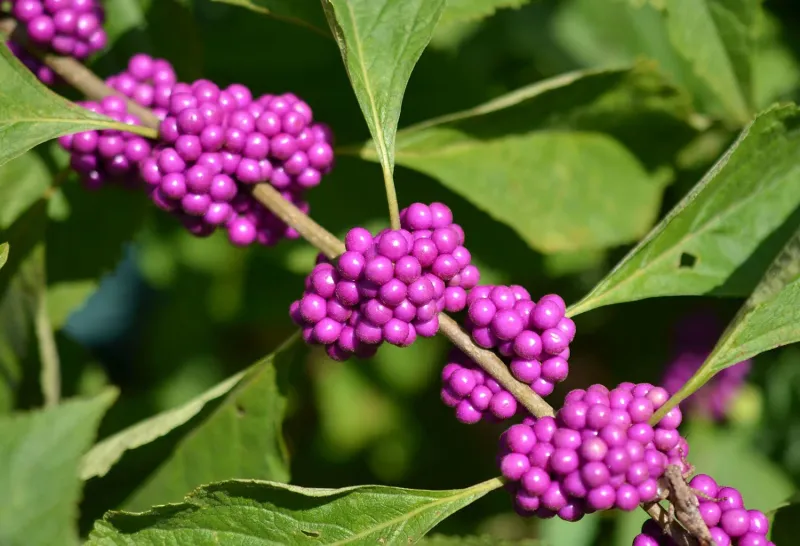
Bright purple berries can stop a porch visitor mid-sentence, and beautyberry knows it. American beautyberry is one of Florida’s most eye-catching native shrubs, with bead-like fruit that circles the stems in late summer and fall.
For containers, choose a roomy pot with drainage holes and give it a place with morning sun or light shade. It handles Florida heat well once established, and it is more forgiving than many fruiting shrubs when summer weather swings from dry sand to sudden downpours.
The berries are edible, though they taste mild and a little astringent raw. Many Florida gardeners use them for jelly, syrup, or wildlife watching, since birds also love them. Prune after fruiting to keep the plant porch-sized and tidy.
Beautyberry earns its place because it looks ornamental first and edible second. That makes it ideal for gardeners who want a container plant that feels polished, not like a row crop squeezed beside the front door.
2. Seminole Pumpkin
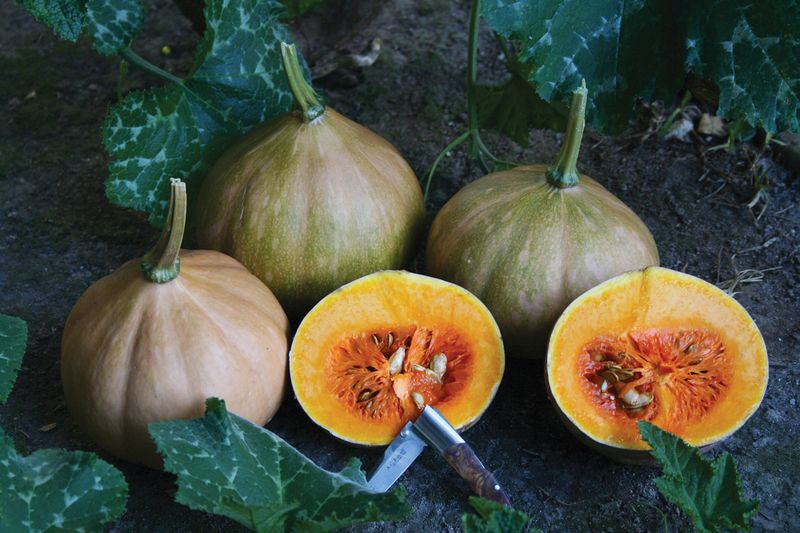
Old Florida gardeners had a secret weapon for rough weather, hungry bugs, and sticky summer heat. Seminole pumpkin is a native heirloom squash with deep roots in Indigenous and early Florida food gardens, and it still feels built for this state.
A container-grown vine needs a large pot, rich mix, and a strong trellis or railing to climb. Unlike many squash varieties that collapse under Florida pest pressure, Seminole pumpkin is known for being tougher against the heat, humidity, and common vine troubles that wear out less adapted plants.
The fruit is usually small to medium, with tan skin and sweet orange flesh. It stores well, which is a gift during hurricane season when gardeners appreciate food that does not need the fridge right away.
On a porch, the vine brings a lush, green, cottage-garden look. It is not the smallest plant on this list, but it gives the biggest harvest feeling, turning one large container into a real food producer with personality.
3. Wild Lime
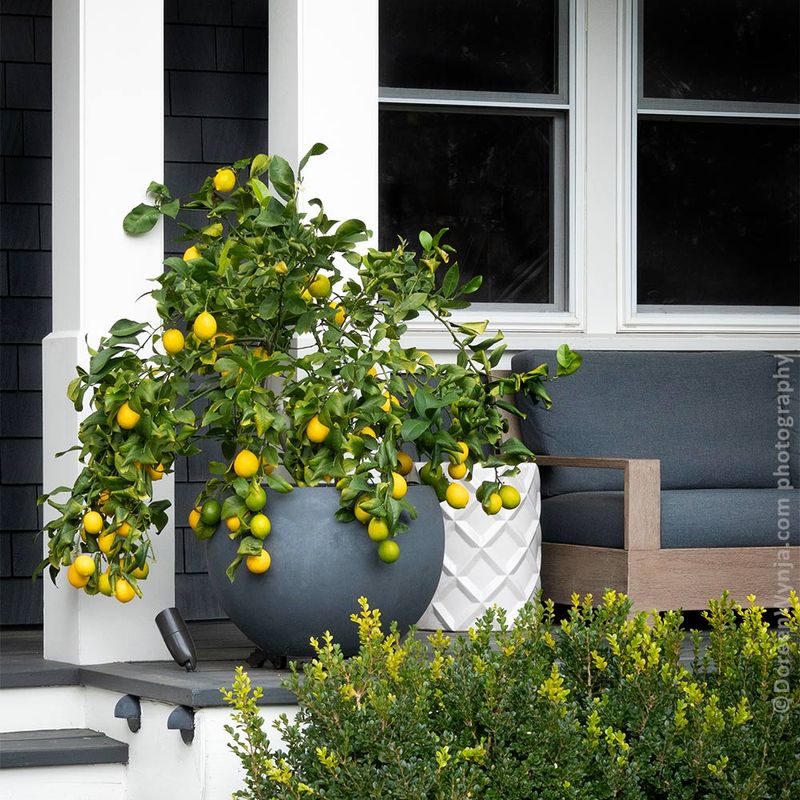
A little danger can make a porch garden more interesting, and wild lime brings that in the form of thorns, glossy leaves, and tiny citrus-scented fruit. Florida wild lime is a native shrub or small tree that can be kept compact in a container with careful pruning.
Give it full sun to part sun, a well-drained potting mix, and room away from busy walkways. The thorns are real, so place it where nobody brushes past it with bare legs or grocery bags.
The small fruits are edible and aromatic, though not the same as grocery-store limes. Use the zest or juice sparingly in drinks, marinades, or kitchen experiments when fruit is available. Its leaves also support giant swallowtail butterflies, which adds movement and life to a porch garden.
Wild lime stands out because it feels both useful and slightly wild. For Florida gardeners who like native plants with character, it offers food, fragrance, butterfly value, and a natural security hedge in one handsome container.
4. Red Mulberry
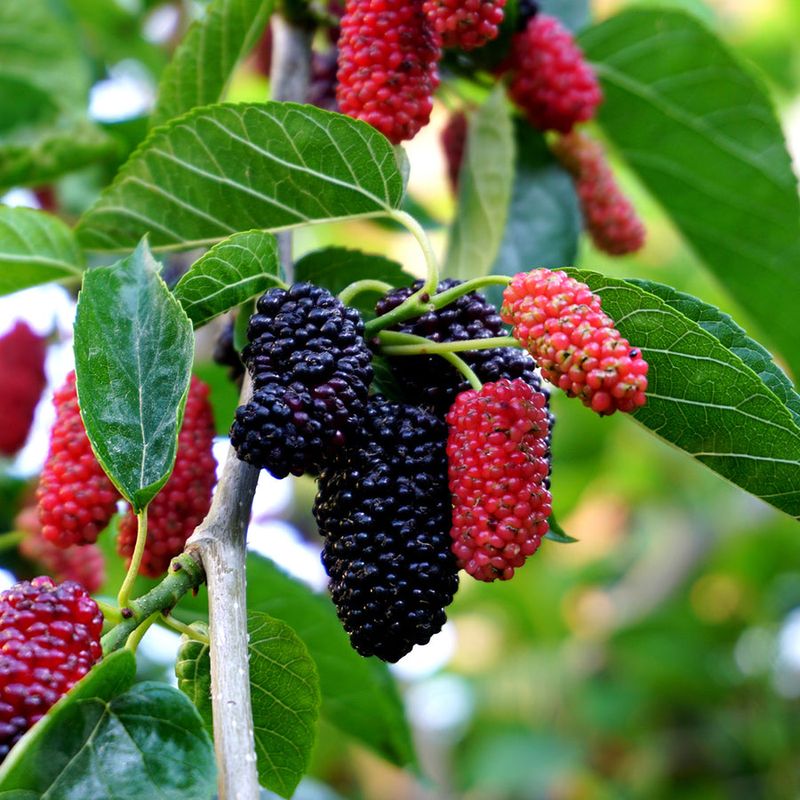
Childhood memories often live in berry stains, and red mulberry can bring that old backyard joy to a porch-sized space. Florida’s native red mulberry is a fast-growing tree, but young plants can be managed in large containers for several years with pruning.
Place the pot where falling fruit will not stain pale cushions or painted floors. A saucer-free setup is best, since Florida rain can fill trays quickly and leave roots sitting in water. Mulberries like moisture, but they still need oxygen around their roots.
The berries ripen to dark red or purple and are sweet when fully ready. Birds may claim part of the crop, so consider that a shared harvest rather than a failure. In return, the plant gives shade, broad leaves, and a soft woodland look.
Red mulberry is different from the smaller shrubs here because it gives a tree-like presence. If your porch needs height, summer shade, and a snack straight from the branch, this native edible is worth the bigger pot.
5. Simpson’s Stopper
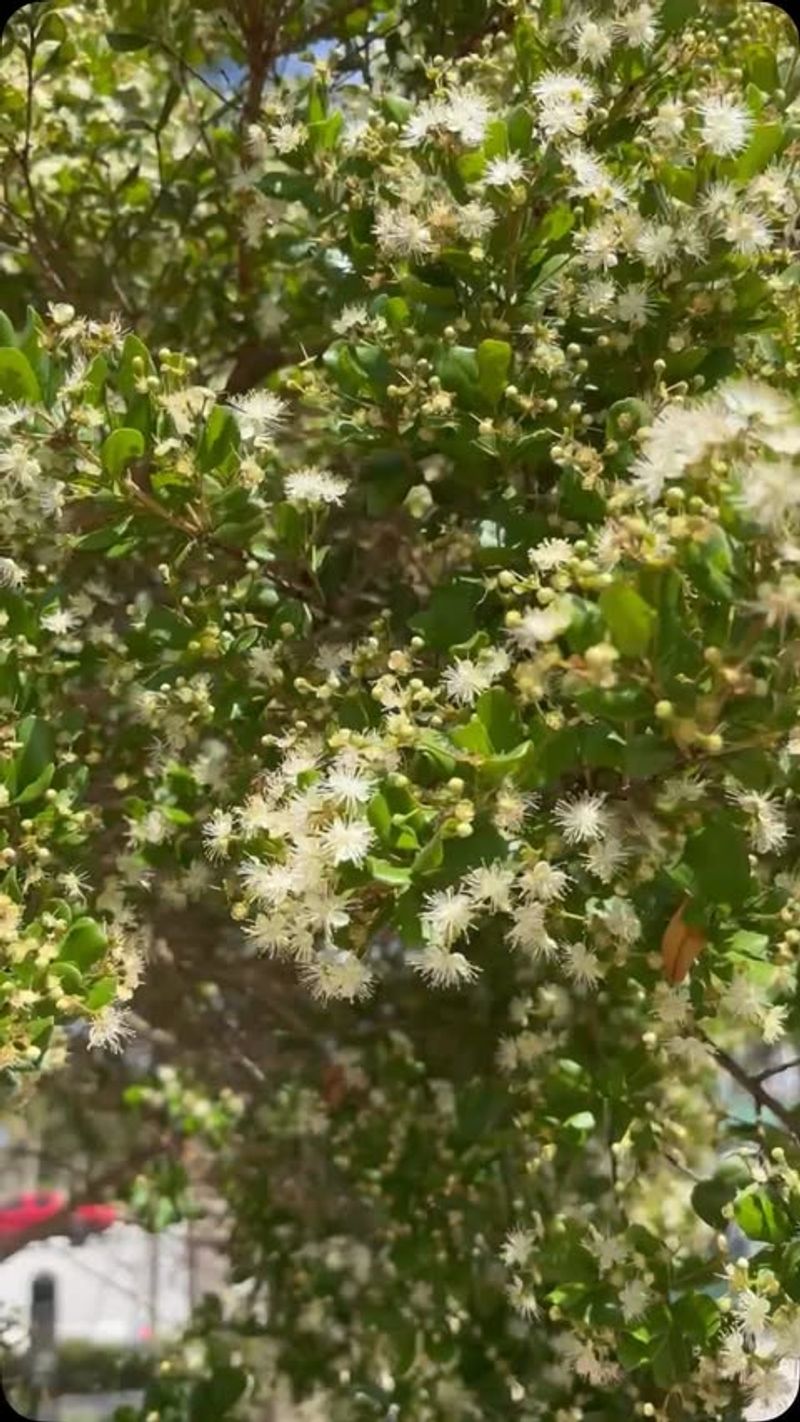
Neat, glossy, and quietly generous, Simpson’s stopper is the porch plant that looks like it hired a stylist. This Florida native evergreen shrub has small white flowers, attractive leaves, and orange-red berries that bring color without making the container look messy.
It performs especially well in Central and South Florida, where heat, humidity, and sandy landscapes are part of daily gardening life. In a container, it appreciates good drainage and regular water while it settles in, then becomes fairly easy to manage.
The berries are edible, with a spicy, resinous flavor that some people enjoy fresh and others prefer as a trail-side nibble. Wildlife also values them, so do not expect every berry to wait for you.
Simpson’s stopper deserves attention because it is one of the most porch-polished native edibles. It can work near an entry, beside a seating area, or as a paired container planting, giving structure first and food as a bonus.
6. Cocoplum
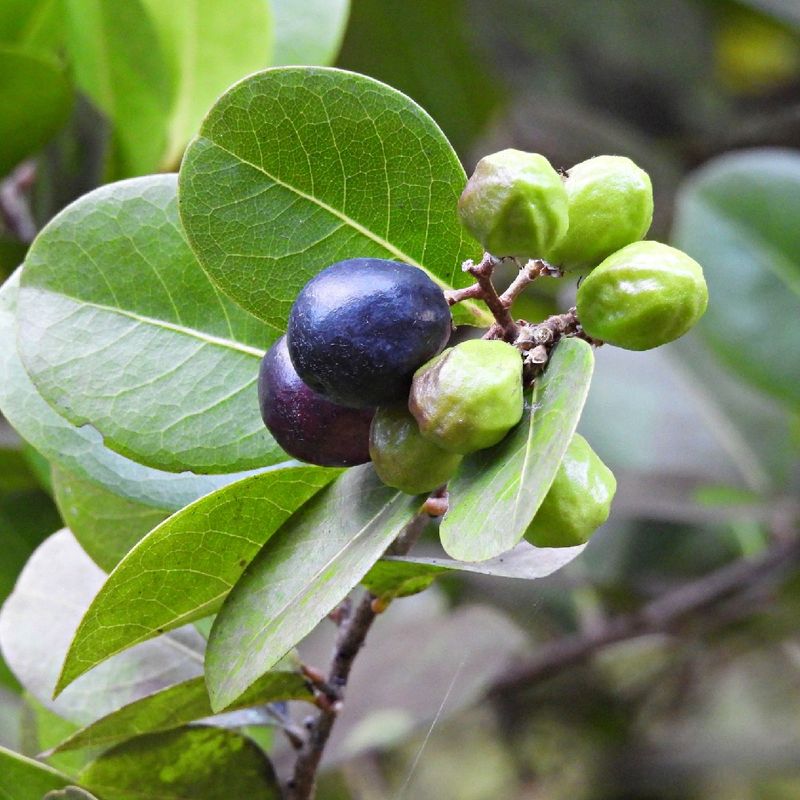
Coastal Florida porches need plants with backbone, and cocoplum has plenty. Salt air, heat, bright sun, and stormy summer weather are not deal breakers for this native shrub, which is why it is common in South Florida landscapes.
In containers, compact forms are the easiest to live with. Use a large pot and prune lightly to keep a full shape. The rounded leaves are shiny and handsome, and new growth often has a pink or bronze tint that makes the plant look decorative even without fruit.
The fruits are edible when ripe and can range from white to pink, red, or purple depending on the plant. The flesh is mild and slightly sweet, with a large seed inside. Some gardeners eat them fresh, while others use them for jelly.
Cocoplum belongs on this list because it handles tough porch exposure with style. If your container garden faces salty breezes, blasting sun, or summer storms, this native edible brings a polished hedge look without acting delicate.
7. Sea Purslane
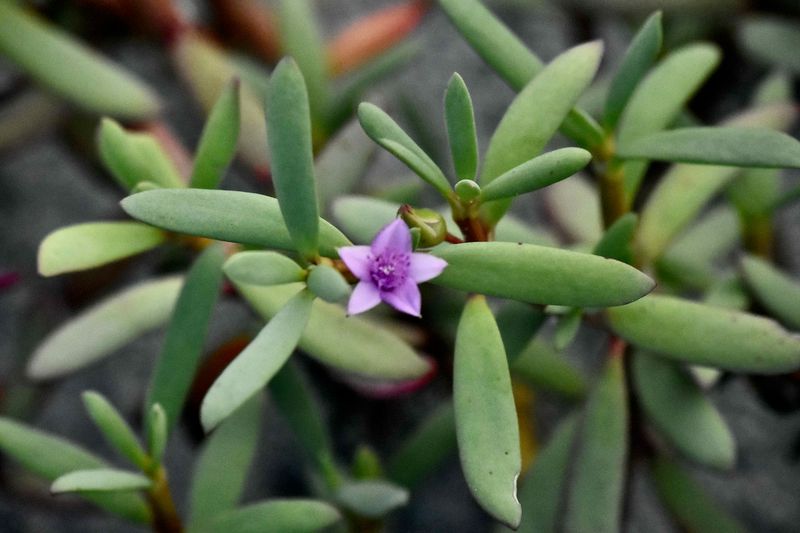
Small spaces love a plant that spills over the rim, and sea purslane does that without drama. This low, spreading Florida native has succulent leaves and a beachy look that fits shallow bowls, railing planters, and mixed containers.
Sea purslane is naturally at home near the coast, so it tolerates salty conditions, sandy soils, and heat better than many tender greens. In a porch pot, it needs sharp drainage and sun, plus enough water to keep it growing actively through dry stretches.
The leaves are edible and salty, making them useful in small amounts for salads, sandwiches, or a fresh garnish. Think of it as a native porch green rather than a full salad crop. Harvest gently so the plant can keep its tidy trailing shape.
What makes sea purslane special is its groundcover habit. While taller edibles grab attention, this one softens pot edges, fills gaps, and brings a coastal Florida flavor to containers that might otherwise look bare at the soil line.
8. Stokes’ Aster
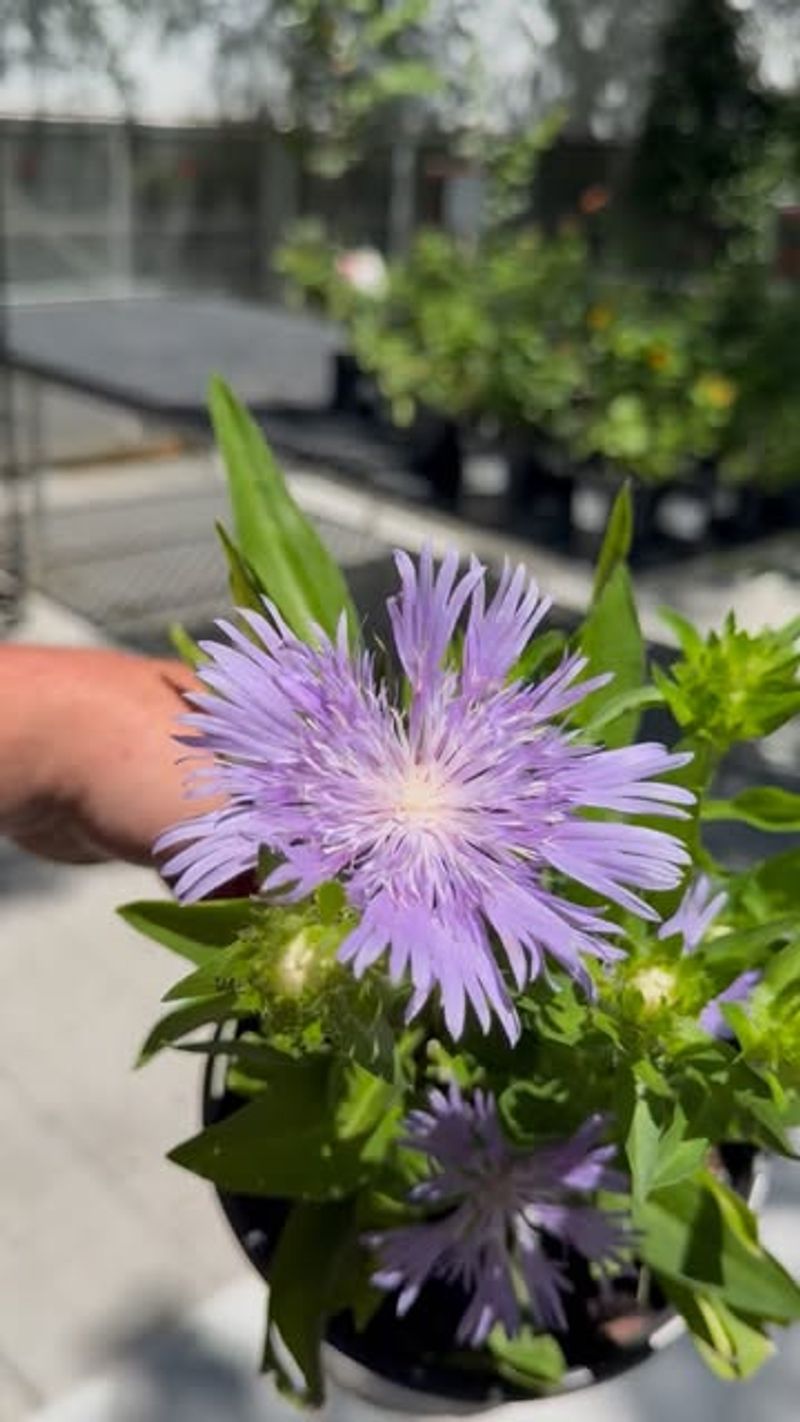
Not every edible container plant has to be about fruit. Stokes’ aster brings cheerful lavender-blue flowers to a porch and offers edible petals that can be used as a pretty garnish, while also feeding pollinators.
Native to parts of the Southeast, including North Florida, it does best in sun to part sun and a container mix that drains well but does not stay bone dry for too long. That balance matters in Florida, where pots can dry fast in July heat and then get drenched during afternoon storms.
The flowers look like soft, fringed daisies and can make a simple porch feel cared for. Use clean, chemical-free petals sparingly on salads, desserts, or drinks. As with any edible flower, only harvest from plants you know have not been treated with pesticides.
Stokes’ aster earns the final spot because it proves native edibles can be beautiful in a classic flower-pot way. Pair it with sea purslane at the edge of a container, and you get color, texture, pollinator value, and a small edible touch in one Florida-friendly planting.