
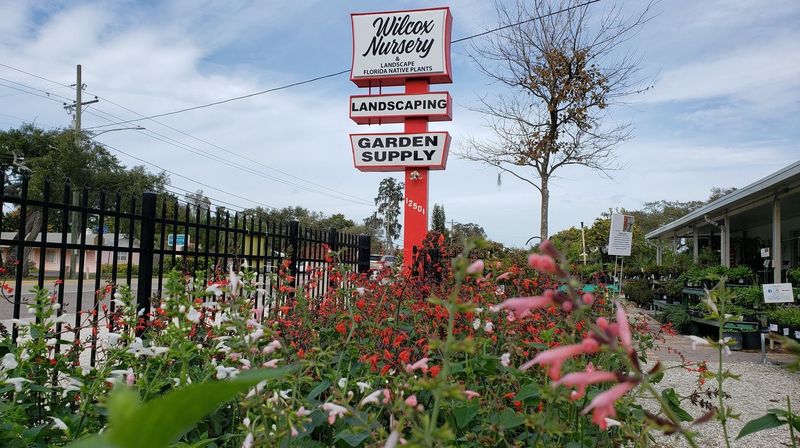
A cart full of pretty plants does not always make a yard that works in Florida. Native plant nurseries help gardeners find flowers, shrubs, and trees suited to local soil, rainfall, and wildlife.
These ten stops offer different reasons to skip the usual garden aisle, from butterfly plants to better choices for sandy yards. Check current hours and stock before making the drive, especially if you have a specific plant in mind.
1. Native Nurseries
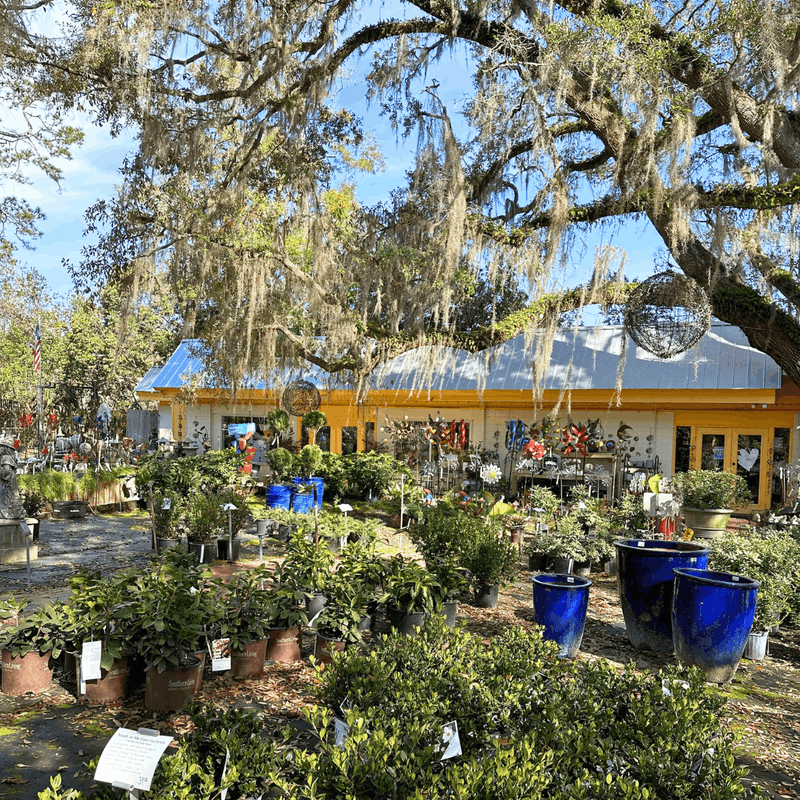
A shady yard deserves more than a row of plants that slowly fade without enough sun. Native Nurseries in Tallahassee is a useful starting point for North Florida gardeners who want to work with their landscape rather than fight it.
The business brings together native plants, wildlife gardening, and garden supplies. Its North Florida setting makes it especially relevant for homeowners dealing with winter freezes, established trees, and the mix of sunny openings and deep shade found around older homes.
Bring photographs taken at different times of day, along with notes about drainage. Ask about woodland plants for shaded beds and flowering natives for brighter edges, rather than expecting one plant to handle both places equally well.
For a manageable first project, choose a small bed visible from a window. Combine plants that offer flowers, seeds, or cover across different seasons, leaving enough room for their mature size.
The payoff is a planting plan built around your actual yard. Confirm current stock before traveling, since native plant availability changes throughout the year.
2. Wilcox Nursery & Landscape
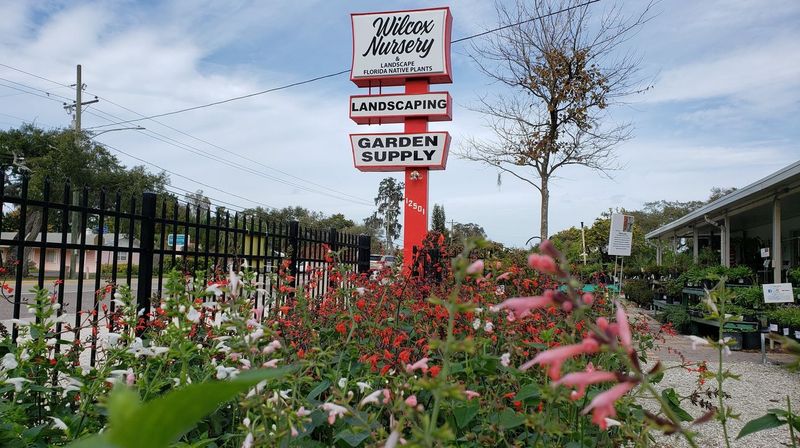
Front-yard improvements work best when the plants look intentional, not simply collected. Wilcox Nursery & Landscape in Largo stands out for gardeners who want native plants to fit into a clear, attractive landscape design.
Its combination of nursery plants and landscape services makes it a useful stop when a project involves more than filling an empty pot. Think foundation beds, a smaller lawn, or a roadside strip that needs structure as well as flowers.
Before visiting, measure the bed and note nearby windows, walkways, and utility equipment. Ask which native shrubs can reach the right size without frequent clipping, then use lower-growing plants along the front edge.
For coastal Pinellas County yards, distinguish salt spray from salty soil or occasional flooding. Those conditions call for different plant choices, even when a label broadly describes a plant as coastal.
A practical approach is to choose the main shrubs first, then add flowering accents. That order helps prevent an expensive collection of small plants from becoming a crowded bed with no room to grow.
3. Maple Street Natives
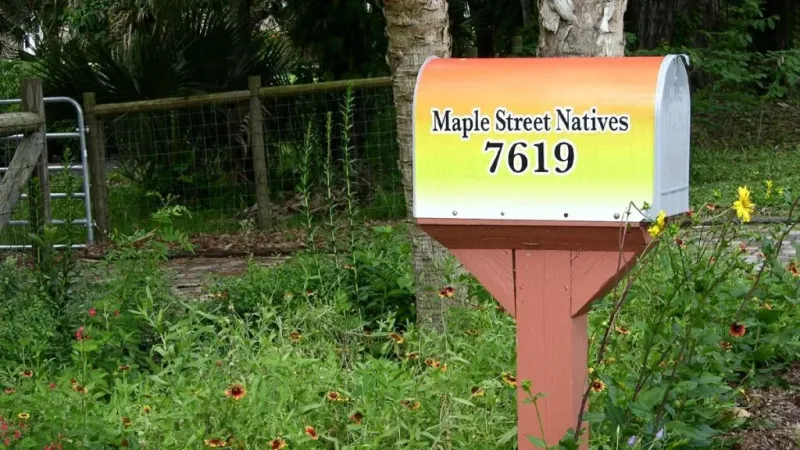
Space Coast sand can turn an ordinary plant-shopping trip into a guessing game. Maple Street Natives in West Melbourne offers a more focused route for gardeners looking for Florida natives rather than a broad mix of tropical ornamentals.
The nursery is a useful destination when you want plants for a habitat-minded yard, including flowers, grasses, and woody plants. The goal is not merely to buy something labeled native, but to match the plant to the conditions outside your door.
For a sunny bed, ask about locally suitable wildflowers and bunchgrasses that can share similar watering needs. Blanketflower and muhly grass are examples worth discussing where light, drainage, and regional suitability line up.
Keep the design simple by repeating a few plants instead of purchasing one of everything. Repeated groups are easier to maintain and give a front border a more settled appearance.
New plants still need establishment watering, even when they tolerate drought later. Ask how to check the root ball for moisture, and avoid assuming that frequent summer rain reaches every pot-sized root zone equally.
4. Florida Native Plants Nursery
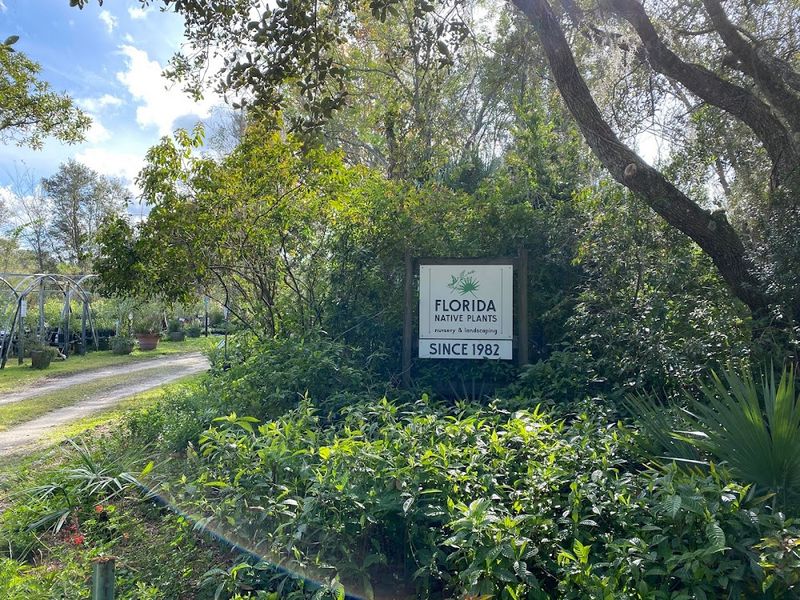
Replacing a thirsty patch of lawn starts with a better question: what belongs in that spot? Florida Native Plants Nursery in Sarasota gives homeowners a native-focused place to explore the answer.
For Sarasota-area yards, the challenge may be dry sand, a low pocket that holds water, or shade from established trees. Those sites should not receive the same planting plan just because they share a property line.
Draw a rough map before shopping and mark the areas that stay wet after rain. Ask for separate suggestions for dry ground and damp ground, including each plant’s mature width and expected maintenance.
A small lawn conversion is often easier to manage than a whole-yard overhaul. Start with an awkward corner or a strip that is difficult to mow, then build a bed around a few well-matched shrubs and ground-layer plants.
Leave access to irrigation controls and keep plants clear of walking routes as they grow. The reward is not instant freedom from yard work, but a landscape that can need less intervention once the right plants are established.
5. Sweet Bay Nursery
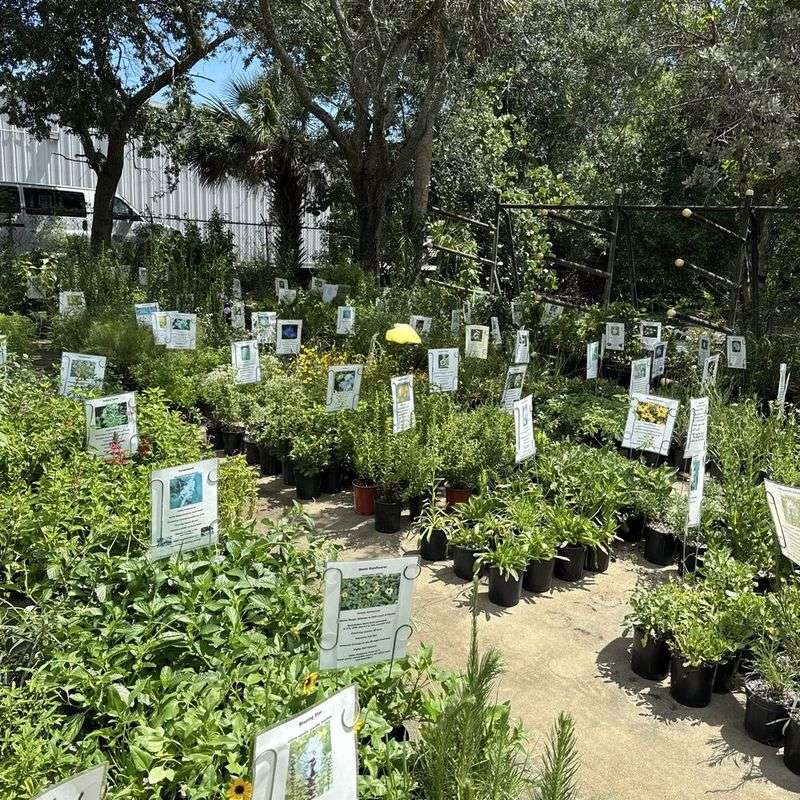
One lonely flower rarely delivers the butterfly activity a gardener hopes to see. Sweet Bay Nursery in Parrish is a useful stop for building a fuller wildlife planting, with different plants serving different jobs.
Located in Manatee County, the nursery specializes in Florida natives. That focus suits homeowners who want to move beyond a colorful flower bed and provide food or shelter through more of the year.
Ask about both nectar plants for adult butterflies and host plants for caterpillars. For example, locally appropriate milkweed supports monarch larvae, while other butterfly species depend on entirely different plant families.
Choose a visible, sunny area and plant in groups where space allows. Mixing flowering seasons can keep the bed interesting after the first flush of blooms has passed, while grasses or shrubs give it shape between flower cycles.
Expect some chewed leaves when host plants are doing their job. Avoid routine insecticide use around the habitat bed, and check a suspected pest before treating it so you do not accidentally remove the wildlife you planted to support.
6. All Native Garden Center
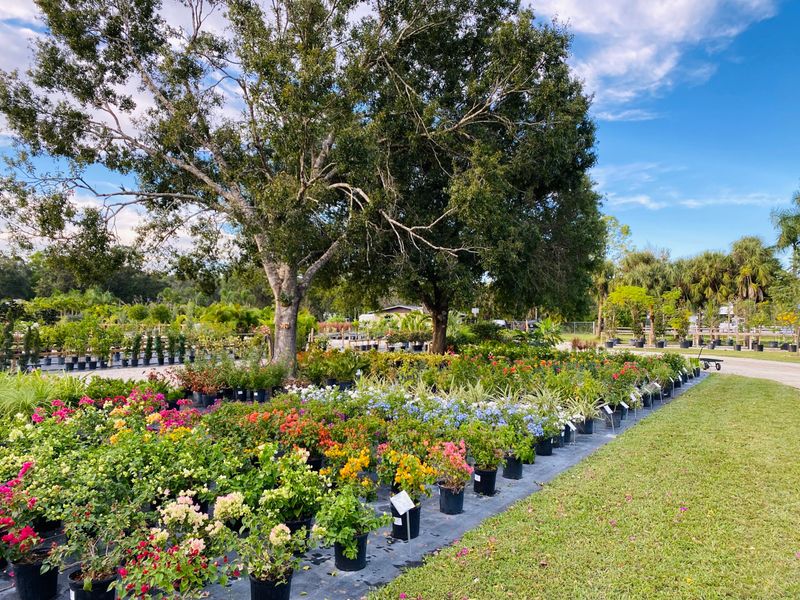
Southwest Florida calls for plant advice that takes its long growing season seriously. All Native Garden Center in Fort Myers offers a regional starting point for homeowners choosing natives for warm, exposed landscapes.
A plant that thrives in Tallahassee is not automatically the right choice for a Lee County yard. Local conditions, natural range, soil moisture, and the occasional cold event all matter when narrowing a shopping list.
Use the visit to solve one clear problem, such as screening a sitting area or adding flowers near an entry. Ask for plants whose mature height fits the job, rather than planning to prune a large shrub into a permanently small space.
Coastal gardeners should describe their exposure precisely. A sheltered inland yard, a site receiving salt spray, and a low area subject to brackish flooding each present different limits.
For trees and large shrubs, plan placement around buildings, overhead lines, and adequate rooting space. Native status alone does not make a plant storm-proof, so sound placement and proper care remain part of a sensible Southwest Florida landscape.
7. Green Isle Gardens
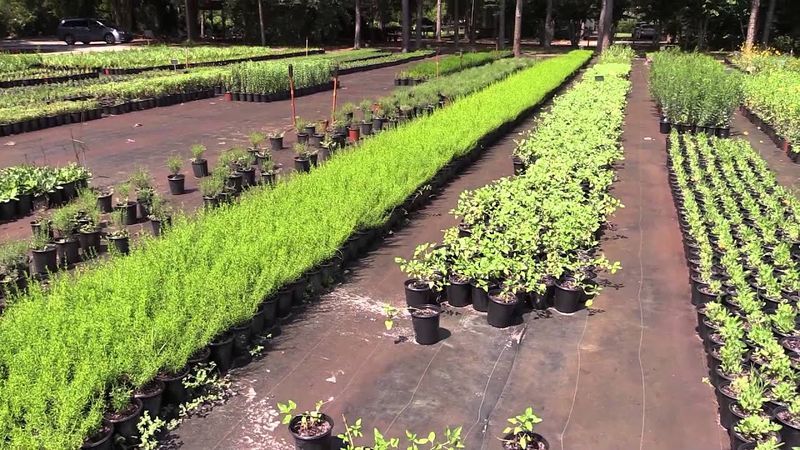
A bigger planting project needs more than a handful of eye-catching flowers. Green Isle Gardens in Groveland is worth considering when a Central Florida gardener needs a broader native plant palette and wants to plan quantities carefully.
The nursery’s native-plant focus makes it relevant to projects such as meadow-style borders, habitat beds, and larger lawn replacements. Before driving over, check current retail access, hours, and availability, especially when you need multiples of the same species.
Bring bed measurements instead of relying on a photo alone. Plant spacing should follow mature size, which helps you estimate quantities without creating an overcrowded planting that needs thinning later.
For an orderly meadow effect, use repeated grasses as a framework and weave compatible wildflowers through them. A defined border or mown edge can help an informal planting look deliberate beside a conventional lawn.
Work out weed control before the plants go in. Existing turf and aggressive weeds can overwhelm small natives, so careful site preparation usually matters more than buying larger pots or adding extra fertilizer to push early growth.
8. Little Red Wagon Native Nursery
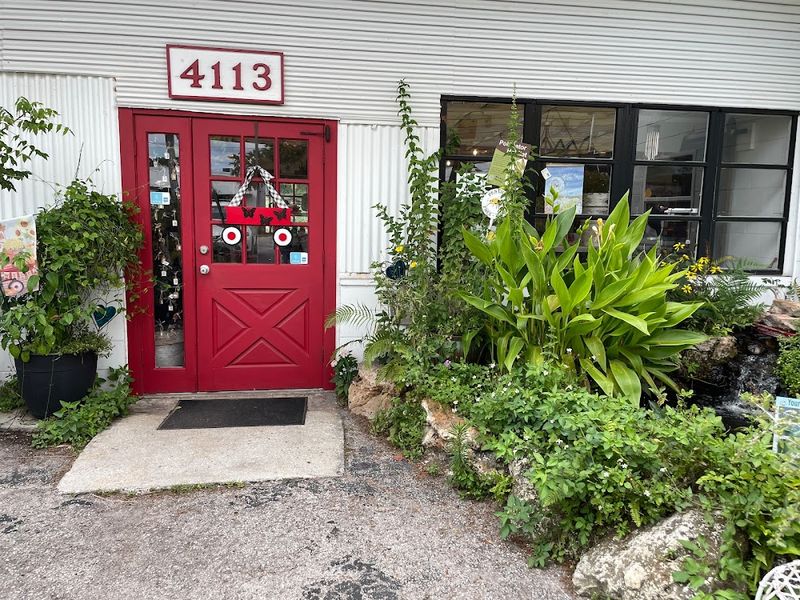
Butterfly gardening becomes much more interesting when you start noticing the leaves, not just the blooms. Little Red Wagon Native Nursery in Tampa is a fitting stop for gardeners who want to connect plant choices with the insects they support.
The nursery is associated with the Tampa Bay Butterfly Foundation, giving its native-plant focus a clear wildlife angle. That makes it especially appealing for families building a small observation garden near a patio or kitchen window.
Rather than asking only which flower attracts the most butterflies, ask which host plants suit your site. Different caterpillars need different plants, and several species can be supported in a modest space when the choices are well matched.
Include nectar flowers, but leave room for host plants to grow and be eaten. Position the planting where you can watch without brushing against it every time you walk past.
Ask whether plants have received treatments that could harm caterpillars. At home, skip preventive spraying and learn to recognize eggs and larvae before removing damaged leaves; a little leaf loss can be evidence of success.
9. The Nectary
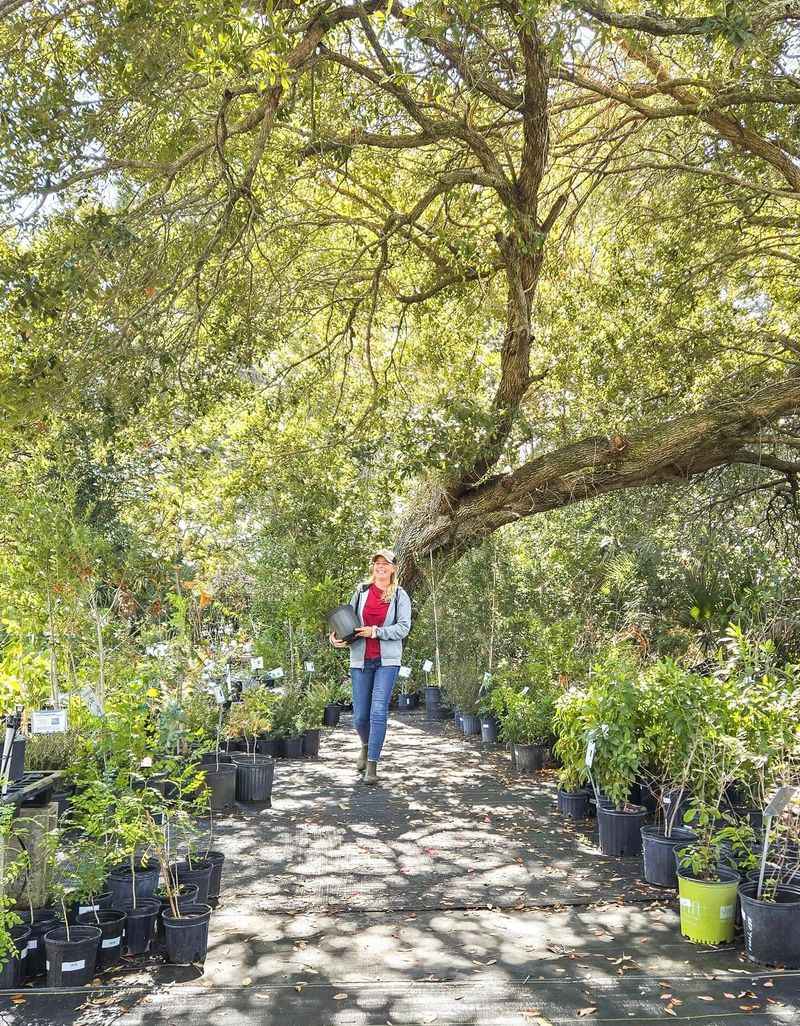
A small bed can still provide a useful stop for pollinators. The Nectary in Lakeland offers a native-focused shopping option for Polk County gardeners who want a purposeful planting without taking on an entire yard.
Its appeal is especially clear for a narrow front border, mailbox garden, or sunny patch beside a patio. A limited footprint encourages better choices: a few suitable species, repeated neatly, usually work harder than a crowded assortment.
Take measurements and explain how much direct sun the bed receives. Ask for a combination with staggered bloom times and compatible water needs, then check that the tallest plants will not block a window or sightline.
In a contained bed, mature spread matters as much as height. Find out whether a plant stays in a clump, spreads by runners, or readily seeds into nearby spaces before deciding where it belongs.
Keep the first purchase manageable and watch how the plants respond through a wet season and a dry spell. That small trial gives you a reliable guide for expanding the planting later, with fewer expensive guesses.
10. Meadow Beauty Nursery
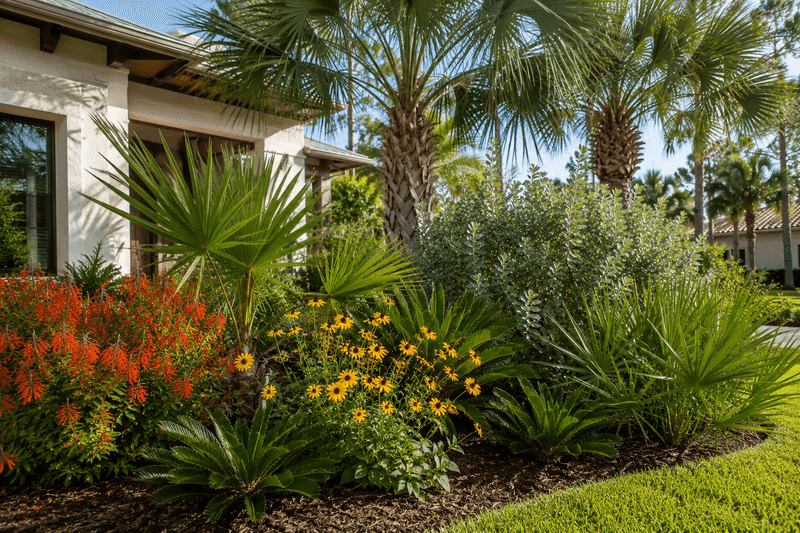
Palm Beach County landscapes can look lush while still leaving wildlife with little to eat. Meadow Beauty Nursery offers a native-plant option for gardeners who want their beds to provide more than year-round greenery.
For South Florida homeowners, the useful starting point is regional fit. Ask which plants naturally suit your part of the state and whether your yard’s drainage, sunlight, and exposure match their needs.
A layered bed can combine a small tree or taller shrub with lower shrubs and groundcovers. That approach creates visual depth while offering different kinds of shelter and feeding opportunities, provided each plant has enough room to mature.
Do not assume every native belongs in every South Florida garden. Some need moist ground, others demand sharp drainage, and a plant’s tolerance of coastal conditions can vary with the type of exposure.
Confirm visiting arrangements and stock before the trip, then arrive with a short list of goals rather than a long wish list. Choosing plants for specific jobs is the most useful habit to bring home from any native nursery.