
The first cool breeze can change who shows up beside your Florida patio. Winter birds arrive, lizards tuck into sheltered spots, and nighttime visitors keep searching for food around your beds.
Some animals are new arrivals, while others have been nearby all along and simply change their habits. Here are ten you might notice, plus simple ways to protect your plants and keep wildlife outside where it belongs.
1. Yellow-rumped Warblers
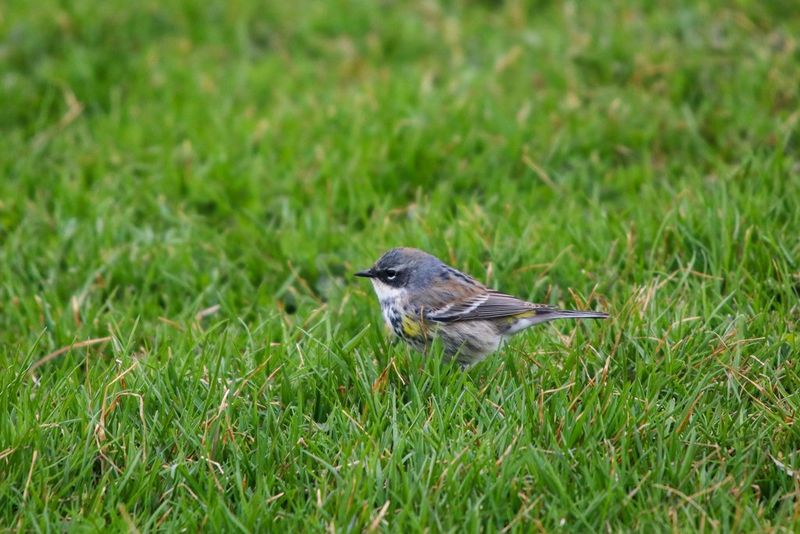
A flash of yellow above the tail can turn an ordinary shrub into the busiest spot in the yard. Yellow-rumped warblers spend the cooler months across Florida, and their arrival often overlaps with the first stretch of fall fronts.
Unlike many birds that depend mostly on insects, these little visitors can also digest the waxy coating on certain berries. Native wax myrtle offers both food and cover, making it a useful choice for a sunny or partly shaded border where the plant has room to grow.
Watch for small flocks moving between branches, then dropping toward the lawn to grab insects. Their numbers vary by location and weather, so one quiet morning does not mean your garden has failed.
For an easy welcome, keep some berry-bearing shrubs and reduce broad-spectrum insecticide use. Offer a shallow birdbath, scrub it regularly, and replace the water often.
A cold front can help bring migrants south, but reliable food and shelter are what encourage them to linger near your home.
2. Palm Warblers

Look down before you look into the trees. Palm warblers often hunt at lawn level, bobbing their tails as they pick tiny insects from grass, mulch edges, and low plants.
They are cool-season visitors in Florida, not birds that need a palm tree to feel at home. Open yards with nearby shrubs can suit them well, especially when a tidy lawn gives way to a more varied garden edge.
Their special role is ground-level pest hunting. They may catch small insects you barely notice, although a few birds will not replace a careful pest-management plan.
Keeping part of the yard free from routine insecticide treatments preserves more of their food supply.
Leave a modest patch of fallen leaves beneath shrubs rather than blowing every bed bare. Keep walkways clear and avoid piling leaves against the house.
If you have cats, keep them indoors or in a secure enclosure, since these low-foraging birds spend much of their time within easy reach of a stalking pet.
3. Gray Catbirds
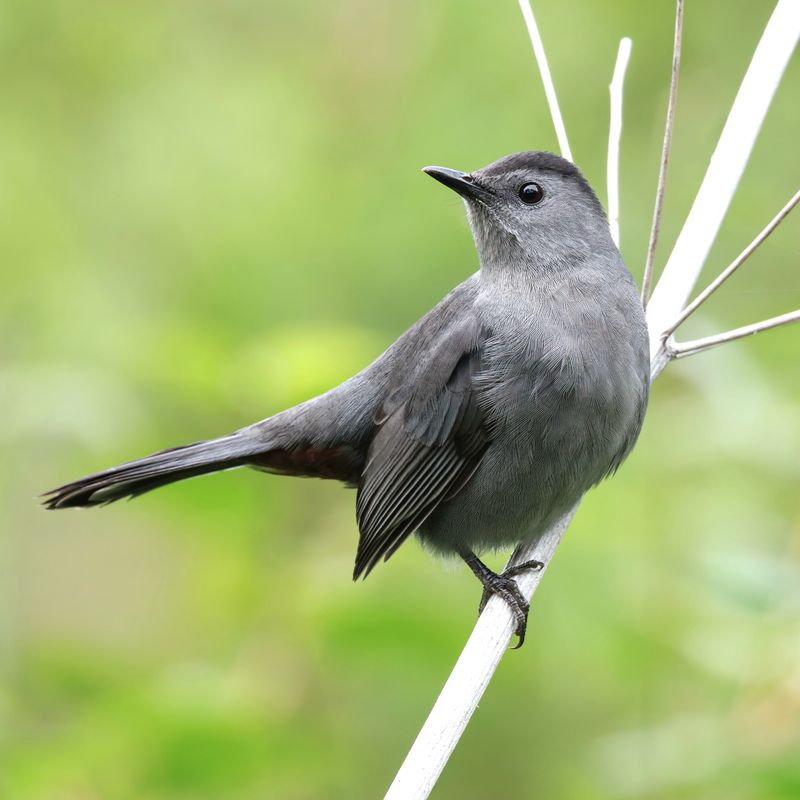
That raspy little meow from the hedge may not belong to a cat. Gray catbirds often announce themselves by sound while staying tucked inside thick shrubs.
Many reach Florida during fall migration and remain through winter, although their seasonal presence varies around the state. A front may coincide with new arrivals, but the real attraction in your yard is dense cover paired with insects and fruit.
American beautyberry can supply seasonal fruit, while a mixed native shrub border provides hiding places. Choose plants suited to your part of Florida and the space available, rather than crowding a narrow foundation bed with shrubs that will outgrow it.
For these shy visitors, resist trimming every hedge into a thin green wall. Allow branching cover in a back corner, away from doors and windows where you need clear sightlines.
Keep cats indoors, and mark reflective windows if birds repeatedly approach them. You may see less of a catbird than a warbler, but its quiet use of the understory is a good reason to keep that layer of the garden.
4. Painted Buntings
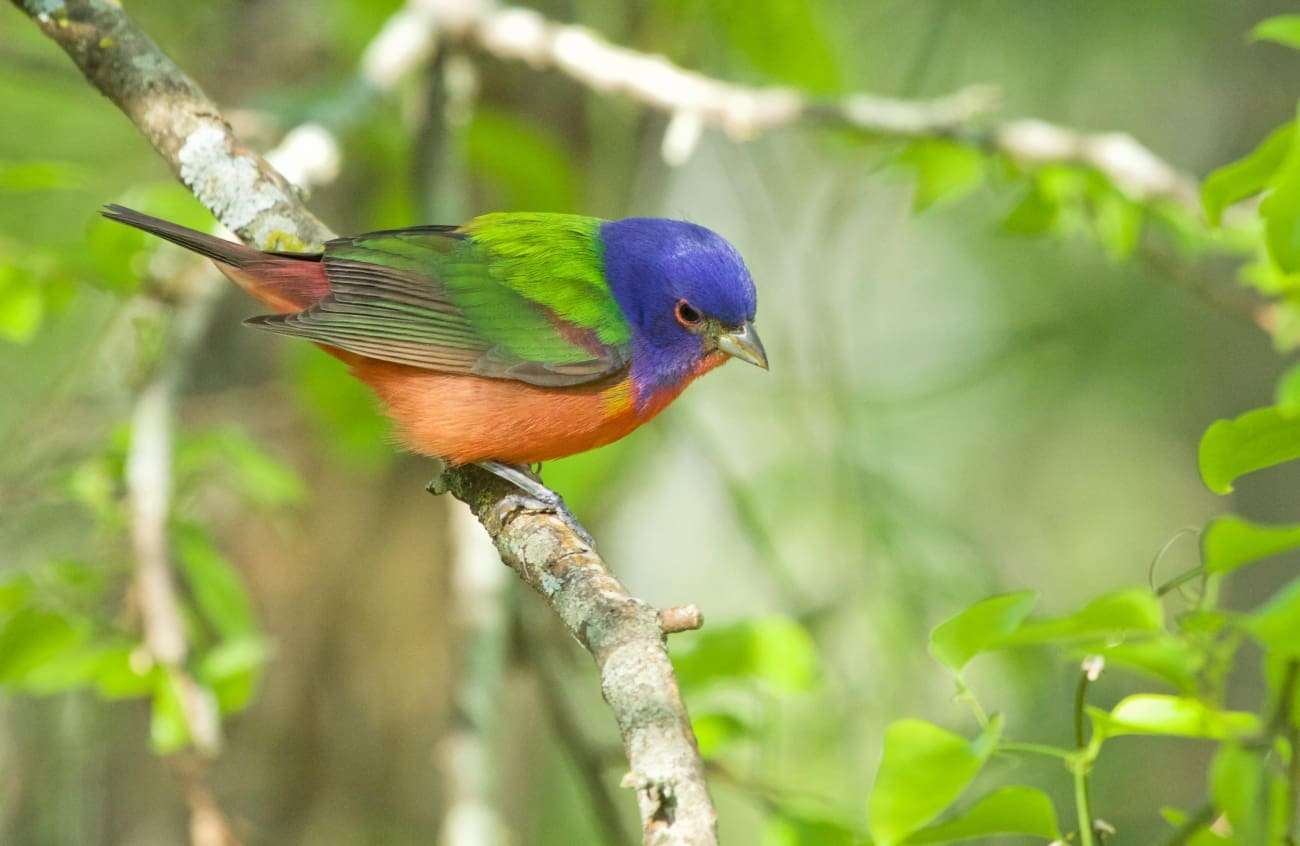
A bird with a blue head, red belly, and green back hardly seems dressed for a plain backyard. Male painted buntings bring that splash of color, while females and young birds wear a much quieter green.
Parts of Florida host wintering painted buntings, especially in the peninsula, but they are not guaranteed statewide cold-front visitors. Some also breed in northeastern Florida, so sightings depend on location as well as season.
What sets them apart is their need for seed-rich feeding areas close to escape cover. Native grasses allowed to form seed heads can make a border more useful than a tightly clipped stretch of turf.
Keep dense shrubs nearby without blocking paths or crowding the house.
If you use a feeder, offer suitable small seeds such as white millet and keep the equipment clean and dry. Remove spoiled seed and pause feeding if sick birds appear.
Place feeders with window safety in mind, and keep cats indoors. A protected feeding corner offers more value than an exposed feeder hung in the middle of an empty lawn.
5. Anoles
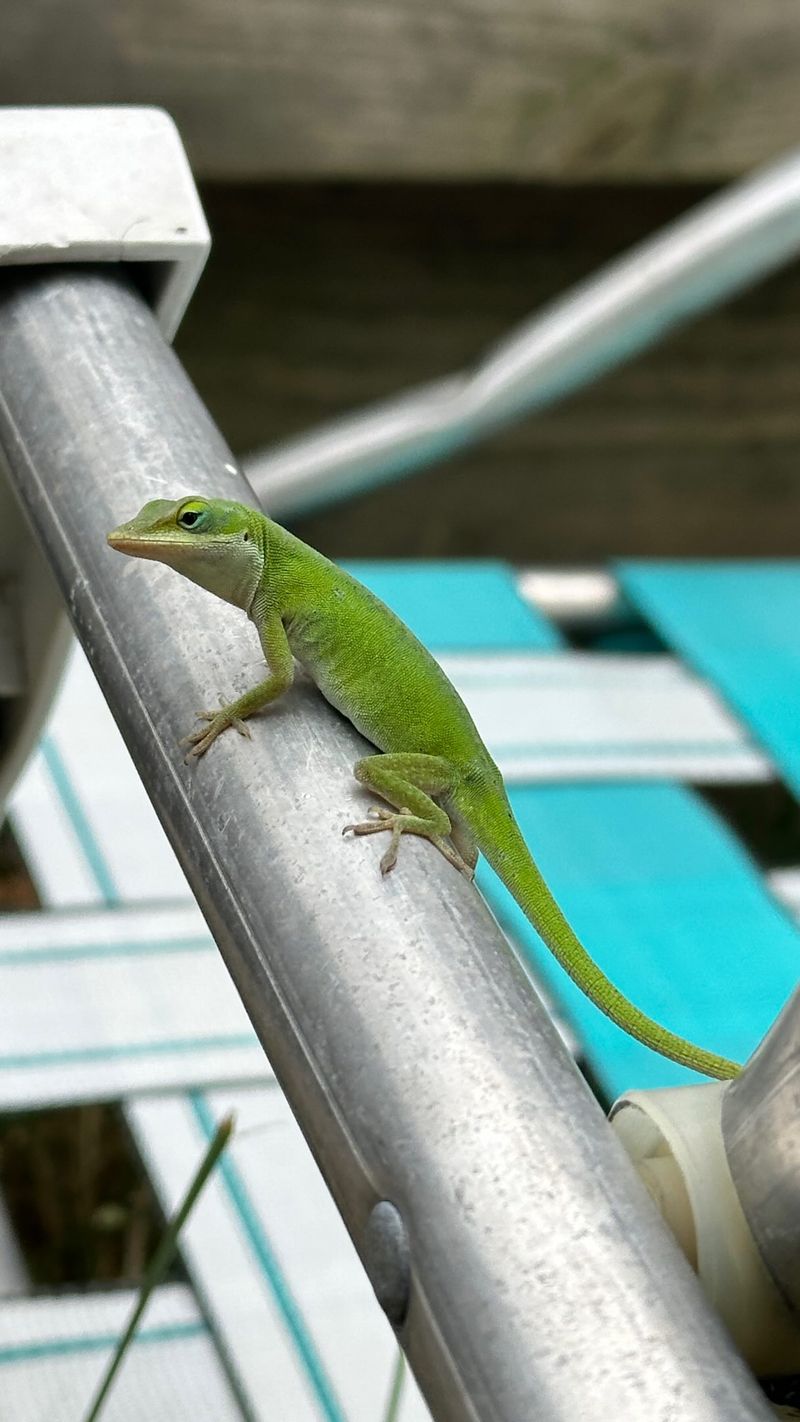
Your porch lizard has not packed up for winter. As temperatures fall, anoles often retreat into thick plants, bark crevices, and other protected spaces, then reappear when sunshine warms the yard.
Florida has native green anoles and widespread introduced brown anoles. Both rely on outside warmth to regulate body temperature, so a chilly morning can leave them slow and less visible.
They are usually shifting around an existing home range, not arriving from somewhere far away.
A sheltered shrub border gives these insect eaters more useful options than bare mulch alone. Leave some natural cover beneath plants, but keep vegetation from pressing against door frames, vents, or siding.
Repair damaged screens so a hunt for shelter does not lead indoors.
Avoid picking up a sluggish lizard to warm it in your hands or bringing it inside. Handling can cause stress, and tail loss is a real risk.
Usually, the best response is to leave it undisturbed and keep pets away. Prune carefully after cold weather, since a curled leaf or protected branch fork may hold a resting animal.
6. Treefrogs
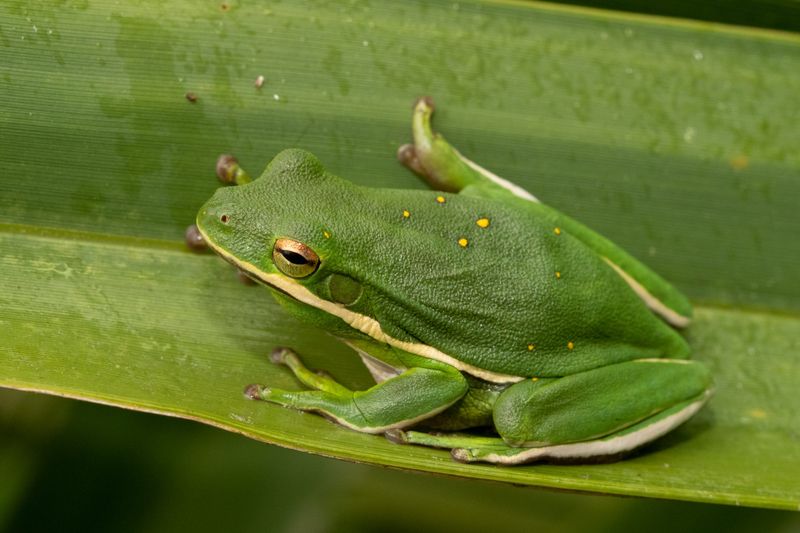
Lift a patio cushion and a tiny face may be looking back. Treefrogs use tucked-away spaces around Florida homes, and cooler or drier conditions can make protected daytime resting spots especially valuable.
Native green treefrogs and squirrel treefrogs share parts of the state with invasive Cuban treefrogs. Color alone is not a reliable way to tell them apart, so avoid making a quick identification from a single green or brown patch.
Broad leaves and sheltered garden pockets provide places to rest without inviting frogs into the house. Fix window screens, check door sweeps, and reduce unnecessary porch lighting that gathers insects near entryways.
Do not create open containers of standing water as frog habitat, since those can also produce mosquitoes.
If an unfamiliar frog appears, photograph it without handling and compare it with UF/IFAS identification resources. Cuban treefrog skin secretions can irritate eyes and other sensitive tissues, and pets should be kept away.
Seek current extension guidance before taking action against a suspected invasive frog. Correct identification protects native species that belong in your yard.
7. Snakes
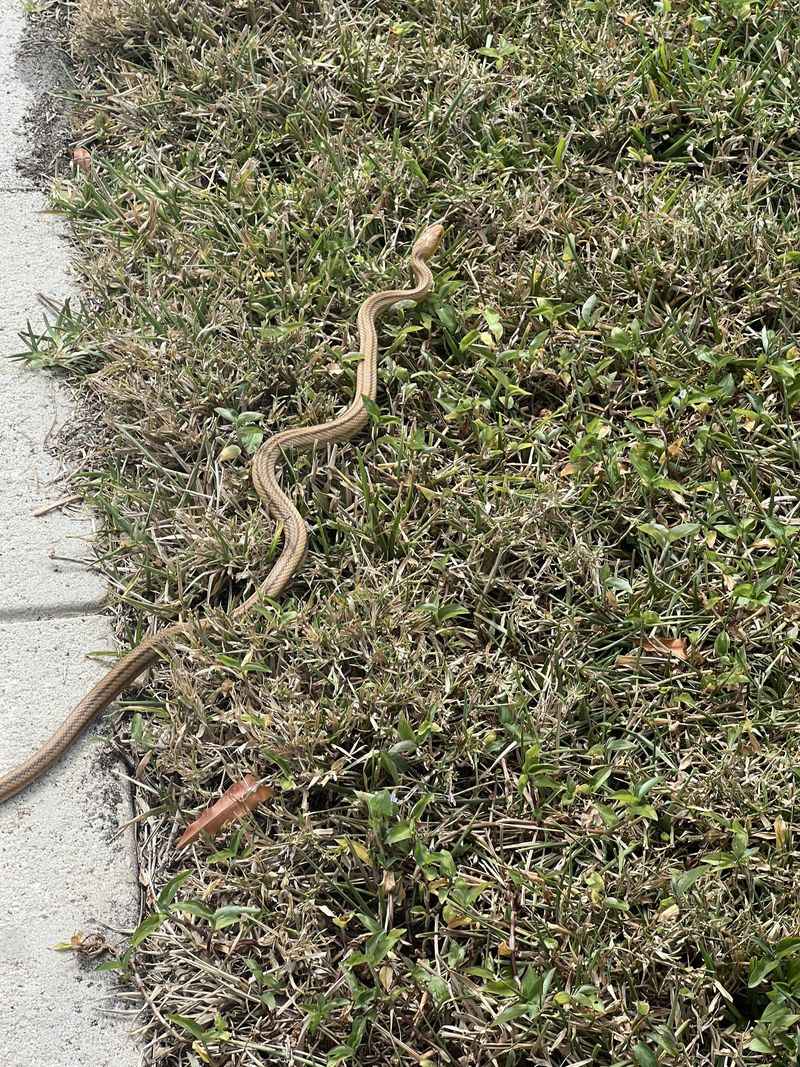
A sunny patch beside the fence can become valuable real estate after a chilly night. Snakes may bask there during warmer hours, then withdraw beneath logs, into burrows, or other cover as temperatures drop.
A cold front does not send every snake racing toward a house. Activity often decreases with cooling weather, and the snakes you notice may already live nearby.
Florida’s mild spells can still bring them out between colder periods.
Many backyard species eat rodents, frogs, or other small animals, but Florida also has venomous snakes. Never assume a snake is harmless based on color, head shape, or a quick glimpse.
Reduce surprise encounters by keeping paths open, storing lumber neatly off the ground, and moving debris piles away from doors and play areas. Wear gloves and closed shoes during cleanup, and never reach into a hidden space without looking.
Give any snake plenty of room and keep children and pets back. If one needs removal from a risky location, contact a qualified wildlife professional rather than trying to catch or kill it.
8. Raccoons
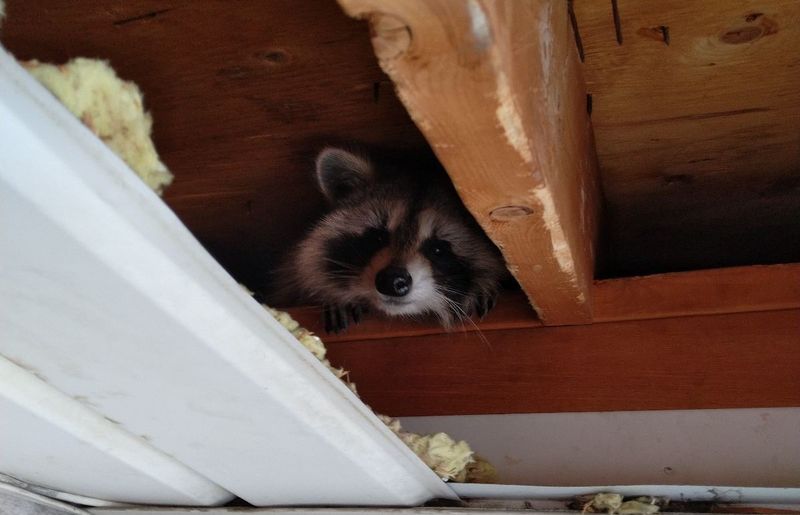
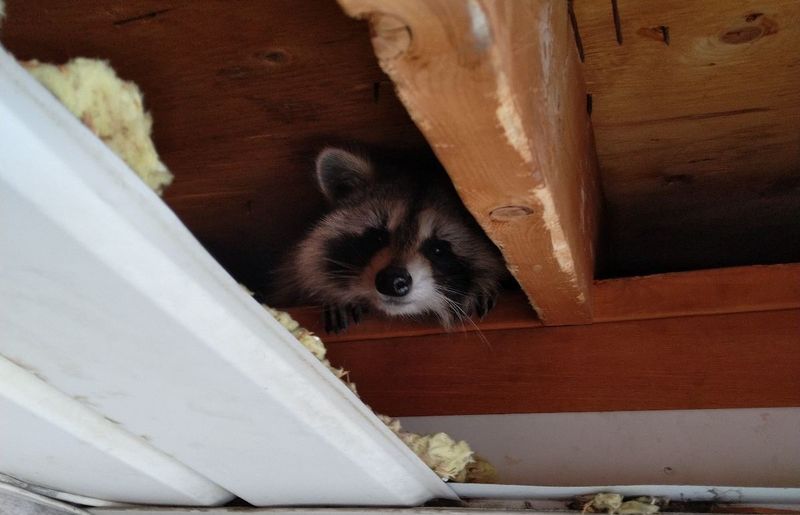
Clattering trash lids usually say more about an easy meal than a sudden wildlife invasion. Raccoons live around Florida neighborhoods year-round, and cool weather does not make them true winter newcomers.
They may use sheltered resting places during unpleasant weather, but food is often the strongest reason for repeated yard visits. Unsecured garbage, outdoor pet bowls, fallen fruit, and spilled birdseed can all keep a raccoon on a nightly route.
Start with a simple evening check: bring pet food inside, secure bin lids, and collect ripe or fallen fruit. Close access beneath decks and repair loose soffits, but first make sure no animal or dependent young are inside.
A wildlife professional can help when a den is suspected.
Do not feed or approach a raccoon, even if it appears calm. Keep pets away, and seek professional advice about unusual behavior.
If you find a repeatedly used droppings site, avoid sweeping or pressure-washing it, since raccoon waste can contain hazardous roundworm eggs. Get public-health or wildlife guidance for safe cleanup rather than treating it like ordinary garden debris.
9. Virginia Opossums
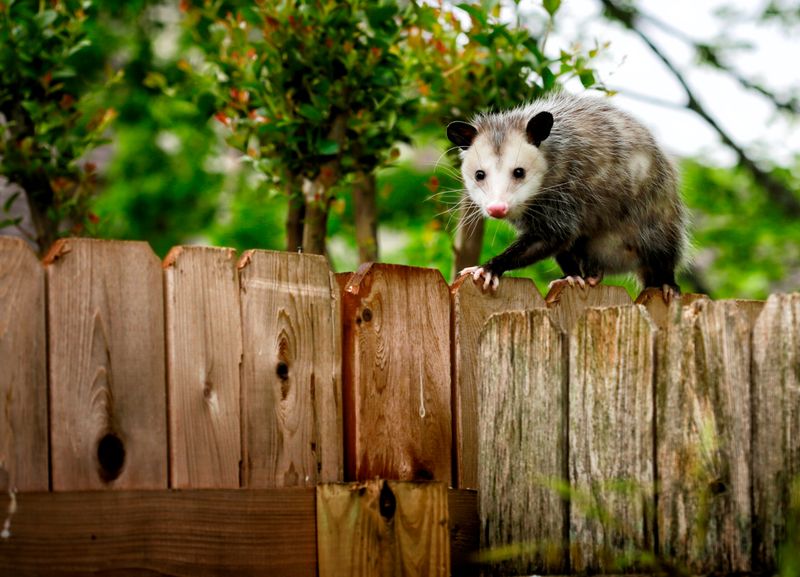
A pale face along the fence after sunset often belongs to a visitor that would rather avoid you. Virginia opossums roam Florida yards throughout the year, searching for varied foods and temporary shelter.
Cool nights may increase the value of a dry, protected resting spot, but an opossum sighting does not prove the cold front brought it into the neighborhood. These animals were often making quiet nighttime rounds long before anyone noticed.
They eat insects, fallen fruit, carrion, and other available food. That scavenging role can be useful, but claims that one opossum will clear your yard of ticks are not a sound reason to attract or feed it.
Give a passing animal space and bring pets indoors until it moves on. To prevent unwanted denning, repair crawl-space openings and secure access beneath sheds after confirming the space is empty.
Keep compost managed and pet food indoors. If an opossum freezes or appears to collapse during a frightening encounter, back away and leave it undisturbed.
Contact a licensed wildlife rehabilitator if it is visibly injured or in immediate danger.
10. Nine-banded Armadillos
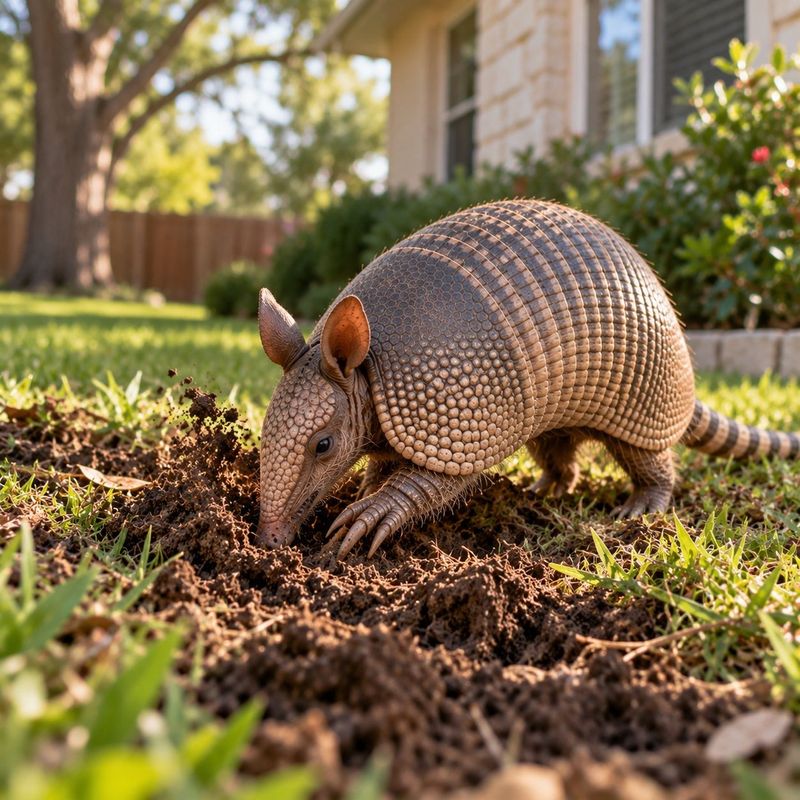
Fresh little craters in the lawn can make the morning feel like a garden mystery. Nine-banded armadillos dig for insects and other small soil animals, leaving scattered holes that can be especially noticeable in soft beds.
They are year-round Florida residents rather than fall migrants. During cooler weather, they may shift some activity toward warmer daylight hours, making an animal that usually escapes notice much easier to spot.
Before treating the lawn, confirm what caused the digging. Armadillo visits do not automatically mean you have a damaging grub infestation, and routine insecticide use may not solve the problem.
Look for the animal, tracks, and the pattern of disturbance.
Protect a prized bed with a sturdy, well-fitted barrier that extends below ground and leaves no easy gaps. Secure openings beneath structures only after checking for occupants, and consult local extension staff about practical exclusion options.
Avoid handling armadillos, and keep dogs from chasing them. A few disturbed patches may need only light repair, while repeated digging near a foundation calls for a more focused wildlife-management plan.