
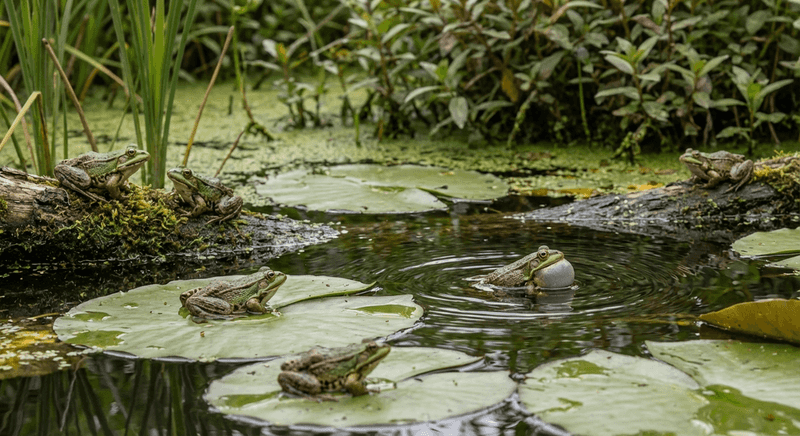
The water drains away, but your backyard may not look empty for long. A turtle might cross the driveway, ants may crowd a dry flowerpot, and long-legged birds may hunt beside the lawn.
Flooding moves some animals out of their homes and brings others closer to easy meals. Here are ten visitors Florida homeowners may notice, plus simple ways to handle each encounter safely.
1. American Alligators
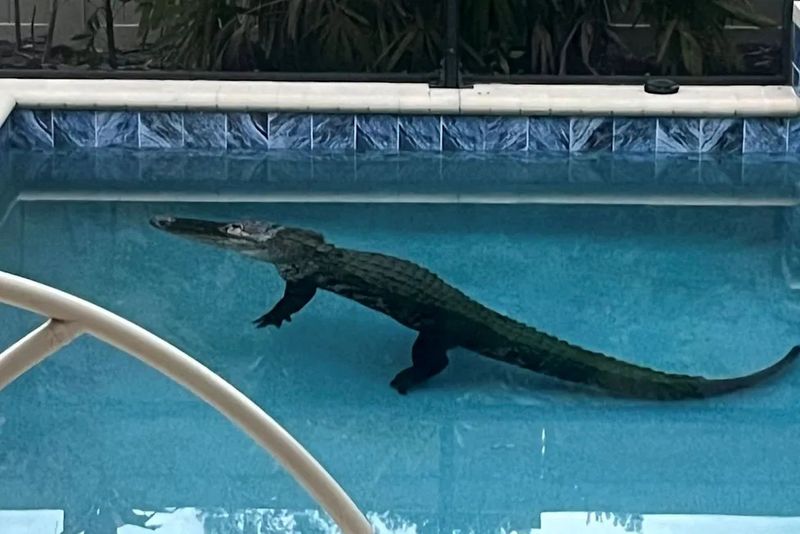
A familiar pond can have an unfamiliar visitor after a major storm. Floodwater can let American alligators move between waterways and reach places where homeowners rarely see them, including yards near canals, lakes, and retention ponds.
An alligator on the lawn is not an invitation to guide it back with a broom or garden hose. Stay well away, bring pets indoors, and keep children out of the area until the animal has moved on or wildlife officials provide instructions.
Never feed it, even by tossing food toward the water to encourage it to leave. Feeding teaches alligators to connect people with meals, making future encounters more dangerous for the neighborhood.
In Florida, report an alligator that poses a threat through the Florida Fish and Wildlife Conservation Commission’s nuisance alligator hotline at 866-392-4286. Alligators at least four feet long that threaten people, pets, or property generally meet the program’s nuisance criteria, but smaller animals in pools or other unsuitable places also warrant a call.
2. Snakes
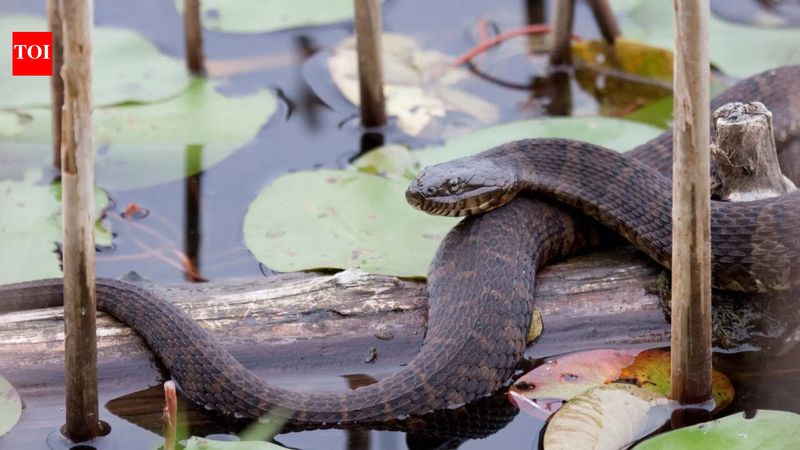
That pile of wet branches deserves a careful look before you reach into it. Snakes displaced by rising water may shelter beneath boards, inside sheds, or among storm debris while the surrounding ground dries.
Many encounters involve harmless species, including watersnakes that eat fish and frogs. Florida also has venomous snakes, so avoid guessing based on swimming style, head shape, or a quick glimpse of color.
Wear sturdy boots and work gloves during cleanup, but remember that protective clothing does not make handling a snake safe. Lift debris with tools where practical, keep your hands out of hidden spaces, and give any snake a clear escape route.
If one enters your home, keep people and pets away and contact a qualified wildlife removal professional. For a bite, seek emergency medical care immediately rather than trying to catch the animal, cut the wound, or apply a tourniquet.
Once cleanup is safe, remove loose lumber and seal accessible gaps around doors and utility openings. Reducing sheltered hiding places helps prevent repeat surprises without using ineffective snake repellents.
3. Freshwater Turtles
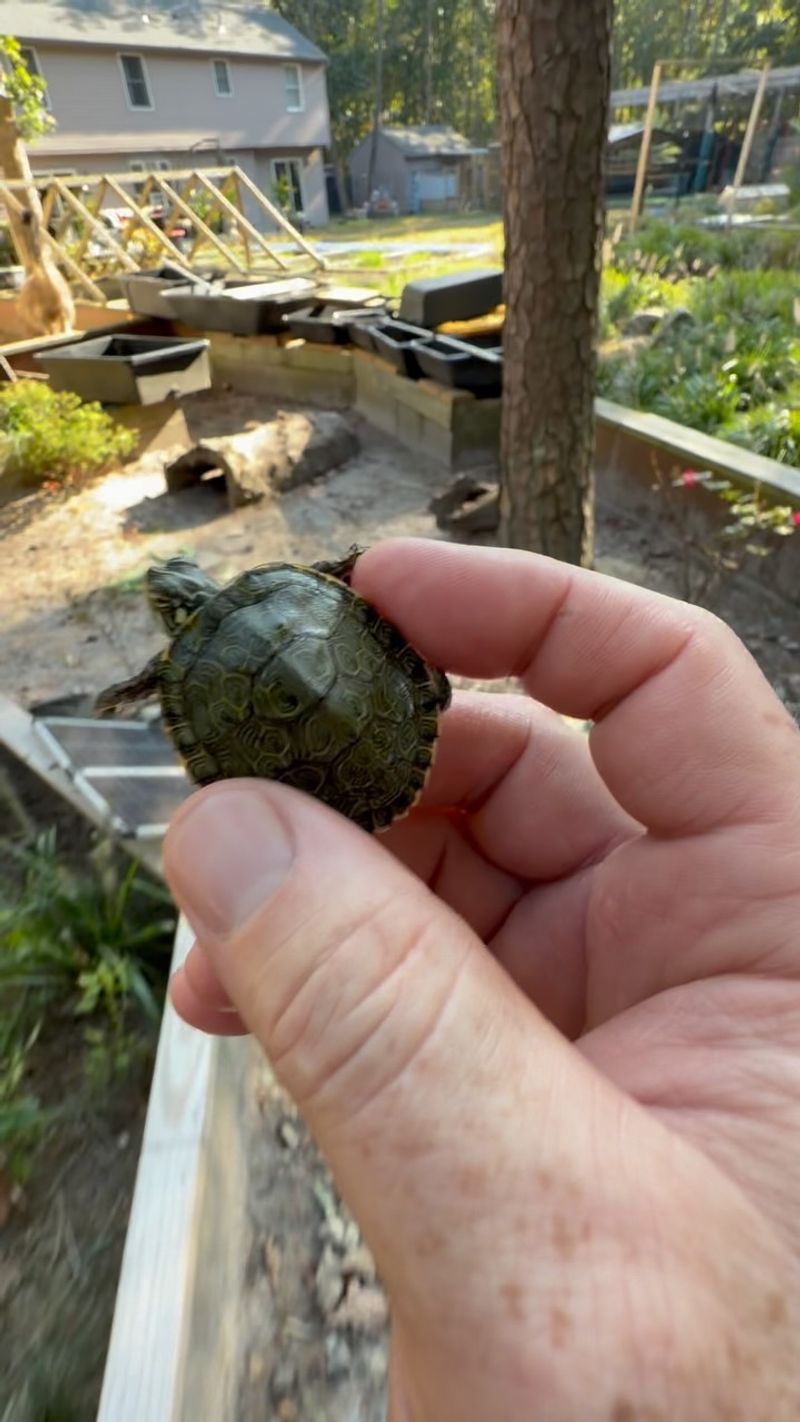
A slow-moving shell beside the patio may belong to a traveler, not a new backyard resident. Freshwater turtles such as cooters and sliders can move over land after heavy rain, while flooding may carry them beyond their usual pond edges.
Watch from a distance and keep dogs away. A healthy turtle crossing an open yard will often continue without help, especially if it has a clear path toward nearby cover or water.
Do not place every turtle you find into a pond. Florida’s land-dwelling gopher tortoise can also appear around homes, and putting one into deep water can kill it; its thick, shovel-like front legs differ from a freshwater turtle’s webbed feet.
Avoid relocating turtles to another neighborhood or distant lake. If a turtle is injured, trapped in fencing, or unable to leave a swimming pool, ask a licensed wildlife rehabilitator or FWC for guidance rather than improvising.
Before restarting a mower or moving storm debris, check shaded edges and tall grass. That brief inspection protects animals that are easy to overlook during a busy cleanup.
4. Native Frogs and Toads
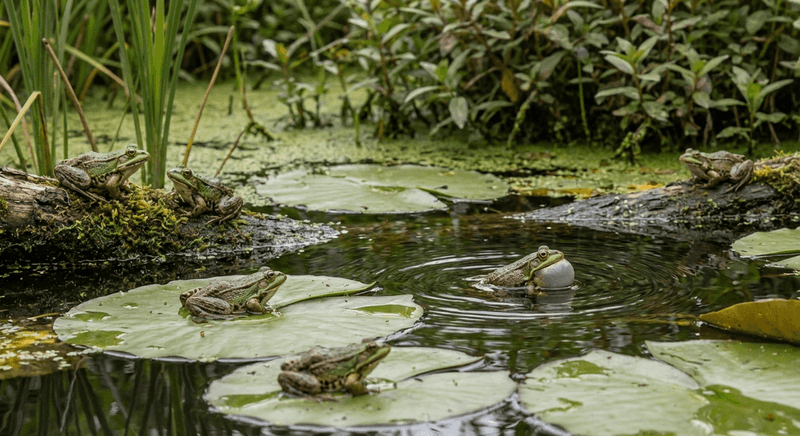
Nightfall can turn a storm-soaked yard into a surprisingly loud concert. Warm rain and temporary pools trigger breeding activity in many Florida frogs and toads, so their calls may become more noticeable as floodwater shrinks.
Southern toads, green treefrogs, and other native species eat insects and form part of the backyard food web. Their presence is a reason to pause before spraying the whole yard with insecticide, not a reason to keep dirty standing water.
Empty buckets, plant saucers, and other artificial containers while allowing established, properly designed garden habitat to function normally. Avoid handling amphibians unnecessarily because their skin is sensitive, and wash your hands after accidental contact.
Pet owners need an extra layer of caution in areas with invasive cane toads, especially parts of central and southern Florida. These large toads can poison dogs that mouth them, and native southern toads are sometimes mistaken for them.
Supervise dogs outdoors after dark and use UF/IFAS or FWC identification resources before taking action. If a pet mouths a suspected cane toad, contact an emergency veterinarian immediately.
5. Red Imported Fire Ants
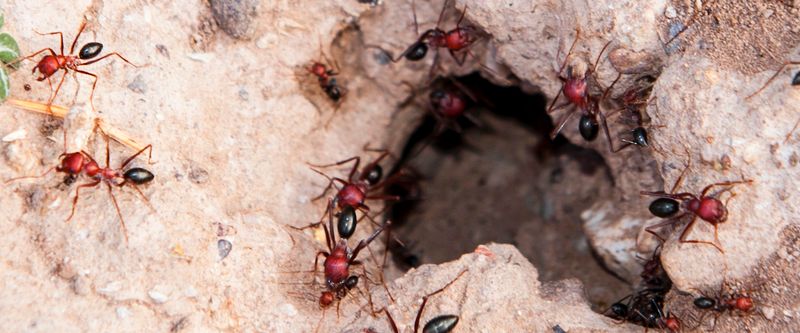
A floating clump of ants is one storm survivor you should never scoop up barehanded. Red imported fire ants can link their bodies into rafts during floods, then gather on higher ground as water levels fall.
That higher ground might be a planting bed, the base of a shrub, or a container near your porch. Colonies may also rebuild mounds in places that were clear before the storm, creating a fresh hazard for barefoot children and curious pets.
Inspect the yard before kneeling to weed or setting down cleanup supplies. Avoid disturbing clusters, and do not assume ants stranded on debris are dead or harmless.
Once the ground is no longer flooded, choose a fire ant treatment labeled for the site and follow its weather and application directions. Baits generally work best when ants are actively foraging and the bait can stay dry; your county UF/IFAS Extension office can help select an approach.
Keep pesticides out of standing water and storm drains. Anyone who develops breathing trouble, dizziness, or widespread swelling after stings needs emergency medical attention.
6. Mosquitoes
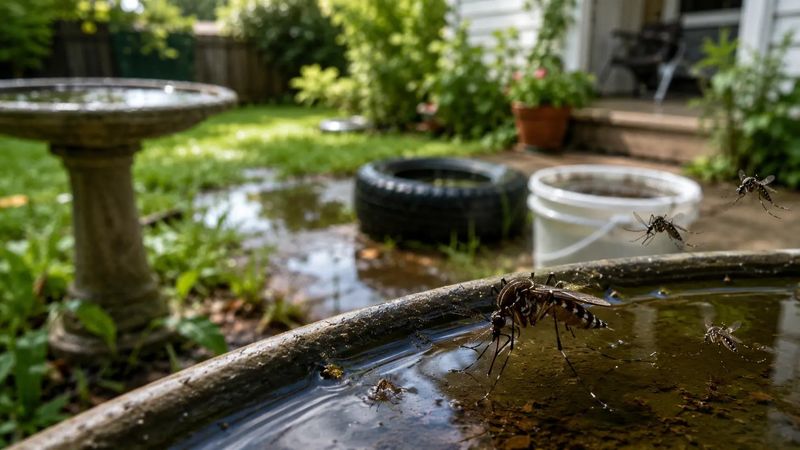
The smallest leftover puddles can become the biggest nuisance a few days later. Some Florida mosquitoes hatch from eggs in flooded soil, while others breed in water left inside containers around the house.
Start with a slow walk around the property once conditions are safe. Empty and scrub plant saucers, buckets, toys, and birdbaths, and check tarps, clogged gutters, and overturned furniture for hidden pockets of water.
Repeat that inspection weekly and after additional rain. A yard can look dry from the back door while a folded tarp still holds enough water to support larvae.
For standing water that cannot be drained, consider a mosquito larvicide containing Bti only where its label allows. Do not treat natural wetlands, public drainage areas, or water beyond your property without guidance from the local mosquito control district.
Use an EPA-registered repellent according to its label and repair window screens while cleanup continues. Dragonflies, birds, and bats eat some mosquitoes, but they do not replace removing breeding sites or using personal protection when mosquitoes are active.
7. Crayfish
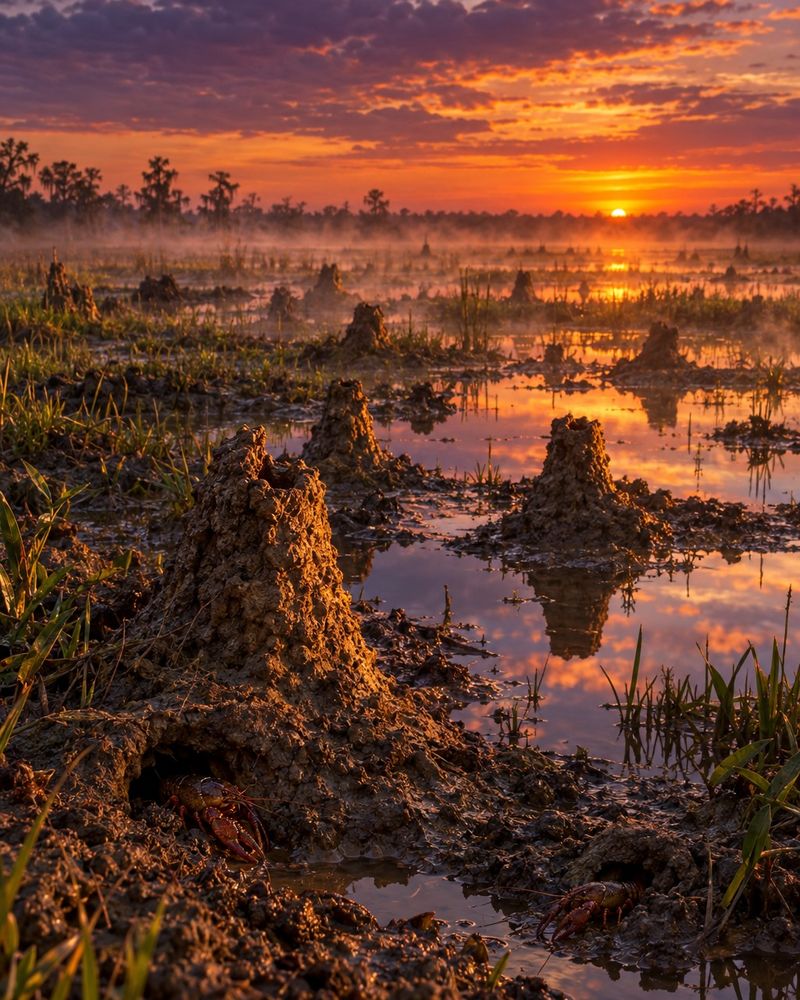
Little towers of mud can make a recovering lawn look as though someone built tiny volcanoes overnight. Burrowing crayfish push wet soil to the surface, and their chimneys may become more noticeable when the ground stays saturated after flooding.
Other crayfish may turn up in shallow puddles, ditches, or wet grass connected to nearby freshwater habitat. Their sudden appearance does not automatically mean your lawn has a pest problem or needs a chemical treatment.
Leave them alone when possible and keep pets from pawing at burrow entrances. Never pour bleach, fuel, or pesticides into a hole, since burrows can connect with groundwater and other underground spaces.
Once the surface firms up, small abandoned mud piles can be gently raked level before mowing. If the same area remains soggy long after neighboring ground dries, inspect irrigation leaks and drainage problems rather than blaming the crayfish.
A shallow rain garden with locally suitable native plants may fit some persistently wet spots, but drainage changes need care. Keep soil and yard waste out of swales so the neighborhood’s stormwater system can work.
8. Wading Birds
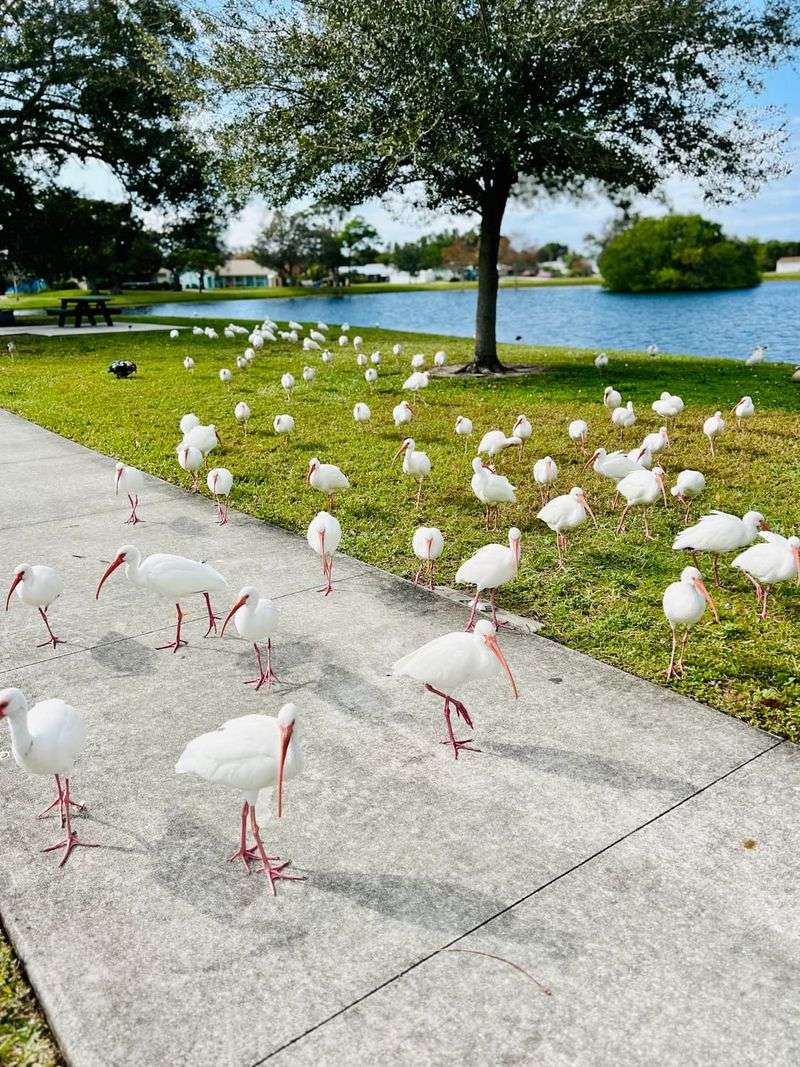
For an egret, a shrinking backyard puddle can look like a well-stocked lunch counter. Falling water concentrates small fish, insects, and other prey, drawing wading birds into places they might normally fly over.
White ibises often probe soft lawns with their curved bills, while herons and egrets stalk shallow water. Their visits may be brief, ending as soon as the ground dries or the easy food disappears.
Enjoy the show from a porch or window rather than approaching for a close photograph. Keep dogs from chasing the birds, and never offer bread, scraps, or bait fish to make them stay.
Soft turf may show footprints or small probing holes, but these visitors usually do not call for lawn treatment. Wait until soil is firm before assessing damage, because walking or driving across saturated grass can cause more lasting problems than the birds.
Remove fishing line and other entangling debris when it is safe to do so. If you find an injured bird, contact a licensed wildlife rehabilitator instead of trying to free a large, sharp-billed bird yourself.
9. Raccoons

An overturned trash lid may attract a raccoon faster than any puddle does. Flooding can disturb resting places and feeding areas, while storm cleanup leaves behind spilled garbage, unsecured pet food, and tempting piles of debris.
A raccoon passing through is not necessarily injured or dangerous, and daytime activity alone does not prove rabies. Still, give it space and never attempt to feed, corner, or handle it.
Your most useful response is housekeeping: secure garbage lids, bring pet bowls inside, and collect spoiled food from outdoor cooking areas. Avoid leaving garage doors open while sorting storm supplies, especially around dusk.
Before closing a damaged opening under a deck or roof, check whether an animal is already using it. Sealing an occupied space can trap adults or separate young from their mother, so suspected den sites are best assessed by a qualified professional.
Keep pets current on rabies vaccination and contact animal control about animals showing unusual aggression, staggering, or severe illness. If a bite or scratch occurs, wash the wound and promptly seek medical advice.
10. Nine-Banded Armadillos
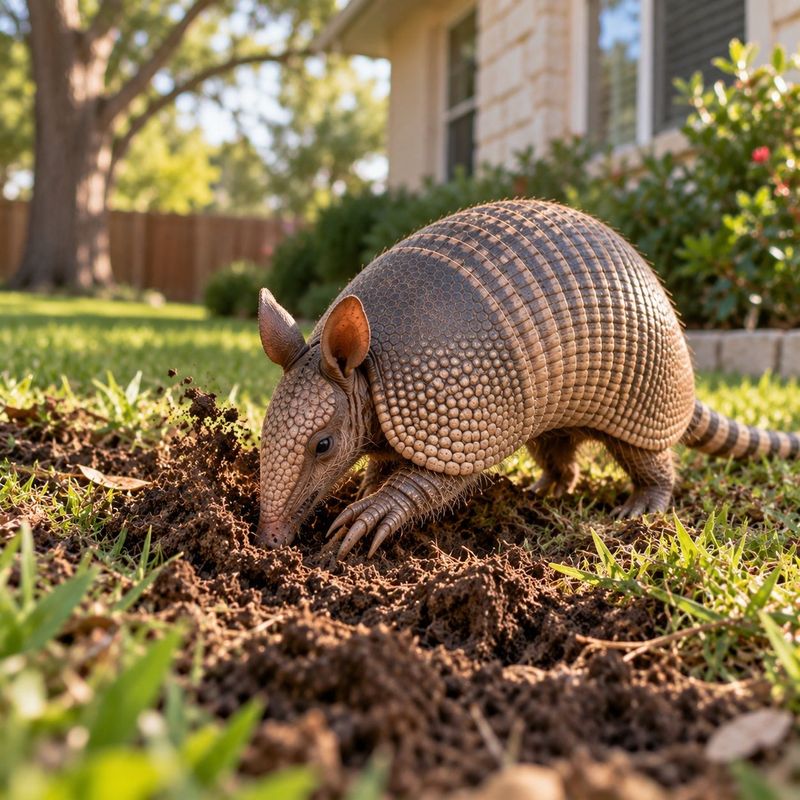
Fresh, cone-shaped holes in a damp flowerbed often point to a nighttime digger rather than storm erosion. Nine-banded armadillos root for insects and other small soil animals, and rain-softened ground can make their digging easier.
Flooded burrows may also push an armadillo toward drier parts of a property. You might notice disturbed mulch along the house, shallow holes in turf, or a new opening beneath a structure.
Skip the urge to spread insecticide across the lawn just to remove its food. That approach can harm useful insects and may not stop a wandering armadillo from visiting.
Instead, protect valuable small beds with sturdy barriers that extend below the soil surface, and repair fence gaps where practical. Once the ground dries, smooth shallow feeding holes and check whether digging continues before investing in larger changes.
Do not handle armadillos or reach into their burrows, and never block an opening until you know it is unoccupied. For persistent digging beneath a slab, walkway, or foundation, ask a qualified wildlife professional for an assessment rather than attempting a risky do-it-yourself eviction.