 Complete Gardening
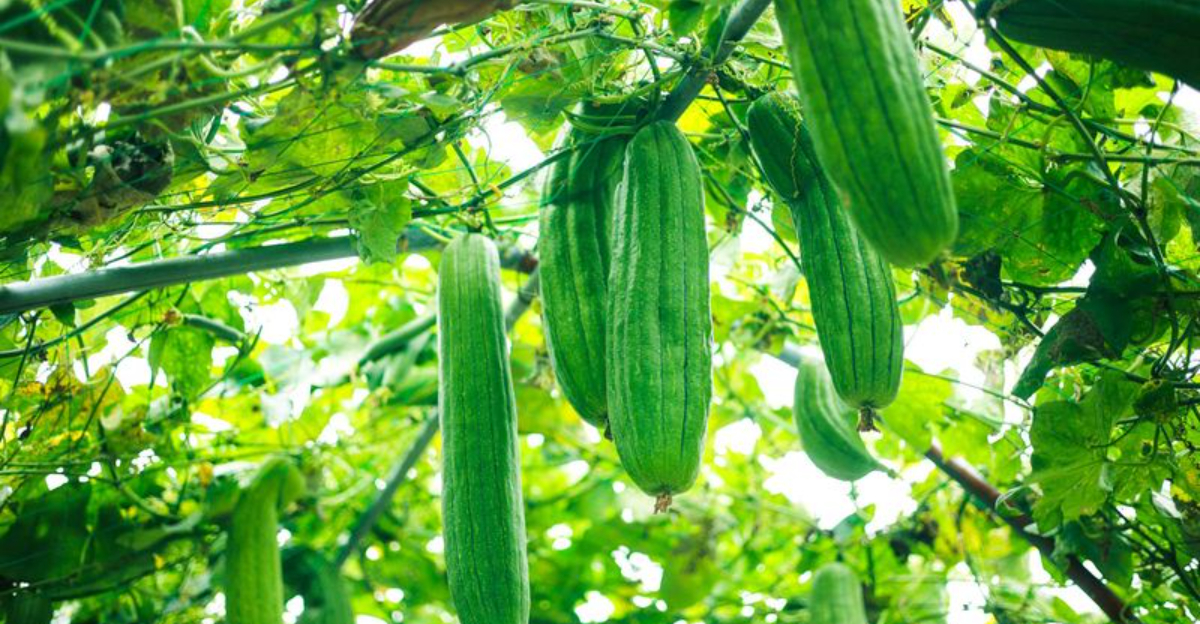
Discover the lesser-known challenges and joys of growing 15 luffa plants in your garden.
From their sprawling nature to their drying process, these plants are full of surprises that every gardener should know.
Dive into this comprehensive guide to understand what truly goes into nurturing these unique plants.
1. They’re Total Space Hogs
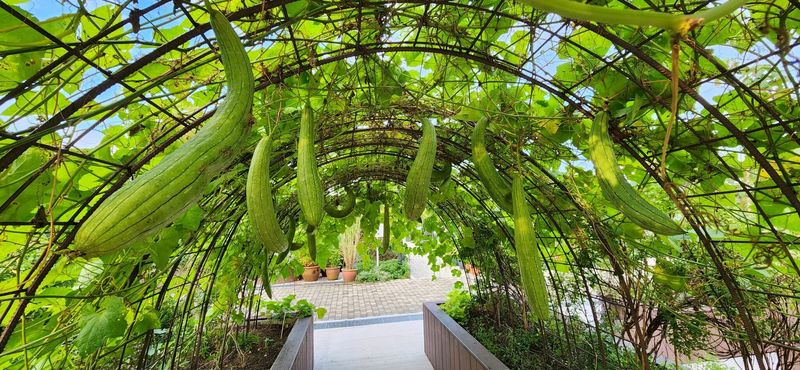
Luffa vines have an incredible growth ability, reaching up to 30 feet in length. Just imagine turning your serene garden into a lush jungle with 15 of these vigorous plants. They love to sprawl, and space quickly becomes a premium.
Gardeners often underestimate the impact of these space-hogging vines, only to find their other plants overshadowed. Planning is crucial. Strategically placing them can help manage their presence without sacrificing other plants.
Their enormous growth can create a captivating green canopy, transforming any space into a verdant escape. It’s both a challenge and a beautiful spectacle.
2. They Need Serious Trellis Support
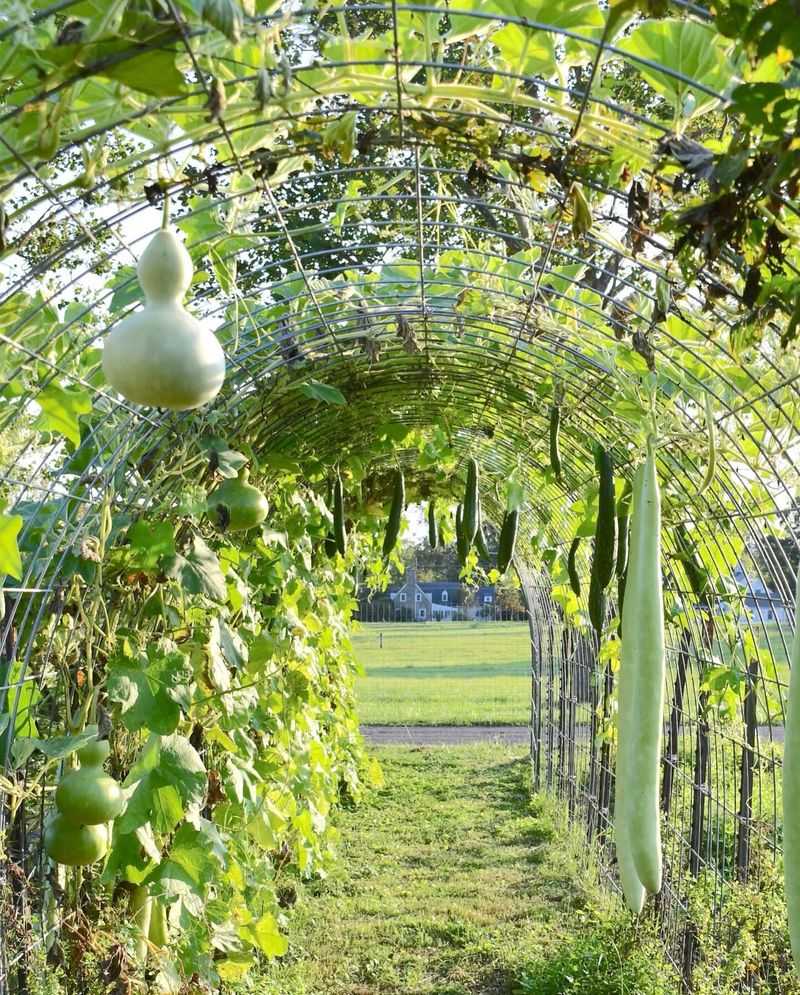
Forget those flimsy garden cages; luffa plants require robust trellis support to thrive. These aren’t your average climbers—they demand strong, tall, and wide structures like pergolas or arbors.
Without the right support, these vines can collapse under their weight, leading to damaged plants and lost gourds. Investing in durable trellises ensures your luffas have the stability they need to grow healthily.
Providing ample space for their upward journey can result in a visually stunning garden feature. It’s all about ensuring safety and aesthetic appeal, making your garden both functional and beautiful.
3. They Drink Water Like Crazy
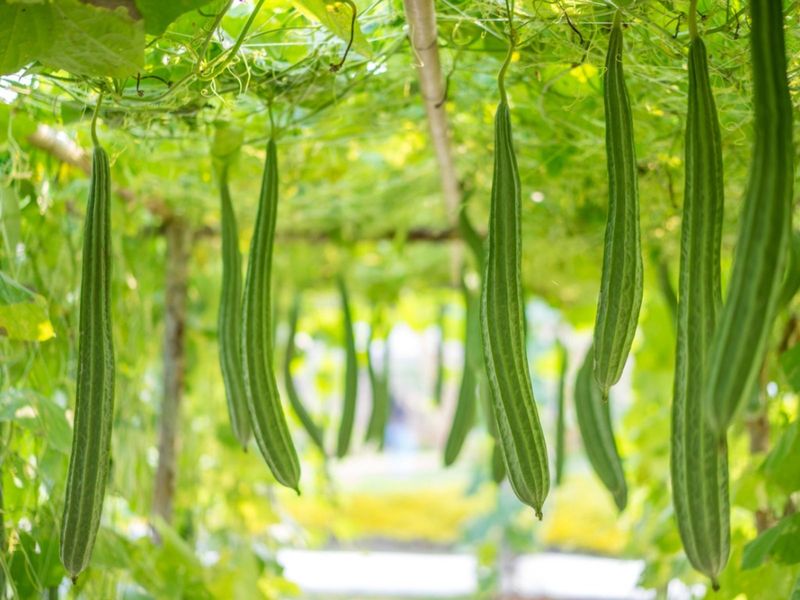
With an appetite for water as large as their vines, luffa plants drink up soil moisture quickly. Their dense foliage demands frequent deep watering, especially during scorching heat waves.
Neglecting their hydration needs can lead to wilting and reduced gourd production. A consistent watering schedule is vital to maintain their lush growth.
While their thirst might seem excessive, meeting it is essential for healthy plants. This water-loving nature ensures vibrant growth but requires attentive care to keep them thriving throughout the growing season.
4. They’re Pollination Picky
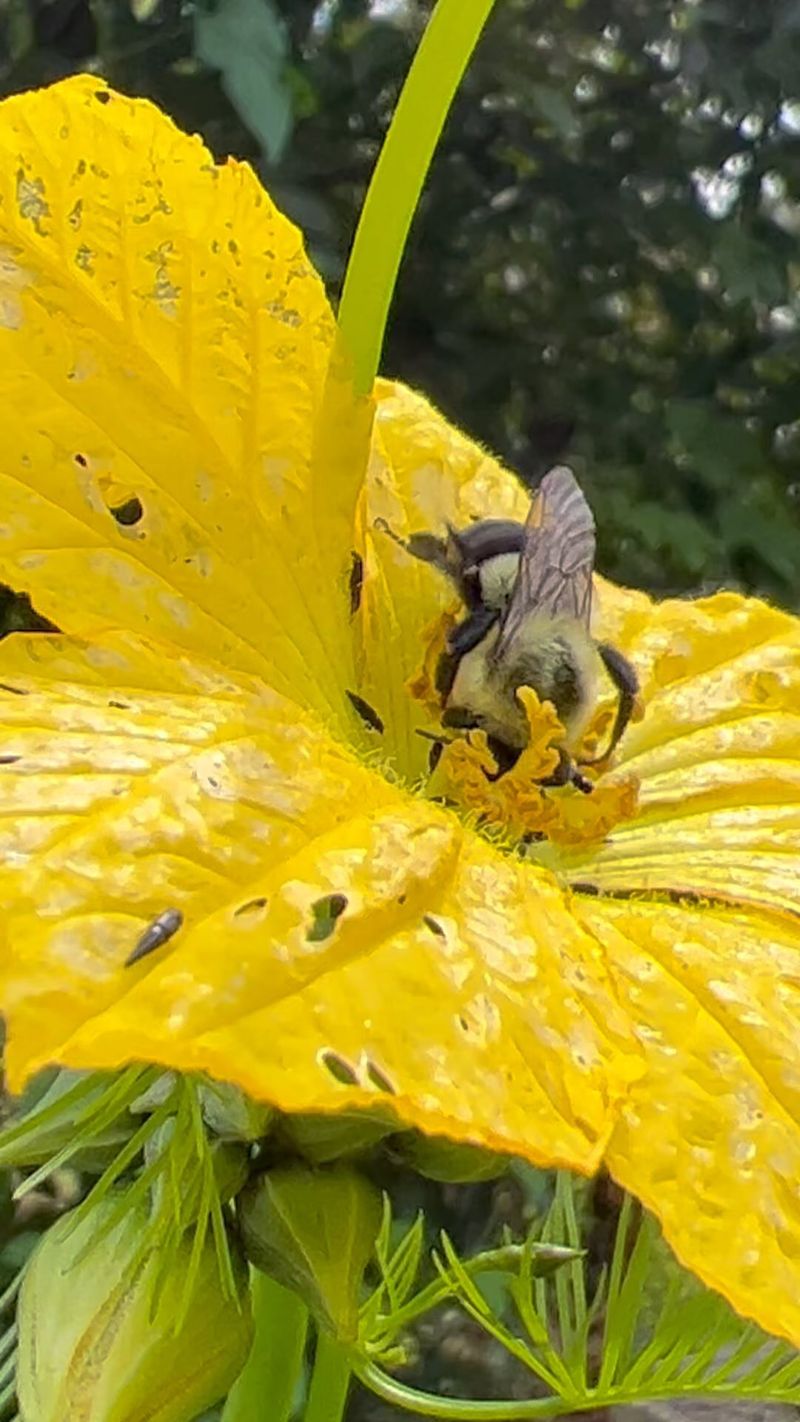
Luffa plants boast beautiful male and female flowers, but they’re picky about pollination. Without pollination, the gourds won’t develop, making bees or hand-pollination essential.
Gardeners often find themselves playing matchmaker, ensuring each flower gets its chance to produce fruit. The process can be tedious but is crucial for a successful harvest.
This dependency on pollinators means attracting bees is vital. Their visit ensures the cycle of growth continues, leading to a bountiful crop. It adds an interactive layer to gardening, connecting us with nature’s rhythms.
5. They Attract Lots of Bees — and Ants
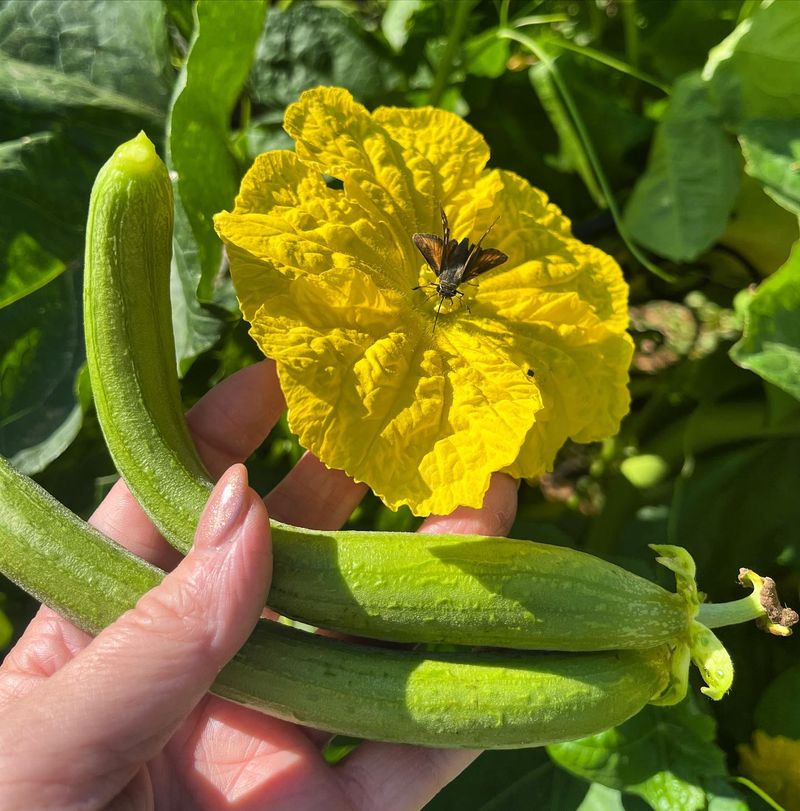
The vibrant yellow blooms of luffa plants serve as irresistible invitations for bees. These buzzing visitors play a vital role in pollination, ensuring fruitful harvests. However, with bees come ants, drawn by the sugary nectar.
This hidden truth can turn your garden into a buzzing hub, which might not be ideal near patios or outdoor seating. The ants follow the scent trails left by bees, often clustering around blooms.
While beneficial for pollination, this insect influx can require careful garden planning. Balancing their presence fosters a thriving ecosystem, enhancing your gardening experience.
6. You’ll Harvest All at Once
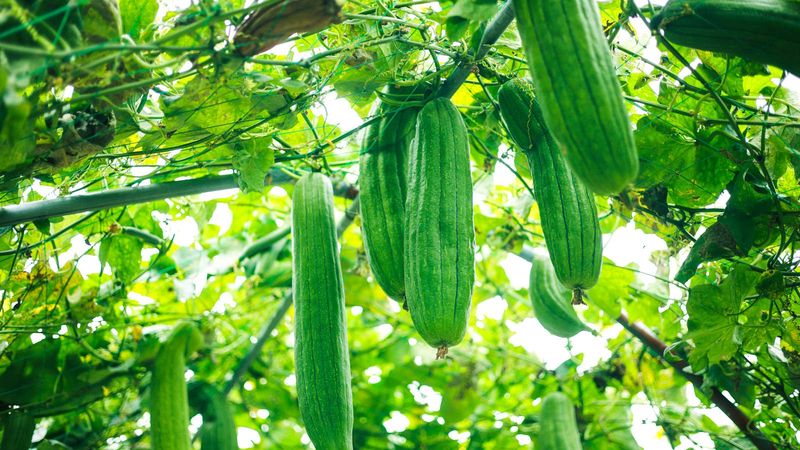
Patience pays off, but with luffa plants, all at once. They take 100-120 days to mature, leading to a sudden influx of 30-50 gourds ready for harvest.
This rapid harvest period demands preparation. Gardeners find themselves amidst a bountiful luffa bounty, requiring quick action for peeling and cleaning.
While this can be overwhelming, it also brings a sense of accomplishment. The satisfaction of a successful harvest is immense, offering plenty of sponges to share or store. Managing this bounty transforms a challenge into a rewarding experience.
7. The Peeling Is Messier Than It Looks
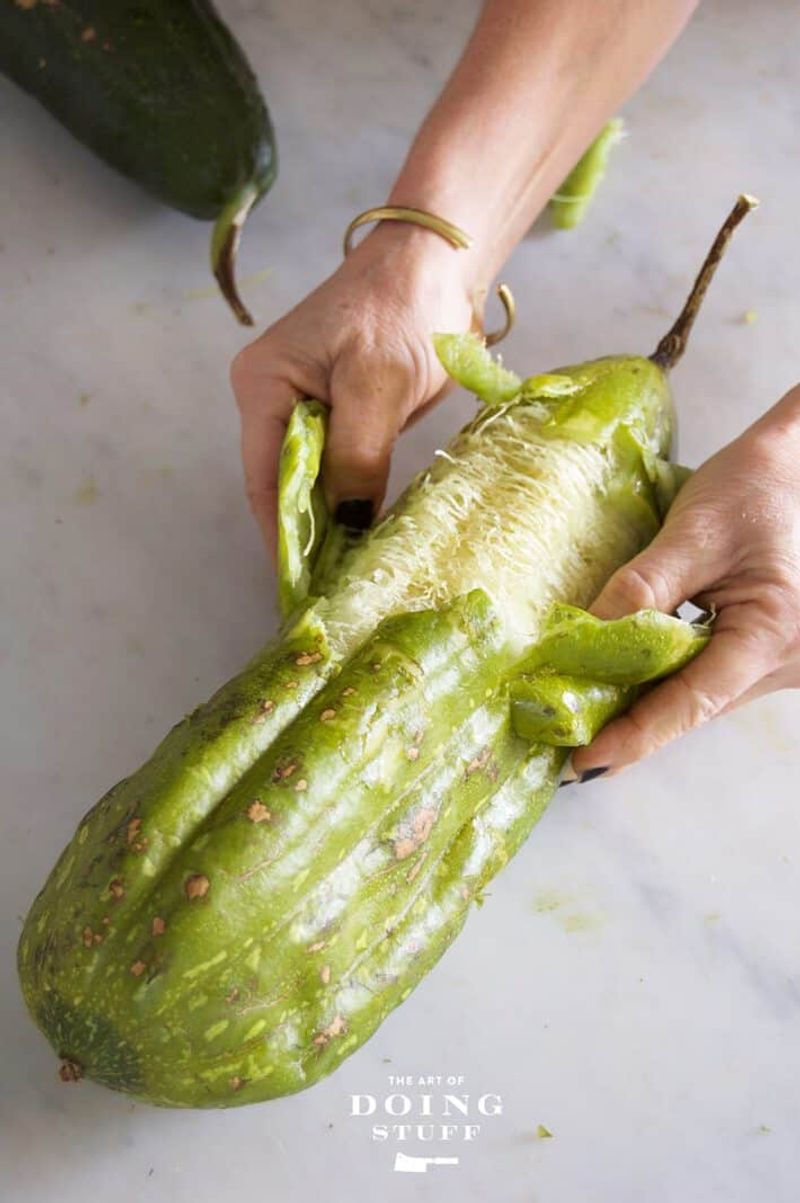
Peeling ripe luffas is not the serene task it appears to be. As the gourds flake and splinter, they leave hands itchy and the garden littered with debris.
This messy process can surprise many first-time growers. Proper preparation and patience are key to managing the chaos.
Despite the mess, the reward of uncovering perfect sponges beneath the skin makes it worthwhile. The tactile experience adds a hands-on element to gardening, connecting you directly with nature’s bounty.
8. They’re Surprisingly Heavy When Wet
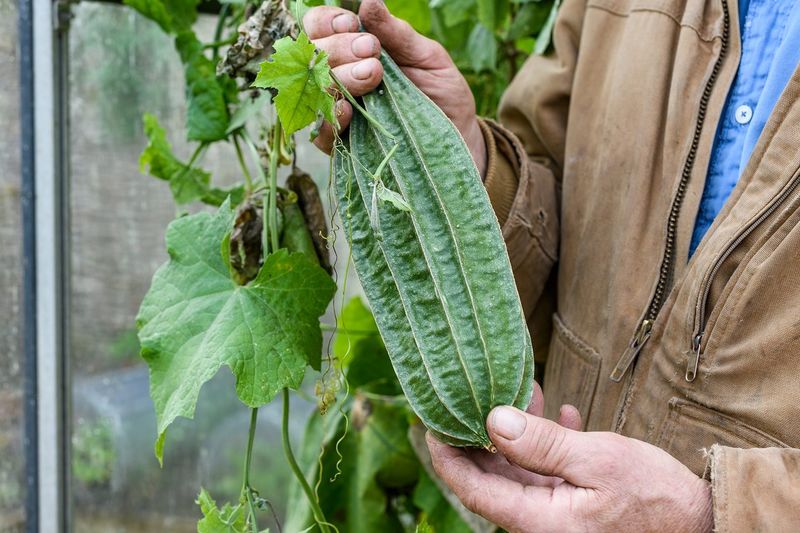
Light and airy when dry, luffa sponges transform under wet conditions. Soaked gourds become surprisingly heavy, weighing several pounds each.
This additional weight can strain trellis structures if not anticipated. Proper support and care are essential to prevent damage to both plants and supports.
Understanding this weight shift underscores the importance of sturdy trellising. It’s a hidden element that adds complexity to growing these fascinating plants, demanding both foresight and adaptability from gardeners.
9. They Take Forever to Dry on the Vine
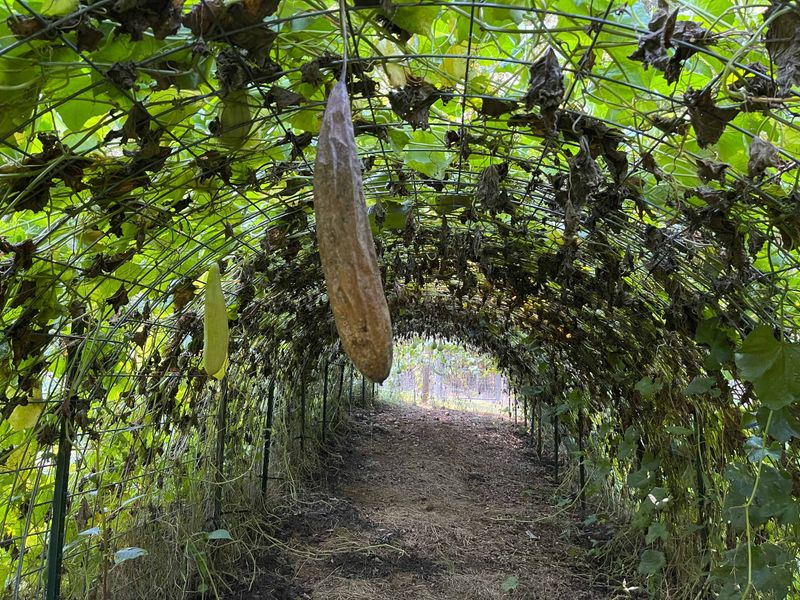
Patience is a virtue when it comes to drying luffas on the vine. They require a lengthy period to become fully usable as sponges.
If frost arrives early, it can jeopardize the crop, turning a season’s work into disappointment. Timing is everything, and constant vigilance is necessary to ensure a successful harvest.
This slow drying process adds a layer of anticipation, blending anxiety with excitement. The reward, however, is well worth the wait, offering sponges that are both functional and satisfying to use.
10. You Might Get Moldy Ones
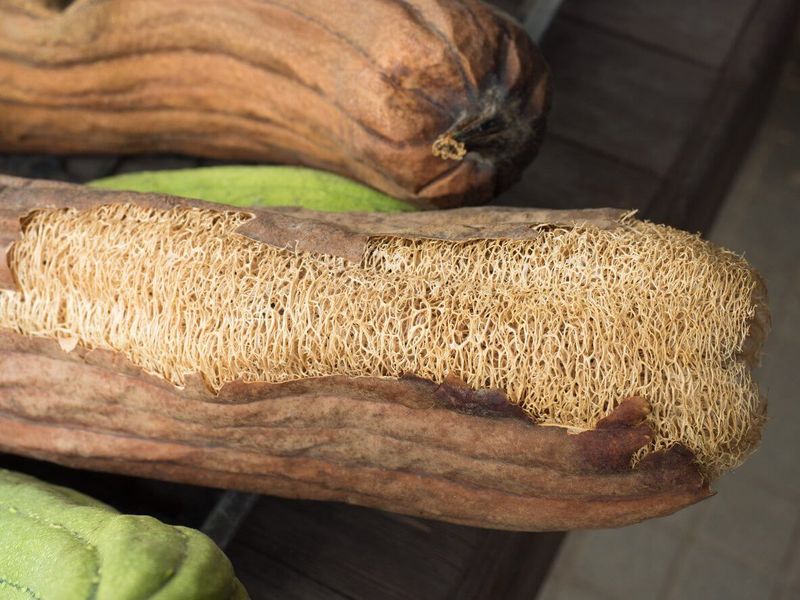
Not every gourd will emerge unscathed. Bruises or premature rotting can lead to moldy luffas, turning black and mushy inside. The stench when opening is unmistakable.
This unfortunate reality can be disheartening, especially after months of nurturing. It highlights the unpredictability of gardening and the need for careful monitoring.
Despite this risk, the prospect of healthy, usable sponges drives gardeners to persevere. It becomes a learning experience, teaching resilience and adaptability in the face of nature’s challenges.
11. Seed-Saving Gets Out of Control
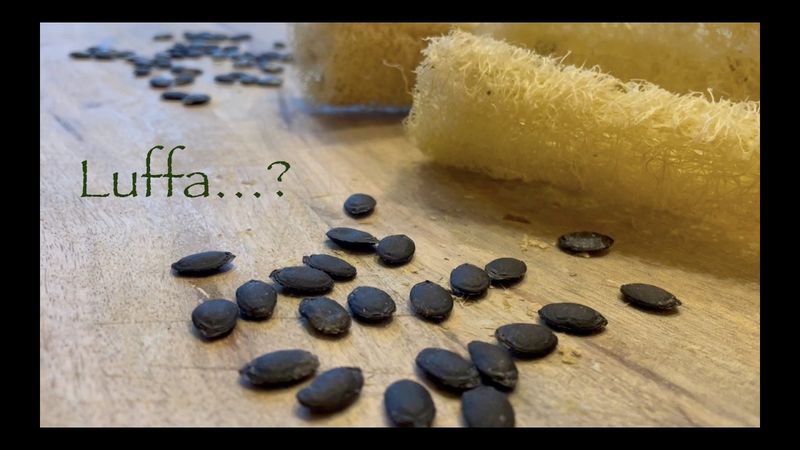
Each luffa gourd contains an astonishing number of seeds, enough to overwhelm any gardener. With 15 plants, the seed count can quickly become unmanageable.
This abundance offers endless possibilities for future plantings, but also demands careful storage and organization. Without a system, seeds can easily overrun your storage space.
For those willing to embrace the bounty, it presents opportunities for sharing and experimentation. Seed-saving turns into an art, offering endless potential for creativity and growth in future seasons.
12. You’ll Never Use That Many Sponges
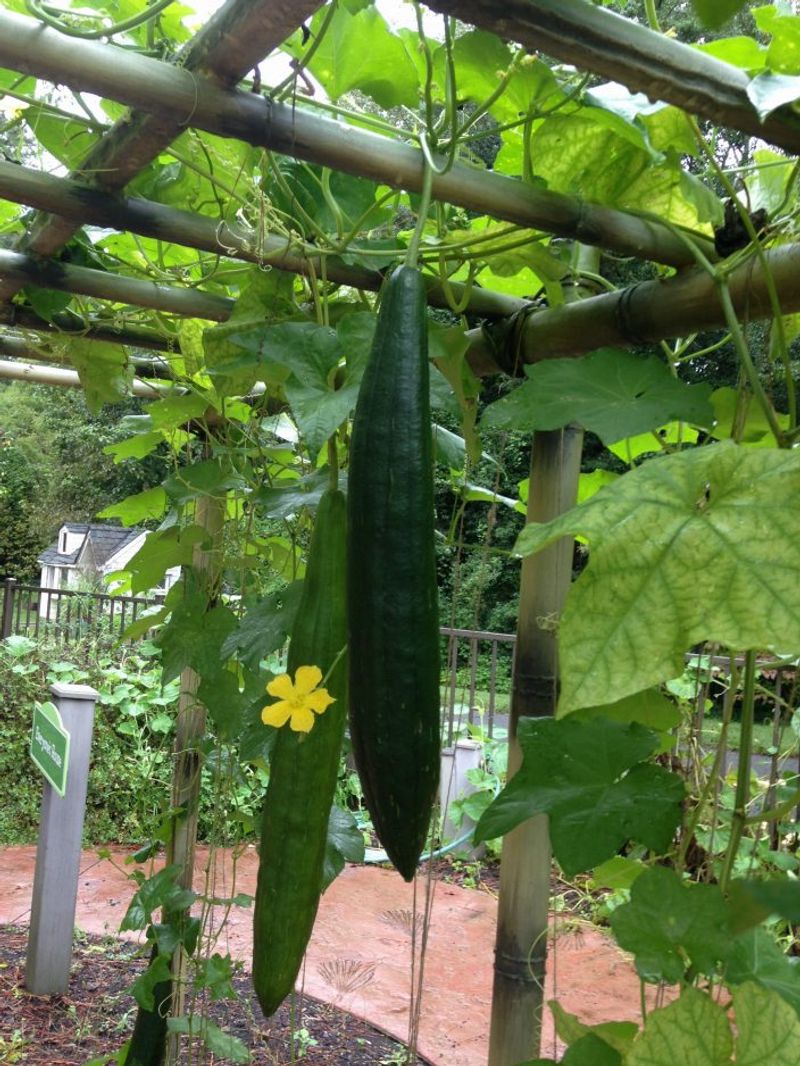
One luffa plant yields multiple sponges, creating an abundance that can overwhelm any household. With 15 plants, there’s no shortage of sponges, far exceeding personal needs.
This surplus invites creativity in distribution. Sharing with friends or selling at local markets becomes a natural extension of the gardening experience.
The endless supply of sponges encourages inventive uses, from household cleaning to unique crafts. This overabundance turns into an opportunity, fostering community connections and inspiring novel applications.
13. Composting the Scraps Takes Effort
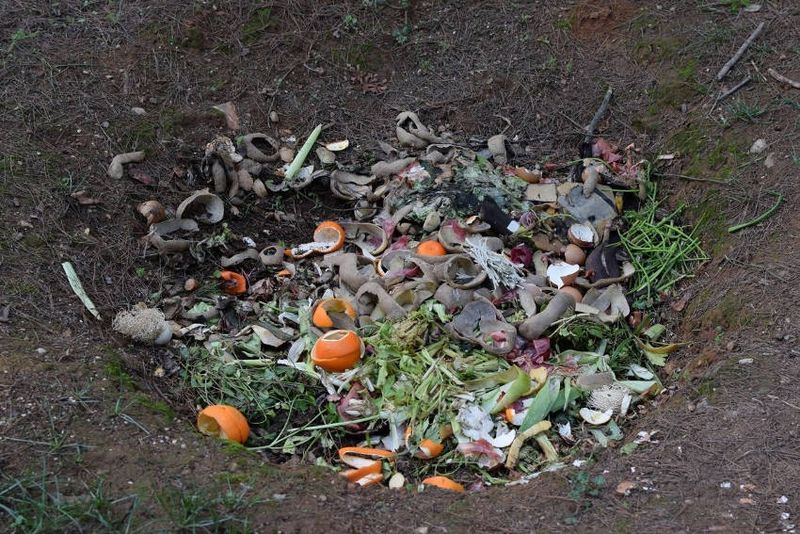
The aftermath of a luffa harvest leaves behind a mountain of scraps, from skins to bad gourds. Composting these remains requires a hot compost pile or multiple bins to manage the volume.
This aspect of luffa gardening is often overlooked, yet it’s a critical component of sustainable practices. Transforming waste into rich compost supports future growth.
Though labor-intensive, this recycling process enriches the soil, feeding future plants. It’s a rewarding cycle, turning debris into a nourishing resource for the garden’s continued prosperity.
14. They’re Heat-Lovers but Frost-Cowards
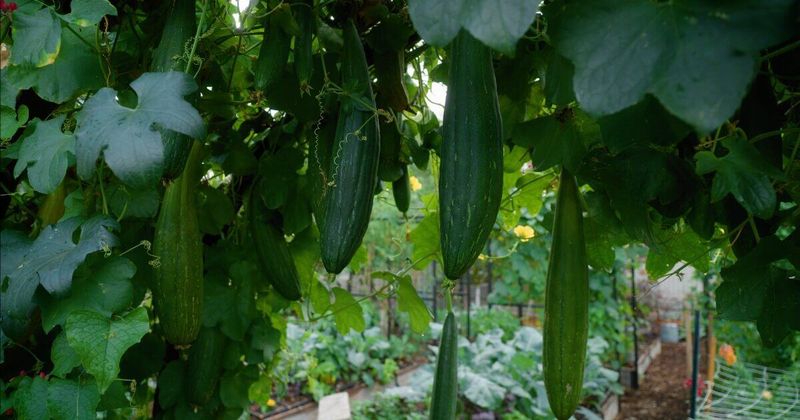
Luffas thrive in heat but cower at the slightest hint of frost. Their sensitivity to temperature requires precise timing for planting and harvesting.
Even a single chilly night can wreak havoc on a crop, underscoring the need for vigilance. This unpredictability adds a challenging twist to the growing season.
By understanding their climate preferences, gardeners can better plan and protect their precious gourds. This knowledge transforms potential pitfalls into successful harvests, ensuring these sun-loving plants reach their full potential.
15. Despite It All… It’s Totally Worth It
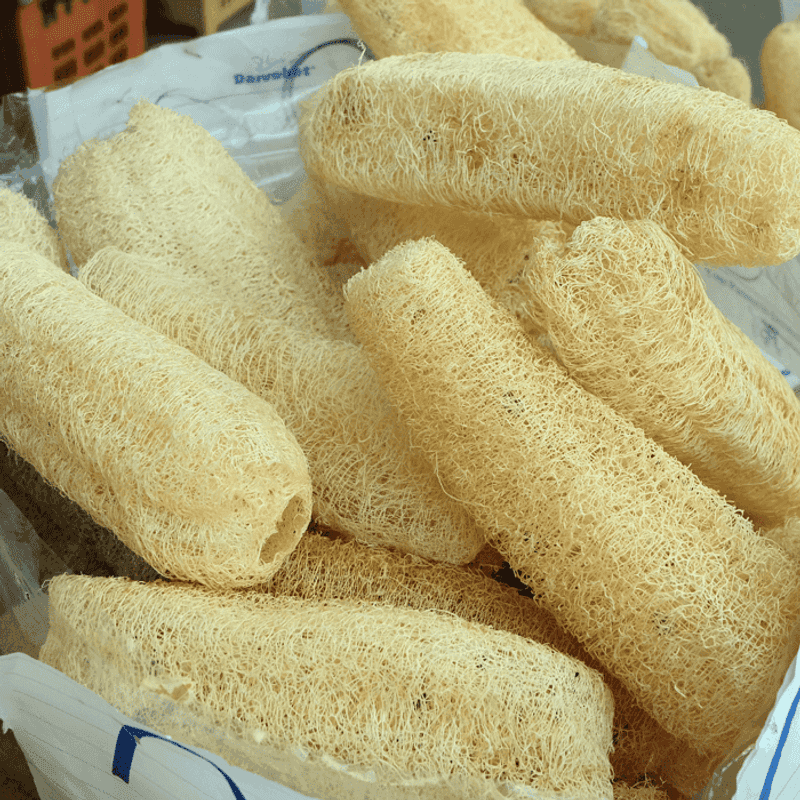
Growing luffa plants is a journey filled with challenges and triumphs. Despite their demanding nature, the rewards are immense. From crafting your own sponges to contributing to a sustainable lifestyle, the process is fulfilling.
The hands-on experience connects gardeners to the earth, fostering a sense of empowerment. Each challenge conquered adds to the joy of harvesting these unique plants.
The dedication required transforms gardening into an art, offering both personal satisfaction and practical rewards. It’s a testament to the resilience and creativity of those who take on the luffa growing adventure.