 Complete Gardening
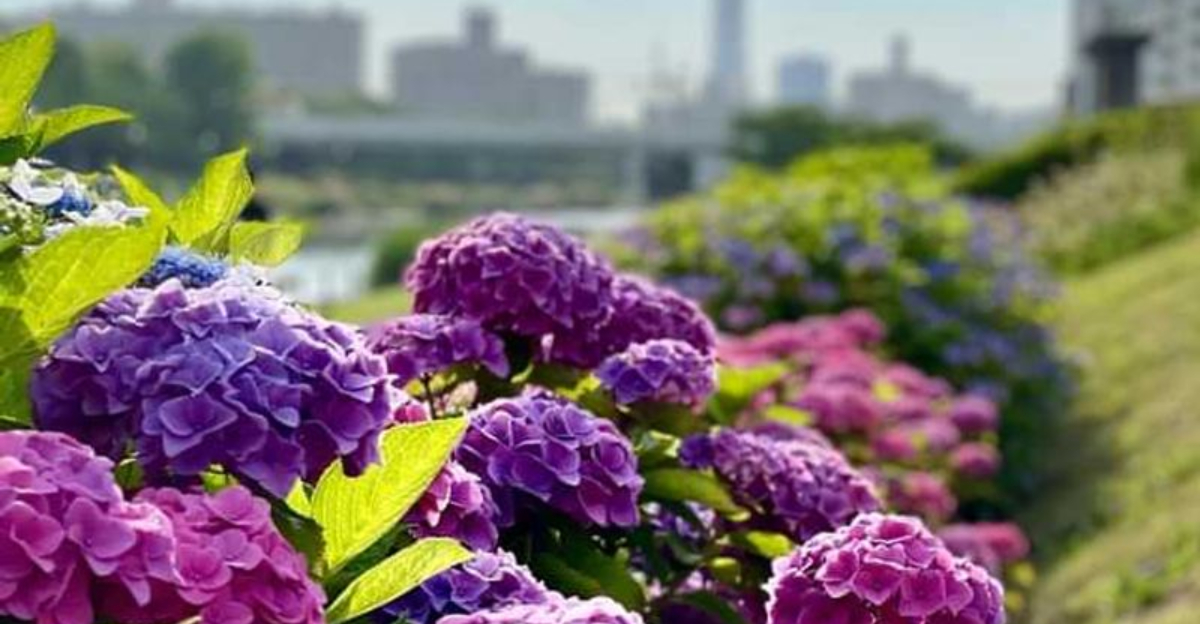
Hydrangeas, with their cloud-like clusters of blooms, are a beloved staple in gardens around the world. Yet, beneath their familiar facade lies a labyrinth of secrets that only the most cunning of gardeners dare to explore. From color-changing flowers to their surprising history, each facet of this plant reveals something new and exciting. Let’s embark on a journey to uncover the lesser-known truths about hydrangeas, one bloom at a time.
1. The Color-Changing Blooms
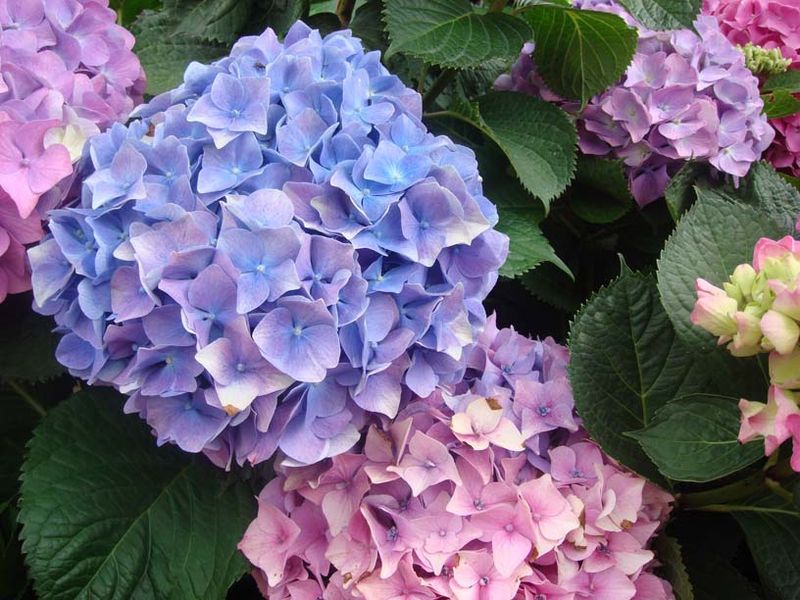
Imagine a flower that transforms its colors based on the soil it’s planted in. This isn’t magic—it’s hydrangeas. The acidity level of the soil affects the color of their blooms, with acidic soils producing blue flowers and alkaline ones resulting in pink. This chameleon-like ability makes them a favorite among gardeners who love experimenting. Yet, few realize that the color can subtly hint at the soil’s health. Hydrangeas serve as a beautiful barometer of nature, changing hues to mirror the world beneath them, a secret that few plants can boast.
2. Their Ancient Origins
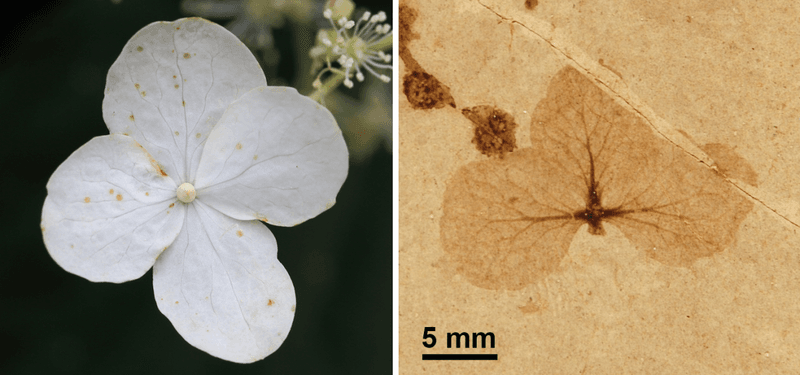
Did you know that hydrangeas have been adorning the Earth for millions of years? Fossilized remains dating back to the Tertiary period reveal their ancient roots. Originating in Asia and the Americas, these plants have witnessed the rise and fall of civilizations. Their resilience through epochs is a testament to their adaptability and strength. Few garden plants can claim such a storied past, connecting today’s gardens with the ancient world. This historical depth adds an enriching layer to every bloom, a whisper from the past in present petals.
3. Symbolism Across Cultures
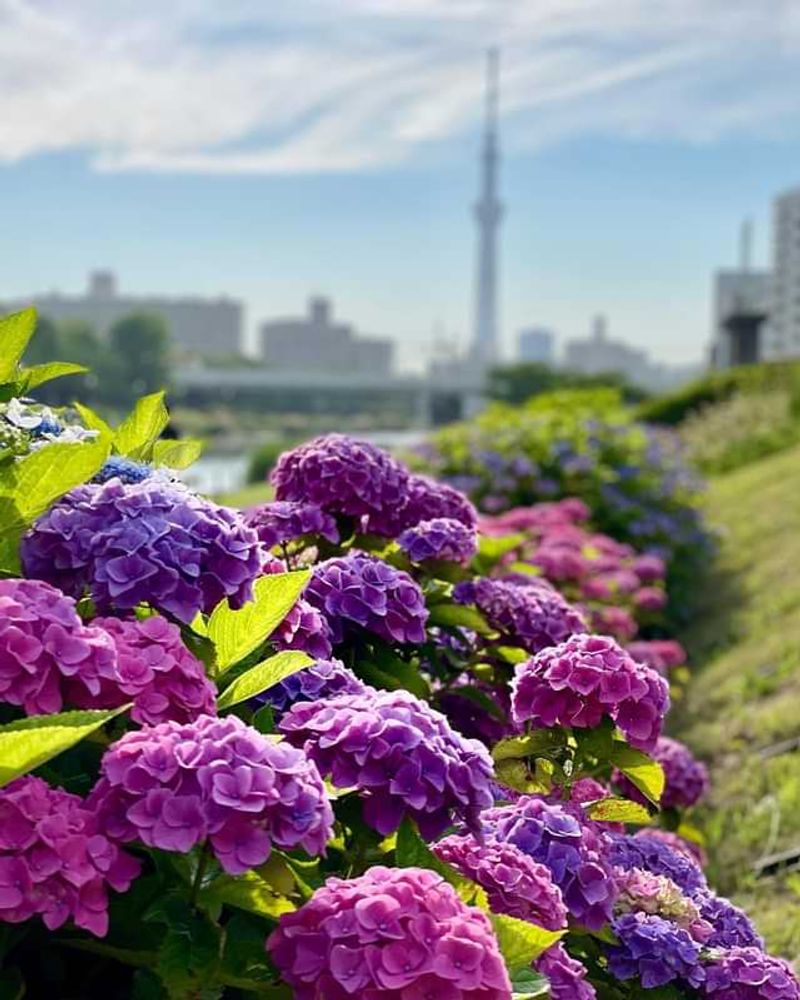
In Japan, hydrangeas symbolize heartfelt emotion, often linked to apologies and gratitude. Meanwhile, in Europe, they convey frigidity and boastfulness due to their abundant blooms. These cultural interpretations add layers of meaning to these flowers, transforming a simple garden plant into a messenger of emotions. Understanding these symbols can deepen our appreciation and connection to them. So, next time you encounter a hydrangea, consider the unspoken messages they might convey, bridging cultures through the language of flowers.
4. The Magic of Pruning
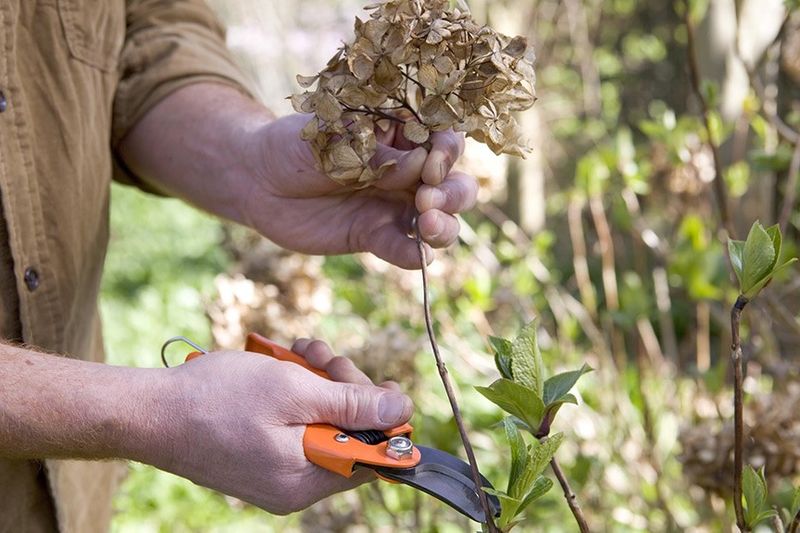
Pruning hydrangeas is both art and science. The timing and technique can dramatically affect the plant’s bloom cycle. Cut too late, and you risk losing next year’s flowers. Each variety requires its own method; some bloom on old wood, others on new. This intricate dance between shears and shrub can enhance a garden’s vitality. Yet, many gardeners miss this opportunity to shape and strengthen their plants. Embrace the magic of pruning and unlock the full potential of your hydrangeas, turning them into a masterpiece of nature.
5. Hydrangeas and Wildlife
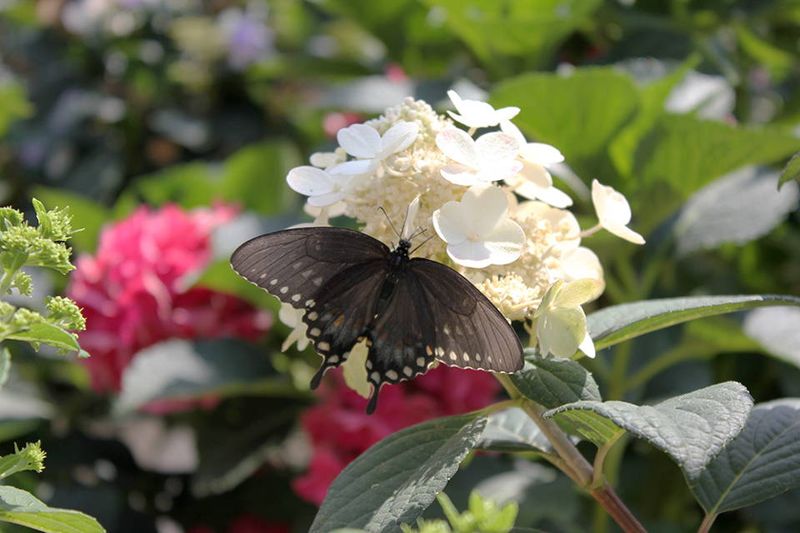
Beyond their beauty, hydrangeas play a crucial role in ecosystems by attracting pollinators such as bees and butterflies. These visitors ensure the plant’s reproduction and contribute to the garden’s biodiversity. However, certain hydrangea species are more pollinator-friendly than others. Choosing the right type can transform your garden into a buzzing haven, teeming with life. The interplay between hydrangeas and wildlife is a harmonious dance, a testament to nature’s intricate web, often overlooked by those who see them merely as ornamental.
6. The Surprise of Hydrangea Tea
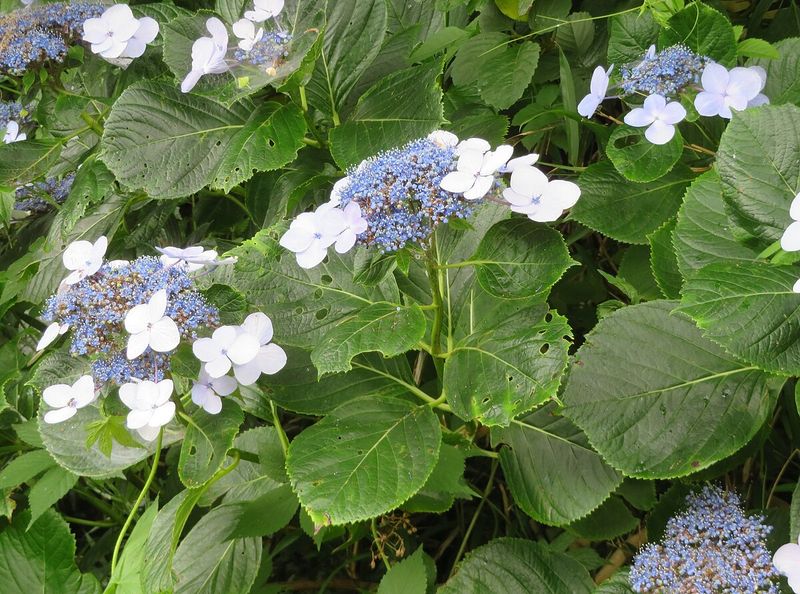
Have you ever sipped hydrangea tea? In some Asian cultures, the leaves of certain hydrangea species are brewed into a sweet tea. Known for its unique flavor and purported health benefits, it remains a rare delicacy. This tea, often associated with Buddhist ceremonies, adds a spiritual dimension to a garden favorite. Few realize that their ornamental plant can offer such diverse uses. It’s like discovering a hidden treasure in a sea of petals, an aspect of hydrangeas that invites us to explore beyond the surface beauty.
7. Hydrangea Leaf Variegation
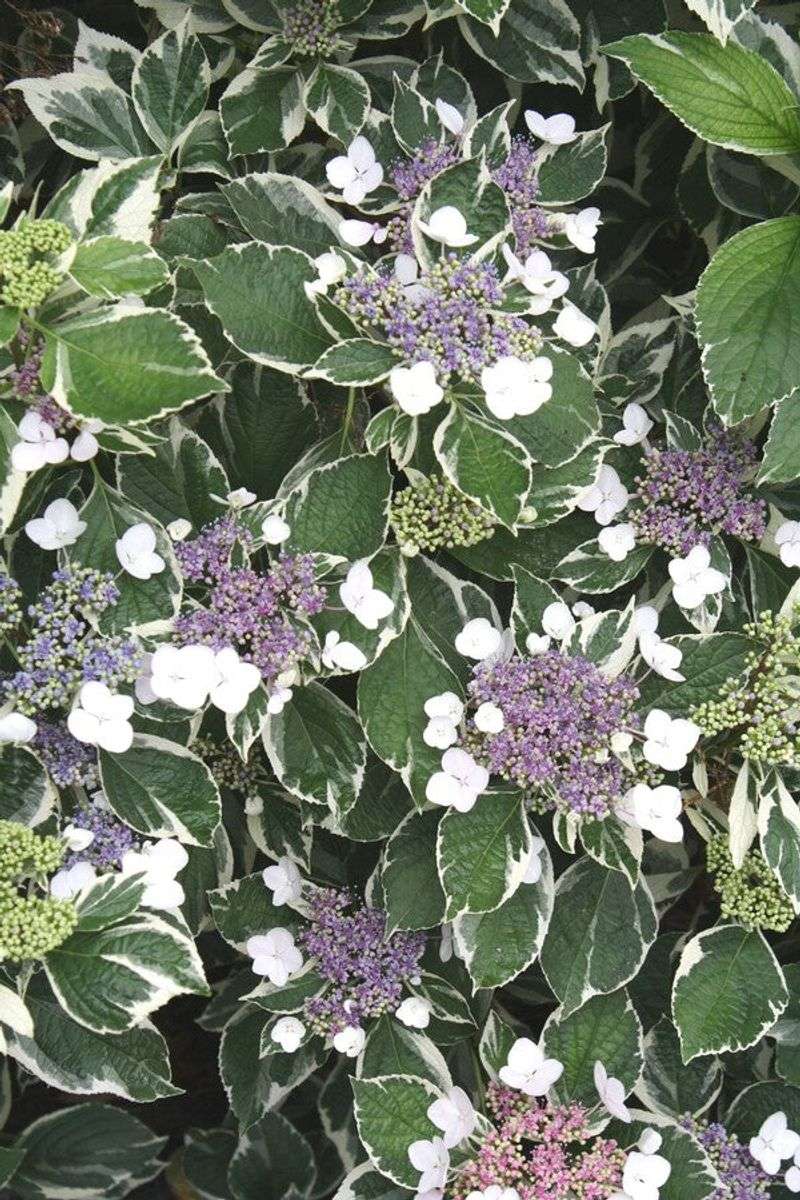
While hydrangea blooms often steal the spotlight, the leaves have a secret of their own. Variegated hydrangeas feature leaves with unique patterns, offering visual interest even when not in bloom. These patterns can vary greatly, creating a mosaic of colors that add texture to any garden setting. This variegation is not just a visual treat; it’s a subtle reminder of nature’s diversity. A garden with variegated hydrangeas is like a living tapestry, weaving together shades of green and cream, creating beauty beyond the blooms.
8. The Hidden World of Roots
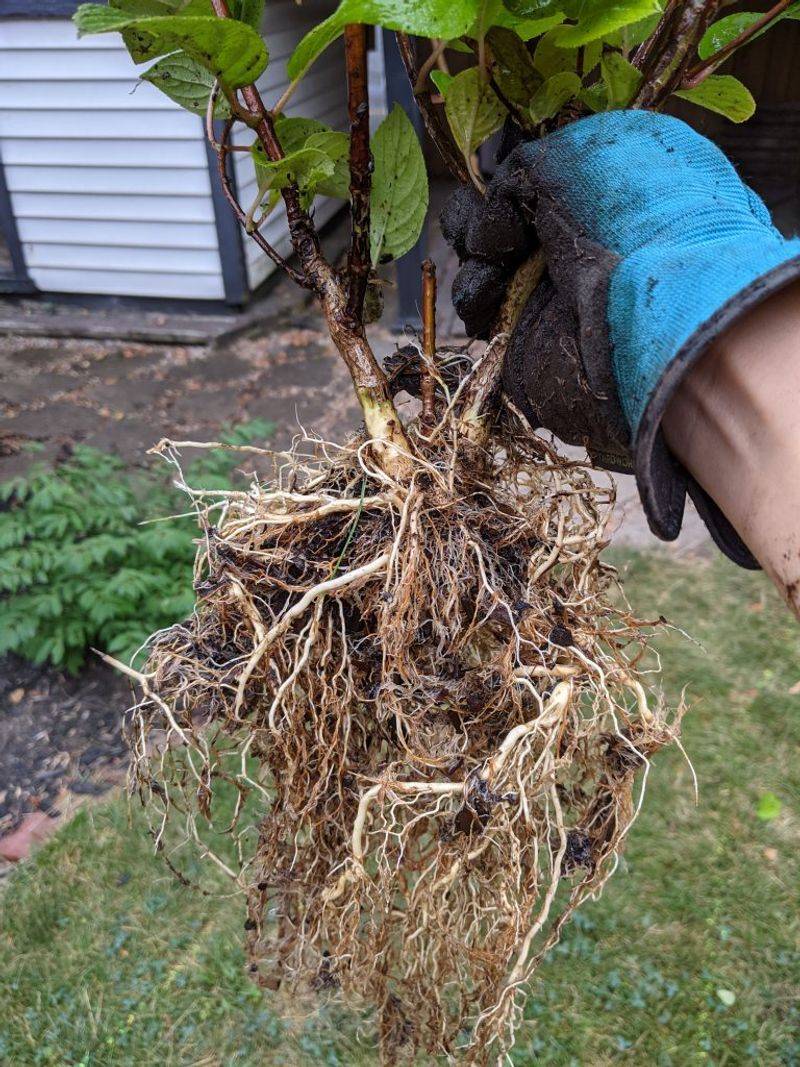
Beneath their captivating blooms lies an intricate root system that supports the hydrangea’s growth. These roots are adept at drawing nutrients and water, thriving in diverse conditions. Their tenacity is a key reason for the plant’s widespread cultivation. Understanding the root dynamics can help gardeners improve soil health, ensuring vibrant blooms above ground. This subterranean network is a testament to the plant’s resilience, often unseen but vital, quietly working to nourish the towering beauty that captures our hearts above.
9. Winter Hardy Varieties
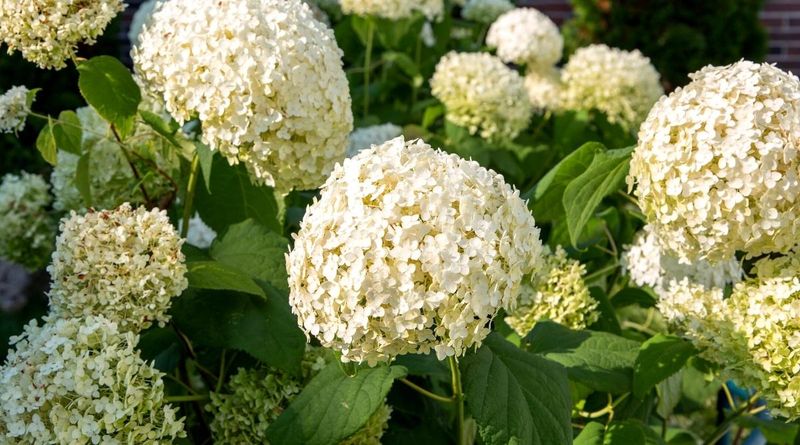
Not all hydrangeas wilt under winter’s chill. Some varieties are specially bred to withstand harsh conditions, thriving even in snowy landscapes. These hardy types provide structure and interest when most plants retreat. Selecting the right winter-hardy hydrangea can extend beauty throughout the year. Their resilience is a reminder of nature’s adaptability, transforming the coldest months into a backdrop for their stubborn elegance. It’s a silent promise that spring will return, with these steadfast blooms leading the way.
10. Scented Hydrangea Varieties
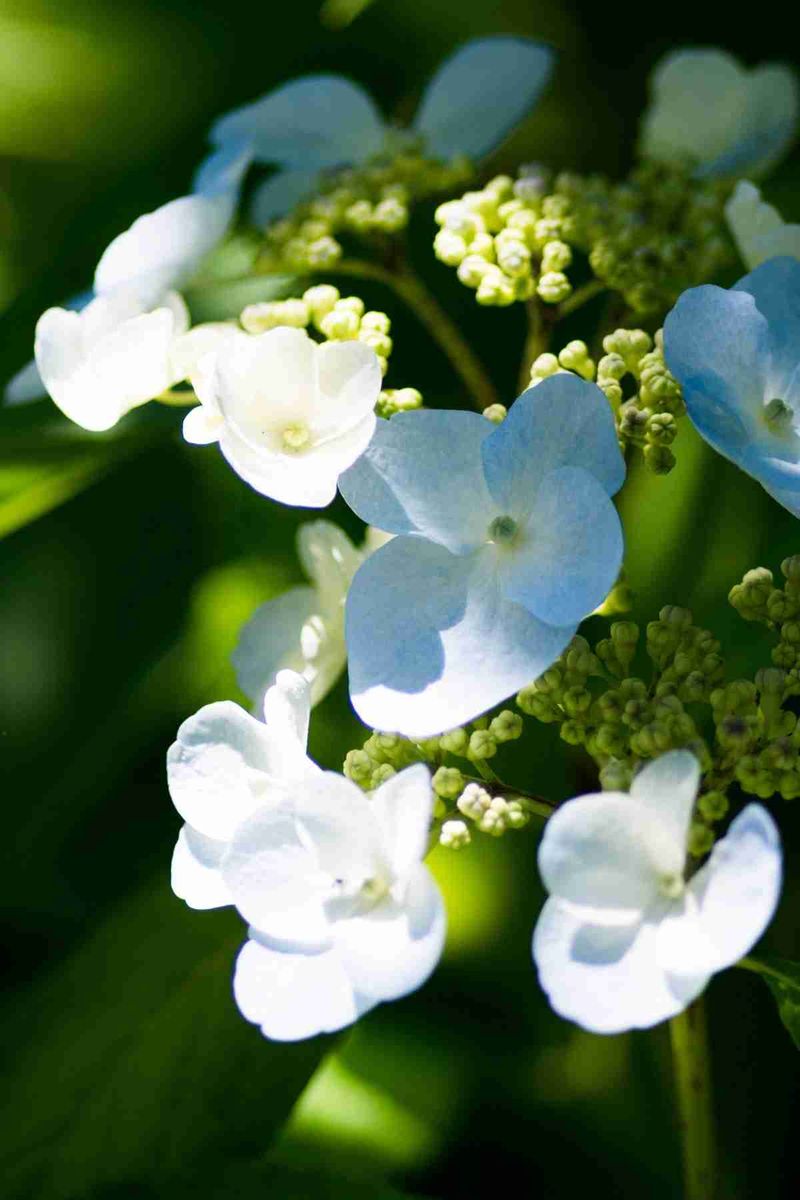
While hydrangeas are often celebrated for their visual appeal, some varieties also offer intoxicating scents. These fragrant blooms can enhance a garden’s sensory experience, inviting visitors to linger and explore. The scented varieties are less common, making them a prized addition for enthusiasts seeking an olfactory delight. Their aroma can evoke memories of summer days and garden strolls, adding an extra layer of enjoyment. This aromatic surprise is a lesser-known aspect of hydrangeas, waiting to be discovered by those with a keen nose.
11. The Unseen Hydrangea Fruits
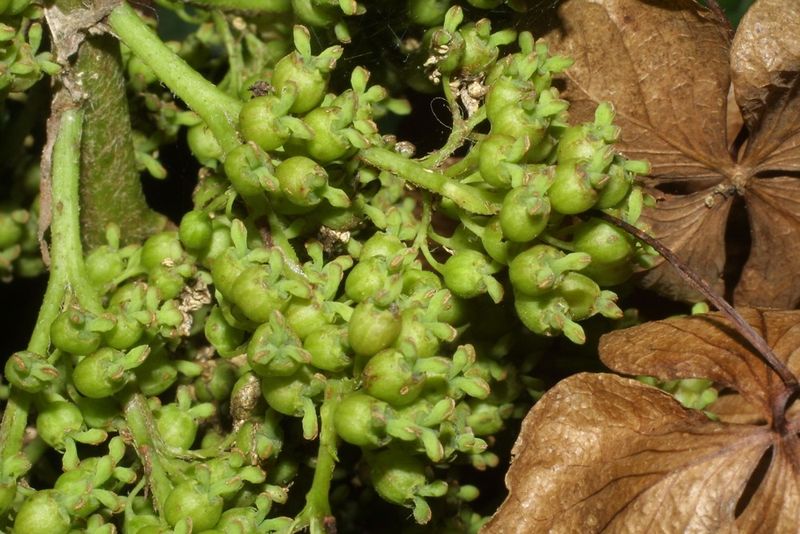
After the blooms fade, hydrangeas produce small, inconspicuous fruit capsules, a secret many overlook. These capsules contain seeds that can propagate new plants if conditions align. Observing these fruits provides insight into the plant’s life cycle, a continuation of its beauty beyond flowering. For gardeners interested in propagation, understanding this process can be rewarding. These hidden fruits remind us of the ongoing cycle of life and renewal, a quiet testament to the plant’s enduring legacy, often missed in favor of showy blooms.
12. Hydrangeas in Floral Arrangements
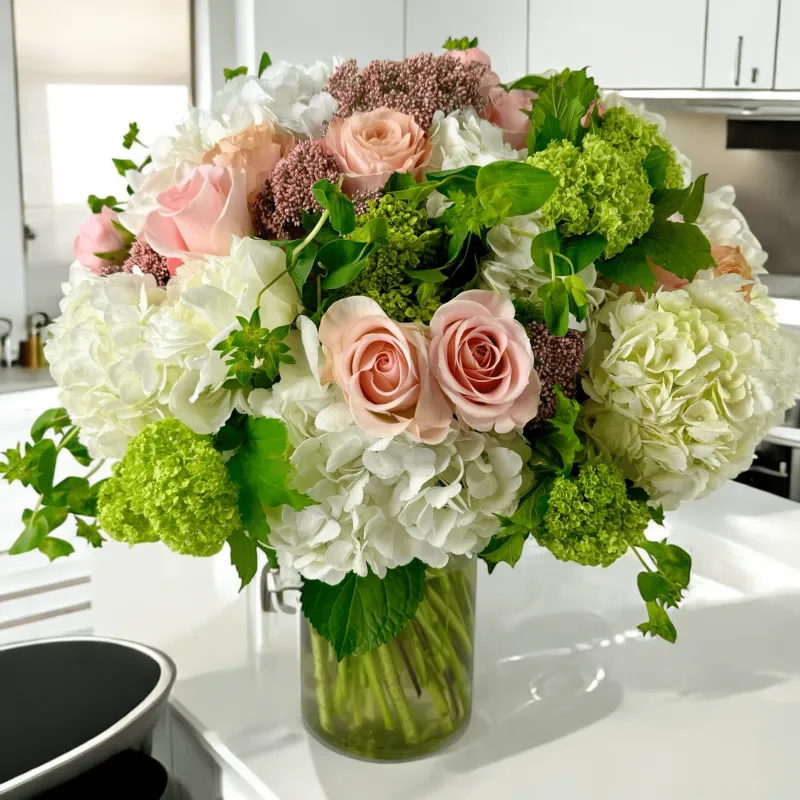
In the world of floral design, hydrangeas are a staple due to their voluminous blooms and versatility. They can stand alone or complement other flowers, creating lush arrangements. Their lasting nature makes them a favorite for events and decor. Florists appreciate their ability to fill space, providing a canvas for creativity. With their range of colors, hydrangeas can suit any theme or season. This adaptability in floral art is a testament to their enduring appeal, making them a beloved choice for both casual bouquets and grand displays.
13. Hydrangeas and Phytoremediation
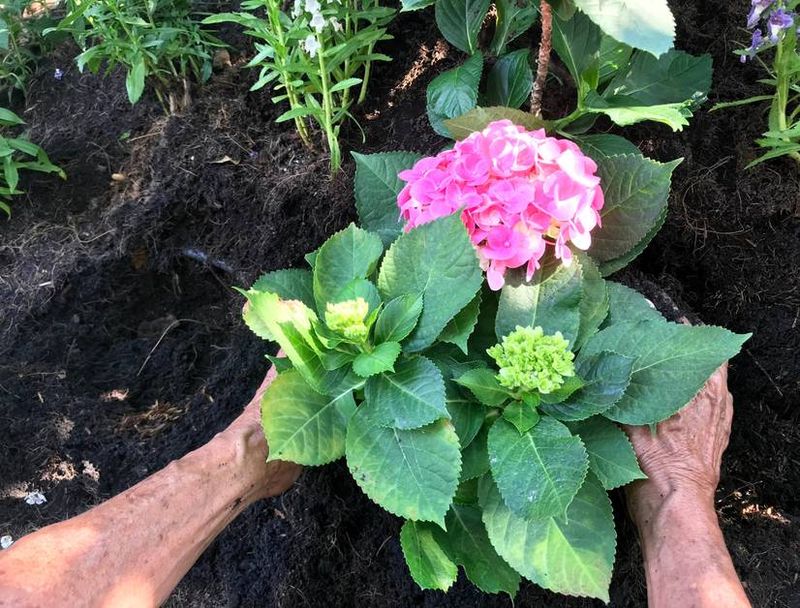
Beyond beauty, hydrangeas have a practical application in phytoremediation, the process of using plants to clean contaminated soil. Certain species can absorb heavy metals, helping to detoxify the environment. This lesser-known function transforms them into eco-friendly allies, offering a sustainable gardening solution. Their ability to enhance soil health while providing aesthetic pleasure is a dual benefit. This environmental role elevates hydrangeas from mere ornamentals to powerful tools in ecological preservation, a secret weapon in the battle for a cleaner world.
14. The Mystery of Hydrangea Blue
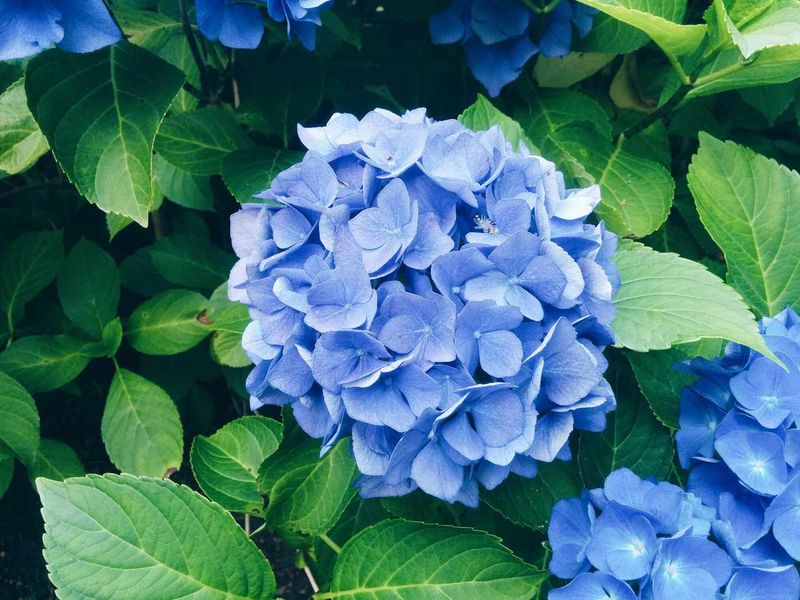
The captivating blue of some hydrangeas is a horticultural enigma. Achieving this color involves precise soil conditions, with aluminum availability playing a key role. Gardeners often adjust soil pH to coax out the deepest blues, a practice that combines science and artistry. This transformation is a fascinating journey, a blend of chemistry and nature’s whimsy. The vibrant blue serves as a gardener’s badge of honor, a testament to their skill and patience. It’s a mystery that continues to intrigue and challenge, making each blue bloom a triumph.
15. Hydrangeas in Art and Literature
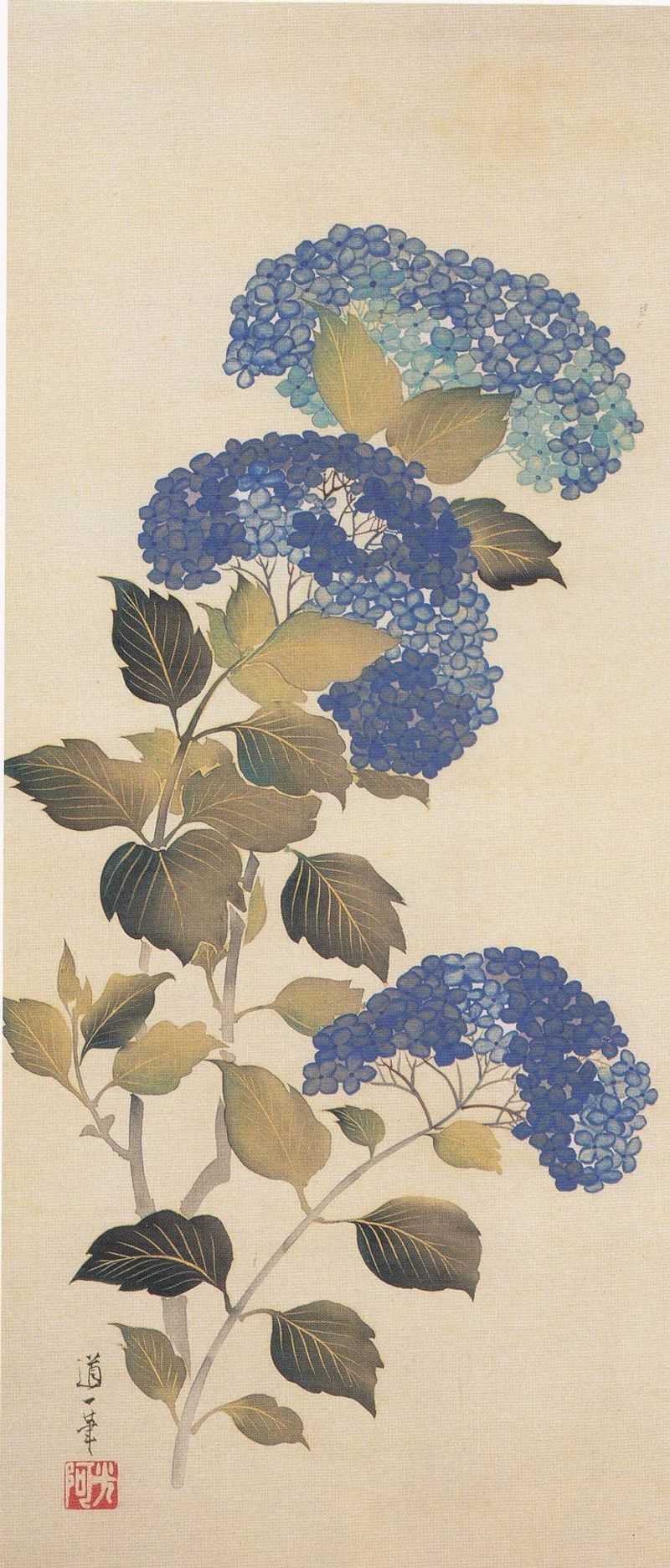
Hydrangeas have inspired artists and writers for centuries. Their complex beauty often symbolizes emotions and themes in literature and art. From romantic poetry to bold canvas compositions, they capture imagination and convey profound messages. This artistic legacy enriches our cultural heritage, linking the simple garden flower to broader human expression. The presence of hydrangeas in creative works highlights their universal appeal. They continue to inspire new generations, a muse for those seeking to express the ineffable, blending nature’s artistry with human creativity.
16. The Secret Language of Hydrangea Leaves
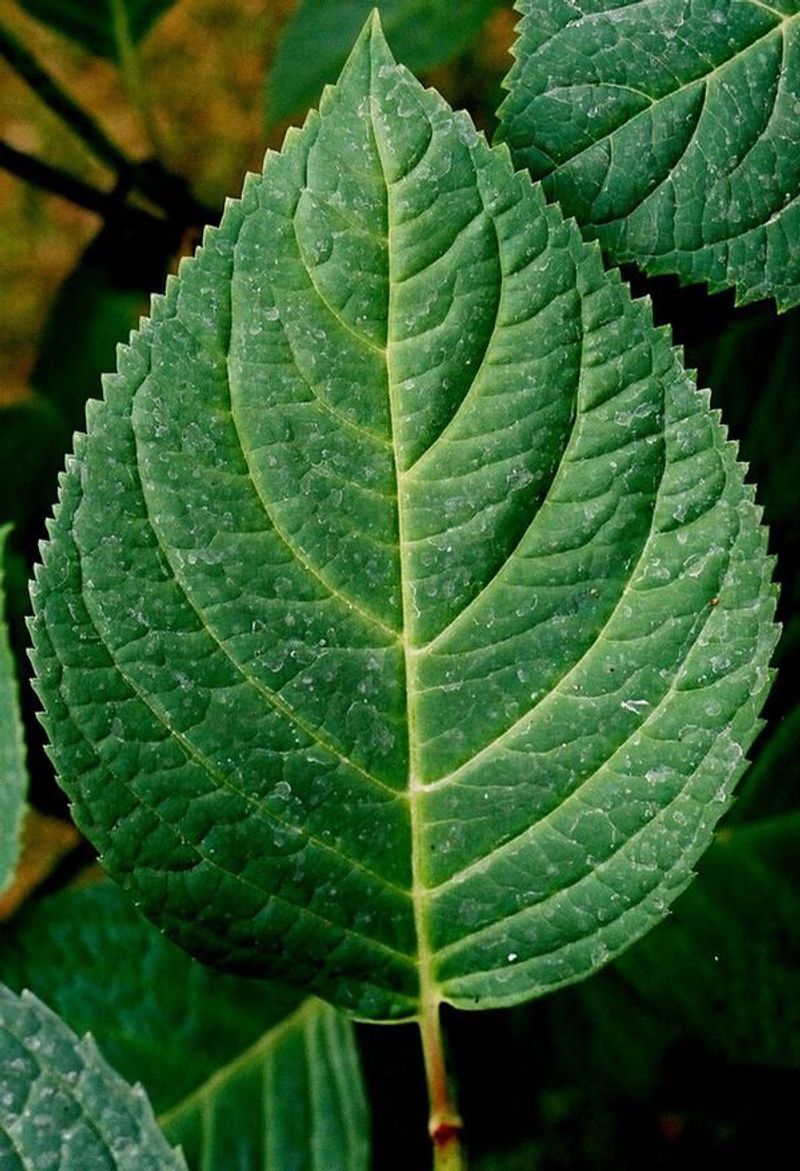
Have you ever paused to consider the subtle communications of hydrangea leaves? Their vibrant greens and intricate vein patterns hold secrets of their health and needs. Each leaf tells a story of the plant’s condition, from water intake to nutrient levels.
Gardeners who learn to read these leafy signals can better care for their hydrangeas, ensuring vibrant blooms. Observing leaf texture and color variations provides clues to the plant’s well-being.
Next time you wander through a garden, take a moment to observe the leaves. They might reveal more than you expect, enhancing your gardening skills.