 Complete Gardening
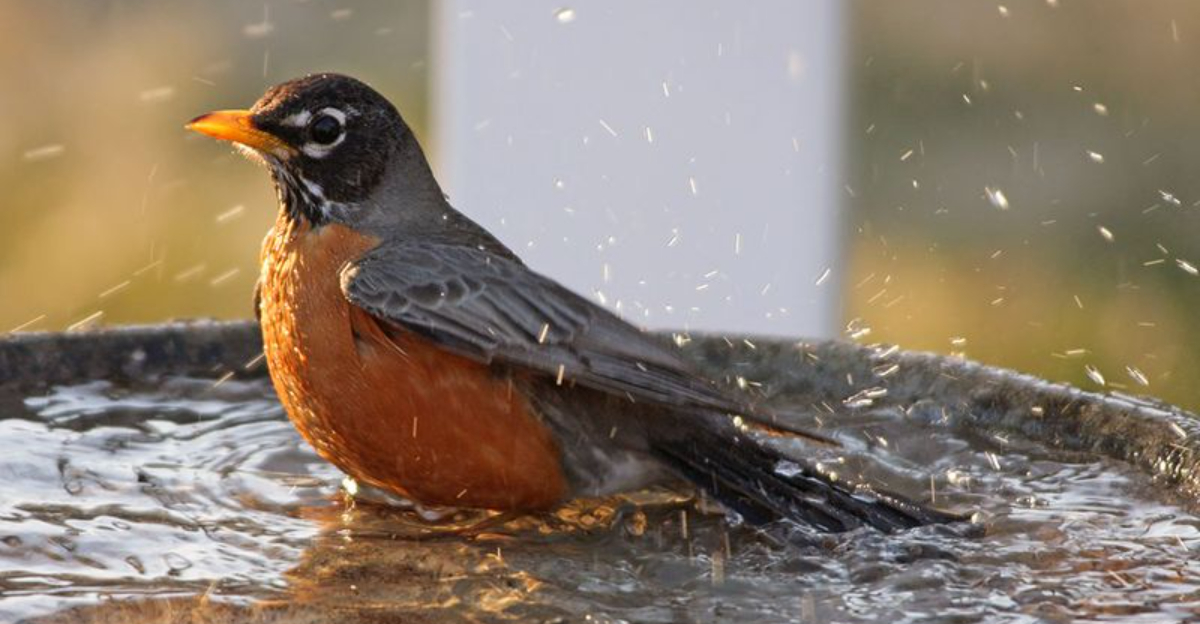
Have you ever wondered why robins seem to avoid your feeder, even though you’ve set it up to attract a variety of birds? Unlike other birds that frequent backyard feeders, robins have unique preferences and behaviors that dictate where and what they eat.
In this article, we will uncover ten solutions that have proven effective in enticing robins to your yard. By understanding their habits and providing what they need, you can enjoy the delightful company of these vibrant birds right in your own backyard.
1. Offer Mealworms Instead of Seeds
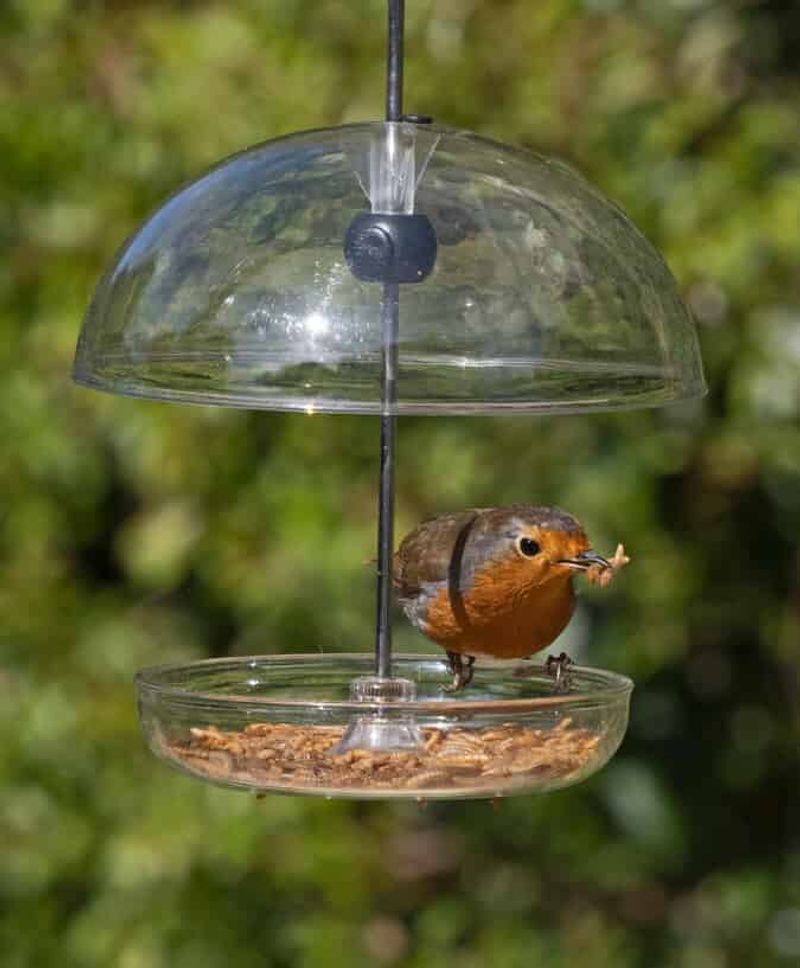
Robins, with their keen interest in insects, are particularly fond of mealworms. Offering live or dried mealworms in a shallow dish or platform feeder can be a game changer. Consider placing the feeder in a quiet spot away from noisy human activity. Robins are more likely to approach when they feel safe and undisturbed.
Mealworms mimic their natural diet and provide the protein they require, especially during nesting season. Watching robins feast on wriggling mealworms is not just rewarding but also mesmerizing. You might even spot them bringing mealworms back to their nests.
2. Set Up a Ground or Platform Feeder
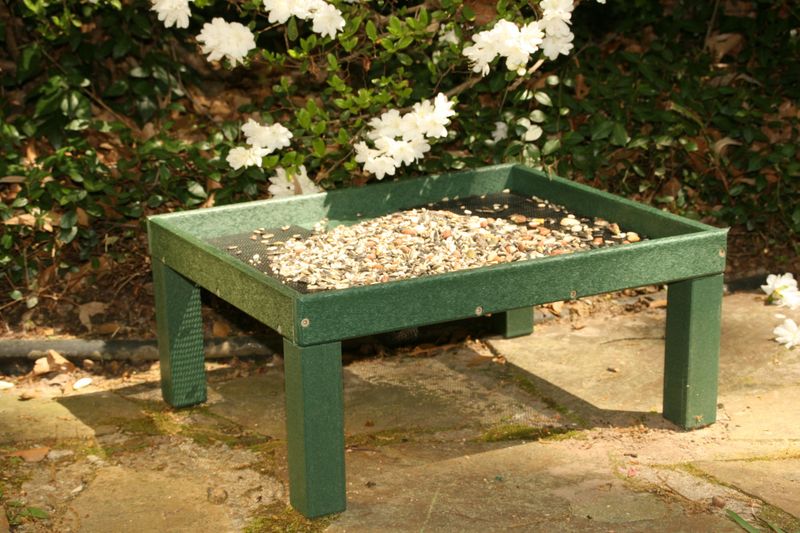
While finches flutter around hanging feeders, robins prefer dining closer to the earth. A low platform feeder or simply scattering food on a flat surface at ground level can attract these feathered friends.
Robins forage naturally on the ground, so this setup mimics their native feeding habits. Position the feeder in an open area to provide an escape route in case of danger, giving robins a sense of security.
Discovering worms and insects in the grass is what they excel at, and this feeder style allows them to feed comfortably.
3. Plant Berry-Producing Shrubs
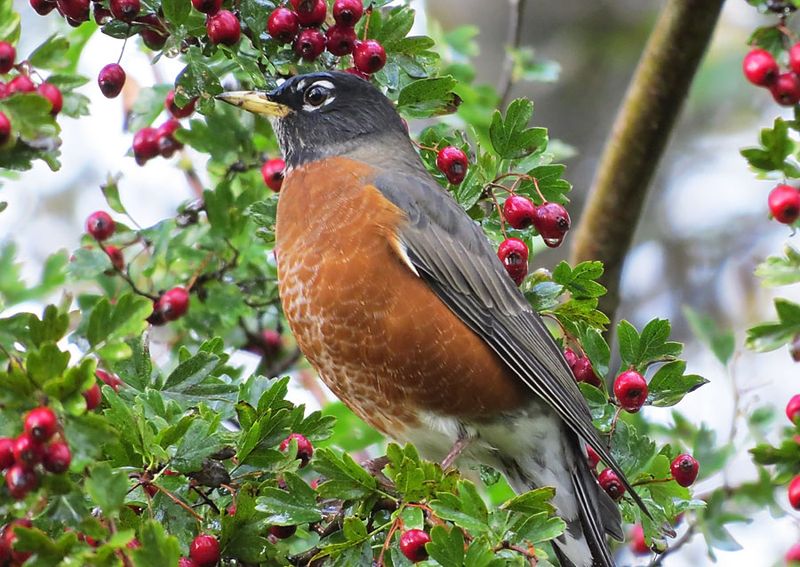
Creating a vibrant landscape with berry-producing shrubs can draw robins in by the dozen. Native plants like serviceberry, holly, winterberry, elderberry, and dogwood are not only beautiful but also offer a buffet of natural food.
During fall and winter, when insects are scarce, these berries play a crucial role in their diet. By planting a variety of these shrubs, you enhance the biodiversity of your garden.
Robins will appreciate the easy access to food, and you’ll enjoy the visual delight of a garden full of life and color.
4. Keep a Clean Bird Bath
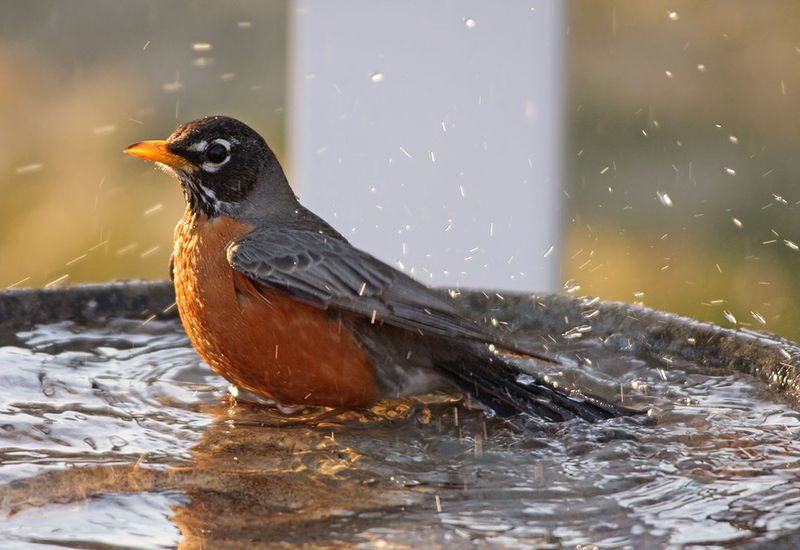
Water is a vital, often overlooked attraction for robins. Maintaining a clean bird bath year-round ensures these birds have a consistent water source.
Keep the bath free from algae and dirt to prevent diseases. In winter, use a heated bird bath or add a de-icer to keep the water from freezing.
The sight of a robin splashing about can be a joyous scene. Not only does water serve their drinking needs, but it provides them with a place to bathe and clean their feathers.
5. Use a Dripper or Fountain
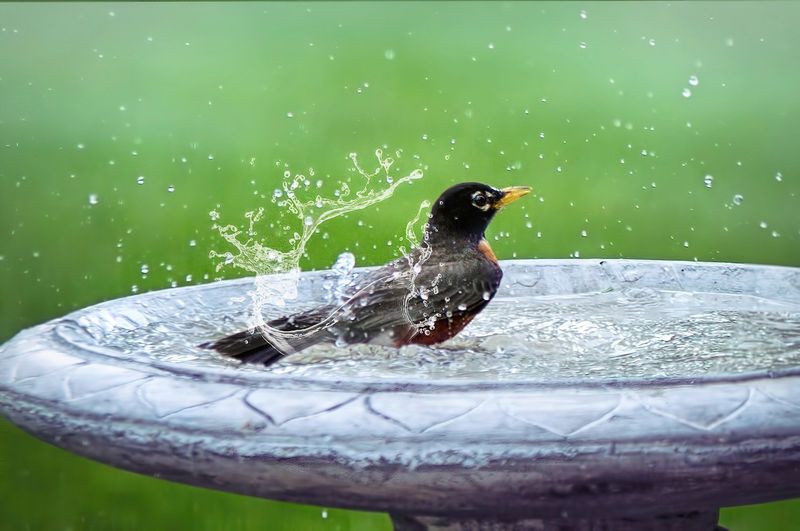
The gentle sound of moving water can captivate a robin’s attention like no other. Installing a simple dripper or solar-powered fountain in your bird bath makes it irresistible.
The motion of water is not only visually appealing but also signals fresh, clean water to birds. This can entice thirsty robins, especially during dry spells.
Adding such features to your garden can transform it into a bird paradise, increasing its attractiveness not just to robins but a variety of bird species.
6. Mulch Garden Beds
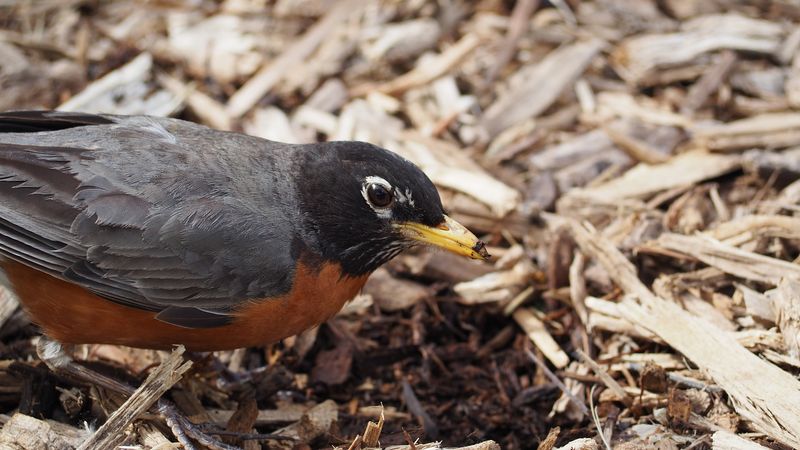
Mulching garden beds not only enhances their aesthetic but also invites a host of insects and worms. Robins, with their sharp eyes, are quick to spot these tasty morsels.
By adding a thick layer of mulch, you’re creating an inviting environment for these birds to forage. Mulch retains moisture, keeping the soil damp and attractive to worms.
This approach benefits both your garden’s health and the local wildlife. Robins will frequent your mulched beds, hunting for hidden insects nestled beneath.
7. Avoid Pesticides
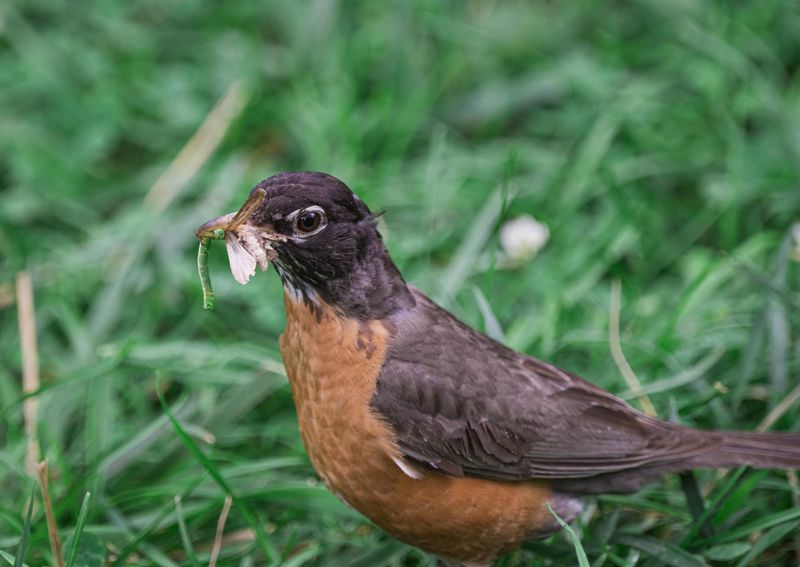
Going organic in your garden can have a significant impact on attracting robins. Chemical pesticides may rid your garden of pests, but they also eliminate the insects robins feast on.
By avoiding harmful chemicals, you foster a thriving ecosystem where insects abound. Robins will appreciate the abundance of food and reward you with their presence.
Encouraging natural pest control methods not only benefits the birds but also promotes healthier plants and soil. This harmony between nature and nurture is key to a vibrant garden.
8. Leave Leaf Litter in Fall
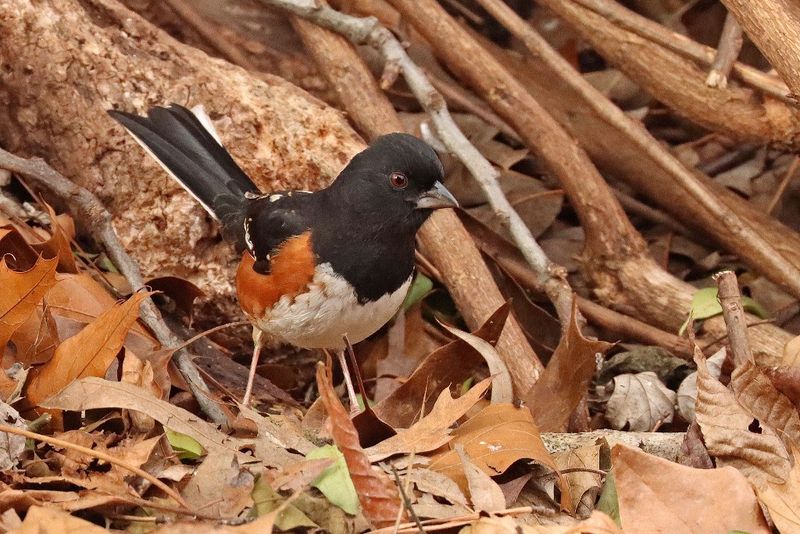
Autumn leaves are more than just seasonal décor; they are a treasure trove for robins. By leaving some leaf litter in your garden, you provide a natural feeding ground.
Beneath the fallen leaves lies an assortment of insects and worms, perfect for a robin’s diet. This natural layer acts as insulation, attracting a variety of creatures that robins love to hunt.
Embracing this natural process adds to the ecological richness of your garden, inviting robins and supporting biodiversity in your backyard.
9. Provide Nesting Materials
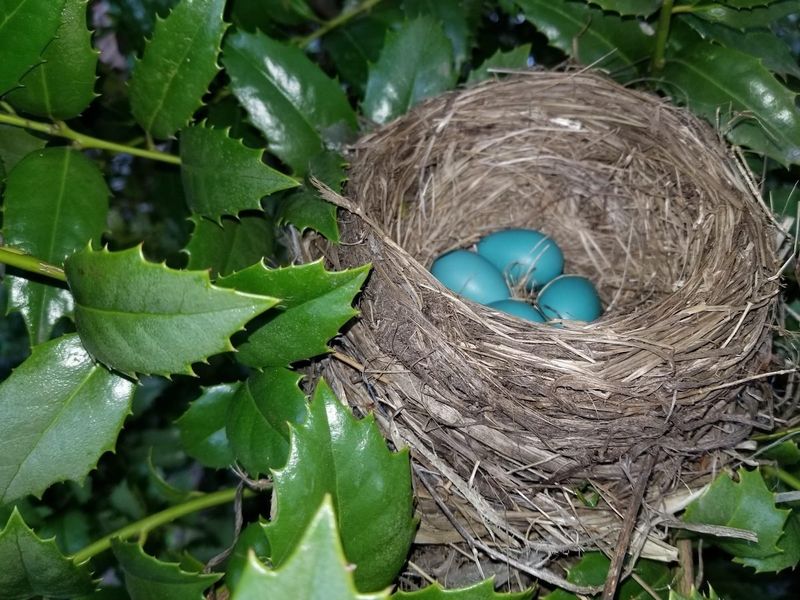
Robins are industrious nest builders, and providing them with nesting materials encourages them to stay nearby. Scatter natural materials such as mud, twigs, and dry grass around your yard in early spring.
These materials are essential for constructing sturdy nests. By offering them, you not only attract robins but support their breeding efforts.
Watching them gather and build is a fascinating spectacle, showcasing their resourcefulness and dedication. Supporting their nesting habits creates a welcoming environment for robins to raise their young.
10. Grow a Variety of Plants
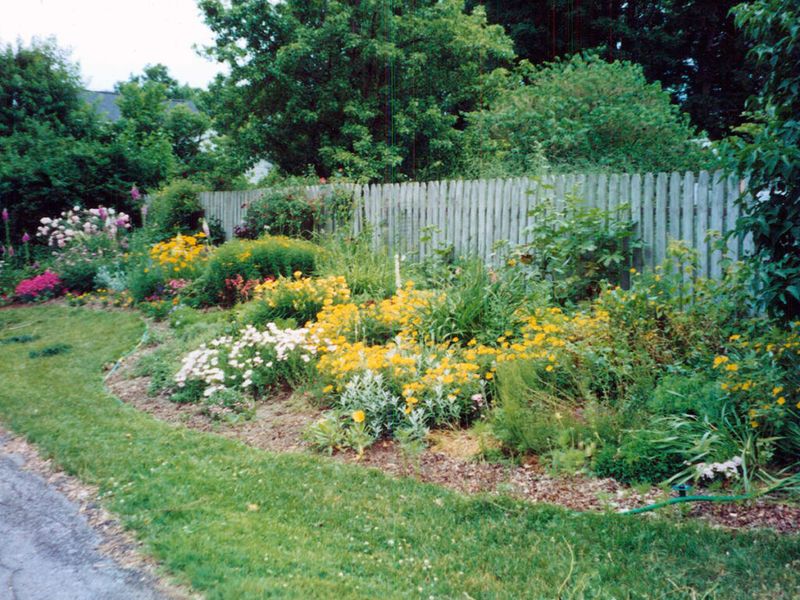
Creating a diverse garden with a mix of trees, shrubs, and perennials fosters a haven for robins. Dense foliage offers shelter and safety, while different plant types provide food and nesting options.
This variety mimics natural habitats, encouraging robins to visit and linger. Young robins, in particular, benefit from the provided cover and food abundance.
A garden rich in biodiversity not only attracts robins but becomes a vibrant ecosystem. Observing robins thrive in this environment adds to the garden’s charm and vitality.