
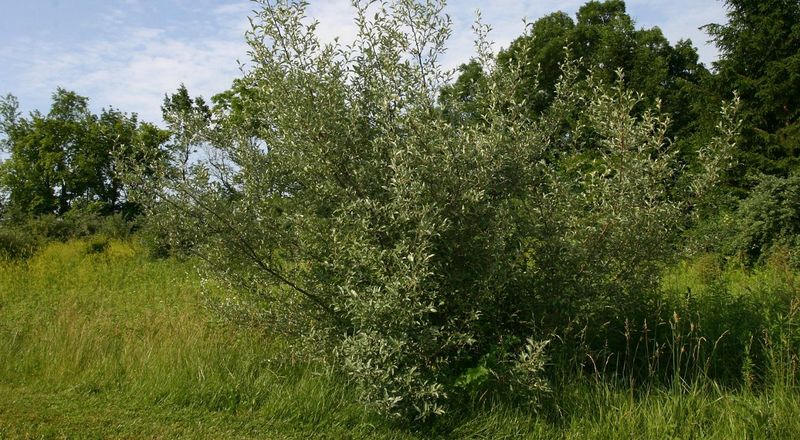
Late fall changes how a North Carolina yard looks, and that can make some invasive shrubs easier to find. Chinese privet often stays green while the plants around it go bare, and autumn olive may still carry fruit in some spots.
Two shrubs can look alike from a distance, though, and pulling the wrong plant or the wrong way can make things worse. Here is how to use November as a time to look closely, identify what you have, and choose the right next step.
Use late fall to look for Chinese privet
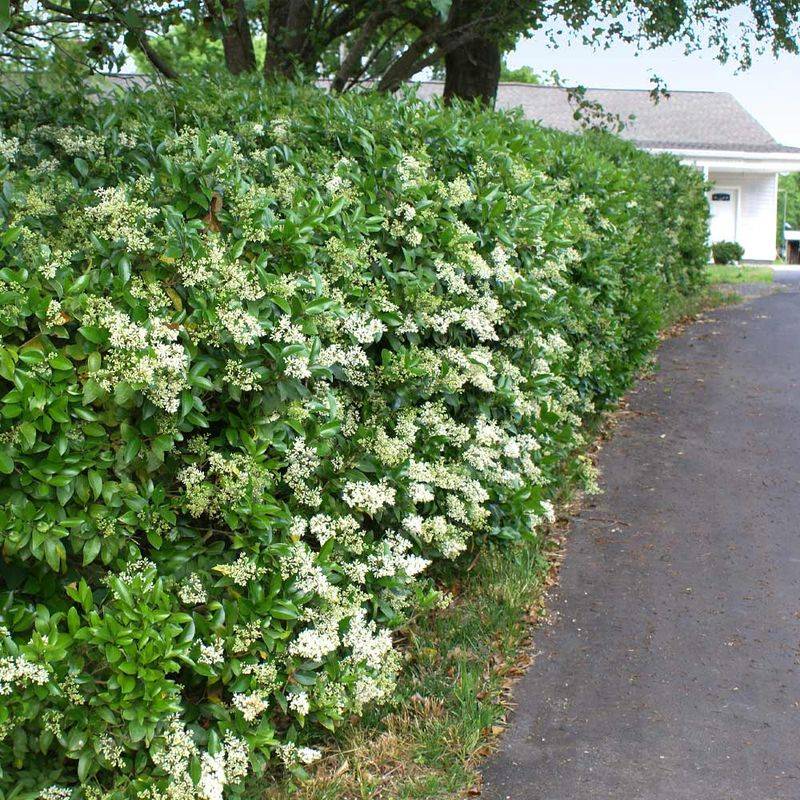
Once the maples, sweetgums, and oaks drop their leaves, a yard or fence line looks very different. Chinese privet is evergreen or semi-evergreen in much of North Carolina, so its leaves often stay put while neighboring plants go bare.
N.C. Cooperative Extension describes this winter greenness as a useful way to spot patches that are easy to miss in summer.
That makes November a good month to walk the edges of your property. Check along fences, creek banks, wood lines, and the back corners where nobody mows.
Look for thickets of green leaves among leafless shrubs and saplings. Mark each patch with flagging tape or a phone photo so you can find it again.
Treat this as a chance to look, not a promise. Leaf drop and fruit timing vary between the mountains, the Piedmont, and the coastal plain, and from one year to the next.
Some privet may carry dark fruit in November, and some may not. A shrub without berries is still worth checking.
Spotting a green patch is only step one. Before you pull, cut, or spray anything, you need to confirm the plant.
The next section covers the clues that separate Chinese privet from lookalikes, so save the removal tools for later and bring a notebook or camera for now.
Identify Chinese privet by more than its fruit
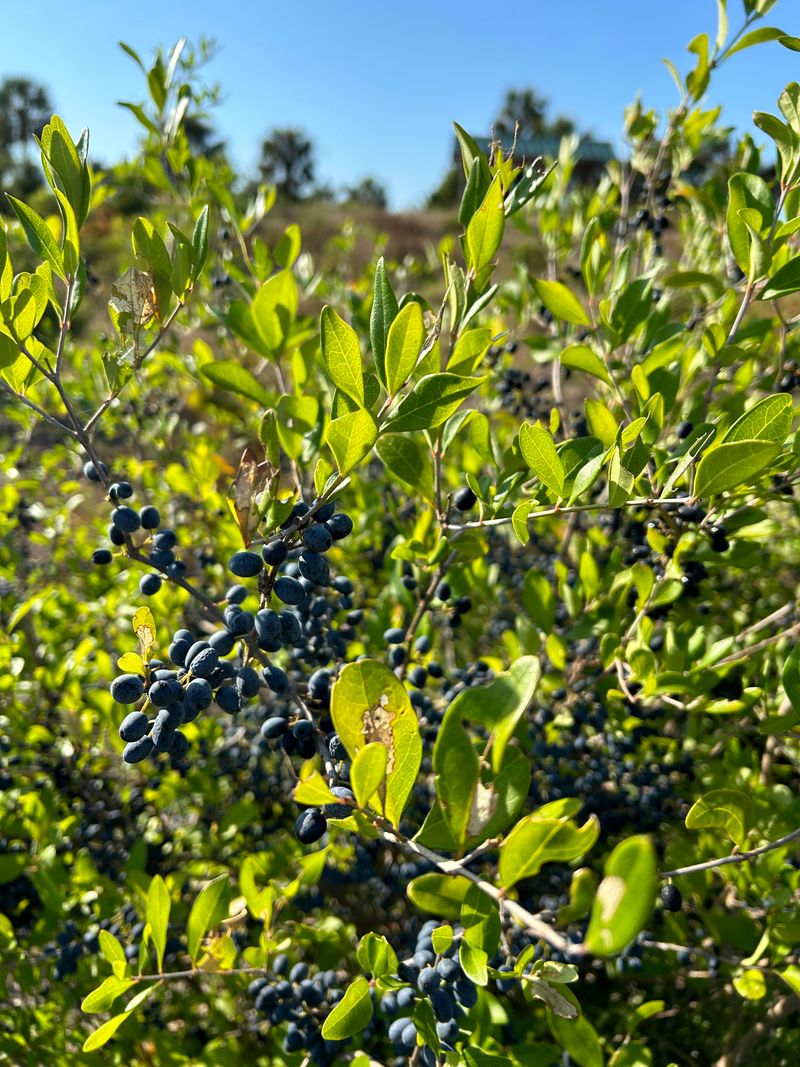
Fruit gets the attention, but leaves and stems tell the fuller story. NC State Extension’s plant profile notes that Chinese privet has opposite leaves, meaning they sit directly across from each other on the twig.
The leaves are small, oval, and usually stay green through winter in much of the state.
Chinese privet also bears clusters of dark fruit. Those clusters can help, but fruit alone does not prove identity.
Many plants make dark berries, and fruit may be sparse or gone by the time you look. Use the leaf pairing and the persistent foliage together.
Be careful with the word privet. It covers more than one species, and some native plants resemble it.
The N.C. Forest Service guide to invasive shrubs and lookalikes points out the resemblance to native swampprivet, which you may not want to remove.
If you are not sure, take clear photos of the leaves, twigs, and any fruit, then ask your local Cooperative Extension office. The Lee County Extension article also encourages getting a reliable identification first.
A short wait costs nothing, while removing a native shrub by mistake is hard to undo.
Distinguish autumn olive from Chinese privet
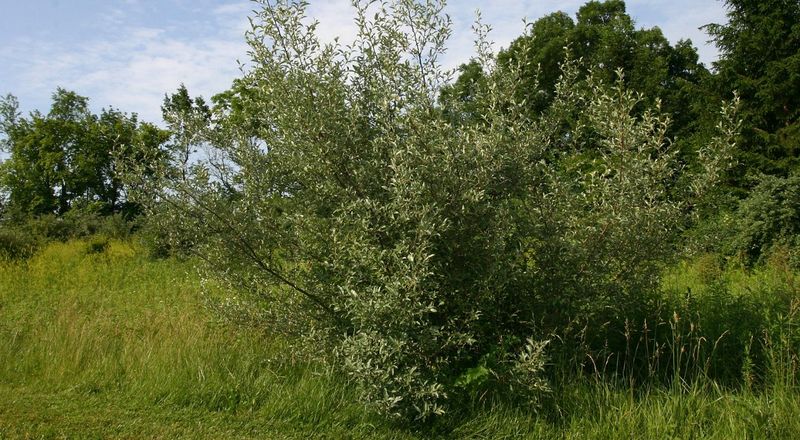
Autumn olive is a different invasive shrub, and it does not behave like privet. It is deciduous, so by November it may already be bare or close to it.
Do not count on it staying green among the leafless plants.
Check the leaf arrangement first. NC State Extension describes autumn olive as having alternate leaves, which are staggered along the twig instead of paired.
The undersides look silvery, and the twigs can show silvery speckles. Chinese privet, by contrast, has opposite leaves and dark fruit.
When fruit is present, it is small and red with silvery scales. It ripens in fall, but timing and persistence vary.
Penn State Extension covers autumn olive fruit timing, and the fruit may dry up and drop later in the season. A bare November shrub does not mean it is something else.
A N.C. Cooperative Extension identification article is another good reference for comparing photos.
Autumn olive also has sharp thorns, so wear long sleeves, sturdy gloves, and eye protection before you handle it.
Explain how fruit spreads these invasive shrubs
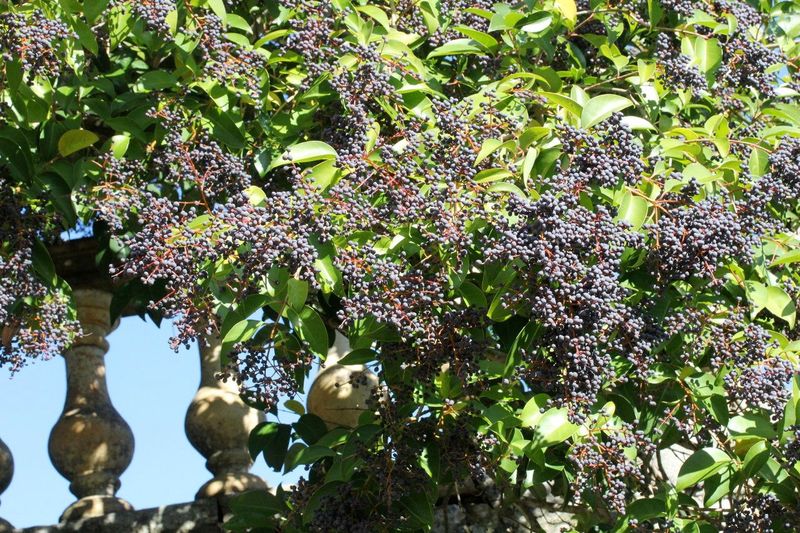
Birds are a big reason these shrubs show up in places nobody planted them. They eat the fruit and drop the seeds elsewhere, often under a fence or perch.
NC State Extension notes that birds eat Chinese privet fruit and spread its seeds, and the shrub can also spread by suckers.
Autumn olive moves in a similar way. Its profile says that birds and small mammals disperse its seeds.
Seed spread is not a single November event. It can happen over a long stretch, depending on when fruit ripens and how long it hangs on.
You may see wildlife using these berries and wonder if that makes the shrubs helpful. Eating the fruit does not make either plant a good choice overall.
NC State Extension warns that invasive autumn olive can displace native fruiting plants and reduce the variety of foods available to birds.
That is the practical reason to manage them. Removing an invasive shrub and replacing it with native plants, such as American beautyberry, winterberry holly, or native viburnums, can keep a yard feeding wildlife while lowering the seed supply that spreads into nearby woods.
Pull small plants and plan for regrowth
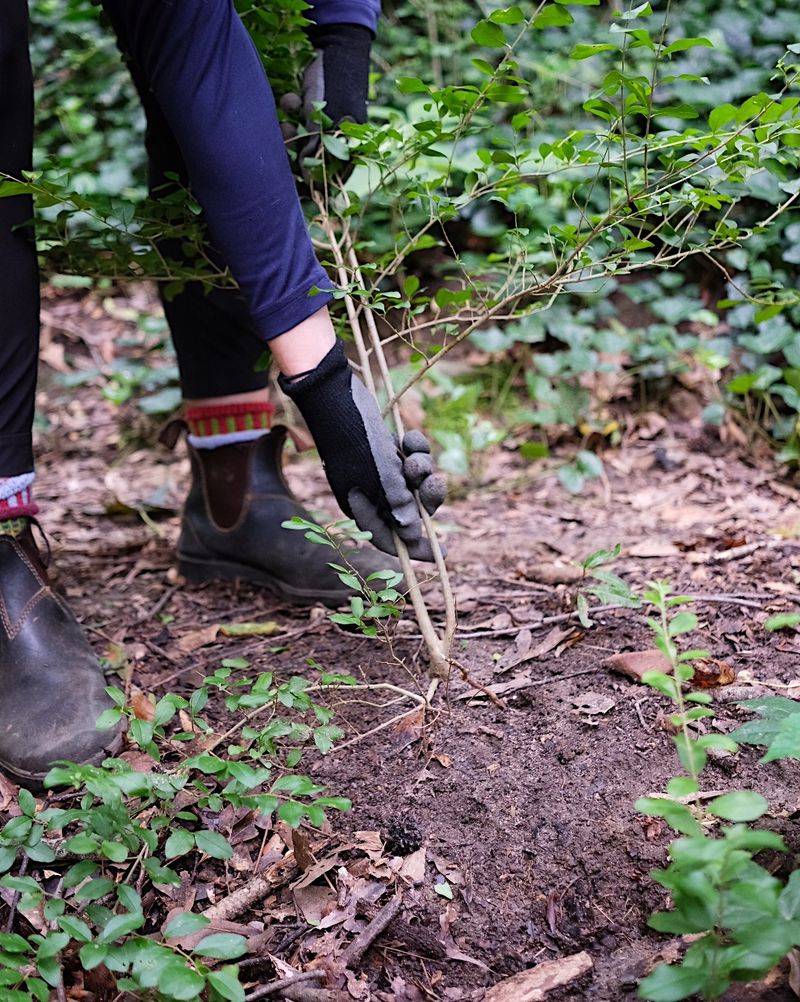
Size decides the method. Small seedlings can come out by hand or with a digging tool, ideally when the soil is moist and loose.
The aim is to lift the entire root system, since a snapped root can leave a plant that grows back. The N.C.
Forest Service leaflet on Chinese privet supports this approach for small plants.
After a good rain, grab the base of the stem low to the ground and pull slowly. If it resists or the roots break, loosen the soil with a trowel or hand fork and try again.
Check the hole for leftover root pieces and fill it in afterward.
Larger shrubs are a different job. Cutting alone often leads to resprouting, and both privet and autumn olive can sprout again.
NC State Extension notes that autumn olive can regrow from roots left behind, so yanking a big plant halfway can backfire.
Plan on follow-up. Revisit the spot in spring and again in summer, and remove new shoots while they are small.
One pass rarely finishes the job, but steady checking keeps a cleared area from filling back in. Pair it with native plantings so bare soil does not invite new seedlings.
Choose an interim or larger-shrub control option
If removal has to wait, you can still cut down the seed supply. When Chinese privet fruit is present and within reach, clip the clusters and bag them.
A Craven County Extension article recommends bagging the fruit rather than composting it or leaving it at the curb. Treat this as a stopgap that can reduce chances for birds to spread seeds, not a cure.
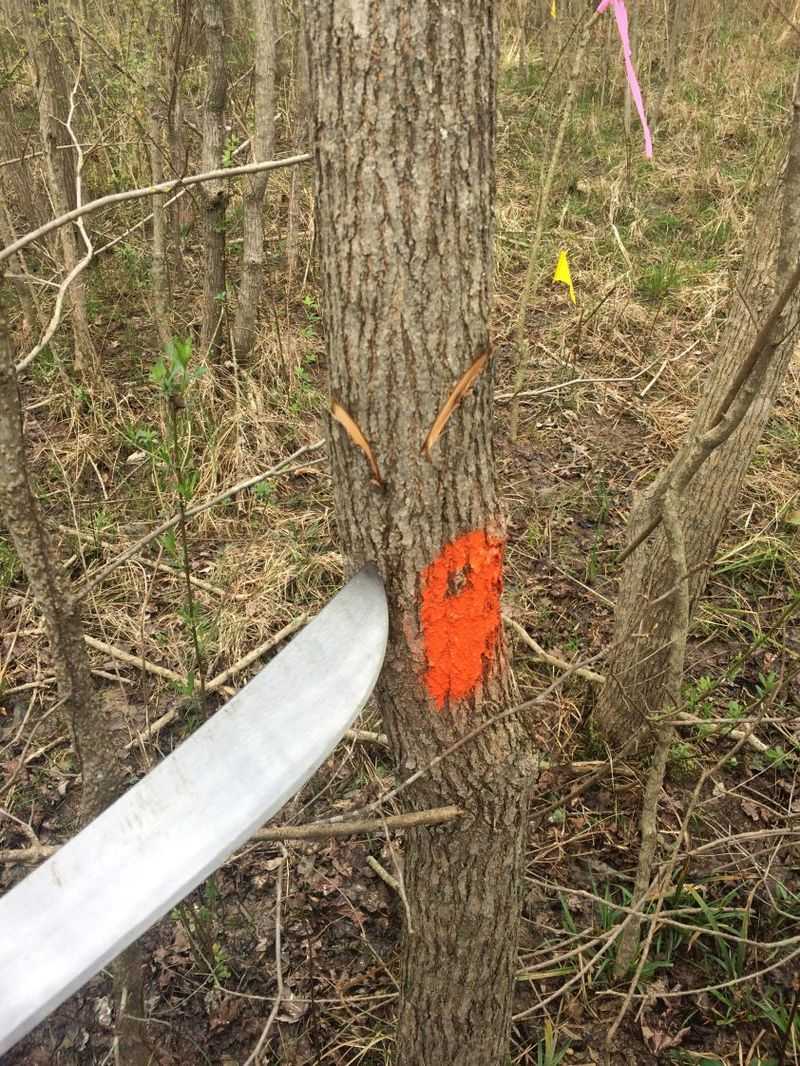
For larger privet, cut-stump treatment is one option where it fits your situation. N.C.
Cooperative Extension describes cutting the shrub and treating the stump with a product labeled for woody plants. It is not the only route, and some gardeners prefer to avoid herbicide entirely.
If you go that way, choose a product whose label allows your intended use, then follow every direction and precaution on it. The U.S.
EPA’s pesticide safety tips stress reading the label and avoiding exposure to people and desirable plants. Rates and products vary, so follow the label rather than a recipe from a blog.
Whatever you choose, come back later. Check the stump and nearby soil for shoots, and deal with them early.
A few minutes of looking each season is what turns a one-time cut into real control.
The shrub that stays green in November is handing you a map, so use it patiently.