
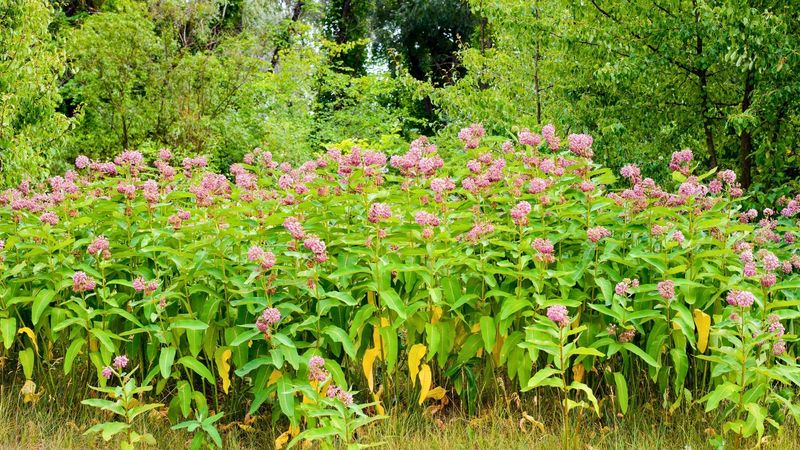
Rainy weeks are a gift for Florida gardeners. New plants settle in faster when the sky helps with the watering, especially in sandy soil that dries out quickly. If you choose native plants now, you can build a tougher yard for fall, pollinators, birds, and storm season. Here are ten Florida natives that are worth planting while the ground is soft and the clouds are doing part of the work.
1. Muhly Grass
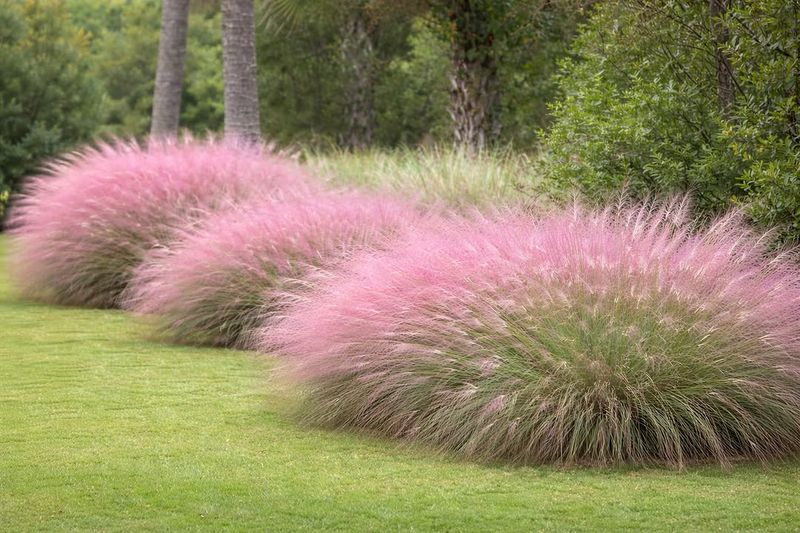
By late summer, muhly grass feels like a quiet promise. It may sit politely in the yard for months, then suddenly throw up pink-purple clouds that look almost unreal in the low fall light.
Rainy weather gives young muhly grass a much better start because its roots can spread into sandy soil before the drier months return. Plant it in full sun where water drains well, not in a soggy corner that stays wet for days. Once established, it is one of those set-and-forget natives that can handle heat, drought, and poor soil with very little fuss.
What makes muhly different from showier flowers is its movement. The fine blades bend in storm breezes instead of fighting them, so it fits Florida yards that need beauty without brittle stems. It also works along driveways, mailbox beds, pool cages, and open sunny borders where many plants scorch.
Give each plant enough room to become a soft mound, usually about 2 to 3 feet wide. Skip heavy fertilizer, which can make it floppy. A quick trim in late winter is usually all it asks in return.
2. Firebush
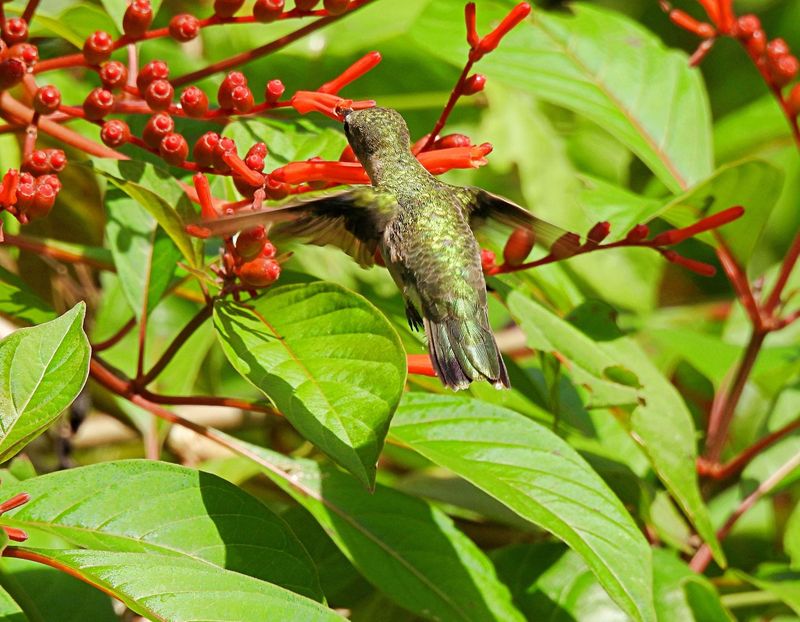
A hummingbird can spot firebush before some gardeners even notice the first flower. The orange-red tubes seem built for wildlife traffic, and that is exactly why this shrub earns a front-row place during a rainy planting week.
Firebush grows fast when warm rain keeps the root zone evenly moist. In South and Central Florida, it can become a broad, colorful shrub, while in North Florida it may freeze back and return from the roots. Either way, it brings a long season of nectar for hummingbirds, butterflies, and native bees.
The standout trait here is energy. Firebush is not a shy background plant; it turns a plain sunny bed into a feeding station. It tolerates heat, sandy soil, and short dry spells once established, but young plants appreciate steady water while roots are still small.
Use it where you want height, color, and wildlife without installing a delicate flower bed. It can fit along fences, near patios, or in a mixed native hedge. Give it space, because a happy firebush does not stay tiny for long.
For best results, plant in sun to light shade and avoid overwatering once it settles in. A light shaping cut is fine, but constant shearing removes the flowers that pollinators came for.
3. Beautyberry
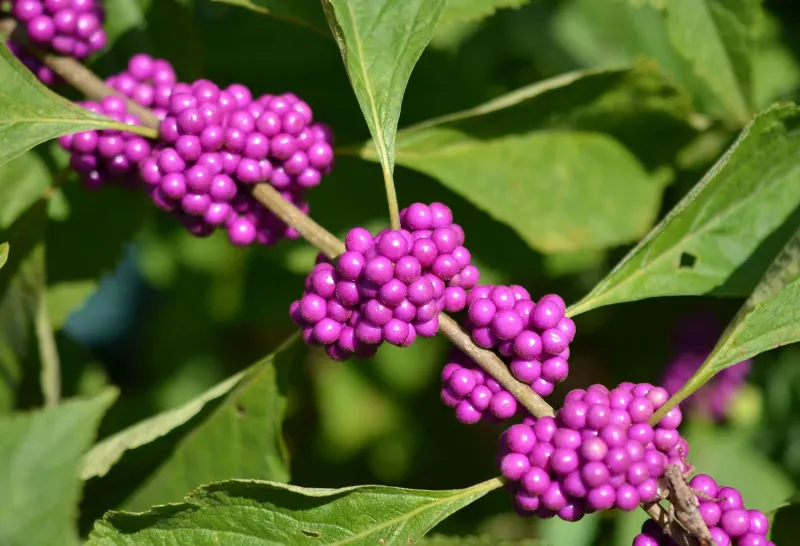
Few plants make people stop mid-walk like beautyberry. The berries look almost too purple to be real, wrapped around the stems like tiny beads from a craft drawer.
Rainy weeks are a smart time to plant beautyberry because it often grows along woodland edges and appreciates help getting rooted before drier weather. It handles part shade beautifully, which makes it useful for Florida yards with live oaks, pines, fences, or the east side of a house. Unlike many berrying shrubs, it does not need a formal garden setting to look good.
Its reason for making the list is bird value. Mockingbirds, cardinals, catbirds, and other wildlife feed on the berries, especially as the season shifts. The flowers are small and easy to miss, but pollinators still visit them before the purple fruit show begins.
Beautyberry also gives gardeners a softer choice for spaces where stiff hedges feel too harsh. The branches arch naturally, so it looks best when allowed to keep that loose shape. Pruning can be done in late winter if it gets rangy.
Plant it in part sun to part shade, then mulch lightly to protect the shallow root area. Avoid crowding it against a walkway unless you enjoy brushing past berry-covered stems every time you take out the trash.
4. Coontie
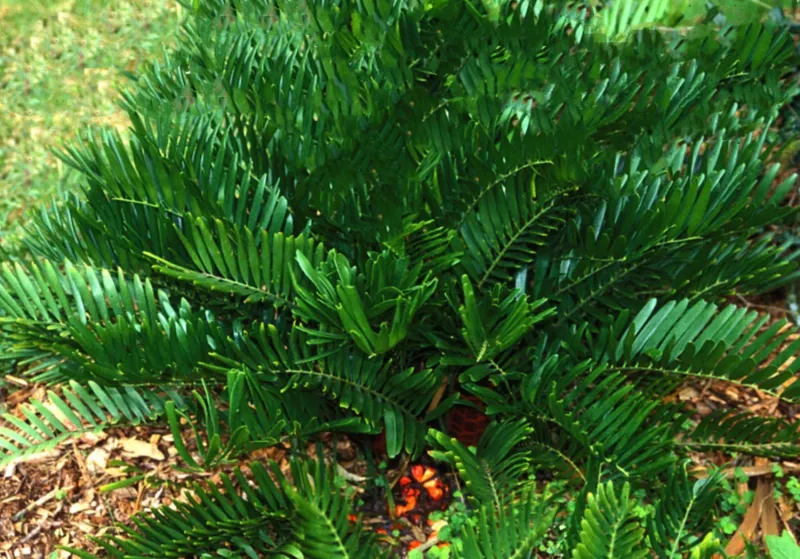
Coontie has the calm confidence of a plant that has been here a very long time. It looks tidy, stays compact, and quietly supports one of Florida’s most eye-catching butterflies.
As the larval host plant for the atala butterfly, coontie brings real ecological value to small yards. The caterpillars may chew the foliage, but established plants usually recover well. That give-and-take is part of planting for wildlife, not a sign that the garden has failed.
Rain helps newly planted coontie settle in, but this is not a plant that wants wet feet forever. It prefers well-drained sandy soil and works in part shade, filtered light, or even fairly sunny spots if moisture is steady at first. Once rooted, it becomes extremely low maintenance.
Coontie is different from the flowering picks on this list because it is all about structure. The glossy fronds look good year-round, even when nearby flowers are between bloom cycles. Use it near entries, under palms, along walkways, or in native foundation plantings where you need neat greenery without constant trimming.
One practical note matters: coontie seeds are toxic if eaten, so place it thoughtfully in yards with curious pets or young children. Handle planting like you would with many ornamentals, with care and common sense.
5. Simpson’s Stopper
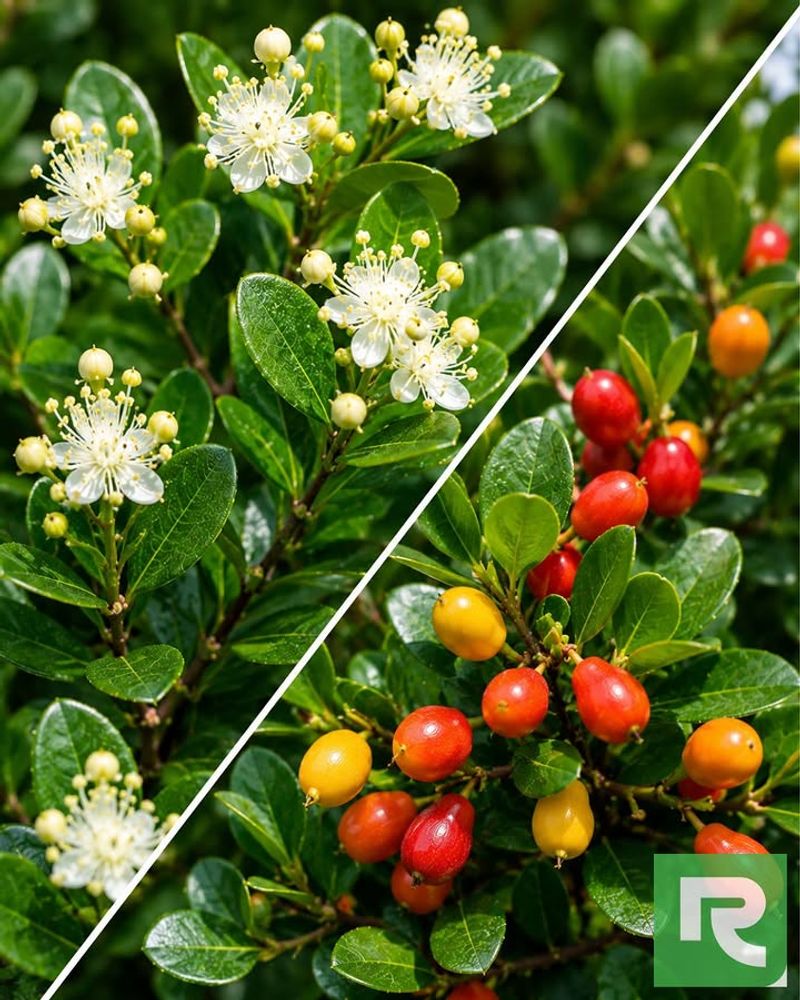
If your yard needs a polite hedge instead of a wall of aggressive greenery, Simpson’s stopper deserves a look. It has glossy leaves, fragrant white flowers, and red-orange berries that birds notice quickly.
Moist soil from recent rain can make transplanting easier, especially for shrubs that need time to build a strong root system. Simpson’s stopper is a Florida native that can handle sun to part shade, coastal conditions in many areas, and regular landscape use without becoming a high-drama project. It is often recommended in native and Florida-Friendly landscapes for good reason.
The special role here is privacy with wildlife benefits. Many hedges are clipped into lifeless green blocks, but Simpson’s stopper offers cover, flowers for pollinators, and fruit for birds. It can be grown as a small tree, informal screen, or mixed hedge with other natives.
Gardeners in tighter neighborhoods may appreciate that it responds well to selective pruning. Instead of shearing it flat every few weeks, remove stray branches and let the natural shape do some of the work. That approach keeps more flowers and berries on the plant.
Plant it with enough room for mature width, and water during dry spells while it is young. Once established, it is a steady, handsome choice for a yard that needs both order and life.
6. Dune Sunflower
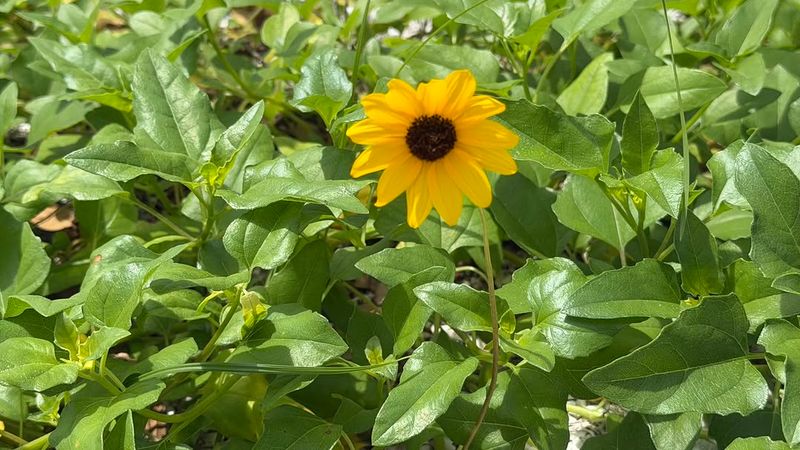
Dune sunflower acts like sunshine that learned how to crawl. It spreads low, blooms cheerfully, and handles sandy places that make fussier flowers give up.
A wet week is a great opening for getting plugs or small pots established, especially on slopes, hot strips, and open sandy beds. Dune sunflower is naturally suited to Florida’s coastal and dry sandy conditions, though it can also work inland where drainage is good. Once it takes hold, it can reduce bare soil and bring a relaxed, beachy look to the yard.
The reason it stands apart is coverage. While shrubs add height and grasses add texture, dune sunflower fills the ground with flowers that pollinators use. Bees, small butterflies, and other beneficial insects often visit the yellow blooms.
Give it sun and room to roam. It may spread more than expected in happy conditions, so avoid planting it where a crisp, formal edge is the goal. In the right spot, that eagerness is a strength, not a flaw.
After heavy rain, check that water is not pooling around the crowns. Sandy soil is usually ideal, but compacted low spots can still stay too wet. A light trim can refresh the planting if it gets thin or woody.
7. Blanket Flower
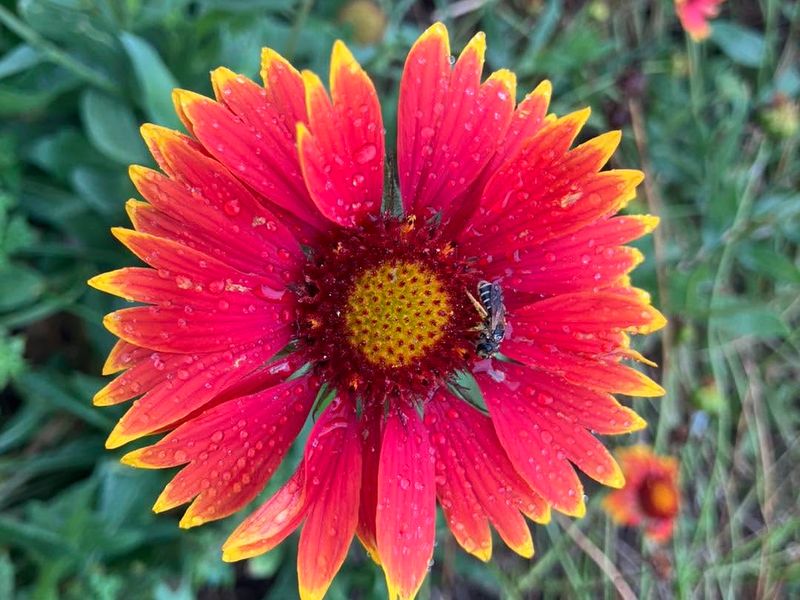
Blanket flower brings the kind of color that looks brave in Florida sun. Red, orange, and yellow blooms sit above rough conditions as if heat were part of the plan.
Planting during a rainy stretch helps seedlings or nursery starts push roots into fast-draining soil before the next dry spell. Blanket flower is especially useful in sunny, sandy areas where rich-soil annuals often struggle. It does not want pampering, and too much fertilizer can actually make it weaker.
Its gift is quick impact. Some natives take their time before looking full, but blanket flower can add color relatively fast while supporting bees and butterflies. It also has a wild, casual charm that fits cottage beds, curb strips, and coastal gardens.
Florida gardeners should treat it as a short-lived perennial or reseeding wildflower, depending on conditions. That means one plant may not last forever, but a friendly patch can keep the show going if seed heads are allowed to mature. Deadheading can extend bloom, while leaving some spent flowers feeds the next generation.
Choose a sunny spot with excellent drainage. If your yard has a wet, mucky pocket after storms, save that place for another plant. Blanket flower shines where the soil is lean, bright, and quick to dry after rain.
8. Walter’s Viburnum
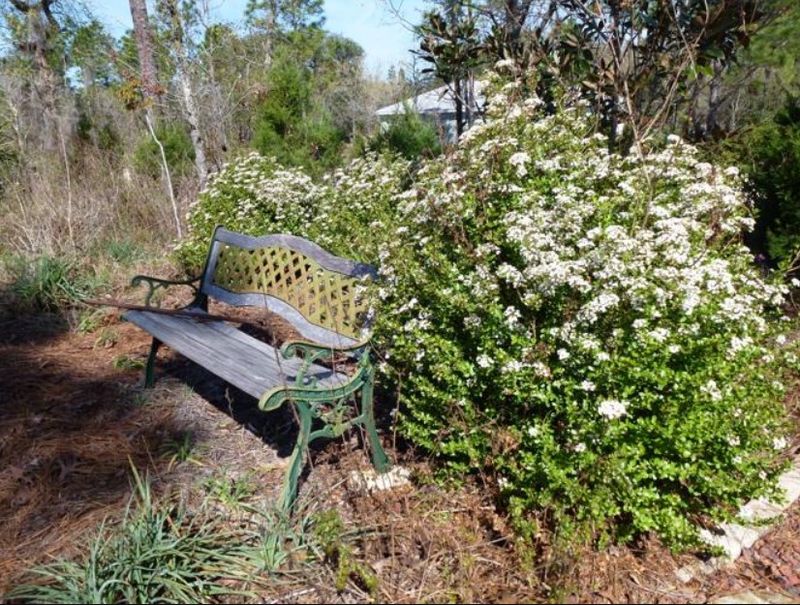
Some yards need a backbone before they need more color. Walter’s viburnum supplies that backbone with dense foliage, wildlife value, and a Florida-native toughness that suits real home landscapes.
Rainy planting weather is helpful because larger shrubs need consistent moisture while new roots move into surrounding soil. Walter’s viburnum can become a screen, small tree, or clipped hedge, depending on the variety and how it is trained. Dwarf selections are useful where standard forms would outgrow the space.
The feature that earns it a spot here is versatility. It can anchor a native border, soften a fence, create bird cover, or replace a more generic hedge plant. In spring, small white flowers attract pollinators, and the fruit can support birds later on.
Match the plant to the space before buying. A full-size Walter’s viburnum is not the same as a compact selection, and the wrong choice can create extra pruning for years. Read the nursery tag carefully and ask for mature size, not just pot size.
Plant in sun to part shade with mulch spread around the root zone, keeping mulch away from the trunk. Water during dry gaps in the first season. After establishment, it becomes one of the more dependable native shrubs for structure and screening.
9. Coral Honeysuckle
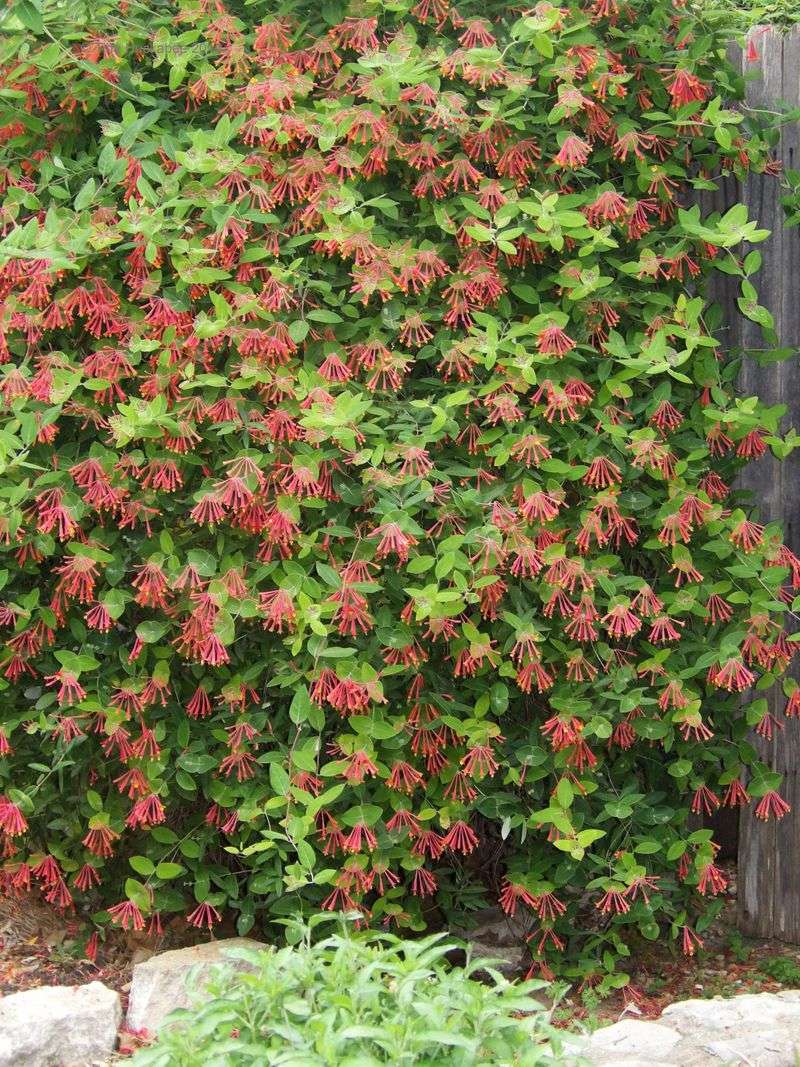
A fence can become a hummingbird route when coral honeysuckle gets involved. The coral-red flowers are bright without looking gaudy, and they bring vertical life to spaces that shrubs cannot reach.
Wet weather gives this native vine a gentle start, especially if it is planted near a trellis, arbor, or fence where roots will not be disturbed later. Coral honeysuckle is much better behaved than many invasive or weedy vines, but it still needs support and occasional guidance. Tie young stems loosely and let the plant find its way upward.
Its reason to plant now is vertical nectar. Many Florida yards are packed at ground level but empty above waist height, which means missed habitat. Coral honeysuckle fills that layer while feeding hummingbirds, butterflies, and other pollinators.
Use it in sun to part shade, with more flowers likely in brighter light. Good drainage matters, but young plants should not dry out completely while they are settling in. Rain makes that balancing act easier for the first few weeks.
Do not confuse it with aggressive nonnative honeysuckles sometimes seen in other regions. Buying from a native plant nursery or checking the scientific name, Lonicera sempervirens, helps you bring home the right plant. Once established, it offers a long season of charm with surprisingly little drama.
10. Fakahatchee Grass
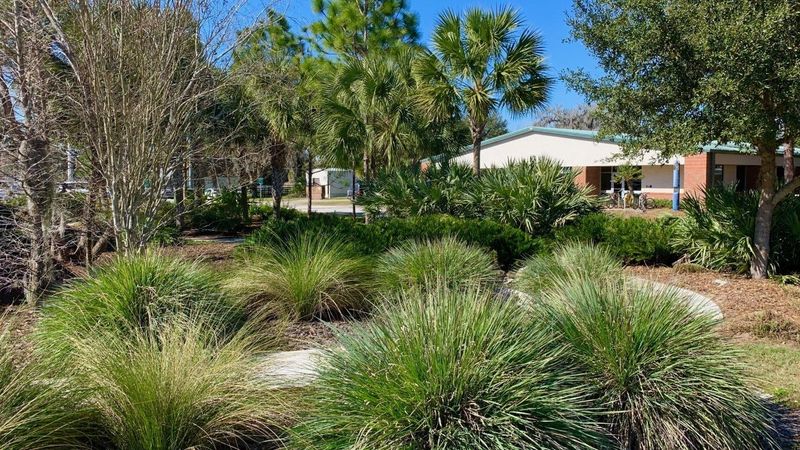
When a planting bed needs muscle, Fakahatchee grass steps up. It is bold, arching, and far more substantial than the small ornamental grasses often tucked into suburban landscapes.
Rain makes it easier to establish because this grass can grow into a large clump with a strong root system. It is useful in Florida yards that need texture, erosion control, or a natural look near swales and open areas. While it can tolerate moist conditions better than many dryland plants, it still should be matched to the right site and local conditions.
The reason it belongs on this list is storm-friendly flexibility. Its blades move with wind, and the plant can create mass without the brittle branches of some shrubs. That makes it helpful where gardeners want a tough native presence that does not look overly formal.
Give Fakahatchee grass room from the beginning. A cramped corner by the front door is usually not the place for it, because mature clumps can become wide and dramatic. It looks best where its fountain shape can be seen and appreciated.
Plant in sun to part shade, then water through dry spells until established. Wear gloves when trimming, since the blade edges can be rough. Cut back old growth as needed, and let the fresh flush carry the bed into the next season.