
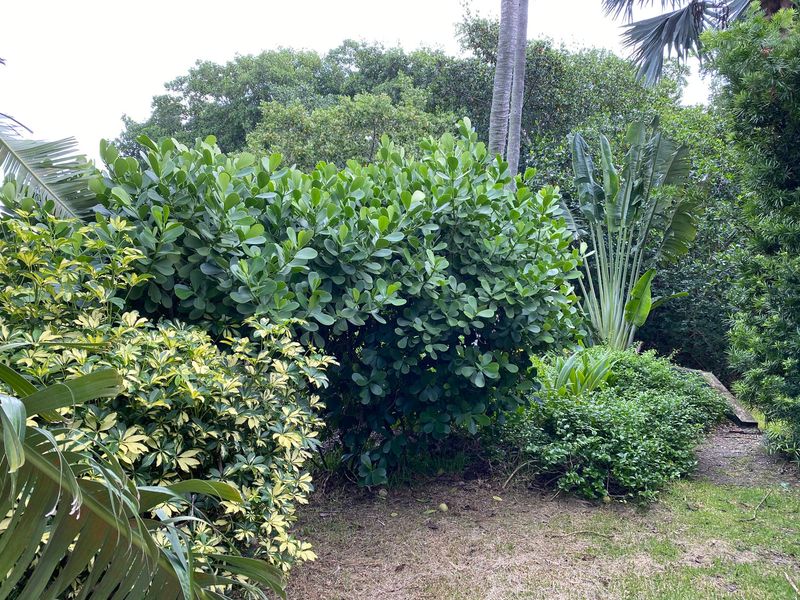
Bamboo can make a fast wall, but in Florida it can also become a yard problem that keeps spreading. Native privacy plants give you shade, screening, wildlife value, and fewer regrets. Many handle sandy soil, summer heat, storms, and pests better than fussy ornamentals. Here are seven Florida-friendly choices that can help you build a living screen without inviting a takeover.
1. Wax Myrtle
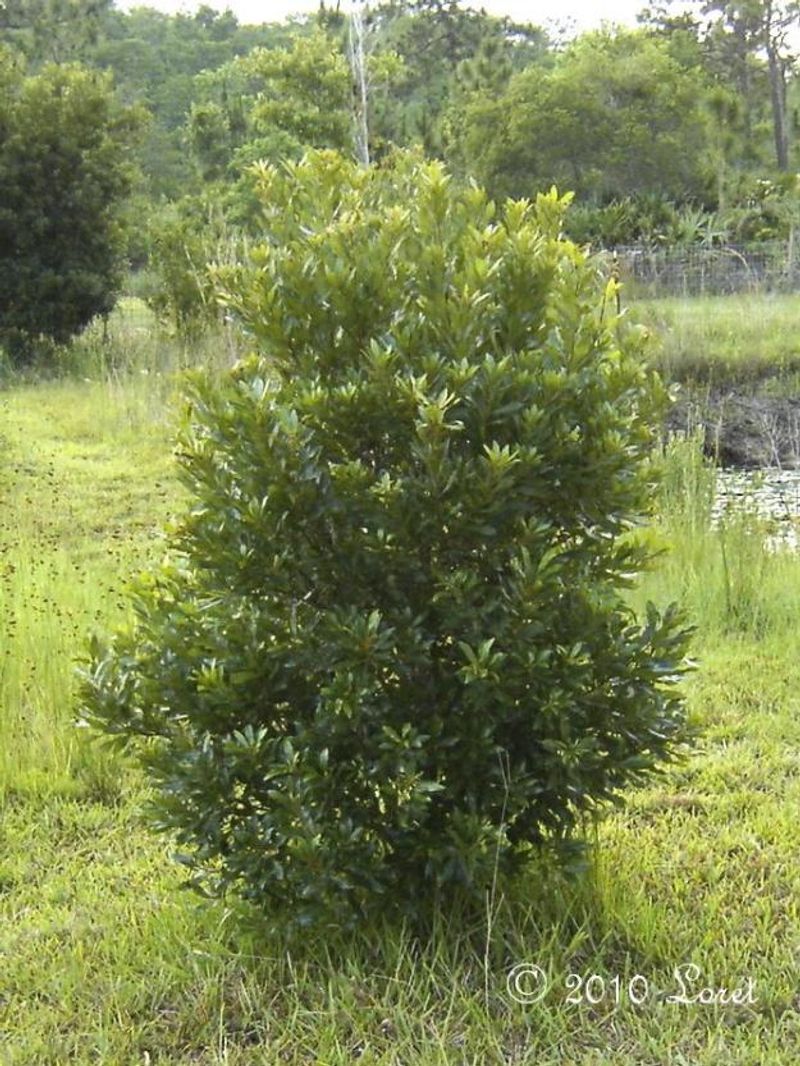
If your backyard feels too exposed after one new fence gap or a neighbor’s tree removal, wax myrtle is often the plant people wish they had planted sooner. It grows fast for a native, fills in nicely, and gives a soft, natural screen without the hard wall look of bamboo.
Wax myrtle is especially useful in Florida because it tolerates sandy soil, salt spray in many coastal areas, and wet spells during storm season. Once established, it can handle heat with less fuss than many glossy imported hedge plants.
For privacy, plant it where it has room to become a broad shrub or small tree. Regular light trimming keeps it dense, but heavy shearing is not the goal if you want the best wildlife value and storm flexibility.
Birds use the cover, and the small waxy berries can support wildlife. In a yard where you want screening quickly but still want a plant that belongs in Florida, wax myrtle earns its space.
2. Simpson’s Stopper
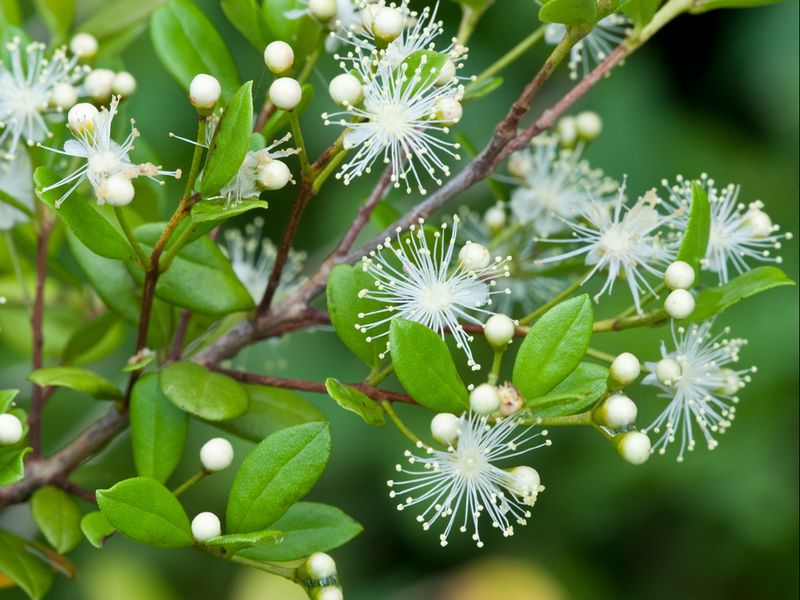
Neat does not have to mean boring, and Simpson’s stopper proves it. With shiny leaves, small white blooms, and bright berries, it brings a polished look to a privacy planting without turning your yard into a maintenance project.
Florida gardeners like this native because it can be shaped into a hedge, grown as a small tree, or used in layered plantings along property lines. It is slower than wax myrtle, but that slower pace can be a blessing near patios, driveways, and side yards where plants can outgrow their welcome.
Simpson’s stopper performs best with decent drainage, which fits many Florida yards with sandy soil. It also handles heat well once settled in, though young plants appreciate regular water while roots spread.
The berries attract birds, so your screen becomes more than a visual barrier. For homeowners who want privacy with a cleaner, more formal feel, this plant offers a Florida-native answer that looks intentional all year.
3. Cocoplum
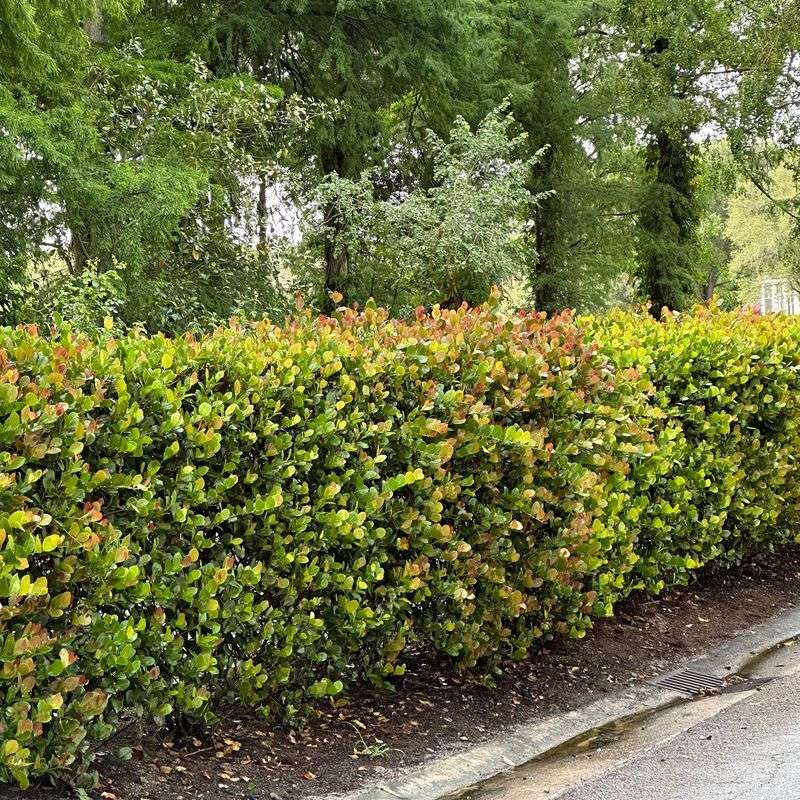
South Florida has its own rules, and cocoplum plays by them beautifully. Where summers are steamy, sun is intense, and salty breezes can beat up tender plants, this native shrub keeps a lush, tropical shape.
Cocoplum is best for central and southern parts of Florida, especially in warmer coastal areas. Its rounded leaves and reddish new growth make a privacy hedge look full and colorful, not stiff or plain.
Give it sun for the thickest screen, though it can manage some light shade. It can be trimmed into a hedge, but it also looks good with a looser, natural form, which may recover better after wind and heavy rain.
The fruit is edible, though flavor can vary, and wildlife often gets to it first. If bamboo feels too aggressive and podocarpus feels too predictable, cocoplum gives Florida yards a native screen with a relaxed island mood.
4. Florida Privet
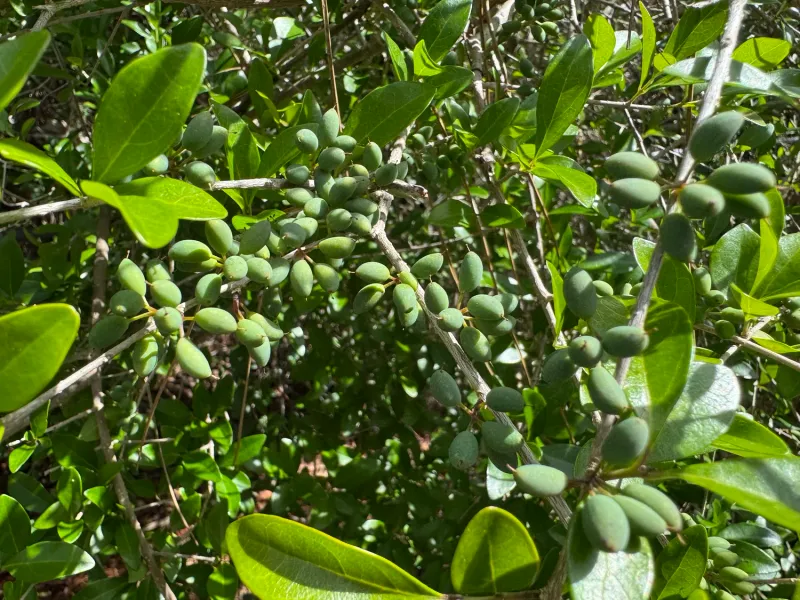
A plant with the word privet in its name may sound like trouble, but Florida privet is not the same as the invasive privets many gardeners worry about. This native shrub can create a useful screen while staying better matched to Florida’s ecosystems.
Florida privet works well in mixed hedges, especially when you want a lighter texture than thick-leaved shrubs. It can be pruned for shape, but it does not need to be forced into a flat green box to be useful.
In many coastal and central Florida landscapes, it handles heat, wind, and sandy conditions with a practical toughness. Young plants need steady watering until established, as fast-draining soil can dry out quickly after planting.
One smart use is as a middle layer between taller natives and lower flowering plants. That layered approach gives better privacy than a single straight row and can reduce the risk of one pest or disease ruining the whole screen.
For a yard that needs coverage without a heavy, formal look, Florida privet is a quiet problem-solver.
5. Walter’s Viburnum
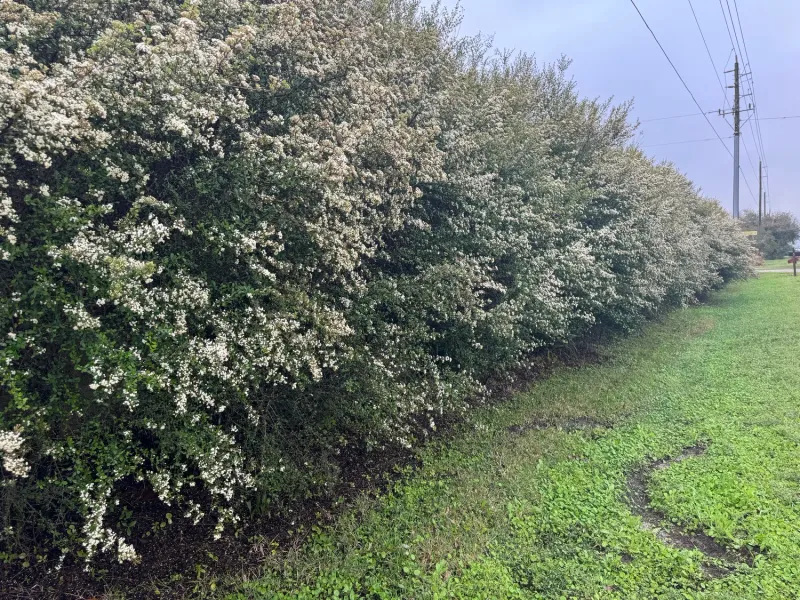
Early spring can make Walter’s viburnum look like it planned a party while the rest of the hedge was still waking up. Clusters of tiny white flowers cover the plant, then the dense evergreen foliage carries the privacy job through the year.
UF-IFAS often points Florida gardeners toward native plants that fit local conditions, and Walter’s viburnum is a favorite for good reason. It can be used as a hedge, specimen shrub, or small tree depending on pruning and plant selection.
For screening, choose forms suited to hedge use and give them enough room to mature. Crowding plants may seem like a shortcut, but tight spacing can reduce airflow, which is not helpful in humid Florida summers.
Walter’s viburnum appreciates moisture more than some drought-tough natives, yet established plants can manage normal Florida dry spells with mulch and smart watering. In low spots that flood for long periods, choose carefully and improve drainage if needed.
Its best quality is balance. It looks refined enough for front yards, supports pollinators, and creates a dependable green backdrop without the spreading anxiety that comes with bamboo.
6. Yaupon Holly
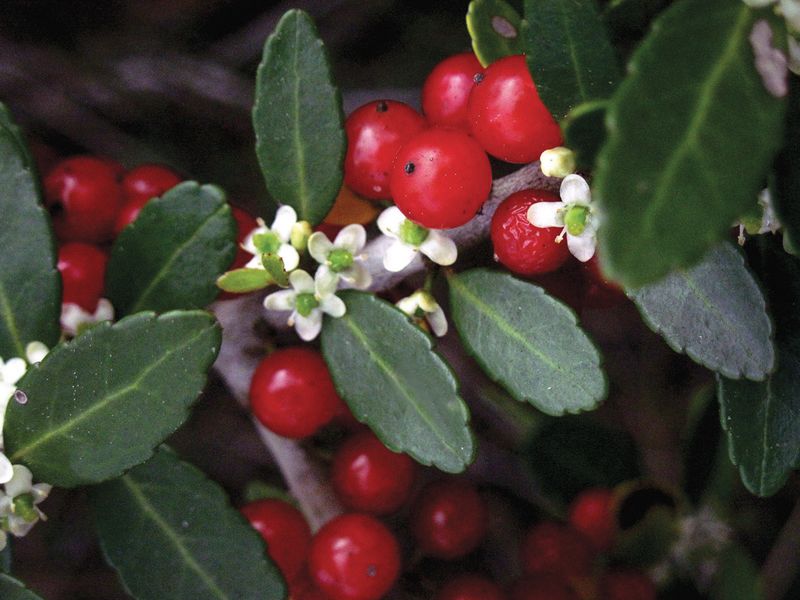
There is a cheerful toughness to yaupon holly, the kind that makes it feel right at home beside a hot driveway or sunny patio. Its small leaves create a fine-textured screen, and female plants can produce red berries that brighten the landscape.
Yaupon holly is useful when you want privacy but do not want a bulky hedge swallowing the yard. Upright forms can fit narrow spaces, while standard forms can be trained into small trees that block views at eye level.
Florida’s sandy soil is usually not a dealbreaker once the plant is established. It tolerates heat well, and its flexible branching can be an advantage in storm-prone landscapes compared with brittle, top-heavy choices.
One fun detail is that yaupon is the only caffeine-containing plant native to North America. Indigenous communities used it historically, though modern gardeners mainly value it for structure, berries, and resilience.
Use it where you need a screen that feels airy instead of dense and heavy. With thoughtful spacing, yaupon holly can give privacy while still letting a Florida yard breathe.
7. Marlberry
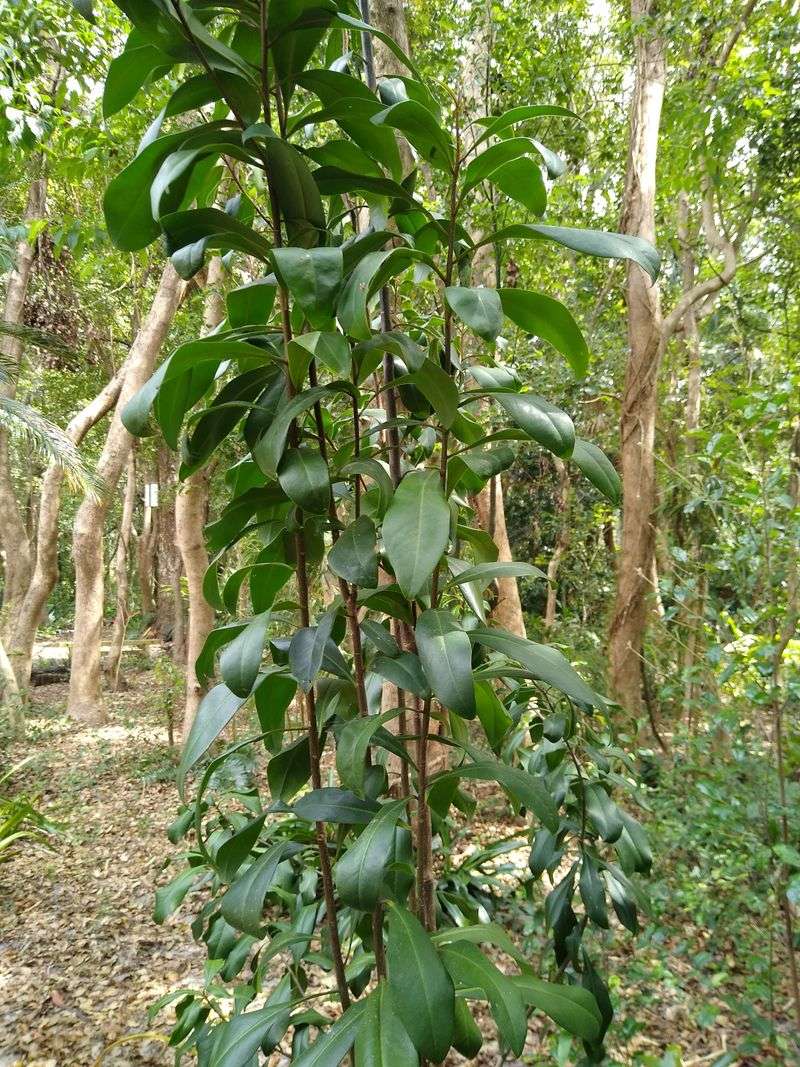
Shady side yards are where many privacy plans fall apart, but marlberry is comfortable in the filtered light under oaks, palms, and taller native trees. Instead of fighting the shade, it helps turn that tricky strip into a green screen.
Marlberry is a native shrub or small tree with glossy leaves, white flower clusters, and dark berries that birds appreciate. It is especially useful in central and South Florida landscapes where a softer woodland look fits the yard.
Unlike sun-loving hedge plants that thin out in shade, marlberry can hold its own with part shade and moist, well-drained soil. In very dry sand, mulch and irrigation during establishment make a big difference.
Its privacy role is different from a clipped hedge. Think of it as a living curtain in a layered native border, with taller trees behind it and lower groundcovers or ferns in front.
For gardeners trying to screen a window, pool equipment, or a neighbor’s view in a shaded area, marlberry offers a native option that feels natural rather than forced.