
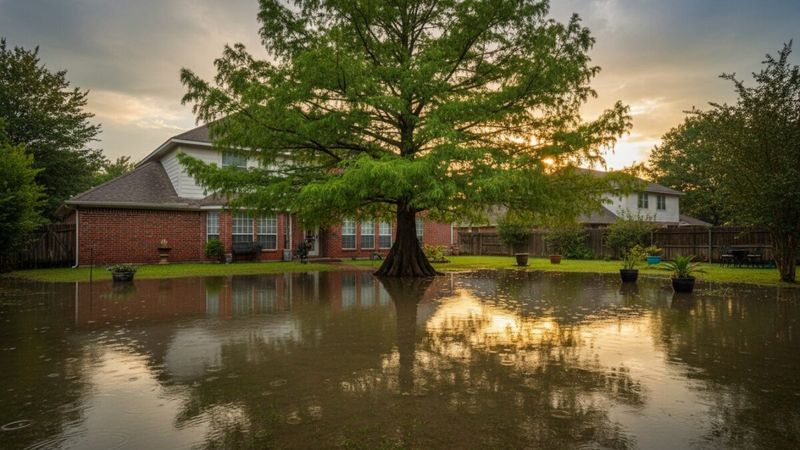
Texas weather loves extremes, and your yard feels every one of them. One month the ground cracks open from drought, and the next a storm dumps three inches of rain in an hour.
Most garden plants give up when that happens, but some Texas natives have roots that dig deep enough to hold on through both. Here are ten tough plants that can keep your yard green, anchored, and full of wildlife no matter what the sky does next.
1. Switchgrass
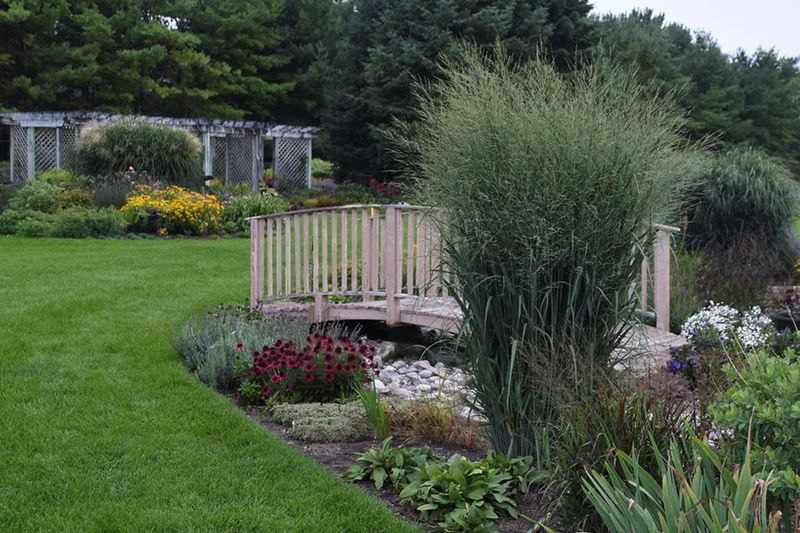
Picture a grass with roots reaching ten feet or more below the surface. That is switchgrass, a tallgrass prairie native that once covered huge stretches of Texas.
Those roots act like rebar in the soil.
During drought, the deep roots pull moisture from layers your lawn grass can never reach. When a flash flood rolls through, the dense root mass holds soil in place so it does not wash down the street.
Many Texas gardeners plant it along low spots or drainage swales for exactly that reason.
Switchgrass grows three to six feet tall and turns gold and copper in fall. Varieties like Shenandoah and Heavy Metal fit smaller yards.
Plant it in full sun, water it the first summer, and then mostly leave it alone.
2. Inland Sea Oats
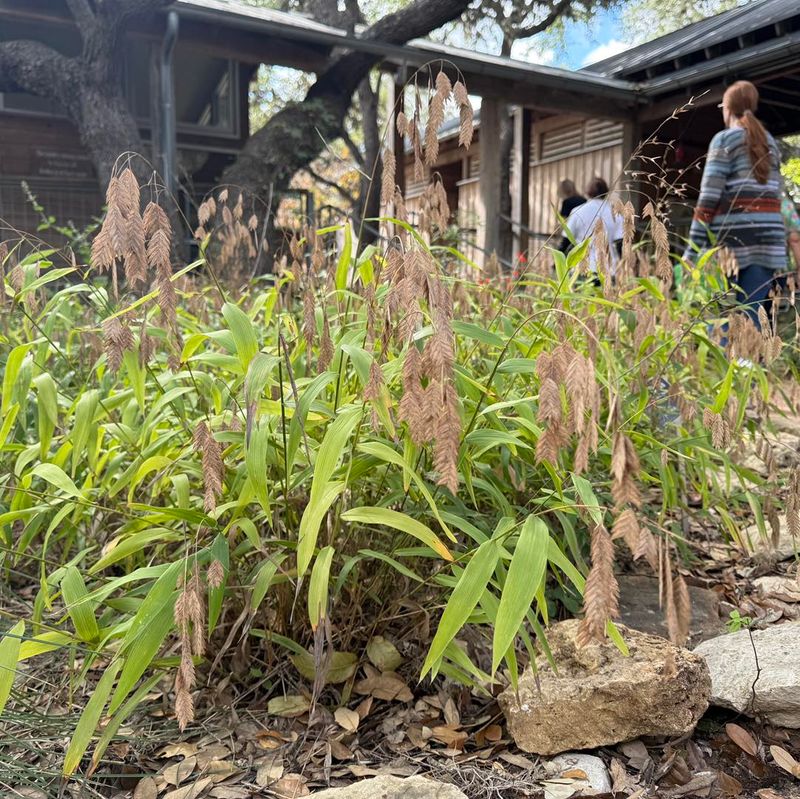
Walk any Hill Country creek and you will likely brush past inland sea oats. Their flat, dangling seed heads look like tiny fish hanging from a line.
Kids love them, and so do birds.
What makes this grass special is where it thrives. It grows naturally on stream banks that flood and then bake dry, so it is built for both.
Its spreading root system knits loose soil together on slopes and shady banks.
Use it under trees where turf fails or along a shady drainage path. Fair warning, it reseeds freely and may wander.
If you want a tidy look, snip the seed heads in fall and use them in dried arrangements.
3. Big Bluestem
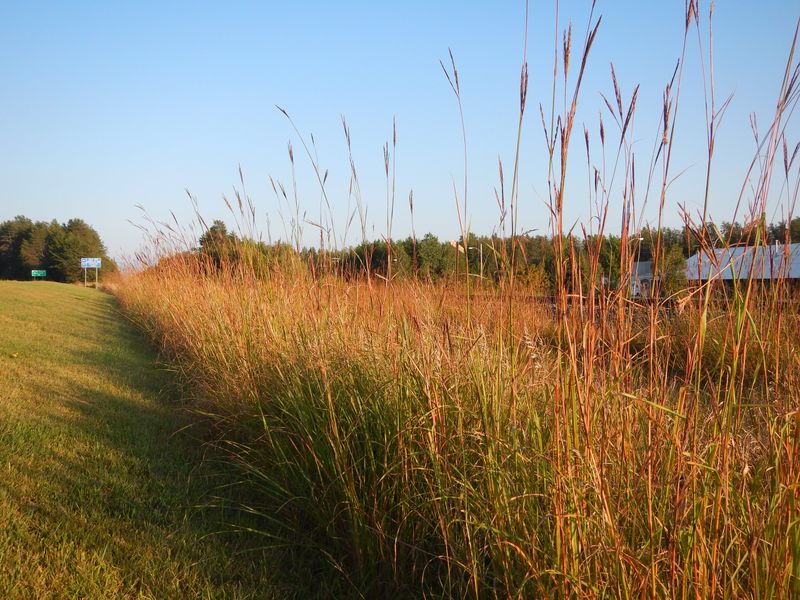
Ranchers once called big bluestem the ice cream of the prairie because cattle loved it so much. Today it earns its keep in home yards for a different reason.
Its roots can stretch deeper than the plant is tall, sometimes past eight feet.
The seed heads split into three parts that look like a turkey foot. Stems shift from blue-green in summer to rusty red by fall.
It gives a back border real height and movement.
Big bluestem handles heavy clay well, which is good news for much of Texas. It tolerates brief standing water after storms and shrugs off weeks without rain once settled.
Give it full sun and space, since mature clumps can top five feet.
4. Maximilian Sunflower
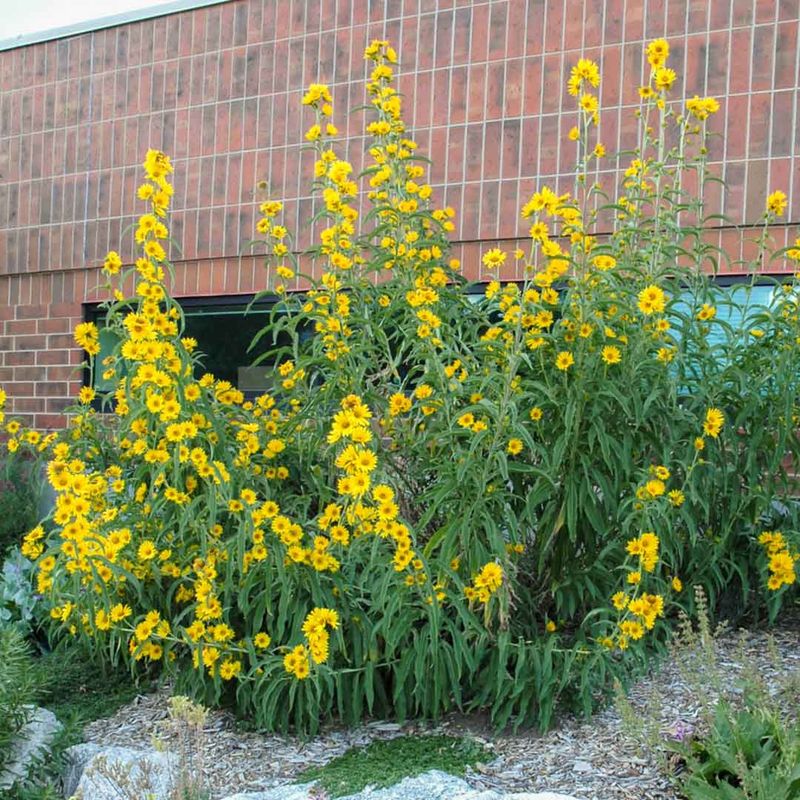
Come October, a fence line covered in Maximilian sunflowers looks like it is on fire with yellow. This perennial blooms when most of the garden is worn out from summer.
Bees, butterflies, and seed-eating birds flock to it.
Below ground, it builds thick rhizomes and deep roots. Those let it ride out dry spells and recover fast after soaking rains.
It grows wild in ditches across Texas, which are basically flood-and-drought test zones.
Give it room, because it spreads and can reach eight feet. Cutting stems back by half in early summer keeps it shorter and bushier.
It is a fine pick for the far edge of the yard or a wildlife corner.
5. Bald Cypress
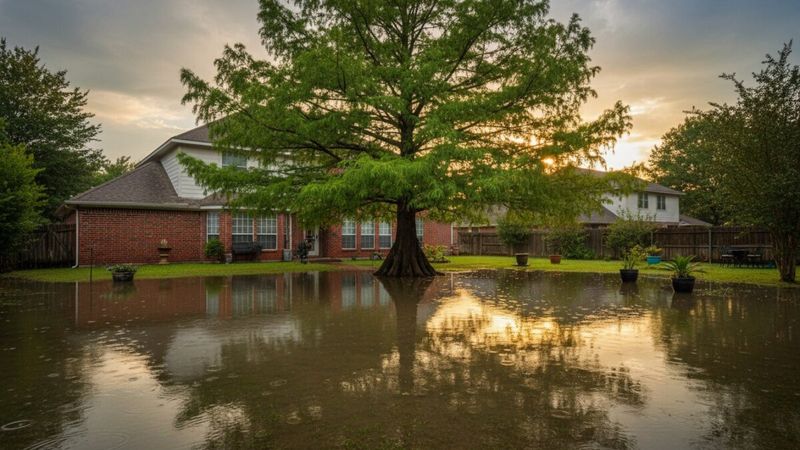
Some bald cypress trees along Texas rivers are more than a thousand years old. They have seen every drought and flood the state can throw.
That record speaks for itself.
The tree sends out a wide, deep root system plus odd knobs called knees near water. It can sit in standing water for weeks, yet established trees handle dry summers surprisingly well.
It makes a strong shade tree for a low corner that floods after storms.
The feathery needles turn cinnamon in fall and drop, so it is deciduous despite looking like an evergreen. Plant it away from sidewalks and foundations since roots get big.
Water deeply the first two years.
6. Turk’s Cap
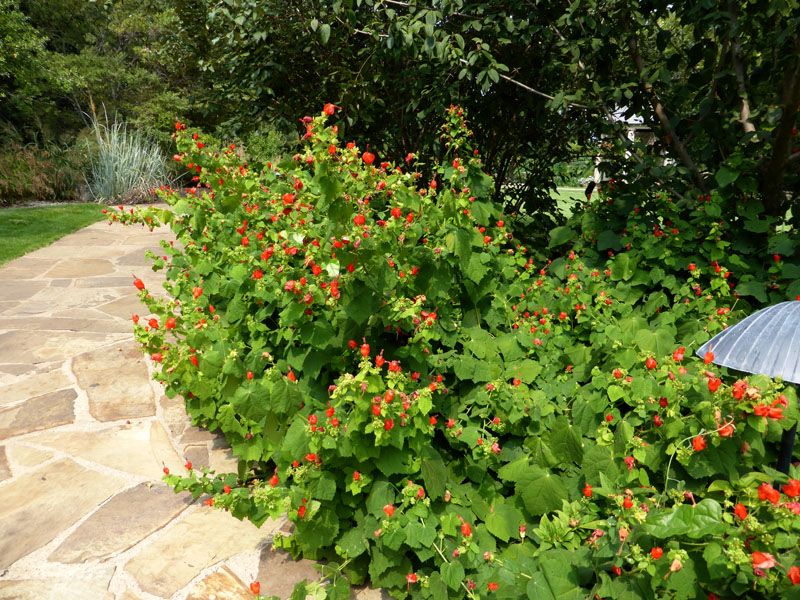
Hummingbirds treat Turk’s cap like a roadside diner. Its little red flowers stay twisted shut, like a tiny turban, and bloom from spring until frost.
Few native shrubs work so hard in shade.
Turk’s cap grows a thick, woody root that stores water. That helps it hold on through August heat and come back after a hard winter.
It also tolerates soggy soil after downpours better than most flowering shrubs.
Plant it under trees, along the north side of the house, or in a bed that collects runoff. Cut it back in late winter for fresh growth.
The small red fruits are edible and taste a bit like apple.
7. Buttonbush
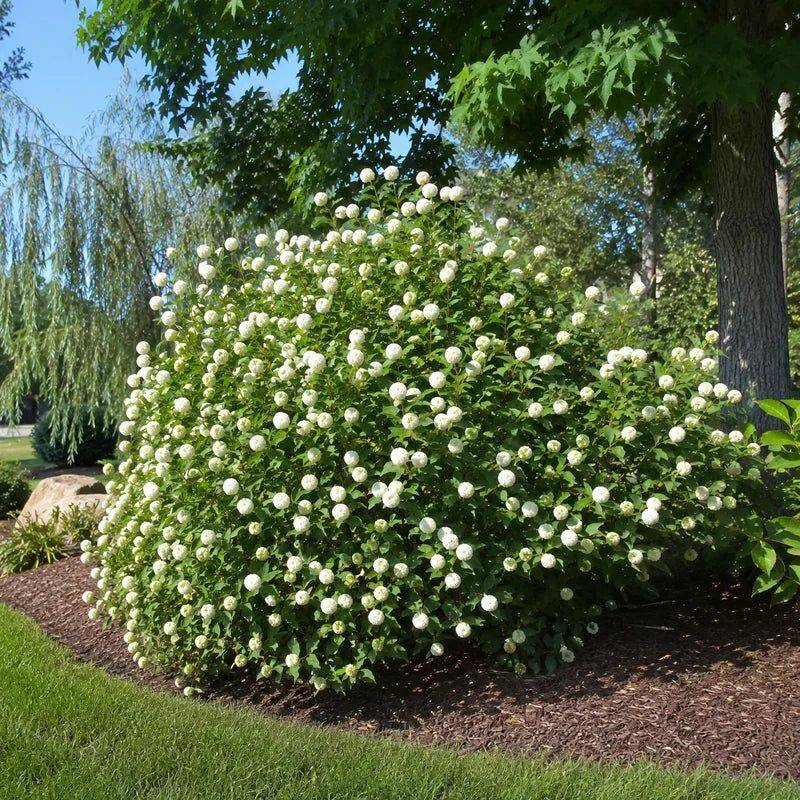
Ever seen a flower that looks like a tiny pincushion or a sputnik? Buttonbush makes hundreds of them each summer.
Swallowtails and native bees go wild for the nectar.
In nature, buttonbush lines ponds and creek edges where water rises and falls all year. It can handle being underwater for a while, then deal with dry stretches once its roots are deep.
That makes it a top choice for a Texas rain garden.
Expect a shrub six to ten feet tall, with ducks and songbirds using the seeds later in the season. It does best with some moisture, so put it where water naturally collects.
A layer of mulch helps during long dry spells.
8. Eastern Gamagrass
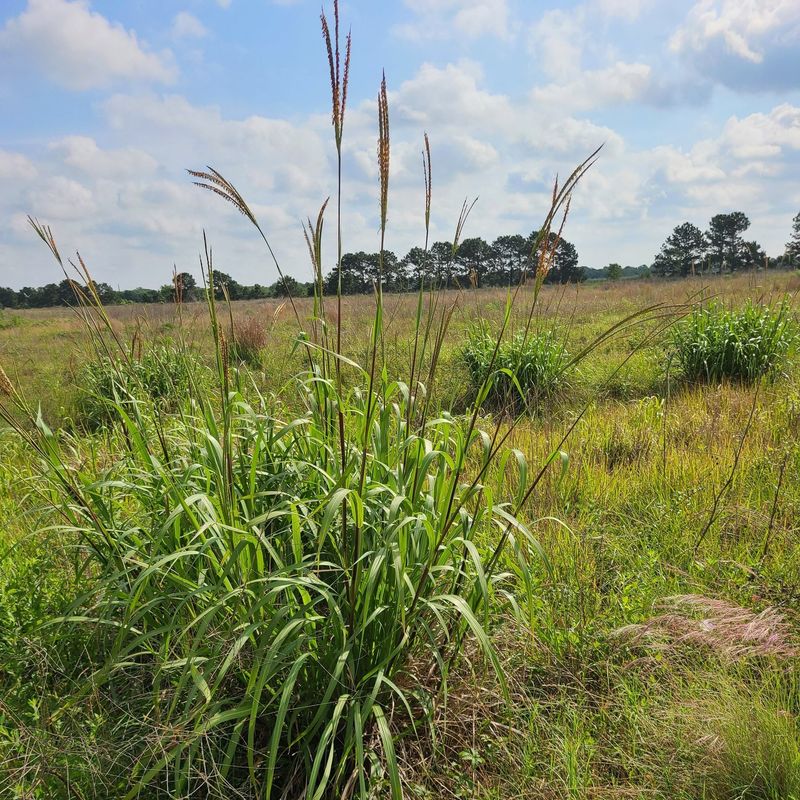
Eastern gamagrass is a bit of an overachiever. It is related to corn, and its roots can punch through dense clay layers that stop other plants cold.
Those channels let rainwater soak in instead of pooling.
Because of this, it often grows in wet prairie spots that flood in spring and dry out by July. Its broad leaves form big fountain-shaped clumps three to four feet wide.
It looks lush even when neighbors look crispy.
Try it in a soggy corner where turf keeps dying. It can help improve drainage over several years.
Grazing animals adore it, so fence it if deer are frequent visitors.
9. Gulf Muhly
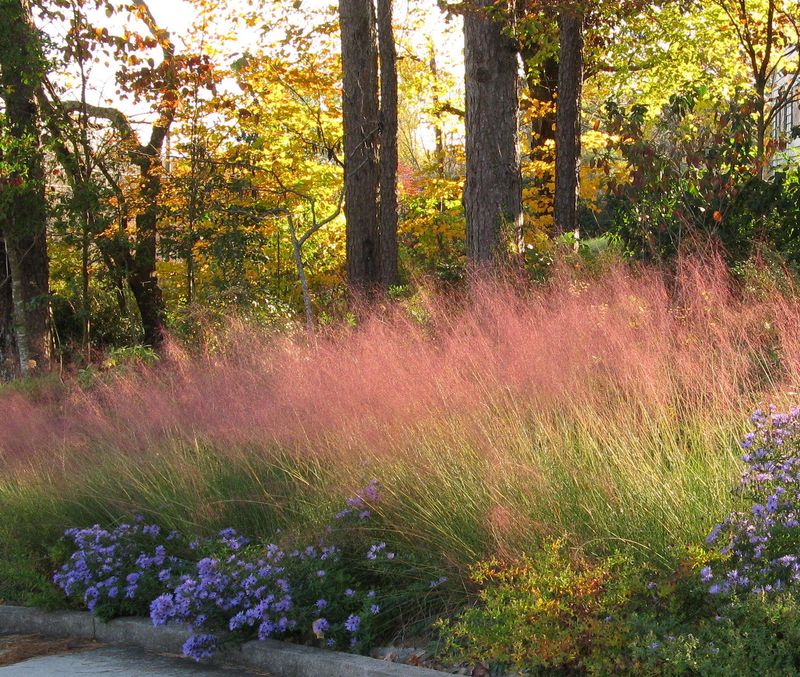
In fall, Gulf muhly looks like pink cotton candy floating above the ground. Neighbors will stop and ask what it is.
It is one of the showiest native grasses you can plant.
Along the coast, it grows in sandy and clay soils that flip between dry heat and storm flooding. Its fibrous roots go deep and hold well during heavy rain.
Once established, it needs little to no extra watering in most of the state.
It stays a tidy two to three feet, so it works along walkways and in front borders. Plant in groups of three or more for the best cloud effect.
Trim old growth in late winter.
10. Texas Swamp Hibiscus
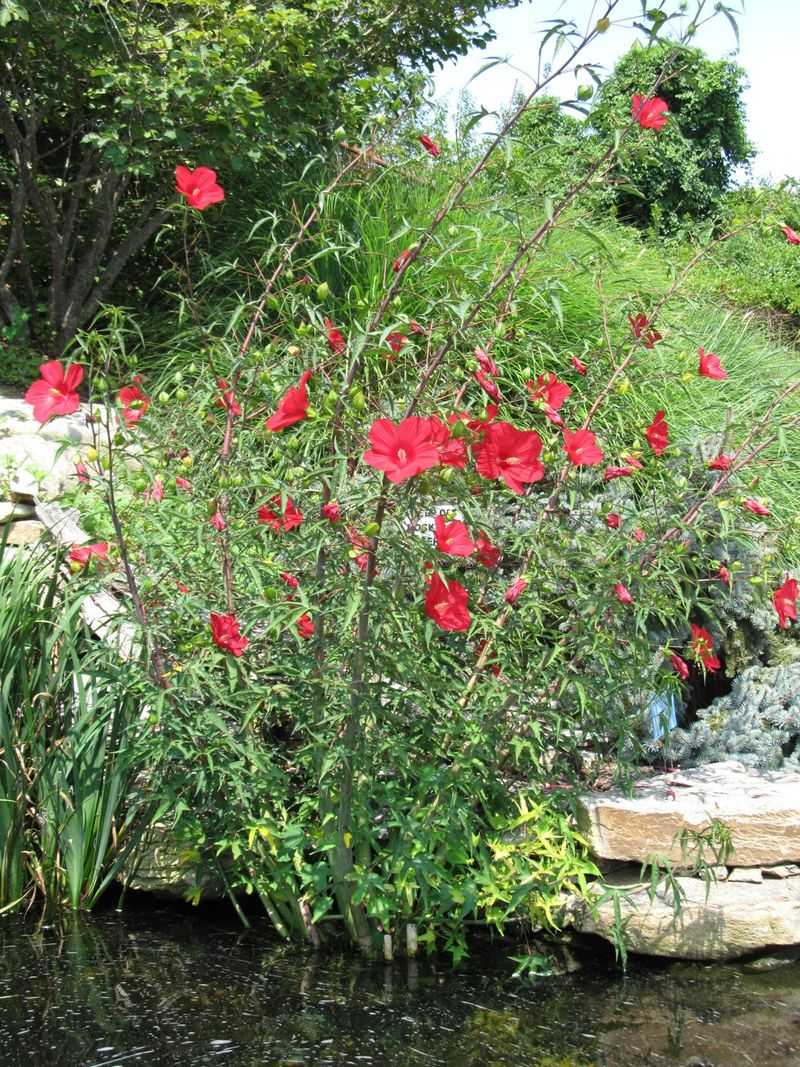
Big red star-shaped blooms the size of a hand make Texas star hibiscus impossible to miss. It flowers all summer, right when heat flattens most plants.
Hummingbirds and butterflies visit daily.
This native grows naturally in Gulf Coast marshes, so wet feet do not bother it. A thick root crown stores energy, letting it come back each spring even after hot, dry stretches.
It may wilt in extreme drought, but a good soak usually brings it right back.
Plant it near a downspout, pond edge, or low spot. It dies back in winter, so mark the spot so you do not dig it up.
New shoots appear once soil warms in spring.