
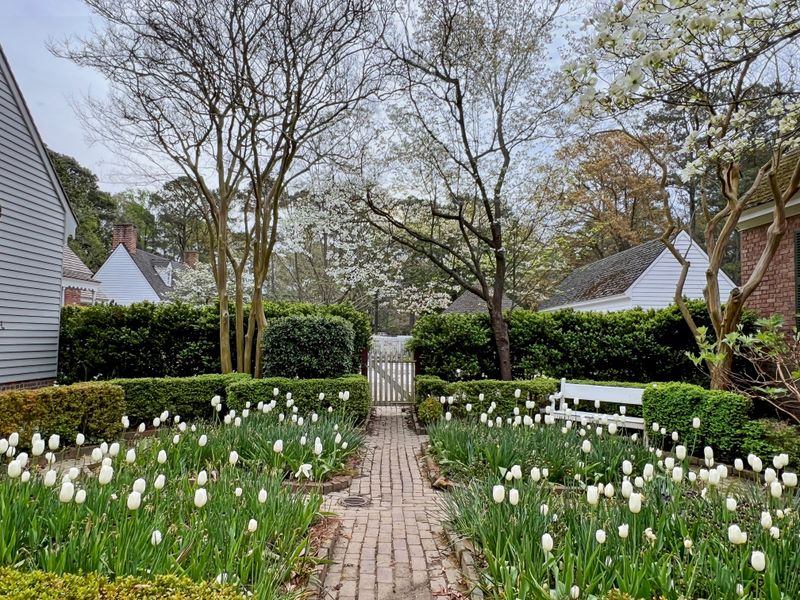
If your bulb bags are still sitting in the garage, you have not missed your chance. In most of North Carolina, the soil stays cool but workable through November, which is just what spring bulbs need to grow roots before winter.
A few hours of planting this month can turn a bare bed into a burst of color from February through May. Here are eight bulbs that still make sense to plant right now, from the mountains to the coast.
1. Daffodils
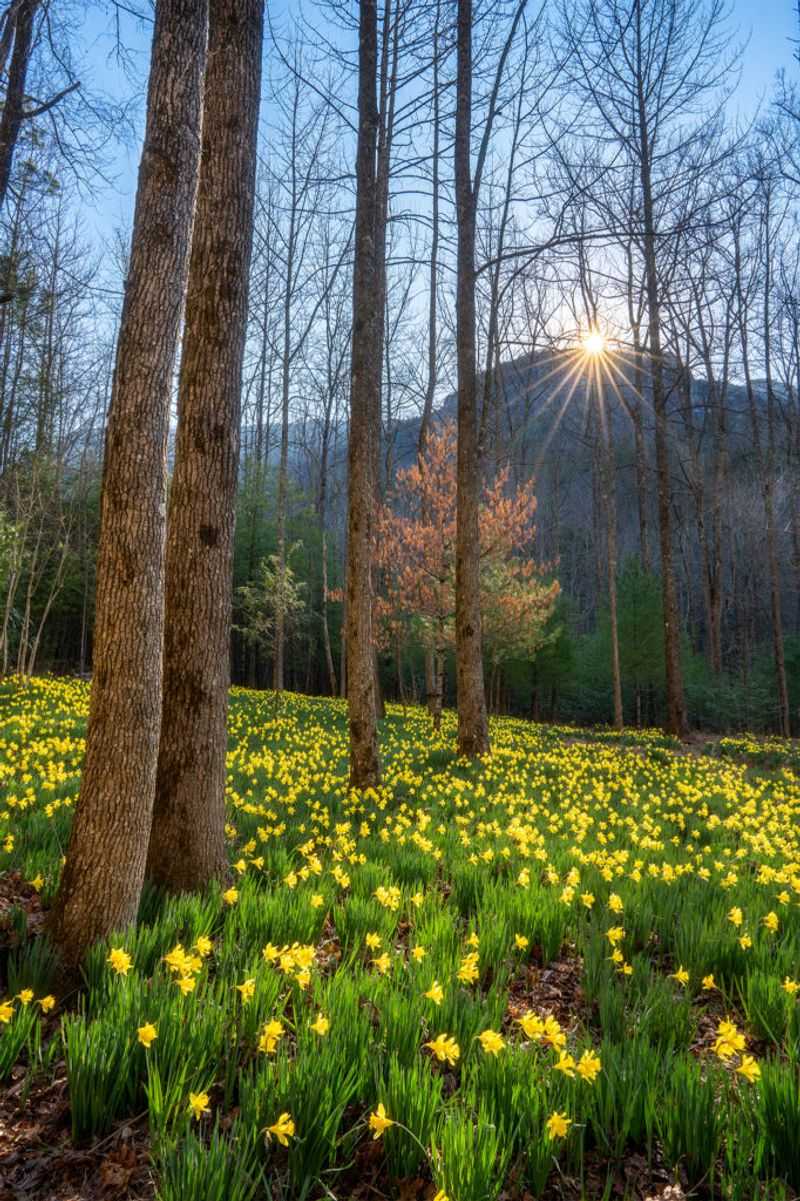
Ask any old farmhouse in the Piedmont what it planted decades ago, and the answer is often blooming along the ditch every March. Daffodils come back year after year with almost no help, which is why they top this list.
Deer and voles leave them alone because the bulbs are toxic to chew. That makes them a smart pick for rural yards where tulips simply vanish.
Plant them 6 inches deep, pointy end up, in a spot with at least half-day sun.
November planting works well statewide, and coastal plain gardeners can even push into early December. Look for Southern-proven types like Ice Follies, Carlton, and Tete-a-Tete, which handle our warm winters better than some fancy hybrids.
2. Crocus
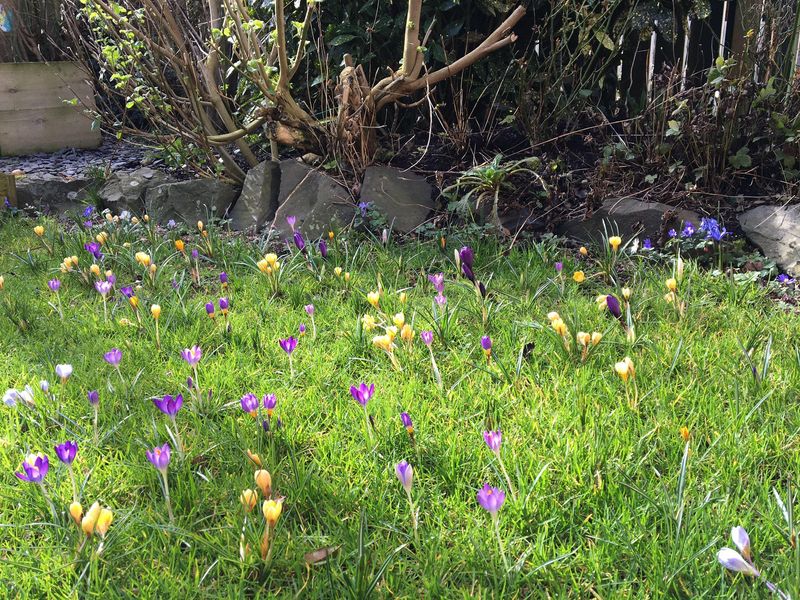
Picture a gray February morning, and then a purple flower pops through the lawn. Crocus is often the very first bloom of the year, sometimes showing up while frost still coats the grass.
Early bees waking on warm winter days may find a welcome snack in these cups of pollen. That small boost can help support pollinators when little else is flowering.
Tuck the small corms just 3 to 4 inches deep in drifts of 20 or more. They look great scattered right into turf or along a walkway edge.
Squirrels sometimes dig them up, so a sprinkle of chicken grit or a layer of hardware cloth can reduce losses.
3. Tulips
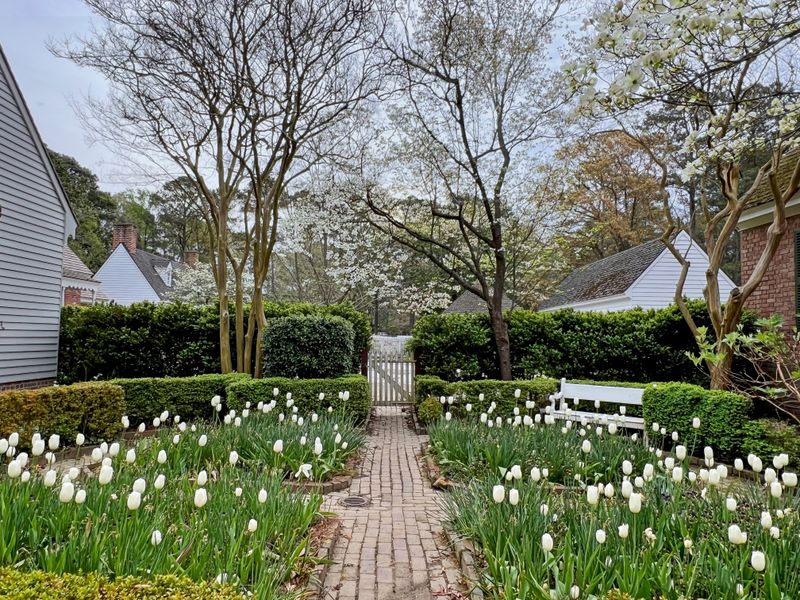
Here is the honest truth about tulips in North Carolina: most act like annuals here. Our mild winters and hot, humid springs usually keep them from returning strong.
Still, nothing beats them for a big April show near the front door.
November is actually prime tulip time in the state. The cooler soil lowers the risk of rot, and Piedmont and coastal gardeners should wait until soil temps drop below about 60 degrees.
Plant 6 to 8 inches deep in pots or porch beds where you can enjoy them up close. Species tulips like Tulipa clusiana are more likely to come back.
If deer roam your street, keep tulips in containers on the steps.
4. Grape Hyacinth
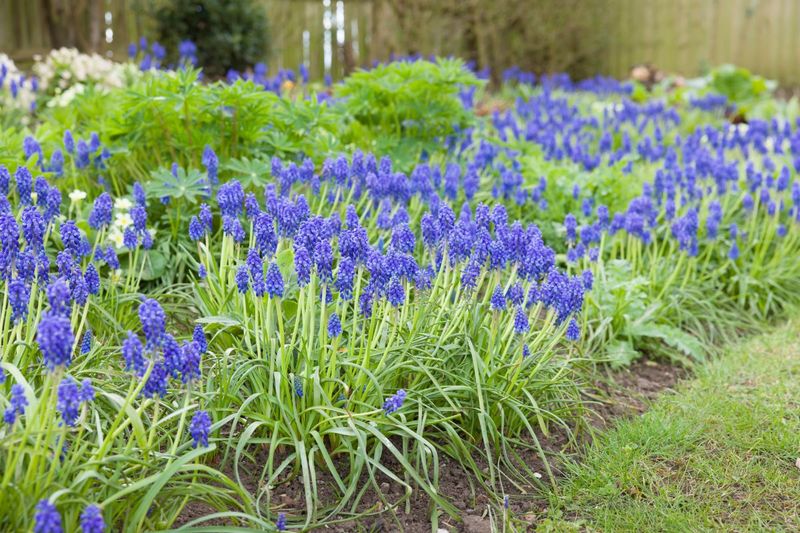
Small but bossy in color, grape hyacinth paints a cobalt ribbon that seems to glow at dusk. The little cone-shaped spikes smell faintly like grape soda, a fun surprise for kids who lean in for a sniff.
They are tough, cheap, and multiply on their own. Plant them 3 inches deep in front of daffodils for a classic blue-and-yellow pairing.
One quirky trait: their grassy leaves often sprout in fall, right after planting. Don’t worry, that is normal and the foliage handles NC winters fine.
They suit border edges and sunny slopes where you want low upkeep.
5. Spanish Bluebells
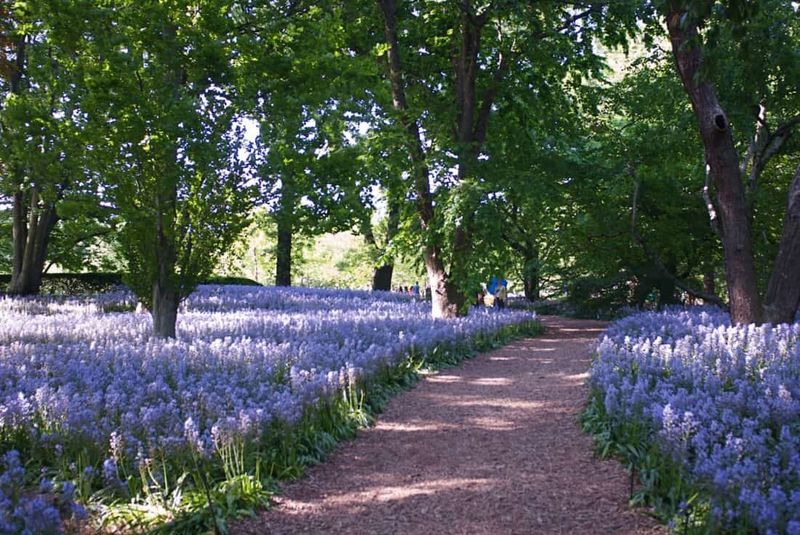
Got a shady corner under oaks where grass refuses to grow? Spanish bluebells were practically made for that spot.
Their nodding bells in blue, pink, or white open in April, after the daffodils fade. They tolerate clay soil and part shade better than most spring bulbs.
Plant about 4 inches deep in loose groups. They spread steadily, so give them room or plant them where spreading is welcome, away from natural areas.
If you prefer a true native for woodland spots, Virginia bluebells grown from potted plants are a lovely option too.
6. Atamasco Lily
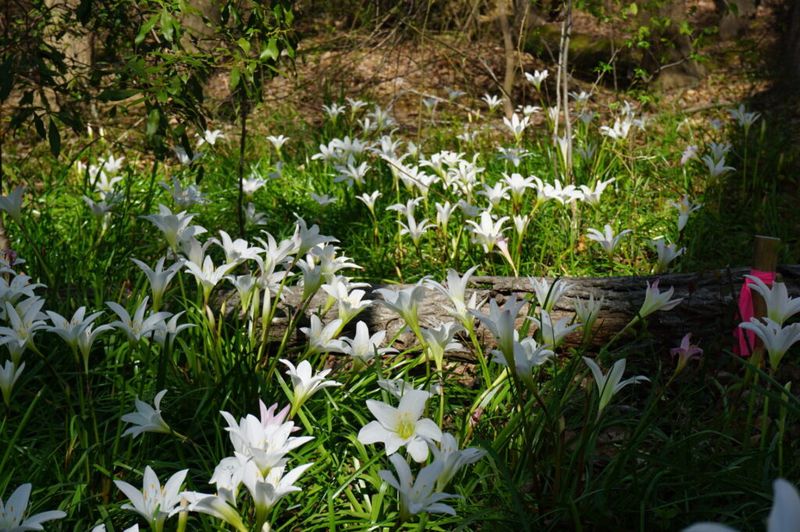
Wander a damp roadside in eastern North Carolina in April and you might spot a white star-shaped lily blushing pink as it ages. That is the Atamasco lily, a true Southeastern native.
For gardeners who want to do right by the land, this one checks the box. It grows naturally in moist woods and meadows across the coastal plain and Piedmont.
Plant the bulbs 3 to 5 inches deep in rich, moist soil with part sun. They are perfect for rain gardens or low spots that stay soggy.
Buy from nurseries that sell nursery-propagated bulbs, never wild-dug ones.
7. Snowflakes
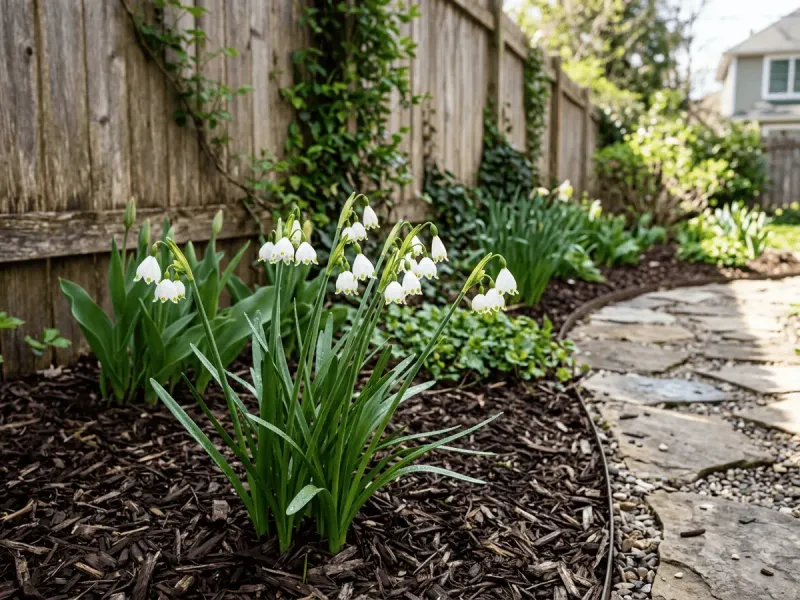
Old Southern gardeners swear by Leucojum, and for good reason. Each white bell carries a tiny green dot on the tip, like someone dabbed it with paint.
Snowflakes laugh at heat, humidity, wet clay, and hungry deer. They bloom in March and return reliably, even in coastal yards where many bulbs struggle.
Plant 4 inches deep in sun or light shade. You will often see them thriving around old homesteads, proof they can last for generations with zero fuss.
8. Alliums
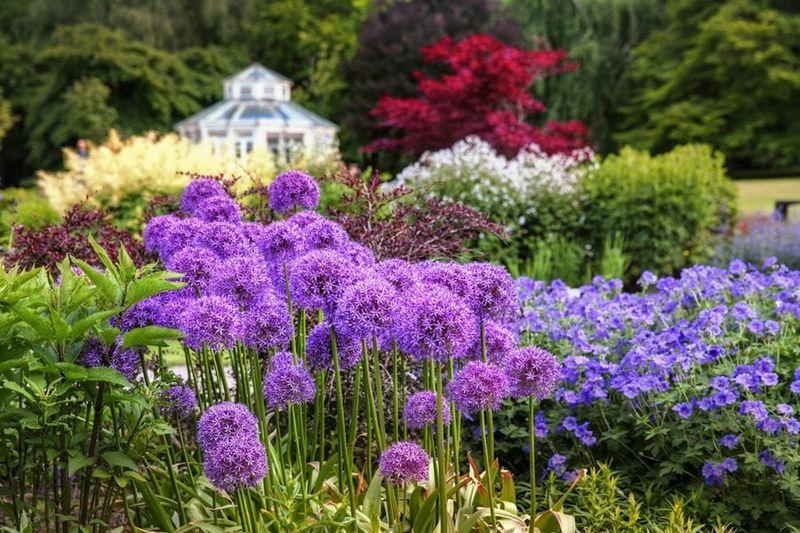
Purple lollipops floating above the garden in May. Alliums bring height and drama right when spring bulbs usually wind down.
Butterflies and bees may flock to the round flower heads, making alliums a nice bridge into summer pollinator season. Like their onion cousins, they tend to be ignored by deer and rodents.
Plant bigger bulbs about 8 inches deep in full sun with good drainage. Mountain gardeners should finish by mid-November, while Piedmont and coastal folks have until early December.
Drumstick allium is a budget-friendly type that often comes back well in NC.
Once these are in the ground, water once, mulch lightly, and let winter do the rest.