
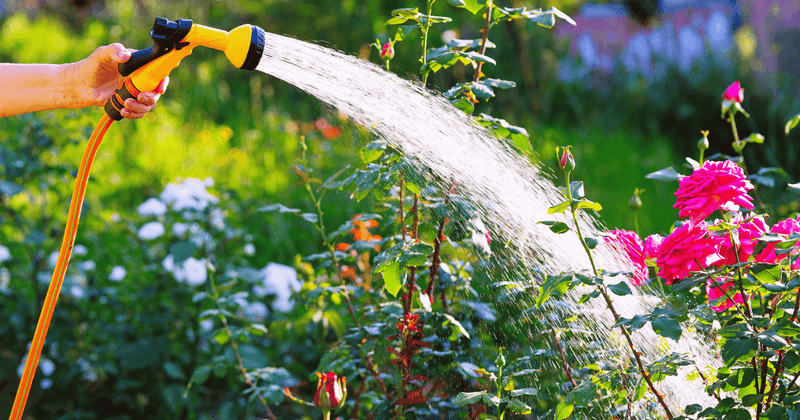
Few things sting like watching fat camellia buds turn brown and drop before they ever open. In North Carolina, that heartbreak often starts in early fall, long before the first cold snap.
The fix is simple, cheap, and takes about ten minutes a week. Get it right now, and your shrubs have a much better shot at a full winter show.
1. Deep, Steady Watering Through Fall
Here is a secret most garden centers never mention: your camellia already made this winter’s flowers. Those round buds you see now formed back in summer, and the shrub spends fall swelling them up.
If the roots run dry during that stretch, the plant may simply let buds fall to save itself.
September and October are often dry across North Carolina, from the mountains down to the coastal plain. Shallow camellia roots dry out fast, especially in sandy coastal soil or under thirsty oaks in the Piedmont.
Uneven moisture is one of the most common causes of bud drop, so steady water this month can make a real difference.
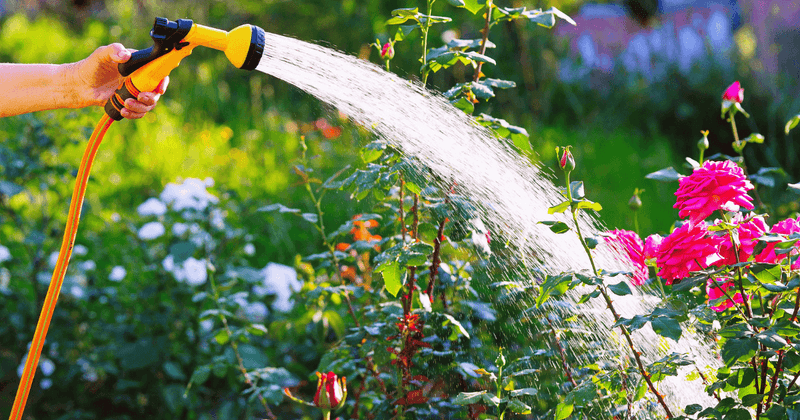
Aim for about an inch of water a week when rain comes up short. A slow soak with a soaker hose or a trickling garden hose works better than a quick spray, since it reaches deeper roots.
Check by pushing a finger two inches into the soil near the drip line, and water if it feels dry.
Top the bed with two to three inches of pine straw or shredded bark to hold that moisture in. Keep mulch a few inches away from the trunk.
Skip fertilizer now, too, because late feeding can push tender growth instead of supporting buds.
Keep this routine going until the ground cools and regular rain returns, usually around mid-November in much of the state. Sasanqua types bloom first, so they need attention right away.
Japonicas follow later, and a well-watered fall can help their buds open cleanly in January and February.