
November might feel like the end of the gardening year in North Carolina, but smart gardeners know it is really the start. Cool air and warm soil give new perennials time to grow roots all winter long.
When spring arrives, those plants are ready to bloom bigger instead of just trying to survive. Here are ten tough, mostly native perennials worth planting this month from the mountains to the coast.
1. Purple Coneflower
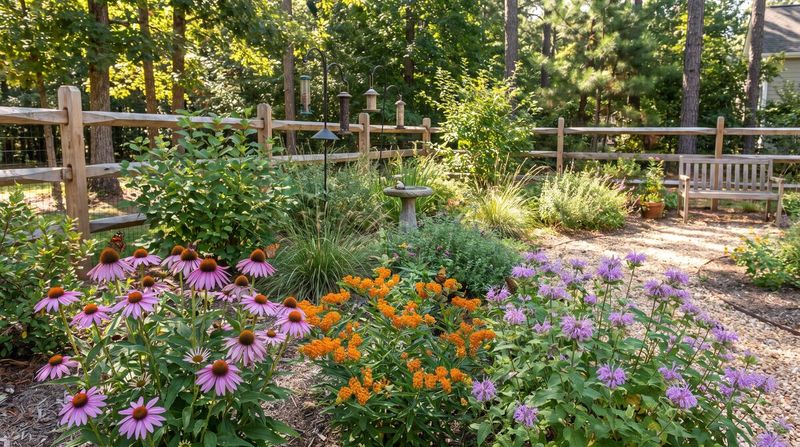
Ask any NC gardener which perennial never lets them down, and coneflower comes up fast. Echinacea purpurea is native to the Southeast, and it handles red clay, summer drought, and humid August nights with very little fuss.
Planting in November gives the roots a long head start. By late spring, a fall-planted clump is often noticeably fuller than one set out in April, and it may bloom earlier too.
Choose a sunny spot with decent drainage, water it in well, and add a light layer of mulch around, not on, the crown. Leave the seed heads standing next fall, because goldfinches love them.
2. Black-Eyed Susan
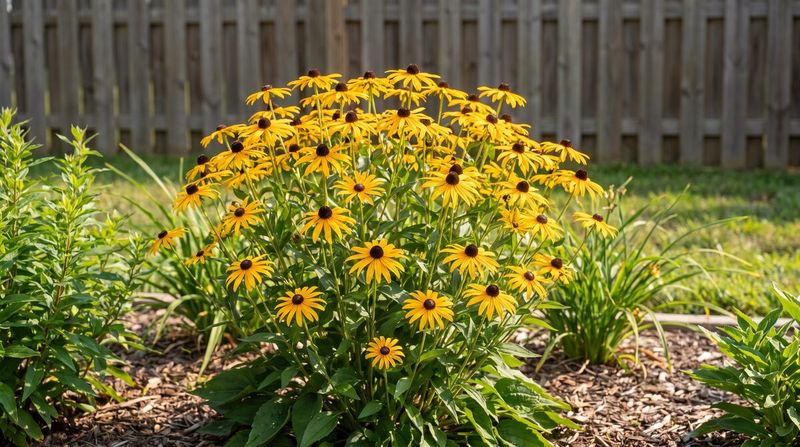
Bright, cheerful, and almost impossible to kill. Rudbeckia fulgida and its cousins brighten roadsides across the Piedmont every summer, and they behave just as nicely in a home border.
Fall planting lets these plants settle in quietly while the weather is mild. They spread slowly into wide, golden drifts, which makes them a budget-friendly way to fill gaps in a thin bed.
Fun fact: Rudbeckia hirta, a close relative, is Maryland’s state flower, but North Carolina gardens grow it just as well. Pollinators and seed-eating birds will thank you all season.
3. Garden Phlox
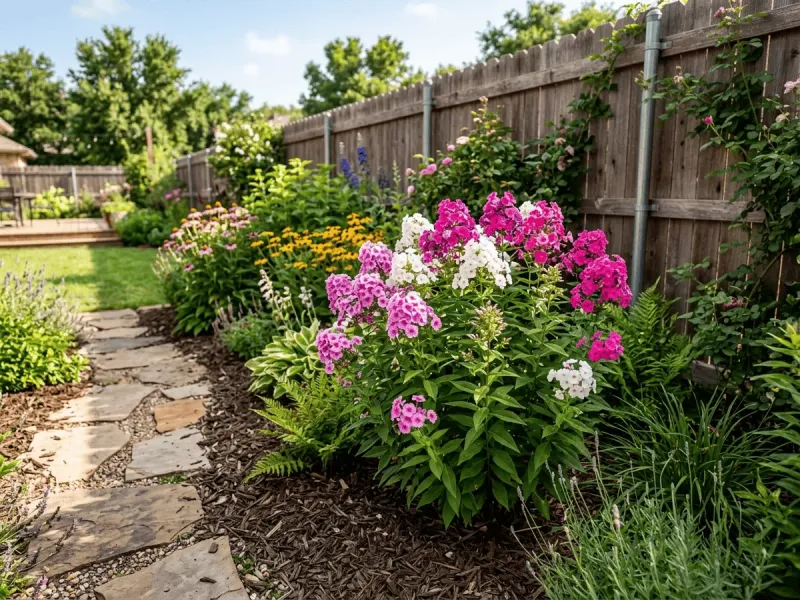
Picture a July evening, the porch light on, and a sweet scent drifting across the yard. That fragrance usually belongs to Phlox paniculata, a native perennial with tall clusters of pink, white, or lavender flowers.
Older varieties struggled with powdery mildew in our humid summers. Newer picks like ‘Jeana’ and ‘David’ tend to hold up much better, and they pull in swallowtails and hummingbird moths.
Set plants out in November with good spacing for airflow. The roots knit in over winter, so stems come back stronger and more upright next year.
4. Creeping Phlox
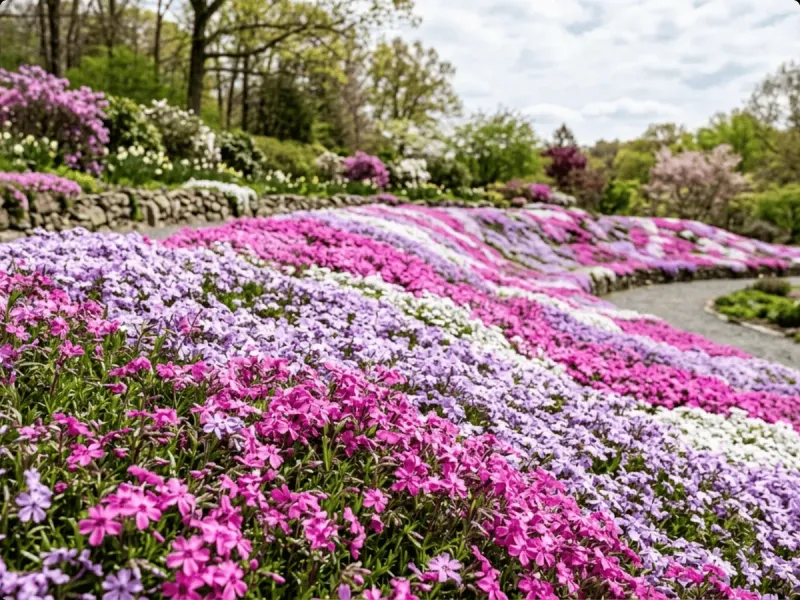
Want a sheet of spring color on a slope you hate mowing? Phlox subulata forms a low mat that explodes into pink, purple, or white blooms in March and April.
November planting works especially well here, since the plant blooms so early. A spring-planted mat often skips a big show its first year, while a fall-planted one usually has the roots to put on a real display.
Tuck plants along walls, driveway edges, or rocky banks in full sun. In the mountains, try to plant by mid-November so roots establish before hard freezes arrive.
5. Butterfly Weed
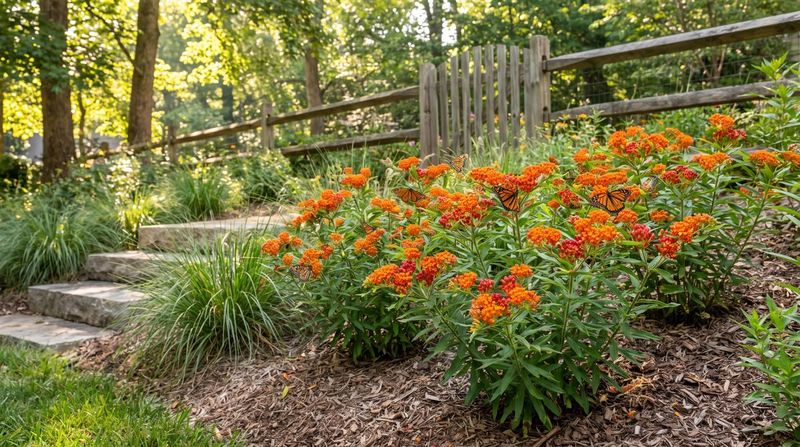
Monarchs passing through North Carolina need milkweed, and butterfly weed is the easiest kind to fit into a home garden. Asclepias tuberosa stays compact and glows bright orange from early summer on.
Here is the catch. It grows a deep taproot and dislikes being moved, so plant small container plants in their forever spot.
Fall planting gives that taproot months to dig down before summer heat.
Sandy soil in the coastal plain suits it perfectly, and it handles Piedmont clay if drainage is decent. Mark the spot, since it comes up late in spring and is easy to dig up by accident.
6. Eastern Columbine
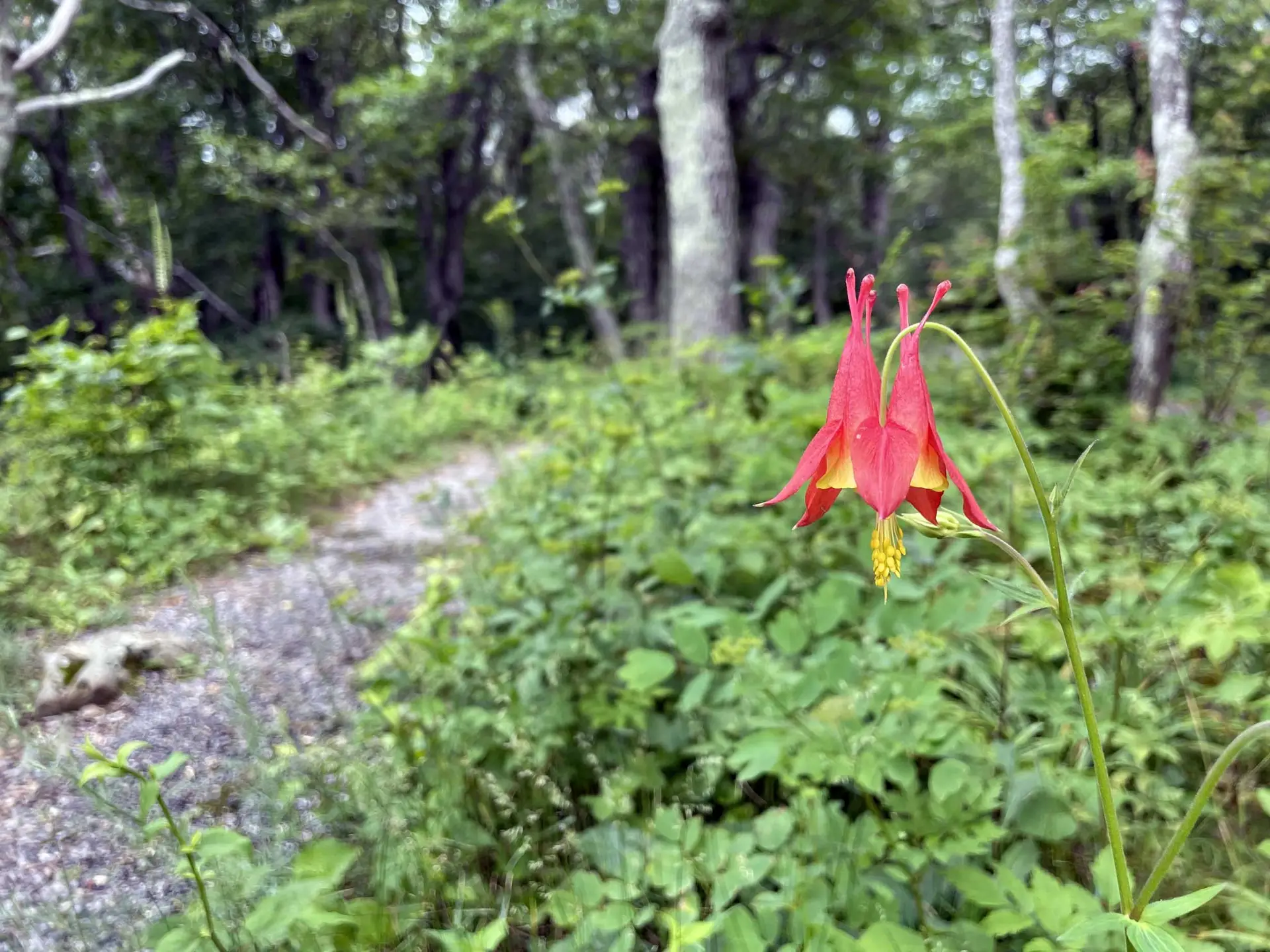
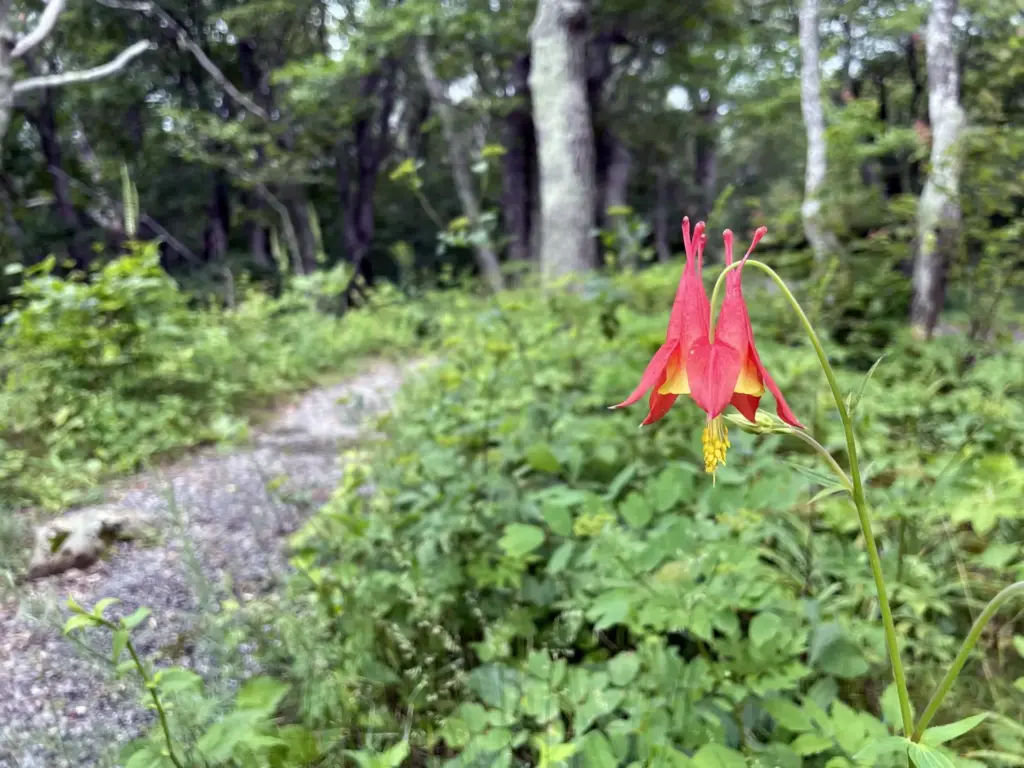
Few flowers greet returning ruby-throated hummingbirds quite like eastern columbine. Its nodding red and yellow blooms open in early spring, right when hummers arrive hungry.
Aquilegia canadensis grows wild on rocky slopes across NC, so it loves part shade and well-drained soil. It is a smart pick for that tricky spot under a tree where grass gives up.
Plant in November and it will often bloom its first spring. Let a few flowers go to seed, and new seedlings may pop up nearby to fill the bed for free.
7. Wild Blue Phlox
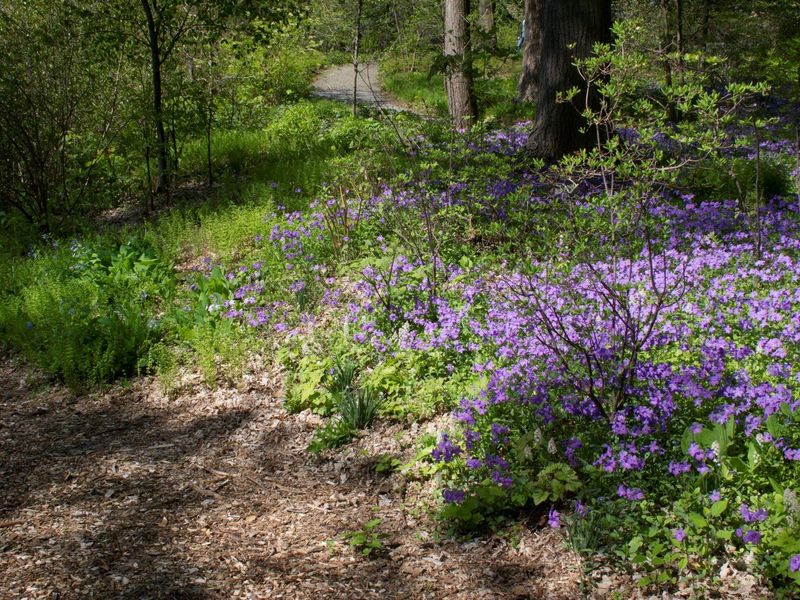
Shady yards deserve spring color too. Phlox divaricata covers the ground with soft blue flowers in April, often alongside native ferns and trilliums.
It spreads gently into low clumps and handles leaf litter well, so you can let fallen oak leaves stay as a natural mulch. That leaf layer may also shelter overwintering insects and firefly larvae.
Fall is the right time to tuck it in under trees, while the canopy is open and soil moisture is better. It is a great native swap for patches where people usually default to non-native groundcovers.
8. Bee Balm
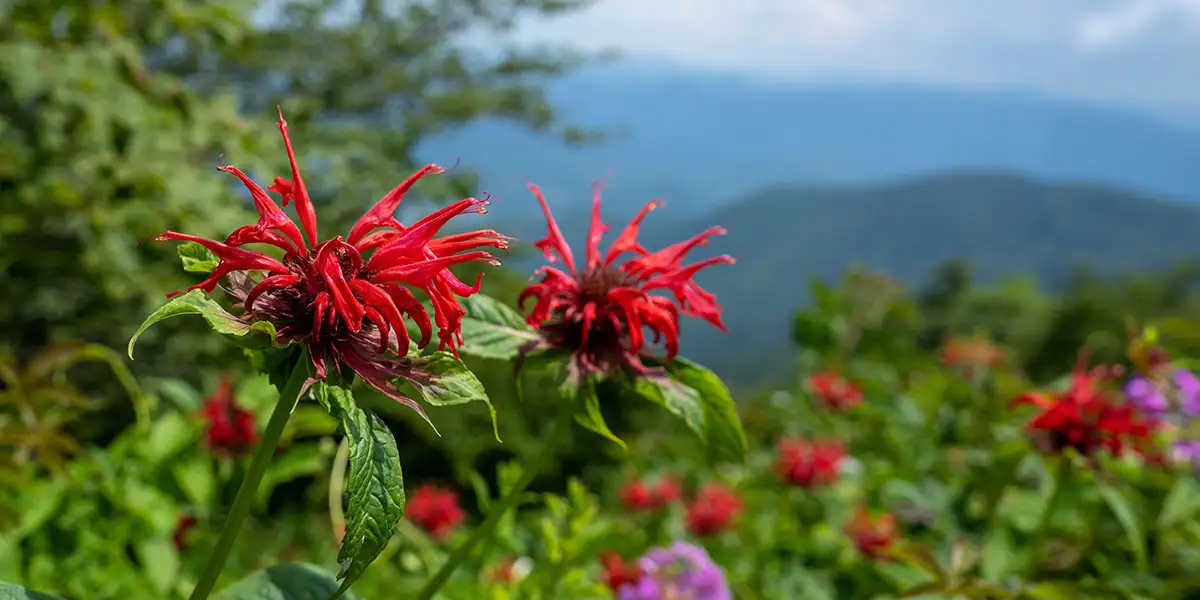
Bee balm is a party. Monarda didyma and its lavender cousin Monarda fistulosa draw bumblebees, butterflies, and hummingbirds all at once.
It spreads by underground runners, which makes it great for filling bare spots fast. In tight beds, give it room or plan to divide it every few years.
November planting lets the runners start spreading while the plant rests up top. Fistulosa tends to handle Piedmont heat and mildew better, while didyma shines in the cooler mountain counties.
9. Amsonia
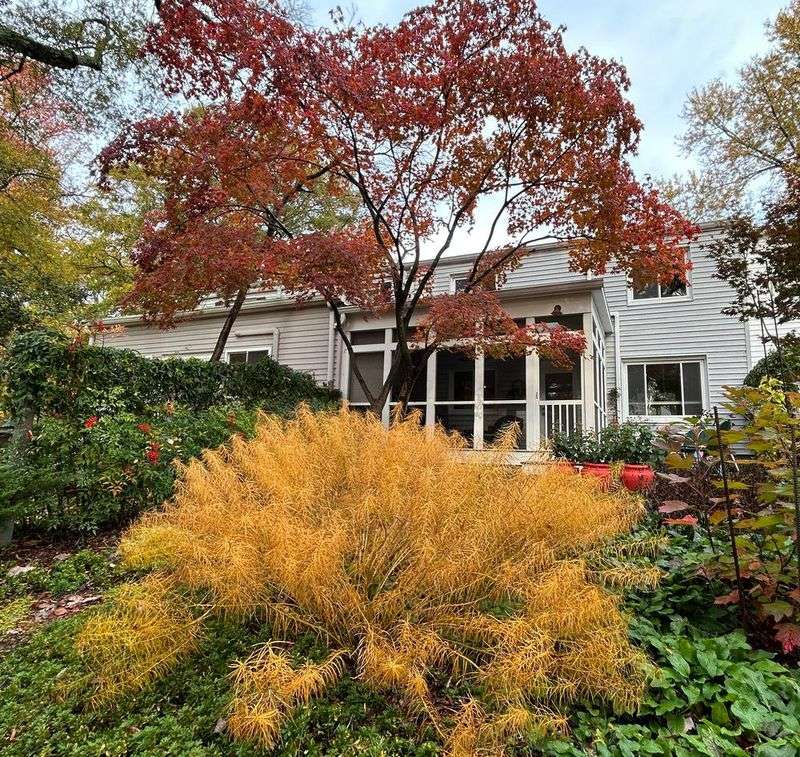
Most perennials peak once. Amsonia gives you two shows: pale blue star flowers in spring, then fiery gold foliage in fall that rivals our mountain leaves.
Eastern bluestar, Amsonia tabernaemontana, is native to NC and very long-lived. Deer usually leave it alone, which matters in many suburbs.
It grows slowly at first, so fall planting is a real advantage. Those extra winter months of root growth help it bulk up into a full, shrub-like clump faster.
10. Little Bluestem
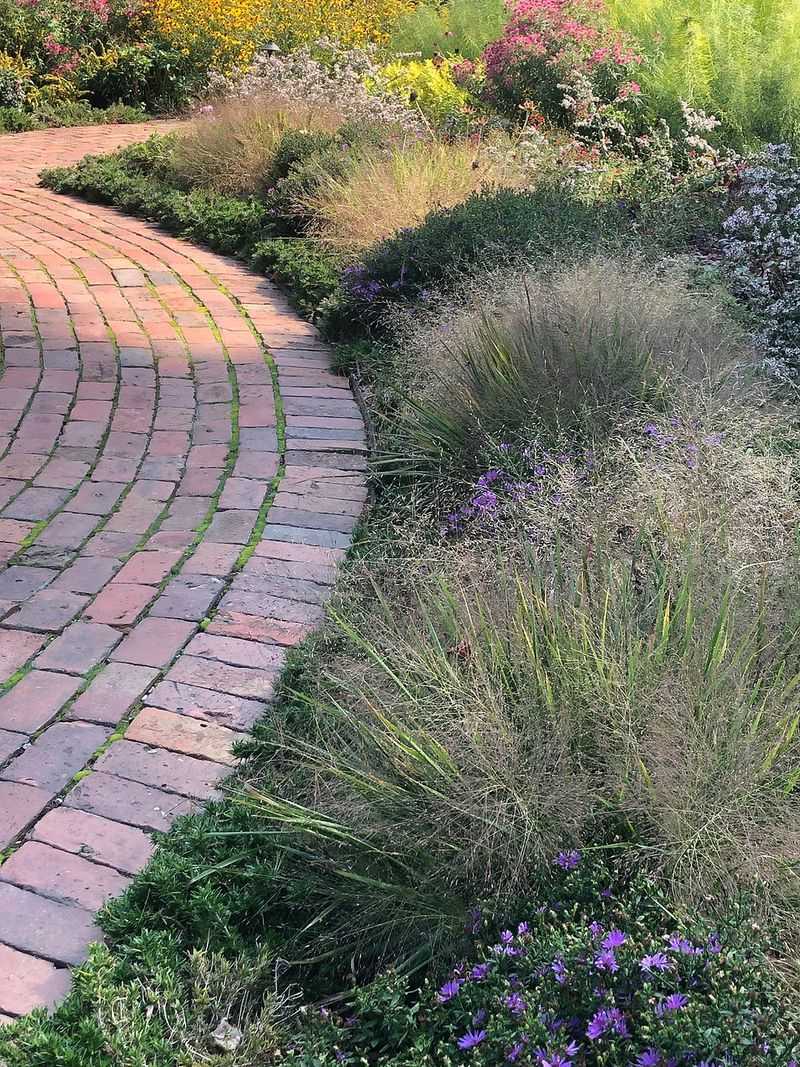
Technically a grass, but it belongs in every perennial bed. Little bluestem adds blue-green summer texture and copper winter color that keeps beds interesting when flowers are done.
Native across North Carolina, it handles poor soil and drought once established. It also hosts several skipper butterflies and gives birds winter shelter.
Plant it in November between your flowering perennials. Next spring, the grass and blooms fill in together for a fuller, natural look, and leaving stems up until late winter may help beneficial insects overwinter.