

Walk through any California garden center and you’ll likely spot rosemary near the herb display, often with a tag suggesting it keeps bugs at bay. That claim has spread widely enough that plenty of homeowners have arranged pots around their decks hoping for a pest-free summer.
The reality is more complicated, and understanding the difference between what rosemary’s concentrated oils can do versus what a living plant actually delivers could save you a season of false confidence.
Why Rosemary Seems Like a Plausible Candidate
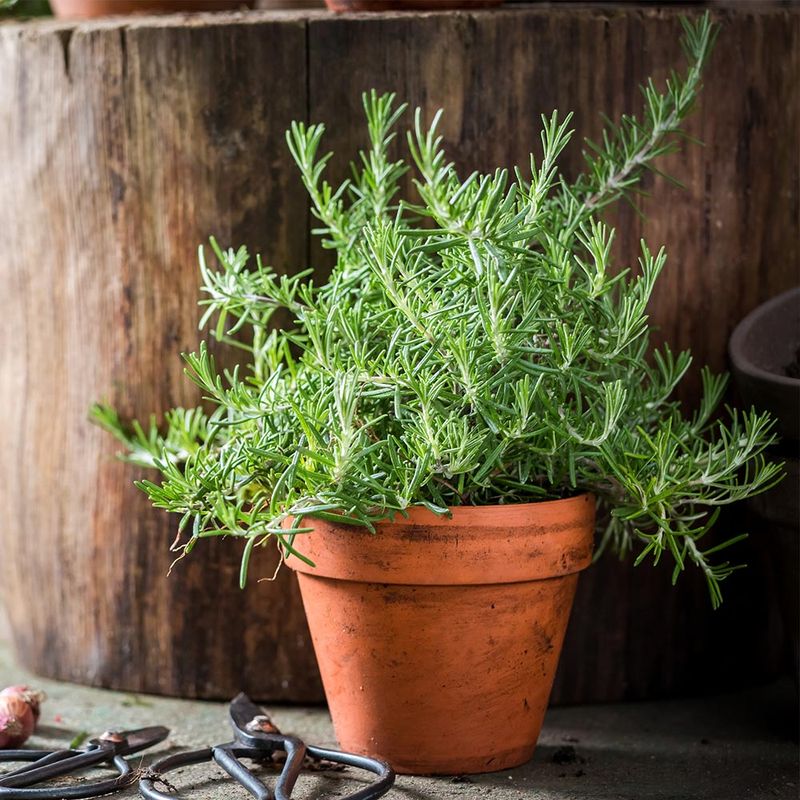
Rosemary (Salvia rosmarinus, formerly Rosmarinus officinalis) earns its reputation as a fragrant powerhouse. Rub a sprig between your fingers and the sharp, resinous scent that hits you comes from a cocktail of volatile compounds including camphor, 1,8-cineole, and borneol.
Those same molecules have drawn attention from pest researchers because some of them show repellent activity against mosquitoes and ticks in laboratory settings, which is exactly the kind of detail that turns a garden herb into a pest-control legend.
That’s what makes the claim feel so credible. Studies have found that rosemary-derived compounds and essential oil formulations can deter certain insects under controlled conditions.
Controlled repellency tests using herbal essential oils have shown activity against mosquito species including Aedes aegypti, and a study identifying tick-repellent molecules found that compounds present in rosemary and nutmeg oils outperformed DEET in a no-human-contact assay against Dermacentor variabilis ticks. Those results sound impressive, and they are, for what they actually tested.
What they tested was concentrated oils and isolated compounds, not a rosemary shrub sitting in a pot on your deck. Rosemary is genuinely well-suited to California gardens, as UC IPM guidance on growing rosemary confirms: it thrives in full sun, handles drought once established, and works in containers or in-ground beds.
Its culinary and ornamental value is real and well-documented. The gap this article addresses is the leap from “rosemary oil has pest-repellent potential” to “a few potted plants will keep ticks and mosquitoes off your deck all summer.” Those are two very different claims, and only one of them holds up to scrutiny.
Oil Studies Do Not Prove That a Living Plant Works
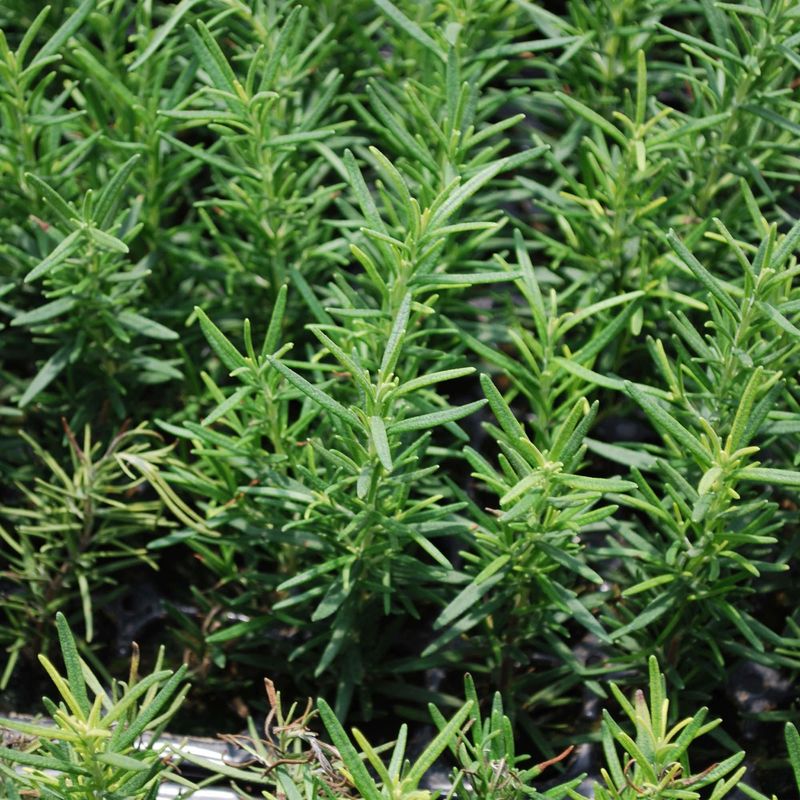
Pest research on rosemary generally falls into three categories: studies testing isolated chemical compounds, studies testing extracted essential oils, and studies testing formulated botanical pesticide products. Each category involves concentrations of active molecules that are far higher than what a living plant releases into open air on a warm afternoon.
Treating results from one category as proof that another works is where the logic breaks down.
The tick evidence is a good example. A Maine study testing a minimal-risk botanical compound containing 10% rosemary oil reported reduced blacklegged tick populations after high-pressure application to infested plots.
That’s a meaningful result, but it describes a spray product applied at high concentration to tick habitat, not a potted plant passively releasing volatiles near a deck chair. The study did not test an intact rosemary plant, and its results cannot be transferred to one.
The mosquito oil studies face the same translation problem. Essential oil repellency tests typically expose insects to concentrations many times higher than any living plant could emit outdoors.
Wind disperses volatiles quickly. Temperature and humidity shift how much a plant releases on any given day.
The size of the plant, the cultivar, and the distance between the pot and a person sitting nearby all affect how much of any active compound actually reaches a meaningful concentration around a human body. A small container plant in a light breeze on a California afternoon is not a diffuser running at laboratory-test levels.
For California homeowners specifically, the Maine tick study is also geographically indirect. California’s common tick species include the western blacklegged tick, the Pacific Coast tick, and the American dog tick, and their habitat and seasonal patterns differ from those in the Northeast.
Evidence from a Maine blacklegged-tick study is worth knowing about, but it is not California-specific proof of anything a patio plant will accomplish.
The California Field Test Found No Potted-Plant Mosquito Barrier

A study published in the Journal of Medical Entomology in 2026 tested the potted-plant claim directly under California outdoor conditions. Researchers placed potted prostrate rosemary and citronella-scented geranium near mosquito traps and measured whether either plant reduced the number of mosquitoes caught compared to untreated control locations.
Neither plant produced a meaningful reduction in mosquito catches.
That California field study went a step further and tested what happens when foliage is mechanically damaged, mimicking the idea that crushing or brushing leaves releases enough volatile compounds to push mosquitoes away. Damaged rosemary still did not produce a measurable reduction in mosquito activity.
The researchers concluded that whole living plants do not provide the kind of spatial mosquito protection that retail marketing often implies.
A few important boundaries apply to that conclusion. The study tested prostrate rosemary and one companion plant species; it did not evaluate every rosemary cultivar, every California climate zone, or every mosquito species.
Upright cultivars, different soil conditions, or a different experimental setup might produce different results in future research. What the study does rule out, clearly and under realistic conditions, is the specific promise that a few potted rosemary plants create a reliable mosquito barrier around a patio seating area.
That’s the claim most commonly made in gardening content, and it’s the one the evidence directly contradicts.
Homeowners who have arranged rosemary pots around their decks this summer are not doing anything harmful. They simply should not rely on those plants as a substitute for the mosquito-control steps that actually move the needle.
Grow Rosemary for Its Real California Benefits
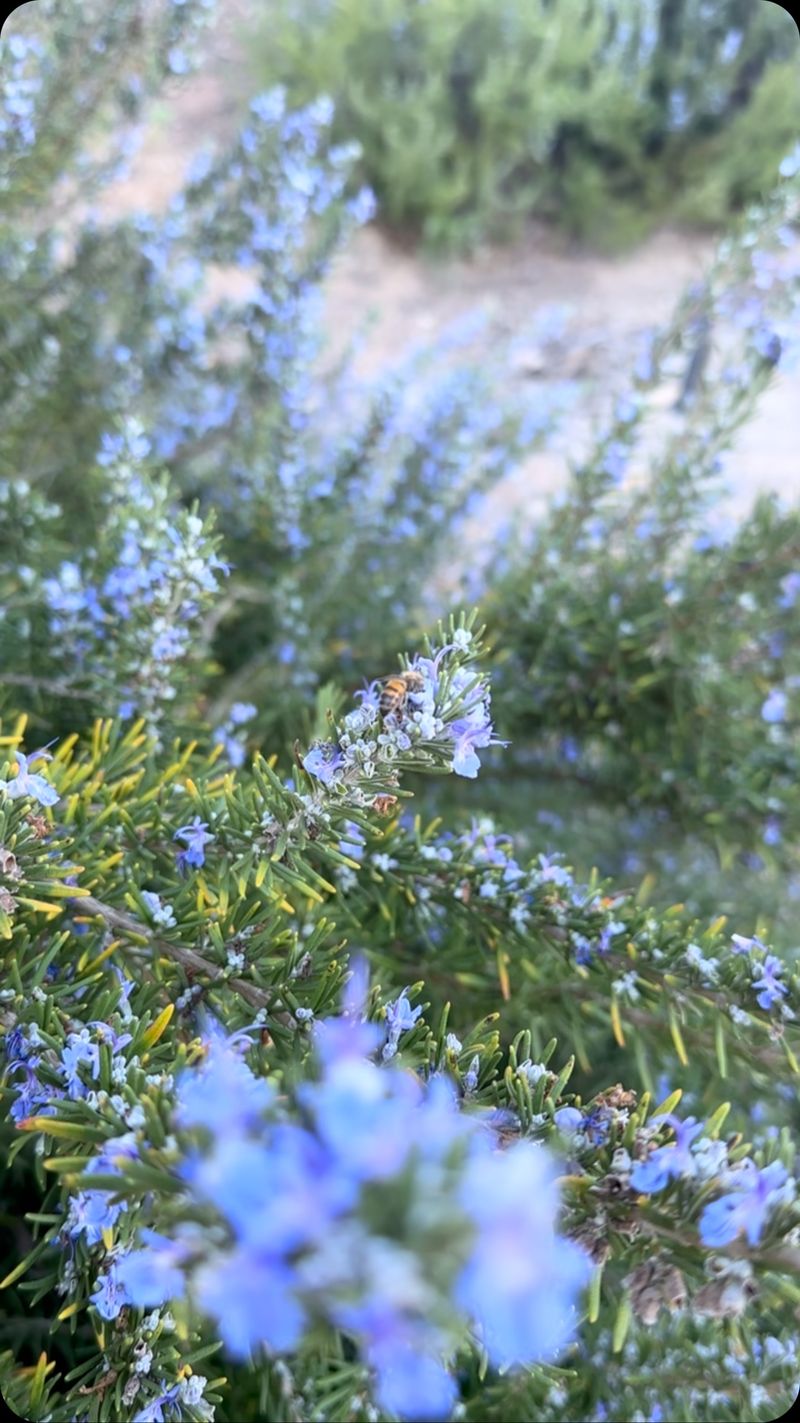
Correcting the pest-barrier claim doesn’t mean pulling rosemary out of your pots. For California homeowners dealing with water restrictions, fire risk, and a long dry summer, rosemary earns its space through documented, practical value that has nothing to do with mosquitoes or ticks.
UC IPM’s cultural guidance for rosemary recommends full sun or partial shade, well-drained soil, and regular watering during establishment. Once the root system is settled, typically after the first season, rosemary becomes genuinely drought tolerant and needs little supplemental water.
That combination of low maintenance and low water demand is exactly what California’s Mediterranean climate rewards. It grows well in containers, which makes it a flexible option for renters or homeowners who want to move plants seasonally.
UC Master Gardener guidance describes rosemary as an evergreen plant that attracts bees, butterflies, and birds when it flowers, adding ecological value alongside its kitchen utility. The blue-to-purple flower spikes that appear in late winter through spring draw native pollinators at a time when few other plants are blooming, making it a useful addition to a California pollinator garden.
The wildfire caveat is real and should not be skipped. UC Agriculture and Natural Resources guidance on landscaping for wildfire resilience identifies rosemary among plants that can catch fire more readily because of aromatic oils and dry woody material.
In fire-hazard areas, local defensible-space rules take priority over any planting preference. Keep rosemary away from structures where required, maintain adequate spacing, irrigate regularly to reduce dry material, and remove dead or woody stems.
UC Master Gardener firewise plant guidance offers additional context for choosing and placing plants in fire-prone California neighborhoods. Rosemary can be a smart choice; it just needs to be a considered one.
Remove Standing Water to Reduce Mosquitoes
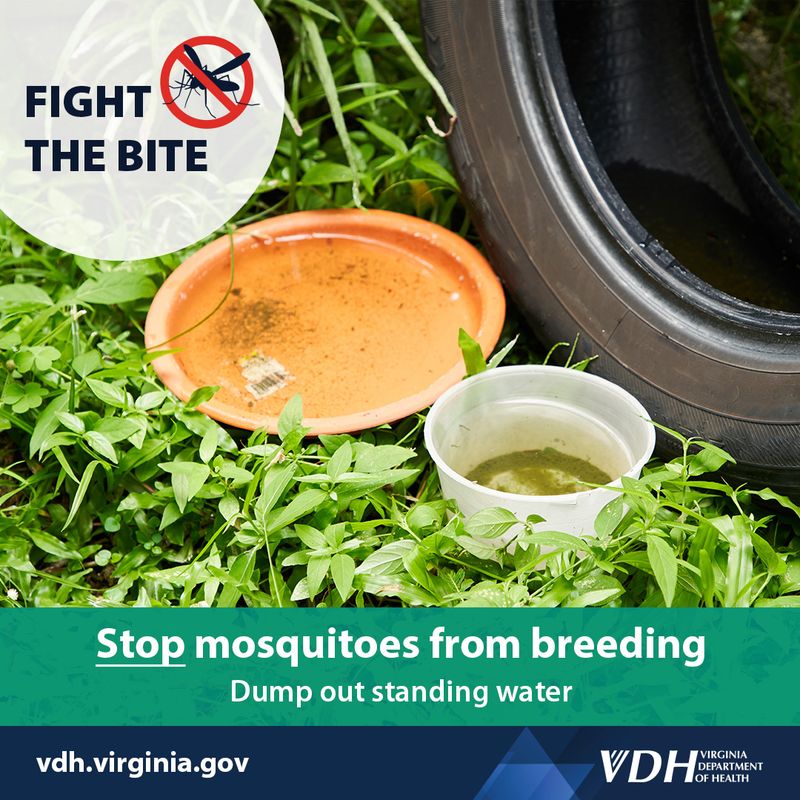
Mosquitoes need standing water to breed, and removing that water is the single most effective thing a homeowner can do to reduce how many mosquitoes show up around a deck. No plant, spray, or candle competes with cutting off the breeding supply at the source.
The Alameda County Mosquito Abatement District recommends checking and emptying any container that holds stagnant water at least once a week, because many mosquito species can complete their full life cycle from egg to biting adult in about seven days. That weekly rhythm matters more than most people realize.
A flowerpot saucer left full after a rare summer rain, a bucket left out after washing the car, or a clogged gutter holding a puddle can produce a fresh batch of mosquitoes before the week is out.
Common problem spots around a California patio include: flowerpot saucers and plant trays, birdbaths that aren’t refreshed regularly, tarps or covers that collect water in low spots, children’s toys and sand toys left outside, clogged or slow-draining gutters, and any low areas in the yard where water pools after irrigation. Larger features like ornamental ponds can be managed with mosquito dunks containing Bti, a naturally occurring bacterium that kills mosquito larvae without harming birds, bees, or other wildlife.
Source reduction won’t eliminate every mosquito, especially in neighborhoods where neighbors have standing water or where drainage ditches exist nearby. But it reliably reduces the mosquitoes that breed on your property, which is a meaningful and measurable improvement that no patio plant has matched under field conditions.
Reduce Tick Habitat Around the Deck
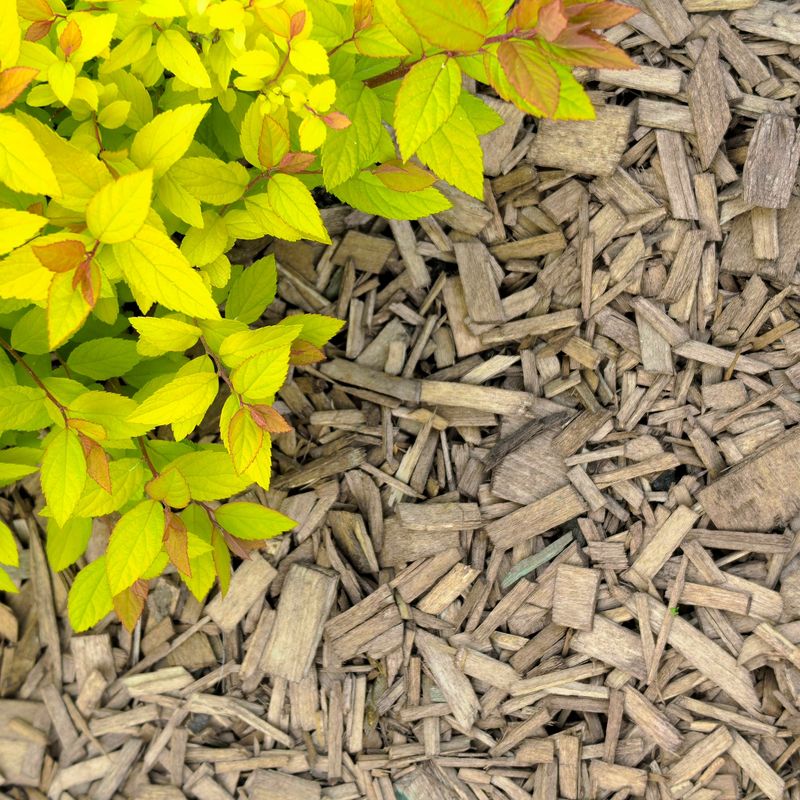
Ticks don’t travel far on their own. They climb to the tips of grass blades, low shrubs, and leaf litter and wait for a passing host.
That behavior, called questing, means the key to reducing tick contact around a deck is reducing the habitat where ticks wait, not planting something fragrant nearby.
California Department of Public Health guidance on controlling ticks around the home recommends trimming back vegetation, removing leaf and grass litter regularly, and creating a three-foot barrier of gravel or wood chips between any maintained lawn or patio area and brushy, wooded, or grassy edges. That barrier breaks the path ticks use to move from wild habitat into a maintained yard.
Moving patio furniture away from the lawn edge, shrubs, and tree lines reduces how often people sit in or near tick questing zones.
One California-specific detail that surprises many homeowners: tick season doesn’t end when summer does. CDPH tick repellent guidance notes that ticks can be found year-round in California, with activity varying by species and life stage.
Western blacklegged tick nymphs are most active in spring and early summer, while adults are most active from fall through early spring. CDPH tick-borne disease prevention information also identifies California’s common tick species, including western blacklegged ticks, Pacific Coast ticks, and American dog ticks, each with its own habitat preferences and risk profile.
Wildlife that carries ticks, including deer, rodents, and rabbits, also matters. Reducing brush piles, wood stacks near the house, and dense vegetation that shelters small mammals limits the tick-host connection that keeps local tick populations fed and reproducing.
None of these steps involve planting rosemary, but all of them have a stronger evidence base for actually reducing tick contact around a California home.
Use Labeled Repellents for Personal Protection
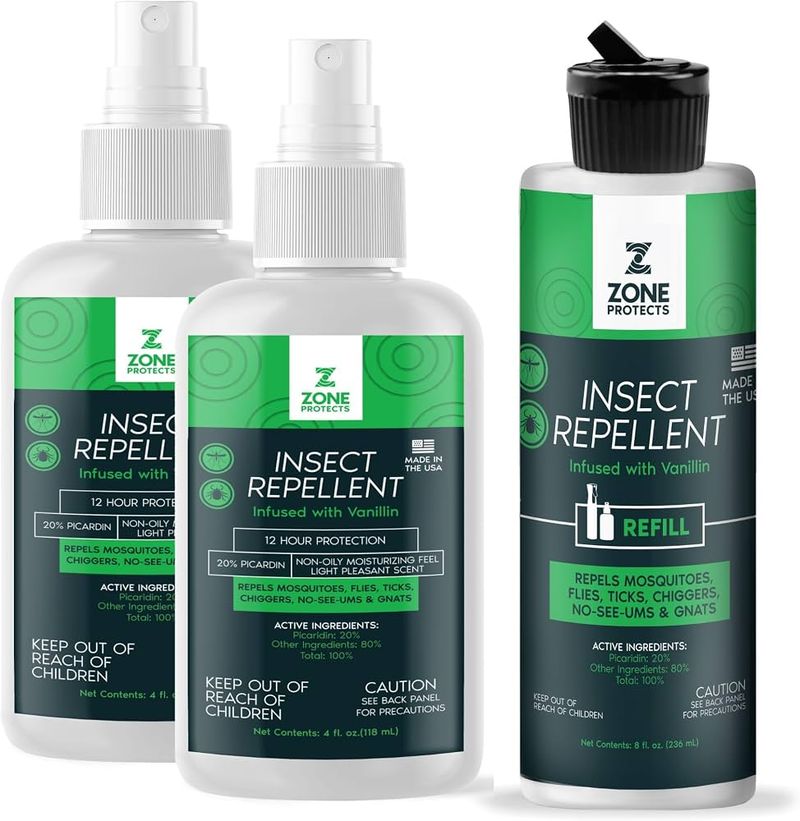
Habitat management reduces exposure, but it doesn’t eliminate it. Spending time in a garden, on a trail, or even in a well-maintained backyard during tick or mosquito season still calls for personal protection, and the products with the strongest evidence base are EPA-registered repellents.
CDC guidance on preventing tick bites recommends repellents containing DEET, picaridin, IR3535, oil of lemon eucalyptus (OLE), para-menthane-diol (PMD), or 2-undecanone. California Department of Public Health tick repellent guidance echoes those recommendations and notes that oil of lemon eucalyptus and PMD should not be used on children under three years old.
Following the label instructions for any repellent, including reapplication timing, is not optional fine print; it’s what separates reliable protection from false confidence.
For clothing, permethrin-treated garments add a meaningful layer of tick protection. Permethrin bonds to fabric and remains effective through multiple washes, and studies have found it reduces tick attachment when combined with skin-applied repellent.
The critical safety point: permethrin is for clothing and gear only. It should never be applied to skin.
Pre-treated clothing is available commercially, or clothing can be treated at home following product label directions carefully.
Penn State Extension’s repellent guidance cautions against substituting homemade plant-oil sprays, including rosemary-based ones, for tested and consistently labeled products. Homemade essential-oil preparations vary in concentration, lack standardized safety testing, and are not registered as pesticides.
They can cause skin irritation and have not been shown to provide reliable, measurable protection against ticks or mosquitoes under real outdoor conditions.
Keep the Rosemary, Drop the Pest-Free Promise
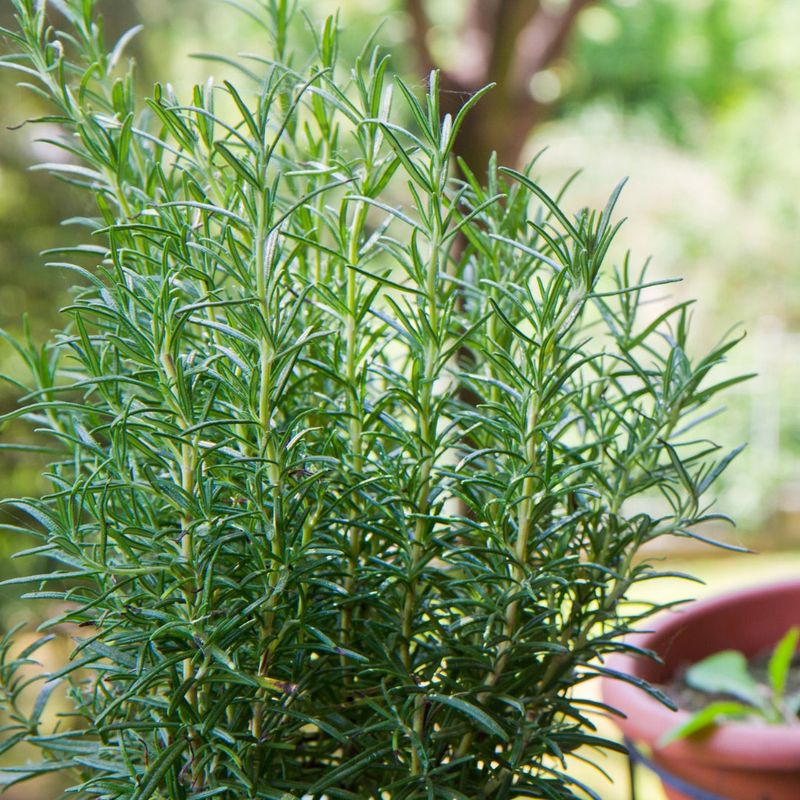
Rosemary belongs on a California patio. It’s drought tolerant, evergreen, attractive, fragrant, and genuinely useful in the kitchen.
UC IPM growing guidance confirms it thrives in California’s climate with modest care, and those are reasons enough to keep it in a pot by the door.
What rosemary is not, based on the research reviewed here, is a reliable tick-and-mosquito barrier for a California deck. The 2026 California field study found no meaningful mosquito reduction from potted rosemary under realistic outdoor conditions, and no available study has tested an intact living rosemary plant for tick protection.
The research reviewed does not rule out every possible patio plant or every set of conditions, but it does not support the season-long, two-pest promise either.
The practical plan is straightforward: grow rosemary for its real value, empty anything holding standing water every week per Alameda County Mosquito Abatement District recommendations, trim vegetation and create a gravel or wood-chip border per CDPH tick habitat guidance, and use an EPA-registered repellent when you’re spending time outdoors. A beautiful herb that feeds your kitchen and attracts bees is a genuine win; expecting it to also function as an invisible pest fence is just one job too many.