 Complete Gardening
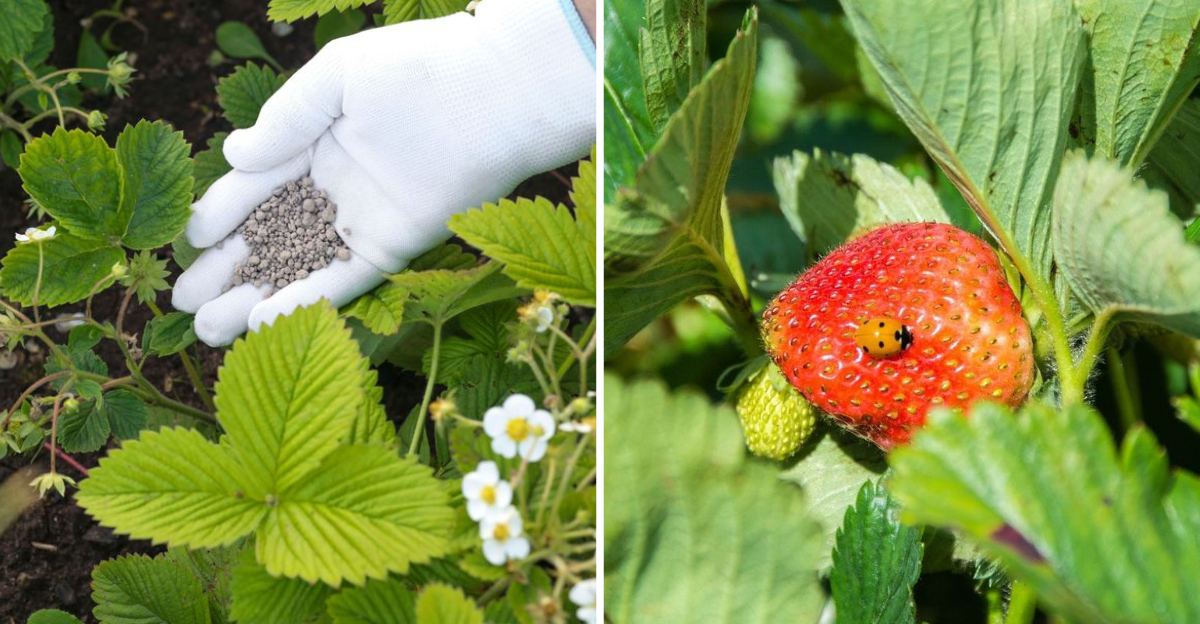
The allure of homegrown strawberries lies in their unmatched sweetness and juiciness. Growing these luscious berries in your own garden can be a rewarding experience, but it requires some insider knowledge to ensure they thrive and produce the best fruit. Whether you’re a seasoned gardener or a novice with a green thumb, understanding the secrets to cultivating juicy strawberries can transform your harvest. From choosing the right variety to mastering watering techniques, this guide will reveal essential tips and tricks. Read on to discover how to cultivate strawberries that burst with flavor and vitality.
Choose the Right Variety
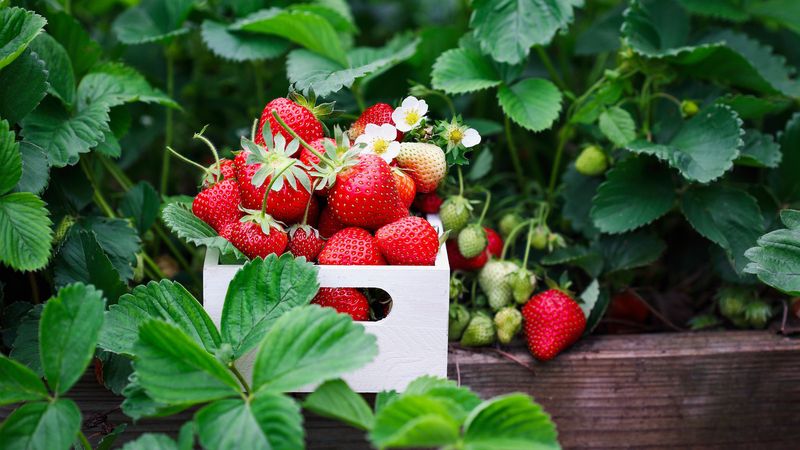
Choosing the right strawberry variety can significantly impact the juiciness of your harvest. Some varieties are naturally sweeter and more flavorful. For example, the ‘Albion’ and ‘Seascape’ varieties are renowned for their juicy fruits.
Evaluate your local climate and soil conditions to determine the best varieties for your garden. Certain strawberries thrive in cooler climates, while others flourish in warmth.
Researching and selecting the right variety suited to your conditions will lay the foundation for a bountiful and juicy strawberry harvest. Happy growing!
Optimize Sunlight Exposure
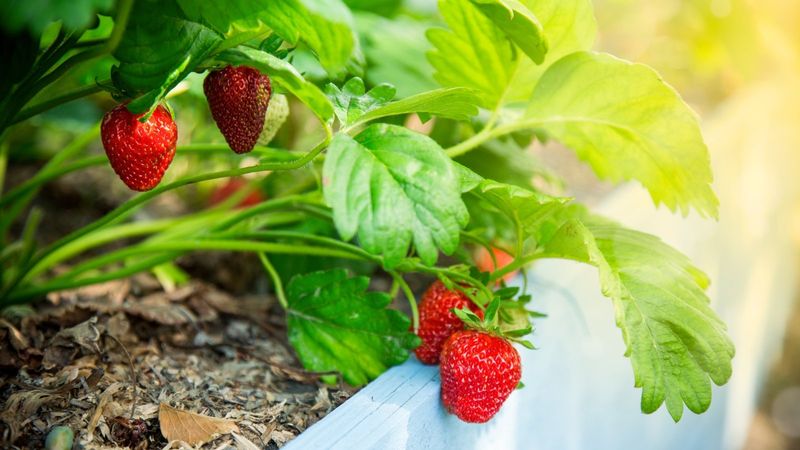
Sunlight is a key factor in growing juicy strawberries. These plants require full sun, ideally 6-8 hours daily, to develop their full flavor.
Ensure your strawberry patch is located in an area that receives ample sunlight throughout the day. Avoid spots with excessive shade, as this can stunt growth and reduce fruit quality.
By optimizing sunlight exposure, you not only boost growth but also enhance the sweetness and juiciness of your strawberries.
Maintain Optimal Moisture Levels
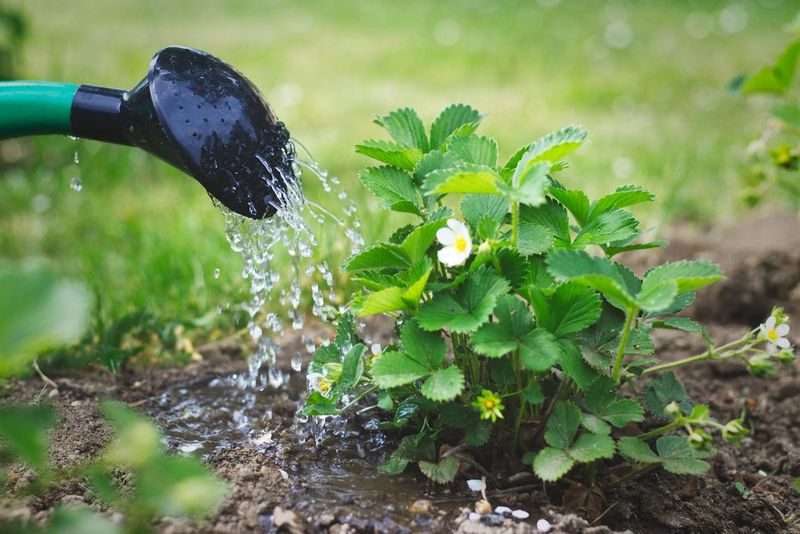
Strawberries need consistent moisture to remain juicy. However, overwatering can lead to root rot. Keeping soil consistently moist, not soggy, is ideal.
Implementing drip irrigation can help manage moisture levels effectively. Consider mulching with straw to retain soil moisture and suppress weeds.
Balance is key, and maintaining the right moisture level ensures that your strawberries grow plump and flavorful.
Proper Fertilization Techniques
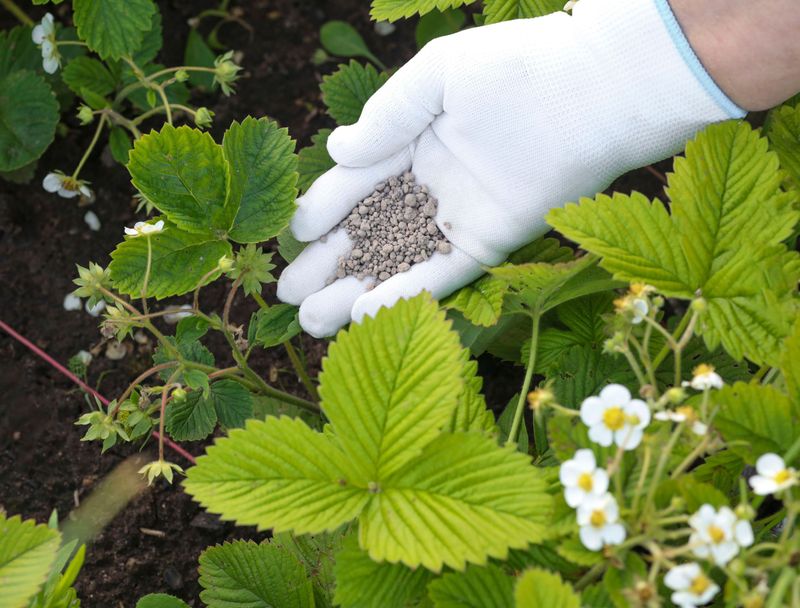
Proper fertilization is crucial for producing juicy strawberries. Organic fertilizers like compost or well-rotted manure can boost soil fertility.
Apply fertilizer at the beginning of the growing season and again after the first harvest to provide essential nutrients.
Choose fertilizers that are rich in potassium and phosphorus to enhance fruit development. Healthy soil results in succulent strawberries.
Protect from Pests and Diseases
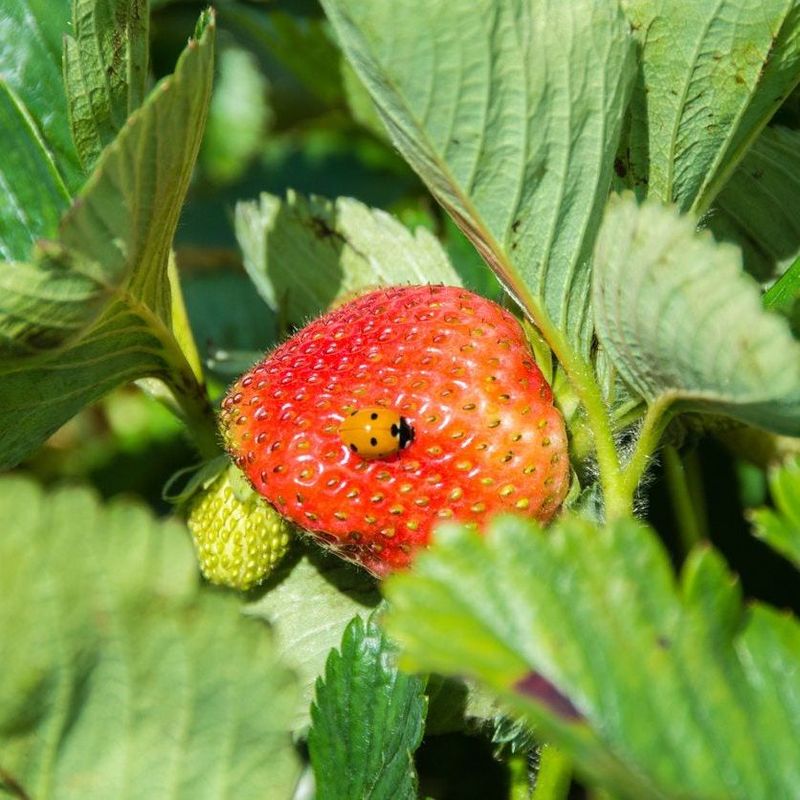
Pest and disease control is vital for juicy strawberries. Common pests include slugs and aphids, while diseases like gray mold can affect fruit quality.
Using natural predators, such as ladybugs, or installing netting can protect your plants.
Regularly inspect your garden and remove any infected plants promptly. A proactive approach ensures healthy, juicy strawberries.
Companion Planting with Borage
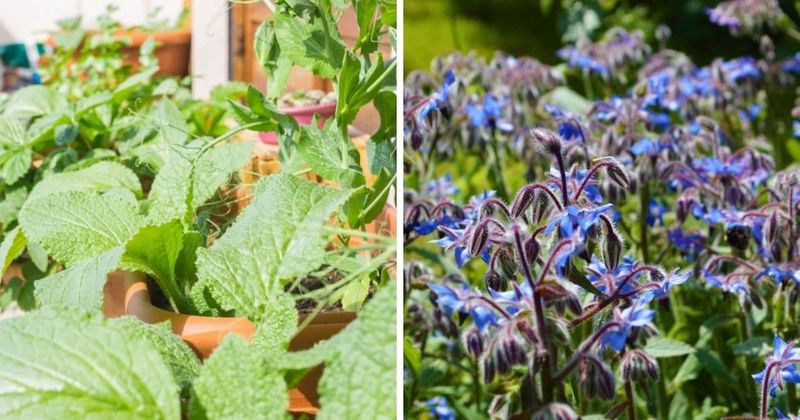
Did you know that borage can be a strawberry’s best friend in the garden? This hardy herb not only deters pests but also enhances the growth of strawberry plants. Its beautiful blue flowers attract pollinators, which boost fruit production. Plant borage nearby, and watch your strawberries thrive! The symbiotic relationship benefits both plants, ensuring a bountiful harvest. Borage’s natural properties improve soil health, contributing to the overall vigor of your strawberry patch. Embrace this natural gardening hack to elevate your strawberry game.
Mulching with Pine Straw
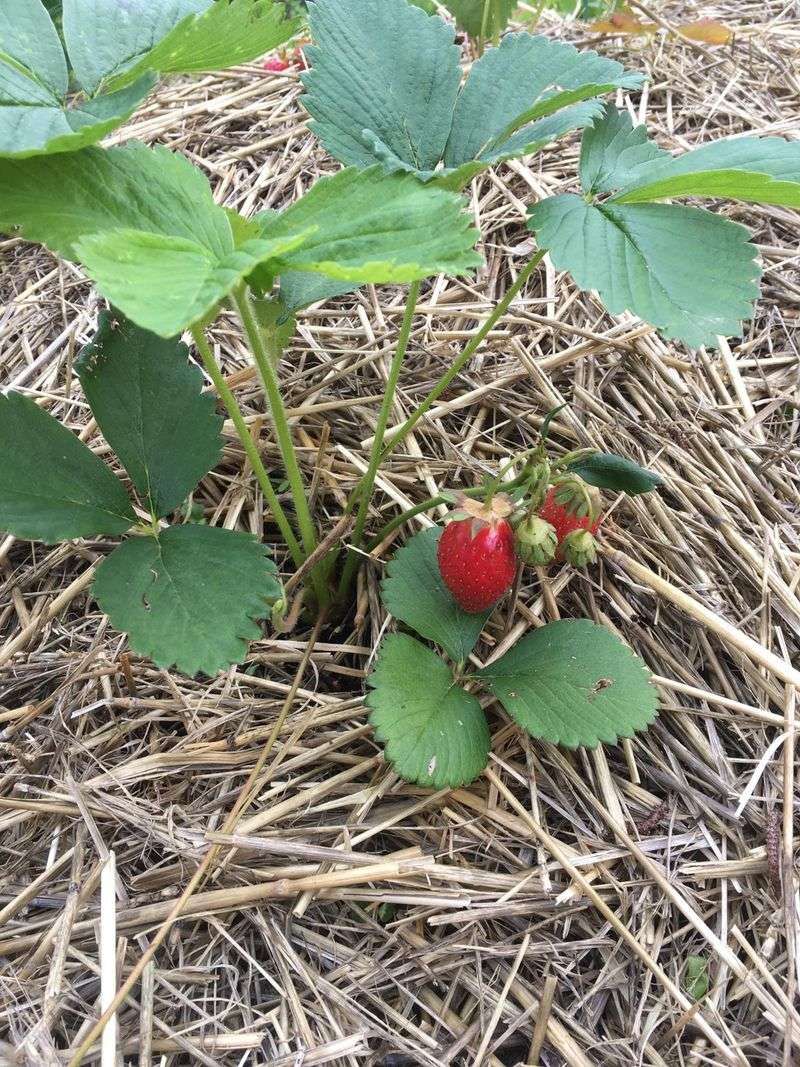
Have you considered using pine straw as a mulch for your strawberries? This natural mulch helps retain moisture, keeps weeds at bay, and enhances soil acidity, which strawberries love. Pine straw creates a warm bed for strawberries, preventing soil compaction and improving root health. As it breaks down, it enriches the soil with essential nutrients. This eco-friendly option ensures your strawberries have the perfect growing environment, leading to juicier fruits. Give pine straw a try and see the difference it makes in your garden.
Regular Pruning for Healthier Plants
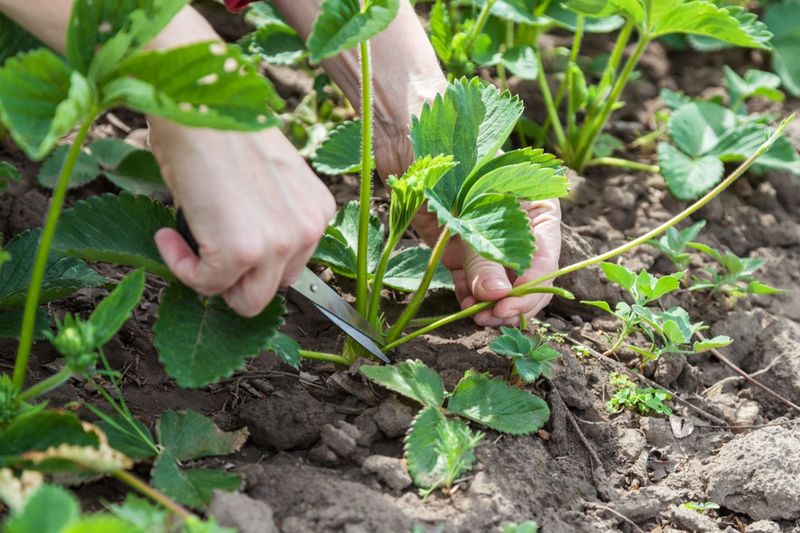
Regular pruning is key to maintaining healthy strawberry plants. By removing old leaves and excess runners, you allow the plant to focus its energy on producing delicious fruits. Pruning encourages air circulation, reducing the risk of fungal diseases. It also stimulates new growth, leading to more robust plants. Don’t overlook this essential task if you want a flourishing strawberry garden. With a little attention, your strawberries will reward you with an abundance of succulent berries. Make pruning a part of your routine, and enjoy the benefits it brings.
Intercropping with Spinach
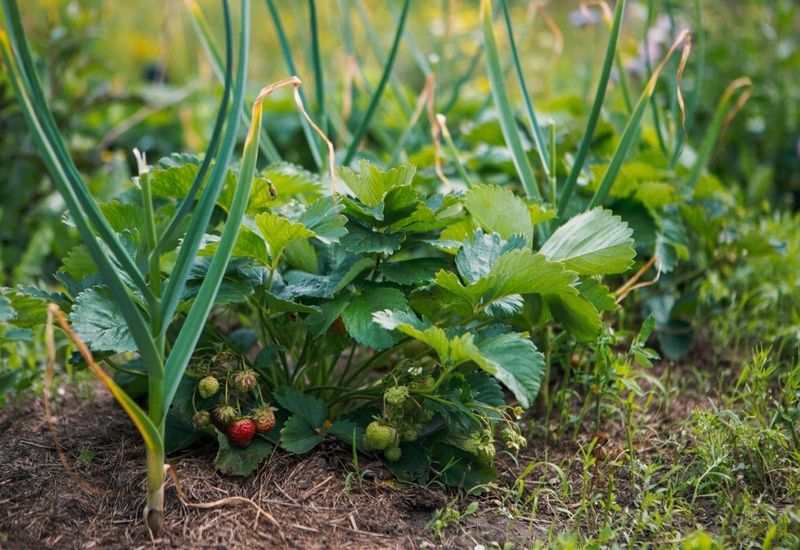
Intercropping strawberries with spinach is a clever gardening strategy. These two plants complement each other well, with spinach providing ground cover that reduces weed growth. The leafy greens of spinach protect the soil, keeping it cool and moist, which strawberries thrive in. Meanwhile, strawberries benefit from the nutrients spinach adds to the soil. This harmonious pairing leads to a healthier garden and juicier fruits. Try intercropping to maximize space and yield in your garden. It’s a win-win situation for both plants!
Using Coffee Grounds as Fertilizer
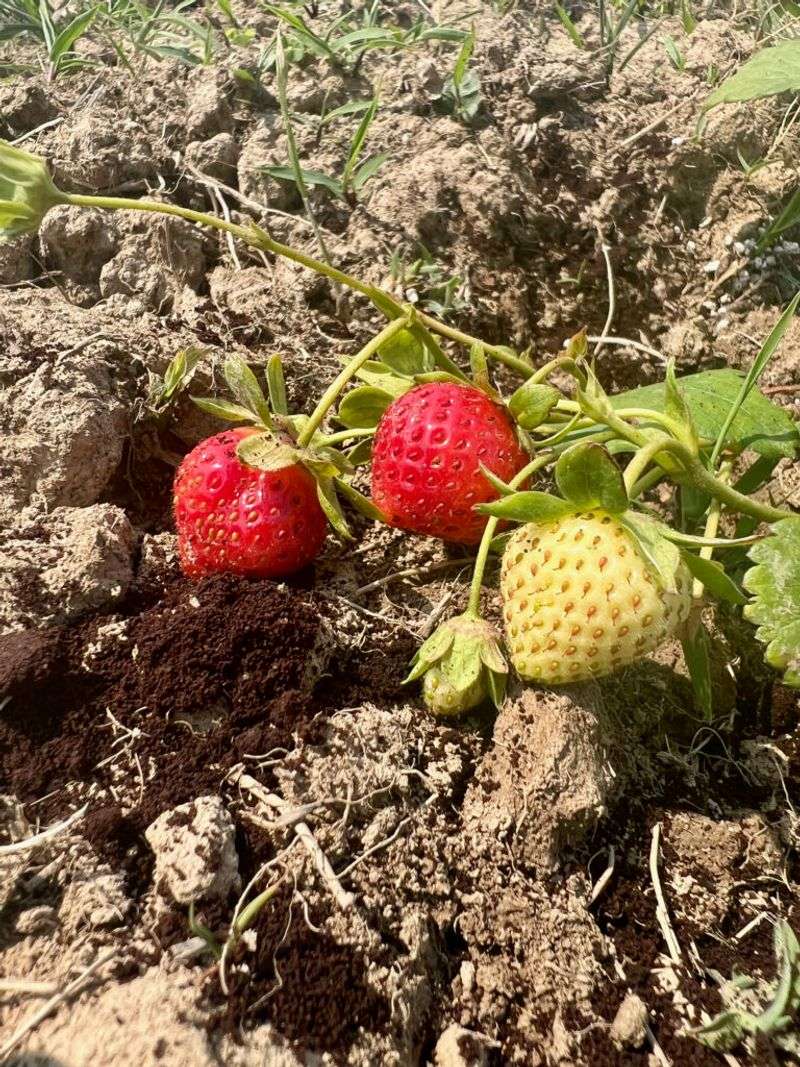
Coffee grounds are a fantastic, sustainable fertilizer for strawberries. Rich in nitrogen, they provide essential nutrients that encourage growth and fruit production. Scatter used coffee grounds around your plants to improve soil structure and attract beneficial earthworms. This eco-friendly practice not only reduces waste but also enhances the flavor of your strawberries. Coffee grounds help maintain optimal soil acidity, which strawberries love. It’s a simple yet effective way to boost your garden’s productivity. Give your strawberries a caffeine kick and enjoy the results!
Drip Irrigation for Consistent Moisture
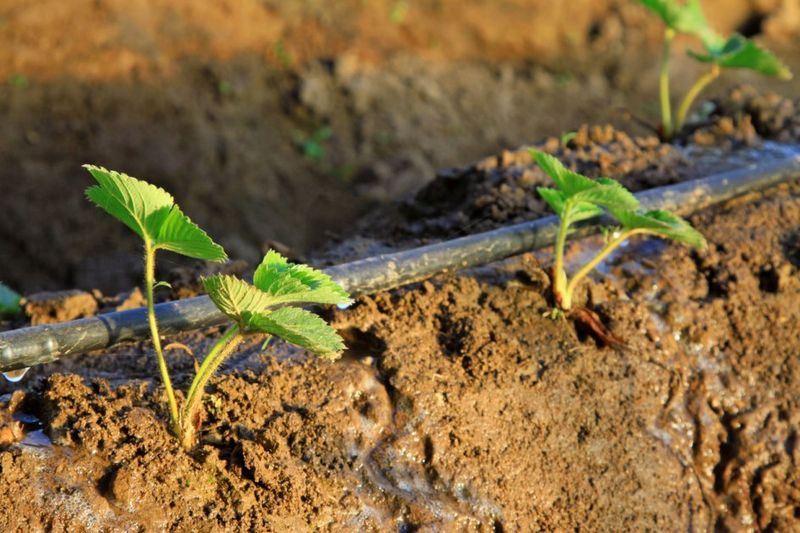
Drip irrigation is a game-changer for strawberry growers, providing consistent moisture directly to the roots. This efficient system minimizes water wastage and helps prevent diseases caused by wet foliage. By keeping the soil evenly moist, drip irrigation supports steady growth and enhances fruit quality. Installing a drip system is an investment in the health of your strawberry plants. It ensures they receive the right amount of water, reducing stress and promoting juicier berries. Consider this modern solution for a bountiful harvest.
Netting to Prevent Bird Damage
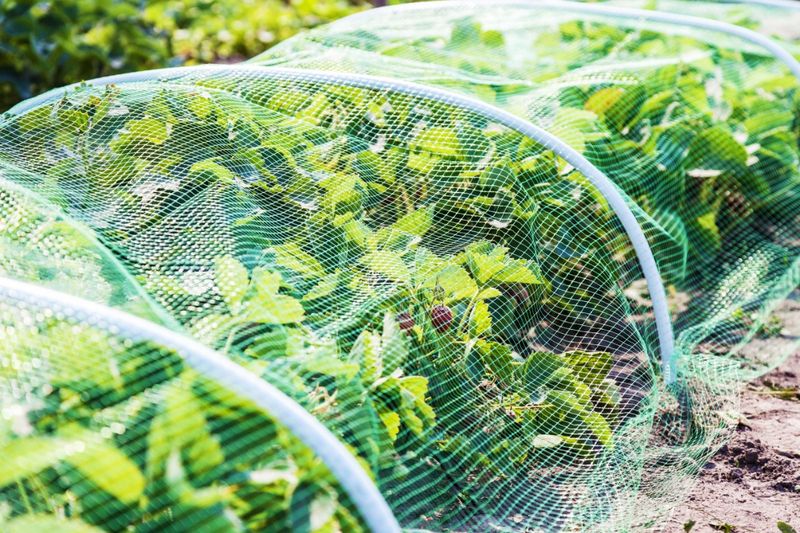
Birds love strawberries as much as we do, which can lead to significant fruit loss. Protect your harvest with bird netting, a simple yet effective solution. This barrier keeps birds at bay while allowing sunlight and rain to nourish your plants. Netting ensures your hard work doesn’t go to waste, preserving every juicy berry. It’s easy to install and adjust, making it a practical choice for any gardener. Enjoy peace of mind knowing your strawberries are safe from feathered intruders. Keep your garden fruitful and bird-free!
Soil Testing for Nutrient Balance
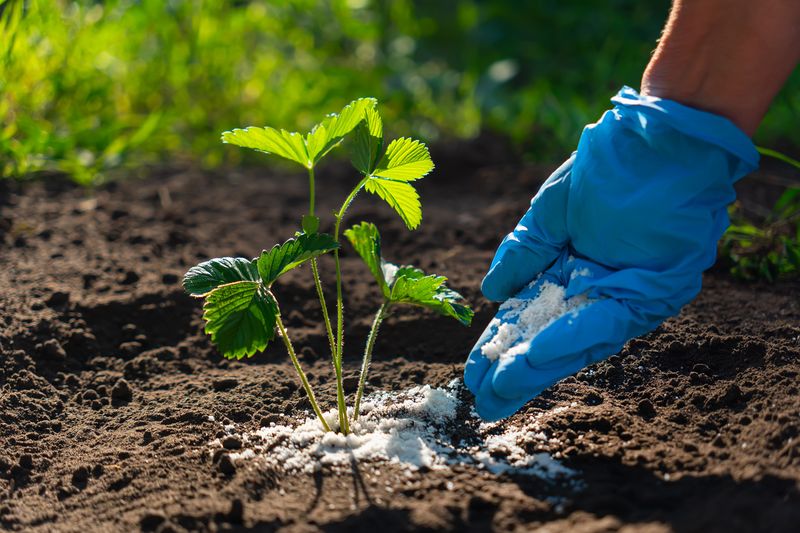
Understanding your soil’s nutrient balance is crucial for growing juicy strawberries. Conduct regular soil tests to determine the specific needs of your plants. By adjusting nutrient levels, you can optimize the growing environment, leading to healthier plants and sweeter berries. Soil testing provides valuable insights that guide fertilization strategies. This proactive approach helps prevent deficiencies and promotes vigorous growth. Don’t guess when it comes to soil health—test and adjust for the best results. Achieve a thriving strawberry patch with informed care.
Using Epsom Salt for Magnesium Boost
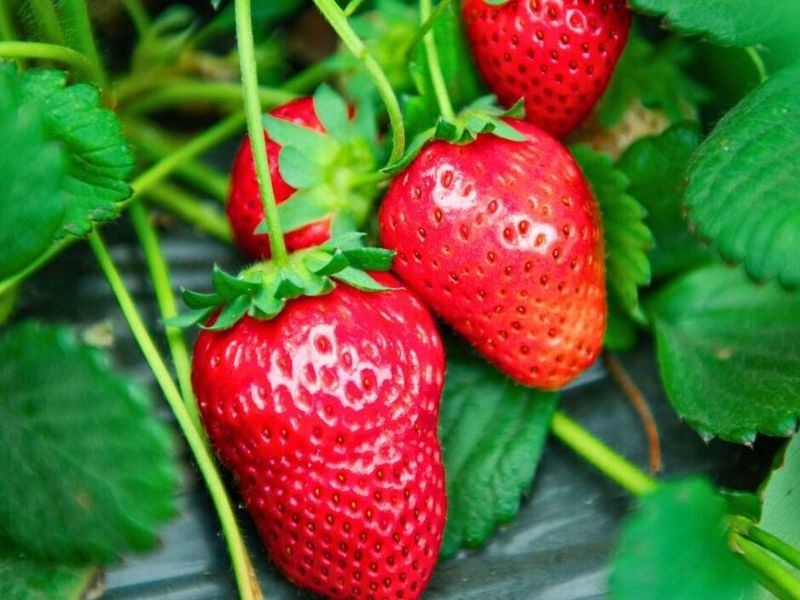
Epsom salt can be a gardener’s secret weapon for strawberries, providing a much-needed magnesium boost. Magnesium is essential for photosynthesis and fruit development. By adding Epsom salt to your soil, you enhance the overall health and productivity of your strawberry plants. It’s an easy and affordable way to ensure your strawberries get the nutrients they need. This simple addition can lead to larger, juicier berries. Embrace Epsom salt as part of your gardening routine and enjoy the benefits it brings to your harvest.
Natural Pollinators: Attracting Bees
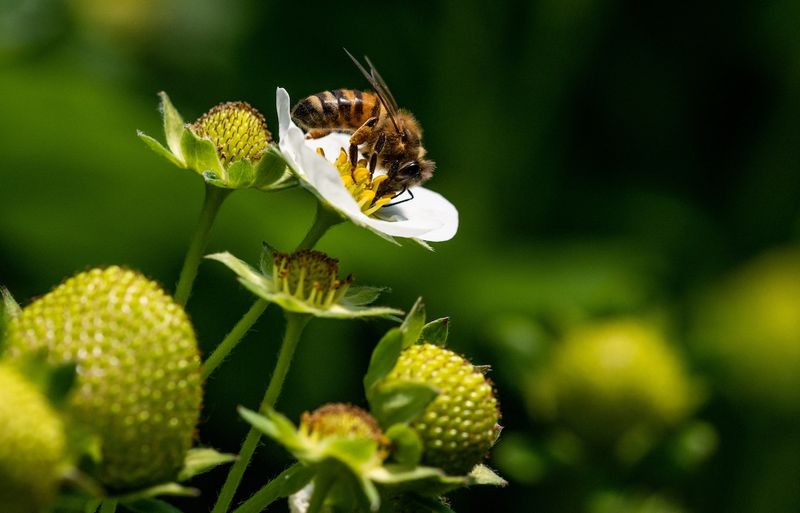
Bees play a vital role in strawberry production, aiding in pollination and fruit set. Create a bee-friendly environment in your garden to encourage their presence. Plant a variety of flowers that bloom throughout the growing season, providing a continuous food source. Healthy pollination leads to more uniform and abundant fruit. By supporting these natural pollinators, you enhance the growth and quality of your strawberries. It’s a win-win for both bees and your garden. Cultivate a buzzing haven and reap the rewards of nature’s helpers.
Avoiding Overcrowding for Better Airflow
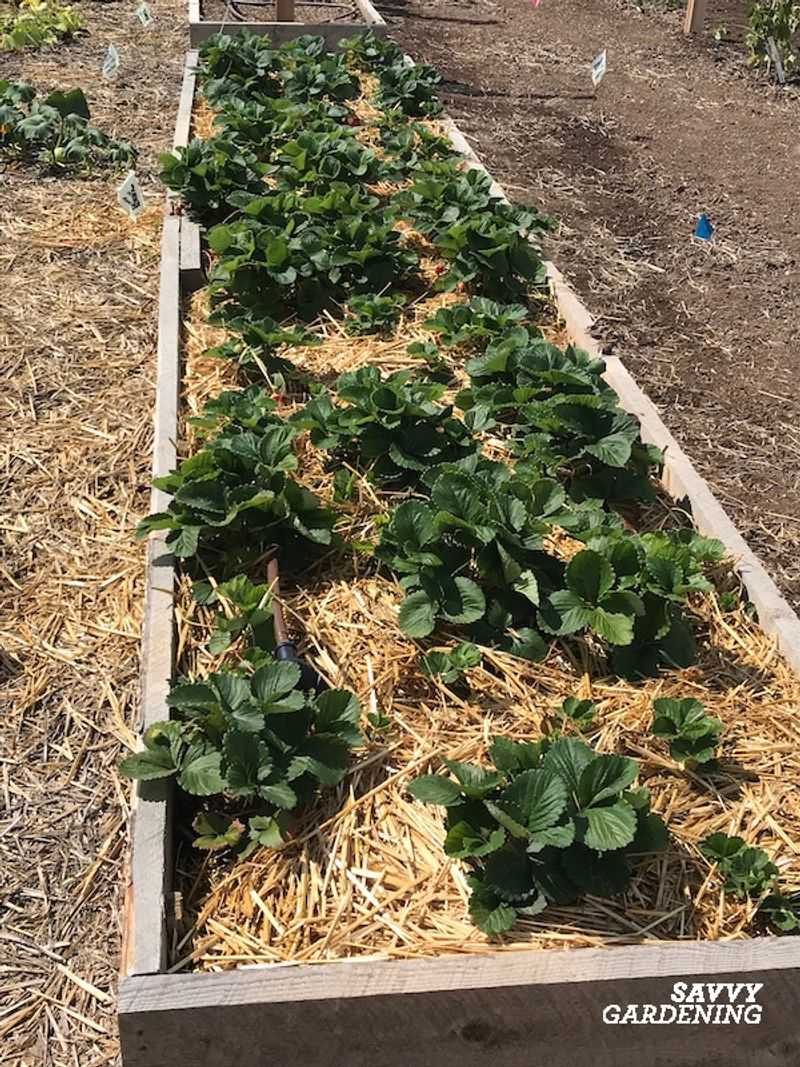
Overcrowding is a common mistake that can impact the health of your strawberries. Proper spacing ensures good air circulation, reducing the risk of diseases and promoting robust growth. By giving each plant room to breathe, you allow sunlight to reach all parts, enhancing photosynthesis. This thoughtful arrangement supports larger and juicier fruits. Avoid the temptation to plant too closely; your strawberries will thank you for it. Invest in strategic spacing for a thriving and productive garden.
Using Straw for Winter Protection
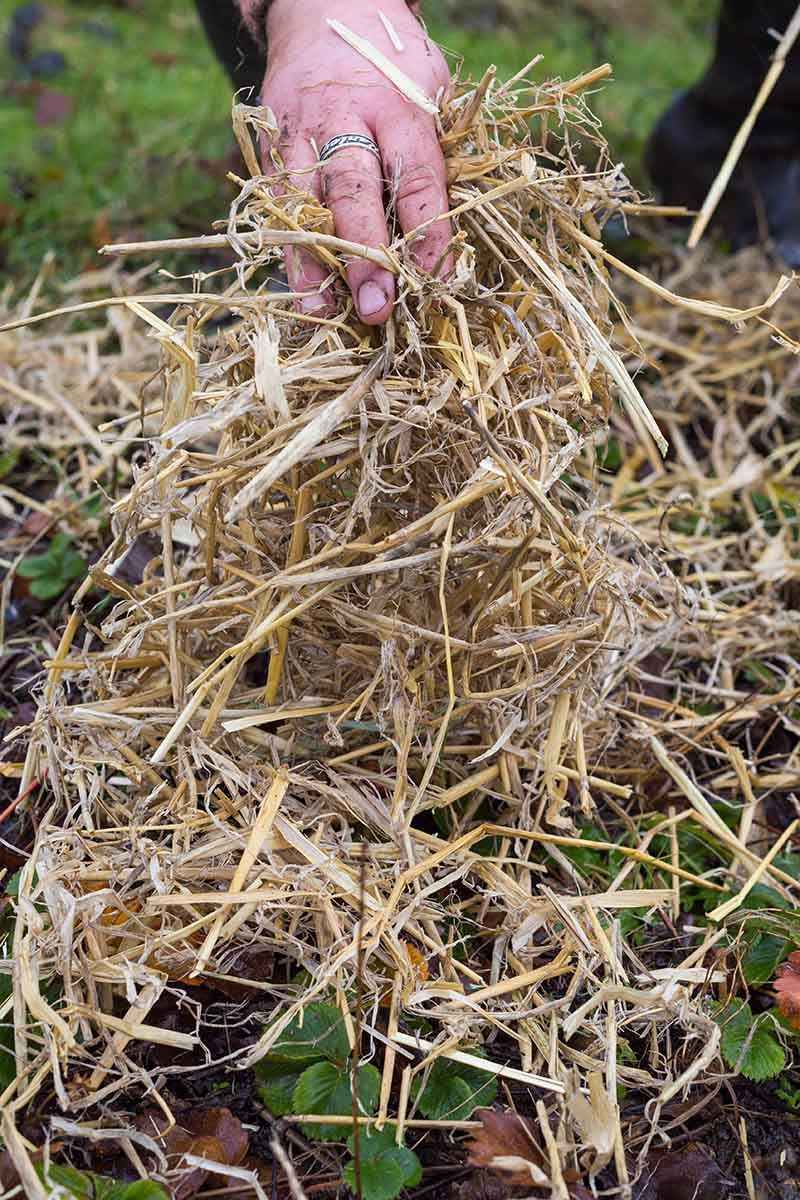
Straw is an excellent insulator for strawberries during the colder months. By covering your plants with straw, you protect them from harsh winter conditions. This natural blanket retains soil warmth and prevents freeze damage. In spring, the straw can be removed to allow new growth. It’s a simple step that can make a significant difference in the health of your strawberries. Ensure your plants survive winter and emerge ready to produce juicy fruits. Embrace straw as a winter shield for your garden’s future bounty.