 Complete Gardening

Zucchini, a popular summer squash, thrives in gardens around the world. Despite its common nature, growing zucchini involves certain nuances and undisclosed rules that remain unnoticed by many gardeners. These rules, though seemingly unconventional, can significantly impact your zucchini harvest. From planting techniques to pest control strategies, these insights can transform your gardening experience. Let’s explore the secret truths about zucchini growing that are seldom discussed. Here, we unravel these 17 hidden rules to help you cultivate zucchini successfully and enjoy a bountiful harvest. Whether you’re a novice or seasoned gardener, these tips will offer new perspectives.
1. Zucchini Whispering
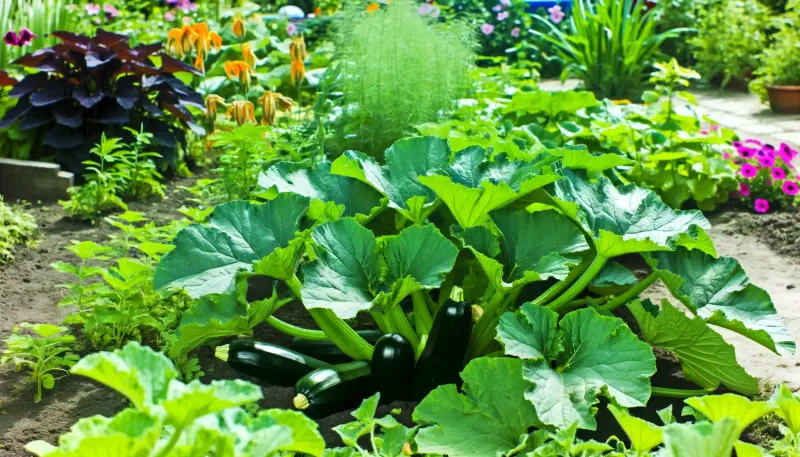
Whispering to zucchini plants might sound odd, yet some gardeners swear by its effectiveness. The idea is that plants respond to the vibrations and carbon dioxide from human speech. This gentle interaction can encourage healthier growth. A 45-year-old gardener shares stories of increased yields through this peculiar practice. There’s no scientific evidence, but the anecdotal success is intriguing. Picture a serene garden where soft words nurture vibrant plants. It’s a practice steeped in tradition rather than science, yet it adds a unique touch to the gardening routine. Could it be the secret to thriving zucchini plants?
2. Moonlight Planting

Planting zucchini under the glow of the moon is an ancient practice that some believe enhances growth. This rule connects gardening with lunar phases, suggesting that certain moon phases influence plant vitality. Envision a garden bathed in soft moonlight as shimmering leaves drink in the serene night energy. While skeptics remain, enthusiasts claim increased yields and robust plants. This practice combines mystique with tradition, adding an enchanting element to gardening. It might not be everyone’s choice, but for some, it’s the magical touch their zucchini plants need. A whimsical, yet captivating gardening secret.
3. Coffee Grounds Boost
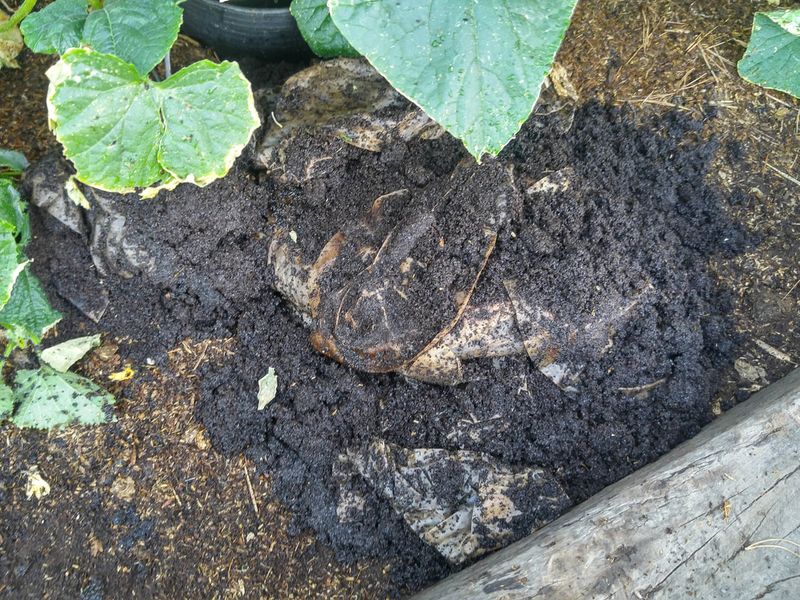
Who knew your morning brew could benefit zucchini plants? Using coffee grounds as a mulch or fertilizer is a secret some gardeners utilize. Rich in nitrogen, coffee grounds can enhance soil texture and provide essential nutrients. Imagine sprinkling remnants of your espresso around lush zucchini plants, invigorating them with every application. This cost-effective and eco-friendly method supports sustainable gardening practices. It’s like giving your garden a caffeine boost! Recycling kitchen waste into garden gold, this tip is a practical yet lesser-known gardening strategy. Perfect for those who aim for zero-waste gardening with a hint of innovation.
4. Companion Planting with Marigolds
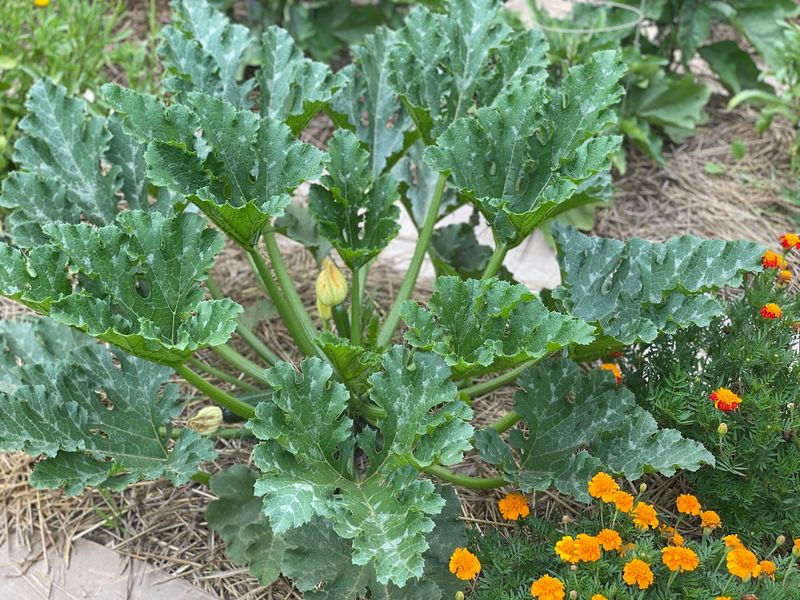
Marigolds and zucchini make the perfect pair in the garden. Known for their vibrant colors and pest-repelling properties, marigolds offer zucchini protection from nematodes and other harmful pests. The dazzling display of marigold blooms adds beauty while silently working to safeguard your harvest. This partnership, rooted in companion planting wisdom, creates a harmonious garden environment. Visualize a colorful, thriving space where each plant contributes to the other’s success. A delightful alliance that enhances growth and ensures a pest-free zucchini crop. This secret rule brings together aesthetics and functionality, a gardener’s dream collaboration.
5. Baking Soda for Mildew
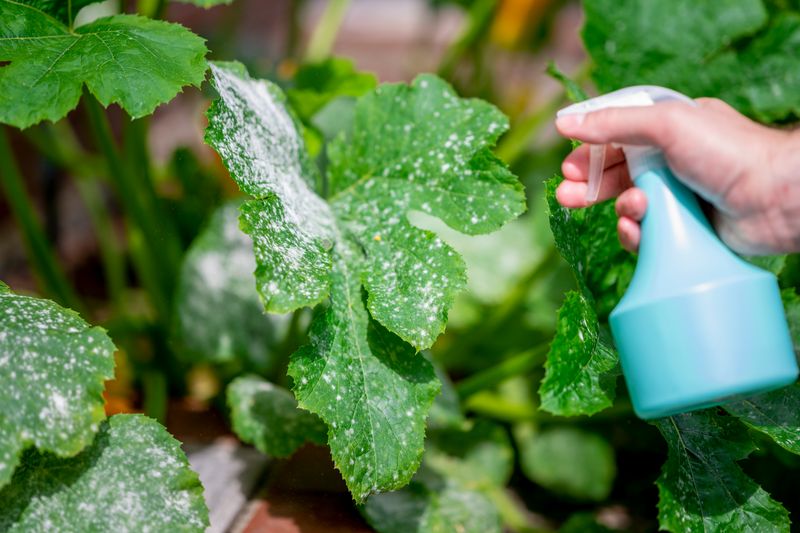
Tackling powdery mildew on zucchini leaves with baking soda is a remedy not widely known but highly effective. A simple mix of baking soda and water can combat this common fungal issue. Picture a 35-year-old gardener gently misting zucchini leaves with this solution, watching as the mildew recedes. This method, both inexpensive and non-toxic, offers an eco-friendly alternative to chemical treatments. A staple in home remedies, baking soda transforms into a garden ally, safeguarding your plants. For those seeking natural solutions, this tip offers hope and resilience against a prevalent gardening challenge.
6. Eggshell Fertilizer
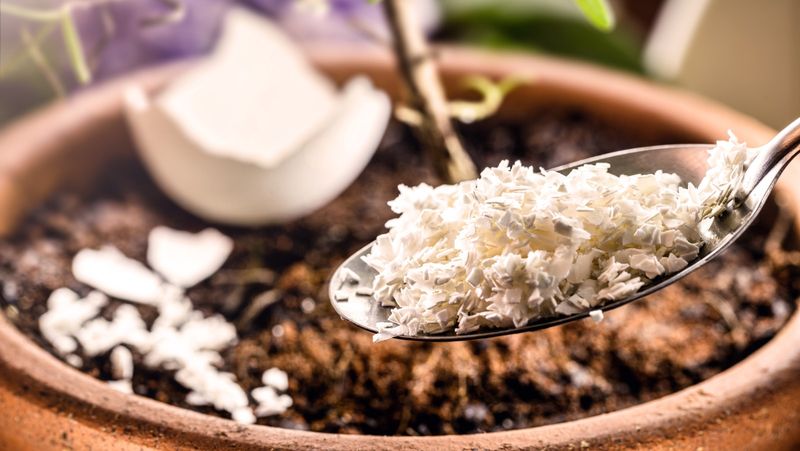
Eggshells, often discarded, hold a gardening secret for zucchini enthusiasts. Rich in calcium, they can be crushed and added to soil, enhancing nutrient availability. Visualize the sun-dappled garden where eggshells provide a slow-release nutrient boost, strengthening plant cell walls. This practice, both sustainable and cost-effective, embodies the essence of recycling kitchen waste into valuable garden resources. A simple step that contributes to healthier and more productive zucchini plants. Harnessing the power of everyday waste, this tip transforms the mundane into the extraordinary. For eco-conscious gardeners, eggshells offer a hidden advantage.
7. Mulching with Newspaper

Newspaper mulch, a surprising yet effective method for zucchini cultivation, aids in moisture retention and weed suppression. The sight of zucchini thriving amidst layers of repurposed newsprint creates a rustic garden charm. This technique, both practical and eco-friendly, reduces garden waste while enhancing plant health. Picture a garden where yesterday’s headlines become today’s gardening ally, a testament to resourcefulness. For those who cherish sustainability, newspaper mulch represents a fusion of innovation and tradition. A lesser-known strategy that supports vigorous growth and a cleaner garden environment, this secret rule is a celebration of ingenuity.
8. Epsom Salt Enrichment
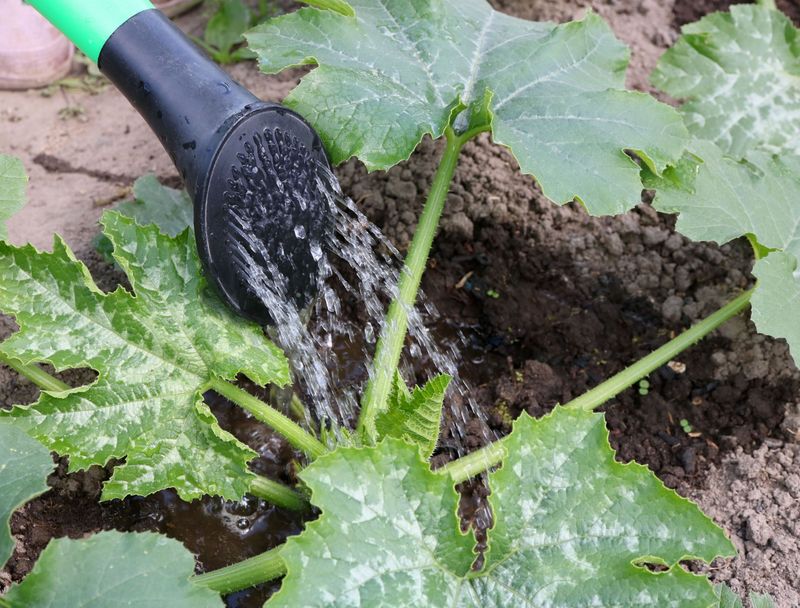
Epsom salt, rich in magnesium, is a secret weapon for zucchini growers. Sprinkling it around plants can enhance nutrient uptake and bolster growth. A 50-year-old gardener shares tales of lush harvests thanks to this mineral boost. Imagine sunlit gardens where zucchini leaves flourish, each application nurturing vibrant greenery. This affordable method, rooted in simplicity, elevates gardening success without chemical interventions. For those seeking to improve plant health naturally, Epsom salt offers an accessible and effective solution. Embrace the potential of this humble mineral and unlock the secret vitality of your zucchini plants.
9. Planting in Hills
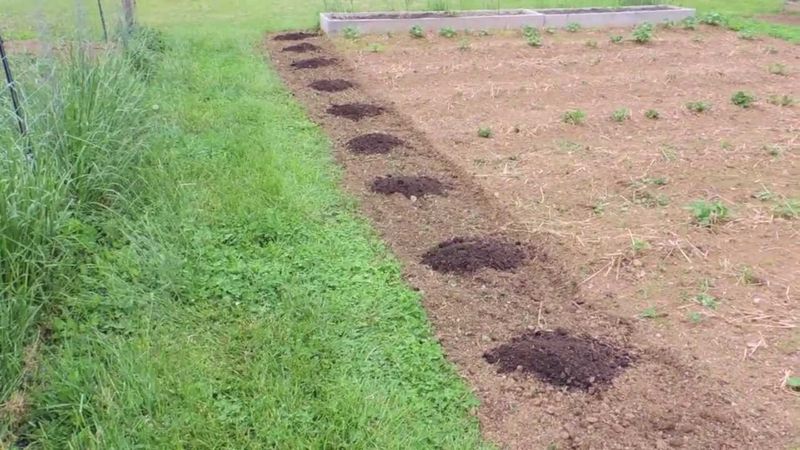
Planting zucchini in hills is a traditional technique that enhances drainage and root growth. Imagine small mounds of earth under a clear blue sky, each nurturing a promising zucchini seedling. This method promotes air circulation and prevents waterlogging, key factors for healthy plants. It’s a practice that harkens back to age-old farming wisdom, offering modern gardeners a reliable blueprint for success. With roots reaching deep into the nutrient-rich soil, zucchini thrives, rewarding the gardener’s effort. Embrace this timeless strategy for a bountiful harvest, where the landscape mirrors nature’s gentle slopes.
10. Rotating Crops

Crop rotation, a fundamental agricultural practice, holds secrets for zucchini growers. By changing planting locations annually, you reduce pest buildup and soil depletion. Envision a well-organized garden, where zucchini plants shift positions each season, maintaining soil vitality. This strategy not only supports healthier plants but also encourages biodiversity. It speaks to the gardener’s foresight and adaptability, preventing monoculture pitfalls. For those committed to sustainable cultivation, crop rotation offers a methodical approach to long-term success. Discover the balance between tradition and innovation with this indispensable gardening rule.
11. Chicken Wire Protection

Protecting zucchini plants from pests with chicken wire is a straightforward yet effective strategy. Visualize a rustic garden where zucchini grows safely behind a mesh barrier, shielded from critters. This method, simple yet ingenious, prevents damage while allowing sunlight and rain to nourish the plants. For gardeners battling persistent pests, chicken wire offers a practical solution that blends seamlessly with the garden’s aesthetics. It’s a testament to resourceful gardening, where protection and productivity go hand in hand. Embrace this hidden gem for a healthier, more resilient zucchini crop.
12. Fish Emulsion Feeding
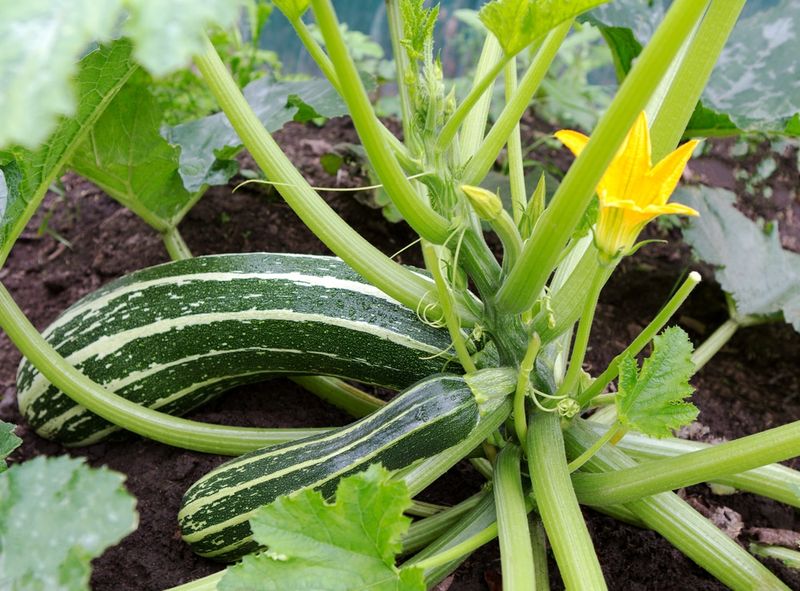
Fish emulsion, a potent organic fertilizer, provides zucchini plants with essential nutrients. Picture a 42-year-old gardener by a tranquil pond, mixing this rich concoction for their thriving zucchini. Derived from fish remains, it offers a nutrient-rich boost, promoting vigorous growth. This practice connects garden care with natural cycles, embodying sustainable fertilization. For those seeking nutrient-dense solutions, fish emulsion delivers remarkable results. It’s a lesser-known yet highly effective method, transforming garden maintenance into an eco-friendly endeavor. Discover the power of nature’s own fertilizer in your zucchini cultivation journey.
13. Hand Pollination
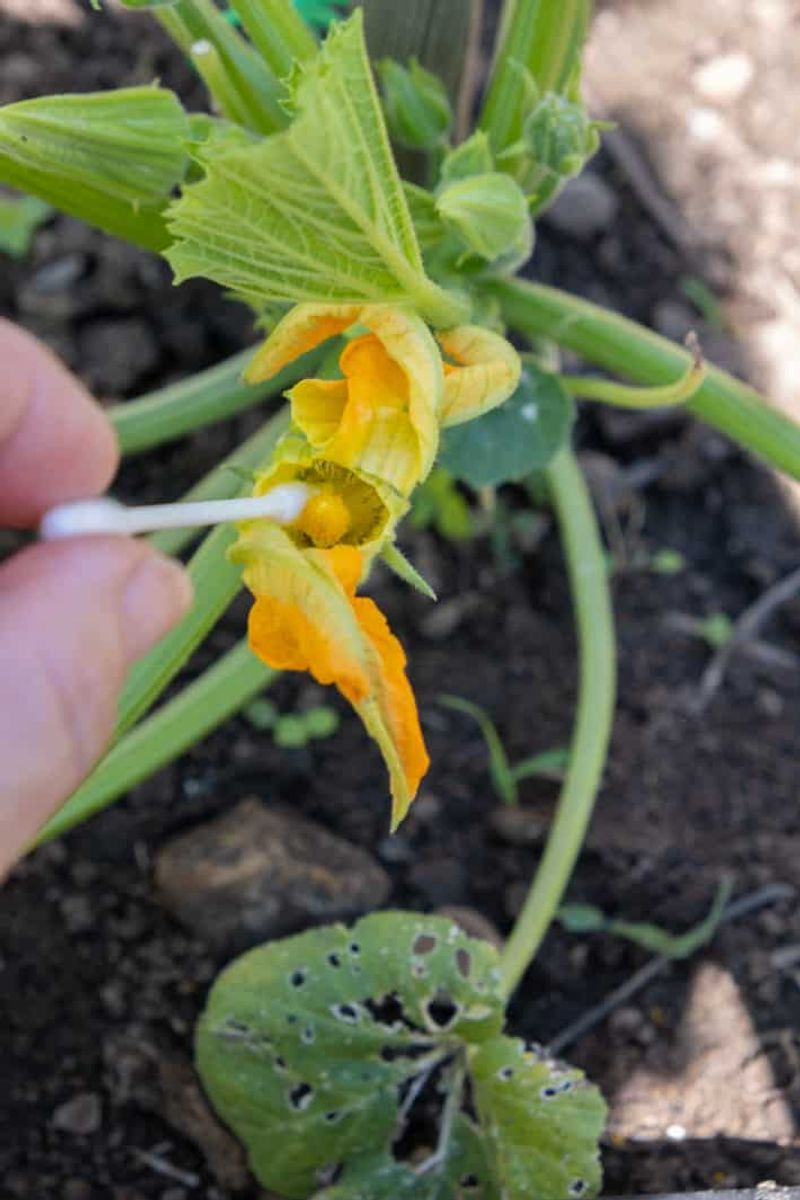
Hand pollination, though labor-intensive, can significantly boost zucchini yields. Imagine a 60-year-old gardener delicately transferring pollen between flowers, ensuring each one reaches its potential. This hands-on approach bypasses pollinator shortages, a growing concern for many gardeners. It requires patience and precision, turning the garden into a space of careful attention and nurturing. For those willing to invest effort, hand pollination offers control over the harvest, transforming yields from mediocre to magnificent. Experience the rewards of personal touch in gardening with this meticulous, yet rewarding technique.
14. Natural Pest Deterrents

Harnessing nature’s own defenses, using plants like garlic and lavender, offers zucchini protection from pests. Picture a garden where aromatic herbs form a natural barrier, their scents deterring unwanted insects. This eco-friendly method, rooted in companion planting principles, enhances plant health while reducing chemical use. It’s a strategy that aligns with organic gardening philosophies, promoting a balanced ecosystem. For those committed to sustainable practices, natural pest deterrents provide an elegant solution to garden challenges. Embrace the synergy between plants and experience a harmonious, thriving environment for your zucchini crop.
15. Pruning for Productivity
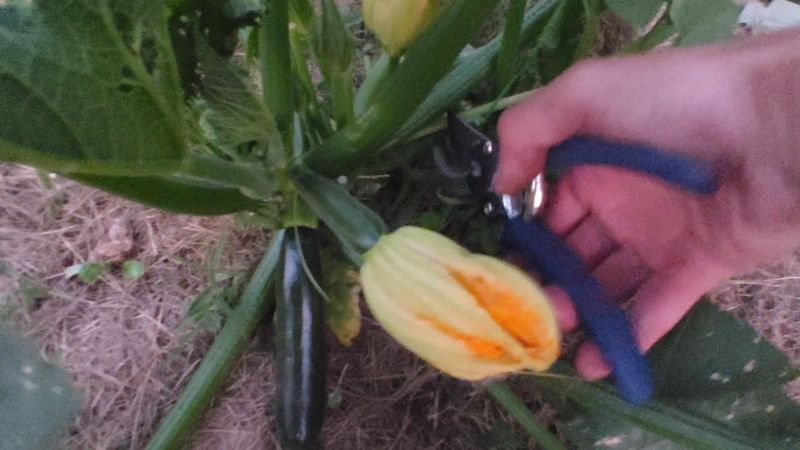
Pruning zucchini plants can lead to more robust growth and enhanced productivity. Envision a gardener skillfully removing excess leaves, allowing sunlight to reach the heart of the plant. This method encourages air circulation and reduces disease risk, resulting in healthier yields. Each cut is a calculated step towards a flourishing harvest, embodying the gardener’s expertise and care. For gardeners keen on maximizing potential, pruning offers a straightforward yet effective means of improving plant vitality. Discover the art of selective pruning and watch your zucchini plants thrive in response.
16. Rainwater Harvesting
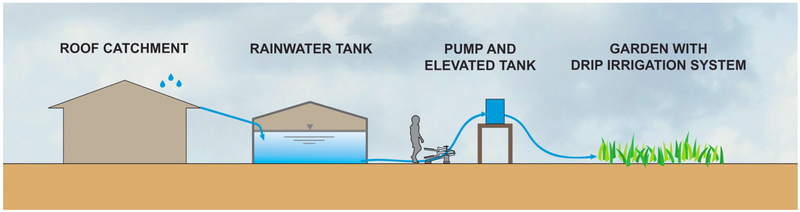
Rainwater harvesting, a sustainable practice, offers zucchini plants pure, chemical-free hydration. Imagine a lush garden equipped with a simple collection system, ensuring every drop benefits the soil. This method not only conserves water but also supports plant health by avoiding treated municipal water. For eco-conscious gardeners, rainwater harvesting represents a commitment to resourcefulness and sustainability. It’s a practice that respects natural cycles, turning rain into a valuable asset for gardening success. Embrace this eco-friendly approach and see your zucchini plants flourish under nature’s own nourishment.
17. Morning Watering Magic
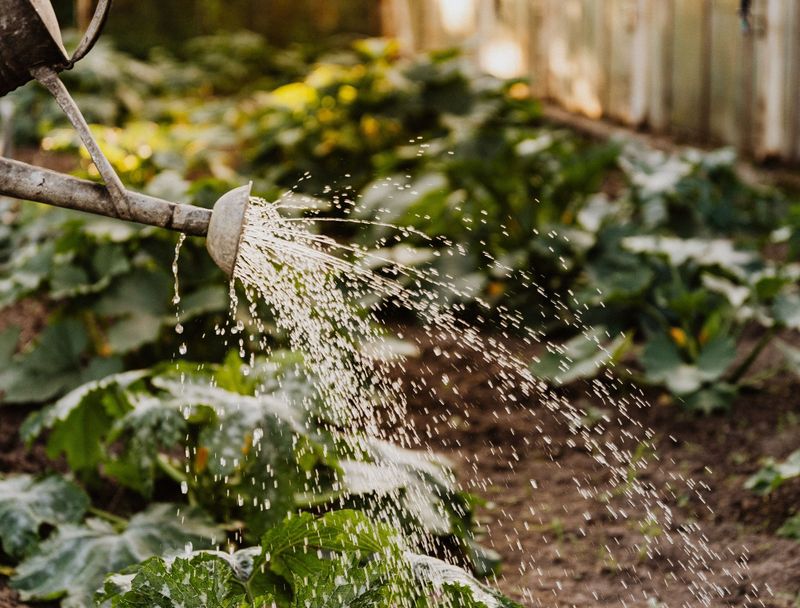
Why water your zucchini plants in the morning rather than later? The morning’s gentle embrace allows for optimal absorption of moisture without the risk of fungal diseases that afternoon watering might encourage.
As the sun rises, the leaves dry quickly, reducing the chance of mold. This simple shift promises healthier plants and more bountiful yields.
Did you know? Ancient gardeners believed morning dew held special nurturing powers for plants. Whether myth or science, trying this might just transform your zucchini gardening experience.