 Complete Gardening
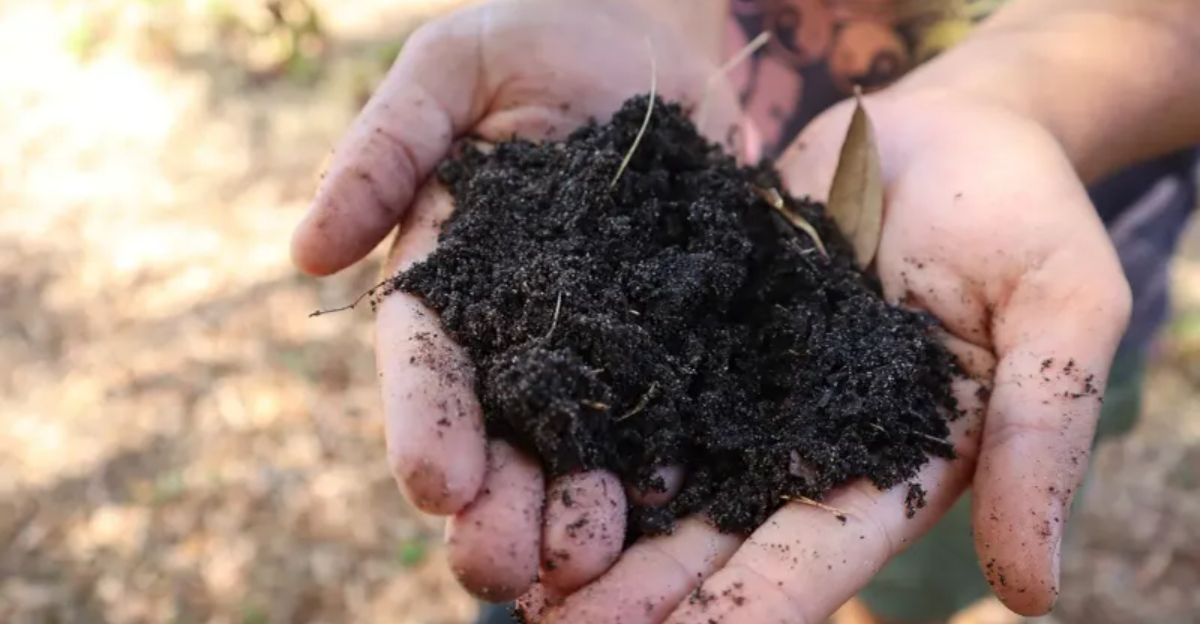
For years, spring gardening meant rushing to plant seeds and flowers as soon as the weather warmed up. But in 2026, more gardeners are embracing a different approach – one that starts below the surface.
Instead of focusing on plants first, they’re focusing on soil health. This “soil-first” routine has quickly become one of the most talked-about gardening strategies because it leads to stronger plants, fewer pests, and better harvests.
Here’s the simple routine gardeners are using to prepare their soil before planting season begins.
Step 1: Loosen the Soil Gently
After winter, soil often becomes compacted from rain, snow, and cold temperatures. Compacted soil restricts airflow and makes it harder for roots to grow.
Instead of deep digging, many gardeners now prefer gentle loosening using a garden fork or broadfork. This improves aeration without disturbing beneficial soil life too much.
The goal is to open the soil structure – not turn it over completely.
Step 2: Add Organic Matter
Healthy soil depends on organic material that feeds microbes, earthworms, and plant roots.
Gardeners following the soil-first routine usually add a layer of:
- Compost
- Leaf mold
- Well-rotted manure
- A mix of compost and shredded leaves
Spread about 2 to 5 centimeters across garden beds. This replenishes nutrients that were depleted during the previous growing season.
Step 3: Mulch Early
One of the biggest changes in modern gardening habits is mulching earlier in the season.
Applying mulch in early spring helps:
- Preserve soil moisture
- Prevent weed seeds from germinating
- Stabilize soil temperature
Organic mulch like straw, shredded bark, or leaves slowly breaks down and improves soil structure over time.
Step 4: Water the Soil, Not Just the Plants
Another key part of the soil-first approach is activating soil life.
After adding compost and mulch, lightly water the soil to encourage microbial activity. Moist conditions help beneficial organisms begin breaking down organic material and releasing nutrients.
Healthy soil biology creates a natural support system for plants.
Step 5: Wait Before Planting
This step surprises many gardeners.
Instead of planting immediately, the soil-first method encourages waiting about one to two weeks after adding compost and mulch. This gives soil microbes time to start processing the new organic matter.
When planting finally begins, seedlings enter a much richer and more balanced environment.
Why Gardeners Love This Routine
Gardeners who adopt a soil-first strategy often report:
- Stronger root systems
- Healthier plant growth
- Fewer weeds
- Better water retention
- Higher yields
By improving the soil ecosystem first, plants naturally perform better throughout the entire growing season.
Healthy Soil Is the Real Secret
The biggest shift in modern gardening is the realization that plants are only as healthy as the soil they grow in.
This simple soil-first spring routine doesn’t require expensive tools or complicated techniques. Just a little preparation, a few organic materials, and a shift in focus.
Once you start building healthier soil, the rest of the garden tends to take care of itself.