
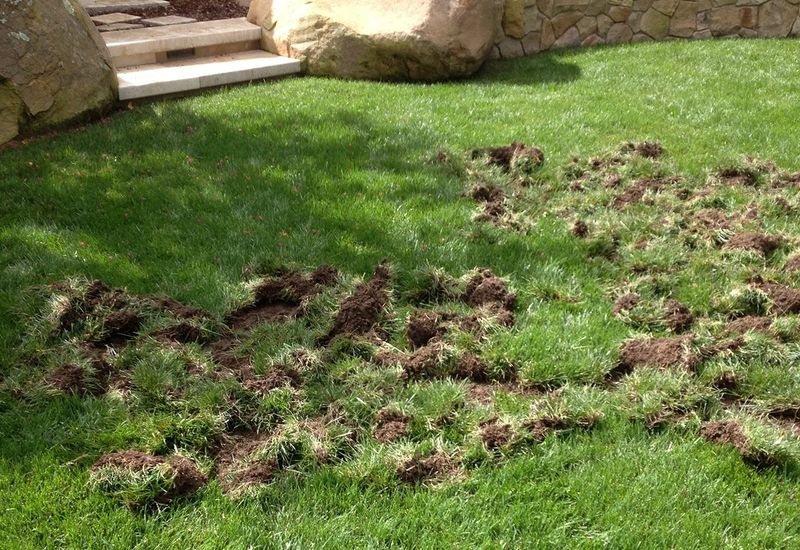
Those little holes and tossed mulch in your beds every autumn are easy to blame on squirrels, and you may be right. Squirrels are busy storing food, and some of what they bury can turn into new trees.
That does not mean they are good for every garden, though. Here is what the science says, what it does not say, and how to protect the plants you care about.
What are those fall holes telling you?
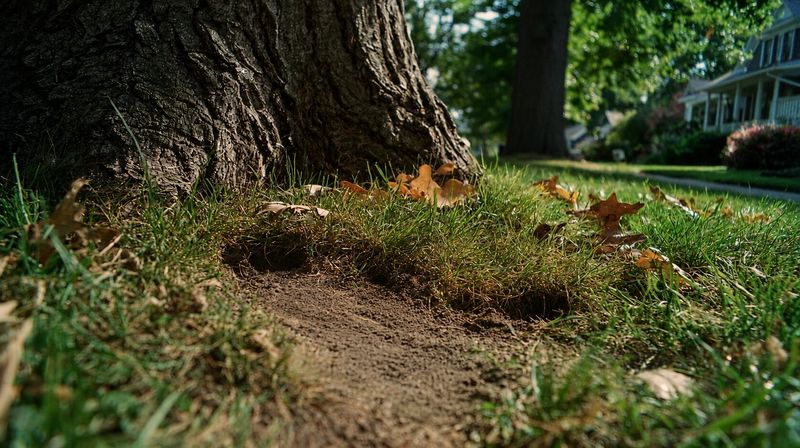
Come fall, squirrels spend their days gathering nuts and burying them as food stores for leaner weeks. A quick hole with a nut dropped in and soil patted over the top is often part of that routine.
Your freshly dug flower bed can look like a battlefield, yet from the squirrel’s point of view it is just grocery storage.
Not every squirrel behaves the same way. In Texas, Texas Parks and Wildlife describes fox squirrels that rely on acorns in fall and winter and bury nuts, but the state has other squirrel species too.
So caching habits and effects will not be identical across every yard.
Be careful about blaming squirrels for every hole you find. UGA Extension notes that daytime holes may come from squirrels or other daytime animals, so appearance alone is a weak clue.
The rest of this article weighs a possible ecological benefit against real damage to your plants.
A buried acorn can have a second life
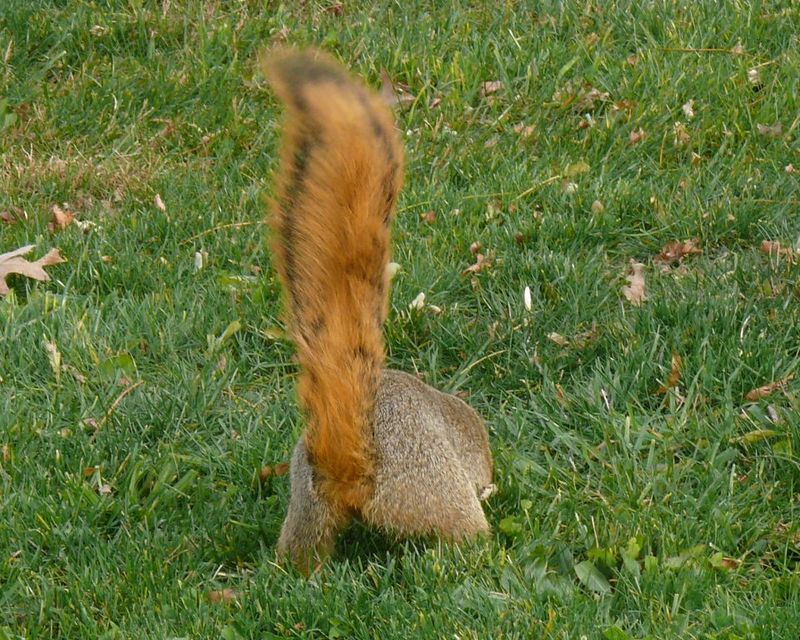
A squirrel buries a nut so it can come back and eat it later. If the squirrel never retrieves that nut, and the seed is still viable and the conditions are right, it may sprout.
That is the kernel of truth behind the saying that squirrels plant trees.
A 2026 study in Florida offers a close look. Researchers working near Melrose watched fox squirrels handle turkey-oak acorns in a longleaf-pine ecosystem.
The squirrels cached acorns farther from adult oaks, and in the experiment, buried acorns survived longer than exposed ones. The acorns that germinated were buried ones.
There is a catch. The team saw a limited number of caching events, and they could not show that the young oaks they surveyed grew from those caches.
The study shows how burying can help seeds in that setting. It does not prove that any particular tree in a woodland, or your yard, started as a squirrel’s pantry item.
The seed benefit has important limits
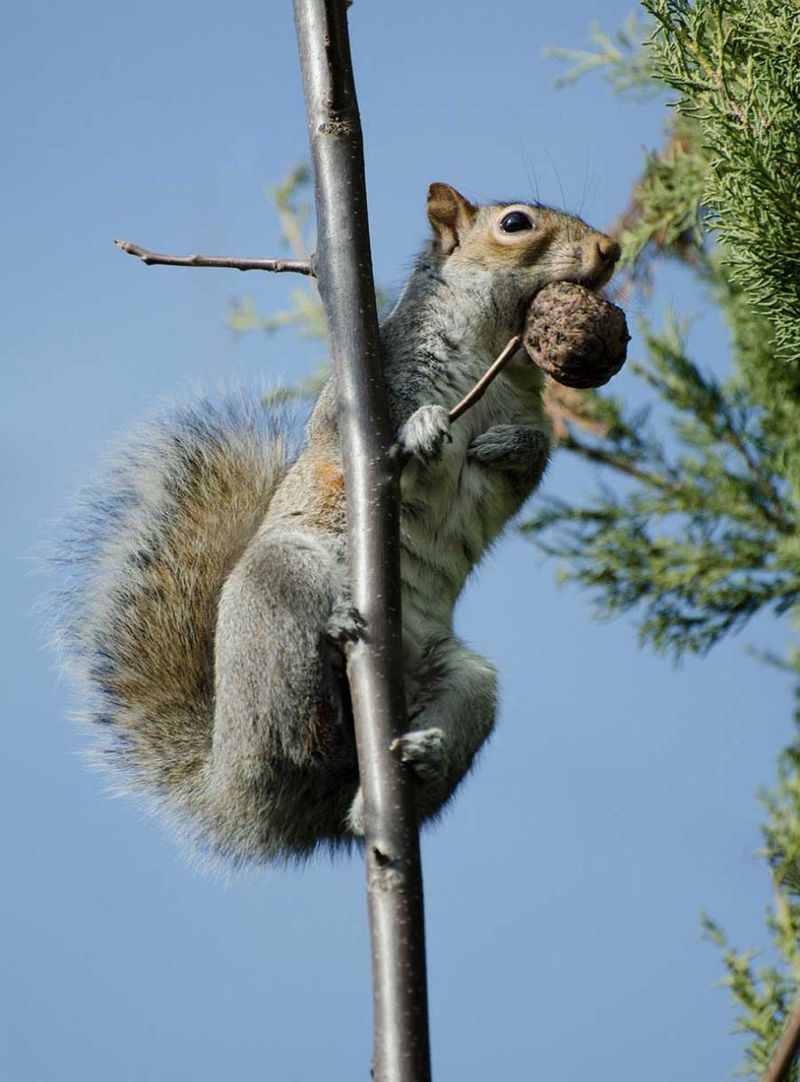
Squirrels are not tireless tree farmers. A peer-reviewed review of squirrel-seed interactions describes tree squirrels as both seed predators and seed dispersers.
A seed might get eaten, cached, recovered later, or left in the ground to germinate. Only that last path leads to a new plant.
That is why the claim that every buried nut becomes a tree falls apart. Squirrels also do not simply forget most of their nuts, since the behavior is about storing food to come back to.
Where the research happened matters too. The Florida work took place in a pine woodland with fox squirrels and turkey oaks, not in a tomato bed or a border of ornamentals.
Studies like that have not weighed squirrels’ overall benefits and costs in a home yard. So whether squirrels do more good than harm on your property is still an open question, and your own beds may tip the answer either way.
Squirrel holes are not lawn aeration
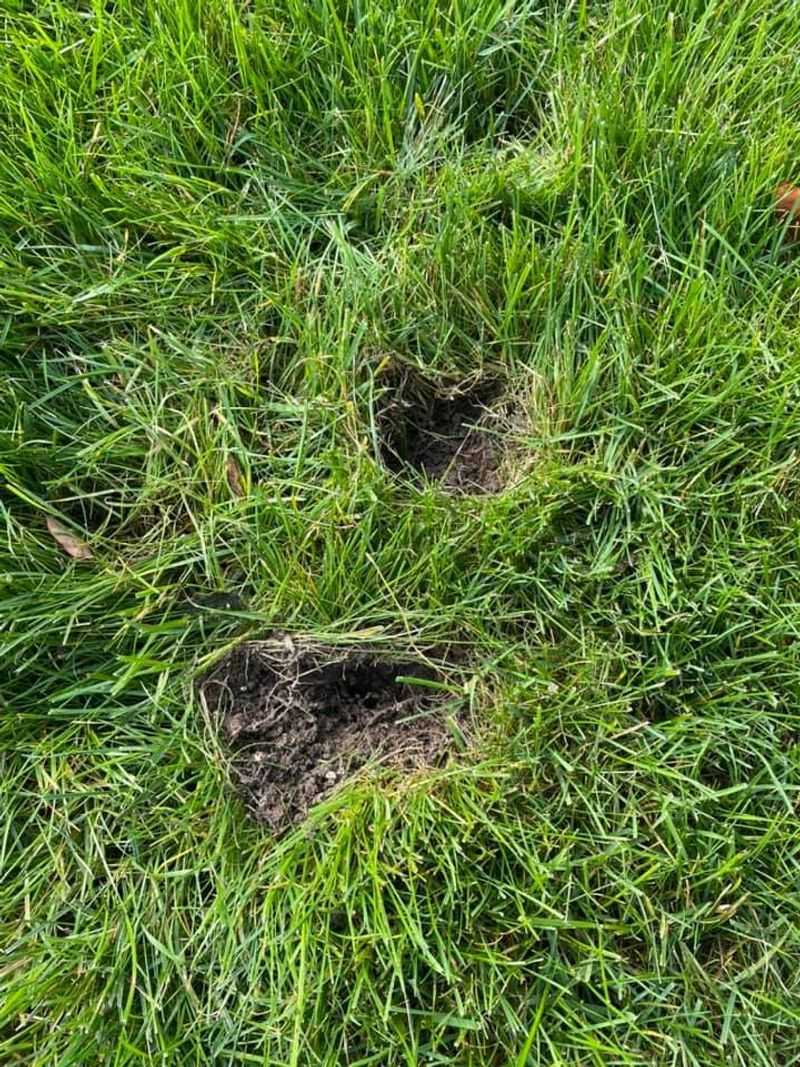
You may have heard that all that digging aerates your grass for free. It sounds nice, but nothing in the extension sources supports it.
Scattered little cache holes are not the same as treating a lawn for compaction.
Real aeration is a planned job. Clemson Extension explains that aerating typically removes small cores of soil, and that you should first check whether your lawn actually needs it.
University of Maryland Extension gives similar lawn-care guidance.
So do not count squirrel holes as a lawn treatment. If your grass is thin, hard, or drains poorly, look at compaction and care practices on their own terms.
Tamp down or fill the holes as needed so they do not become tripping spots.
Protect the beds and bulbs you value
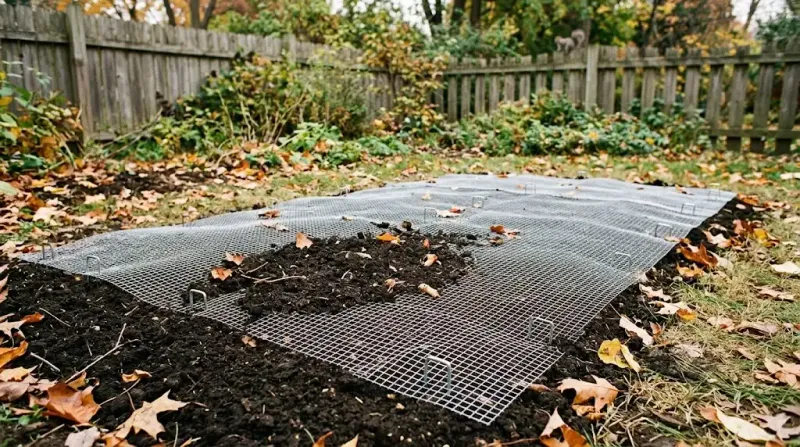
Appreciating what squirrel caching can do for trees does not mean you must hand over your tulip bulbs. If digging is hitting specific crops or plantings, exclusion is a sensible response.
UGA Extension calls exclusion often the best option for nuisance wildlife and lists chicken wire and hardware cloth among barrier choices.
For squirrels specifically, a University of Missouri Extension guide suggests wire fencing around crops and poultry wire over or under bulbs. Think of these as starting points, not a single design that fits every yard.
The right barrier depends on the plant, the animal, and the site. A fence for a vegetable patch looks different from a wire mat over bulbs.
Ask your local extension office what suits your plants. Other deterrents may help in some conditions, but animals can get used to them, so do not count on any one trick.
Identify the animal before choosing your next step
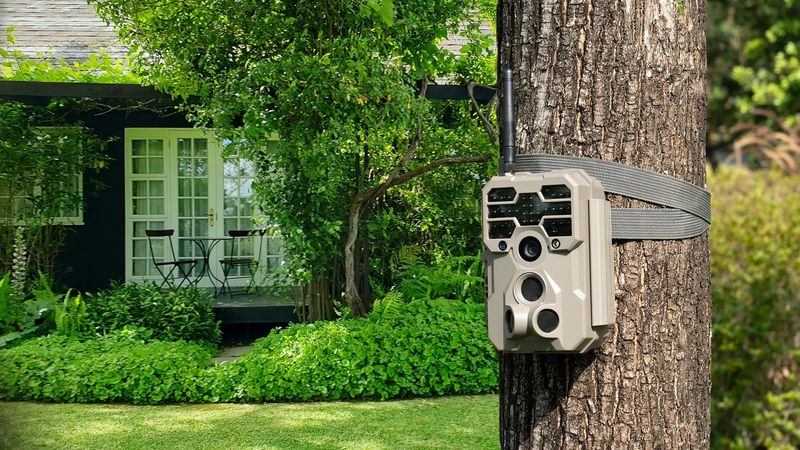
When damage keeps happening, confirm who is responsible before you spend money. A wildlife camera is one easy way to find out.
UGA Extension suggests using one when the cause is unclear, and a few nights of footage may save you from fencing out the wrong animal.
If you start thinking about removal or relocation, slow down. Relocating wildlife may be discouraged or illegal, so check with your state wildlife agency and your local extension office first.
No single deterrent is guaranteed to work.
Remember the Florida research that showed how buried acorns may survive and germinate when squirrels leave them behind. That is a reason to tolerate harmless digging in a corner of the yard, and to protect the plants that matter most.
A few holes in the mulch may be a squirrel’s pantry, but your prized bulbs deserve a wire cover.