
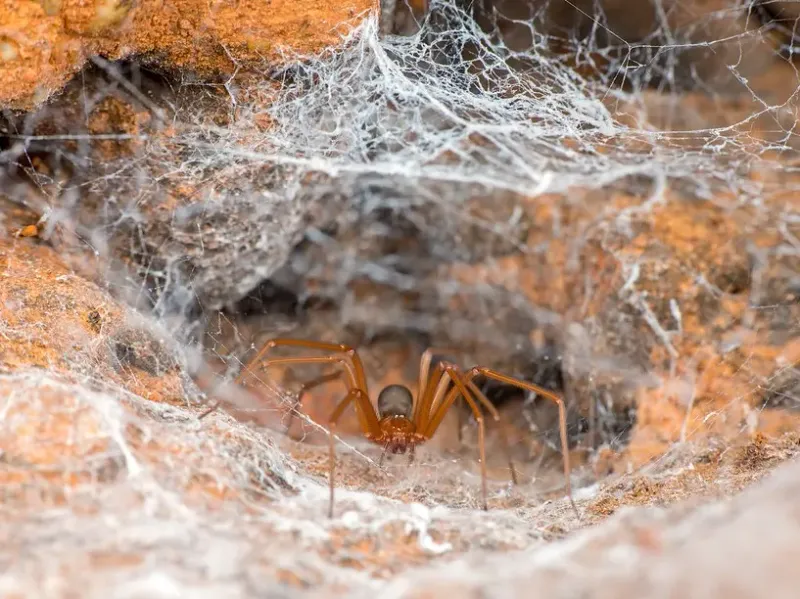
Fall in North Carolina feels like a safe time to clean up the yard, but the leaf pile has other ideas. Snakes, spiders, and stinging insects are still active on warm October afternoons, and many of them love the shelter that fallen leaves provide.
Knowing who might be hiding under that rake can save you a painful surprise or a trip to urgent care. Here are ten creatures worth watching for, plus simple ways to work around them safely this season.
1. Copperhead
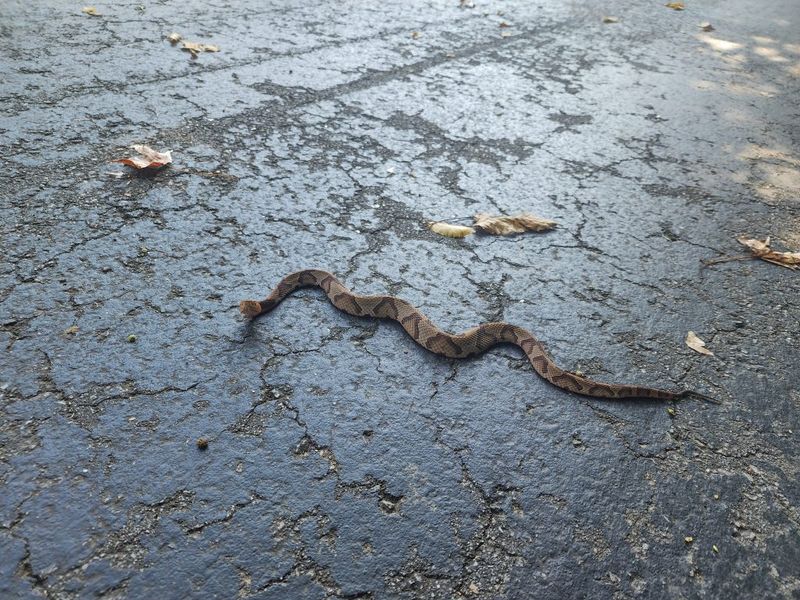
Ask any longtime Piedmont gardener about a close call, and the story usually involves a copperhead. Its tan and copper hourglass pattern blends almost perfectly into dry oak leaves, which is exactly why so many bites happen during fall cleanup.
Copperheads are the most common venomous snake across North Carolina, from the mountains to the coast. They stay active well into October and sometimes November on mild days, often resting in leaf litter, mulch, and woodpile edges while hunting mice and cicadas.
A few habits can lower your risk a lot. Wear sturdy gloves and closed boots, use a long-handled rake instead of grabbing leaves by hand, and lift piles away from you.
If you spot one, back away and let it move on, since most bites happen when people try to handle or kill the snake.
2. Timber Rattlesnake
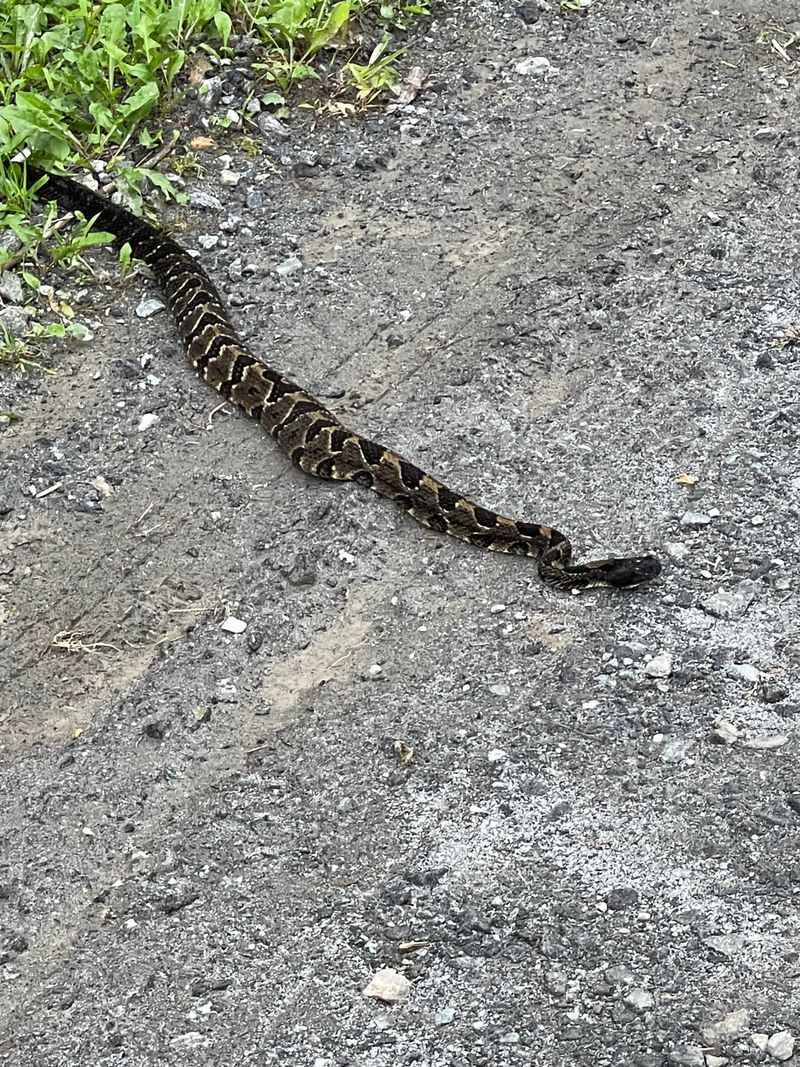
Mountain homeowners near forest edges get a seasonal visitor that commands respect. Timber rattlesnakes move toward rocky den sites in early fall, and that trip can bring them across yards, stone walls, and garden borders.
Their dark chevron bands and velvety black tail make them easier to recognize than a copperhead, though they still hide well in leaves. They also live in parts of the Piedmont and coastal plain, where some populations are called canebrake rattlesnakes.
Here is the reassuring part: timber rattlers are famously calm and often lie still rather than strike. Give them several feet of space and they will usually continue on their way.
Since the species is declining in the state, letting it pass is both the safest and the most land-friendly choice.
3. Cottonmouth
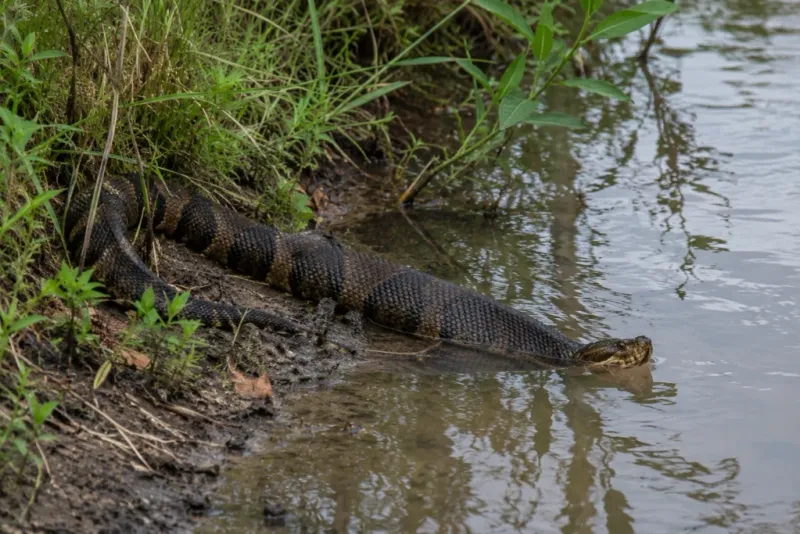
Live near a pond, ditch, or swampy corner in eastern North Carolina? Then the cottonmouth deserves a spot on your radar.
These heavy-bodied snakes stick close to water across the coastal plain and lower Piedmont. In fall they bask on sunny banks and tuck into damp leaf piles near wet areas.
When startled, some open their mouths to flash a white interior, which is a warning, not an invitation.
Many harmless water snakes get mistaken for cottonmouths, so caution beats guessing. Rake wet spots slowly, keep leaf piles away from pond edges, and wear knee-high boots near drainage ditches.
Leaving a buffer of space usually ends any encounter peacefully.
4. Black Widow Spider

Shiny, black, and sporting a red hourglass on her belly, the southern black widow is easy to identify if you happen to flip her over. Most gardeners meet her a different way, by reaching into a dark spot without looking.
Fall chores are prime time for this. Black widows favor overturned pots, stacked firewood, compost bin lids, and the underside of patio furniture, all things North Carolinians move around while putting the garden to bed.
Bites are uncommon and rarely serious for healthy adults, though they can cause painful muscle cramps that need medical attention. Gloves solve most of the problem.
Tip containers with a stick first, and shake out garden gloves that were stored outdoors.
5. Brown Recluse Spider
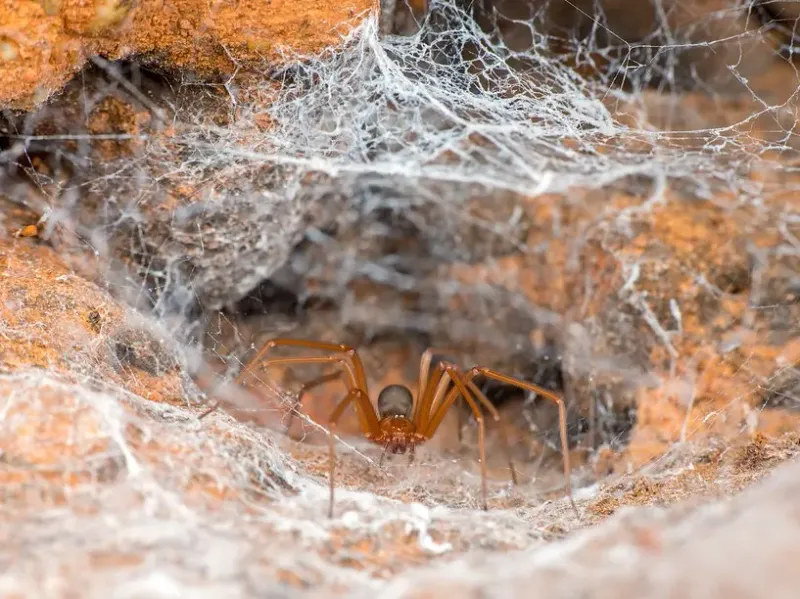
Here is some good news first: brown recluses are not widespread in North Carolina. Scattered reports exist, mostly from the western part of the state, and many suspected sightings turn out to be harmless look-alikes.
Still, they may show up in garages, sheds, and stored boxes, the same places gardeners dig through when hauling out fall supplies or putting summer tools away. Look for a tan spider with a dark violin shape behind the eyes.
A little organization goes a long way. Store seed packets and gloves in sealed plastic bins rather than cardboard, and shake out old jackets before wearing them for yard work.
Any bite that worsens over a day or two deserves a call to your doctor.
6. Eastern Yellowjacket
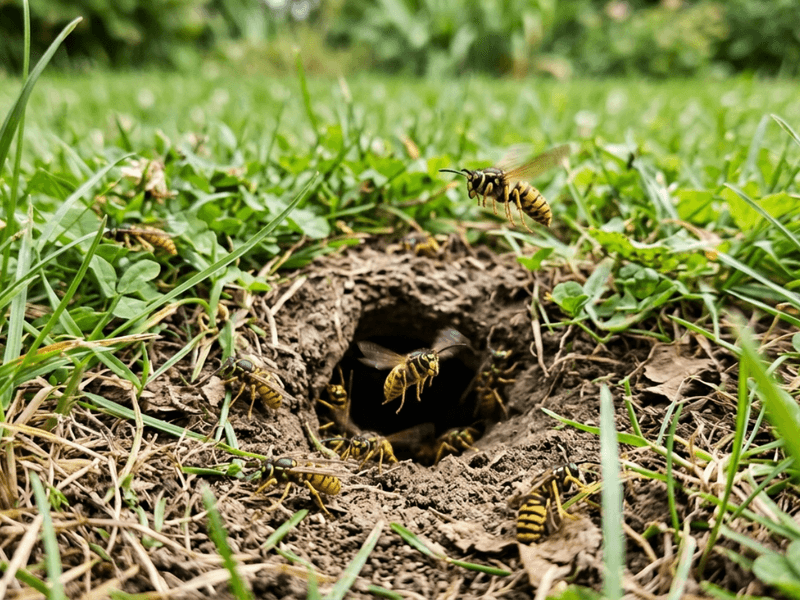
October is when yellowjackets get grumpy. Their colonies hit peak size in late summer and early fall, and as natural food runs low, workers turn defensive and hungry for sugar.
Many North Carolina species nest underground, often in old rodent holes hidden under leaves or along bed edges. A rake or mower passing over the entrance can trigger dozens of stings in seconds, and unlike honeybees they can sting more than once.
Walk the yard before you rake and watch for steady insect traffic at a single spot. Mark it with a flag and skip that area until the first hard freeze, which usually wipes out the colony naturally.
Folks with sting allergies should keep their prescribed medication close by.
7. Bald-Faced Hornet
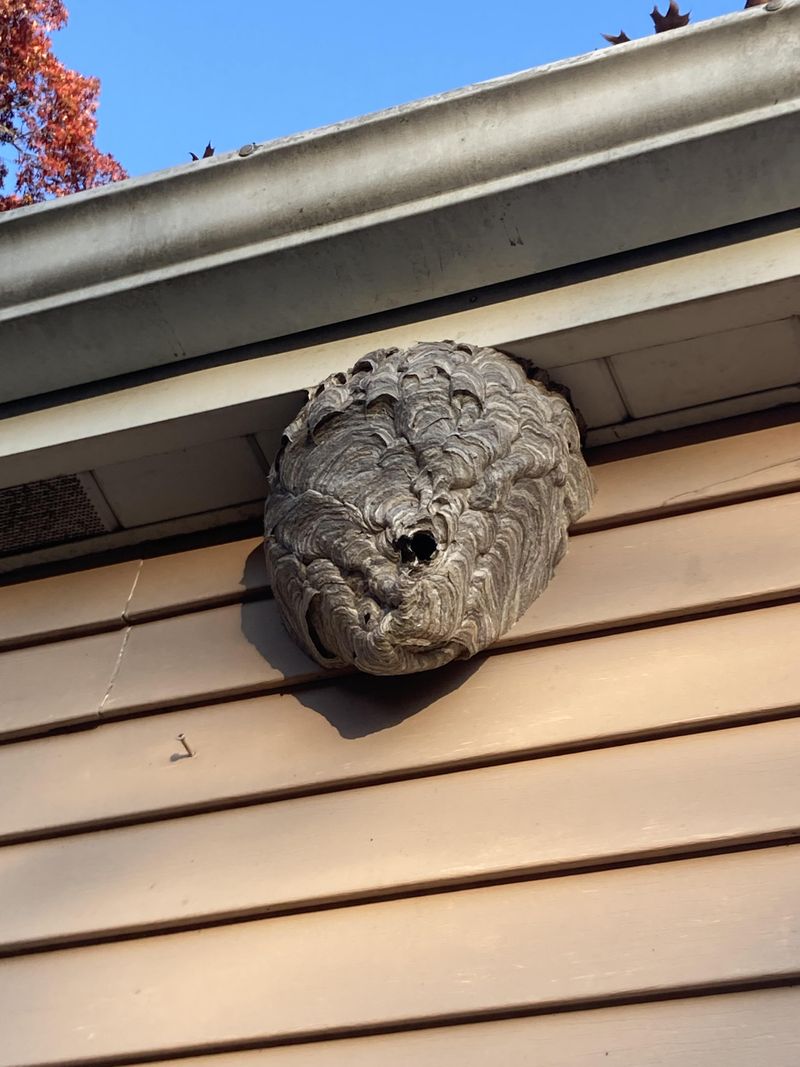
Picture a gray paper football tucked inside your hollies. That surprise is a bald-faced hornet nest, and fall is when gardeners finally notice them as leaves thin out.
Technically a type of yellowjacket, these black-and-white wasps guard their nests fiercely, especially when a hedge trimmer comes buzzing. Nests can sit at eye level in shrubs, which makes fall pruning the riskiest chore.
The upside is they eat plenty of caterpillars and flies all summer. If a nest is away from walkways, leave it alone; colonies die off after a freeze and are not reused.
Save that shrub trim for winter.
8. Saddleback Caterpillar
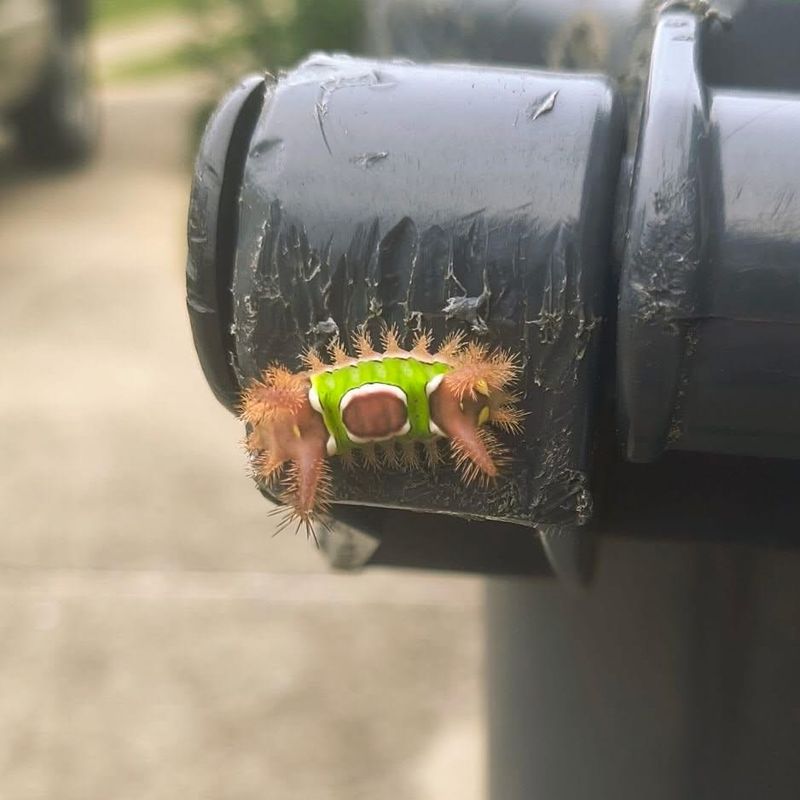
Cute? Almost.
The saddleback caterpillar looks like it is wearing a tiny green blanket with a brown saddle, but its spines pack a sting that can rival a wasp.
These caterpillars feed on oaks, maples, and many ornamental shrubs across North Carolina through early fall. They often drop onto lower leaves or end up in the rake pile, where a bare hand can brush right against them.
Gloves are your best defense here too. If you get stung, press clear tape onto the spot to pull out spines, then wash with soap and water.
They are part of the native food web, so there is no need to go after them with sprays.
9. Puss Caterpillar
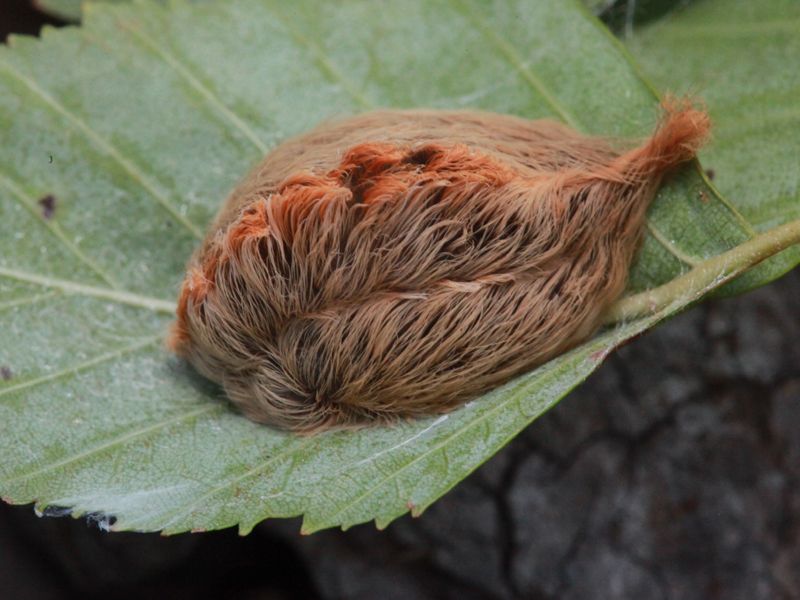
Looking like a fluffy toupee for a hamster, the puss caterpillar may be the most deceptive critter on this list. Under that soft fur hide venomous spines that can cause intense, throbbing pain.
A second generation often appears in fall in central and eastern North Carolina, crawling on oaks, elms, and garden shrubs. Kids are especially tempted to pet them, so a quick family warning helps.
Treatment matches the saddleback: tape to remove spines, gentle washing, and an ice pack. Seek care if swelling spreads or breathing feels off.
Simply leaving them alone is the easiest fix.
10. Velvet Ant
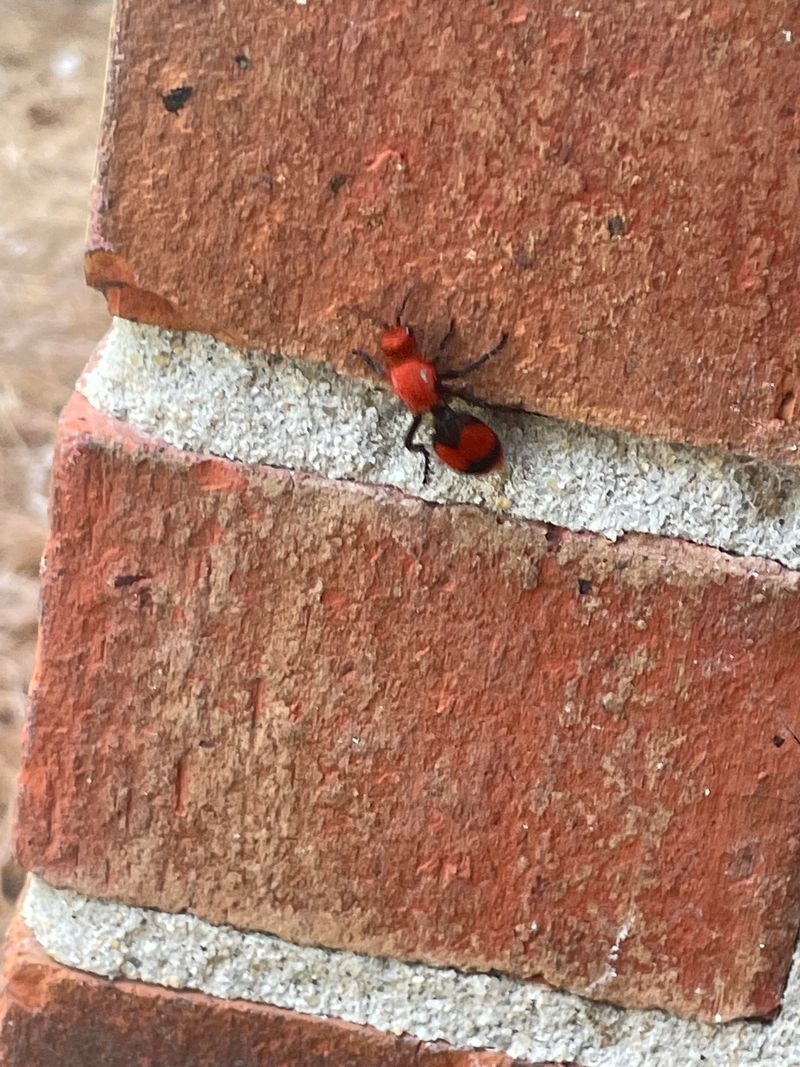
Folks in sandy parts of the state call it the cow killer, and the nickname comes from its legendary sting. Despite the name, the velvet ant is actually a wingless female wasp.
Bright red and black fuzz makes it easy to spot crossing open soil, especially in the Sandhills and coastal plain. Activity tapers off by mid-fall, but warm days can still bring them out near bare garden edges.
They are not aggressive and tend to run away. Just avoid going barefoot on sandy patches and never pick one up.
Spotting one is actually a sign of healthy native bee and wasp populations nearby, since they lay eggs in ground nests.
A simple rule wraps up this whole list: gloves, boots, a long rake, and a slow first pass. Those small habits keep fall cleanup safe while letting North Carolina wildlife keep doing its job.