

Ticks in North Carolina do not pack up when summer ends. In fact, fall is when adult blacklegged ticks become more active, right when families are raking leaves and enjoying cooler evenings outside.
The good news is that many tick problems start with small yard habits you can change this weekend. Here are eight common setups that can quietly invite ticks closer to your door, plus simple fixes that still leave room for native wildlife.
1. Letting Leaf Litter Pile Up Along the Edges
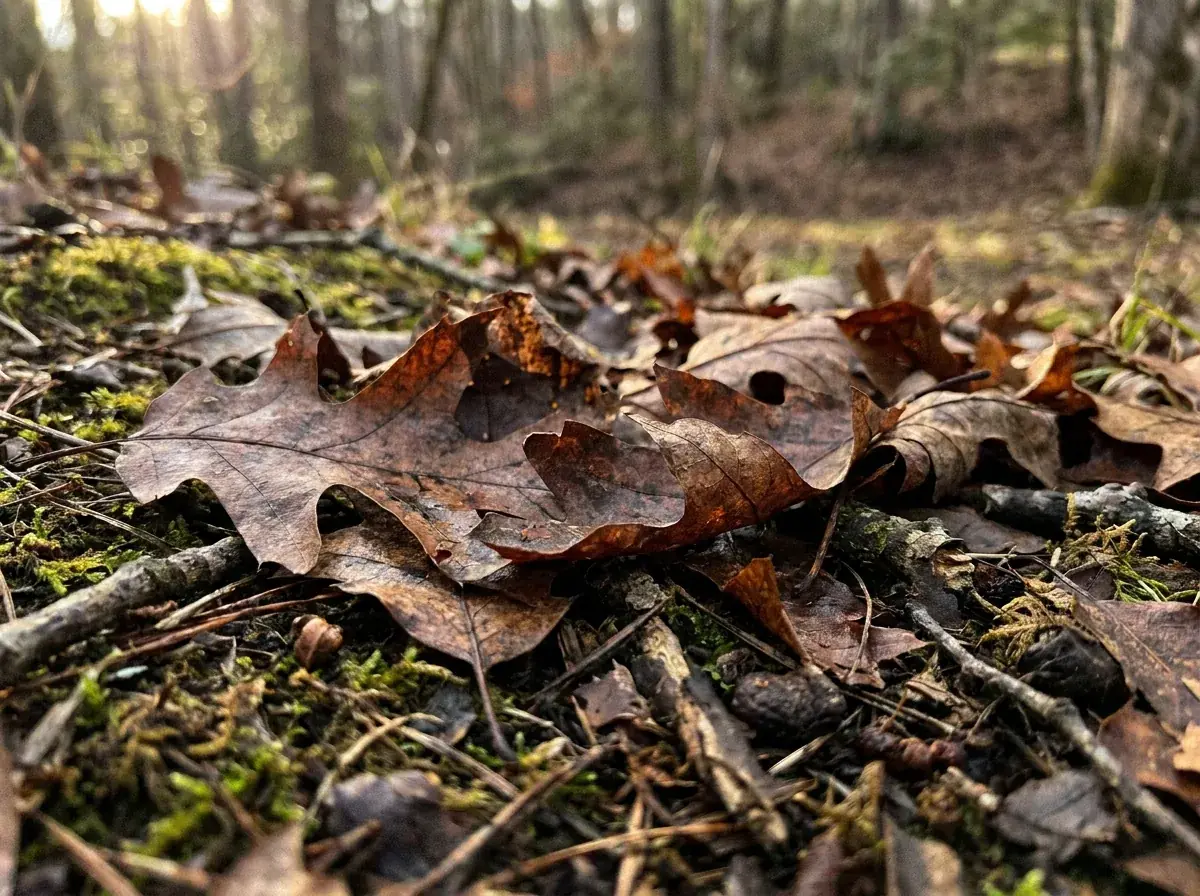
Picture a damp blanket of oak leaves along the back fence. To a tick, that spot is a cozy, humid shelter where it can rest without drying out.
Ticks lose moisture fast, so leaf litter works like a lifeline for them.
Blacklegged ticks, the main carriers of Lyme disease, become more active as adults in fall across North Carolina. That timing lines up with leaf drop, which starts in the mountains in October and moves toward the coastal plain by November.
So the leaves land just as the ticks get busy.
You do not need to strip the whole yard bare, since leaves also shelter fireflies and butterfly larvae. Instead, rake leaves away from paths, play areas, and the lawn edge.
Pile them in a back corner bed far from where people walk, and you can keep the wildlife benefit without the tick risk near your door.
2. Skipping a Dry Border Between Woods and Lawn
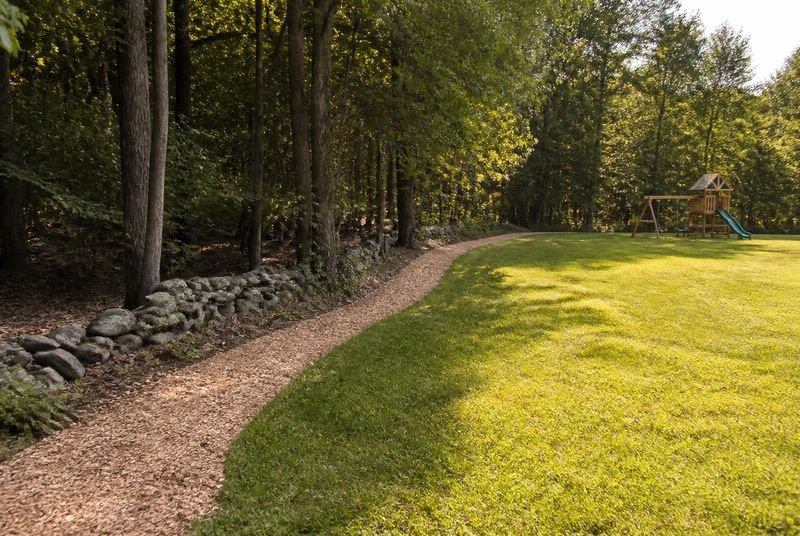
Here is a fact many homeowners never hear: most ticks in residential yards are found within about nine feet of the lawn’s edge. That transition zone, where woods meet grass, is prime territory.
When lawn runs straight into brush, ticks can move right into your play space.
A simple fix is a barrier strip about three feet wide made of wood chips or gravel. Ticks tend to avoid crossing dry, open ground, so this strip can reduce how many wander from the woods into the yard.
It also gives you a tidy edge that looks intentional.
Keep swing sets, picnic tables, and kids’ toys on the lawn side of that line. It is one of the cheapest, lowest-effort projects on this list, and you can finish it in an afternoon.
3. Letting the Grass Grow Too Tall Near the House

Ticks do not jump or fly. They climb to the tips of tall grass and wait with their front legs stretched out, a behavior called questing, until a pet or person brushes by.
That is why shaggy grass near doors, dog runs, and walkways can be trouble. In much of North Carolina, warm-season lawns like Bermuda and zoysia keep growing into October, so it is easy to let mowing slide once the heat breaks.
Keeping high-traffic areas mowed at a normal height removes a lot of those waiting spots.
Love the look of a meadow? You can still have one.
Just place it farther out and mow a clean path through it so nobody has to wade through tall stems.
4. Planting a Deer Buffet Close to the Patio
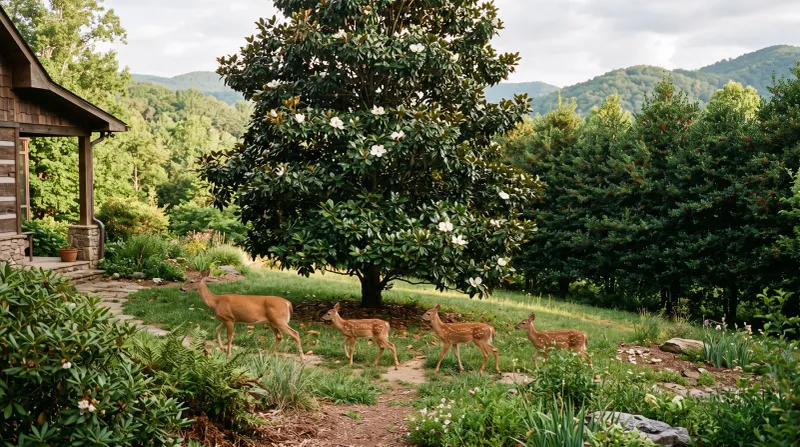
Deer are beautiful at dusk, but they carry a hitchhiker problem. Adult blacklegged ticks feed heavily on white-tailed deer, and every visit can drop engorged ticks right into your beds.
Hostas, daylilies, and tender ornamentals near the patio practically ring a dinner bell. If deer browse there nightly, ticks are likely dropping off in that same zone.
Try moving deer favorites farther from living areas and choosing NC natives deer usually leave alone, such as mountain mint, wild bergamot, and coral honeysuckle. No plant is fully deer-proof, but shifting the menu can help pull traffic away from where your family spends time.
5. Leaving Brush Piles and Woodpiles Right Next to the House
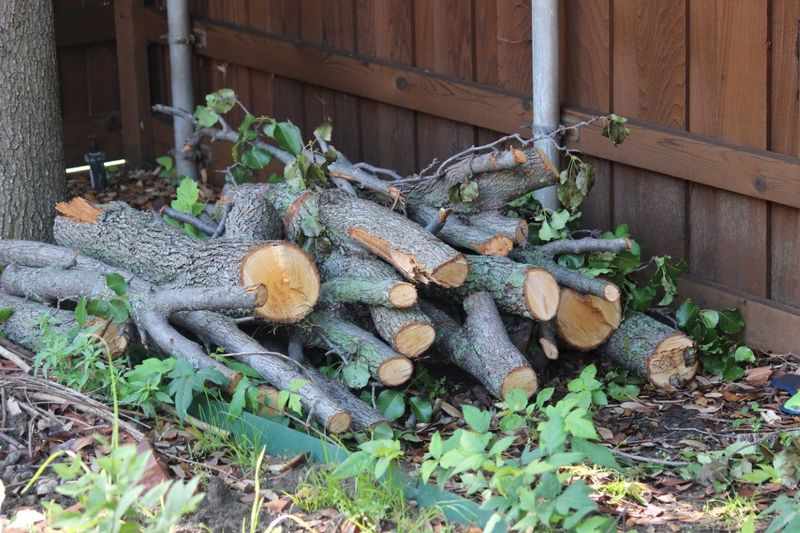
A neat stack of firewood against the siding feels practical when chilly nights roll into the Piedmont. Mice and chipmunks see it differently.
To them, it is a condo with great cover.
White-footed mice are major hosts for young ticks and play a big role in spreading the Lyme bacteria. Woodpiles, stone walls, and brush heaps near the home can give these rodents a perfect base.
Stack firewood off the ground and away from the house, ideally in a sunny spot. Brush piles are still great for wildlife like wrens and box turtles, so keep them, just tuck them at the far edge of the property.
6. Overwatering Shady Beds Into a Humid Hideout
Ever notice how shady beds stay soggy for days after the sprinkler runs? Ticks notice too.
They need humidity above roughly 80 percent near the ground to survive, and a constantly wet, shaded bed delivers it.
North Carolina already brings plenty of humidity, especially on the coastal plain. Adding extra water in fall, when evaporation slows down, can turn a bed into a tick spa.
Cut back on irrigation as temperatures drop, and water early in the morning so the surface dries by afternoon. Thinning a few low branches to let in sun can also help dry things out.
7. Spraying Broad Insecticides That Hurt Your Tick-Fighting Allies
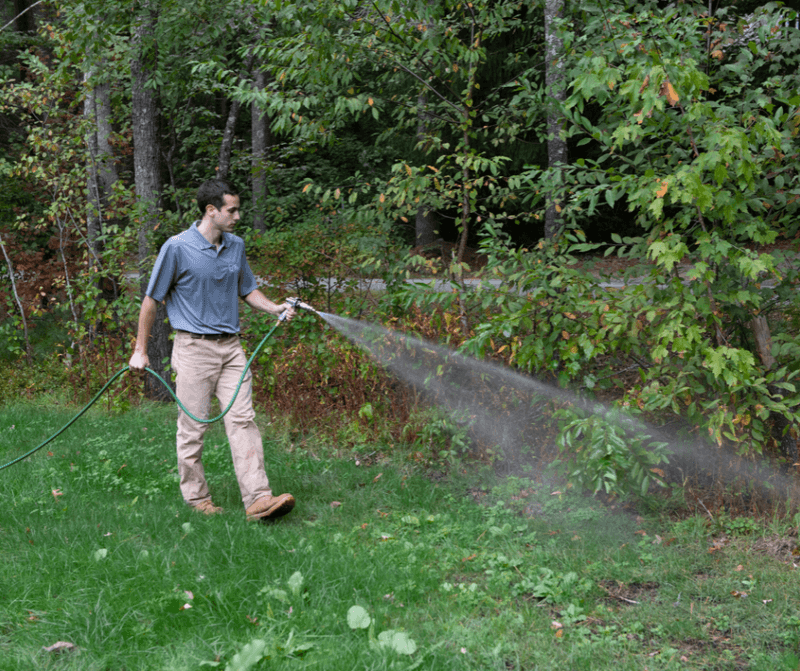
Grabbing a sprayer and blasting the whole yard can feel like taking control. The catch is that broad sprays can also hit fireflies, pollinators, and other creatures that keep your yard healthy.
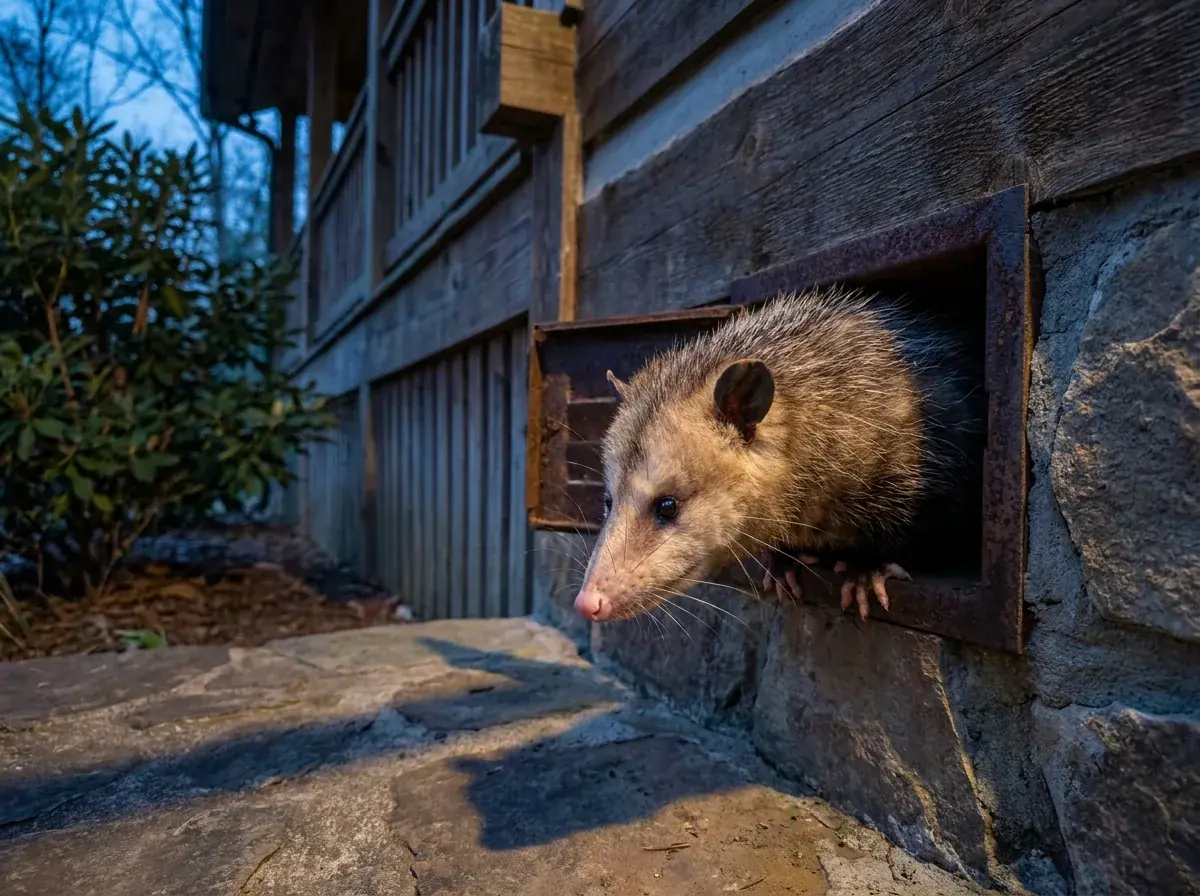
Some of your best helpers have fur or feathers. Opossums groom off many ticks that latch on, and research suggests they can reduce local tick numbers, though they will not wipe ticks out.
Wild turkeys, Carolina wrens, and other ground birds also snack on ticks.
Leave wildlife alone, skip blanket spraying, and if you need treatment, target only the woodland edge or ask a pro about focused options. Tick tubes, which use treated cotton that mice carry into nests, are another targeted tool worth looking into.
8. Assuming Tick Season Ends When Summer Does

Many folks put away the bug spray around Labor Day. That is a mistake in North Carolina, where adult blacklegged ticks stay active through fall and even on mild winter days above about 40 degrees.
Lone star ticks fade in the cold, but blacklegged ticks keep going right through leaf season. Hunters, hikers, and anyone raking in the mountains or Piedmont can pick them up well into December.
Keep a quick tick check in your routine after yard work, and keep pets on a vet-recommended preventive year-round. Toss outdoor clothes in a hot dryer for about 10 minutes, a simple habit that can kill ticks hiding in fabric.
Small changes across your yard add up. Fix a few of these this weekend, and your backyard can stay a safer, wildlife-friendly place well into fall.