
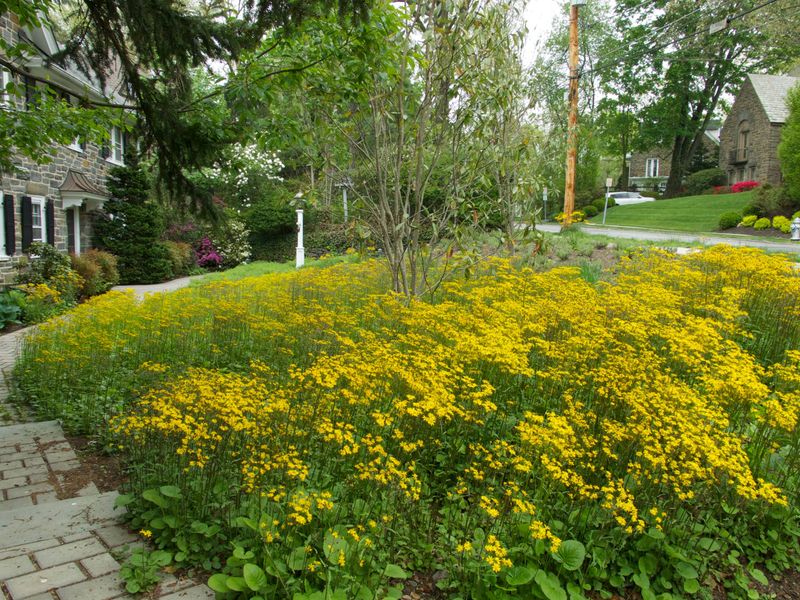
Every North Carolina yard has a problem spot, like the dry shade under an oak, the soggy corner by the downspout, or the red clay slope where grass gave up years ago. You do not have to keep fighting it with mulch and new sod.
The right groundcover can fill that space, hold the soil, and give bees, butterflies, and birds something useful at the same time. Late September is a great time to plant in NC, because cooler air and warm soil help roots settle in before winter.
1. Green and Gold
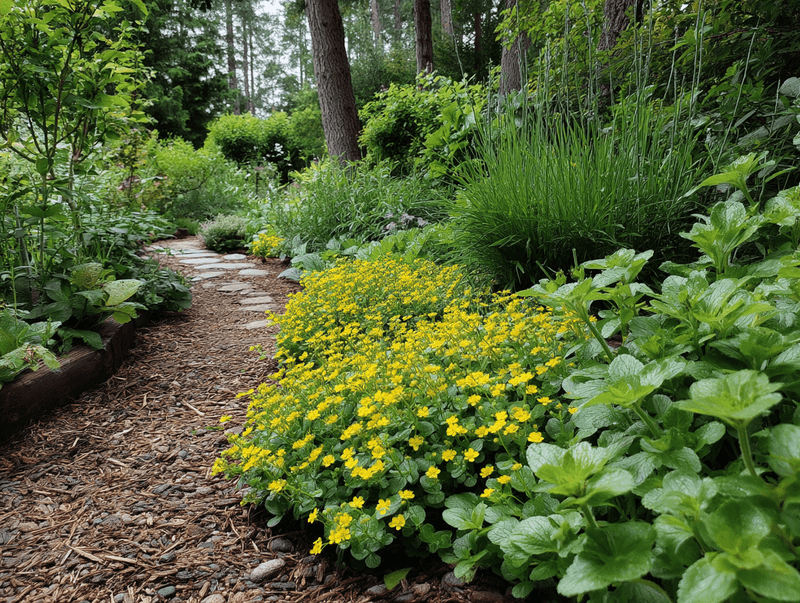
Picture a carpet of little yellow stars blooming in the shade of a big oak, right where your lawn keeps thinning out. Green and gold is a native wildflower found in woodlands across the Piedmont and mountains, and it handles part shade with ease.
It spreads slowly by runners into a low, tidy mat about 6 inches tall. Flowers show up heavily in spring and often return in smaller flushes into fall, which may help feed small native bees when little else is open.
Plant it now in loose, compost-enriched soil and water weekly until the roots take hold. It works well along shady paths and at the front of woodland beds, and it makes a fine native swap for imported groundcovers like vinca.
2. Christmas Fern
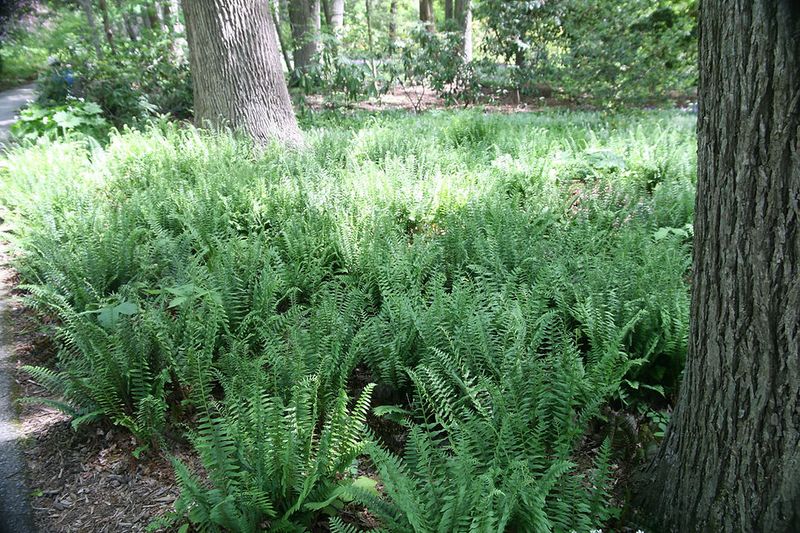
Dry shade under trees is where most plants simply quit. Christmas fern does not, and that toughness is the reason it earns a spot here.
This native fern stays green all winter, which is how it got its name. Early settlers reportedly used the fronds for holiday decorating, and the little leaflets even look a bit like tiny Christmas stockings.
Its clumps help hold soil on shady slopes, and the fronds offer cover for toads and salamanders. Deer usually leave it alone too.
Tuck plants about 18 inches apart in fall, and they will slowly knit together into a soft green blanket that needs almost no care.
3. Pennsylvania Sedge
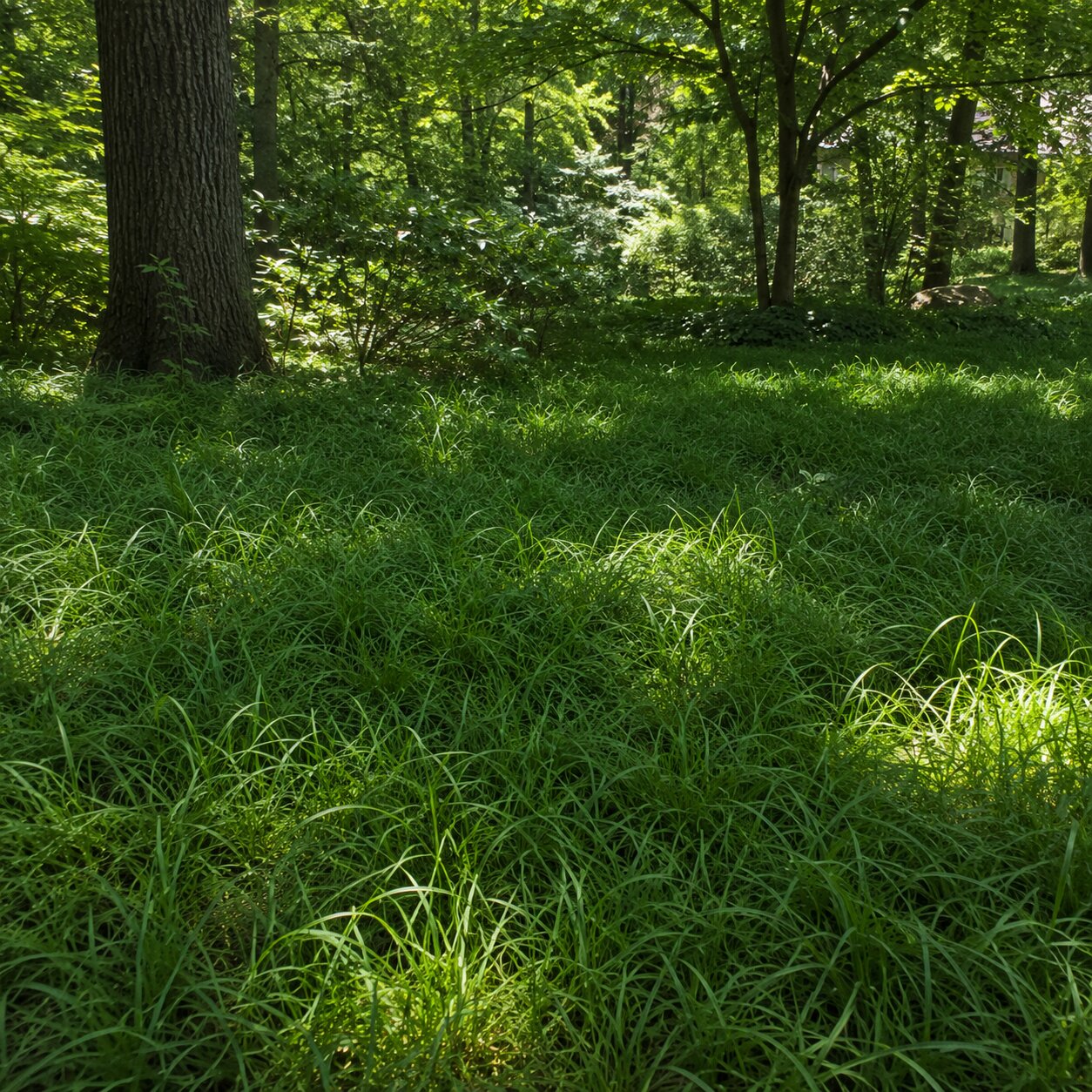
Tired of reseeding fescue under the maples every fall? Pennsylvania sedge may be the answer you have been looking for.
This fine-textured native sedge looks a lot like a shaggy, soft lawn, but it is happy in shade and does not need regular mowing. You can leave it natural at 6 to 8 inches or trim it once or twice a year for a neater look.
It does best in the mountains and Piedmont in dry to medium shade. Plant plugs about a foot apart this fall, keep them watered through the first few weeks, and enjoy a shady yard that stays green without the yearly seed-and-straw routine.
4. Creeping Phlox
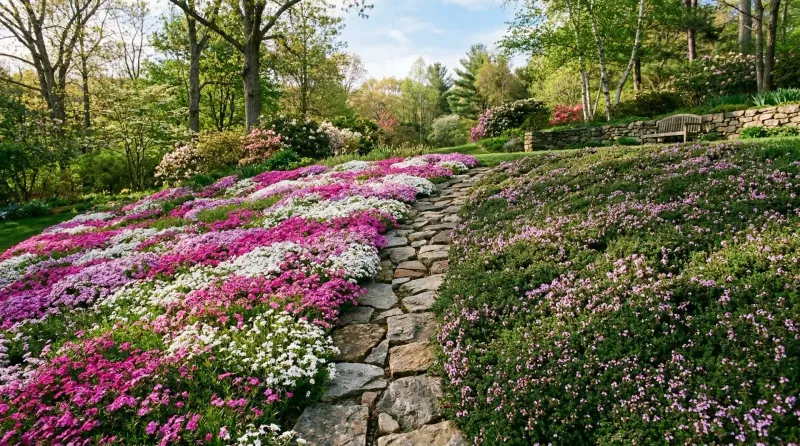
A hot, rocky bank that bakes all afternoon can look hopeless. Creeping phlox, native to the eastern U.S. including parts of NC, laughs at those conditions and turns them into a sheet of color each spring.
The needle-like foliage forms dense mats that help keep soil from washing off slopes. In March and April it explodes with pink, lavender, or white blooms that early butterflies and bees often visit.
Give it good drainage and full to part sun. Fall planting lets roots settle before spring, so you get stronger blooms the first year.
Trim lightly after flowering to keep it thick.
5. Woodland Stonecrop
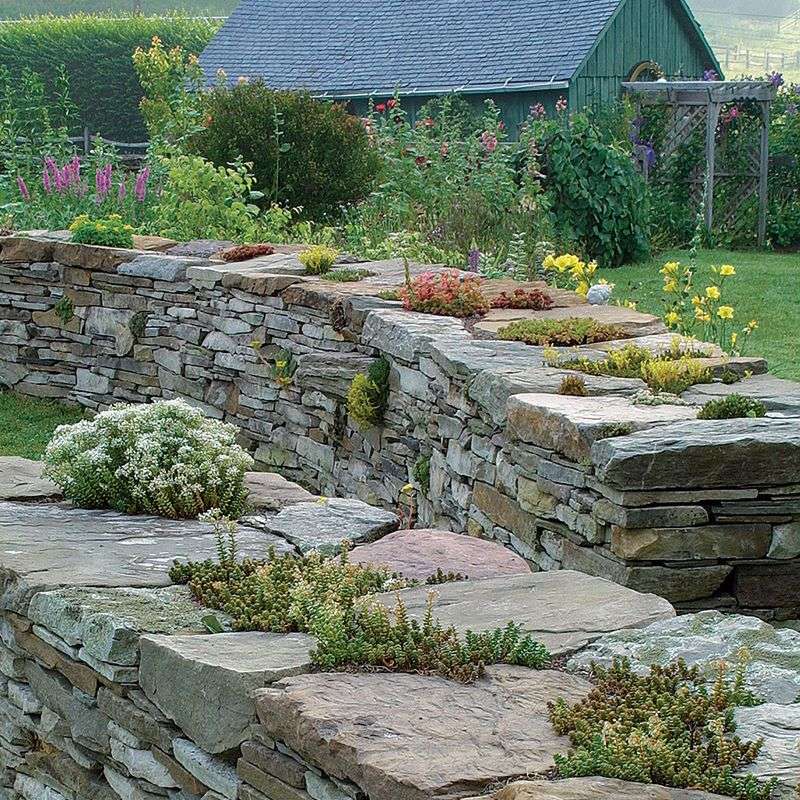
Here is one for the gaps between stepping stones and the thin soil over buried roots. Woodland stonecrop is a small native succulent that grows naturally on rocky, shaded ledges in the NC mountains and Piedmont.
Its fleshy leaves hold water, so it can ride out dry stretches better than most shade plants. In spring it opens clusters of white star-shaped flowers that small pollinators may visit.
Break off pieces and press them into moist soil, and they often root on their own. It is about as low-effort as gardening gets.
6. Partridgeberry
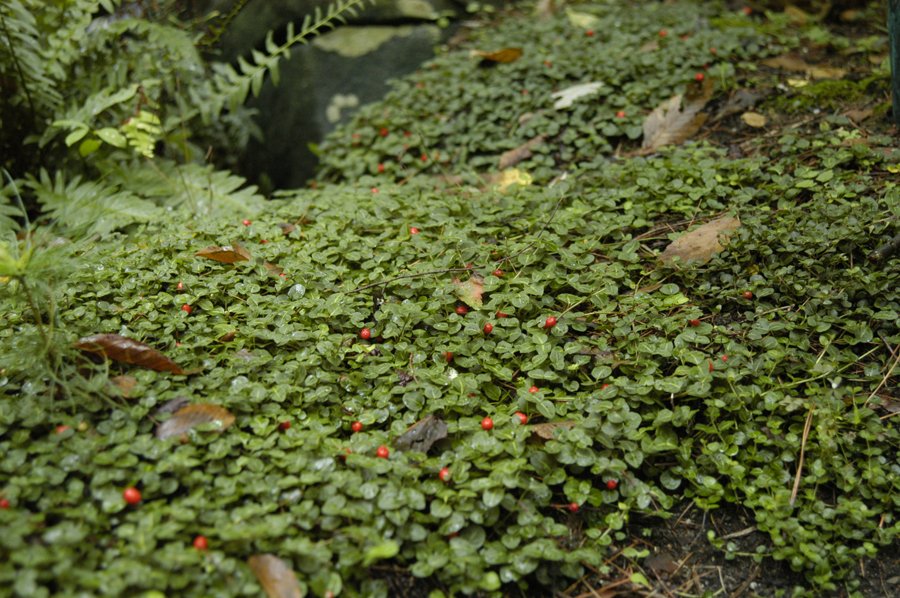
Small but mighty, partridgeberry creeps across the forest floor with tiny round evergreen leaves and bright red berries that last into winter. If you have deep, acidic shade under pines, it might be the plant that finally fills it.
Each berry forms from two flowers fused together, and you can often spot two little dimples on the fruit. Wild turkeys, grouse, and small mammals may eat the berries during the colder months.
It grows slowly, so plant it where it will not be crowded out. Add pine straw or shredded leaves to keep the soil cool and moist, and let it wander at its own pace.
7. Golden Ragwort
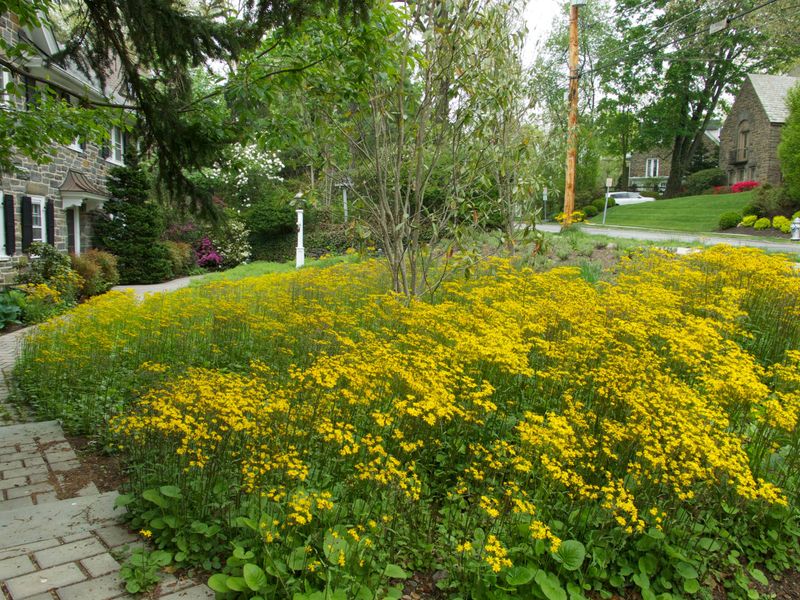
Soggy corner by the downspout? Golden ragwort actually likes wet feet, which makes it a problem-solver for drainage spots that drown other plants.
The rounded leaves form a dense evergreen rosette, and in early spring tall stems carry bright yellow daisy-like flowers. Those early blooms may give emerging native bees a welcome meal.
It spreads readily in moist soil, so use it where you want quick coverage. It also tolerates some dry spells once established.
Fall planting across all three NC regions gives it a strong head start.
8. Allegheny Spurge
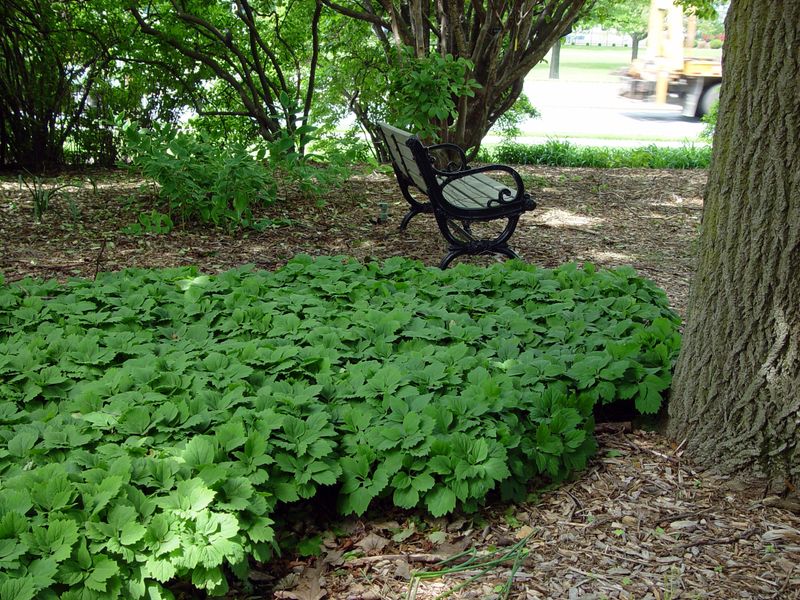
Many homeowners plant Japanese pachysandra without knowing there is a native cousin with more character. Allegheny spurge grows in Southeastern woodlands and makes a great replacement.
Its leaves often carry a silvery mottled pattern, and in early spring fragrant white bottlebrush flowers pop up before new growth. It stays semi-evergreen in much of NC.
Plant it in rich, well-drained shade. It spreads gently rather than aggressively, so the patch fills in over a few seasons without taking over your beds.
9. Wild Ginger
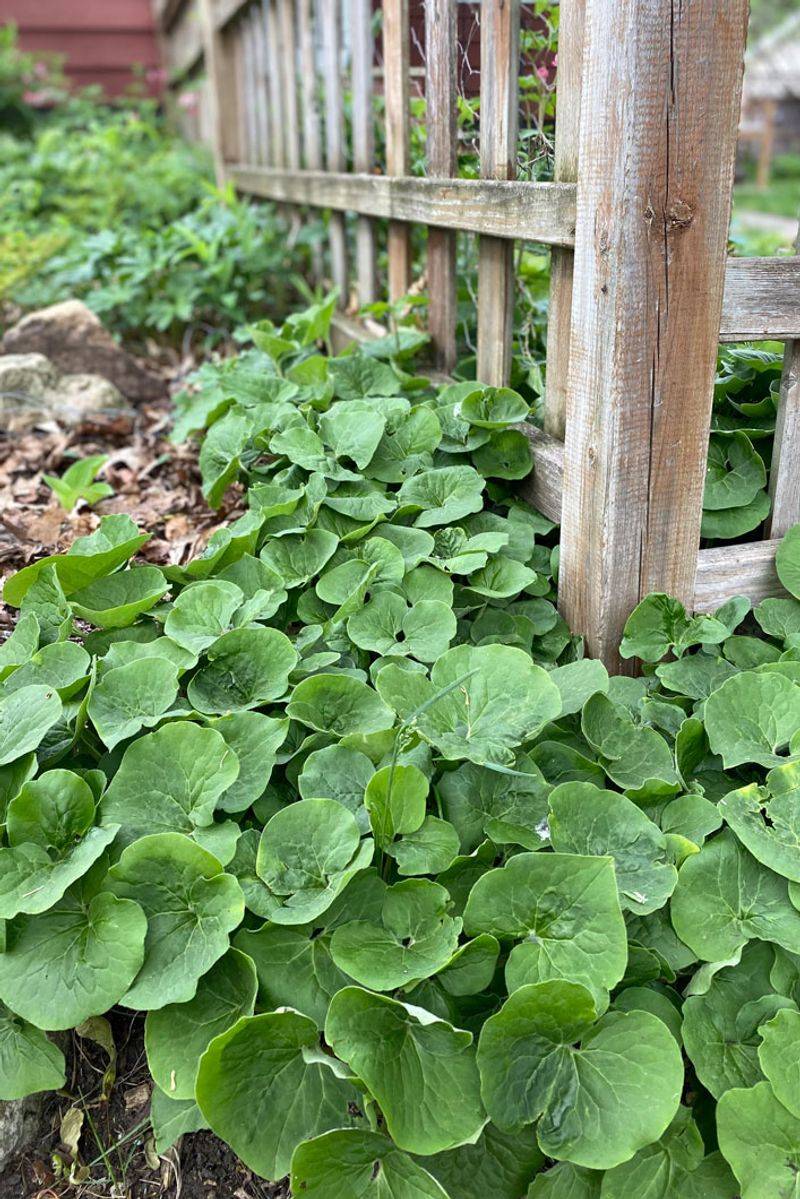
Kids love finding the hidden flowers of wild ginger. The odd brownish-red cups sit right at ground level, tucked beneath the heart-shaped leaves.
This native thrives in moist, rich shade and spreads into a lush, soft carpet. It drops its leaves in winter, so pair it with Christmas fern for year-round green.
The roots smell a bit like ginger, but it is not a cooking substitute. Keep it for beauty, soil cover, and food for pipevine swallowtail-related butterflies that visit related plants.
10. Foamflower
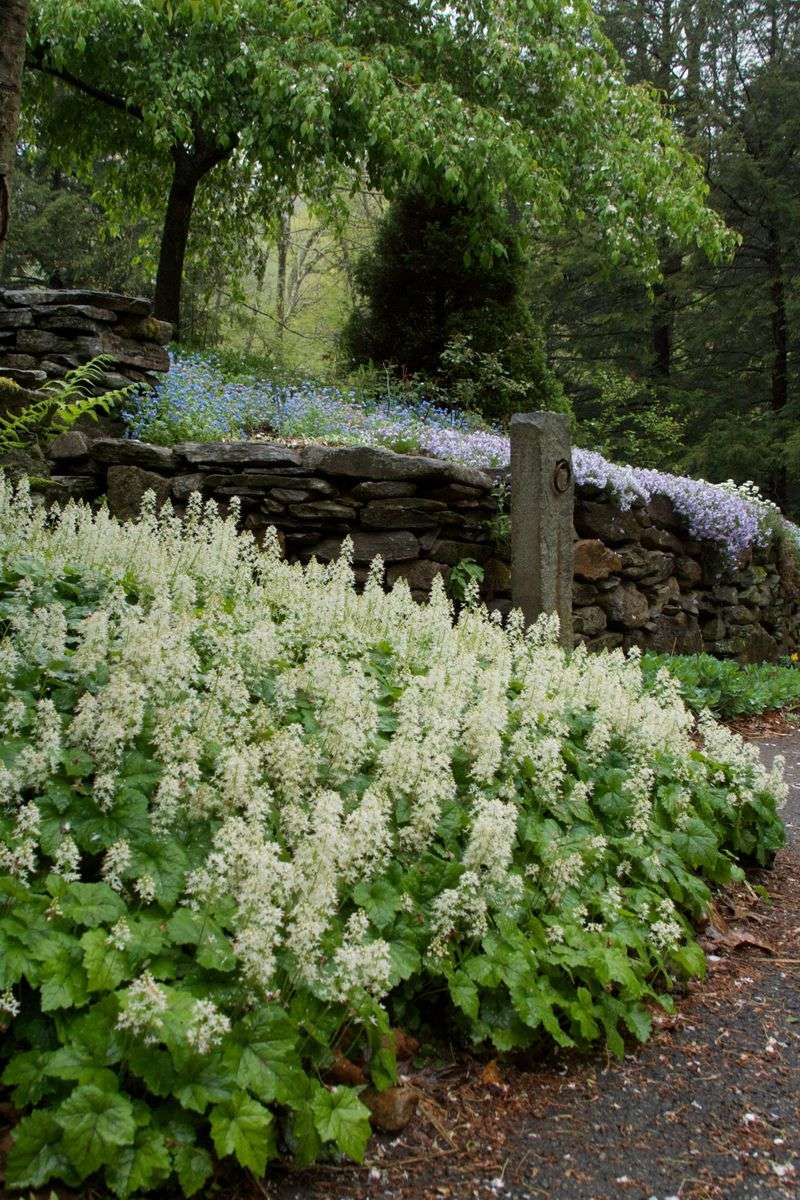
Frothy white spikes rise above heart-shaped leaves in spring, giving foamflower its name. It is native to NC woods and fills shady beds with a soft, airy look.
Running types spread into a mat, while clumping types stay tidier. Many leaves turn bronze or red in fall, adding color as the season shifts.
Plant now in moist, rich shade and mulch with leaves. Bees often visit the flowers, giving a shady corner real wildlife value.