
That pretty plant on your windowsill might be hiding a nasty surprise inside its leaves and stems. Many popular houseplants carry sap that can burn mouths, upset stomachs, or irritate skin when a pet or small child takes a curious bite.
In warm Southern homes, where porches, patios and sunrooms stay full of greenery most of the year, kids and animals get plenty of chances to nibble. Here are 12 common plants to know, what they can do, and simple ways to keep everyone safe without giving up your green space.
1. Dieffenbachia (Dumb Cane)
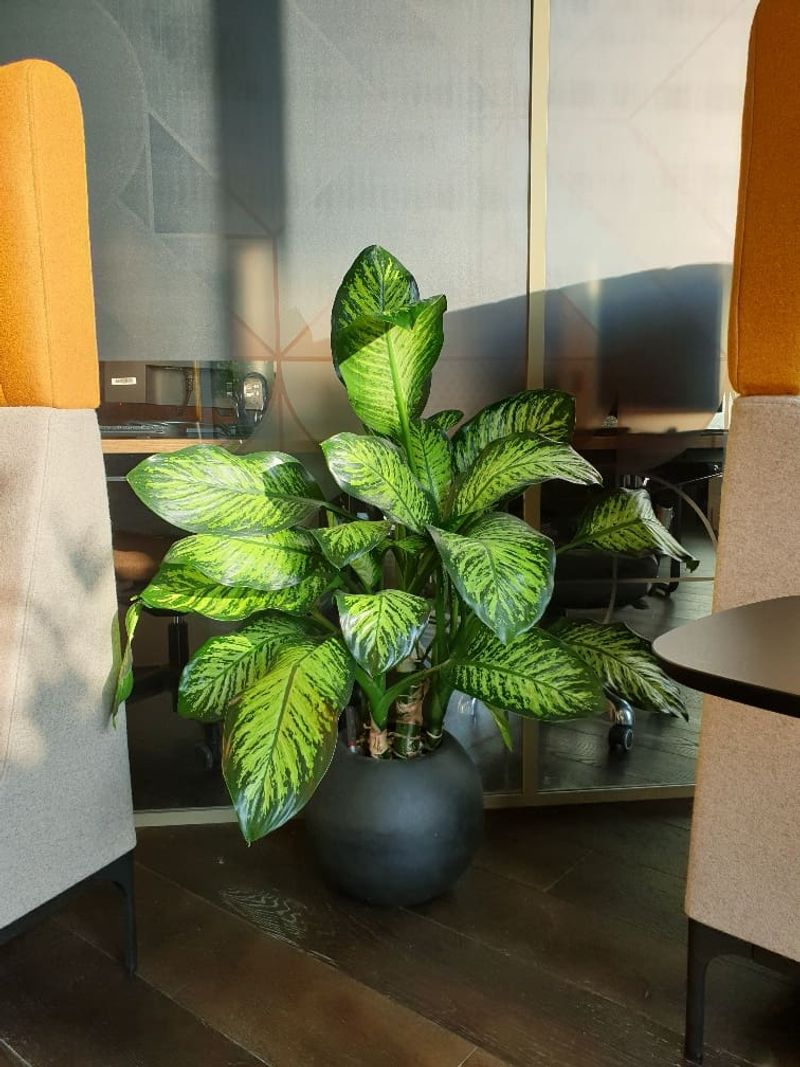
Old-timers gave dieffenbachia the nickname dumb cane for a painful reason. Chewing a leaf can swell the mouth and throat so badly that speaking becomes hard for a while.
That reaction comes from needle-shaped calcium oxalate crystals packed inside the sap.
When a dog or cat bites in, those tiny crystals can jab the tongue and gums almost instantly. Pets often paw at their mouths, drool heavily, or vomit.
Toddlers may cry, gag, or refuse to swallow, and sap on the skin or in the eyes can also cause irritation.
Because dieffenbachia grows big and floor-level, it sits right at nose height for pets and crawling babies. Many Texas and Florida homeowners also move it to shaded patios in summer, which adds new curious visitors.
A few practical steps may help lower the risk. Place the pot on a sturdy stand or in a room your pets cannot reach, wear gloves when pruning, and wipe your hands after handling.
Pick up fallen leaves quickly, since a dropped leaf can look like a chew toy.
If someone does take a bite, rinse the mouth gently with water and call your vet or Poison Control at 1-800-222-1222 for guidance.
2. Pothos
Ask any new plant parent what they grew first, and pothos usually tops the list. It forgives missed waterings, low light, and almost every beginner mistake.
Unfortunately, its sap is far less forgiving when a pet decides to snack.
Pothos carries the same insoluble calcium oxalate crystals found in many aroid plants. A chewed leaf can lead to oral irritation, drooling, pawing at the face, and sometimes vomiting in cats and dogs.
Kids may complain of a burning mouth or develop a mild rash where sap touched their skin.
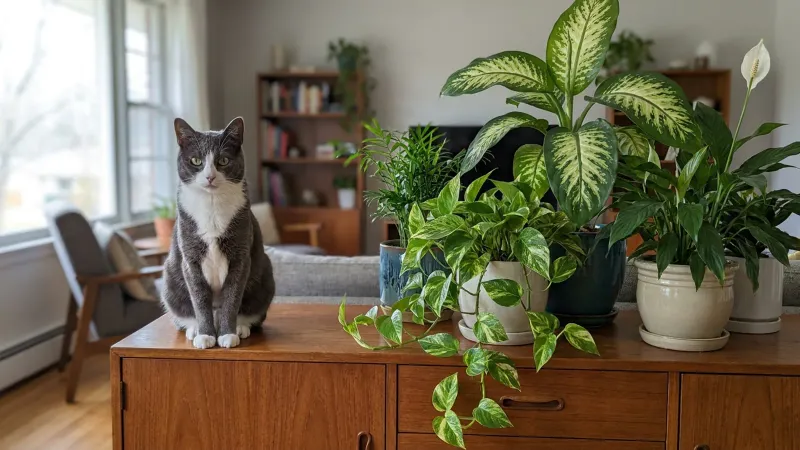
The real trouble with pothos is how it grows. Those long, swinging vines practically invite a cat to bat at them, and trailing stems can drift down to toddler level without anyone noticing.
Trimming the vines short is one of the easiest fixes. Keep the trailing ends well above floor height, and avoid draping strands along bookshelves or windowsills where cats like to lounge.
Bonus tip: those cuttings root easily in a jar of water, so you can share them with pet-free friends instead of tossing them. Just store the jar somewhere high, because a glass of tasty-looking greens on a low table can tempt a toddler.
3. Peace Lily

Despite the name, the peace lily is not a true lily, and that detail matters a lot for cat owners. True lilies can cause kidney failure in cats, while peace lilies cause a different, usually less severe kind of trouble.
Its sap contains calcium oxalate crystals, which can trigger a burning sensation in the mouth, drooling, swelling, and trouble swallowing. Dogs that chew the leaves may vomit or lose interest in food for a bit.
Children who nibble a white bloom might feel stinging lips and tongue.
Peace lilies are a common gift at funerals and holidays, so they often show up in homes unexpectedly. Many folks set them on coffee tables or floors, right where curious mouths roam.
Moving the plant up and away is the simplest solution. A high plant shelf or a closed guest room works well.
Also watch for droopy, sun-scorched leaves, since dying foliage tends to drop and become easy pickings.
If symptoms appear, offer a little water or milk to help soothe the mouth and contact your vet or pediatrician. Most cases are mild, but swelling near the airway always deserves a prompt phone call.
4. Philodendron
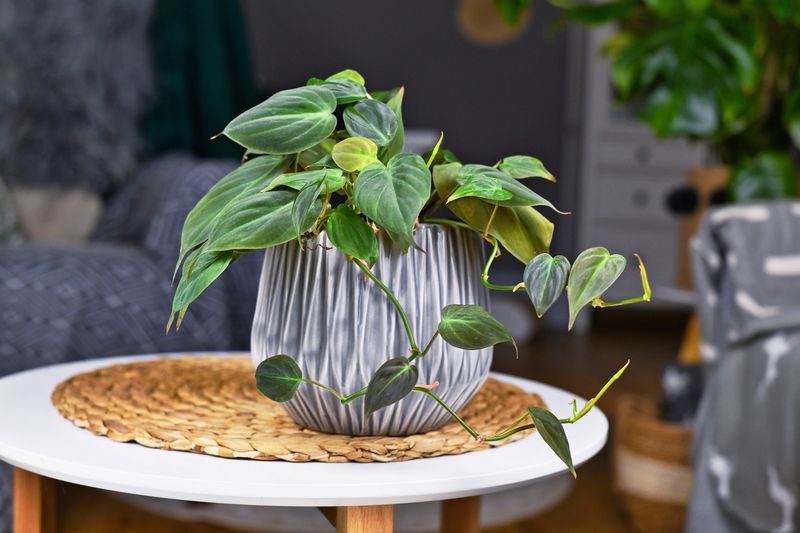
Picture a toddler reaching for a heart-shaped leaf the size of their hand. Philodendrons look friendly and soft, which is exactly why little ones grab them.
Like its cousin pothos, philodendron holds calcium oxalate crystals in its stems and leaves. Chewing can bring on mouth pain, swelling, drooling, and vomiting in cats, dogs, and kids.
Cats seem especially drawn to the trailing heartleaf types, while dogs more often chew the bigger split-leaf varieties.
Philodendrons thrive in Florida and South Texas, and some even grow outdoors in shady landscape beds. That means exposure can happen in the yard too, not only indoors.
A dog digging around a patio planter may get a mouthful without you noticing.
Try these simple safety habits:
Keep indoor plants on shelves or hanging hooks. Outdoors, fence off shady beds or choose them for areas pets rarely visit.
Wear gloves when dividing or repotting, because sap can irritate sensitive skin.
Philodendrons are wonderful air-filling plants with big tropical style. With smart placement, many families can still enjoy them.
Just treat each one as look-but-don’t-taste decor, and keep the vet’s number handy in case a nibble slips through.
5. Snake Plant
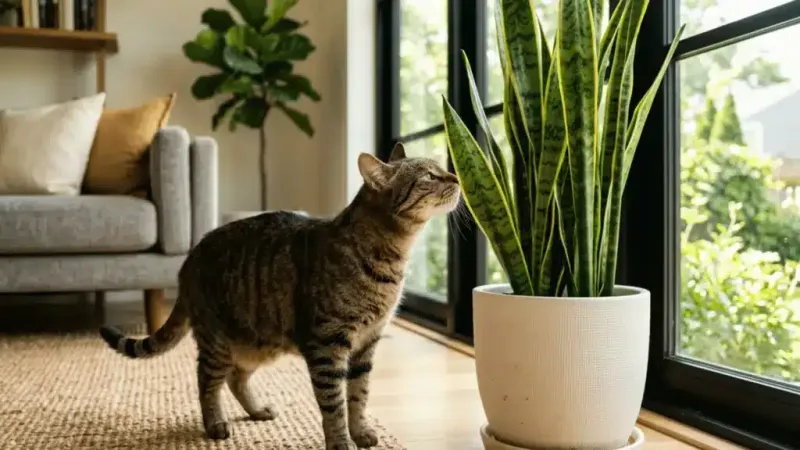
Here is the plant that shows up on nearly every easy-care list. Snake plants handle neglect, low light, and dry air like champs, so they land in bedrooms, entryways, and porches all across the South.
The catch is saponins, natural compounds found in the leaves and sap. When a dog or cat chews a leaf, saponins can upset the stomach and lead to drooling, nausea, vomiting, or diarrhea.
In most cases the reaction stays mild, but small pets and toddlers may feel it more strongly.
Snake plants tend to be less tempting than soft, leafy plants because their leaves are stiff and tough. Still, puppies and teething kids sometimes gnaw on anything they can reach, especially pointy leaf tips.
Since these plants often sit on the floor, a few tweaks can help:
Choose a heavy pot that will not tip over. Place it behind furniture or in a corner pets rarely visit.
Trim damaged leaves promptly so chewed or broken pieces do not invite more interest.
A fun fact: in some regions it is called mother-in-law’s tongue for its sharp, pointed shape. Funny name aside, it earns a spot on this list for being everywhere.
6. ZZ Plant
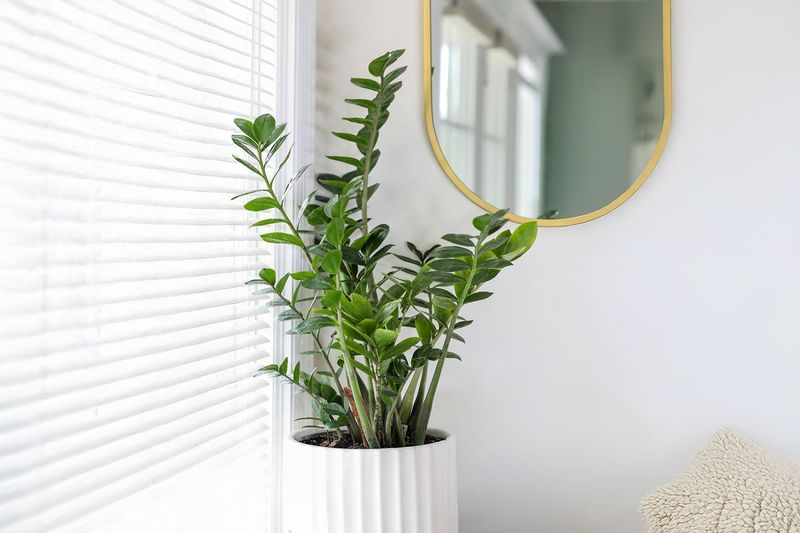
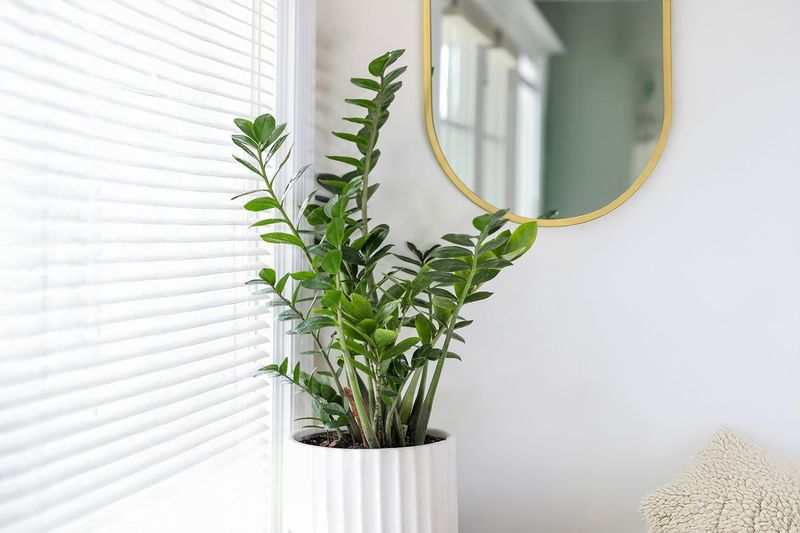
Glossy, waxy, and almost too perfect, the ZZ plant often gets mistaken for a fake. Those shiny leaves catch light and catch attention, including from pets that like to investigate anything new.
ZZ plants contain calcium oxalate crystals, so chewing can cause mouth irritation, drooling, and stomach upset. Rumors once claimed the plant was deadly enough to warrant extreme caution, but most experts now consider it moderately irritating rather than highly dangerous.
Still, nobody wants a sick cat or a crying toddler.
The sap can also bother skin. Some gardeners notice redness or itching after repotting without gloves, so it makes sense to protect hands and wash up afterward.
What makes the ZZ different from others here is its thick underground rhizomes. Dogs that love to dig in pots may unearth these potato-like roots and chew on them, which can bring a stronger dose of sap.
Topping the soil with decorative stones may help discourage digging. Keep the pot elevated if you have a curious pup, and sweep up any dropped leaflets.
The good news: ZZ plants tolerate dim corners, so tucking one into a pet-free office is easy and keeps its glossy charm safely on display.
7. Aloe Vera
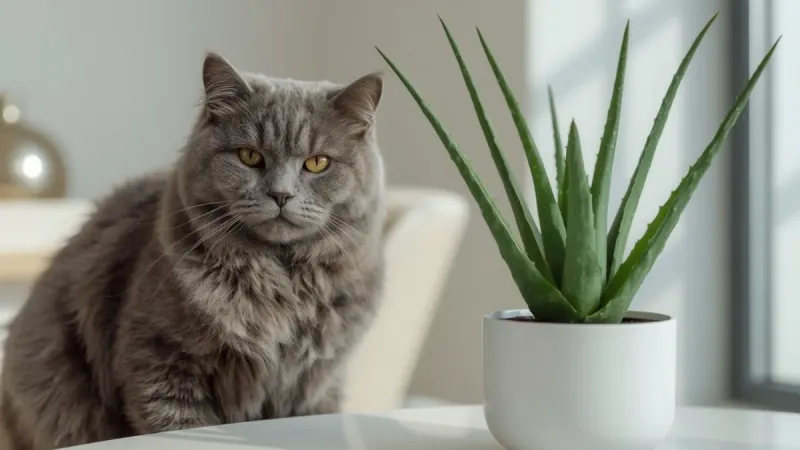
Most of us know aloe as the soothing gel for sunburns after a long day at the beach. That clear inner gel is generally considered gentle on skin, but the plant hides another layer worth knowing about.
Just under the leaf skin sits a yellow latex containing compounds called anthraquinones, including aloin. When pets chew aloe, this latex can cause vomiting, diarrhea, lethargy, and changes in urine color.
Children who bite into a leaf may also get an upset stomach.
Aloe grows easily outdoors in much of Florida and South Texas, so it often lives on porches, patios, and garden beds where dogs roam freely. A bored pup with a chewing habit can do a surprising amount of damage to a sprawling clump.
Simple steps can lower the chance of trouble:
Grow aloe in a raised planter or a hanging pot. When you harvest gel, rinse away the yellow latex and store leftover leaves out of reach.
Teach kids that aloe is for skin, not snacking.
Aloe is still a great plant for Southern homes. It just belongs in the medicine cabinet category, useful and handy, but kept up high and handled by grown-ups.
8. Jade Plant
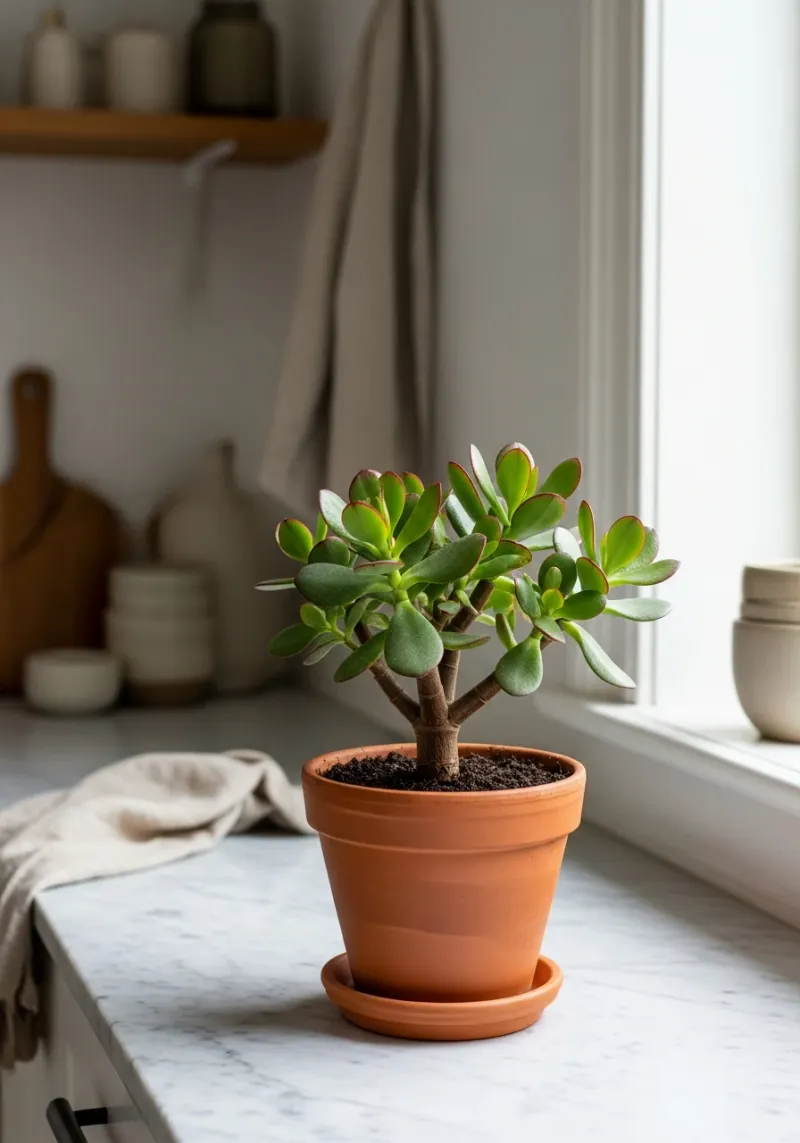
Grandma’s jade plant might be decades old, with thick trunks and plump little leaves that look like green coins. Many folks call it the money plant and keep it for good luck.
Pets, though, may get bad luck from a nibble. Jade plants are listed as toxic to cats and dogs, and chewing can lead to vomiting, a slowed heart rate in some cases, wobbly walking, and depression-like sluggishness.
The exact toxic compound is not fully understood, which makes caution even more sensible.
Those round, juicy leaves look like treats to puppies, and cats sometimes chew them out of plain curiosity. Leaves also snap off easily and roll onto the floor, where a toddler might pop one in their mouth.
Jade thrives on bright windowsills and sunny Southern porches, so placement takes a little thought. Try a high shelf by a window or a plant stand with a narrow top cats cannot easily balance on.
Check the floor around the pot after watering or moving it, since broken leaves are common. A quick sweep can prevent a lot of worry.
With a few precautions, this long-lived succulent can keep its spot as a family heirloom.
9. Rubber Plant
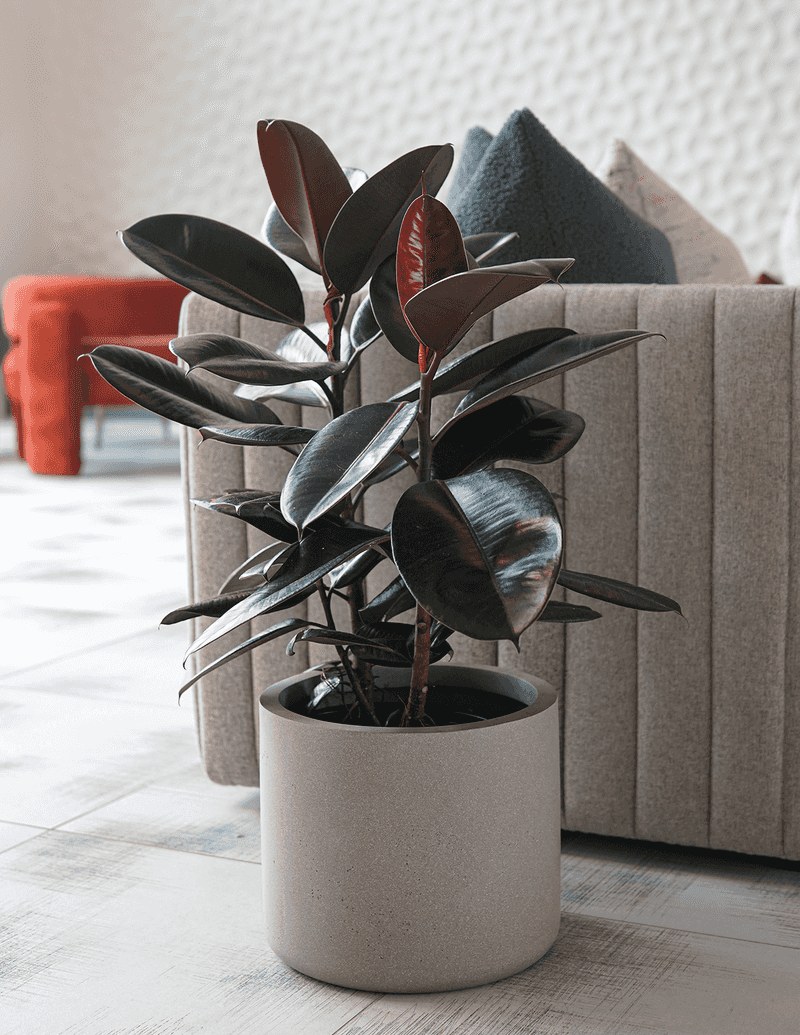
Snap a leaf off a rubber plant and watch what happens. Thick, milky white sap oozes out almost instantly, and that sticky latex is the reason this plant made the list.
Rubber plants belong to the fig family. Their latex can irritate skin, eyes, and the mouth, and swallowing it may cause drooling, vomiting, or stomach upset in pets.
People with latex allergies may react more strongly, so kids with known sensitivities deserve extra care.
Big, leathery leaves make the rubber plant a popular statement piece. Because it grows tall in a floor pot, the lower leaves sit right where dogs and toddlers explore.
Pruning or bumping the stems releases sap easily, sometimes onto floors or furniture.
Here are a few habits that may help:
Wear gloves and eye protection when pruning, and do it when pets and kids are in another room. Wipe up any dripping sap right away.
Remove lower leaves as the plant grows, keeping foliage above toddler height.
Fun fact: relatives of this plant were once tapped for rubber before modern sources took over. Today it is mostly decor, but that old sticky sap still demands a bit of respect.
10. Fiddle Leaf Fig
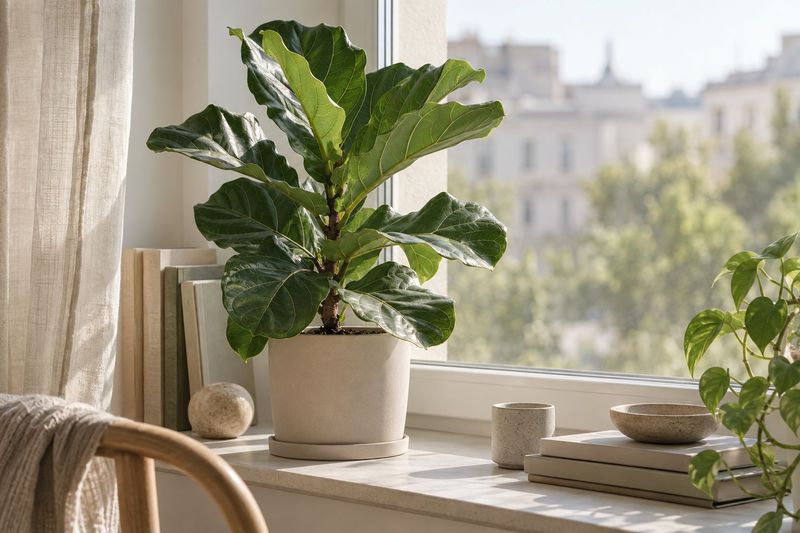
Few plants have earned more home decor fame than the fiddle leaf fig. Its huge, violin-shaped leaves fill living rooms in magazines and on social media, and plenty of Southern homeowners have one tucked by a sunny window.
Like the rubber plant, it is a ficus, and it carries an irritating milky sap. When a pet chews a leaf, that sap can lead to mouth irritation, drooling, vomiting, and sometimes skin redness.
Toddlers who handle broken stems may get itchy hands or watery eyes if they rub their faces.
Fiddle leaf figs are famously fussy. They drop leaves when moved, overwatered, or chilled near an air conditioning vent.
Each fallen leaf becomes a big, crinkly object that puppies love to shred.
So the best safety move also helps the plant. Keep it in a stable, bright spot away from drafts so it sheds less.
Pick up dropped leaves daily, and use a decorative barrier or plant stand if your dog likes to chew.
If you prune to shape the tree, expect sap to drip from cuts. A damp paper towel catches drips and keeps them off floors where little hands and paws wander.
11. Pencil Cactus (Firestick Plant)
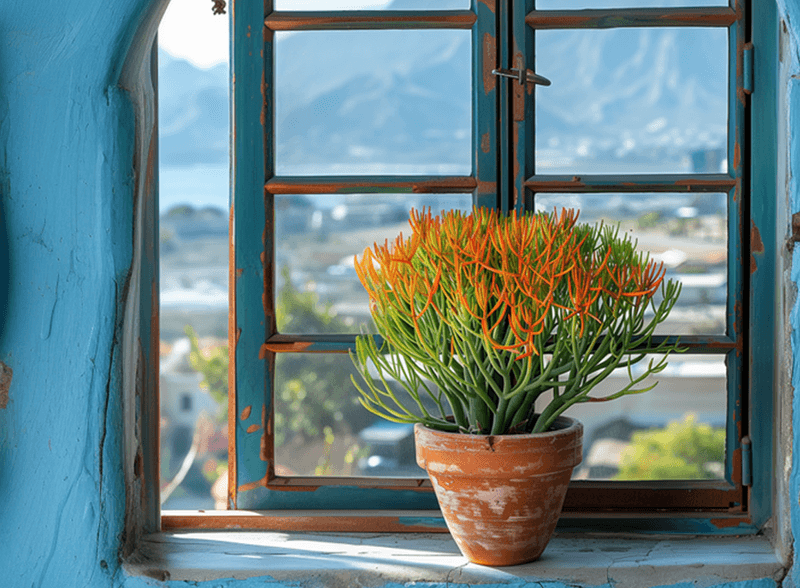
Bright orange stems shooting up like flames make the firestick plant a real showstopper on Texas and Florida patios. It loves heat, shrugs off drought, and looks striking in modern containers.
Despite the cactus nickname, it is actually a euphorbia, and its milky sap is among the most irritating on this list. Contact with skin can cause redness, burning, and blistering.
Sap in the eyes may lead to intense pain and even temporary vision problems, so it deserves real caution.
Pets that chew the stems may drool, vomit, and show mouth irritation. Kids who snap a twig and rub their eyes could end up with a painful reaction that needs medical attention.
Here is what sets it apart: the stems break very easily, so simply brushing past the plant can release sap. That makes placement more important than with most houseplants.
Keep it away from walkways, play areas, and pet paths. Always wear gloves and safety glasses when pruning or repotting.
If sap touches skin, wash with soap and water right away. For eye exposure, flush gently with clean water for several minutes and seek medical help promptly.
12. Sago Palm

Saved for last because it is the most serious, the sago palm deserves every pet owner’s full attention. It looks like a tidy little palm, and many Florida and Texas homes grow it in pots or by front walkways.
Every part of the sago palm is toxic, and the seeds hold the highest concentration of a compound called cycasin. Dogs that chew it may vomit, develop bloody diarrhea, and suffer liver damage.
Even with fast treatment, some cases turn fatal, so animal poison experts treat any exposure as an emergency.
Dogs seem strangely attracted to the seeds, which drop from mature female plants. A single seed may be enough to cause severe illness in a small dog.
Toddlers who mouth seeds or chew fronds face real risk too.
If you have pets or young children, consider removing sago palms entirely, or at least place them where no one can reach them. Pick up fallen seeds right away and dispose of them safely.
If you suspect any chewing, do not wait for symptoms. Call your vet, the ASPCA Animal Poison Control Center, or Poison Control immediately.
Quick action can make a real difference.