 Complete Gardening
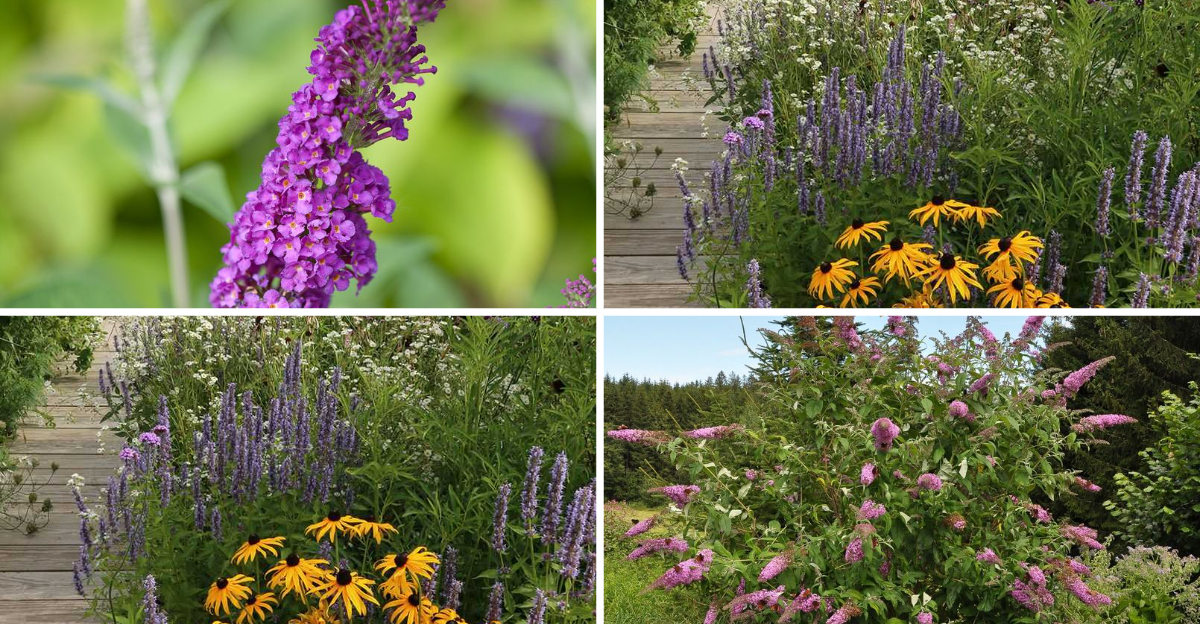
Butterfly bushes can turn your front entrance into a magical gateway that welcomes both visitors and beautiful winged creatures. With their colorful blooms and sweet fragrance, these amazing plants create stunning displays that last from spring through fall. Learning the right techniques helps you grow healthy bushes that attract butterflies while making your home look incredible from the street.
1. Purple Blooms Create Instant Curb Appeal
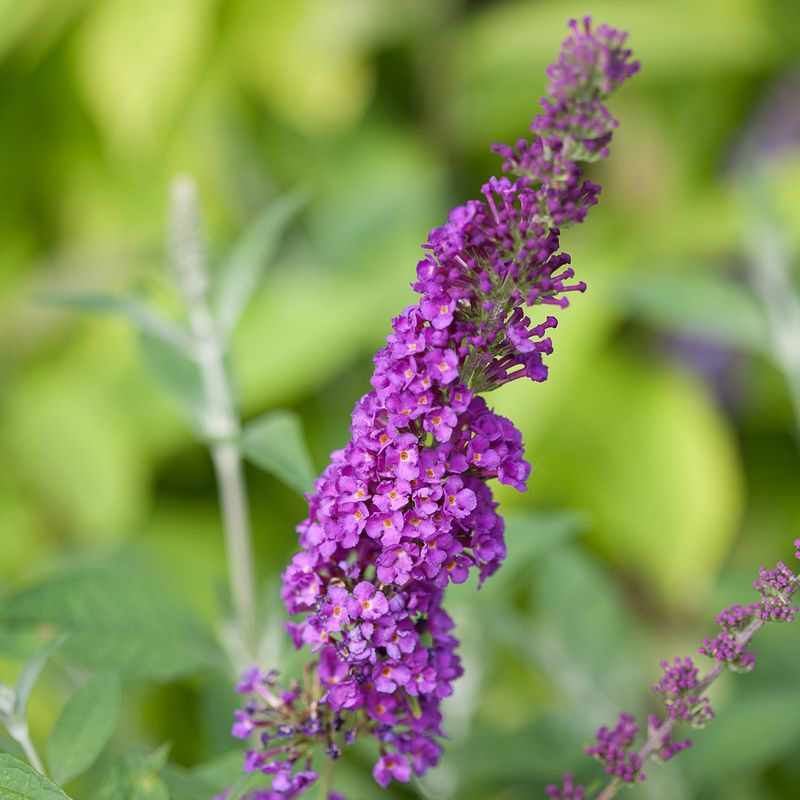
Purple butterfly bush varieties offer the most dramatic visual impact for entrance landscaping. Their deep violet spikes create stunning contrast against green foliage and lighter colored homes.
Plant multiple purple bushes in odd numbers for professional-looking displays. The rich color draws attention from far distances, making your entrance memorable to guests and neighbors alike.
2. Strategic Spacing Maximizes Visual Drama
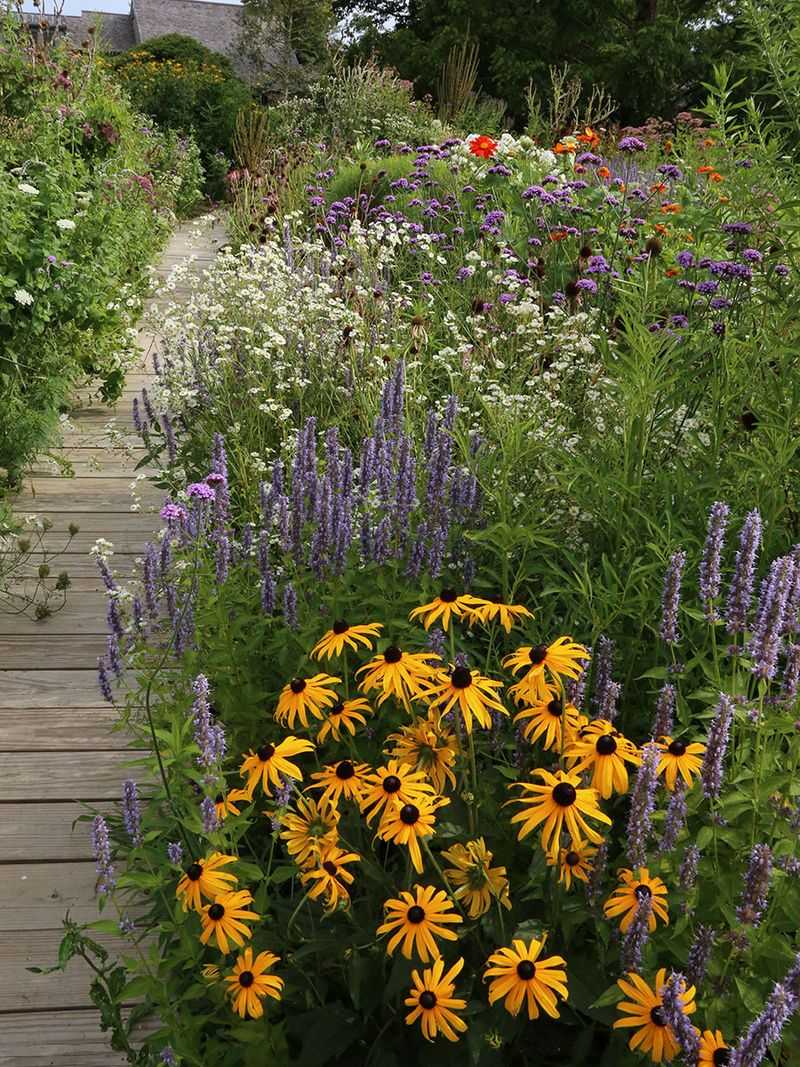
Proper spacing between butterfly bushes creates fuller, more impressive displays than cramming plants together. Allow six feet between each bush to prevent overcrowding and competition for nutrients.
Well-spaced plants develop better branch structure and produce more blooms. This technique also improves air circulation, reducing disease problems that can ruin your entrance garden’s appearance during peak growing season.
3. Morning Sun Placement Guarantees Success
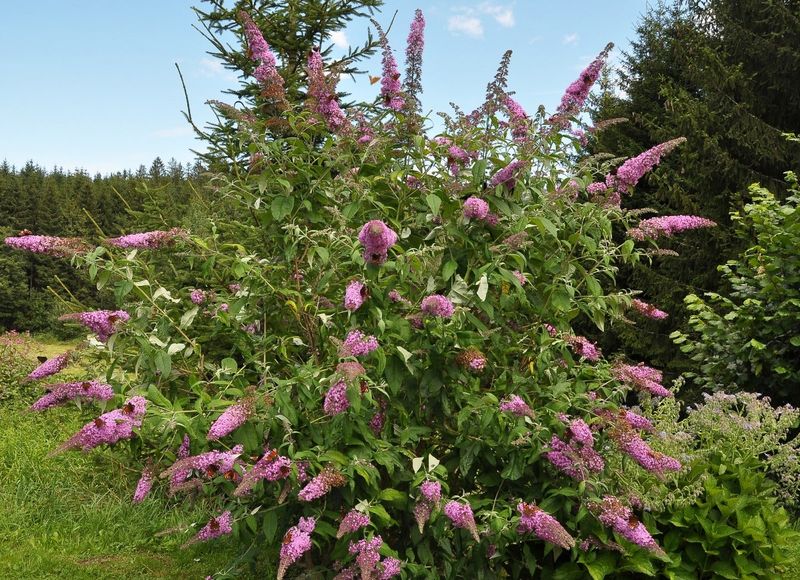
Position butterfly bushes where they receive morning sunlight for at least six hours daily. Eastern exposure provides ideal growing conditions while protecting plants from harsh afternoon heat.
Morning sun helps dry dew quickly, preventing fungal diseases that damage leaves and flowers. Plants in these locations bloom more abundantly and maintain healthier foliage throughout the growing season, keeping your entrance looking pristine.
4. Companion Planting Doubles Butterfly Activity
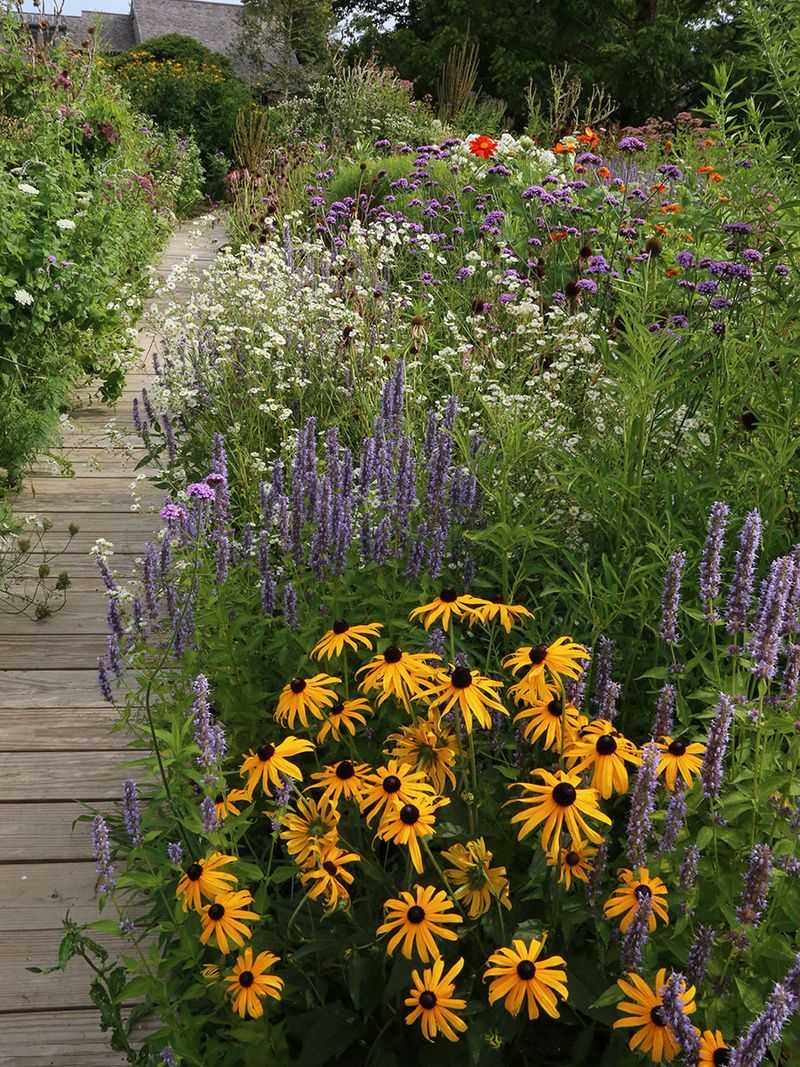
Surround butterfly bushes with complementary plants like lavender, bee balm, and coneflowers to create butterfly magnets. Different bloom times ensure continuous nectar sources throughout the season.
Companion plants also provide varying heights and textures that make entrance gardens more interesting. This layered approach attracts diverse butterfly species while creating professional-looking landscapes that impress visitors and increase property value.
5. Deadheading Extends Blooming Seasons
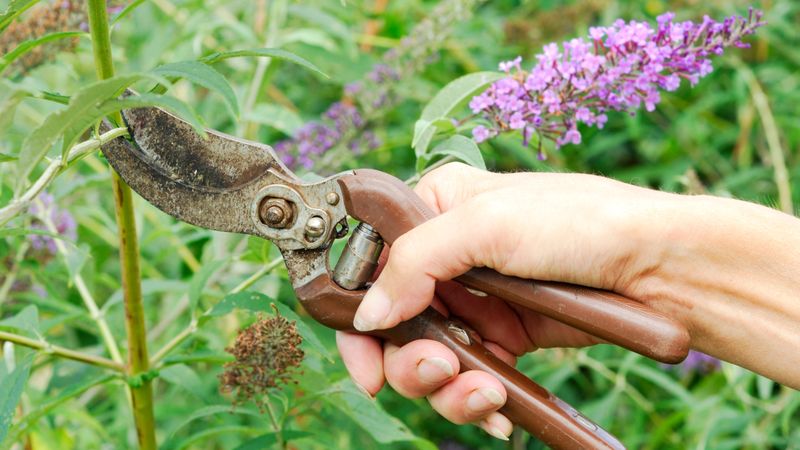
Remove spent flower heads weekly to encourage continuous blooming from spring through fall. Cut just above the next set of buds to promote new growth and additional flower production.
Regular deadheading prevents energy waste on seed production, redirecting plant resources toward creating more colorful displays. This simple maintenance task keeps entrance gardens looking fresh and vibrant when neighbors’ landscapes start fading in late summer.
6. Mulching Secrets Boost Plant Health
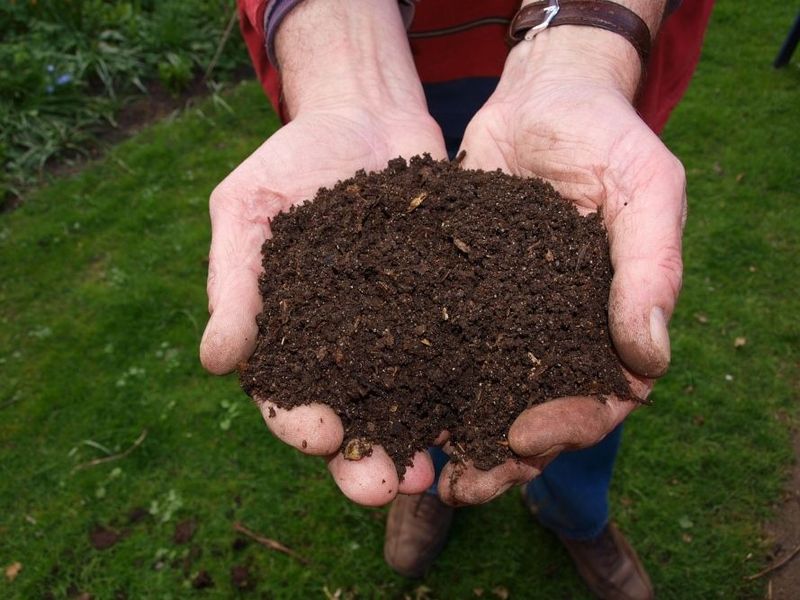
Apply three-inch layers of organic mulch around butterfly bushes to retain moisture and suppress weeds. Keep mulch six inches away from stems to prevent rot and pest problems.
Organic mulches like shredded bark or compost slowly decompose, adding nutrients to soil while maintaining consistent moisture levels. Proper mulching reduces watering needs and creates neat, professional appearances that enhance entrance appeal year-round.
7. Winter Pruning Promotes Vigorous Growth
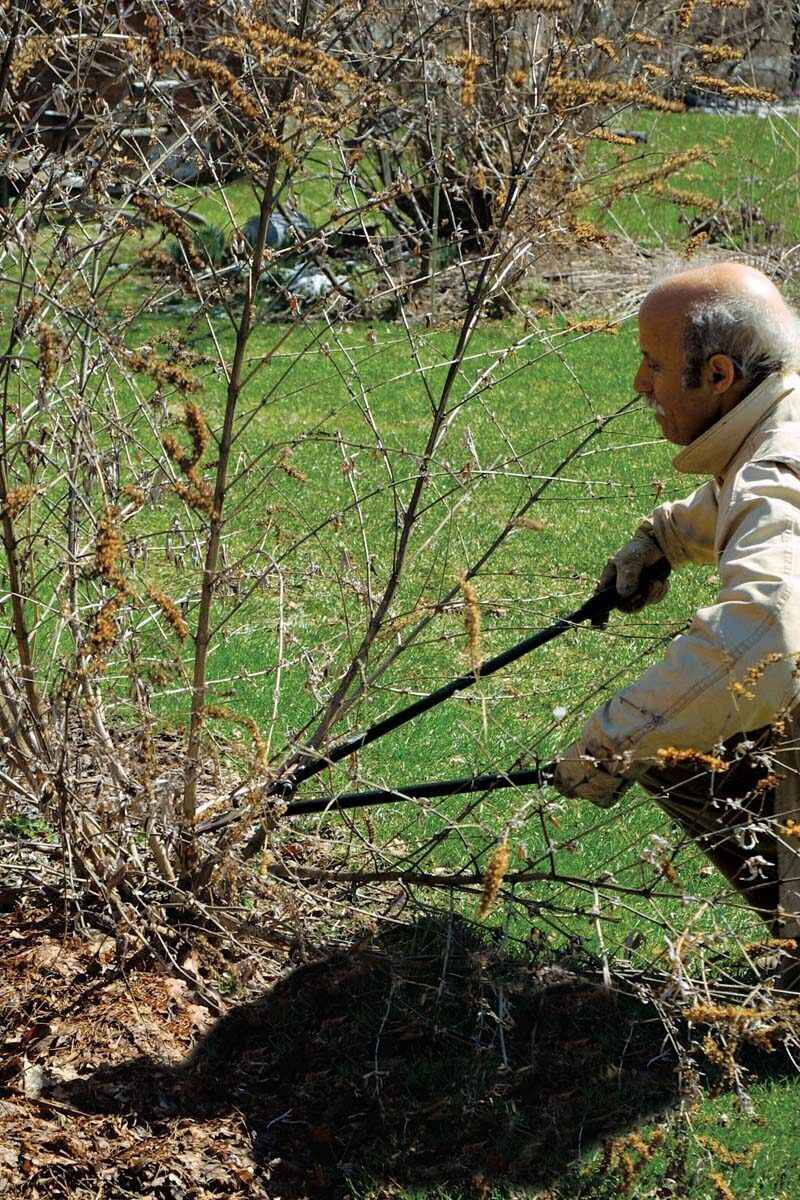
Cut butterfly bushes back to 12 inches in late winter before new growth begins. This aggressive pruning prevents plants from becoming woody and encourages abundant spring flowering.
Winter pruning also maintains manageable plant sizes for entrance areas where overgrown bushes can obstruct walkways or windows. Fresh growth produces the most colorful blooms, ensuring your entrance garden looks spectacular when growing season arrives.
8. Soil Drainage Prevents Root Problems
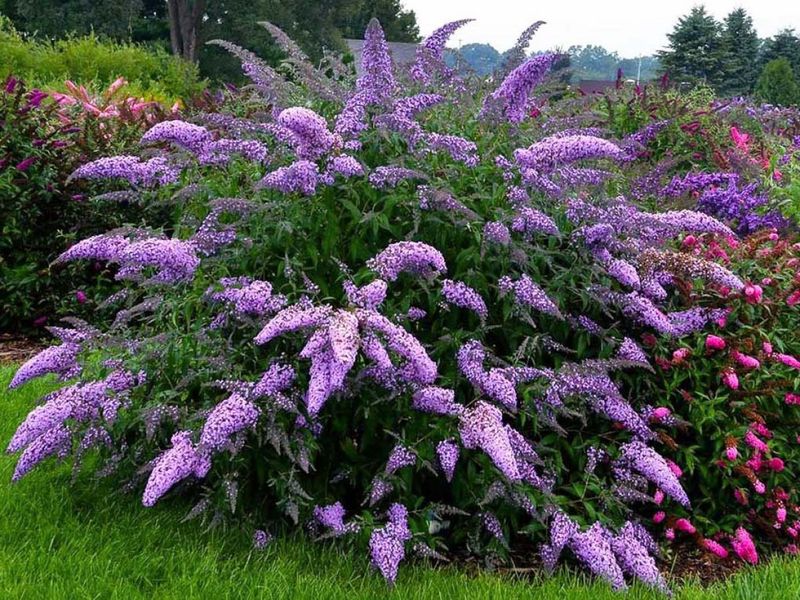
Ensure excellent drainage by amending heavy clay soils with compost and coarse sand before planting. Butterfly bushes cannot tolerate waterlogged conditions that cause root rot.
Well-draining soil allows roots to develop properly while preventing fungal diseases that kill plants. Test drainage by digging holes and filling with water; proper drainage empties holes within 24 hours, ensuring healthy plants for impressive entrance displays.
9. Fertilizing Schedule Maximizes Blooms
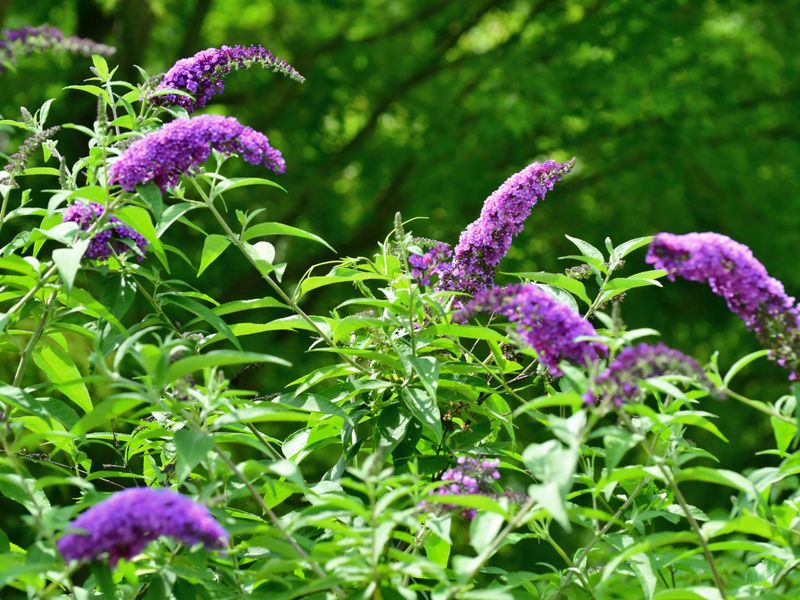
Feed butterfly bushes monthly during growing season with balanced fertilizer to promote continuous flowering. Avoid high-nitrogen fertilizers that encourage leafy growth at the expense of blooms.
Slow-release granular fertilizers provide steady nutrition without burning roots or causing excessive growth spurts. Proper fertilization creates robust plants with abundant flowers that maintain entrance appeal from spring through fall, impressing visitors consistently.
10. Watering Techniques Ensure Survival
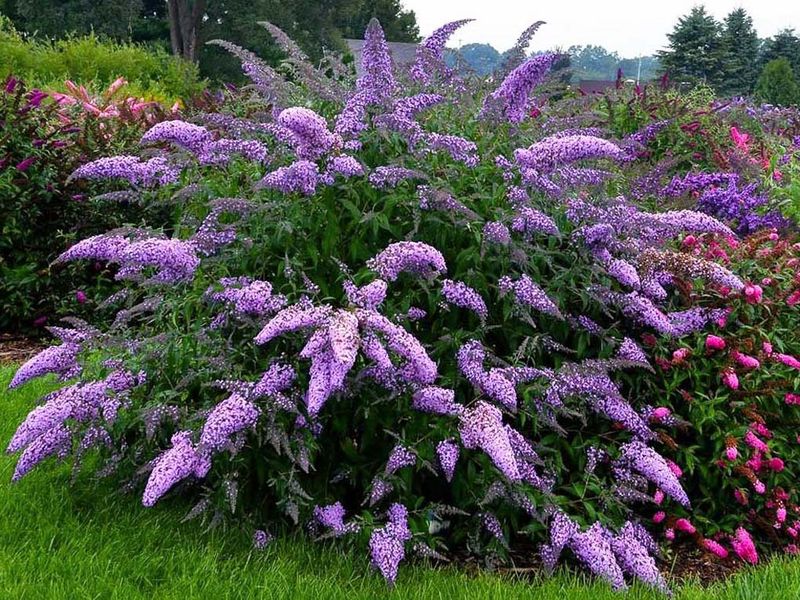
Water butterfly bushes deeply once weekly rather than frequent shallow watering. Deep watering encourages strong root development that helps plants survive drought conditions.
Apply water directly to soil around plant bases rather than overhead watering that can promote fungal diseases. Consistent moisture during establishment period ensures plants develop properly, creating reliable entrance displays that thrive with minimal maintenance once established.
11. Container Growing Offers Flexibility
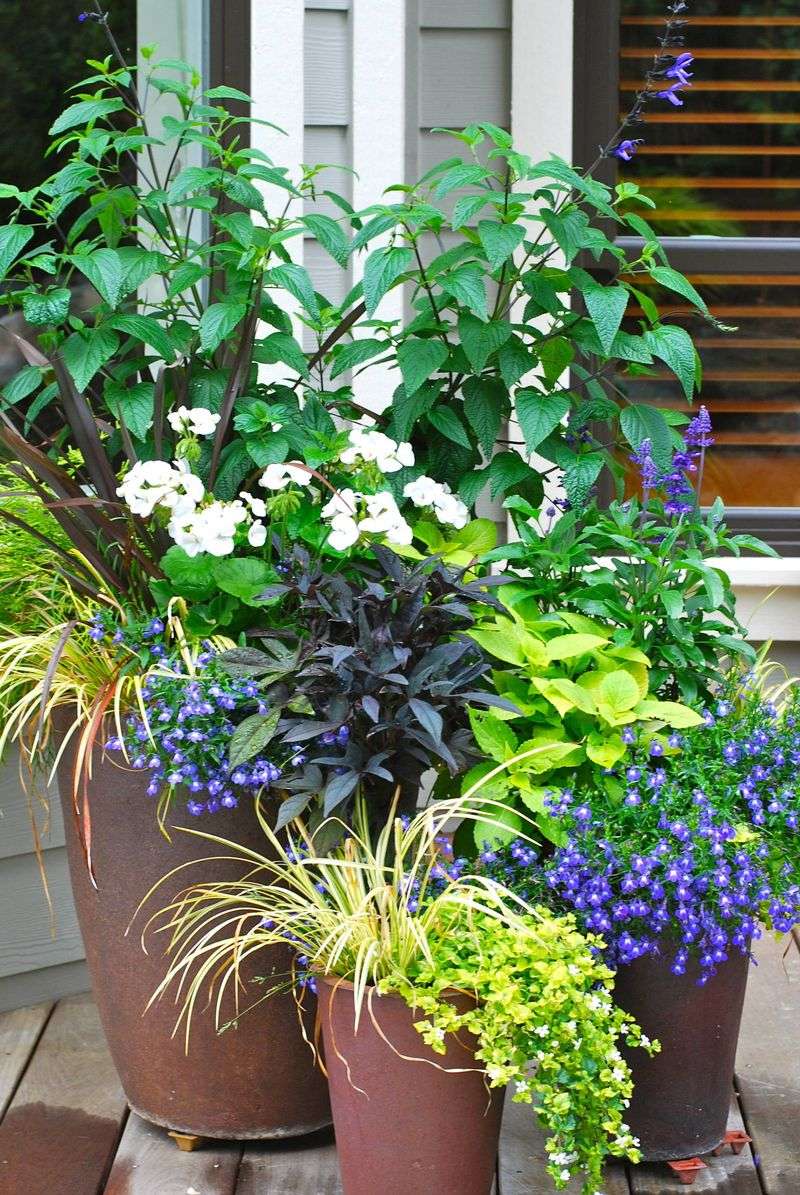
Grow butterfly bushes in large containers for entrances with limited planting space or poor soil conditions. Use containers at least 20 inches wide with drainage holes.
Container growing allows repositioning plants for optimal sun exposure and seasonal arrangements. Dwarf varieties work best in pots, providing colorful displays without overwhelming small entrance areas while maintaining mobility for winter protection in cold climates.
12. Pest Management Keeps Plants Healthy
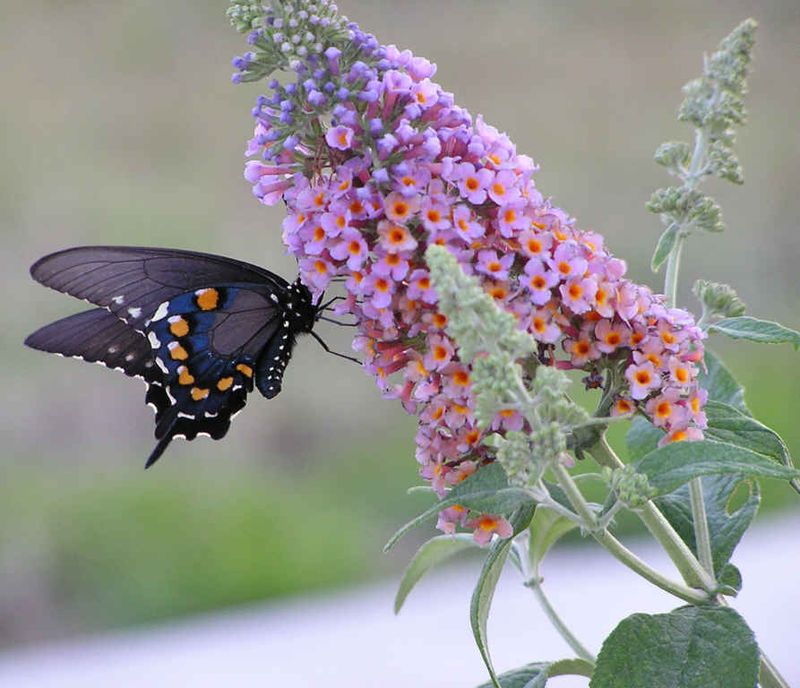
Monitor butterfly bushes regularly for aphids and spider mites that can damage leaves and reduce flowering. Use insecticidal soap for safe, effective control without harming beneficial insects.
Encourage natural predators like ladybugs and lacewings by avoiding harsh pesticides that kill beneficial insects along with pests. Healthy plants with good air circulation resist pest problems naturally, maintaining attractive entrance displays throughout growing season.
13. Variety Selection Extends Color Range
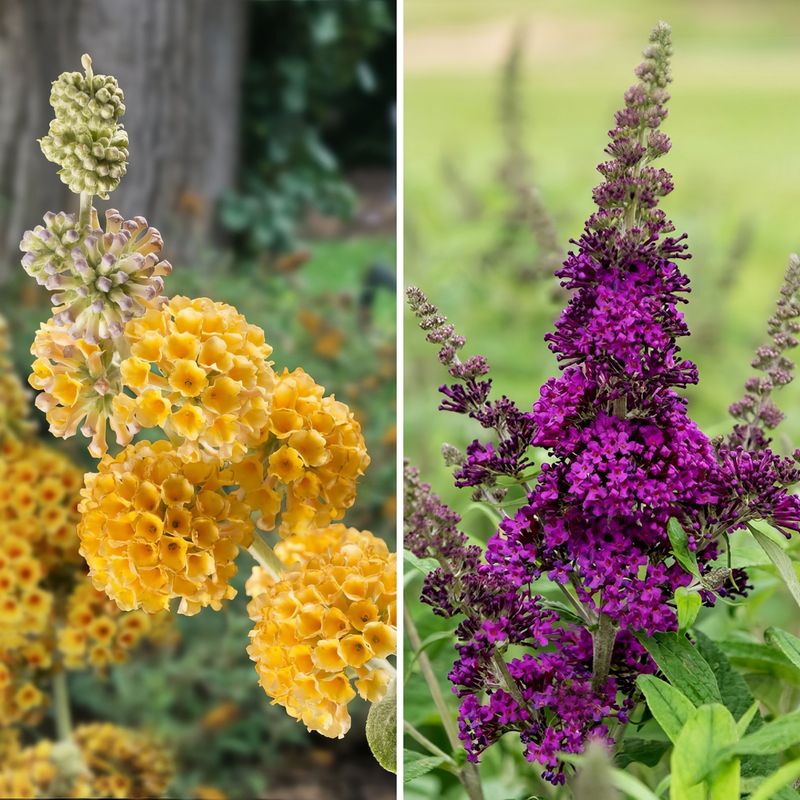
Choose butterfly bush varieties in different colors like white, pink, yellow, and purple to create diverse entrance displays. Different varieties also bloom at slightly different times.
Newer compact varieties work better for entrance areas than older large-growing types that can overwhelm spaces. Select fragrant varieties to add sensory appeal that welcomes visitors with pleasant scents along with beautiful colors and butterfly activity.
14. Seasonal Interest Maintains Appeal
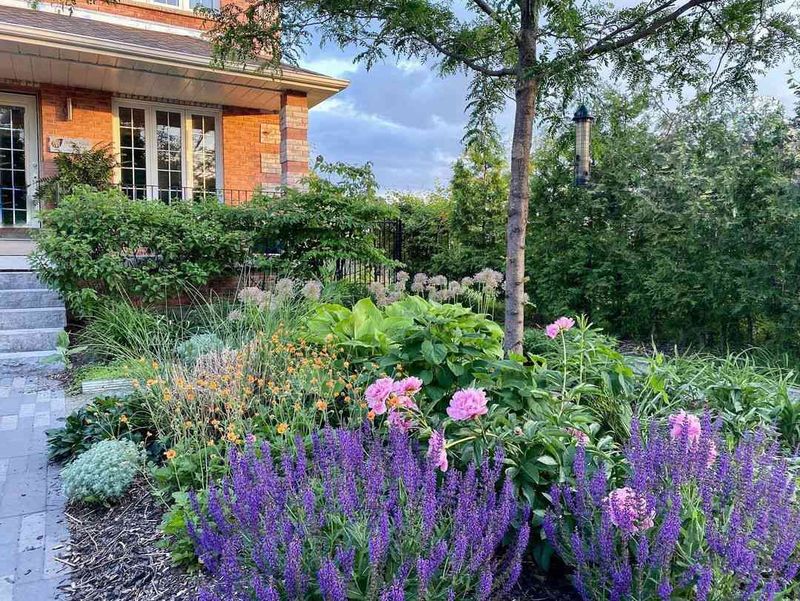
Plan entrance gardens with plants that provide interest before and after butterfly bush blooming periods. Include spring bulbs, summer annuals, and fall-blooming perennials for continuous color.
Evergreen shrubs provide winter structure when butterfly bushes are dormant, maintaining entrance appeal year-round. Seasonal planning ensures your entrance always looks intentional and well-maintained, creating positive first impressions regardless of season.
15. Propagation Multiplies Your Investment

Take softwood cuttings in early summer to propagate butterfly bushes for expanding entrance displays. Root cuttings in moist potting mix under plastic covers for best success.
Propagation allows creating matching plants for symmetrical entrance designs without additional expense. Share cuttings with neighbors to create neighborhood-wide butterfly habitats while building community connections through gardening activities that benefit everyone’s property values.
16. Fragrance Selection Enhances Welcome
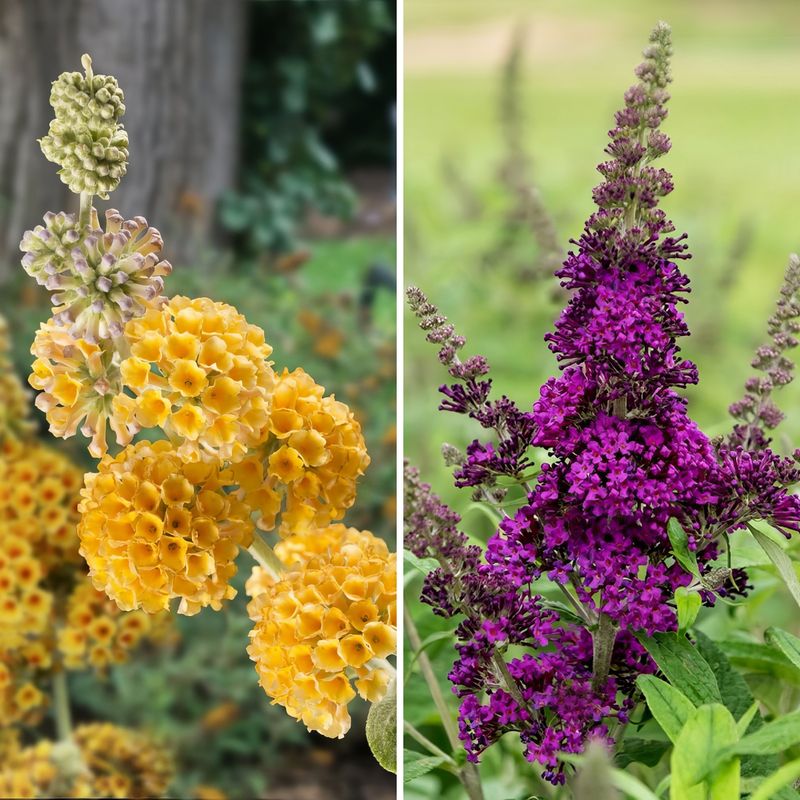
Choose highly fragrant butterfly bush varieties like ‘Honeycomb’ or ‘Royal Red’ to create sensory entrance experiences. Sweet fragrances welcome visitors while attracting butterflies more effectively.
Position fragrant varieties near walkways and seating areas where scents can be appreciated most. Evening-fragrant varieties provide additional appeal during outdoor entertaining, creating memorable entrance experiences that guests associate with your home’s welcoming atmosphere.
17. Climate Adaptation Ensures Success
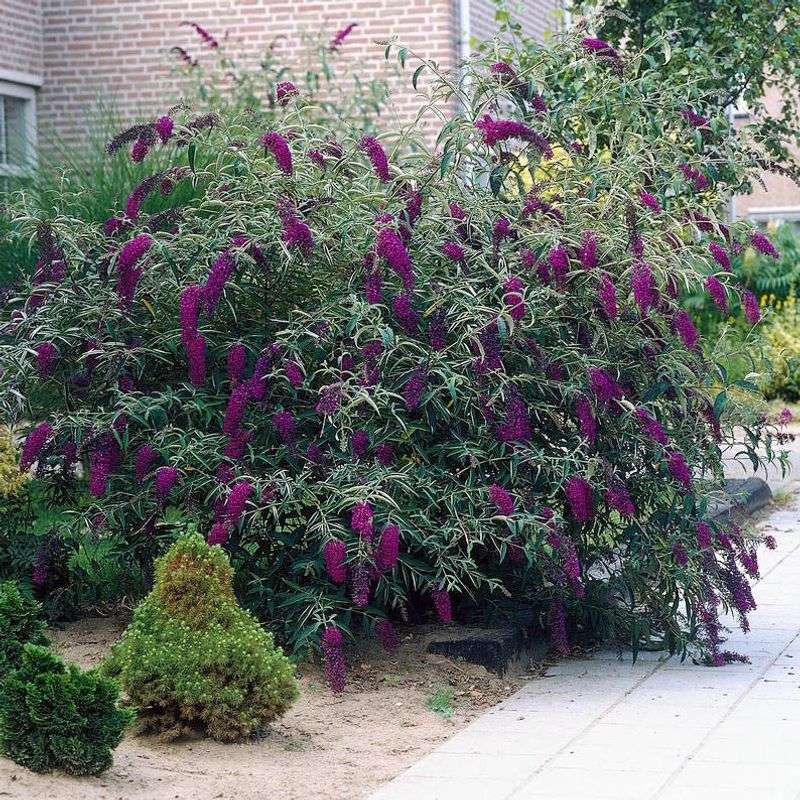
Select butterfly bush varieties suited to your specific climate zone for reliable entrance displays. Cold-hardy varieties survive northern winters while heat-tolerant types thrive in southern conditions.
Local garden centers stock varieties proven successful in your area, reducing guesswork and ensuring entrance investments flourish. Climate-appropriate selections require less maintenance and provide consistent performance, creating dependable entrance beauty that enhances property value long-term.