 Complete Gardening
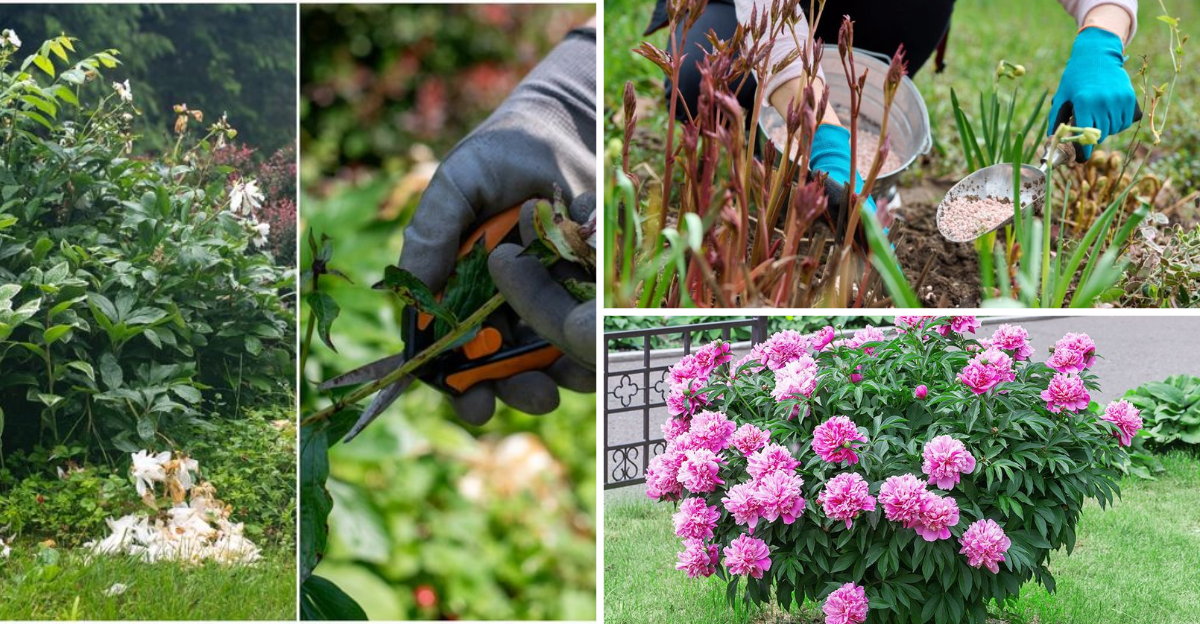
Discover the secrets to extending the life and vibrancy of your peony blooms. With these expert tricks, your peonies will flourish beyond the ordinary flowering period, providing a lush and colorful display in your garden. From planting techniques to maintenance practices, each tip offers a unique insight into nurturing these beloved blossoms.
1. Early Morning Watering
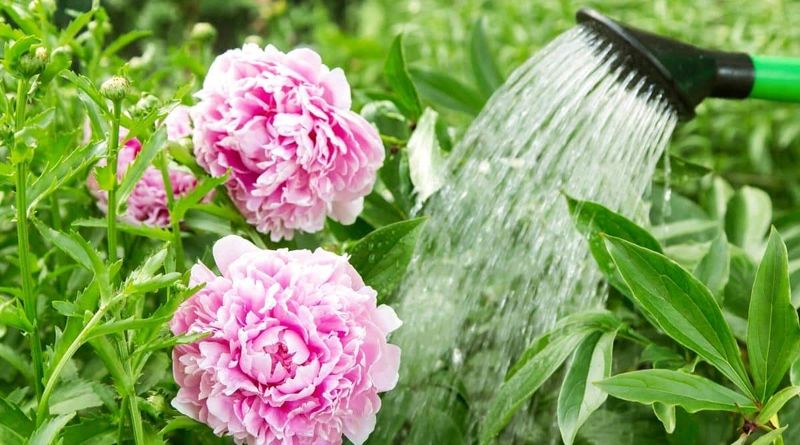
Watering peonies early in the morning ensures that the moisture has time to soak into the roots before the heat of the day. This practice minimizes evaporation and allows the plant to absorb the necessary hydration. Start your day with a peaceful routine that not only refreshes your garden but also provides you with a moment of tranquility. Imagine the gentle sound of water meeting earth, as the first light embraces the petals. This simple yet effective method sets the stage for robust and resilient blooms, ready to face the day.
2. Use Mulch for Moisture
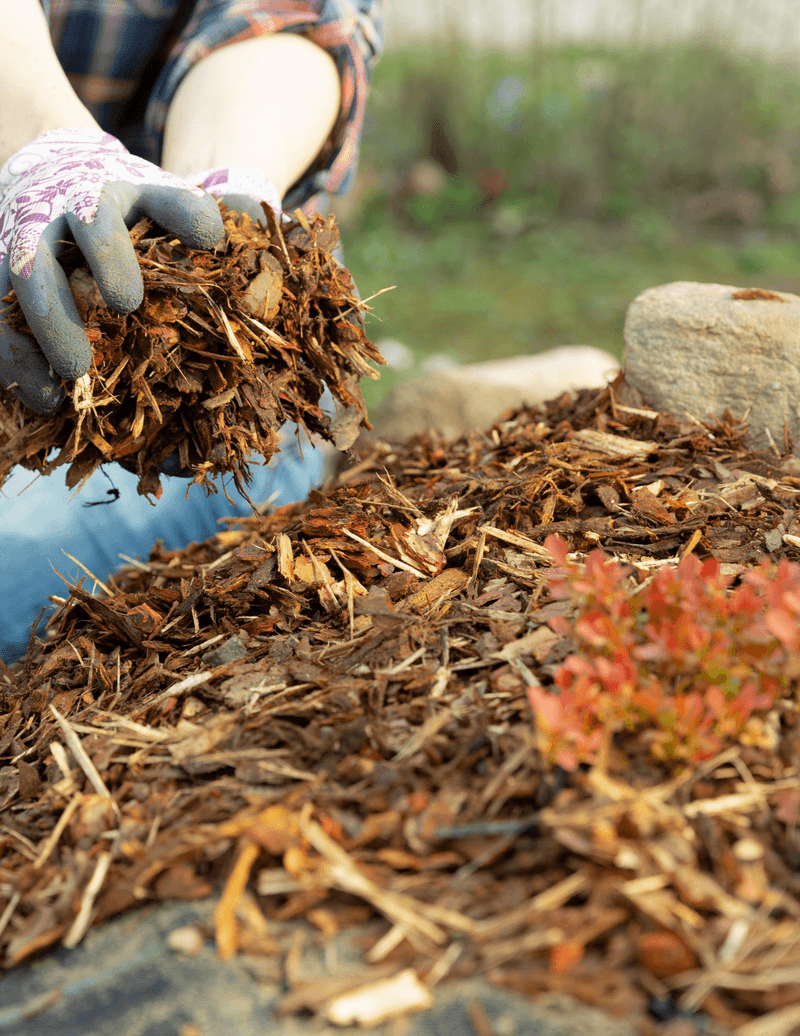
Mulching around your peony plants helps retain soil moisture and control weeds. A layer of organic mulch, such as straw or wood chips, acts as a protective barrier, preserving the soil’s natural dampness. This not only keeps your peonies hydrated but also nurtures the soil ecosystem. Apply mulch in early spring, allowing your plants to reap the benefits as the season progresses. The rich texture and earthy aroma enhance the visual appeal of your garden while supporting your peonies’ health. It’s a simple action that yields significant rewards.
3. Proper Fertilization Timing
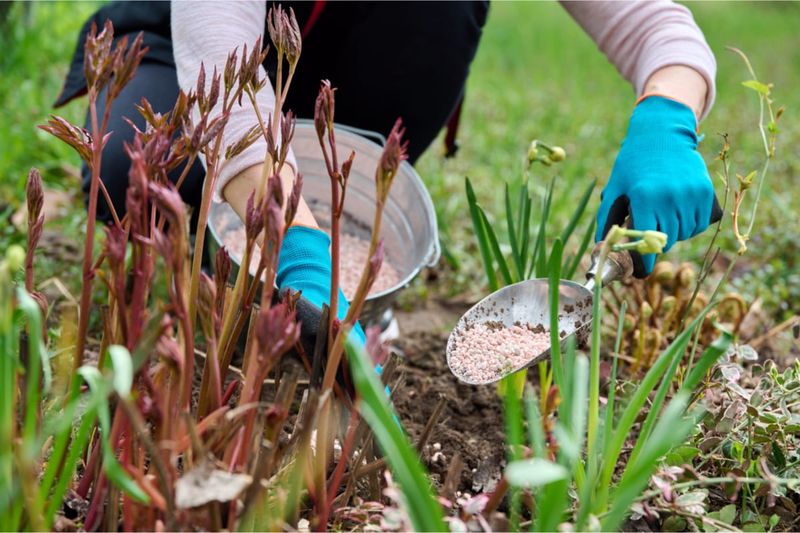
Timing is crucial when it comes to fertilizing peonies. Apply a balanced fertilizer in early spring, just as new growth begins to appear. This ensures that your plants receive the nutrients they need to develop strong stems and vibrant blooms. Choose a fertilizer that contains equal parts nitrogen, phosphorus, and potassium. By nurturing your peonies at the right moment, you set the foundation for a flourishing garden. The anticipation of seeing your peonies thrive is matched only by the satisfaction of knowing you have provided them with the best possible care.
4. Control Pests Naturally

Keeping pests at bay without harsh chemicals is an achievable goal for peony lovers. Utilize natural pest control methods, like companion planting with marigolds or using neem oil, to protect your blooms. These gentle approaches not only safeguard your plants but also maintain the ecological balance in your garden. Imagine a thriving habitat where every creature plays a vital role, yet your peonies remain untouched by unwanted invaders. By choosing eco-friendly solutions, you embrace the responsibility of gardening with a conscience, ensuring a harmonious environment for all.
5. Prune for Air Circulation

Pruning your peonies to improve air circulation is a vital step in preventing diseases like powdery mildew. By removing excess foliage, you allow air to flow freely around the plant, reducing the risk of fungal infections. Picture a well-organized garden, where each plant has room to breathe and thrive. Regular pruning, especially after blooming, encourages healthier growth and more abundant flowers. The art of pruning is more than a maintenance task; it’s a mindful practice that connects you to the natural rhythm of your garden, fostering a sense of balance and beauty.
6. Stake Tall Varieties

Tall peony varieties often require staking to prevent their heavy blooms from drooping. By providing support with stakes or cages, you ensure that your plants maintain an upright posture, showcasing their beauty fully. This simple act of care transforms a garden from ordinary to extraordinary, as each bloom stands proud against the backdrop of lush greenery. Imagine walking through a garden where every flower maintains its integrity, undisturbed by wind or rain. Staking is a commitment to the elegance and grace of your peonies, allowing them to shine in their natural splendor.
7. Deadhead Regularly
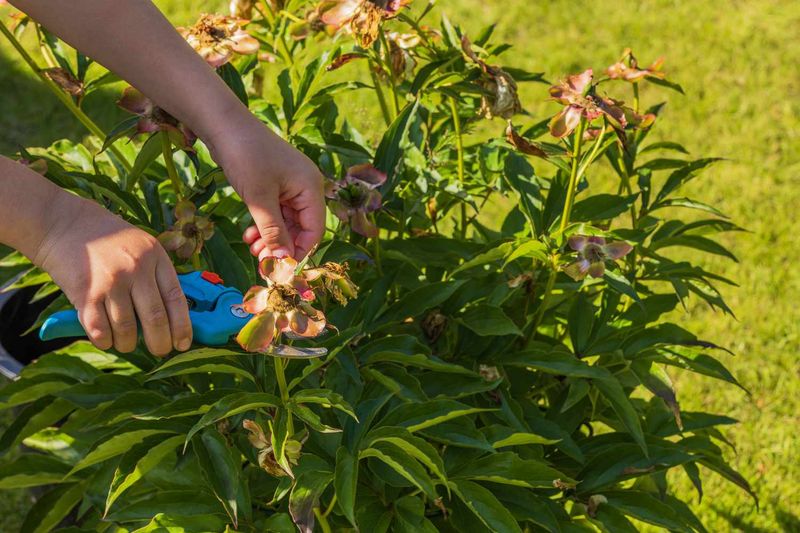
Deadheading, or removing spent blooms, encourages your peonies to direct energy towards new growth. As you gently snip away the faded flowers, you’re participating in a cycle of renewal, allowing the plant to focus on producing fresh, vibrant blooms. This practice not only enhances the appearance of your garden but also extends the blooming season. Picture each clip as a step towards a more lush and colorful landscape, where peonies continue to thrive and flourish. Deadheading is a simple yet powerful way to nurture your plants and keep your garden lively and engaging.
8. Choose the Right Location
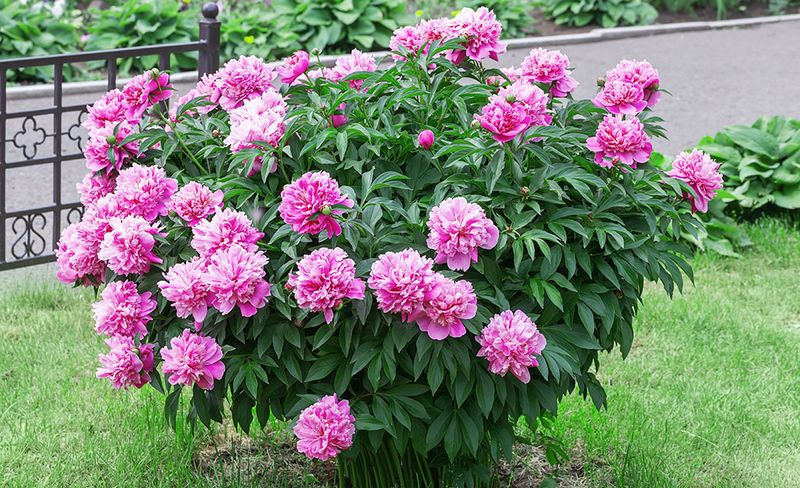
Selecting the appropriate location for your peony plants is key to their success. Peonies thrive in areas with full to partial sunlight and well-drained soil. Consider the balance of light and shade in your garden, and choose a spot where the conditions align with your plants’ needs. This thoughtful placement promotes optimal growth and reduces the risk of disease. Envision a garden where peonies bask in the perfect amount of sunlight, their colors vibrant and their leaves healthy. By taking the time to choose the right location, you create a sanctuary for your plants to flourish.
9. Plant at the Correct Depth
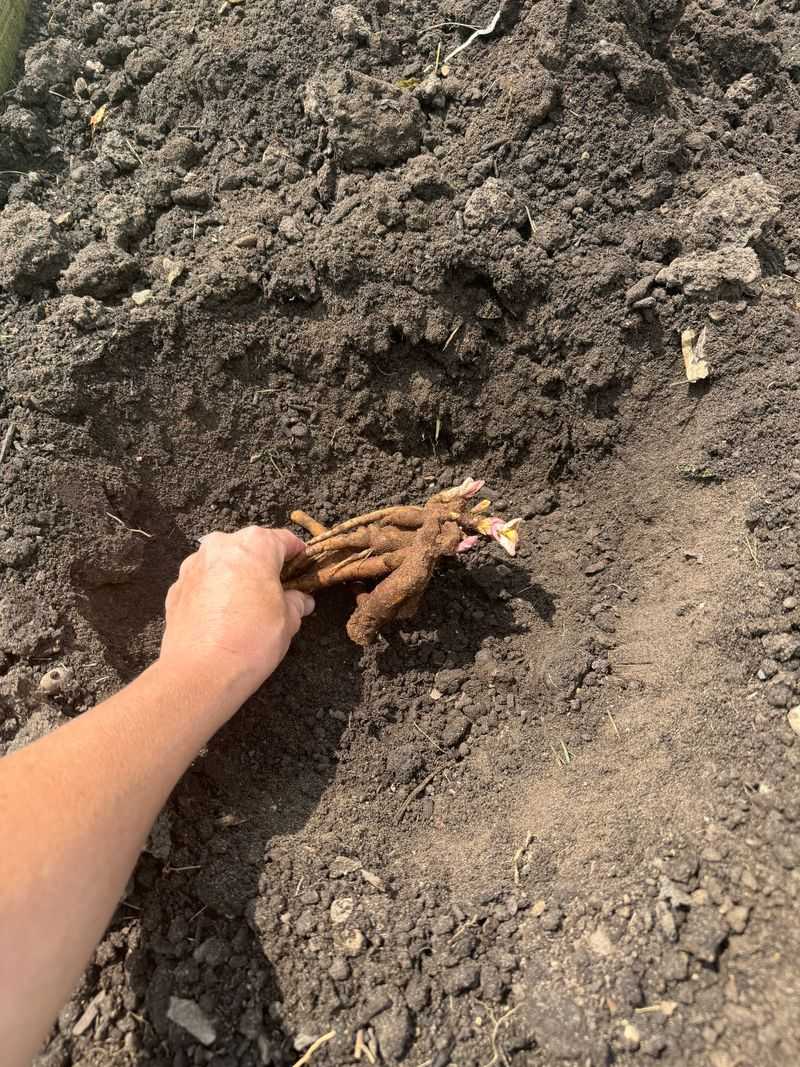
Planting peony tubers at the correct depth is essential for their growth and blooming potential. Position the tubers so that their eyes, or growing points, are no more than two inches below the soil surface. This careful placement ensures they receive adequate warmth and light. Imagine the anticipation as each tuber takes root and begins its journey towards becoming a majestic bloom. Proper planting is the foundation of a successful peony garden, setting the stage for a stunning display of flowers. With patience and precision, you plant with purpose, unlocking the beauty of your peonies.
10. Avoid Overcrowding

Giving your peony plants enough space to grow helps prevent overcrowding, which can lead to competition for nutrients and light. Ensure that each plant has at least three feet of space around it, allowing the roots to spread and the foliage to develop fully. Consider the scene of a well-spaced garden, where each peony has room to flourish without hindrance. The absence of competition fosters an environment where your plants can thrive individually, yet collectively create a harmonious and breathtaking display. This thoughtful spacing is a testament to your commitment to your garden’s overall health and beauty.
11. Protect from Harsh Weather

Harsh weather conditions can take a toll on delicate peony blooms. Use protective measures, such as garden fabric or temporary shelters, to shield your plants from heavy rain or strong winds. Picture the elegance of a garden safeguarded against the elements, where each peony remains unscathed and beautiful. By taking proactive steps to protect your plants, you ensure that your garden continues to thrive, regardless of what nature throws its way. This dedication to your peonies’ well-being reflects a deep connection to your garden, nurturing beauty that withstands the test of time.
12. Avoid Excessive Nitrogen
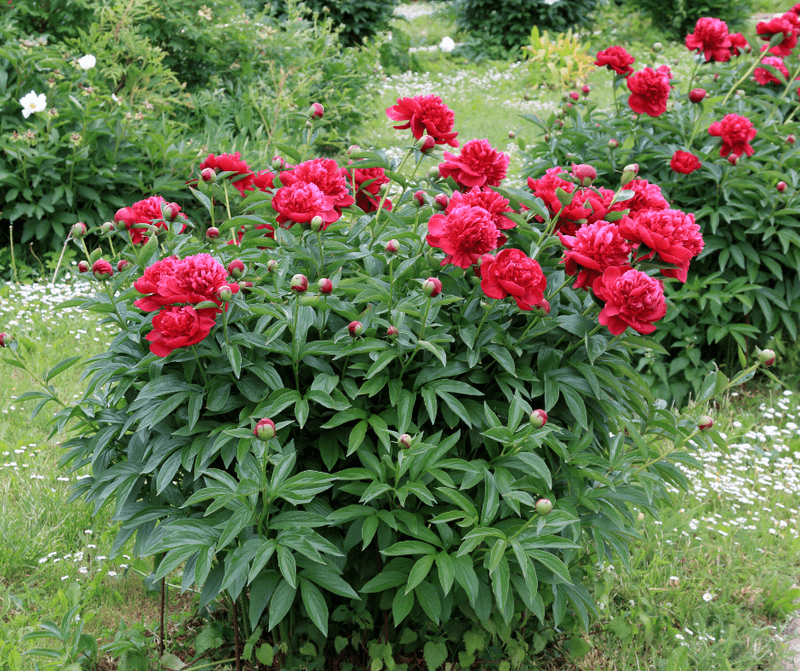
While fertilization is important, excessive nitrogen can lead to lush foliage at the expense of blooms. Choose a fertilizer with a lower nitrogen content to encourage more flowers and less leafy growth. Envision a garden where blossoms take center stage, their colors vivid against the backdrop of healthy foliage. This balance is achieved by selecting the right nutrients, allowing your peonies to flourish in both form and function. The art of fertilization is not just about feeding your plants, but about nurturing their ability to express their natural beauty to the fullest extent.
13. Regularly Check for Diseases
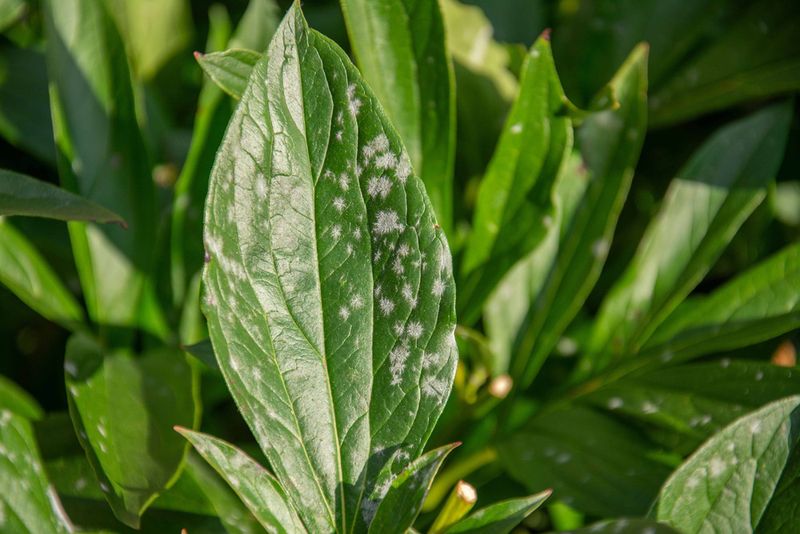
Regular inspections for disease are essential for maintaining the health of your peony plants. Look for signs of fungal infections, discolored leaves, or unusual spots, and take immediate action if needed. This vigilance ensures that your garden remains a thriving haven of beauty and vitality. Imagine the peace of mind that comes with knowing your peonies are in optimal health, each bloom a testament to your careful observation and timely intervention. By staying attentive to your plants’ needs, you create an environment where they can prosper, free from the threat of disease.
14. Ensure Good Drainage

Good drainage is crucial for the health of peony plants, as waterlogged soil can lead to root rot. Ensure your garden beds are designed to facilitate proper drainage, perhaps by incorporating raised beds or adding sand to heavy soils. Picture a robust garden where peonies stand tall, each plant supported by the perfect balance of moisture and dryness. By providing the right conditions, you allow your peonies to thrive without the worry of over-saturation. This attention to detail in your garden’s design is a reflection of your dedication to creating a flourishing and resilient landscape.
15. Plant Companions Thoughtfully
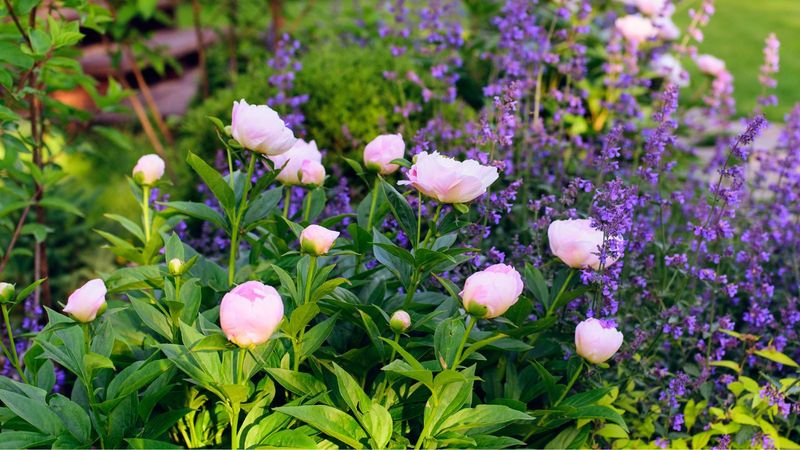
Thoughtful companion planting can enhance the beauty and health of your peony garden. Choose plants like lavender or roses that complement and support your peonies, creating a balanced and visually appealing landscape. Imagine a garden where diverse plants coexist harmoniously, each one accentuating the other’s beauty. This strategic pairing not only elevates the aesthetic value of your garden but also promotes a healthy ecosystem. By selecting the right companions, you show a deep understanding of your garden’s dynamics, creating a thriving environment where every plant contributes to the whole.
16. Use Compost Wisely
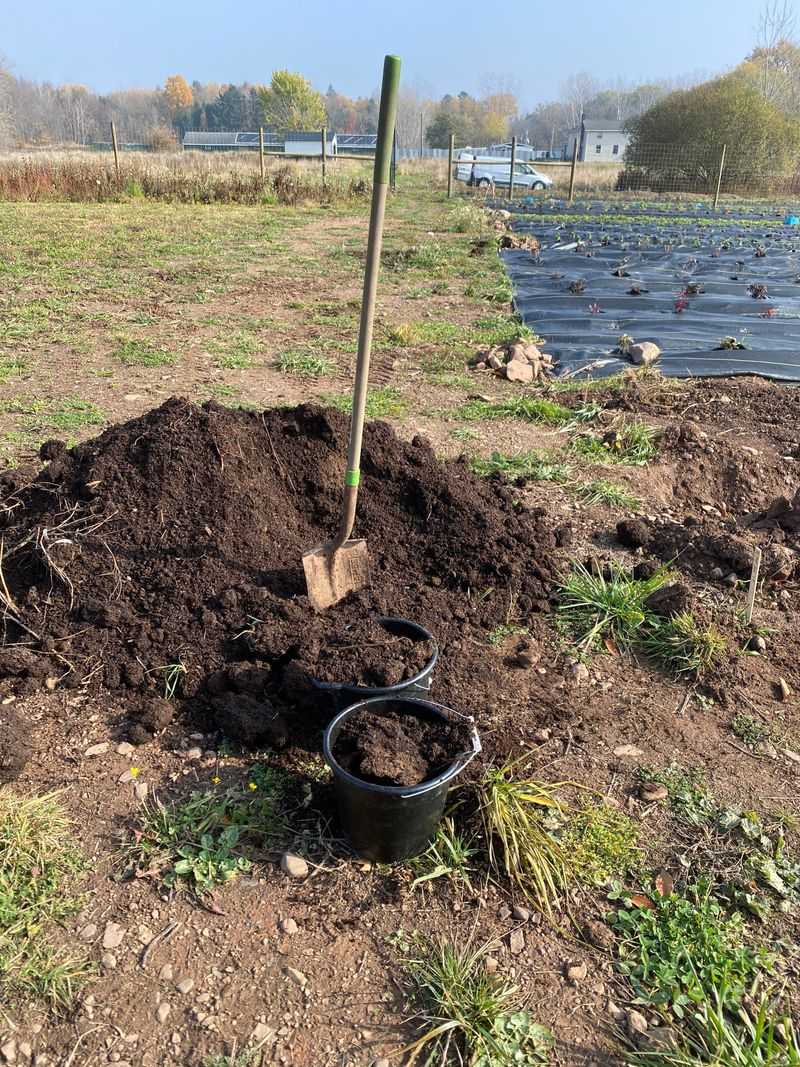
Using compost wisely can significantly improve the health of your peony plants. Apply a layer of compost in the fall to enrich the soil with nutrients, preparing it for the growing season. This rich, organic material supports healthy root development and enhances soil structure. Envision a cycle of life, where each application of compost renews the vitality of your garden. The earthy aroma and dark texture of compost are symbols of nature’s generosity, providing your peonies with the sustenance they need to thrive. This mindful addition to your garden care routine underscores your commitment to nurturing a sustainable landscape.
17. Monitor Soil pH

Monitoring the soil pH ensures that your peonies are growing in the right conditions, as they prefer a slightly acidic to neutral pH. Regular testing allows you to make necessary adjustments, such as adding lime or sulfur, to maintain the ideal environment. Picture a garden where each plant flourishes, supported by a foundation of carefully balanced soil. This understanding of soil chemistry empowers you to nurture your peonies with precision and care, ensuring they reach their full potential. The attention to detail in soil management reflects your dedication to creating a garden that thrives in harmony with nature.