 Complete Gardening
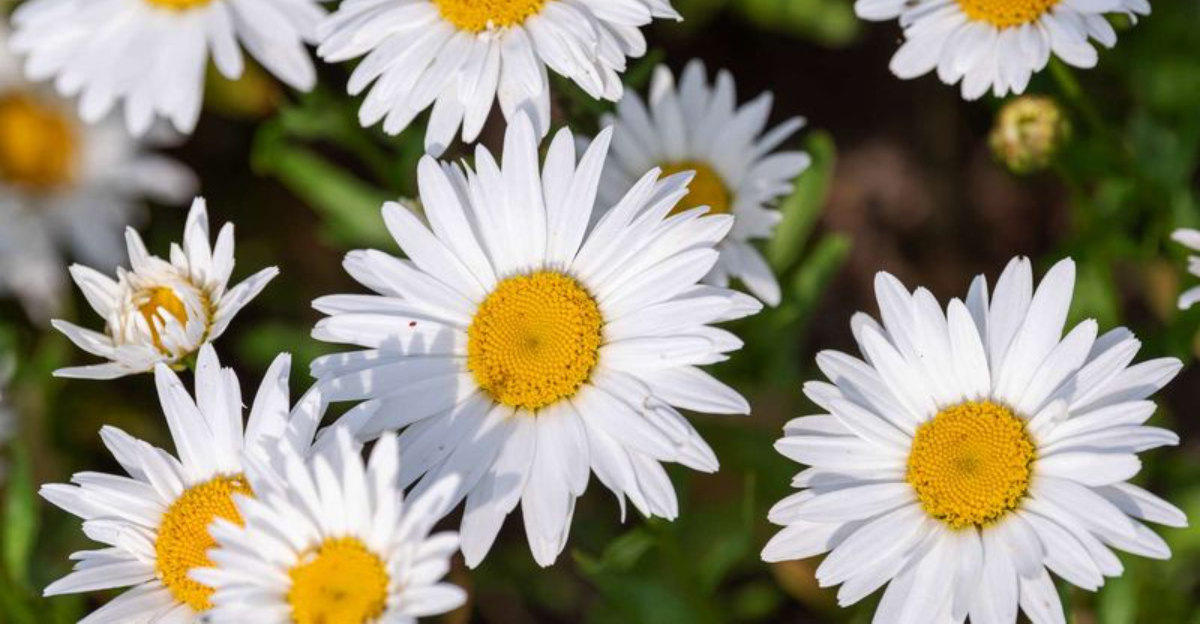
Embark on a journey through the world of perennials that captivate with their stunning beauty but harbor a hidden flaw. These plants may steal the spotlight in your garden, yet they require a discerning gardener’s touch to manage their challenges. Explore each perennial’s unique visual appeal and the issues they present, from invasive tendencies to vulnerability to pests and diseases. Discover how to enjoy their charm while navigating the pitfalls of their cultivation.
1. Lily of the Valley (Convallaria majalis)
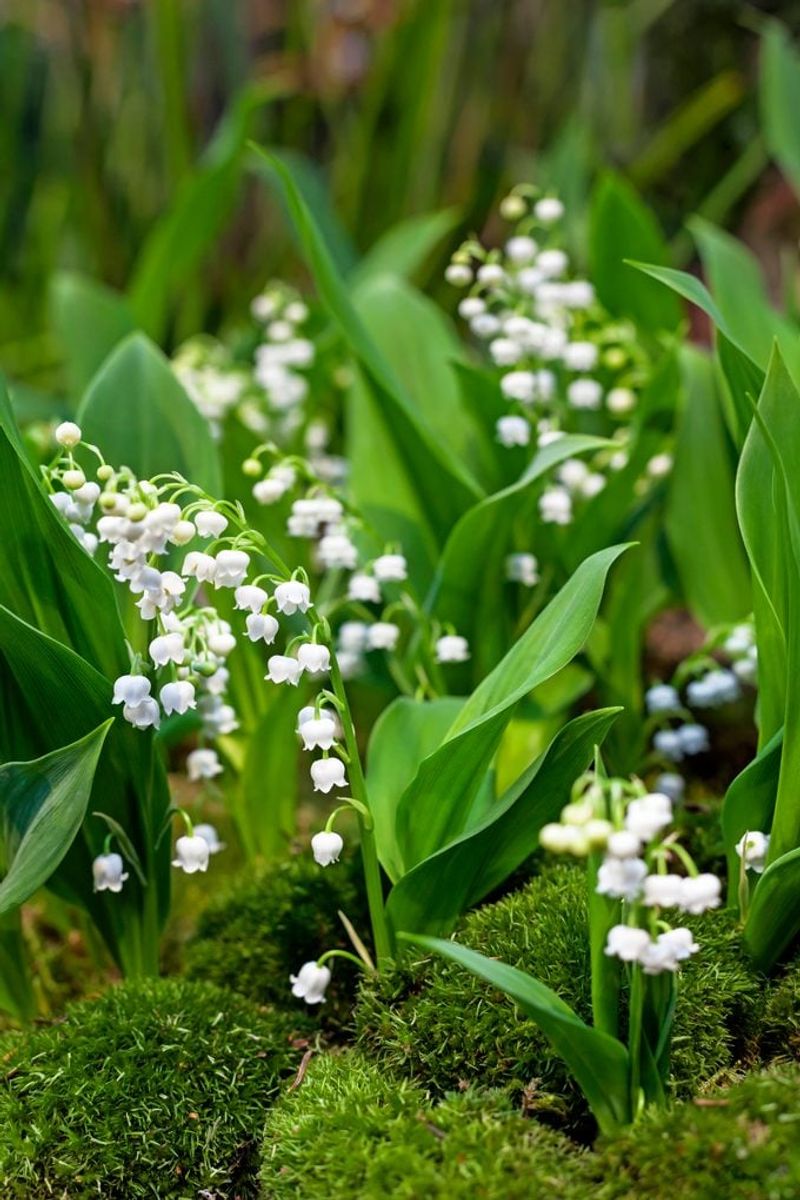
Lily of the Valley enchants with its delicate, fragrant white bells each spring. Its charm is undeniable, but this beauty harbors an aggressive secret. Spreading through its rhizomes, it invades gardens swiftly, often overpowering other plants. Gardeners adore its elegance, yet must remain vigilant, as it’s toxic to pets and humans. A perennial that requires careful management, its allure is shadowed by its potential to dominate and harm. The challenge lies in balancing its captivating grace with the need to control its invasive nature.
2. Bee Balm (Monarda didyma)
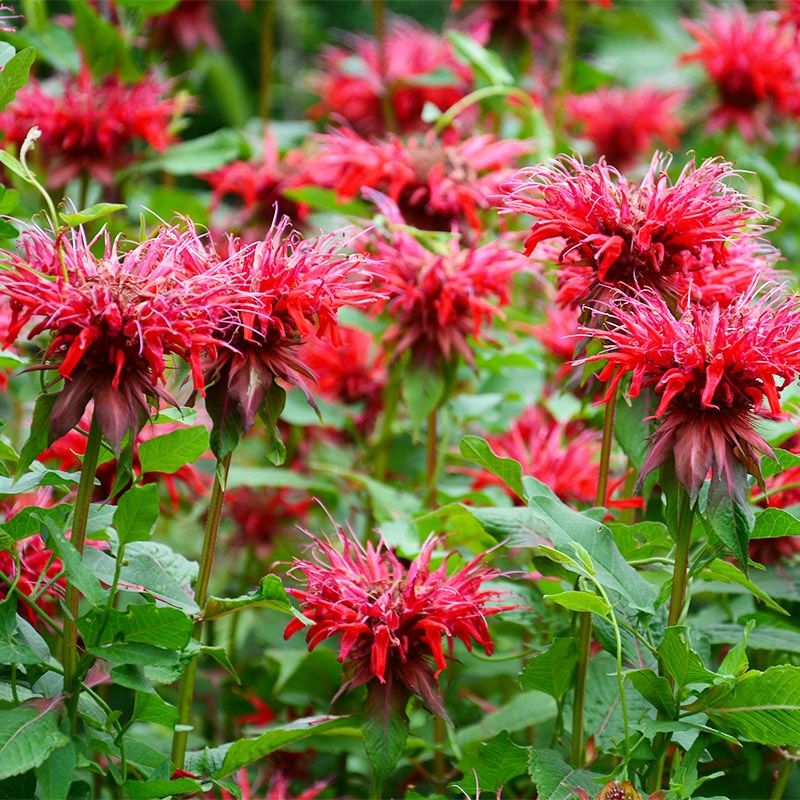
Bee Balm’s vibrant blooms draw hummingbirds and bees, painting gardens with red, pink, and purple hues. While its festive appearance delights visitors, the plant struggles with powdery mildew. This common affliction tarnishes its foliage by late summer, detracting from its overall beauty. Managing this flaw requires attentive care and proper spacing to ensure air circulation. Despite its challenges, Bee Balm remains a beloved garden staple, offering bursts of color and life. It’s a perennial that calls for commitment but rewards with its lively presence.
3. Japanese Anemone (Anemone hupehensis)
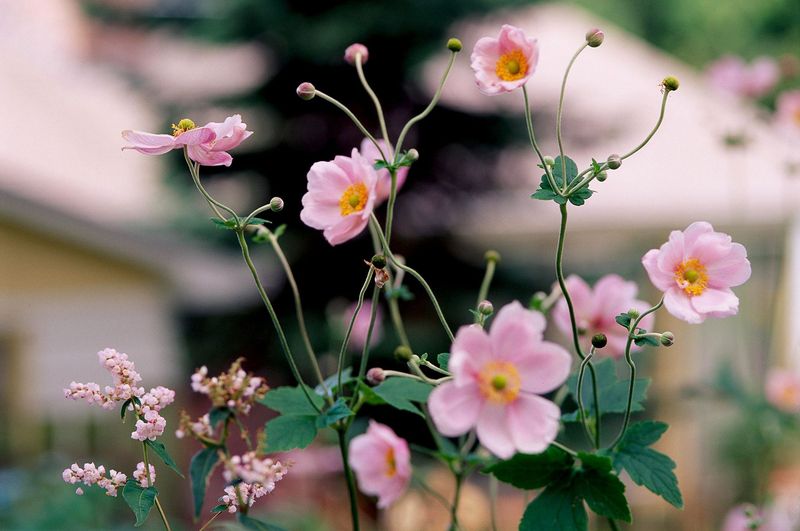
Japanese Anemone captivates with its graceful fall blooms, standing tall in pink and white. As autumn’s flowers fade, this perennial’s true nature emerges—its aggressive spreading habit. Without regular control, it takes over garden beds, overshadowing other plants. Gardeners must balance their admiration for its beauty with the task of keeping it in check. This perennial’s allure lies in its elegance, yet managing its spread is a perennial challenge. Its ability to enchant and challenge makes it a staple for those willing to maintain its boundaries.
4. Obedient Plant (Physostegia virginiana)
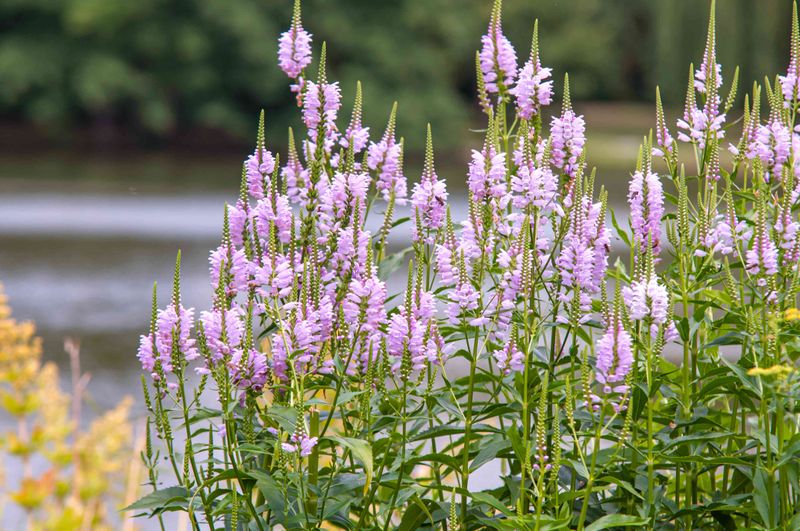
The Obedient Plant earns its name with flowers that stay where placed, adding quirky charm to gardens. However, its invasive roots tell another story, spreading rapidly through rhizomes and seeds. It challenges gardeners to keep its aggressive nature in check while enjoying its unique blooms. Balancing admiration with action, the Obedient Plant is a lesson in managing beauty with boundaries. Its ability to captivate and overwhelm serves as a reminder of the complexity behind its obedient facade.
5. Gooseneck Loosestrife (Lysimachia clethroides)
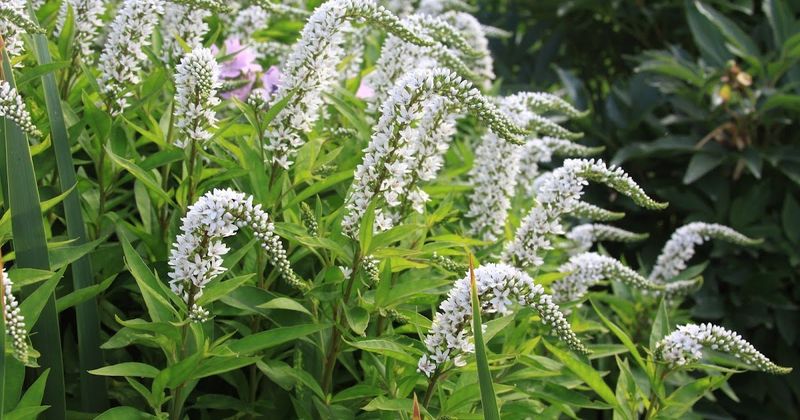
Gooseneck Loosestrife intrigues with its arching white flower spikes, a whimsical nod to its namesake. Yet, beneath its charming exterior lies a tendency to spread aggressively, often choking out neighboring plants. Gardeners must weigh its visual appeal against the need for constant management. Despite its enthralling presence, the perennial’s dominance can overshadow its charm. The challenge lies in maintaining balance between enjoying its unique beauty and curbing its invasive growth. Its quirky appearance belies the gardener’s ongoing challenge.
6. Oriental Poppy (Papaver orientale)
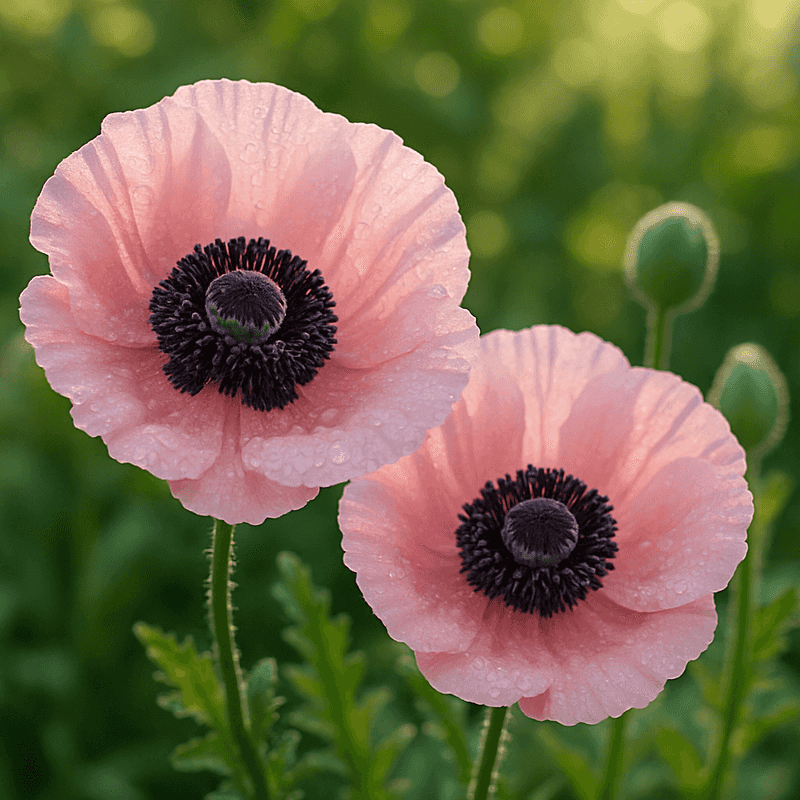
Oriental Poppy dazzles with its dramatic blooms, taking center stage in early summer with vibrant reds, oranges, and pinks. Yet, its show-stopping performance is fleeting, as it vanishes post-bloom, leaving a gap in the garden. Gardeners are faced with the task of filling this void to maintain continuity. This perennial requires planning to integrate its vibrant appearance amid its vanishing act. The poppy’s brief brilliance demands creative strategies to sustain garden aesthetics beyond its ephemeral display.
7. Delphinium

Delphinium stands tall, its spikes adorned with blue, purple, or white flowers, creating an elegant backdrop. However, this grandeur is short-lived, as pests and diseases often take their toll. Slugs, snails, and powdery mildew present ongoing challenges, requiring vigilant care. Gardeners cherish the perennial’s majestic presence, yet must actively protect its beauty. It’s a tale of admiration tempered by attention, blending elegance with the effort needed to sustain it. Delphinium’s allure lies not just in its height but in the resilience it demands of its caretaker.
8. Lupine (Lupinus spp.)
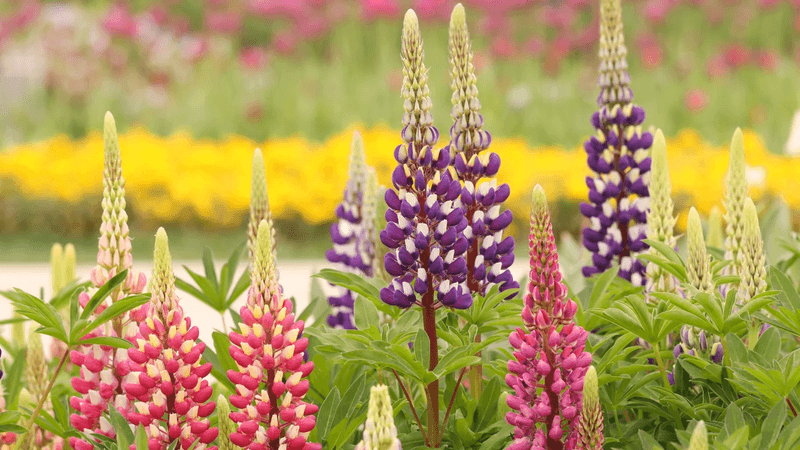
Lupine captivates with its striking vertical spikes, a rainbow of colors gracing cool climate gardens. While its presence is vibrant, it falters in heat and humidity, often succumbing to summer’s warmth. Gardeners in cooler regions find solace in its resilience, while others face the challenge of adaptation. This perennial’s beauty is coupled with climate considerations, requiring thoughtful placement. Lupine’s charm and complexity make it a perennial favorite for those attuned to its environmental needs, balancing allure with climate-conscious cultivation.
9. Bleeding Heart (Dicentra spectabilis)
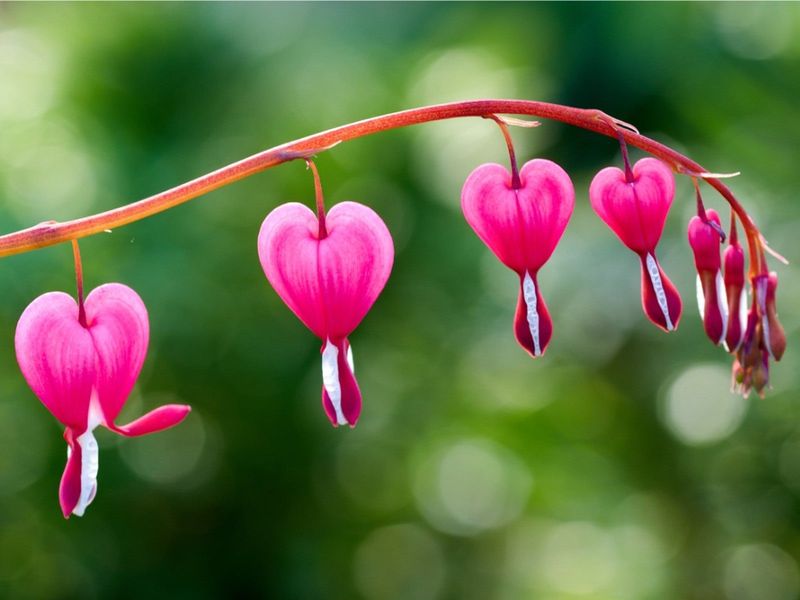
Bleeding Heart enchants with its romantic heart-shaped flowers each spring, a symbol of ephemeral beauty. Yet, its charm fades as summer approaches, disappearing into dormancy until the following spring. Gardeners cherish its early appearance, planning around its seasonal vanishing act. This perennial’s allure lies in its fleeting presence, a reminder of nature’s cycles. The challenge is to integrate its brief beauty within a garden that flourishes in its absence. Its delicate appearance belies its resilient spirit, returning each year to captivate anew.
10. Black-Eyed Susan (Rudbeckia hirta)
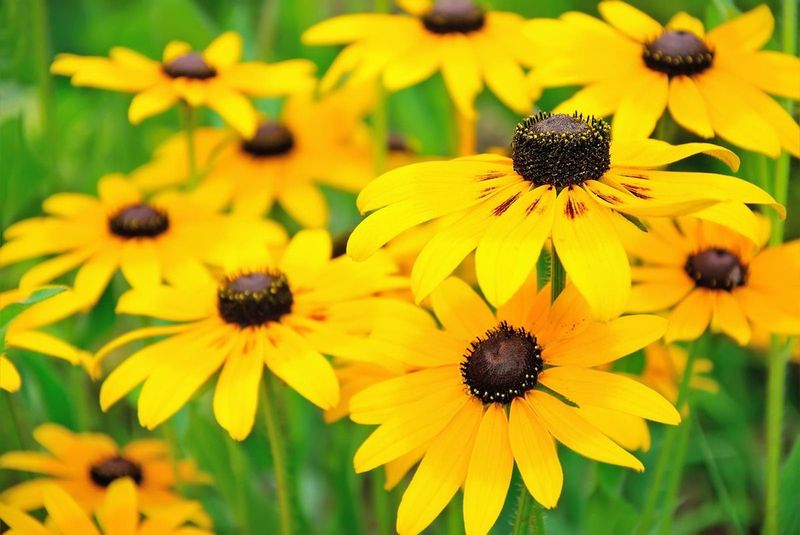
Black-Eyed Susan lights up gardens with cheerful yellow blooms, enduring for weeks with unwavering charm. Yet, its propensity to self-seed aggressively presents a challenge, as it spreads unpredictably. Gardeners delight in its sunny disposition, but must manage its spontaneous proliferation. This perennial offers joy and spontaneity, inviting playful interaction with nature’s unpredictability. Balancing its vibrant personality with its desire to roam free demands a gardener’s discerning touch. Its sunlit blooms invite admiration and vigilance in equal measure.
11. Yarrow (Achillea millefolium)
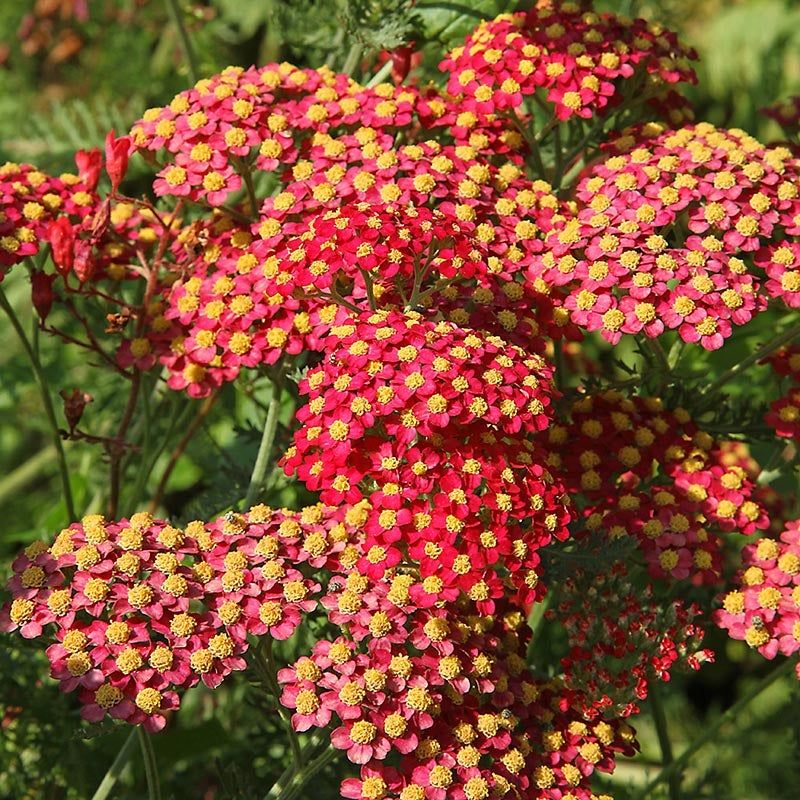
Yarrow stands resilient in dry conditions, its flat clusters of tiny flowers in yellow, pink, or red adding texture to gardens. Yet, its tendency to spread can lead to a weedy appearance if left unchecked. Gardeners appreciate its drought tolerance, balancing beauty with management. This perennial thrives where others falter, offering both charm and challenge. Yarrow’s visual appeal is matched by its need for oversight, inviting careful cultivation. Its presence is a testament to the gardener’s ability to harmonize grace with control.
12. Russian Sage (Perovskia atriplicifolia)
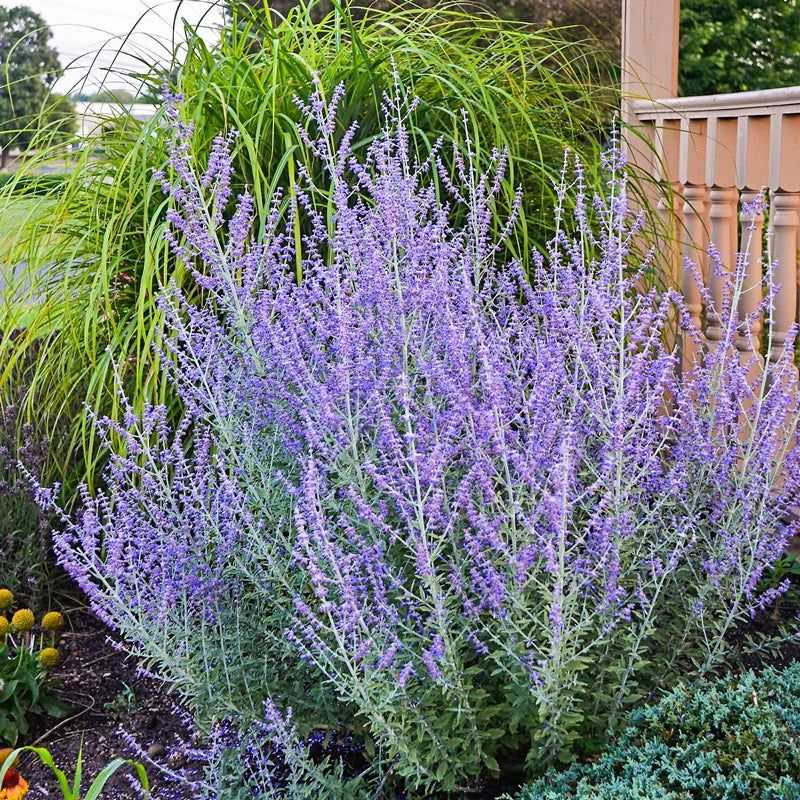
Russian Sage thrives in dry gardens, its airy purple-blue spikes a striking contrast against silvery foliage. However, its beauty is tempered by its tendency to flop if not properly pruned. Gardeners must balance admiration with action, maintaining its form through regular care. This perennial’s grace lies in its adaptability, offering beauty in challenging conditions. The gardener’s role is to sculpt its natural elegance, ensuring its presence enhances rather than overwhelms. Russian Sage exemplifies the dance between nature’s beauty and the need for human stewardship.
13. Shasta Daisy (Leucanthemum x superbum)
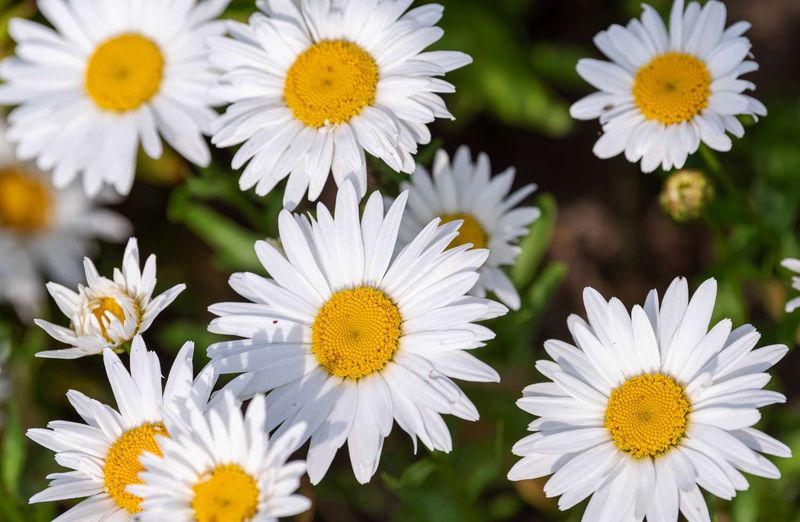
Shasta Daisy embodies classic garden charm, its white petals with yellow centers a timeless delight. Yet, this perennial’s short lifespan and susceptibility to rot in wet soil challenge gardeners. Ensuring its longevity demands careful site selection and nurturing. This plant’s beauty lies in its simplicity, a nod to traditional aesthetics. The task is to balance its visual appeal with proactive care, preserving its presence in the garden. Shasta Daisy’s charm is a call to thoughtful cultivation, where elegance meets the gardener’s touch.
14. Balloon Flower (Platycodon grandiflorus)
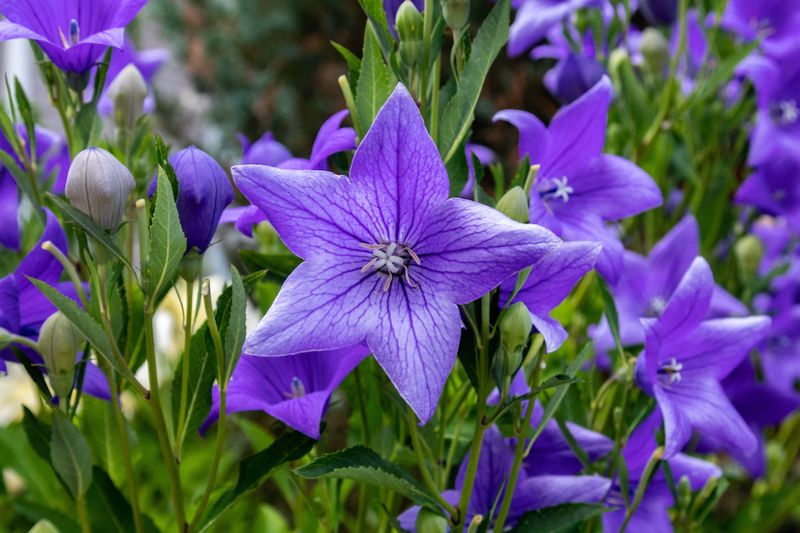
Balloon Flower intrigues with its puffy buds that burst into star-shaped blooms of blue or white. Its unique appeal comes with challenges, as its deep taproot resists transplanting once established. Gardeners must plan wisely, selecting an ideal location from the start. This perennial’s charm lies in its steadfast nature, requiring foresight and patience. The gardener’s role is to harmonize its enchanting presence with permanence. Balloon Flower is a testament to thoughtful planning, where beauty and practicality unite in the garden landscape.
15. Foxglove (Digitalis purpurea)
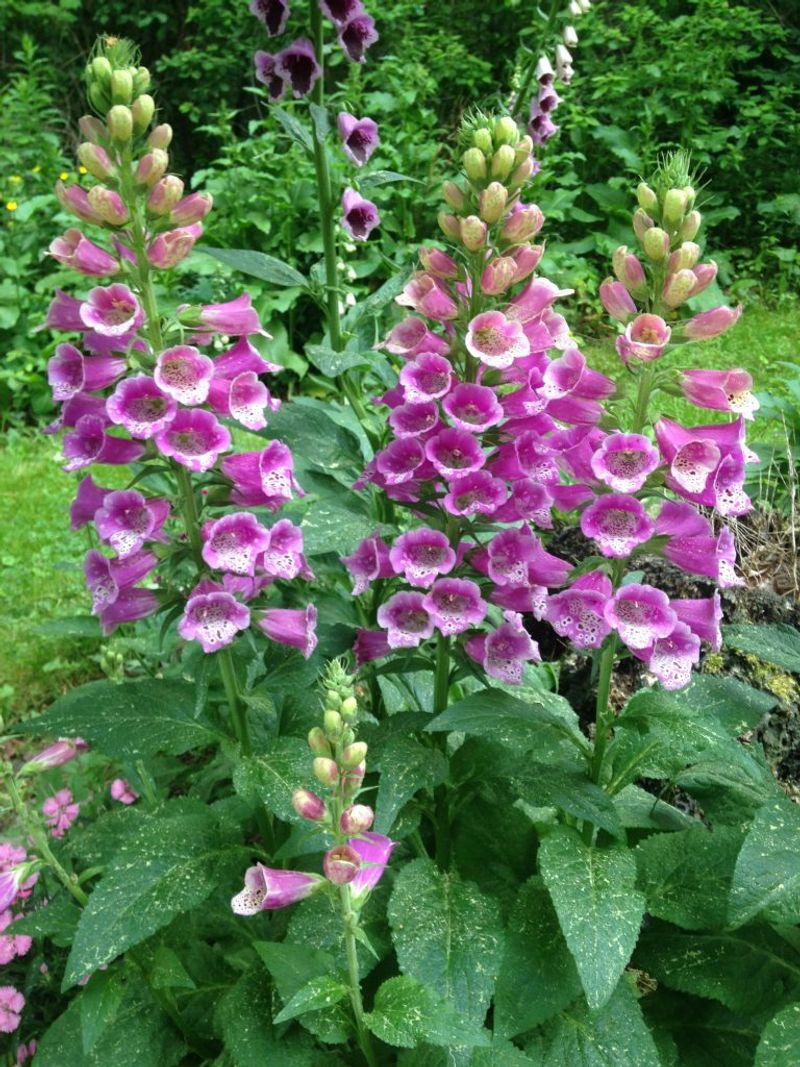
Foxglove enchants with its tall spires of bell-shaped flowers, a whimsical touch in pink, purple, or white. Yet, its biennial nature often leads to its disappearance after flowering, unless it self-seeds. Gardeners must navigate its unique lifecycle, balancing its presence with future blooms. This perennial’s allure lies in its fleeting beauty and the promise of renewal. Encouraging its self-seeding adds a layer of unpredictability, a dance with nature’s rhythms. Foxglove invites admiration and adaptation, where elegance meets the gardener’s hand.
16. Catmint (Nepeta spp.)
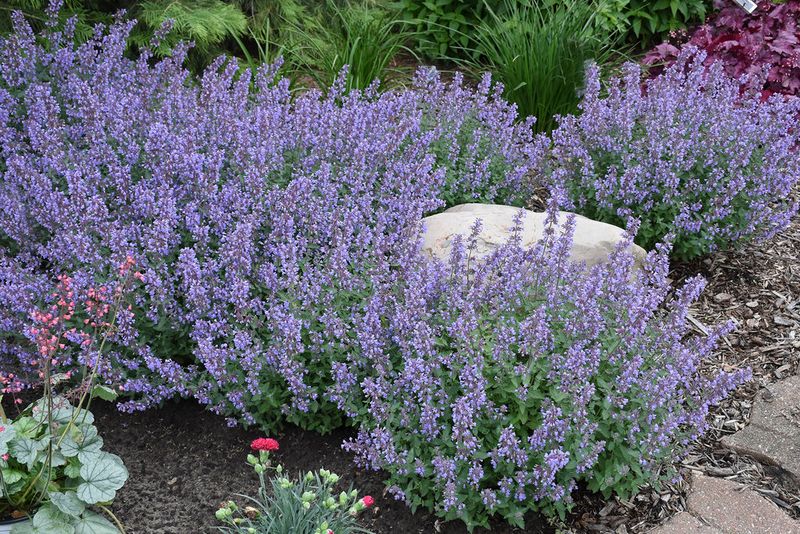
Catmint delights with its lavender-blue spikes, a summer-long haven for bees. Yet, its tendency to flop open demands regular pruning to maintain its form. Gardeners embrace its vibrant presence, mingling beauty with maintenance. This perennial’s charm lies in its resilience, offering continuous bloom with attentive care. The task is to balance its lively spirit with the structure needed to sustain it. Catmint challenges and rewards, blending vibrant life with the gardener’s guiding touch. Its enduring appeal is a call to nurture and enjoy.
17. Hosta
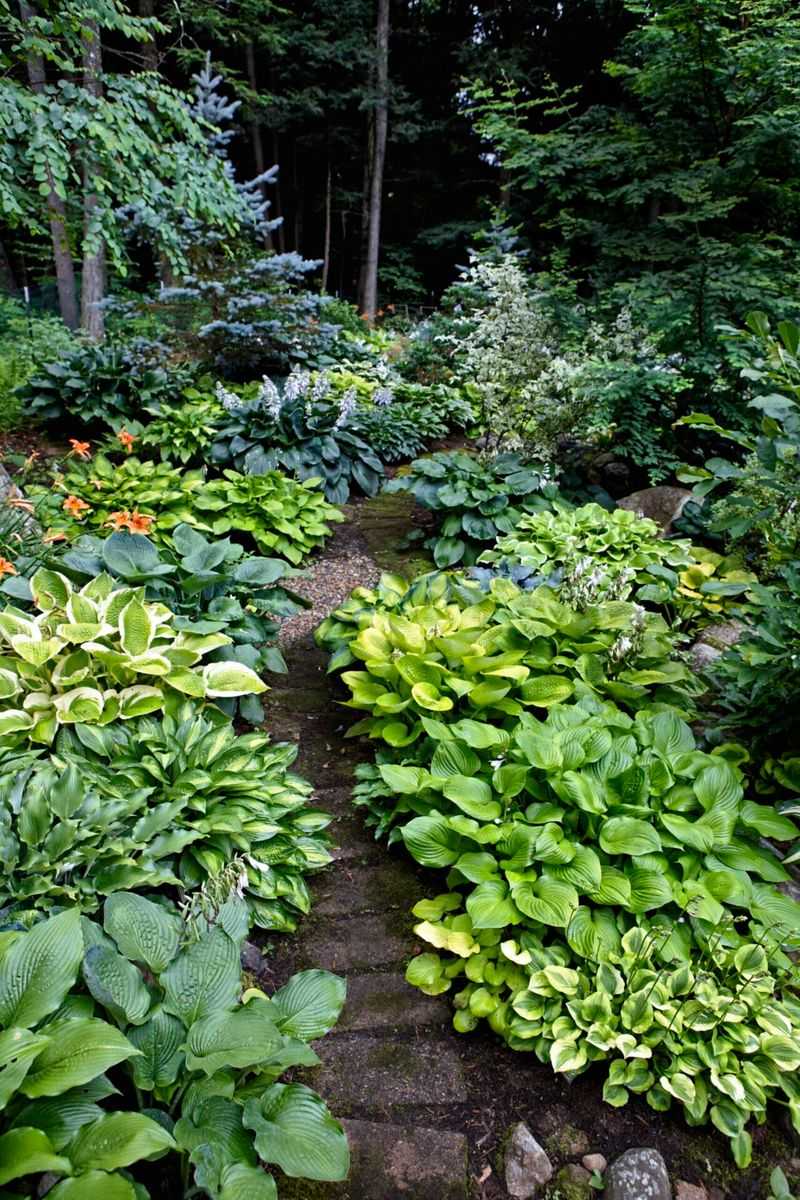
Hosta graces gardens with its lush, textured foliage in shades of green, blue, and gold. Yet, this beauty is a magnet for slugs, leaving its leaves riddled with holes. Gardeners cherish its verdant presence, employing strategies to protect its charm. This perennial’s allure lies in its resilience against pests, balancing beauty with vigilance. The challenge is to maintain its elegance amid nature’s trials, crafting a garden where Hostas thrive. Its enduring presence is a testament to the gardener’s dedication, blending lush beauty with protective care.