 Complete Gardening
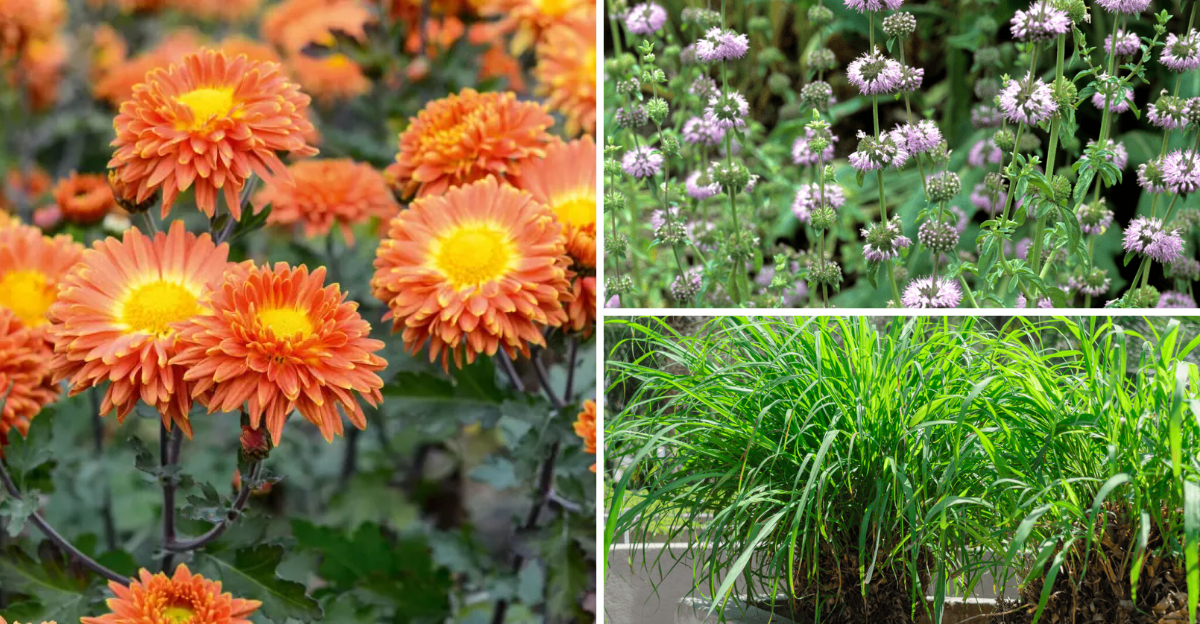
Gardening enthusiasts often seek to attract bees and butterflies for pollination, but there are cases where keeping them at bay is necessary. Whether due to allergies, pets, or personal preference, certain plants naturally deter these buzzing and fluttering visitors. This guide explores 19 common plants that act as repellents, each with unique characteristics and benefits. Discover how these plants contribute to your garden’s ambiance while maintaining a butterfly-free zone.
1. Marigold
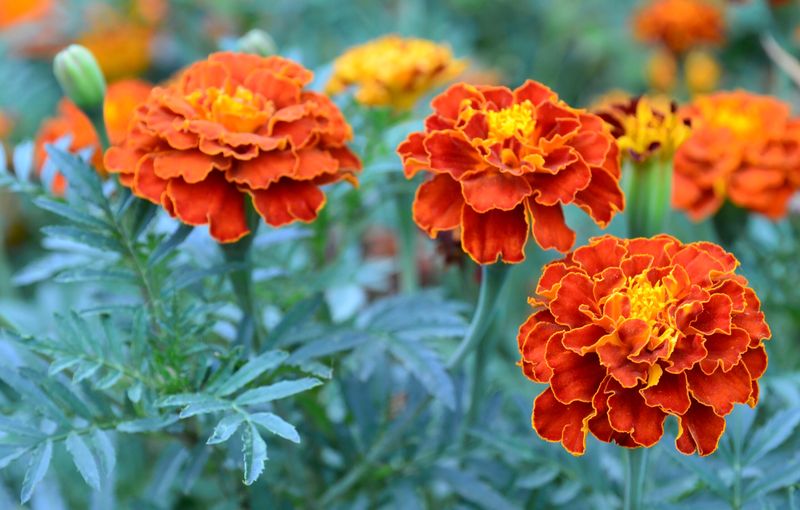
Marigolds, with their bright hues and pungent aroma, are a gardener’s secret weapon against unwanted insects. Their citrus-like scent is delightful to humans but deters bees and butterflies. Originating from Central America, marigolds have been cultivated for centuries for their protective properties.
Planting marigolds around vegetable gardens not only adds a splash of color but also serves as a natural barrier. These annuals thrive in full sun and require minimal care. A fun fact: marigold petals are edible and used in culinary dishes for a pop of color!
2. Eucalyptus

Eucalyptus, known for its refreshing scent, is not just a koala’s favorite snack but also a natural insect deterrent. The strong fragrance of eucalyptus oil repels bees and butterflies, making it ideal for areas where these insects are unwanted.
Growing eucalyptus at home requires space as they can grow quite tall. They thrive in warm climates and well-drained soil. An interesting tidbit: eucalyptus oil is commonly used in medicinal products for its soothing properties. Its leaves add a unique texture to any garden.
3. Wormwood
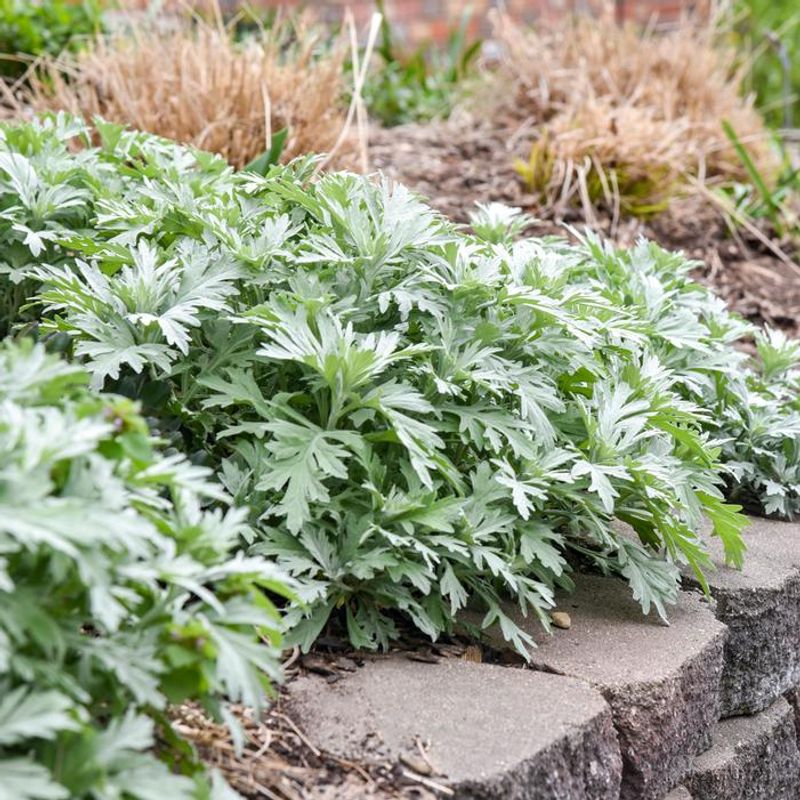
Wormwood, with its silvery foliage, is a striking addition to any garden. Its bitter scent naturally repels bees and butterflies, offering protection without chemicals. Originating from Europe, wormwood has historical significance as a medicinal herb.
This perennial prefers well-drained soil and full sun. It’s also drought-tolerant, making it low-maintenance. A quirky fact: wormwood is a key ingredient in the infamous spirit absinthe, known for its unique flavor and mythical history.
4. Citronella
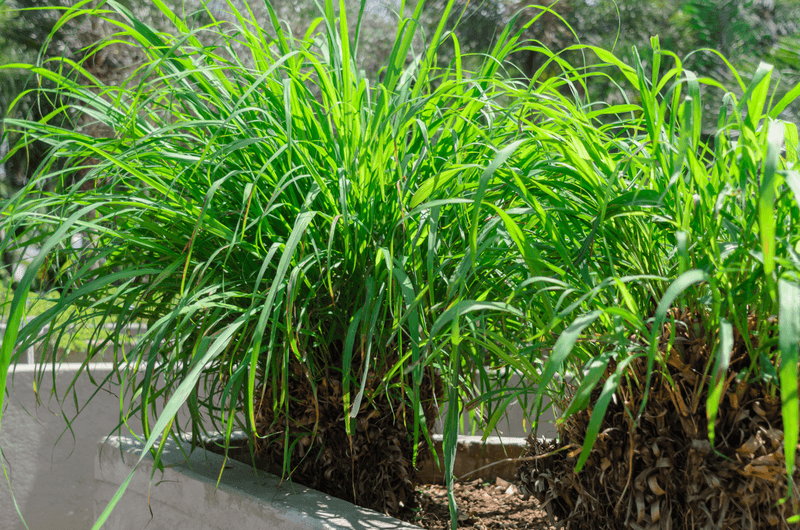
Citronella, often associated with mosquito repellent, also deters bees and butterflies. Its fresh, lemony fragrance is pleasant for humans but not to these insects. Citronella grass is native to tropical Asia, where it’s widely used in herbal medicine.
This plant thrives in warm climates and requires regular watering. Placing citronella pots around patios can enhance outdoor enjoyment. Fun fact: citronella oil is a popular ingredient in candles and sprays designed for pest control, thanks to its natural deterrent qualities.
5. Pennyroyal
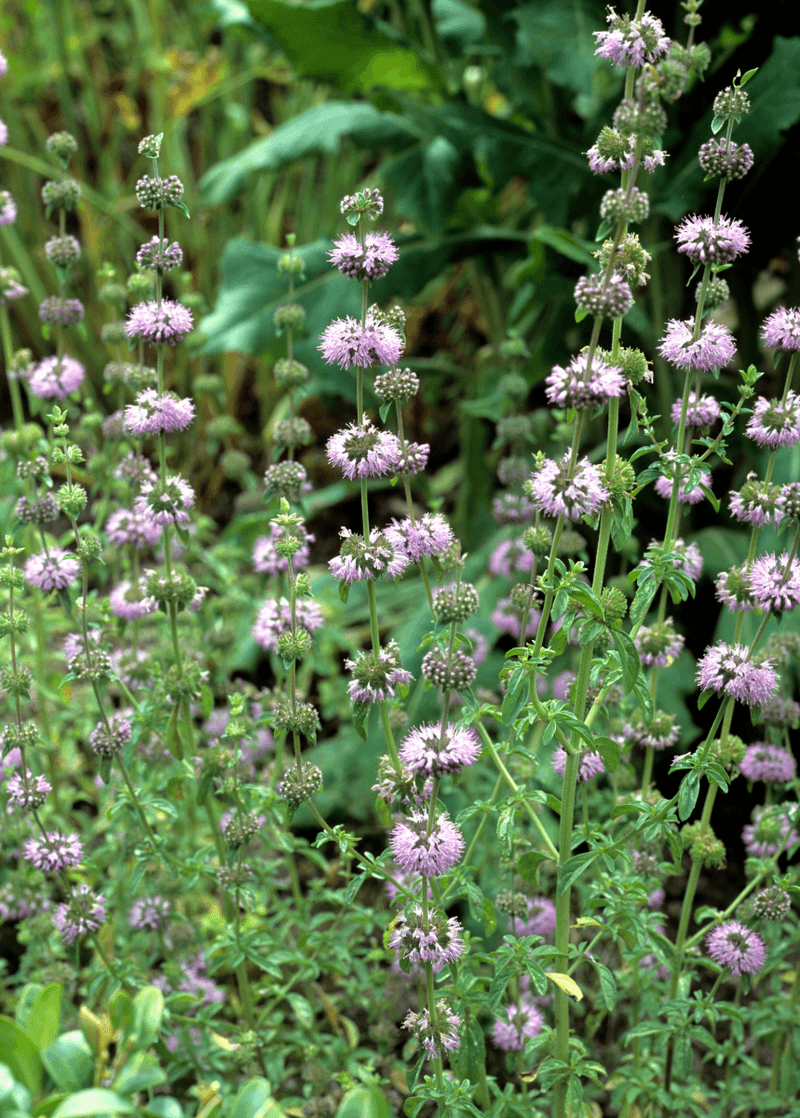
Pennyroyal, a member of the mint family, is renowned for its potent aroma that wards off bees and butterflies. Historically used in folk medicine, pennyroyal carries a distinct scent that is both refreshing and effective.
This perennial prefers moist soil and partial shade, making it ideal for shaded areas in the garden. Planting pennyroyal adds a touch of purple to the landscape. A cautionary note: while beneficial in the garden, pennyroyal should be handled with care due to its toxic properties when ingested.
6. Mint
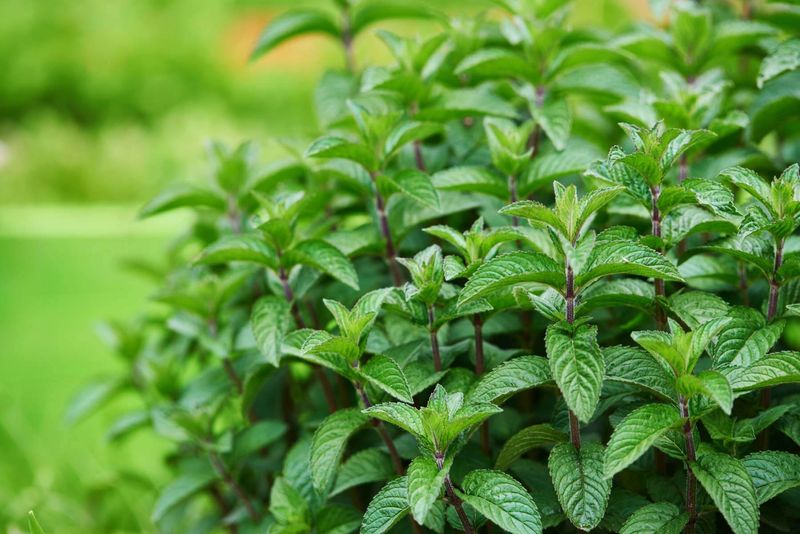
Mint, with its invigorating scent, is not only a culinary favorite but also a natural insect repellent. Bees and butterflies find its aroma overwhelming, making it an excellent choice for those looking to reduce garden visitors.
Easily grown in containers, mint spreads quickly and requires regular trimming. It thrives in moist soil and partial shade. Interesting tidbit: mint is used in a variety of products, from teas to beauty items, for its refreshing qualities. Its presence in the garden is both practical and aromatic.
7. Chrysanthemum
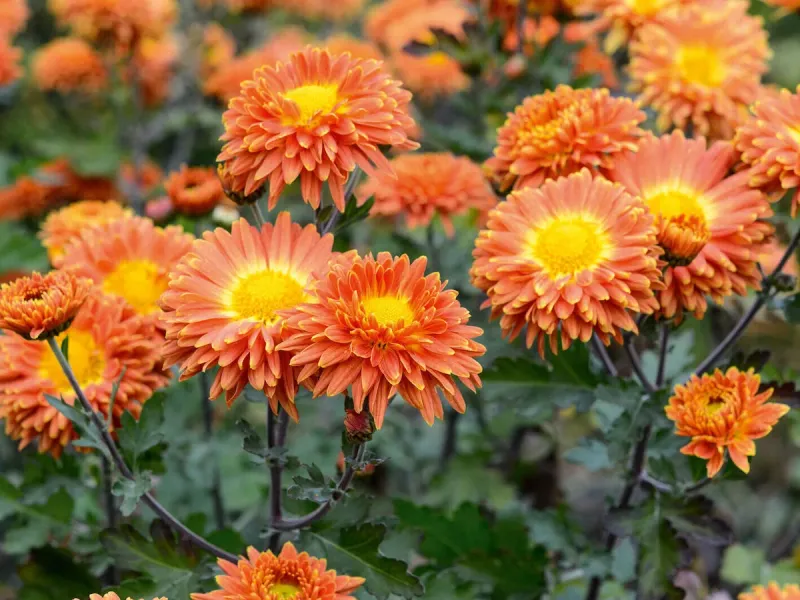
Chrysanthemums, or mums, are known for their vibrant blooms and ability to deter insects. The scent of chrysanthemum oil is repellent to bees and butterflies, making them a favorite for gardeners seeking pest control.
These perennials thrive in well-drained soil and full sun. They add a pop of color during the fall months. An engaging fact: chrysanthemums symbolize longevity and happiness in many cultures, adding cultural value alongside their practical uses.
8. Lavender
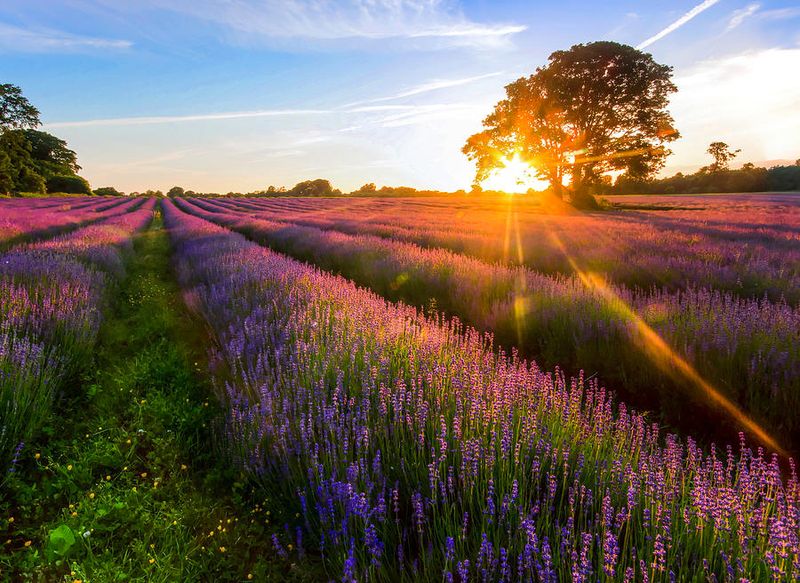
Lavender, famous for its calming aroma, also serves as an insect deterrent. Its fragrance is pleasant to humans but discourages bees and butterflies from lingering. Originating from the Mediterranean, lavender has uses beyond pest control.
It flourishes in dry, sunny environments and requires minimal maintenance. Lavender’s soothing properties extend to its use in aromatherapy and skincare. A delightful note: lavender sachets are popular for freshening linens, showcasing its versatile appeal.
9. Basil
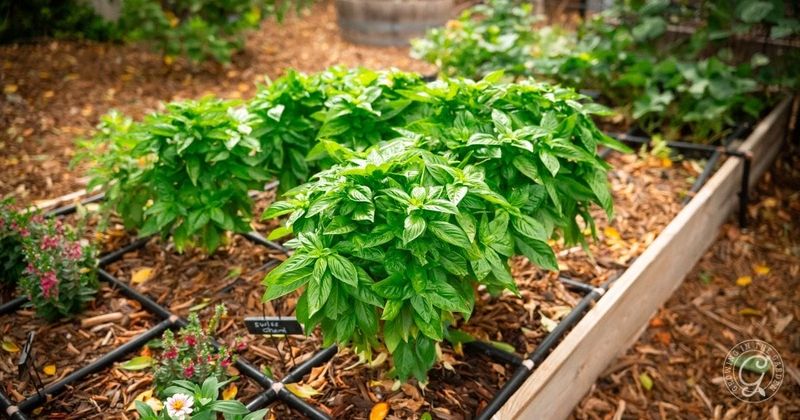
Basil, a staple in kitchens worldwide, doubles as an insect repellent. Its aromatic leaves release a scent that bees and butterflies shy away from. This herb is easy to grow and thrives in warm, sunny conditions.
Planting basil near doorways can help keep insects at bay. A culinary staple, basil is a key ingredient in many dishes, from pesto to salads. An intriguing fact: basil has been cultivated for over 5,000 years, revered for its culinary and medicinal properties.
10. Sage
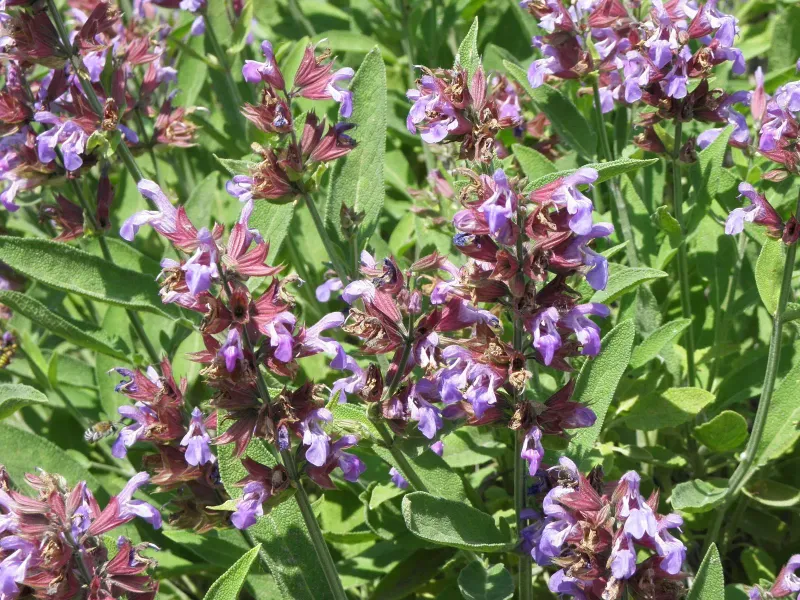
Sage, with its earthy aroma, acts as a natural deterrent to bees and butterflies. This hardy herb is easy to grow and adds a touch of green to any garden.
Sage prefers well-drained soil and full sun, making it a low-maintenance choice. It’s also a popular herb in cooking, known for its robust flavor. An interesting bit of history: sage was once used in ancient rituals for purification, highlighting its longstanding significance.
11. Lemongrass
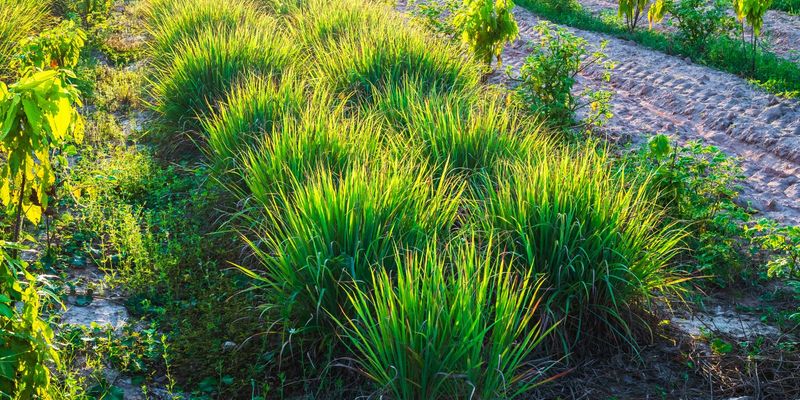
Lemongrass, with its citrusy aroma, is renowned for repelling insects. Bees and butterflies find its scent unpleasant, making it a strategic choice for garden areas.
This tropical plant thrives in sunny environments and requires regular watering. It’s also a culinary favorite, often used in Asian cuisine for its zesty flavor. Fun fact: lemongrass oil is a key ingredient in many natural insect repellents, celebrated for its effectiveness and refreshing scent.
12. Garlic
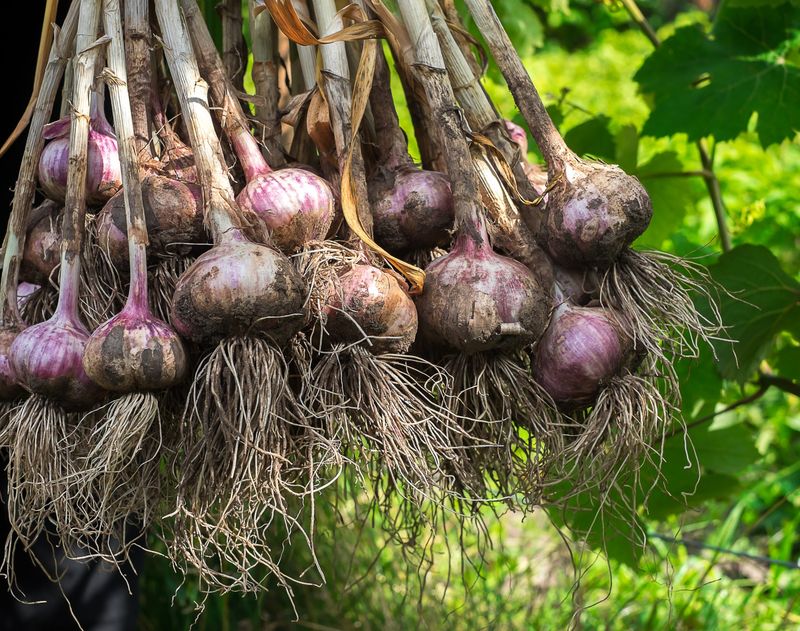
Garlic, with its pungent aroma, is a powerful deterrent to many insects, including bees and butterflies. This bulbous plant is easy to grow and doubles as a kitchen staple.
Planting garlic in garden beds can reduce insect activity while providing a fresh supply for culinary use. A fascinating tidbit: garlic has been used for centuries for its medicinal properties, believed to boost immunity and ward off ailments.
13. Rue
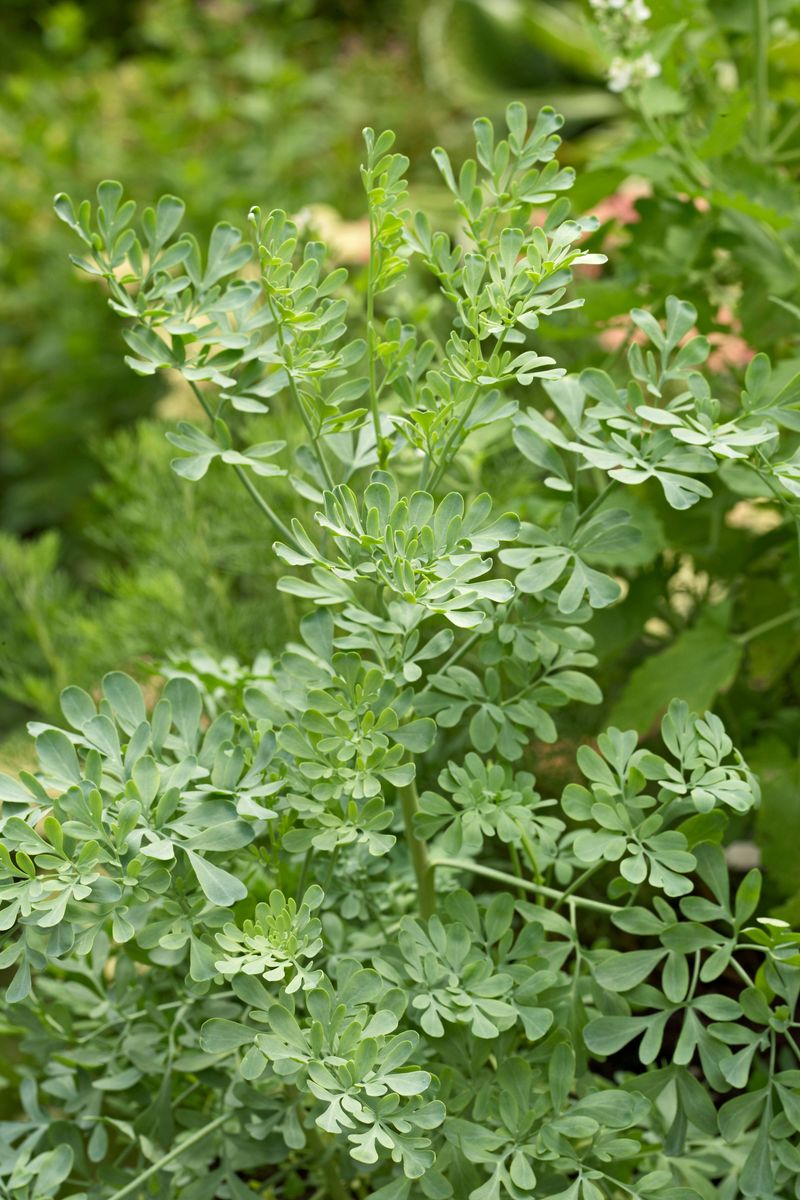
Rue, with its distinctive bluish-green leaves, is a plant with a rich history. Its strong odor is effective in repelling bees and butterflies. Traditionally used in herbal medicine, rue is a resilient addition to any garden.
This perennial prefers full sun and well-drained soil. It’s also drought-tolerant, making it low-maintenance. An intriguing historical note: rue was once believed to ward off witchcraft and evil spirits, adding a mystical element to its garden presence.
14. Fennel
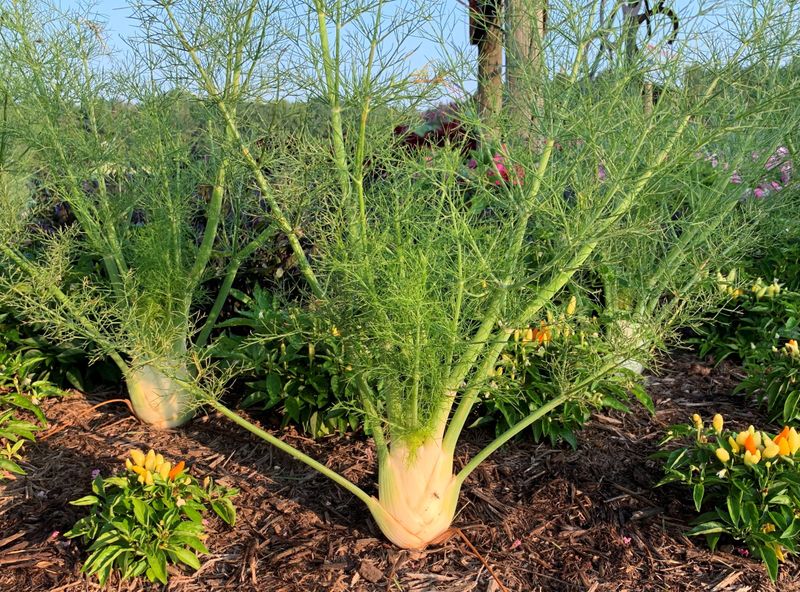
Fennel, with its anise-like aroma, is not only a culinary delight but also a natural insect deterrent. Its scent keeps bees and butterflies at bay, making it a strategic garden addition.
This hardy perennial thrives in sunny areas and well-drained soil. Fennel is often used in cooking, adding a unique flavor to dishes. A curious fact: in ancient Greece, fennel was associated with success and strength, valued for its practical and symbolic uses.
15. Rosemary
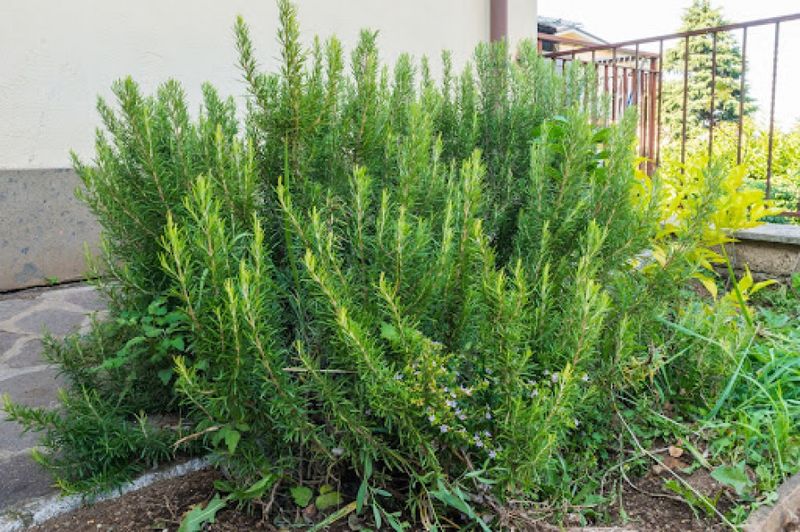
Rosemary, with its woody fragrance, repels bees and butterflies while adding a touch of the Mediterranean to your garden. This herb is versatile, used both in cooking and as a natural insect barrier.
Rosemary thrives in sunny, dry conditions and requires little maintenance. It’s a favorite in herb gardens, known for its aromatic leaves and culinary uses. An interesting tidbit: rosemary has been associated with memory enhancement and ceremonial rituals throughout history.
16. Thyme
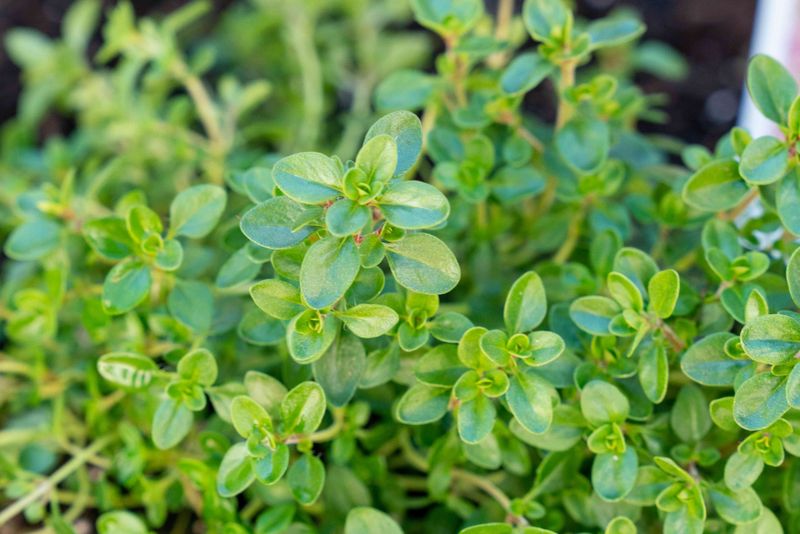
Thyme, a staple in Mediterranean cuisine, doubles as an insect repellent. Its aromatic leaves are unappealing to bees and butterflies, making it a wise choice for garden borders.
This perennial thrives in full sun and well-drained soil, requiring minimal care. Thyme’s versatility extends to its use in cooking, where it’s prized for its robust flavor. A fun historical note: thyme was used in ancient Greece as a symbol of courage and bravery, adding cultural depth to its garden appeal.
17. Bay Laurel
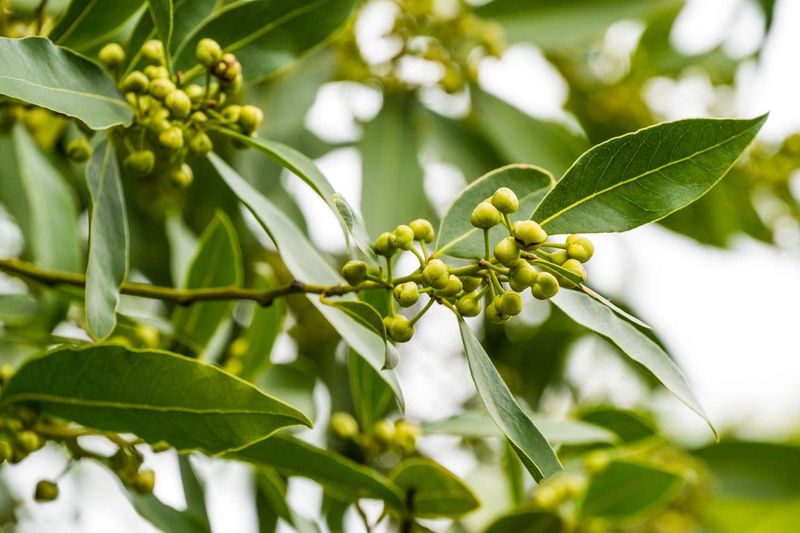
Bay laurel, known for its culinary uses, also serves as a natural insect deterrent. Its aromatic leaves release a scent that keeps bees and butterflies at bay.
This evergreen shrub thrives in sunny conditions and well-drained soil. Bay laurel is often grown for its flavorful leaves, used in soups and stews. An intriguing fact: in ancient Rome, bay leaves were used to crown victors, symbolizing success and honor, adding a historical touch to its presence in gardens.
18. Petunia
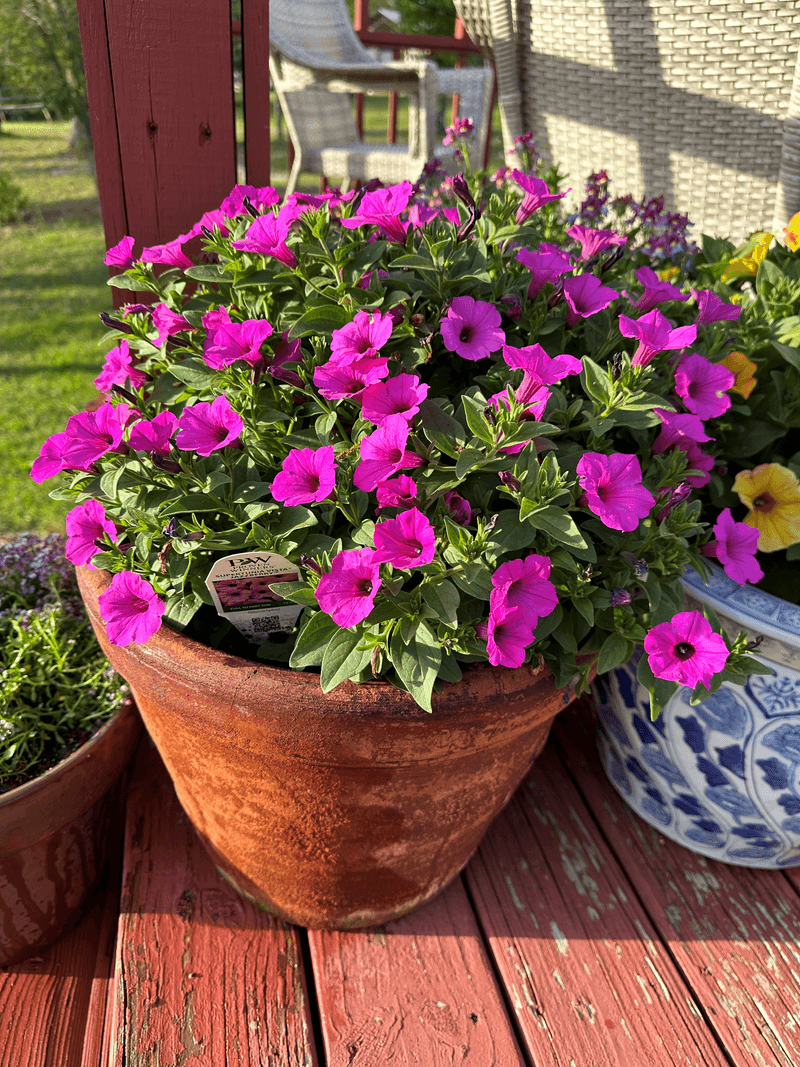
Petunias, with their colorful blooms, are more than just eye-catching; they naturally deter insects. Their scent keeps bees and butterflies at a distance, making them a practical choice for those looking to reduce garden visitors.
These annuals thrive in sunny locations and well-drained soil. Petunias add a burst of color throughout the growing season. An interesting tidbit: petunias are often used in flower beds and hanging baskets for their vibrant display and easy maintenance.
19. Catnip
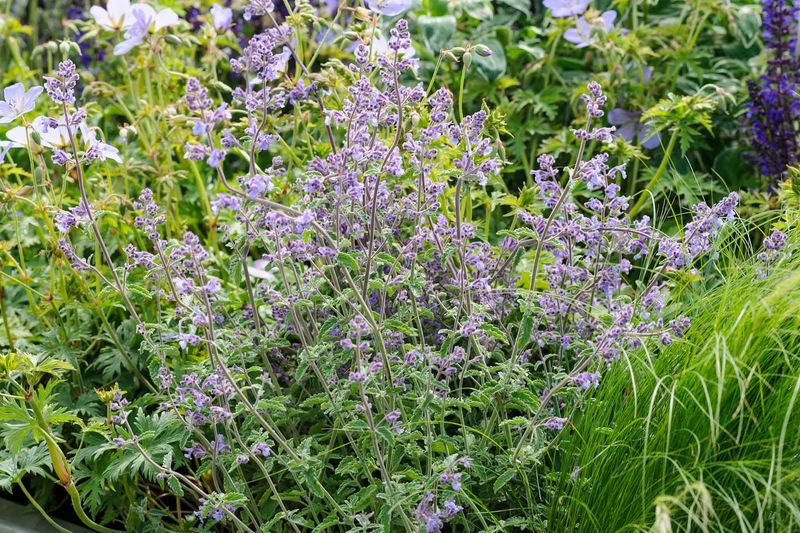
Catnip isn’t just for feline friends. This intriguing plant, known for its aromatic, minty scent, surprisingly repels bees and butterflies. Imagine strolling through your garden with the gentle rustle of its leaves in the breeze, without the hum of bees nearby. Catnip’s essential oils deter these pollinators, making it a unique choice for those seeking serenity.
Besides its repelling properties, catnip offers a soft, minty fragrance that can be quite pleasant. Did you know it’s also a member of the mint family? Its versatility extends beyond gardens, as it can be used in teas or even as a natural insect repellent.
Consider planting catnip near patios or walkways to create a buzz-free zone. Its hardy nature means it’s easy to care for, making it perfect for both novice and seasoned gardeners alike. Who knew such a small plant could make a big impact?