 Complete Gardening
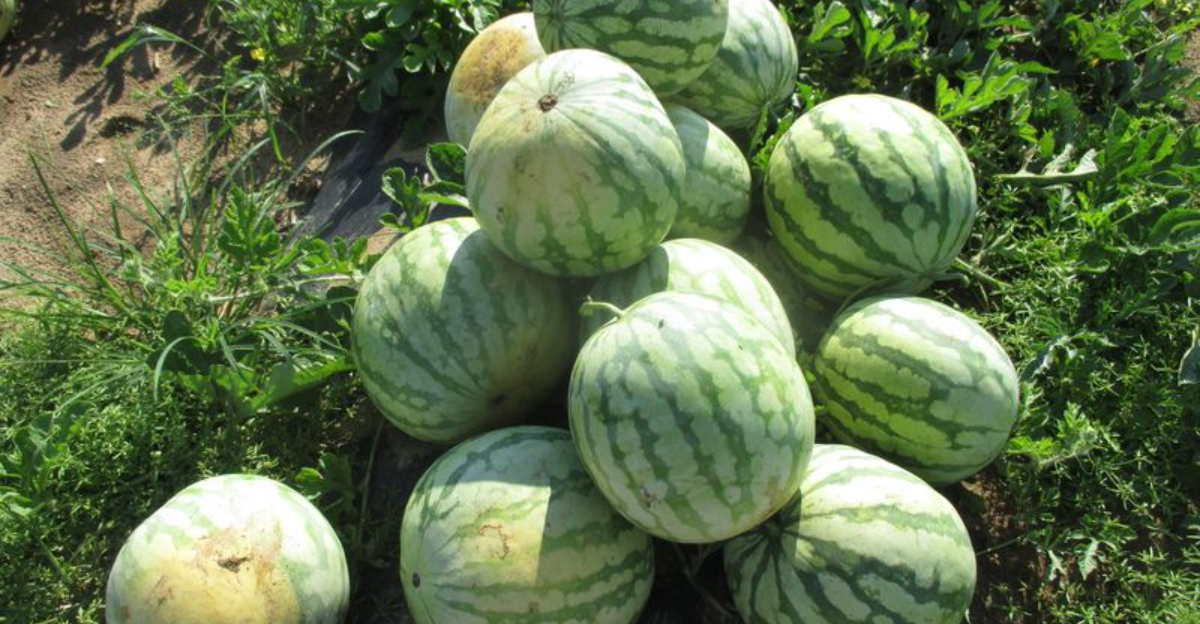
April might seem like a perfect month to start your garden, but for some plants, it’s not the right time.
These 20 plants require warmer conditions to thrive, and planting them too early can hinder their growth and productivity.
Let’s explore why these plants struggle when planted in April and how waiting a few weeks can make a significant difference in their growth.
1. Tomatoes
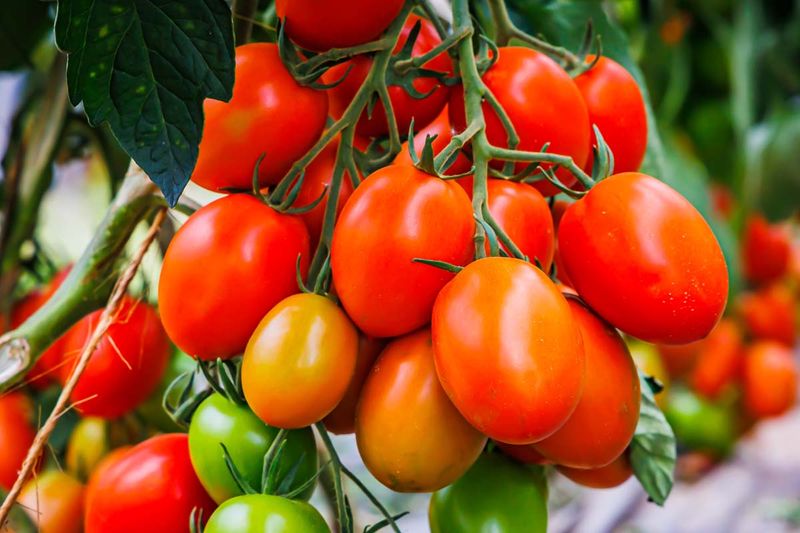
Tomatoes need consistently warm soil to establish strong roots. Planting them in April can lead to stunted growth due to unpredictable temperature drops. The soil needs to be warm enough to encourage robust root development.
In cool conditions, tomatoes may not absorb nutrients efficiently, leading to weaker plants. It’s best to wait for a stable weather pattern. Ensure the soil temperature remains around 70°F.
Providing a protective covering can aid in retaining warmth, but patience is key. Tomatoes thrive when planted later, ensuring healthier plants and bountiful harvests by summer.
2. Peppers
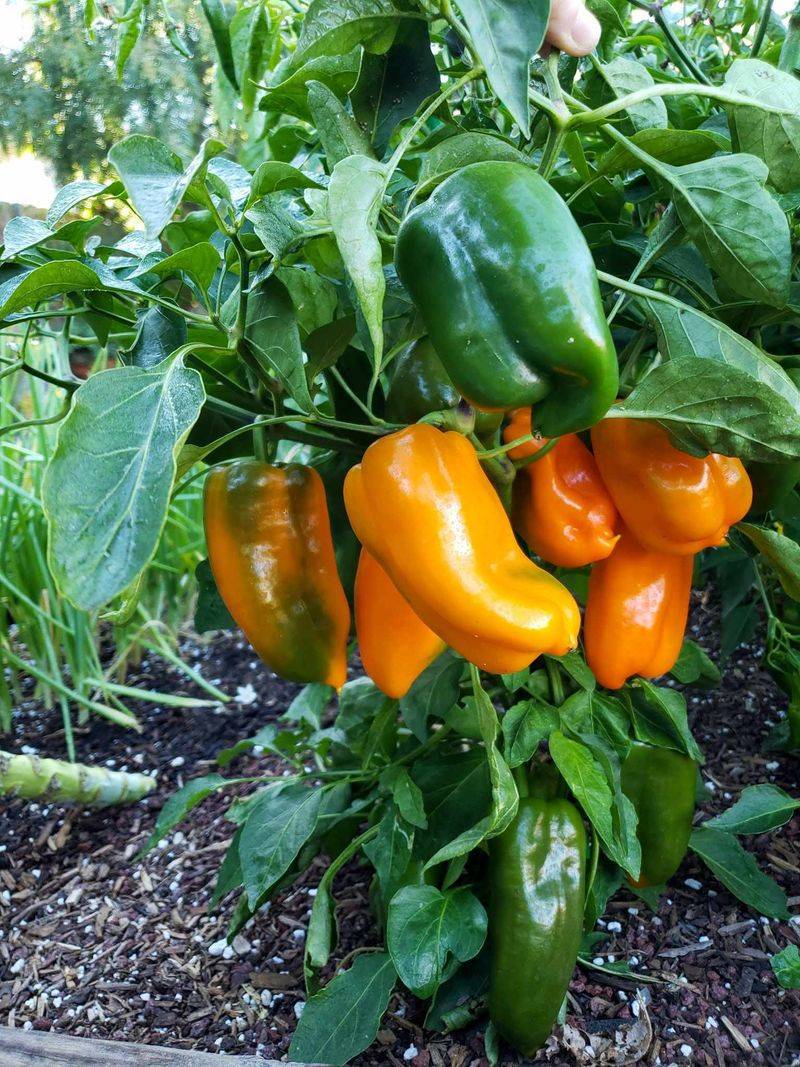
Peppers are sensitive to cool temperatures and perform best when the risks of frost are over. Planting in April can expose them to chilly nights, affecting their growth cycle. They prefer temperatures above 60°F.
The cold stress can lead to flower drop and reduced yields. Delaying planting ensures peppers establish strong roots and foliage. It’s crucial to monitor nighttime temperatures and use cloches for added protection if needed.
Waiting until May can lead to healthier pepper plants with a better fruit set. Early planting often equals a disappointing harvest.
3. Eggplant
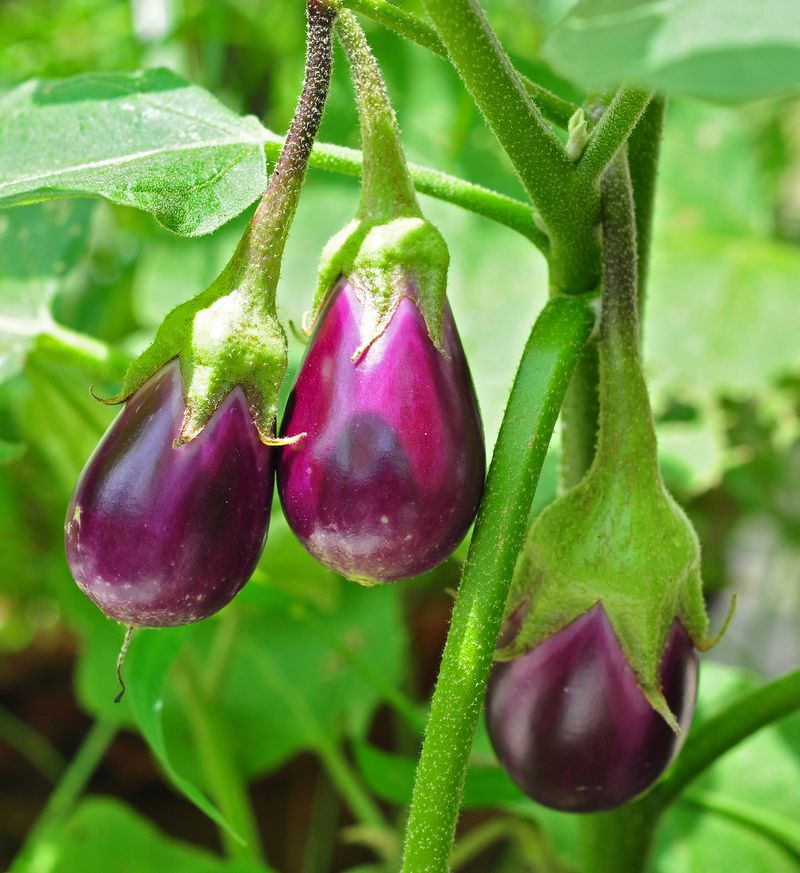
Eggplants thrive in high soil temperatures, and early planting can delay fruiting. April’s unpredictable weather can hinder their development. They require warmth to grow vigorously, and cool soil can stunt their progress.
It’s advisable to wait until the soil temperature rises above 65°F. Young plants are particularly susceptible to cold snaps, leading to yellowing leaves. Ensuring they have a warm start results in stronger plants.
For those eager to plant early, consider using black plastic mulch to retain heat. However, waiting a bit longer guarantees a fruitful and thriving eggplant crop.
4. Cucumbers
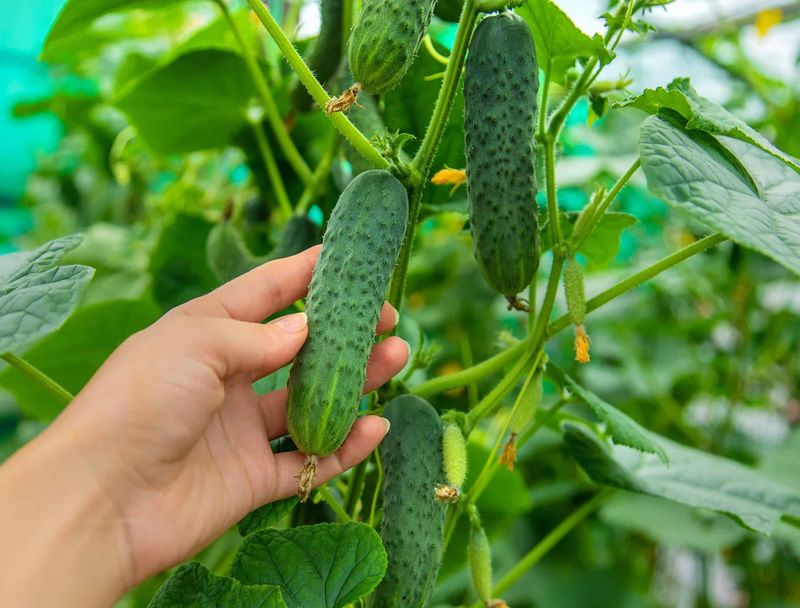
Cucumbers require soil temperatures of at least 65°F for proper germination. Planting them in April can lead to poor growth due to cold and wet conditions. These plants are susceptible to root rot when soil remains damp and cold.
They thrive in warmer soil, ensuring robust development and higher yields. Consider waiting until the soil consistently warms up to avoid these issues.
Using row covers can help maintain warmth, but patience is the best strategy. When planted at the right time, cucumbers grow vigorously and produce abundantly, ensuring a successful harvest.
5. Squash
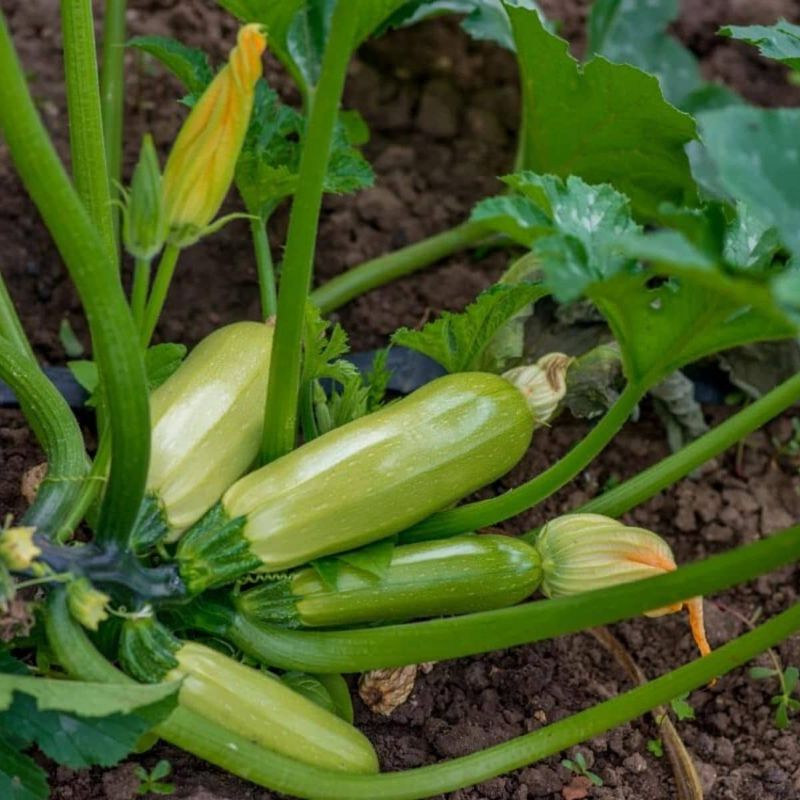
Squash, both summer and winter varieties, flourishes in warm weather. Early April planting can expose them to lingering spring chills, hampering their growth. They need warm soil and consistent temperatures for best results.
Chilly conditions can lead to poor germination and reduced vigor. It’s vital to plant squash when the risk of frost has passed. Utilizing black plastic mulch can help warm the soil.
For a thriving squash crop, wait until warmer weather arrives. This patience ensures strong plants and a plentiful harvest, making it worth the wait.
6. Melons
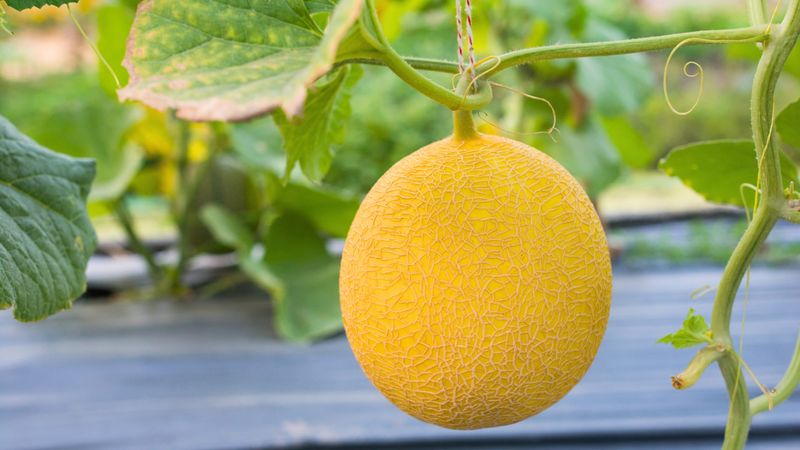
Melons are extremely heat-loving plants requiring a long, warm season to develop their sweet flavor. Planting them in April often results in poor growth and flavorless fruits. They need soil temperatures above 70°F to thrive.
Cold soil can delay germination and stunt vine development. It’s best to wait until late spring or early summer for planting. Melons benefit from black plastic mulch to retain soil heat.
By planting later, you ensure sweet, juicy fruits. Russeting and poor flavor are common when planted too early, so timing is crucial for success.
7. Okra
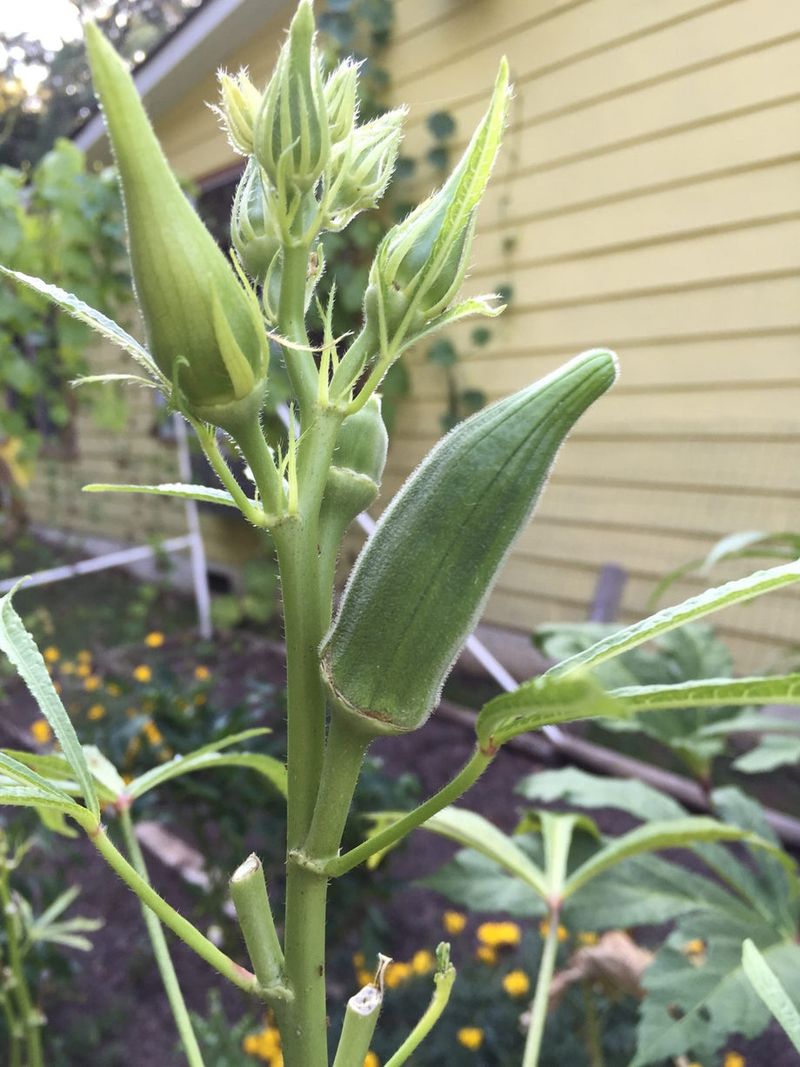
Okra struggles in cool weather and demands a hot, steady climate for optimal growth. Planting in April can expose it to cold stress, resulting in stunted growth and low yields. It thrives in temperatures above 75°F.
Cooler conditions can cause premature flowering and poor pod development. To maximize growth, wait until the threat of cold has passed. Using plastic mulch can aid in soil warming.
For those keen on early planting, consider starting indoors. However, patience pays off with okra, ensuring a robust crop when planted at the right time.
8. Yardlong Beans
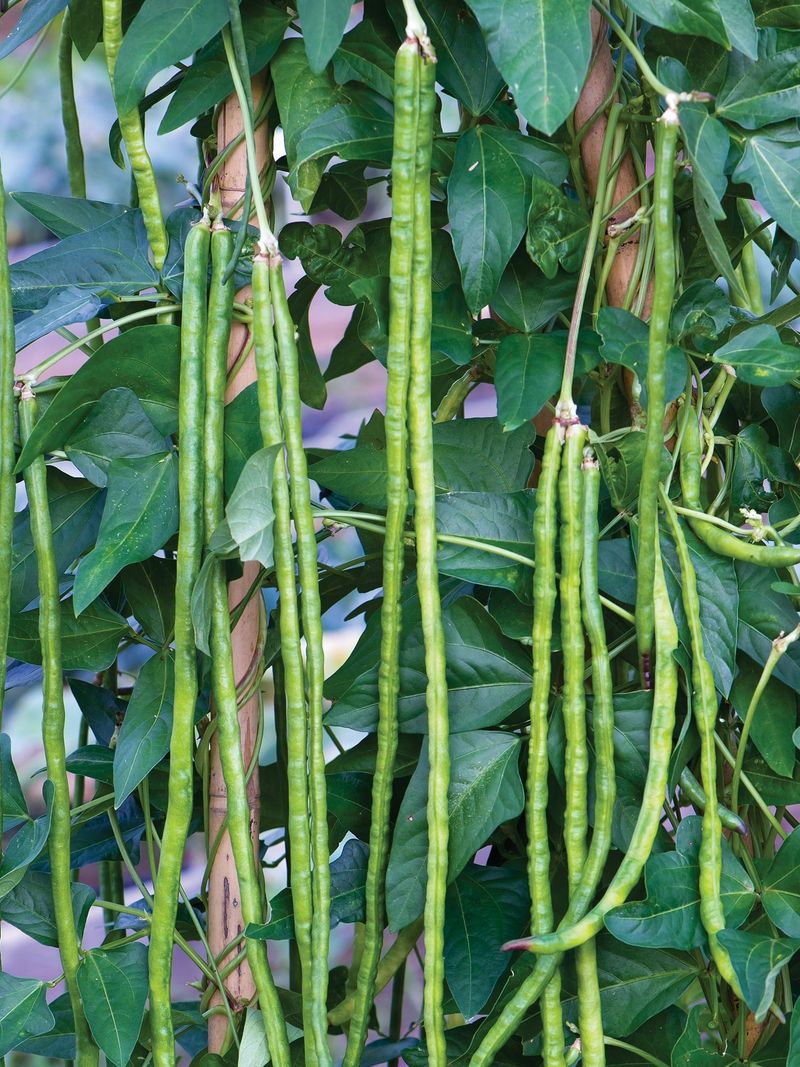
Yardlong beans prefer warm, well-drained soil for vigorous growth. Planting them in April often leads to poor germination and weak vines due to cool soil. They thrive in temperatures above 70°F.
Early planting can result in reduced yields and weak plants struggling to climb. Ensuring soil warmth is crucial for these beans. Delay planting until the soil consistently warms, or consider using plastic mulch to retain heat.
Waiting enhances growth and productivity, ensuring an abundant harvest. These beans perform best when given the warmth they crave, so timing is everything.
9. Corn
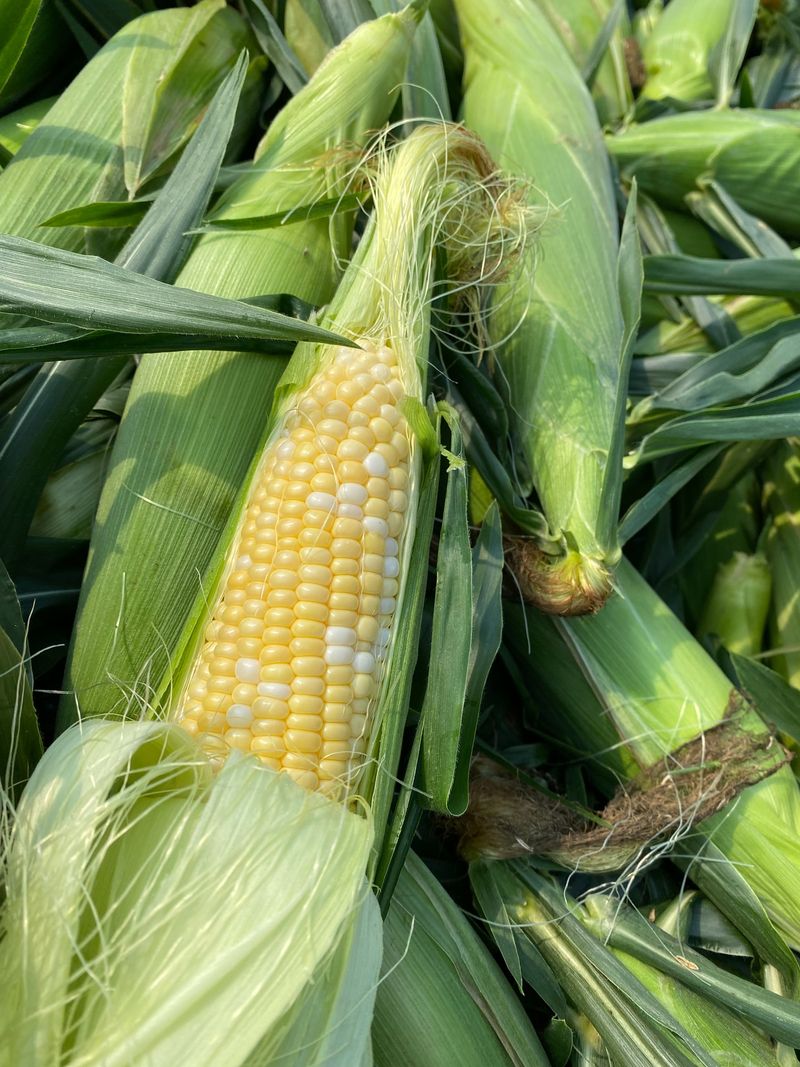
Corn planted too early can result in poor germination and weak stalks. April’s cold soil temperatures often lead to stunted growth. Corn requires soil temperatures above 60°F for optimal germination. Planting when the ground is too cold can cause seeds to rot.
It’s better to wait until soil warms consistently. Using black plastic mulch can help increase soil temperature. Delaying planting ensures robust growth and taller stalks.
Starting too early often results in a disappointing yield. Corn thrives with the right start, making timing crucial for a successful crop.
10. Watermelon
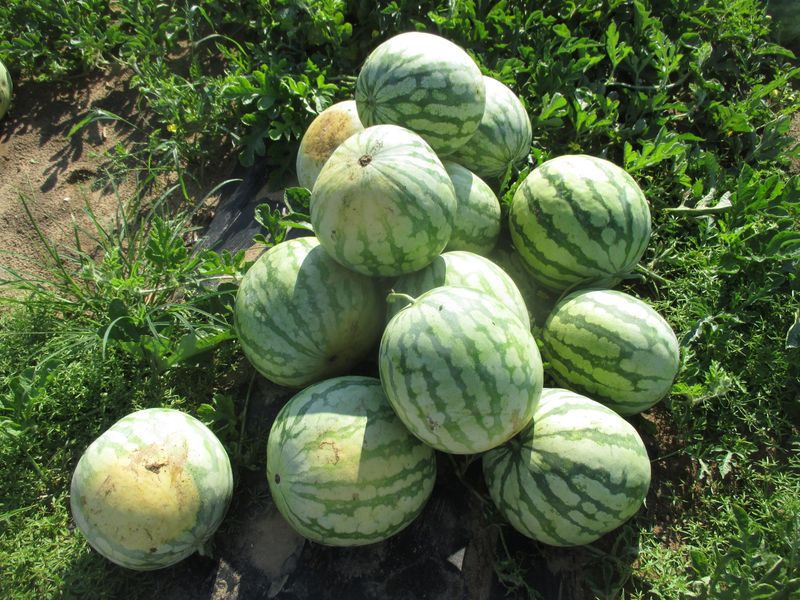
Watermelons need high soil temperatures and long, sunny days for proper development. Planting in April can lead to poor growth and delayed fruiting. They thrive in temperatures above 70°F.
Cool soil can impede germination and stunt vine growth. It’s advisable to wait until late spring or early summer for planting. Using black plastic mulch can help retain soil warmth. By delaying planting, you ensure sweet, juicy watermelons.
Early planting often results in bland, underdeveloped fruits. Patience and warm conditions are key to a fruitful watermelon harvest.
11. Southern Peas
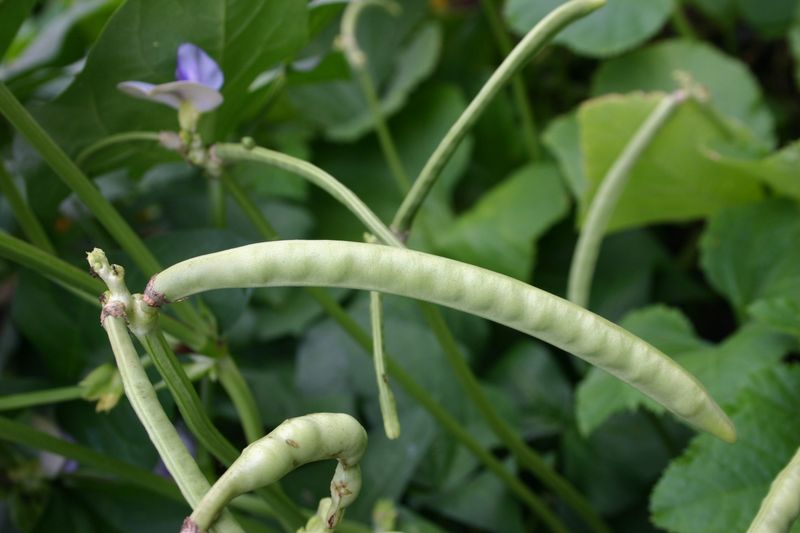
Southern peas thrive in hot weather, and early planting delays their development. April’s cool conditions can lead to stunted growth and low yields. They perform best in temperatures above 70°F.
Cold soil can cause poor germination and weak plants. Waiting until the soil warms consistently ensures better results. Using black plastic mulch can aid in warming the ground.
For those eager to plant, starting indoors is an option. However, waiting for the right conditions guarantees a bountiful pea harvest. Southern peas flourish when given the warmth they need.
12. Sweet Potatoes
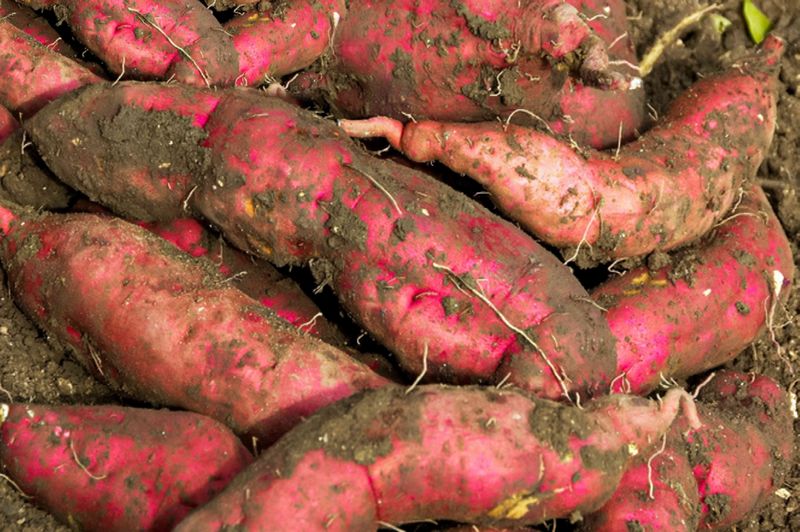
Sweet potatoes require warm conditions to form healthy tubers. Planting in April’s chill can stunt their growth and reduce yields. They need soil temperatures above 70°F to thrive. Cool soil can delay sprouting and weaken plants.
It’s best to wait until the soil warms consistently for planting. Using black plastic mulch can help retain heat. For early planting, consider starting slips indoors later transplanting.
Patience ensures robust sweet potato crops. Early planting often leads to disappointing harvests with small tubers. Timing and warmth are crucial for success.
13. Basil
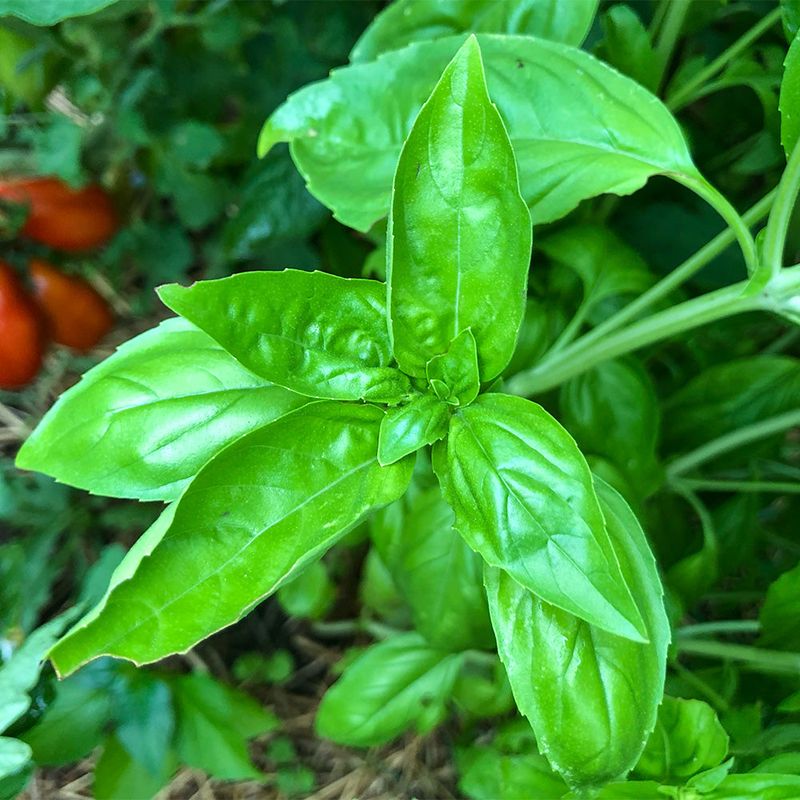
Basil benefits from heat to boost its flavor and growth. Planting in April can expose it to cool temperatures, affecting its development. This herb thrives in temperatures above 65°F. Cold conditions can lead to slow growth and reduced aroma.
It’s advisable to wait until the weather stabilizes. Using row covers can assist in maintaining warmth, but timing is key.
By planting later, you ensure vibrant and flavorful basil. Early planting often results in weak, less aromatic plants. Patience guarantees a robust and fragrant basil harvest.
14. Tropical Hibiscus
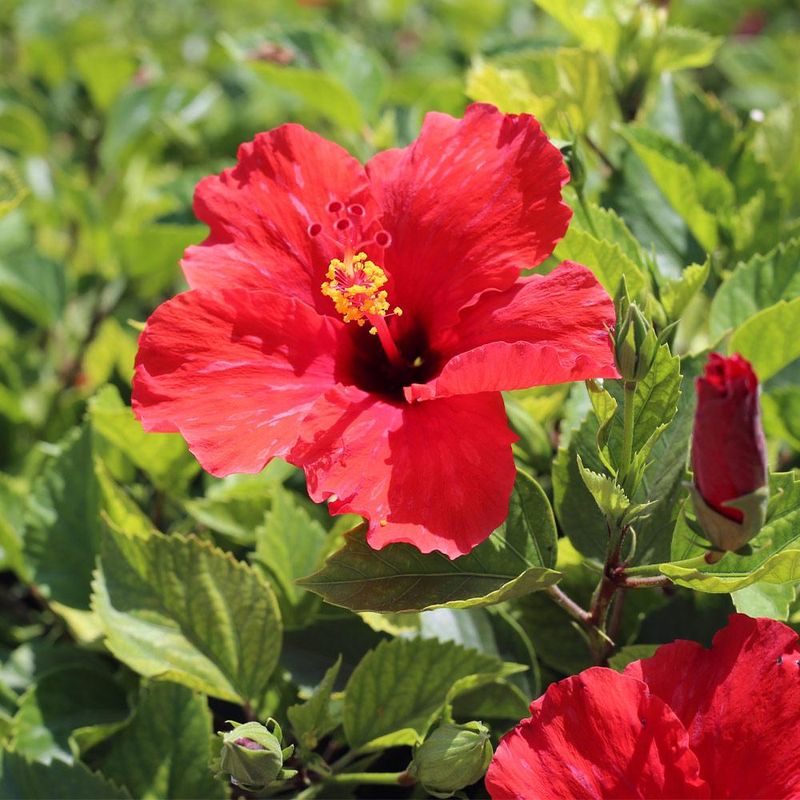
Tropical hibiscus prefers a consistently warm environment. Planting in April can expose it to cool conditions, affecting its blooming. This plant thrives in temperatures above 70°F. Cold stress can lead to reduced flowering and weak growth.
It’s best to wait until the threat of cool weather has passed. Using mulch can help retain soil warmth. For those eager to plant early, consider keeping hibiscus indoors until conditions improve.
Patience ensures vibrant blooms and healthy plants. Early planting often results in lackluster growth and few flowers.
15. Ginger
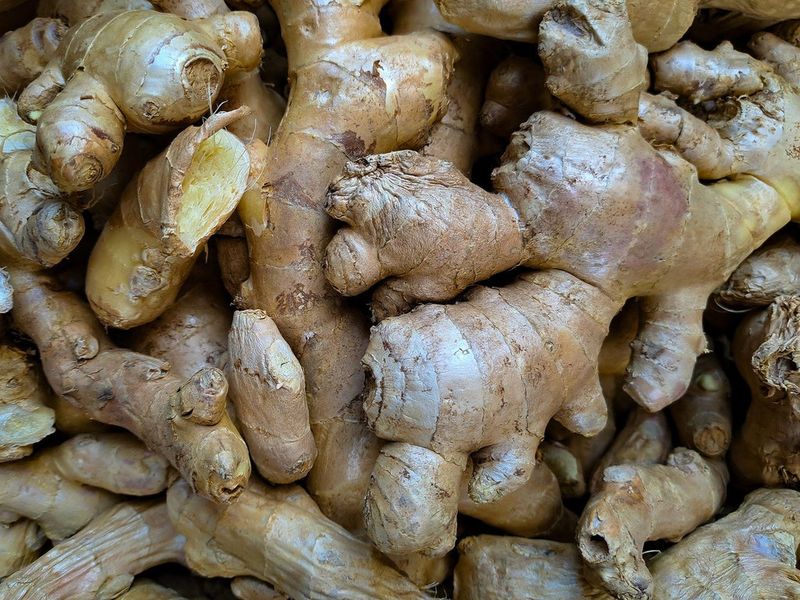
Ginger demands warm, humid conditions to sprout properly. Planting in April’s cooler temperatures can hinder its growth. It thrives in temperatures above 70°F. Cool soil can delay sprouting and result in weak, stunted plants.
It’s best to wait until the soil is consistently warm. Using mulch can aid in retaining heat. Starting ginger indoors is an option for early planting. However, patience ensures robust ginger growth and vibrant rhizomes.
Early planting often results in disappointing yields. Timing and warmth are key for a successful ginger harvest.
16. Turmeric
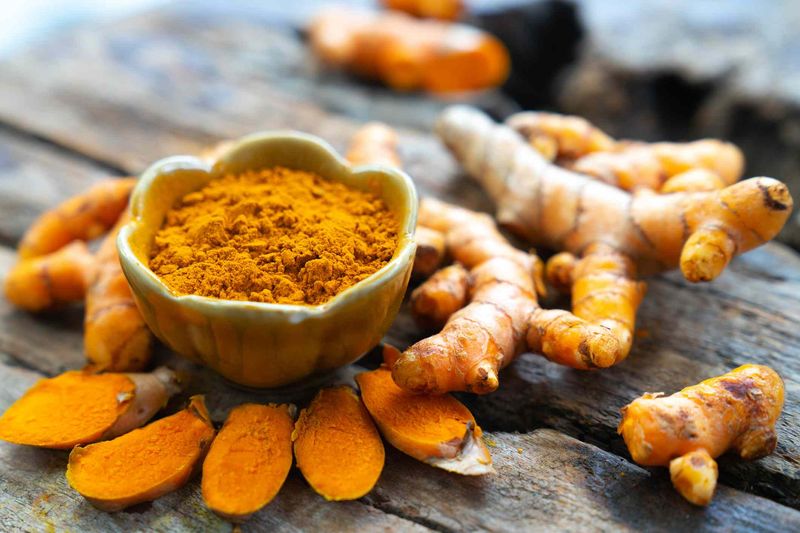
Turmeric, similar to ginger, needs a hot, steady climate to develop its vibrant roots. Planting in April’s cool conditions can delay growth. It thrives in temperatures above 70°F. Cool soil can lead to weak plants and poor rhizome development.
Waiting until the soil warms consistently ensures better results. Using black plastic mulch can help retain heat. Starting indoors is an option for early planting.
However, patience guarantees a healthy turmeric crop. Early planting often results in underdeveloped, pale rhizomes. Timing and warmth are crucial for success.
17. Hot Peppers (Spicy Varieties)
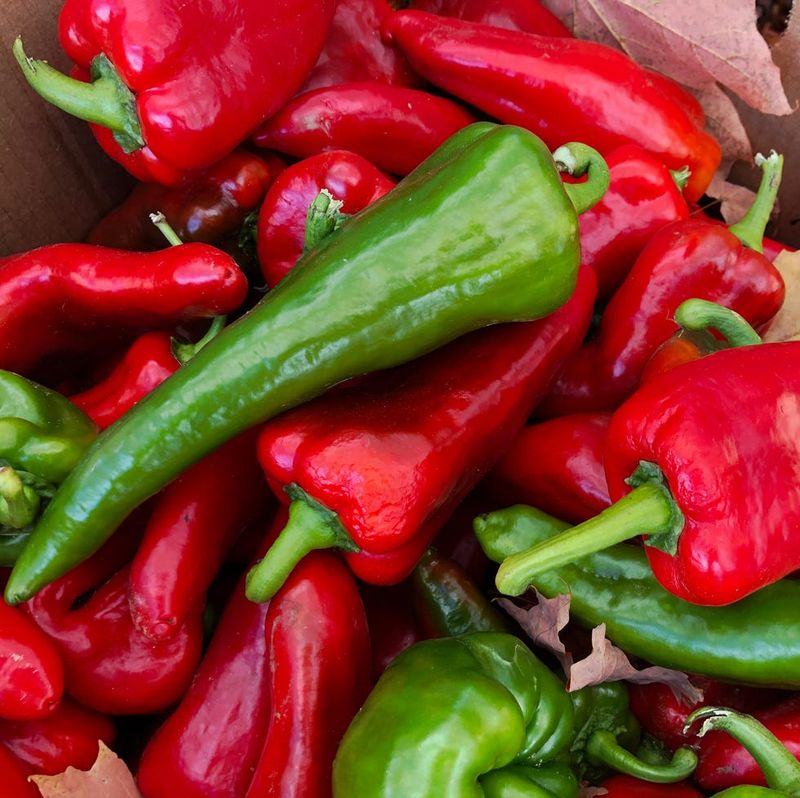
Hot peppers are particularly sensitive to cold, requiring warm conditions to maximize flavor and yield. Planting in April can expose them to stress, affecting development. They thrive in temperatures above 70°F.
Cold conditions can lead to poor fruit set and reduced heat in peppers. Waiting until the weather warms consistently ensures robust growth. Using row covers can help retain warmth, but timing is critical.
By planting later, you ensure spicy, flavorful peppers. Early planting often results in bland, underdeveloped fruits. Patience is key for a successful pepper crop.
18. Papaya (in suitable climates or container-grown)
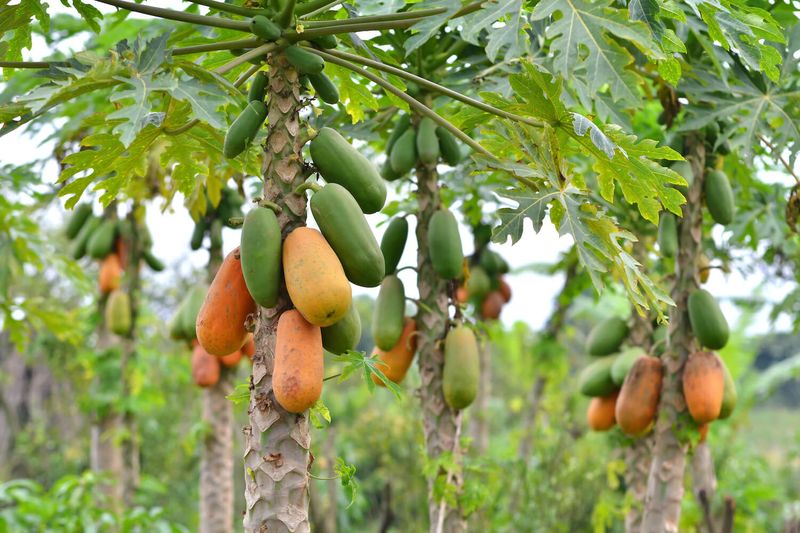
Papaya needs reliable warmth to flourish and produce fruit. Planting in April might be too early for many regions, leading to poor growth. It thrives in temperatures above 75°F. Cool conditions can delay development and reduce fruiting.
It’s best to wait until the weather consistently warms. Container planting is an option for those in cooler climates. Using a greenhouse can provide the necessary warmth.
Patience ensures healthy papaya plants with abundant fruit. Early planting often results in sparse growth and few fruits. Timing and warmth are crucial for success.
19. Passion Fruit
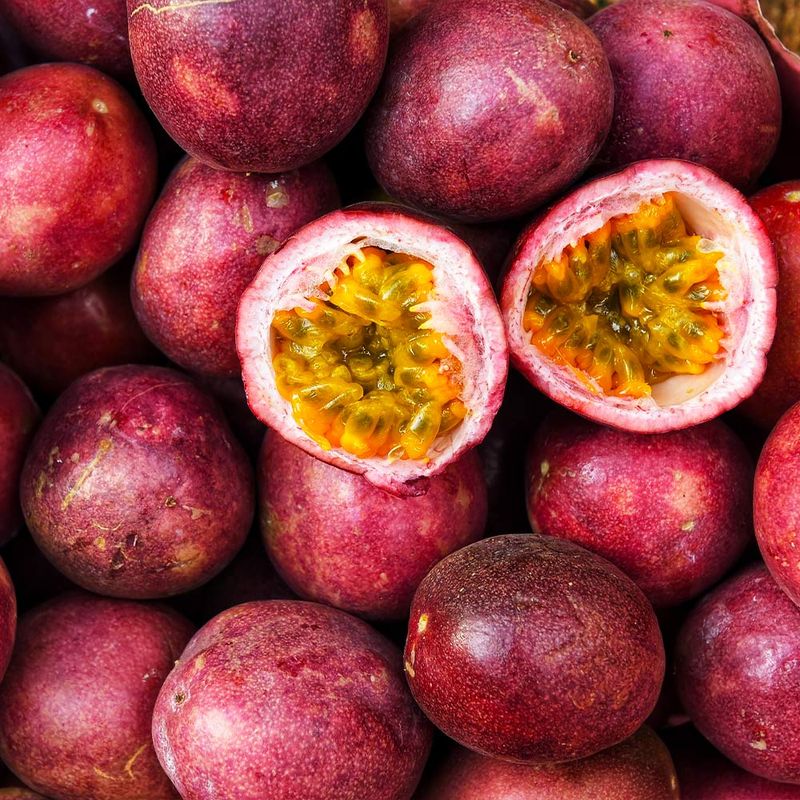
Passion fruit is a tropical vine performing best when planted after the danger of cool weather has passed. April’s unpredictable temperatures can hinder growth and flowering. This vine thrives in temperatures above 70°F.
Cool conditions lead to sparse foliage and reduced blooms. It’s advisable to wait until late spring for planting. Using mulch can help retain soil warmth. For early planting, consider starting indoors or using a greenhouse.
Patience ensures vibrant vines and abundant fruit. Early planting often results in lackluster growth and minimal flowers.
20. Lemongrass
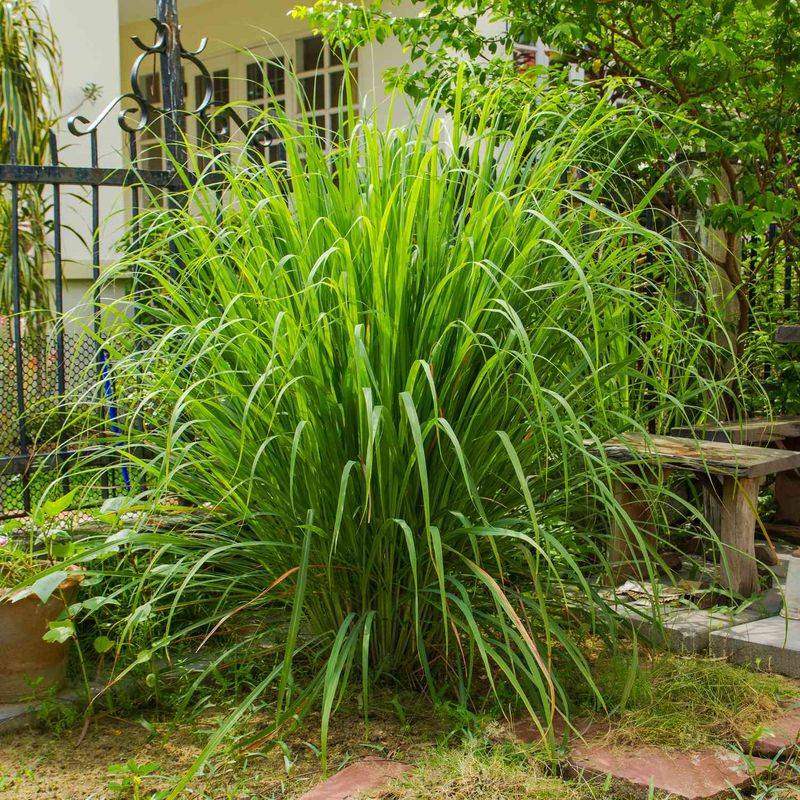
Lemongrass prefers hot, humid conditions to establish strong, aromatic stalks. Planting in April can expose it to cold, hindering growth. It thrives in temperatures above 70°F. Cool soil can lead to thin, weak stalks with reduced aroma.
Waiting until the soil consistently warms ensures robust lemongrass. Using black plastic mulch can aid in retaining heat. For early planting, consider container growing indoors.
Patience guarantees a healthy, fragrant lemongrass crop. Early planting often results in disappointing growth and lack of fragrance. Timing and warmth are essential for success.