 Complete Gardening
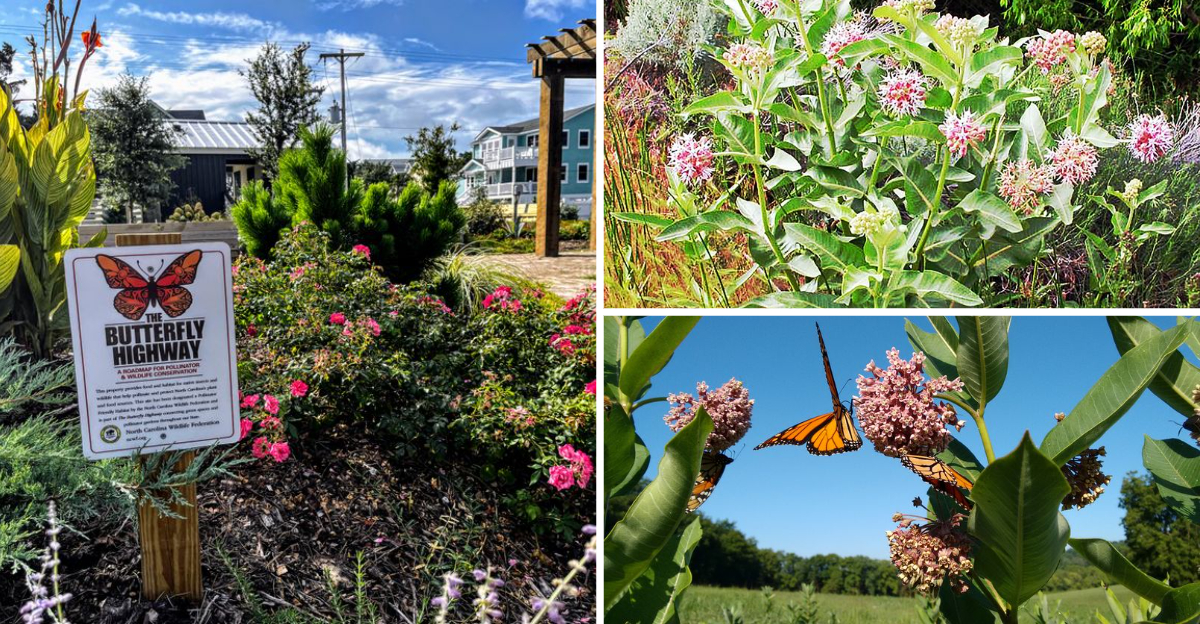
Milkweed is not merely a plant; it’s a transformative element for any home entrance. With its enchanting flowers and robust characteristics, milkweed can redefine your doorstep with elegance and practicality. Whether attracting enchanting butterflies or enhancing curb appeal, the benefits of incorporating milkweed into your entryway are myriad. Here, we explore ten distinct ways milkweed can elevate your home’s entrance, ensuring a welcoming and vibrant atmosphere.
1. Butterfly Attraction
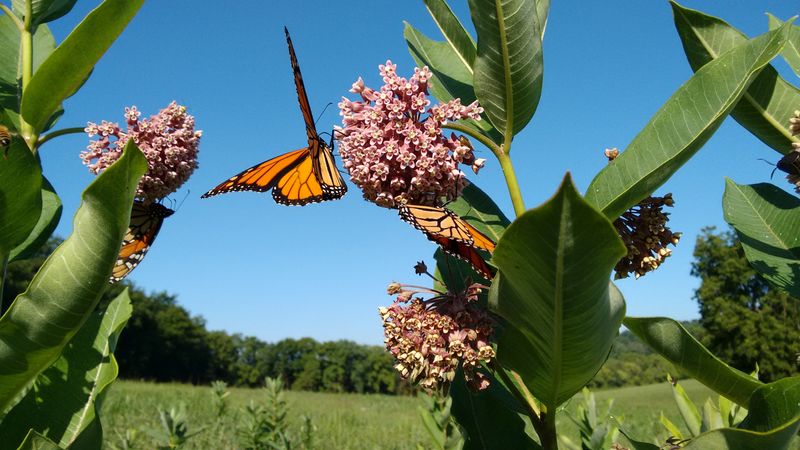
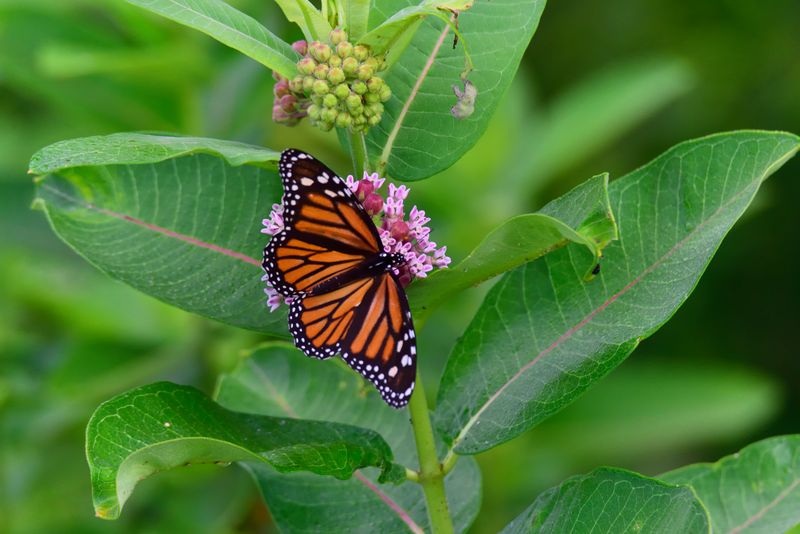
Milkweed, nature’s butterfly magnet, can transform any entrance into a lively spectacle. Imagine stepping into a world where Monarchs and Swallowtails dance upon arrival. Milkweed’s fragrant blooms lure these winged beauties, creating a living welcome mat.
Incorporate it by your doorstep to witness this daily ballet of colors. Its nectar-rich flowers are irresistible to butterflies, ensuring your entryway remains a hotspot for these graceful visitors.
Did you know? Monarch butterflies rely on milkweed for survival, laying eggs exclusively on this plant, making your entrance a vital sanctuary.
2. Seasonal Color Palette
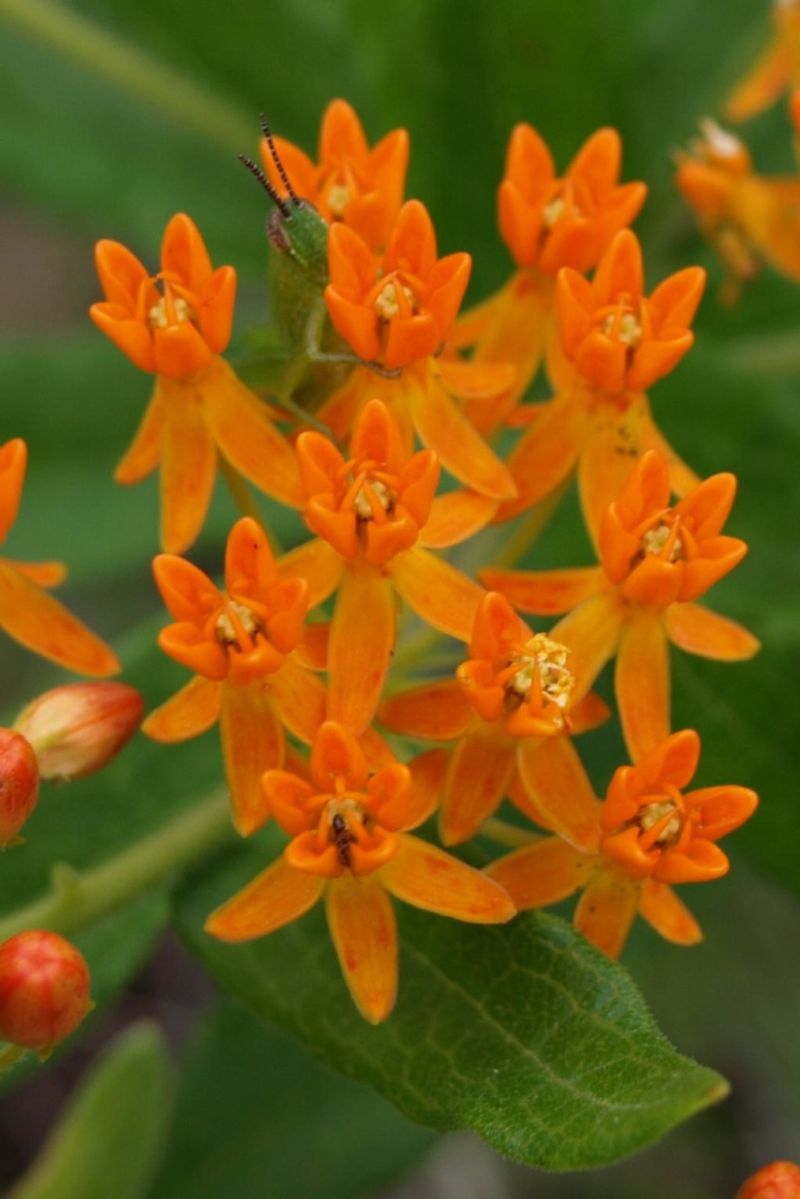
Milkweed’s changing hues provide a year-round palette for your entrance. In spring, its vivid blooms of orange and pink burst forth, adding a splash of color. As summer unfolds, lush green leaves create a serene backdrop, while autumn brings sculptural seed pods.
This dynamic display ensures your entryway remains visually appealing throughout the year. No need for artificial decorations; milkweed’s natural progression offers continuous beauty.
Historically, milkweed was used by Native Americans for crafting threads and dyes, highlighting its enduring versatility and contribution to seasonal aesthetics.
3. Wildlife Haven
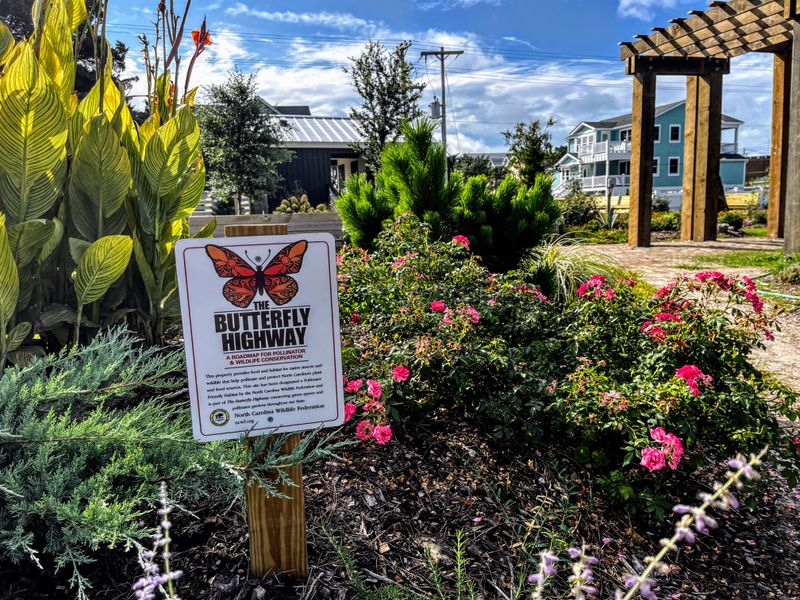
Creating a wildlife haven begins at your entrance with milkweed. This plant acts as a magnet for various creatures, from tiny finches to curious rabbits. Its structure provides shelter and food, encouraging biodiversity right outside your door.
By planting milkweed, you invite a symphony of animal activity, from chirping birds to rustling mammals. This interaction creates a lively and engaging environment, perfect for nature enthusiasts.
Did you know? Milkweed seeds are spread by the wind, assisting in natural propagation and supporting wildlife ecosystems far beyond your entrance.
4. Low-Maintenance Beauty
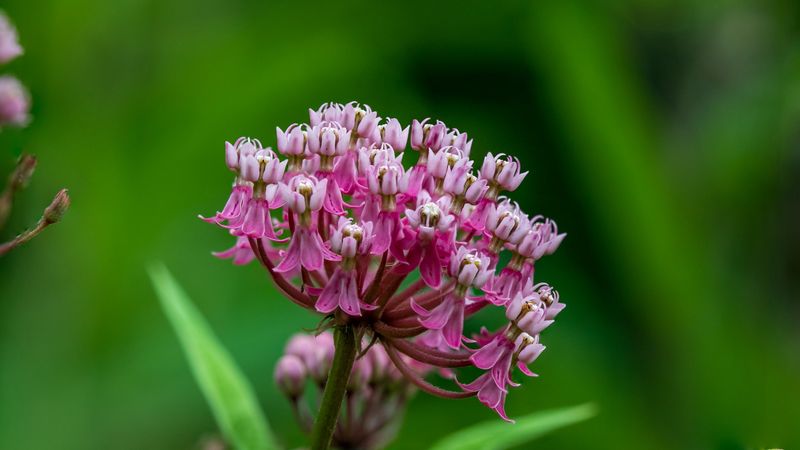
Embrace low-maintenance beauty with milkweed at your entrance. This hardy plant thrives with minimal care, requiring only basic watering and sunlight. Its resilience saves time and effort, making it perfect for busy homeowners.
Despite its easy upkeep, milkweed doesn’t compromise on aesthetics. Its vibrant blooms and lush foliage offer a naturally beautiful facade that enhances any doorstep.
Fun fact: Milkweed has a natural defense mechanism against pests, reducing the need for chemical treatments, thus aligning with organic gardening practices.
5. Pollinator Paradise
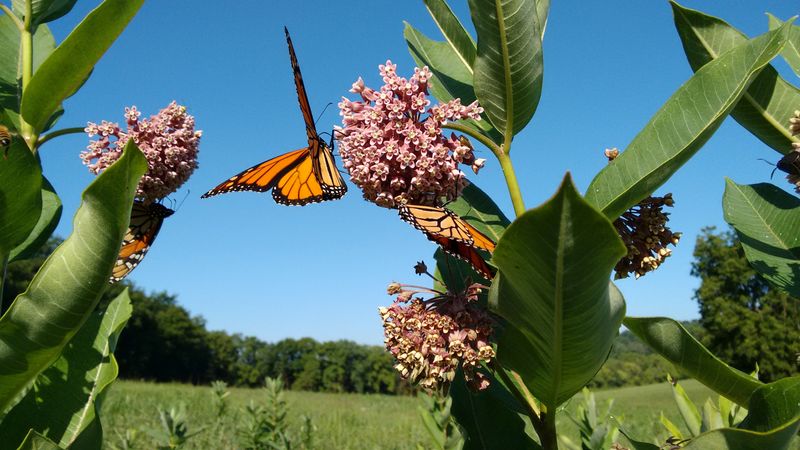
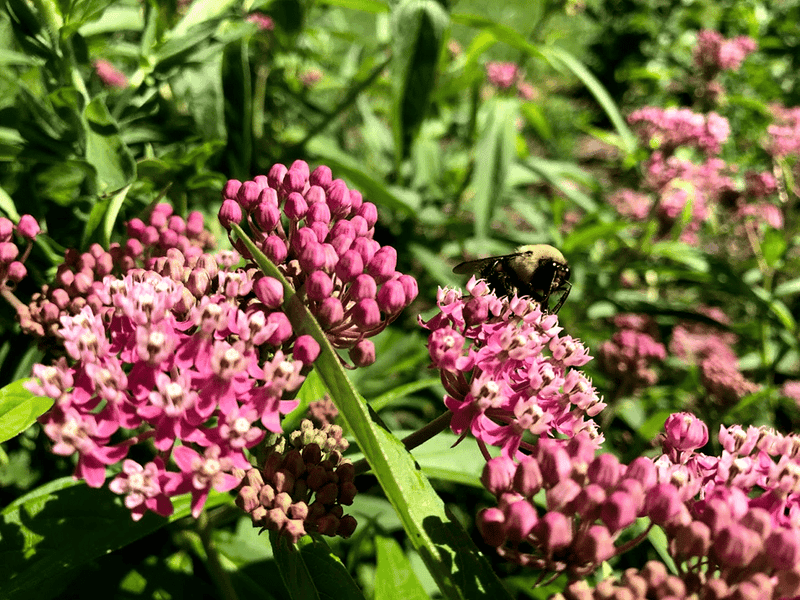
Turn your entrance into a pollinator’s paradise with milkweed. Birds, bees, and butterflies flock to its nectar-rich blooms, facilitating essential pollination processes.
This symbiotic relationship not only benefits your garden but also supports vital ecosystems. The constant hum of pollinators adds a lively and purposeful energy to your doorway.
Did you know? Bees are attracted to milkweed’s distinct scent and abundant nectar, making it a favorite in pollinator gardens. Elevate your entrance with this eco-friendly choice that supports biodiversity.
6. Architectural Interest

Milkweed introduces architectural interest at your entrance with its tall stalks and unique seed pods. Its elegant structure complements modern and traditional designs alike, providing a touch of nature’s artistry.
Positioned strategically, milkweed can frame doorways or pathways, adding depth and dimension to your home’s facade. Its presence creates a harmonious blend of form and function.
Interesting tidbit: Milkweed’s fibrous stems were historically used for making ropes, showcasing its strength and versatility beyond aesthetic appeal.
7. Fragrance Delight
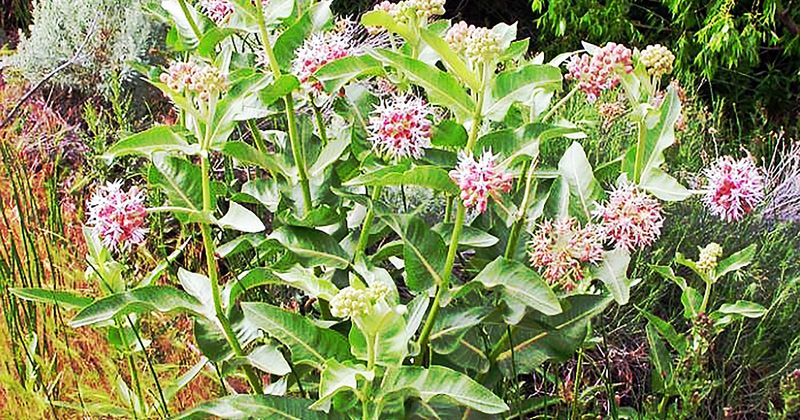
Experience fragrance delight with milkweed at your entrance. As evening falls, its subtle scent invites a calming atmosphere, transforming your doorstep into a fragrant retreat.
Planting milkweed near entrances ensures each arrival is greeted with this gentle aroma, enhancing the sensory experience of coming home. The perfume blends seamlessly with the evening air, offering a natural olfactory welcome.
Did you know? Milkweed’s fragrance intensifies at dusk, making it a favorite for nocturnal pollinators and those who enjoy evening garden strolls.
8. Historical Significance
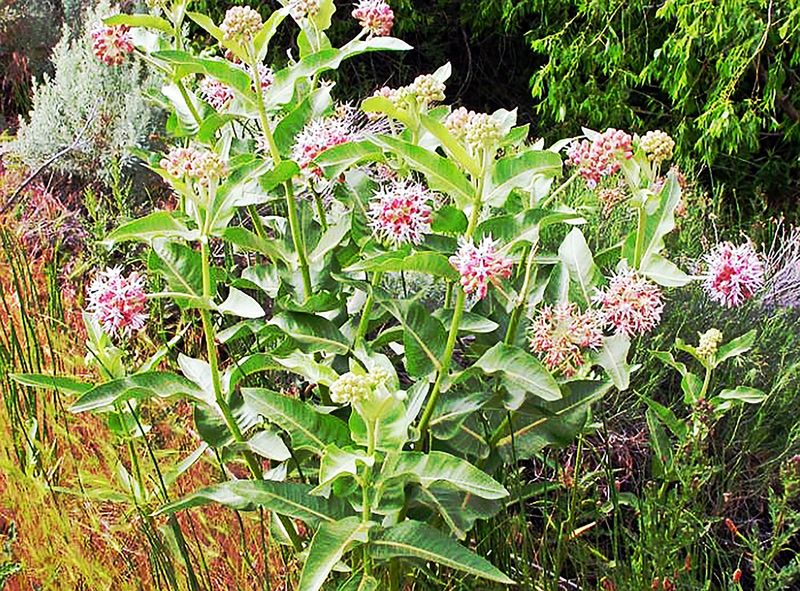
Milkweed’s historical significance adds a layer of storytelling to your entrance. Used by Native Americans for crafting and medicinal purposes, it brings a sense of heritage and tradition.
Incorporating milkweed connects your home to these ancient practices, offering a conversational piece for visitors. Its presence is a nod to sustainable living and resourcefulness.
Fun fact: During World War II, milkweed fluff was used as a substitute for kapok in life jackets, highlighting its versatile nature and historical importance.
9. Eco-Friendly Impact
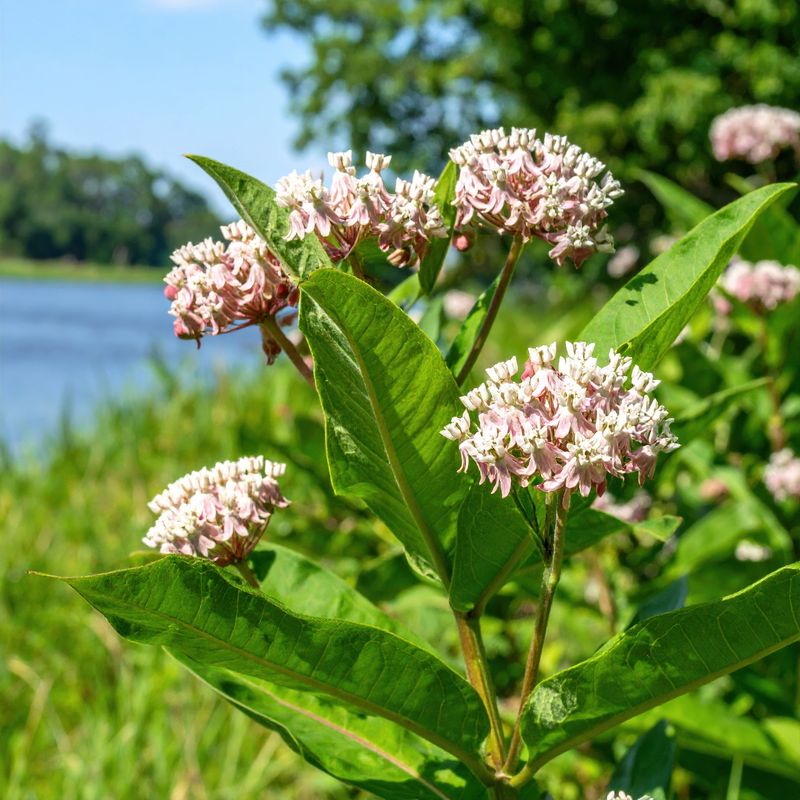
Make an eco-friendly impact with milkweed at your entrance. This native plant supports biodiversity, reduces pesticide use, and contributes to a sustainable garden ecosystem.
Pairing milkweed with green technologies like solar lights and rainwater systems enhances its environmental benefits. Together, they create an entrance that reflects commitment to ecological responsibility.
Interesting note: Milkweed plays a crucial role in reducing erosion and maintaining soil health, making it a sustainable choice for conscientious homeowners.
10. Tactile Textures
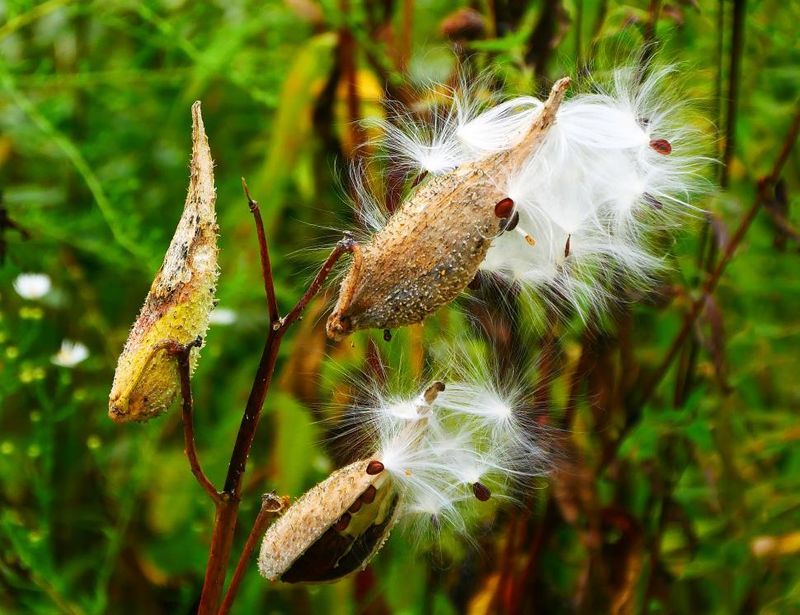
Introduce tactile textures to your entrance with milkweed’s diverse physical features. From soft, velvety leaves to rough, fibrous stems and smooth seed pods, it offers a rich sensory experience.
This variety invites interaction, encouraging visitors to touch and explore the plant’s unique textures. The tactile appeal adds depth and interest to your entryway, making it more than just a visual delight.
Fun tidbit: Milkweed’s downy seeds were historically collected for life jackets, showcasing their unique, buoyant properties.
11. Colorful Spring Blooms

Milkweed flowers burst with color, creating a breathtaking spring display. Bright orange, delicate pink, and sunny yellow hues dance in the breeze, making each bloom a delight to behold. These colors not only attract the eye but also provide a welcoming atmosphere for spring visitors.
The diverse palette of milkweed can complement various garden styles, offering a seamless transition from one season to the next. Gardeners often celebrate these vivid blossoms as the heralds of warmer days.
Adding milkweed to your garden ensures a cheerful and colorful entrance into the new season.
12. Natural Privacy Screen
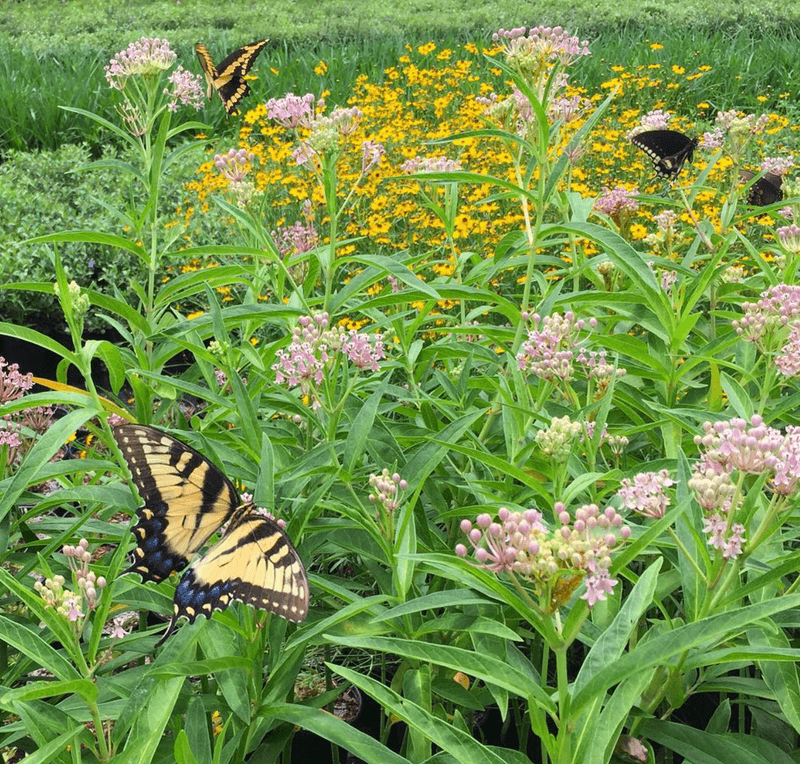
Milkweed grows tall and robust, serving as a natural privacy screen. Its dense foliage provides a perfect barrier without the need for artificial structures. Visitors may feel a sense of seclusion as they wander through a milkweed-bordered path.
This natural wall not only blocks unwanted views but also invites a sense of tranquility. Many find solace and peace behind a wall of green, where nature reigns supreme.
Incorporating milkweed as a privacy solution offers both functionality and beauty to your garden.
13. Soil Stabilization

Milkweed’s extensive root system plays a crucial role in soil stabilization. These roots delve deep, anchoring the plant firmly and preventing erosion. It’s an unsung hero in maintaining soil integrity in gardens and landscapes.
As rain falls, milkweed roots prevent soil from washing away, keeping everything intact. This scientific marvel provides gardeners with peace of mind, knowing their soil remains undisturbed.
Choosing milkweed helps preserve your landscape’s foundation, ensuring a long-lasting and healthy garden environment.
14. Medicinal Uses

With historical roots in traditional medicine, milkweed offers various medicinal uses. Herbalists have long praised its potential to treat ailments ranging from warts to respiratory issues.
Milkweed’s latex, once harvested, was believed to possess healing properties. This natural remedy reflects a rich history of plant-based medicine that continues to intrigue today.
While modern applications differ, the legacy of milkweed in healing persists, inviting those with curiosity in ancient remedies to explore its potential.
15. Artistic Inspiration

Milkweed offers endless inspiration for artists. Its intricate flowers, vibrant colors, and unique structure make it a captivating subject for paintings and sketches.
Creative minds find milkweed’s natural elegance both challenging and rewarding to depict. Many artworks celebrate the delicate intricacies of this plant, capturing its essence on canvas.
Whether through painting or photography, milkweed continues to inspire, offering endless creative possibilities for artists and nature enthusiasts alike.
16. Seasonal Versatility
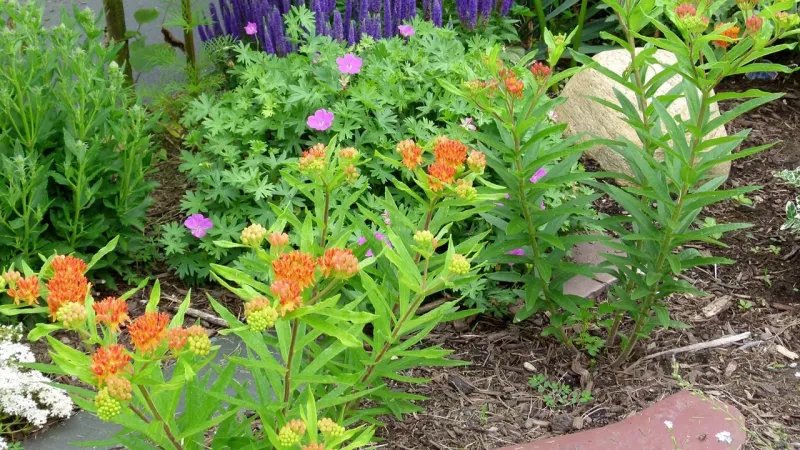
Milkweed’s versatility shines across seasons. In summer, it boasts lush growth and vivid blooms, while in winter, its bare stems add architectural interest.
Gardeners appreciate this plant’s ability to offer visual interest year-round. Each season reveals a new side of milkweed, enhancing garden dynamics.
By incorporating milkweed, you ensure a garden that evolves with time, providing beauty and intrigue throughout the year.
17. Culinary Uses

Believe it or not, milkweed finds its way into kitchens as a culinary ingredient. Its shoots, pods, and leaves are edible when properly prepared.
Foraging enthusiasts delight in incorporating milkweed into their culinary adventures. With careful preparation, it offers a unique taste experience.
From salads to stir-fries, milkweed adds a touch of the wild to everyday meals, inviting adventurous cooks to explore new flavors.
18. Educational Opportunities
Milkweed presents educational opportunities for all ages. From children learning about ecology to adults exploring native plants, it serves as a living classroom.
Engaging with milkweed fosters a deeper understanding of nature’s interconnections. Observing its role in supporting wildlife and stabilizing ecosystems offers real-world insights.
This plant becomes a gateway to environmental education, inspiring curiosity and respect for the natural world.
19. Symbol of Transformation
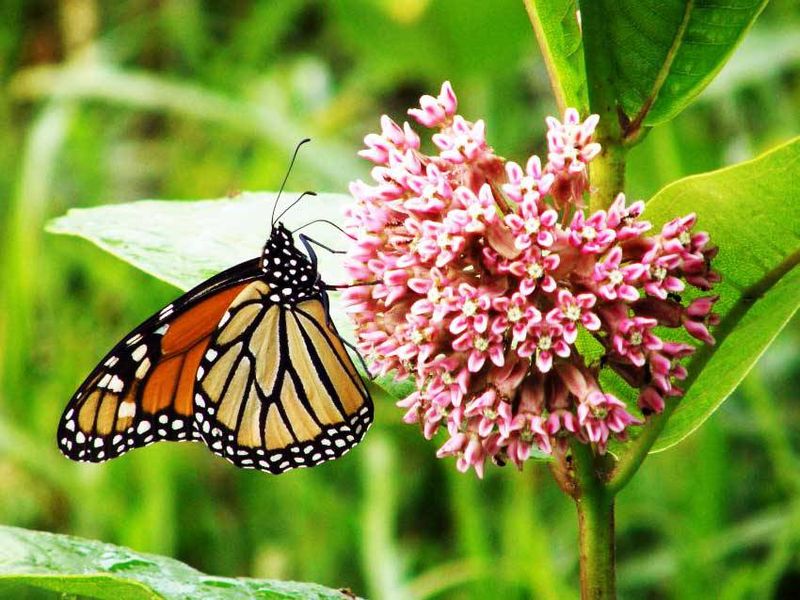
Few plants embody transformation like milkweed. As the host plant for monarch butterflies, it plays a pivotal role in their life cycle.
Witnessing a butterfly emerge from its chrysalis on milkweed is a powerful symbol of change and renewal. It reminds us of the potential for growth and transformation in our own lives.
By growing milkweed, you create a space where nature’s miracles unfold, offering inspiration and reflection.
20. Air Quality Improvement
Milkweed contributes to air quality improvement by absorbing pollutants. Its lush foliage acts as a natural filter, cleansing the air around your garden.
In urban environments, where air quality can be a concern, milkweed serves as a green ally, promoting a healthier atmosphere.
Incorporating milkweed into your garden not only beautifies your space but also enhances the air you breathe.
21. Cultural Significance
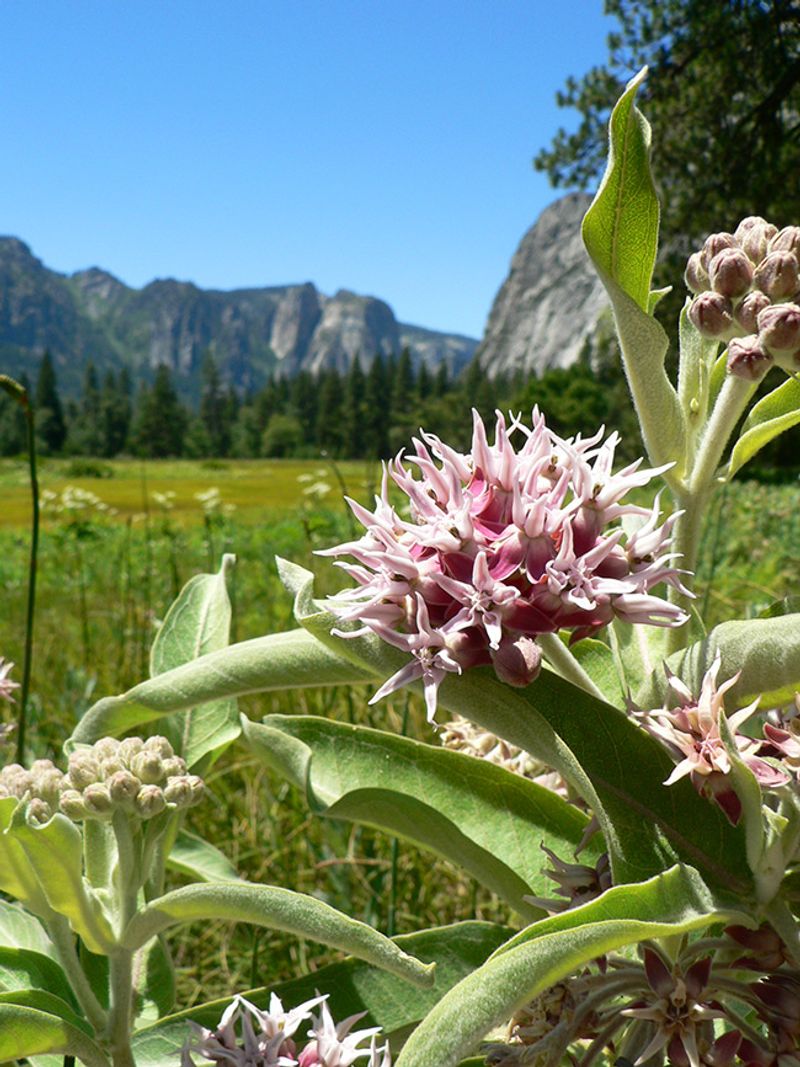
Milkweed holds cultural significance in various societies. Its presence in ceremonies and traditions highlights its symbolic value.
From garlands to ritual offerings, milkweed plays a role in cultural expressions around the world. This plant’s significance transcends mere decoration.
Embracing milkweed in your garden can connect you to a rich tapestry of cultural heritage and symbolism.
22. Resilience and Adaptability
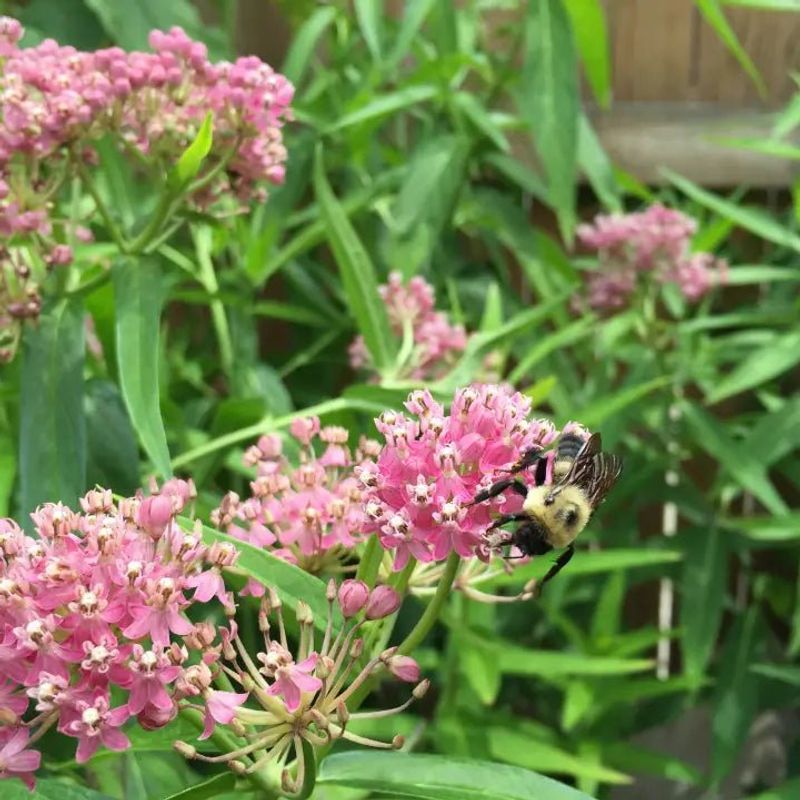
Milkweed’s resilience and adaptability are remarkable. It thrives in diverse environments, from lush gardens to arid landscapes.
Gardeners value its hardiness, knowing it can withstand various challenges. This adaptability ensures milkweed’s survival and success in different settings.
Planting milkweed demonstrates a commitment to resilient gardening, where nature’s tenacity is celebrated.
23. Aesthetic Foliage
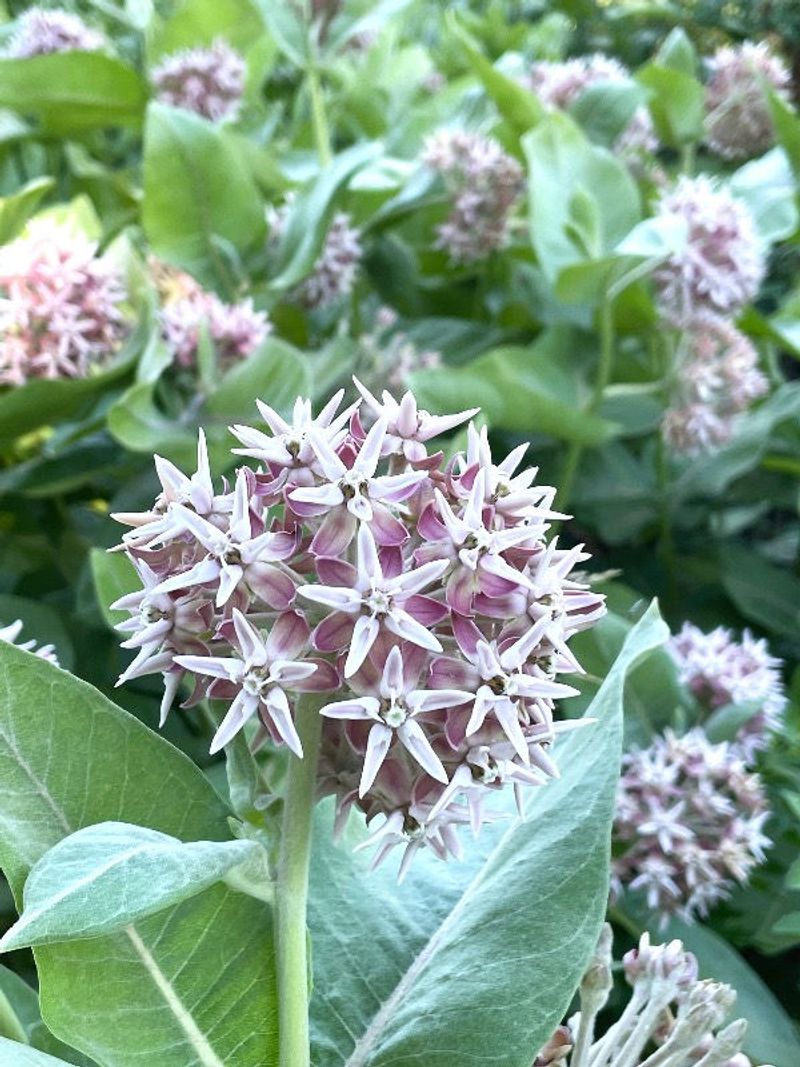
Milkweed’s foliage offers aesthetic appeal with its unique shape and texture. The leaves, often overlooked, are a testament to the plant’s beauty.
Dew-kissed in the morning light, milkweed leaves add a touch of elegance to any garden. Their subtle charm enhances the overall landscape.
Incorporating milkweed for its foliage ensures a visually pleasing garden that captivates and delights.