
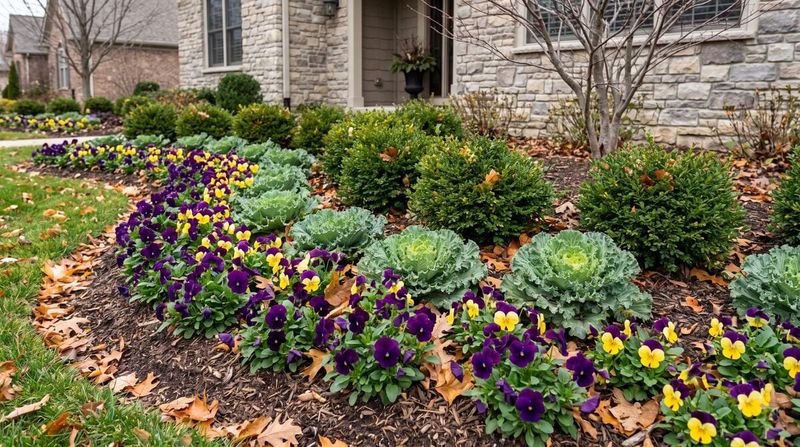
A light frost does something surprising to certain vegetables in North Carolina. It can turn their starches into sugars, so the kale, carrots, and collards you pick in February often taste sweeter than anything from summer.
The catch is timing, because most of these crops need to go in the ground or into seed trays by late September or early October. Here are eight tough, easy vegetables to start now so your garden keeps feeding you while the rest of the yard sleeps.
1. Collard Greens
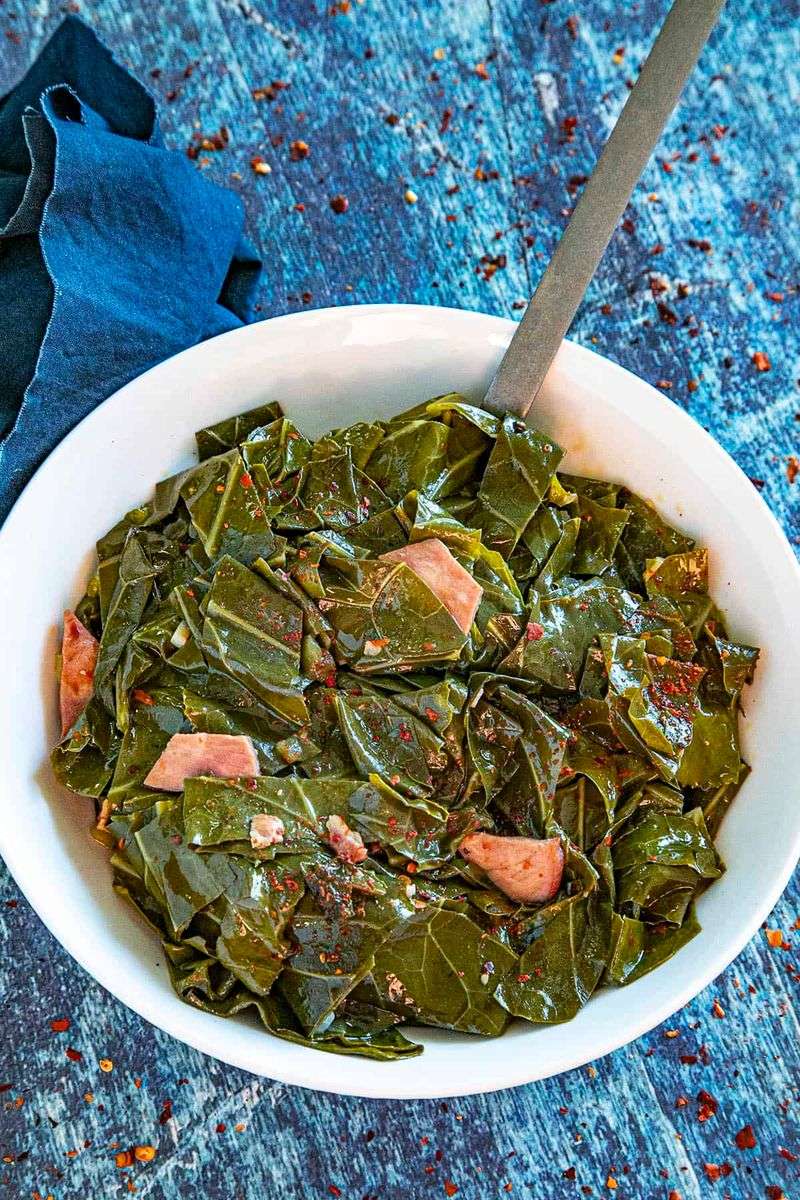
Ask any grandmother in Johnston County and she will tell you collards are not worth eating until they have been kissed by frost. She is onto something.
Cold weather can push collards to store more sugar in their leaves, softening that bitter edge.
Collards are probably the most forgiving cool-season green North Carolina grows. Established plants often shrug off dips into the teens, and many gardeners in the Piedmont and coastal plain harvest them straight through winter.
Mountain gardeners may want a row cover on the coldest nights.
For the best results, set out transplants rather than seeds this late in September. Space them about 18 inches apart in rich, well-drained soil.
Pick the lower leaves first and let the center keep growing, and one planting can supply greens for months.
2. Kale
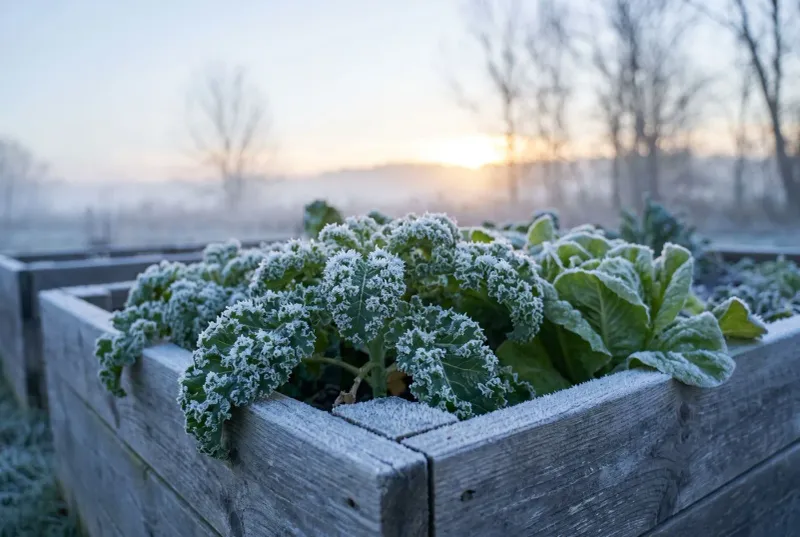
Kale is the friend who actually shows up when the weather turns ugly. Varieties like Winterbor, Red Russian, and Lacinato can handle hard freezes that flatten most other greens.
Unlike collards, kale offers a wide range of textures and colors, so it earns a spot in both the vegetable bed and a front-yard border. Red Russian has purple stems that look lovely against a gray winter sky.
Lacinato, sometimes called dinosaur kale, holds up beautifully in soups.
Start transplants now in the Piedmont and coastal plain, or a bit earlier in the mountains if you can. Pick leaves after a few frosts, and you may notice a noticeably milder, nuttier flavor.
3. Carrots
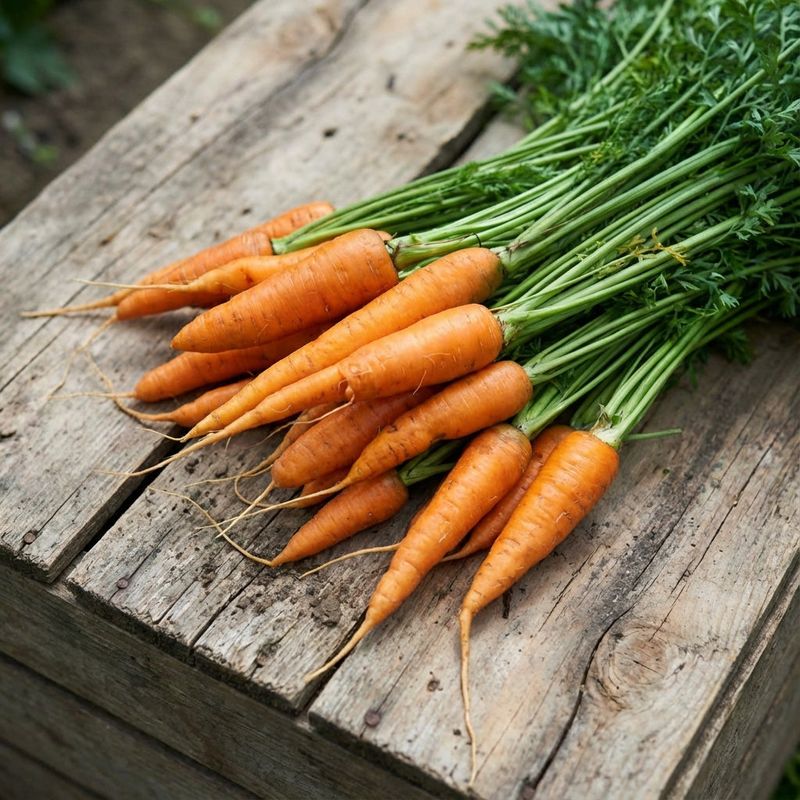
Here is a fun fact for the kids: a carrot pulled in February can taste almost like candy compared to one pulled in July. Cold soil encourages the roots to convert starch to sugar, which may also help protect the plant from freezing.
Carrots are the slow, patient crop on this list. Sow seeds directly by late September in most of North Carolina, keeping the soil damp until they sprout, which can take two weeks.
Loose, stone-free soil gives you straighter roots.
Once tops are a few inches tall, thin them so roots have room. When cold arrives, tuck a thick layer of straw over the bed.
Many coastal and Piedmont gardeners simply leave carrots in the ground and dig as needed all winter.
4. Spinach
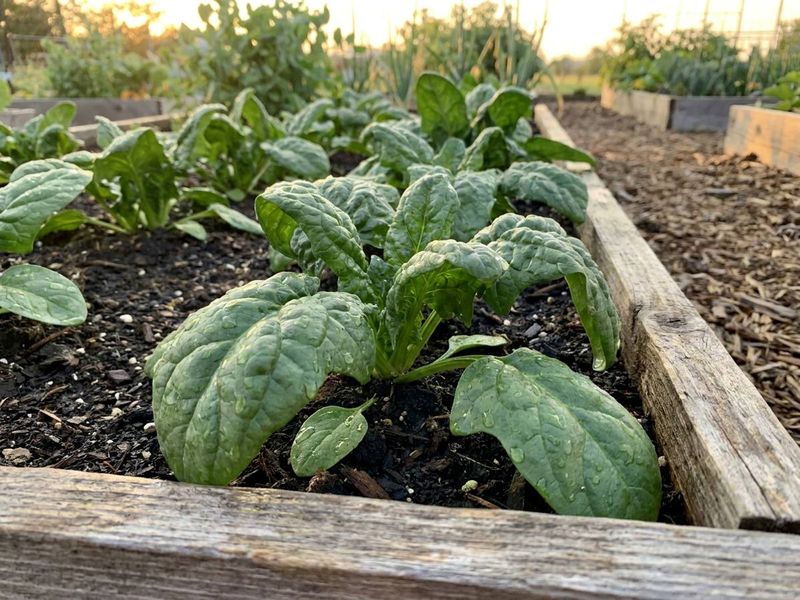
Low and flat to the ground, spinach hugs the soil for warmth like a cat on a heating vent. That rosette shape is part of why it can survive cold snaps that would wilt taller greens.
Savoy types such as Bloomsdale and Winter Giant tend to be the toughest. Sow seeds now through mid-October across the Piedmont and coastal plain.
Spinach dislikes heat, so the cooling soil of fall is right where it wants to be.
A simple floating row cover can extend harvests through January and February. As days lengthen in late winter, plants often surge with fresh, sweet leaves.
That spring burst is one of the best reasons to plant it now.
5. Turnips
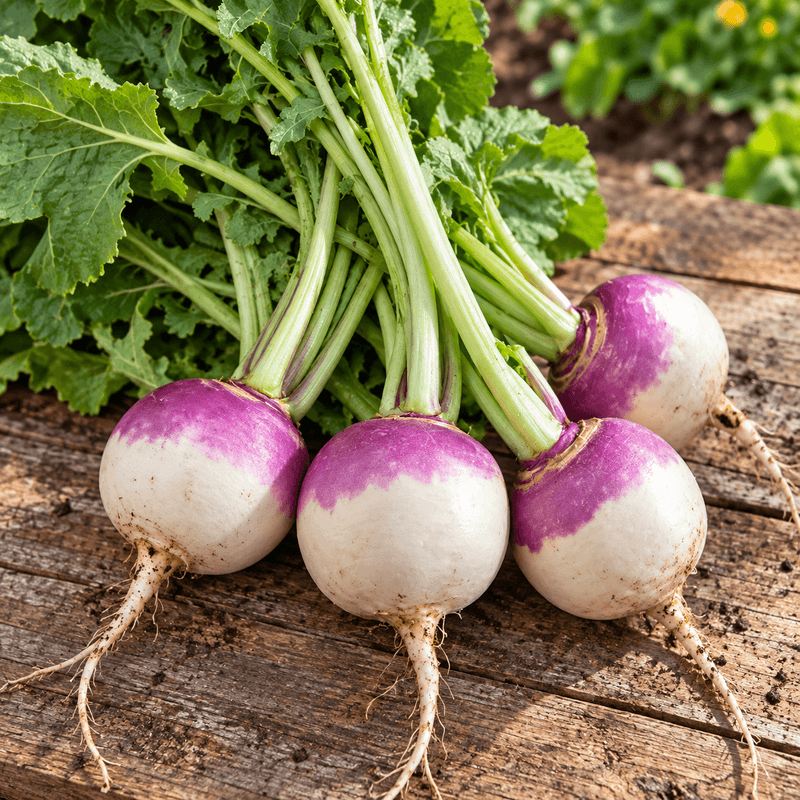
Two crops for the price of one packet? That is the turnip deal, and Southern gardeners have been taking it for generations.
Purple Top White Globe is the classic choice in North Carolina, giving you tangy greens in a few weeks and roots in about two months. Seven Top is grown only for its leaves and can keep producing well into winter.
After frost, both the roots and greens often lose some of their sharp bite.
Turnips are fast, so you can still direct sow into early October in the eastern half of the state. Thin seedlings to about 4 inches apart.
Harvest roots at baseball size or smaller for the best texture.
6. Garlic
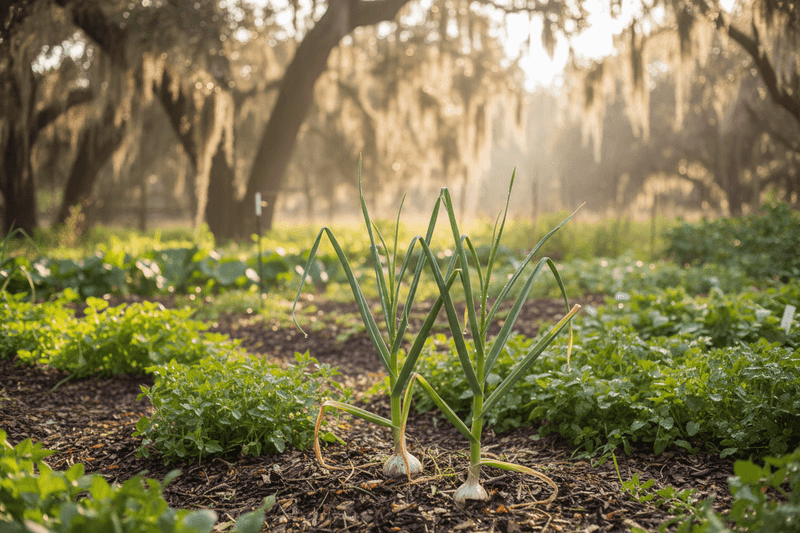
Garlic asks for almost nothing and gives you one of the most satisfying harvests of the year. The trick is that it needs a long, cold rest to form big bulbs, which makes fall planting a must.
Plant cloves pointy side up, about 2 inches deep and 6 inches apart, from October into November. Softneck types often do well in the coastal plain and Piedmont, while hardneck varieties tend to shine in the mountains.
Cover the bed with a few inches of straw.
Green shoots will poke up and sit quietly through winter. You can snip a few as mild green garlic in late winter.
The full bulbs usually come in around late May or June, a nice reward for ten minutes of fall work.
7. Cabbage
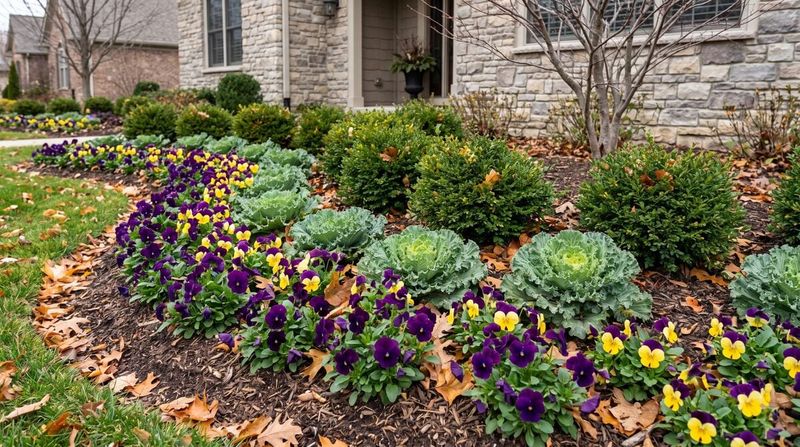
Cabbage has a quiet, old-fashioned charm. Picture a row of tight green heads glittering with frost in January, and you understand why it has fed Carolina families through winter for centuries.
Choose smaller, faster varieties this late in the season, such as Early Jersey Wakefield or Golden Acre. Set transplants now in the Piedmont and coastal plain.
Heads that mature into cool weather tend to taste crisp and mild.
Cabbage loves steady moisture and a side dressing of compost a few weeks after planting. Cabbage worms slow down once it gets cold, which is another perk of fall growing.
A row cover can help on nights below the low 20s.
8. Mustard Greens
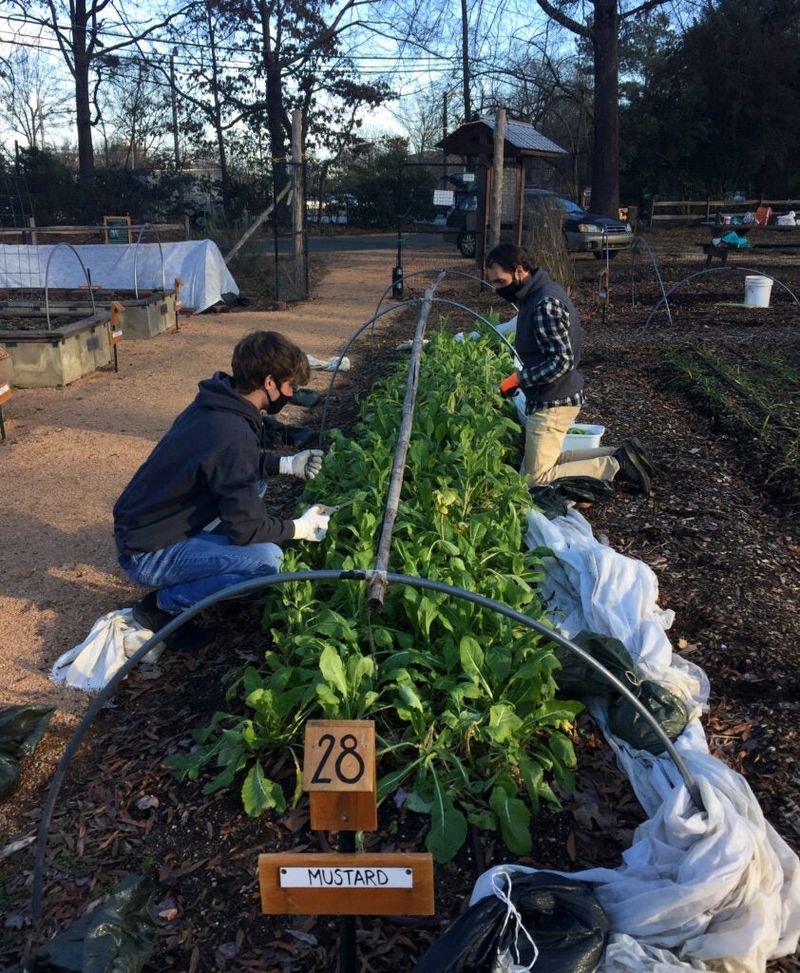
Spicy, frilly, and ready in about 30 days, mustard greens are the speed demon of the cool-season garden. If you got a late start on everything else, start here.
Southern Giant Curled is a longtime North Carolina favorite, while red varieties like Red Giant add bold color to beds and pots. Raw leaves carry a peppery kick, but cold weather may mellow them considerably.
Direct sow every couple of weeks through October for a steady supply. Plants can take moderate frosts, though a cover helps when temperatures drop hard.
Toss young leaves in salads or simmer bigger ones with a little smoked turkey for a true Carolina winter supper.