
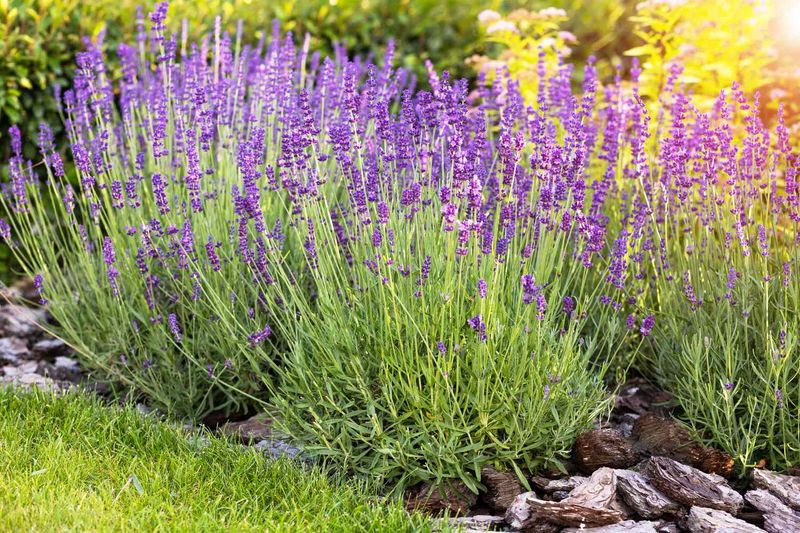
Fall in California is a sweet spot for free plants, because the soil is still warm and the winter rains are almost here. Snip a few stems from herbs you already own, tuck them into pots or the ground, and many will grow roots in just a few weeks.
Once the rain starts, those young plants get steady water without you dragging a hose around in a drought year. Here are eight herbs that root easily, save money, and help feed bees and other helpful garden visitors.
1. Rosemary
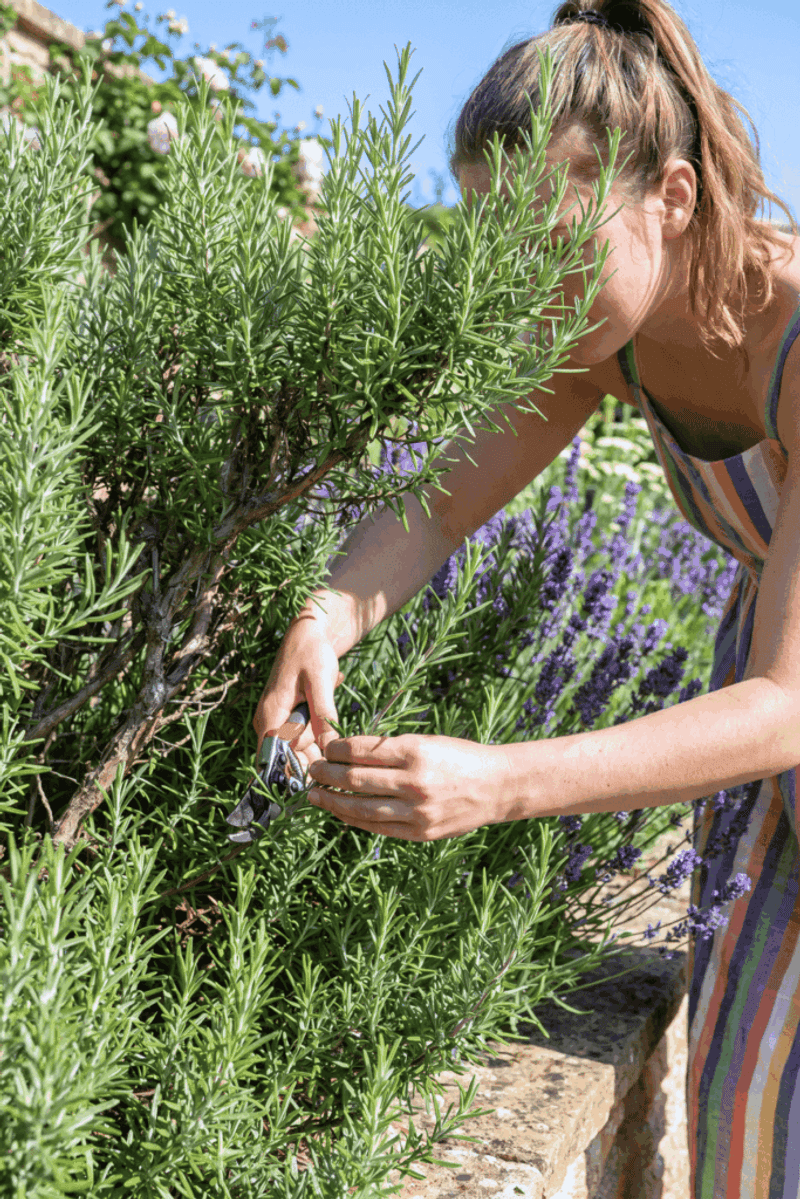
Ask any coastal gardener which herb refuses to die, and rosemary usually wins. It shrugs off heat, poor soil, and months without rain, which makes it a true California native-style performer even though it comes from the Mediterranean.
Take 4 to 6 inch cuttings from fresh, flexible tips rather than old woody stems. Strip the bottom leaves, push the stems into a gritty mix of sand and potting soil, and keep it barely moist.
Roots often show up in four to eight weeks.
Planted out before the rains, young rosemary can settle in while the soil stays damp. By late winter, its little blue flowers may help feed early native bees when few other blooms are open.
2. Mint
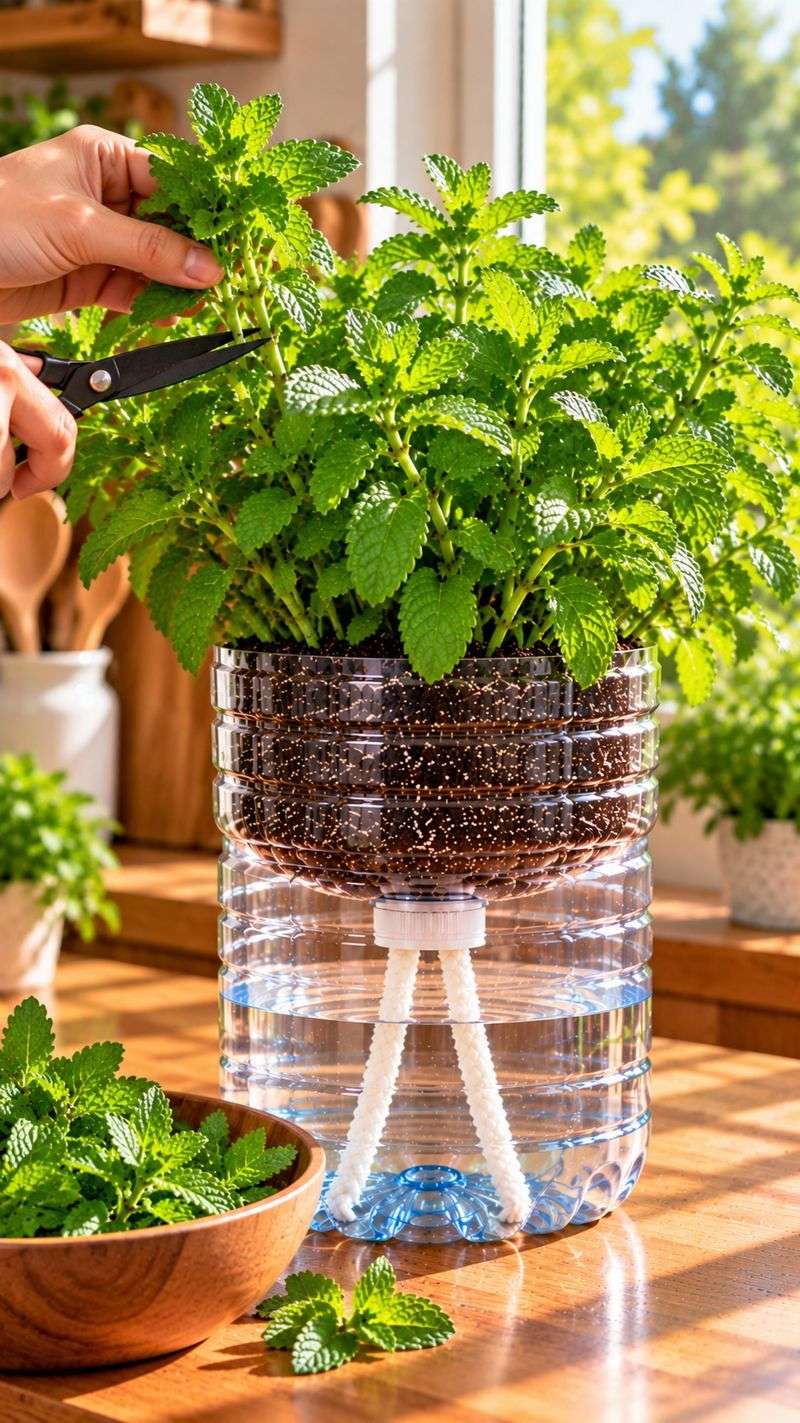
Mint might be the easiest plant you will ever propagate. Drop a stem in a glass of water on the windowsill and you can see white roots within a week or two.
Here is the catch: mint spreads fast, and in a garden with steady winter rain it can take over a bed. Plant your rooted cuttings in containers or a sunken pot to keep runners in check.
Fun fact: mint flowers are a favorite of tiny native wasps and hoverflies, which can help control aphids. Let a few stems bloom next summer and you may notice more of these helpers around your veggies.
3. Lavender
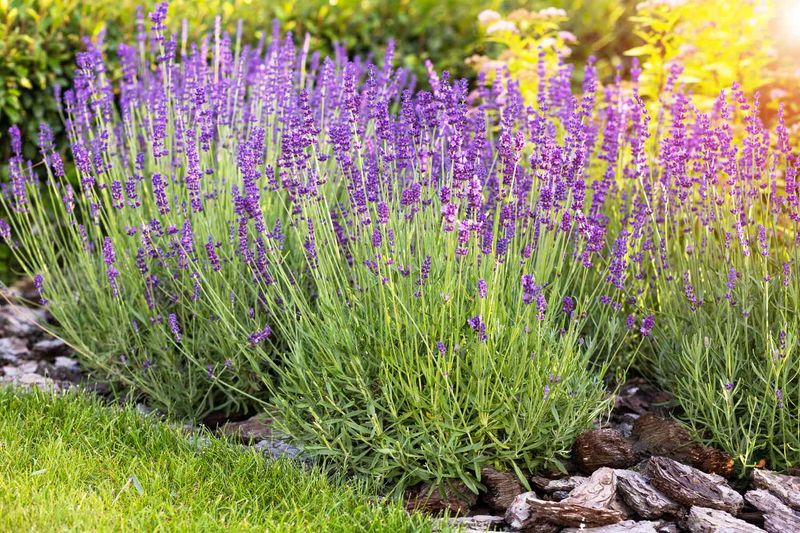
Few things look as calming as a row of lavender buzzing with bees. Getting that look for free just takes a little patience and a sharp pair of pruners.
Choose non-flowering side shoots and pull them off with a small heel of older bark attached. Lavender hates soggy roots, so use a very sandy mix and water lightly.
Rooting can take six weeks or more.
Once rooted, plant lavender in full sun with good drainage, ideally on a slope or mound so winter rains drain away. English and Spanish types both handle California summers well and need very little water once established.
4. Sage
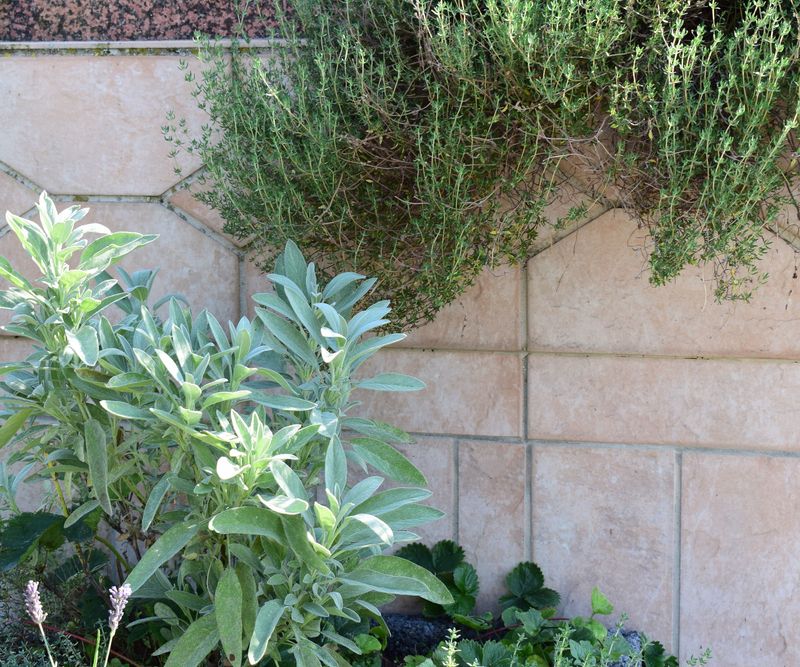
Gray leaves, a warm scent, and almost no water needed. Garden sage fits a water-wise yard beautifully, and it roots better than many people expect.
Cut soft green tips about 4 inches long in early fall. Remove the lower leaves, dip the ends in rooting hormone if you have it, and set them in a shady spot.
Keep the soil slightly moist, not wet.
If you want to go further, native sages like Cleveland sage and black sage also grow from cuttings. These California natives can support hummingbirds and native bees, making your herb patch double as wildlife habitat.
5. Oregano
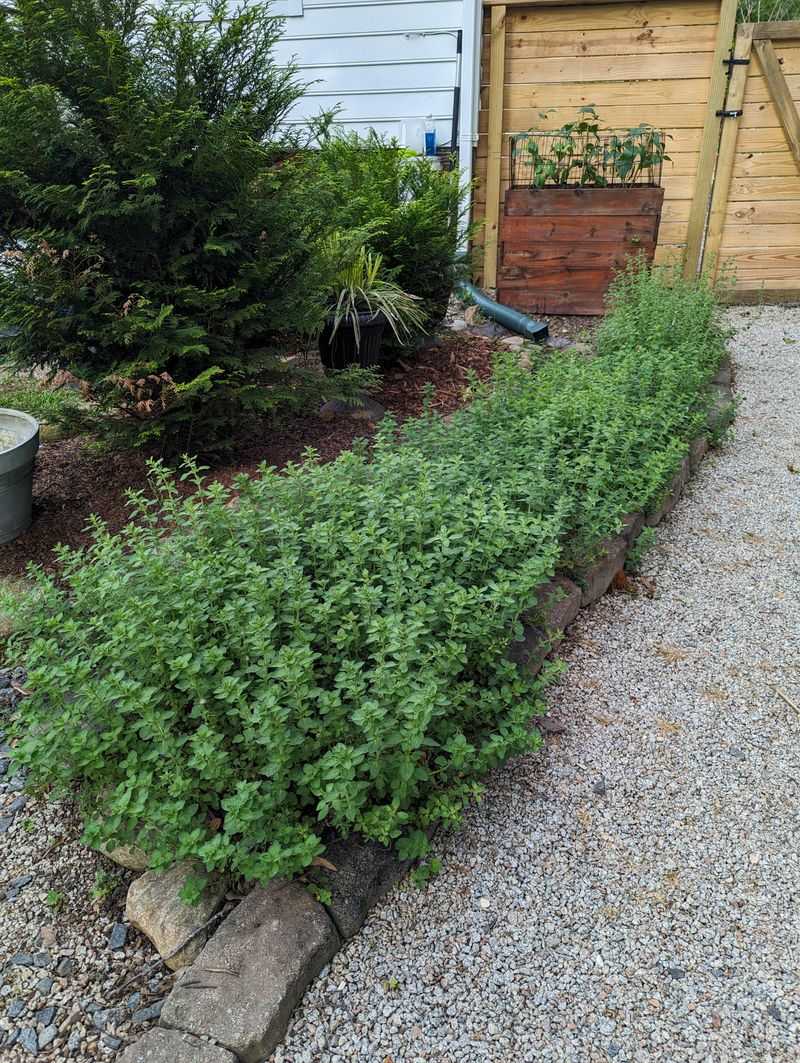
Low, spreading stems that touch the soil often root on their own. That habit makes oregano a cheat code for beginners who want quick results.
Look for stems already lying on the ground with tiny roots forming. Snip them off, pot them up, and they are ready to grow.
You can also take regular tip cuttings, which usually root in about three weeks.
Oregano works well as a fragrant groundcover along paths or between pavers, cutting back on thirsty lawn. Its summer flowers are busy with bees, so leave some stems unharvested.
6. Thyme

Small but tough, thyme rewards gardeners who like detail work. The cuttings are tiny, so handle them gently and use a shallow pot.
Take 2 to 3 inch pieces of green growth and strip the lower leaves. Press them into moist sand or a seed mix, then cover loosely with a plastic bag to hold humidity.
Roots usually form in a month or so.
Creeping thyme makes a soft, low-water filler between stepping stones. It may help reduce weeds in those gaps, and it blooms with small flowers that draw native pollinators.
7. Lemon Verbena
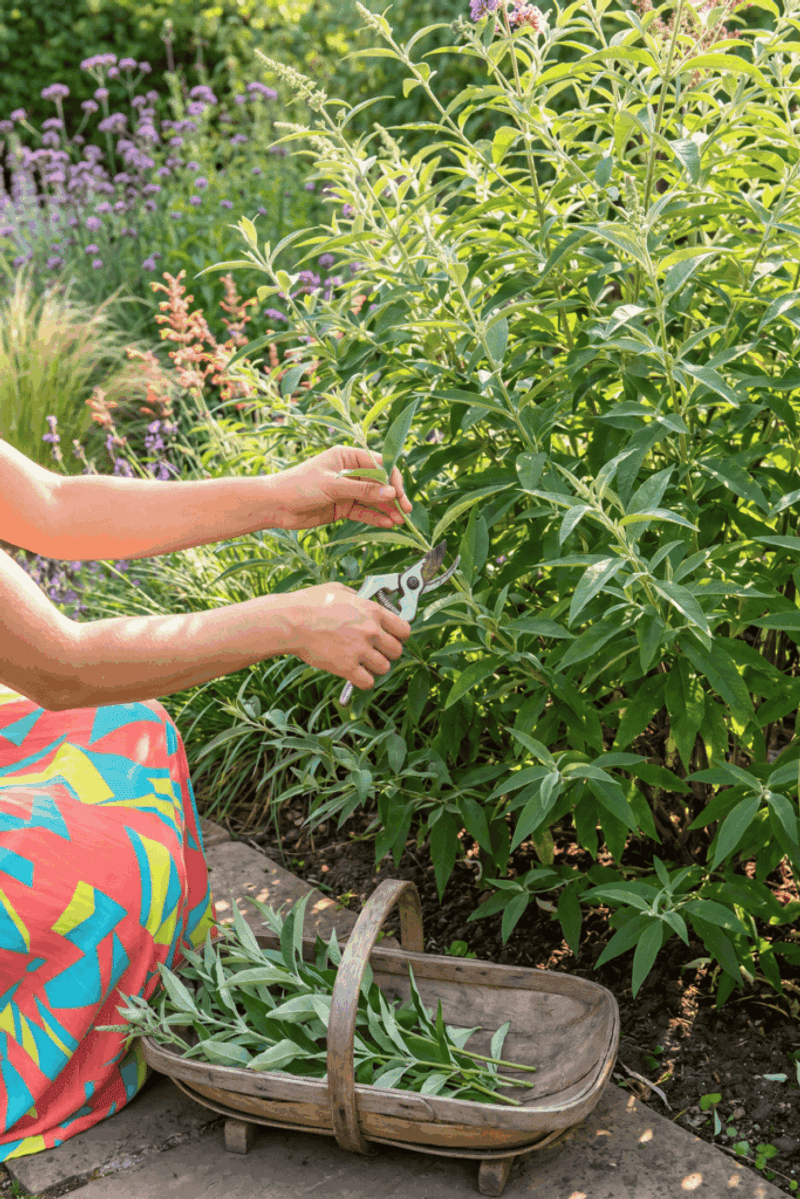
Brush past lemon verbena and the air smells like lemon candy. It makes amazing tea, and growing extra plants costs nothing.
Softwood cuttings root best, so take them early in fall while growth is still fresh. Keep them in bright shade and humid conditions.
Some gardeners root them in water first, then move them to soil.
Lemon verbena can drop leaves in a chilly inland winter, so protect young plants in pots near a wall. In mild coastal areas it often stays leafy and grows into a tall, scented shrub.
8. Basil
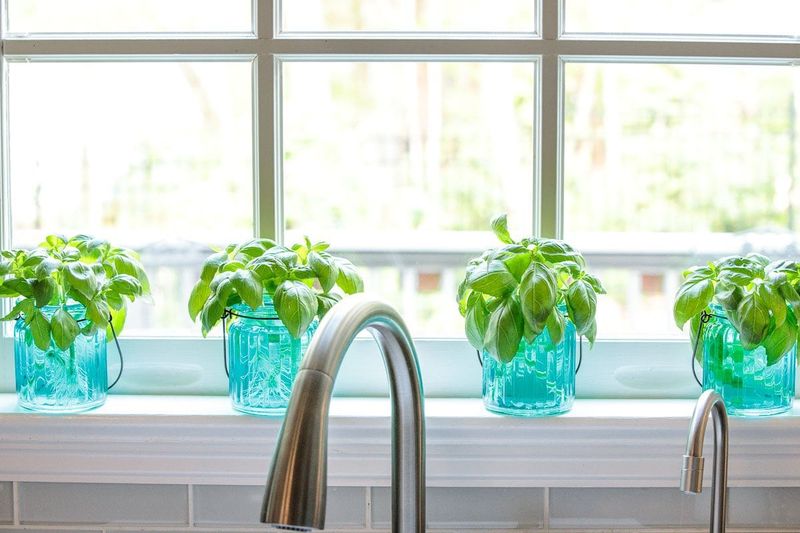
Before the cool nights finish off your summer basil, give it a second life. Basil roots in water in about one to two weeks, often faster than any herb on this list.
Cut stems just below a leaf node and pinch off any flower buds. Set them in a glass on a bright windowsill and change the water every few days.
Unlike the others, basil is frost tender and will not love outdoor winter rain. Keep rooted cuttings in pots indoors or on a protected porch, then move them back outside in spring for another season of pesto.