
Your pepper plants get plenty of sun, water, and fertilizer, yet they stay small and drop flowers. The problem might be growing right next to them.
Some plants steal water, shade out peppers, share pests, or even release chemicals that slow growth. Here are eight neighbors worth moving if you want bigger, healthier peppers in your Southern garden this season.
1. Fennel
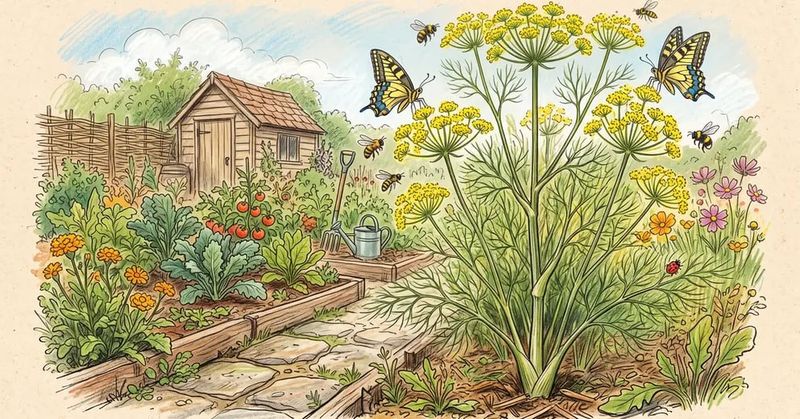
Gardeners love fennel for its licorice flavor and feathery leaves, but peppers do not share that enthusiasm. Fennel is known as one of the worst neighbors in the vegetable garden.
Many growers notice that almost nothing thrives right beside it.
The reason may be allelopathy, a fancy word for plants releasing compounds that can slow the growth of nearby plants. Fennel roots and leaves are thought to give off substances that may hold back peppers, tomatoes, and beans.
On top of that, mature fennel can reach four or five feet tall, casting shade on shorter pepper plants.
If your peppers look pale, small, and slow to set fruit while fennel towers nearby, the connection is worth testing. Try moving fennel to its own pot or a separate corner bed at least several feet away.
Here is the good news. Fennel flowers attract helpful insects like ladybugs and parasitic wasps, which can eat aphids on your peppers.
So you do not have to give it up entirely. Just give it some distance.
In Florida and Texas, fennel grows best in the cooler months anyway, which makes it easier to keep it apart from your warm-season pepper rows.
2. Black Walnut
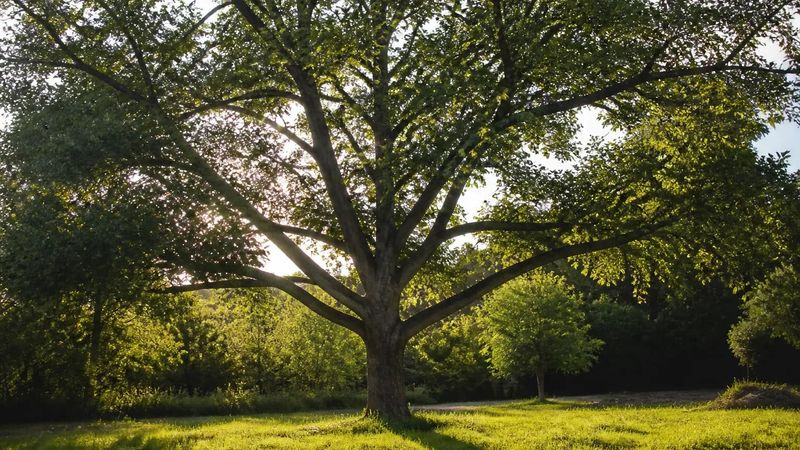
Picture a beautiful old shade tree at the edge of your yard, and a pepper bed that wilts every afternoon no matter how much you water. If that tree is a black walnut, you may have found your culprit.
Black walnut trees produce a chemical called juglone. It is found in the roots, leaves, hulls, and even fallen debris.
Peppers are among the plants considered sensitive to juglone, along with tomatoes and eggplant. Affected plants may wilt, yellow, and stop growing, sometimes collapsing completely.
The root zone of a black walnut can stretch well beyond the tree canopy, often 50 feet or more from the trunk. That means a garden that seems far enough away may still be in the danger zone.
What can you do? Raised beds lined with a barrier and filled with fresh soil may help reduce contact with roots.
Keep walnut leaves and hulls out of your compost pile, since juglone can linger. Containers placed well outside the root zone are another smart option.
Pecans, common across Texas, also contain some juglone, though usually in smaller amounts, so keep an eye on peppers growing near those trees too.
3. Beans
Beans seem like friendly garden helpers. After all, they can add nitrogen to the soil.
So why would they cause trouble for peppers?
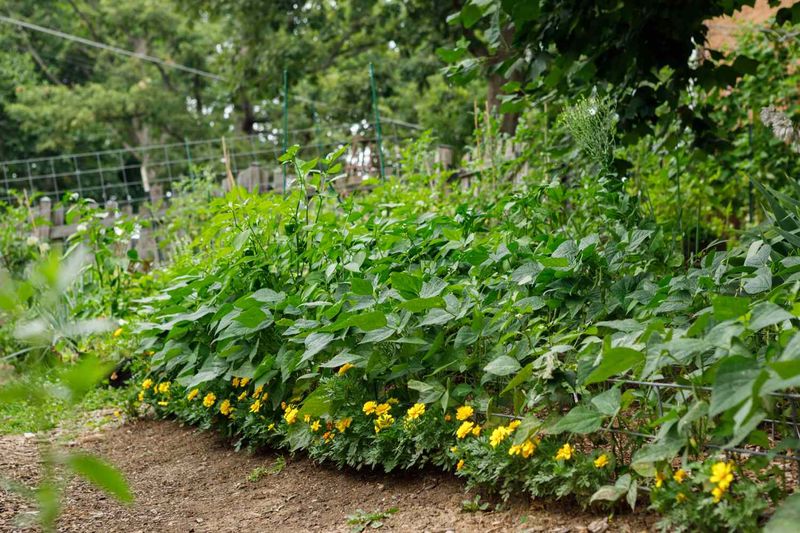
The issue is mostly about space and growth habit. Pole beans climb fast and can sprawl over neighboring plants, blocking the sunlight peppers need to flower and fruit.
Bush beans can crowd the base of pepper plants, competing for water during hot Southern summers. Some gardeners also report that beans and peppers do not seem to grow well when tangled together, though the science on direct harm is limited.
Nitrogen can also become a problem. Peppers given too much nitrogen often grow lots of leafy green growth but fewer peppers.
If your plants look lush yet barely fruit, a nitrogen-heavy neighbor could be part of the story.
Try planting beans in a separate bed or on a trellis that sits on the north side of your garden, so their shade falls away from your peppers. A gap of a few feet can make a real difference.
In Texas heat, keeping roots from competing for limited soil moisture matters even more, so give each crop room to breathe and its own watering zone if possible.
4. Brassicas
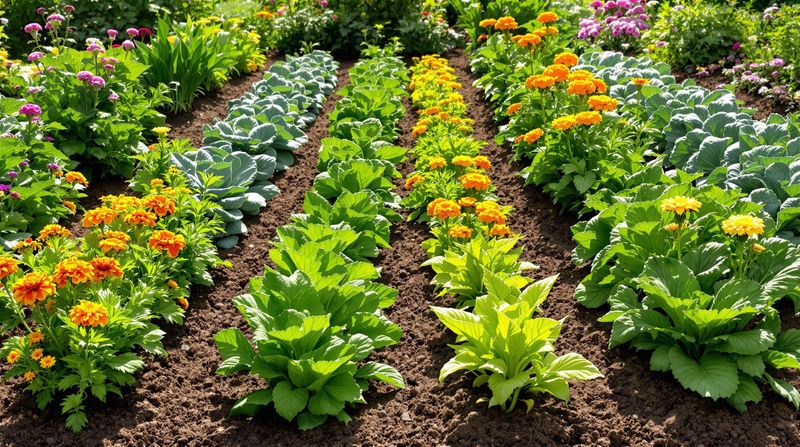
Cabbage, broccoli, kale, cauliflower, and Brussels sprouts belong to a hungry family called brassicas. They are heavy feeders, pulling large amounts of nutrients from the soil as they grow.
When brassicas share close quarters with peppers, the two crops end up competing for food and water. Broccoli and cabbage also spread wide leaves that can shade young pepper transplants.
In Southern gardens, this overlap often happens in spring, when the last brassicas are finishing while peppers are just getting started.
Brassicas also tend to prefer slightly different soil conditions. Peppers like steady warmth and good drainage, while cabbage family crops enjoy cooler, moisture-rich beds.
Trying to please both in one spot can leave peppers struggling.
A simple fix is timing. In Florida and much of Texas, brassicas shine from fall through early spring.
Pull them out as they bolt, add compost to refresh the soil, and then plant peppers. Rotating crops this way may also help reduce pest and disease buildup.
If you must grow them at the same time, place them in separate beds rather than side by side, and fertilize peppers lightly to make up for lost nutrients.
5. Apricot Trees
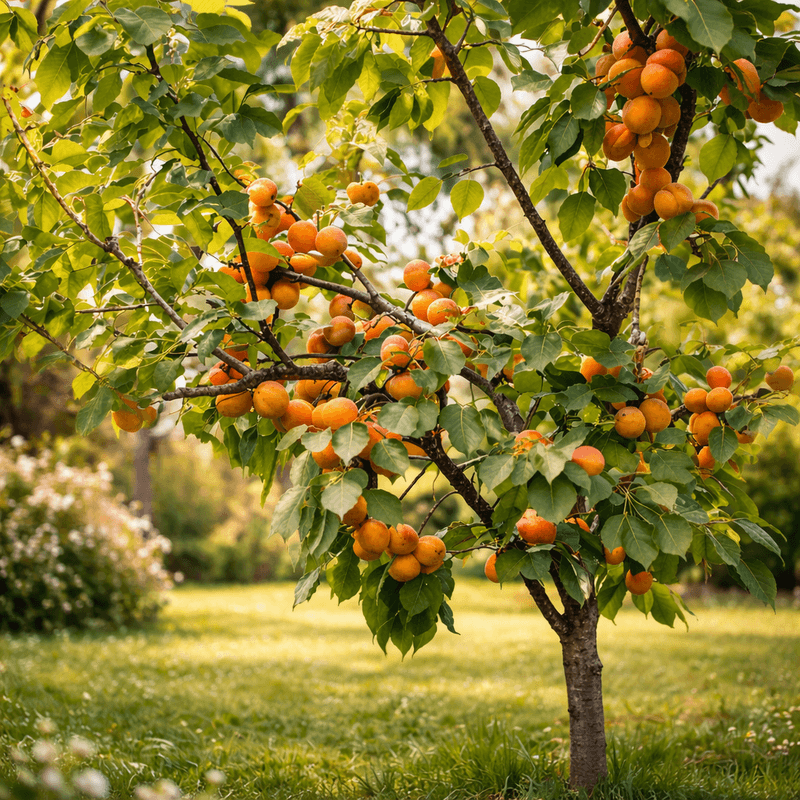
Fruit trees and vegetable beds often end up as backyard neighbors. Apricots are one pairing that many experienced growers suggest avoiding with peppers.
The main concern is disease. Peppers and apricots can both be affected by certain fungal problems, and some gardeners believe growing them close together may allow issues to pass back and forth.
Tree roots also spread wide and compete aggressively for water, while the canopy blocks sunlight that peppers need for fruiting.
Fun fact: apricots are close relatives of peaches, plums, and cherries, all part of the Prunus family. In parts of Texas, low-chill apricot varieties are grown successfully, which means this neighbor combo comes up more often than you might think.
If your peppers sit under or right beside a fruit tree and keep producing poorly, try relocating them to a sunnier spot. Peppers generally need six to eight hours of direct sun each day.
Containers are an easy way to experiment, since you can move them until you find the best location. Keep fallen fruit and leaves cleaned up around both plants to help limit disease pressure, and avoid overhead watering that keeps leaves wet.
6. Corn
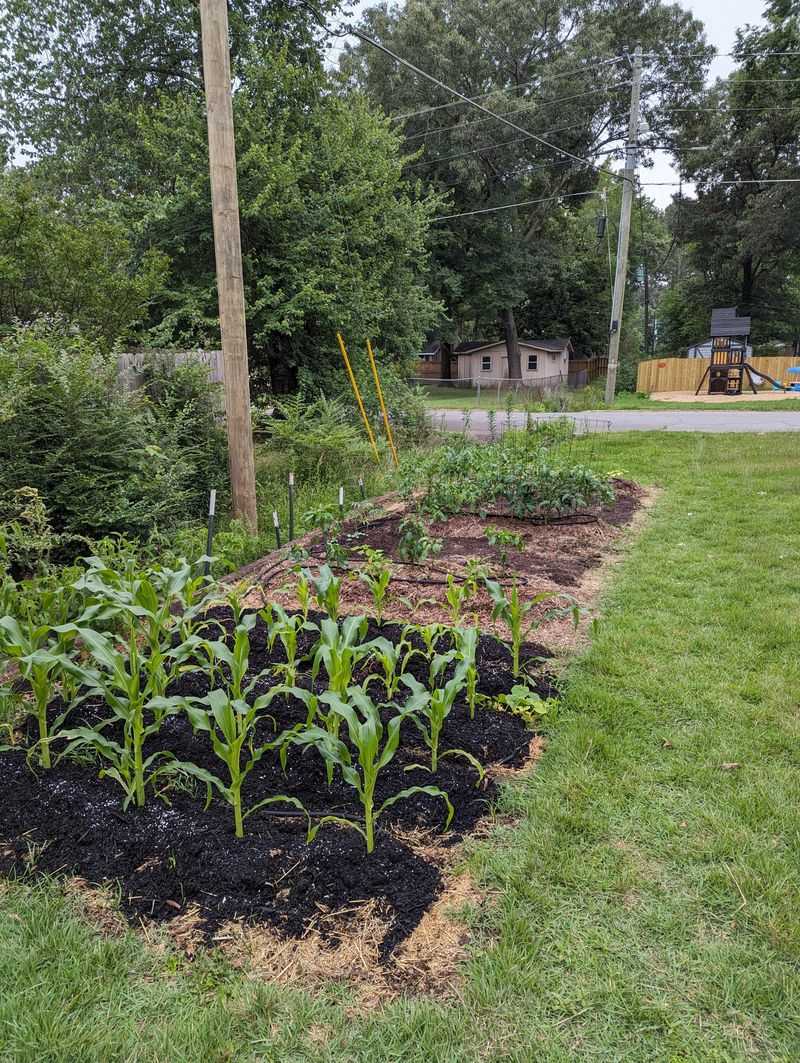
“My peppers stopped growing once the corn got tall.” It is a common story in summer gardens, and the explanation is simple: shade.
Sweet corn can shoot up six to eight feet, forming a living wall. Peppers planted on the shady side may get far less sun than they need, leading to tall, thin stems, fewer flowers, and small fruit.
Corn is also a heavy feeder that drinks lots of water and nitrogen, which can leave little for nearby peppers during dry stretches.
There is a pest connection too. Corn earworms are the same insects as tomato fruitworms, and they may also bore into pepper pods.
Growing corn and peppers close together could give these caterpillars an easy buffet.
To keep both crops, plant corn on the north side of your garden so its shadow falls away from peppers. Leave a wide walkway between the two.
Check pepper fruit for small entry holes, and pick off damaged pods quickly. In hot Florida and Texas summers, a little afternoon shade can actually help peppers, so a light, filtered cover is fine.
Just avoid the heavy, all-day shadow a corn patch creates.
7. Potatoes
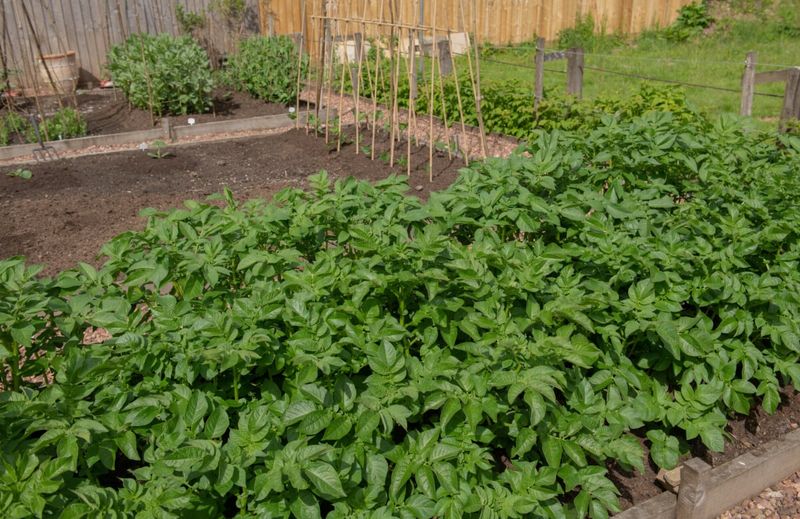
Potatoes and peppers are actually cousins. Both belong to the nightshade family, along with tomatoes and eggplant.
Being related sounds nice, but in the garden it can mean shared problems.
Nightshades are often attacked by the same pests and diseases. Colorado potato beetles, flea beetles, aphids, and blights like early blight may move easily between potatoes and peppers.
Soil diseases such as verticillium wilt can also build up when related crops grow in the same space, sometimes causing yellowing and stunted growth.
Potatoes also compete underground. Their tubers spread through the soil, and digging them up at harvest can damage pepper roots growing nearby.
Spacing and rotation are your best tools. Try to keep potatoes and peppers in separate beds.
Avoid planting peppers where potatoes, tomatoes, or eggplant grew the previous season, ideally waiting two to three years. In Southern gardens, potatoes are often planted in late winter and harvested by early summer, so they may overlap with spring pepper transplants.
Planning your beds ahead may help reduce disease spread, and checking leaves weekly for beetles or spots lets you catch trouble before it reaches the whole garden.
8. Sunflowers
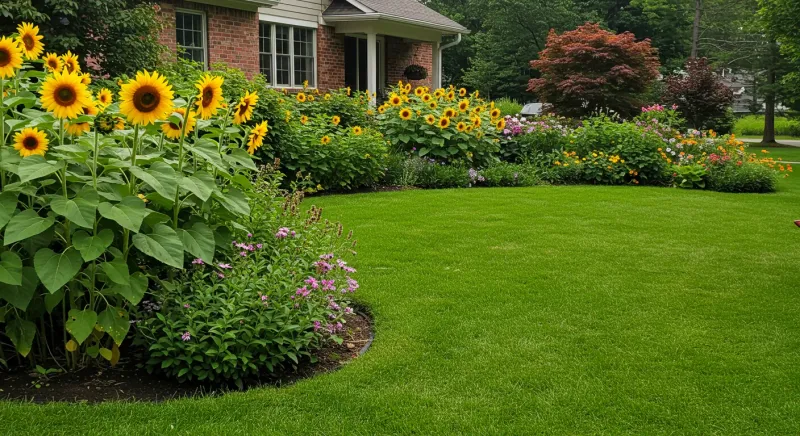
Bright, cheerful, and loved by bees, sunflowers look like the perfect garden partner. Underneath all that sunshine, though, they can be surprisingly tough on neighbors.
Sunflowers are believed to release allelopathic compounds from their roots, seeds, and leaves. These substances may slow the growth of nearby plants, and fallen seed hulls can keep affecting soil for a while.
Peppers growing in that zone might stay small or develop poorly.
Height adds to the trouble. Giant varieties can reach ten feet or more, throwing heavy shade.
Their thirsty roots also pull a lot of water, which can stress peppers during Texas and Florida heat waves.
You do not need to skip sunflowers. They are great for pollinators, and more bees can mean better pepper flower pollination.
The trick is placement. Grow sunflowers along a fence or at the far edge of your yard, several feet from your pepper bed.
Rake up fallen hulls and avoid tossing them into vegetable beds. Dwarf varieties may be a friendlier choice if space is tight.
With a little distance, you can enjoy golden blooms and a healthy pepper harvest in the same backyard.