

You might think your backyard is your own little kingdom, but California sees it a bit differently. Some common yard projects can bring fines, forced tear-downs, or even safety dangers if you skip the right permits or pros.
Knowing the rules ahead of time can save you thousands of dollars and a lot of headaches. Here are eight yard jobs that the state, your city, or your utility company says you should not handle alone.
1. Digging Without Calling 811 First
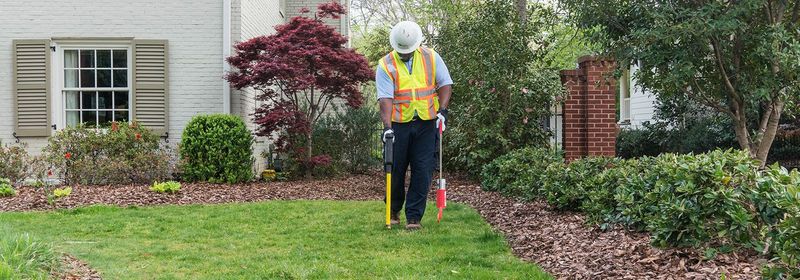
One swing of a shovel can knock out power for an entire block. California law requires anyone digging, even a homeowner planting a tree, to contact 811 at least two working days before breaking ground.
Crews then come out and mark buried gas, electric, water, and cable lines for free.
Skipping the call can leave you on the hook for repair costs, and the state can issue penalties through its Underground Safety Board. Worse, hitting a gas line can cause an explosion or fire.
A fence post hole or a new citrus tree is not worth that risk.
The good news is that the service costs nothing. Just call 811 or submit a request online, wait for the painted lines and flags, then dig carefully by hand near any marks.
2. Cutting Down Protected Oak Trees

Picture a coast live oak that was already old when your grandparents were born. Many California cities and counties protect native oaks, and removing or even heavily pruning one without a permit can bring jaw-dropping fines.
Los Angeles County, for example, protects oaks above a certain trunk size. Some cities fine homeowners thousands of dollars per tree, and a few require you to plant several replacement oaks.
Even trenching inside the root zone can count as damage.
Before reaching for a saw, check with your local planning office. A certified arborist can also help you figure out what is allowed.
Fun fact: some valley oaks can live more than 500 years, which is why towns guard them so fiercely.
3. Trimming Trees Near Power Lines
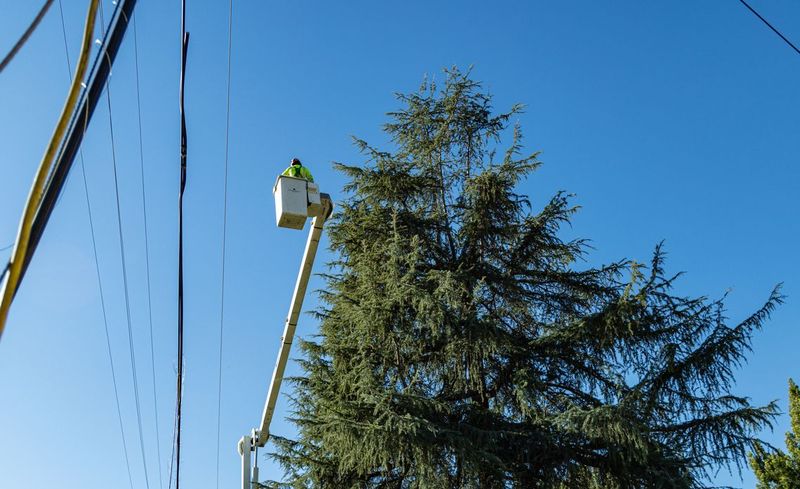
Branches tangled in overhead wires look like an easy weekend fix. They are not.
California rules forbid unqualified people from working within a set distance of energized lines, and that includes homeowners on ladders with pole saws.
Wet or green wood can conduct electricity, so a single branch touching a wire can send current right through you. Utilities like PG&E, SCE, and SDG&E handle line clearance, often at no charge to you.
Simply call your utility and report the problem. In fire country, they take overgrown vegetation near lines very seriously, so you may get a faster response than you expect.
4. Burning Yard Waste
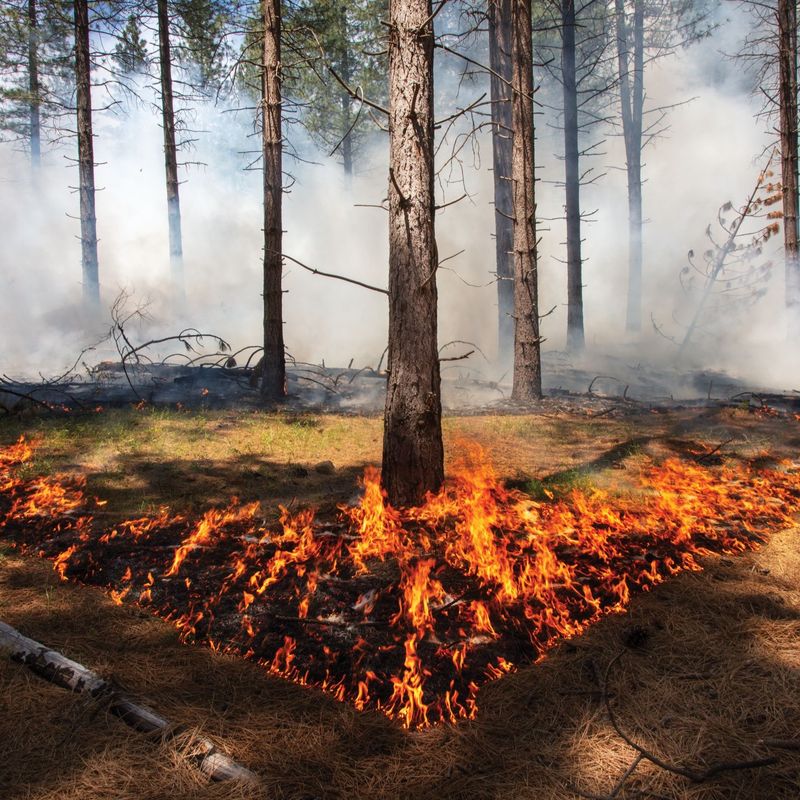
Grandpa might have torched leaf piles every fall, but those days are mostly gone. Many California air districts ban backyard burning outright, and others allow it only on certain permitted days in rural areas.
Smoke harms air quality, and one stray ember can spark a wildfire during a dry summer. If your fire escapes, you could be billed for firefighting costs, which can reach staggering amounts.
Instead, try green waste bins, chipping programs, or composting. Many fire-prone communities even offer free chipper days to help residents clear brush safely.
5. Building a Tall Fence or Retaining Wall Without a Permit

Privacy is priceless, until the city orders you to tear your new fence down. Most California cities cap fence height, often around 6 feet in back and lower in front, and anything taller usually needs a permit.
Retaining walls are even trickier. Walls around 4 feet tall or holding back a slope or driveway generally need engineering and permits, because a failing wall can send soil sliding into a neighbor’s yard during winter rains.
Want privacy without the paperwork? Root-safe native shrubs like toyon or coffeeberry can form a living screen.
For slopes, deep-rooted native groundcovers help hold soil naturally.
6. Installing a Gas Line for a Fire Pit or Grill

Nothing beats a crackling fire pit on a cool coastal evening. Running a natural gas line to it yourself, though, usually requires a permit and inspection, and many cities expect a licensed contractor.
Leaky fittings can collect gas and ignite. An unpermitted line may also cause trouble when you sell your home or file an insurance claim after a fire.
Propane fire pits with portable tanks are a simpler choice. Just check your local fire rules, since some areas restrict open flames on high-risk days.
7. Adding Outdoor Electrical Wiring
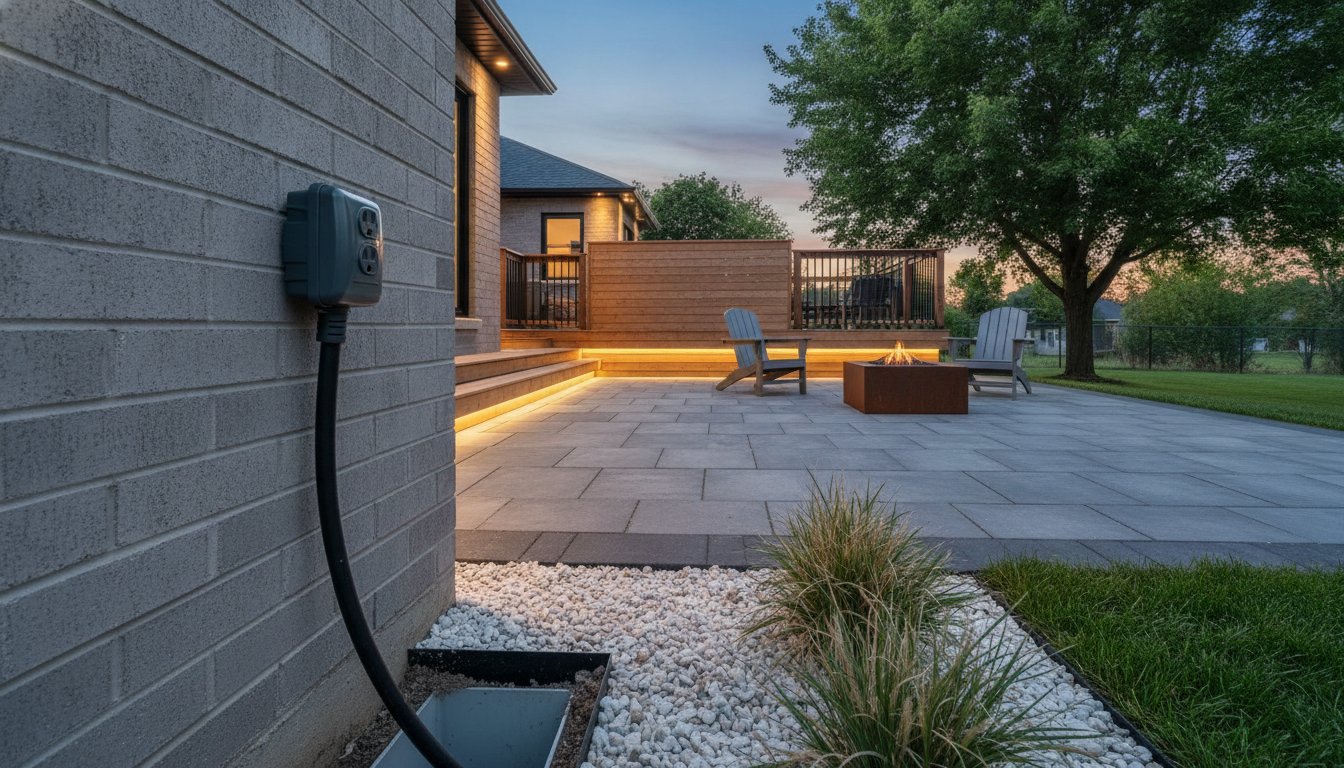
Here is a sneaky one. Plugging in string lights is fine, but adding a new outdoor outlet, a hot tub circuit, or buried wiring usually needs an electrical permit in California.
Outdoor circuits face sprinklers, rain, and curious pets. Code requires GFCI protection, proper burial depth, and weatherproof boxes, and inspectors check those details for good reason.
Low-voltage landscape lighting kits are often exempt and easy to install. For anything tied into your main panel, hiring a licensed electrician is the safest path.
8. Rerouting a Creek or Drainage Channel
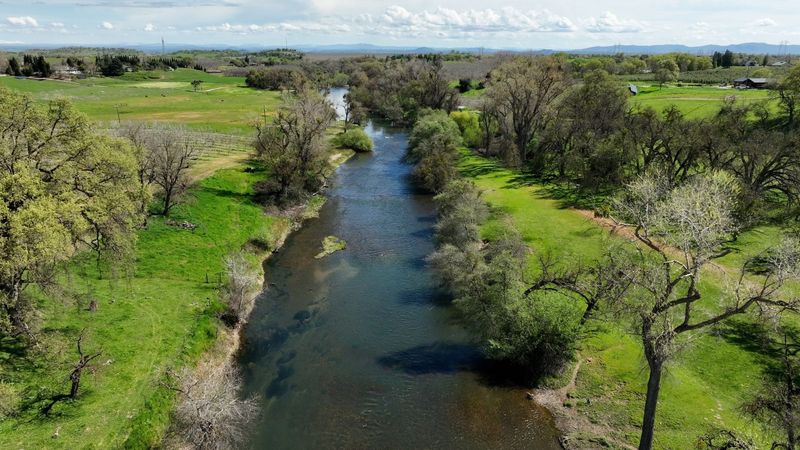
Lucky enough to have a seasonal creek out back? It may come with more rules than you expect.
Altering a stream bed, bank, or flow often requires a Lake or Streambed Alteration Agreement from the California Department of Fish and Wildlife.
That covers things like adding rock walls, clearing native plants, or redirecting water. Changes can flood neighbors downstream and harm fish, frogs, and birds.
Planting native willows, sedges, and rushes along the banks is a gentler way to fight erosion. Just call CDFW first if you plan any digging or grading near the water.