
November in North Carolina feels like the yard is finally taking a breath. The leaves are dropping, the heat is gone, and many plants are slipping into rest, which makes it a smart time to grab the pruners.
But cut the wrong shrub now and you could lose next spring’s flowers or invite cold damage. Here are eight trees and shrubs that handle a late-fall trim well, plus four that are better left alone until later.
1. Crape Myrtle (Light Cleanup Only)
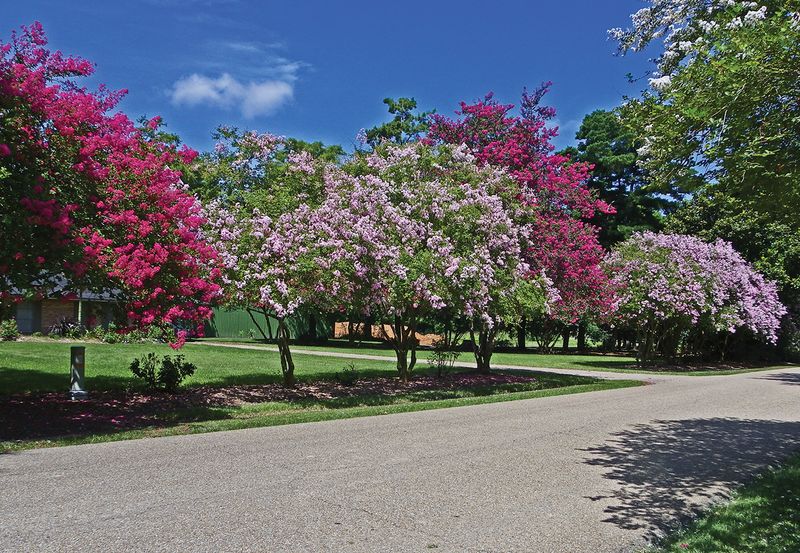
Walk any NC neighborhood in late winter and you will spot the dreaded crape murder, trunks chopped into ugly knobs. November gives you a better plan.
Once the leaves drop, you can finally see the branch structure clearly.
Use this month to remove dead wood, suckers at the base, and thin twigs crossing through the center. Leave the main framework alone, and save any bigger shaping for late February or March.
Crape myrtles bloom on new growth, so a light fall tidy will not cost you summer flowers. Fun fact: the peeling bark often looks its best in winter, so keeping the trunks clean shows it off.
2. Red Maple

Red maples bleed sap if you prune them in late winter, and while it rarely hurts the tree, it sure looks alarming. Late fall, after the leaves fall but before sap starts moving, tends to be a cleaner window.
Focus on dead limbs, branches rubbing together, and low limbs hanging over your driveway or walkway. Make cuts just outside the branch collar, the slightly swollen ring where branch meets trunk.
As a true NC native, red maple feeds early pollinators each spring. A healthy structure now may help it stand up better to winter ice storms, especially in the Piedmont where those are common.
3. River Birch
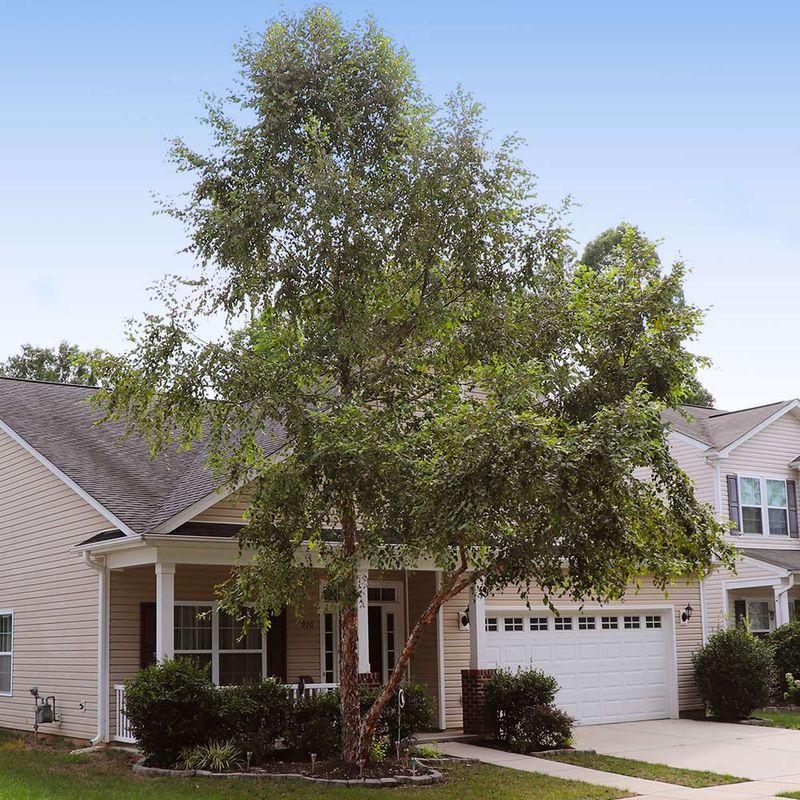
Here is a tree that practically begs you to wait until fall. River birch, like maples, can weep sap heavily when cut in late winter and spring.
By November the sap has settled down, so it is a good time to take off dead twigs and lower limbs blocking paths. Keep cuts small, since birch does not love heavy pruning in any season.
Native along NC streams from the mountains to the coast, it handles wet clay that drowns other trees. That shaggy bark gives birds a spot to hunt insects all winter.
4. Panicle Hydrangea
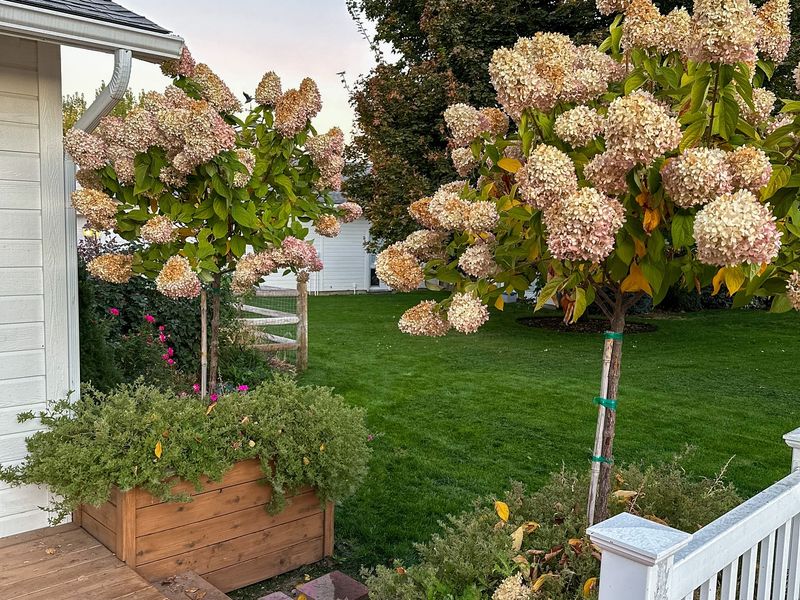
Not every hydrangea is fussy. Panicle types like Limelight and Little Lime bloom on new wood, so a November trim will not touch next summer’s show.
Cut stems back by about a third, and remove thin or weak shoots near the base. Want winter interest?
Leave the dried flower heads and do the job in late winter instead. Both approaches work.
Just be sure you know which hydrangea you have before cutting. The bigleaf kind is a whole different story, and it shows up later on this list.
5. Beautyberry
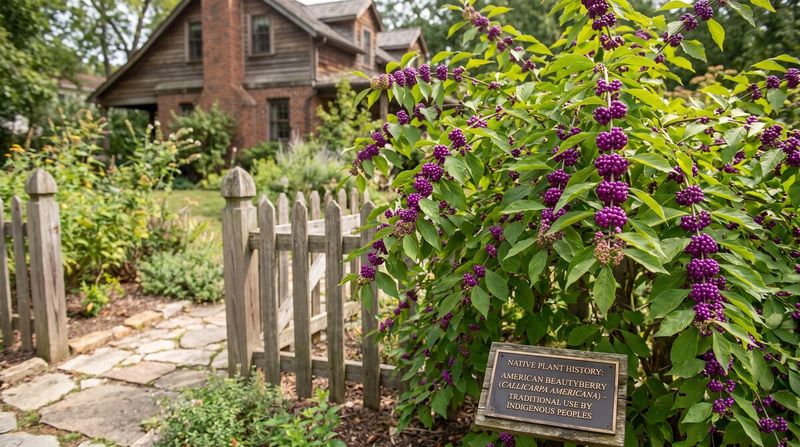
Those shocking purple berries are hard to miss right now. American beautyberry is an NC native that birds like mockingbirds and catbirds strip once cold weather sets in.
Many gardeners wait until birds have picked the branches clean, then cut the whole shrub down to 6 to 12 inches. In the coastal plain, that can happen by late November.
In the mountains, you may want to hold off until late winter.
Beautyberry flowers on new wood, so a hard cut usually brings back a tidier, heavier fruiting shrub next fall.
6. Abelia

Abelia is the shrub that forgives almost anything. It blooms off and on from late spring until frost and flowers on new growth.
In November, focus on thinning rather than shearing. Remove a few of the oldest canes at ground level to open the shrub and keep it from getting woody.
Hold off on heavy cutbacks in the mountains, where an early freeze can nip tender regrowth. In the Piedmont and coast, a light thinning now keeps it looking fresh for spring.
7. Fruiting Dogwood and Shade Trees with Storm Damage
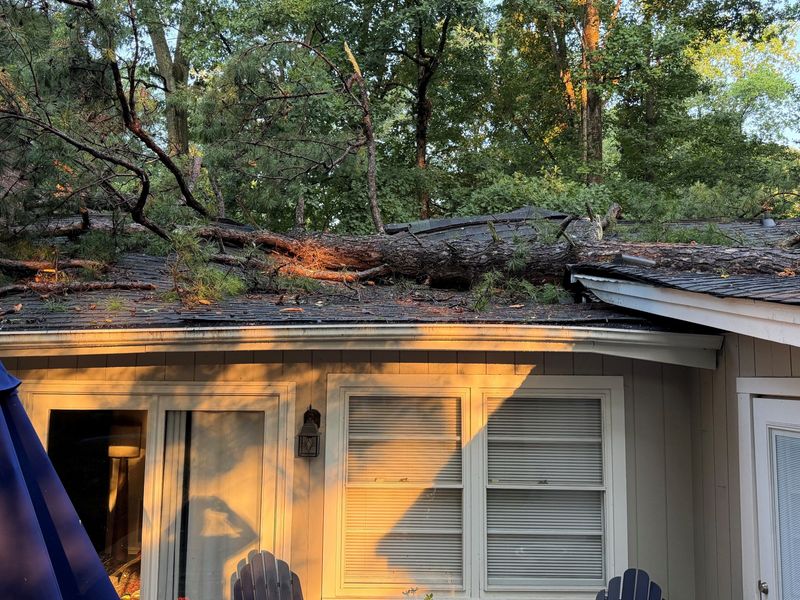
Hurricane season leaves its mark. If late-season storms snapped limbs, November is the time to clean them up before winter ice adds more weight.
Broken or hanging branches on dogwoods, oaks, and other shade trees can be removed any time of year. Cut back to a healthy branch or the trunk, and skip wound paint, which research suggests does not help.
Leave anything big or near power lines to a certified arborist. Your job is safety and cleanup, not reshaping the canopy.
8. Butterfly Bush and Native Alternatives
Plenty of NC yards still have butterfly bush, which can spread in some areas. If you are keeping yours, November is fine for deadheading and a light trim, with the hard cut saved for late winter.
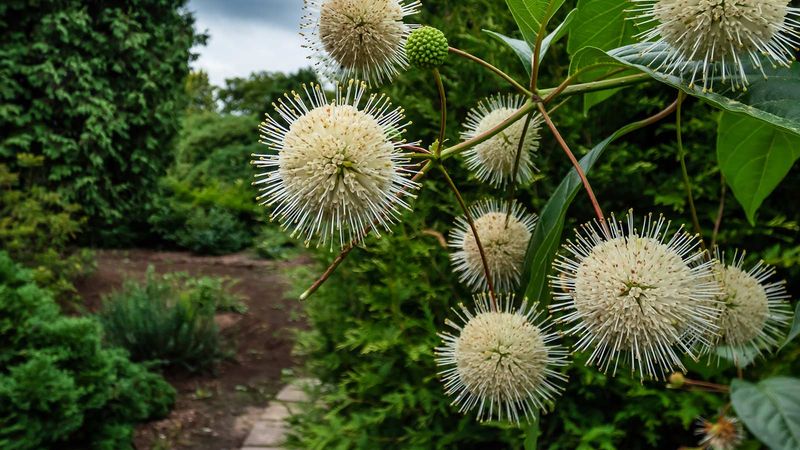
Better yet, consider a native swap like buttonbush or New Jersey tea. Buttonbush can be trimmed lightly now, removing dead tips and lanky stems.
Native shrubs may support more local insects than imports. Leaving some hollow stems standing over winter can also give native bees a place to nest.
9. Azalea (Never Touch in Fall)
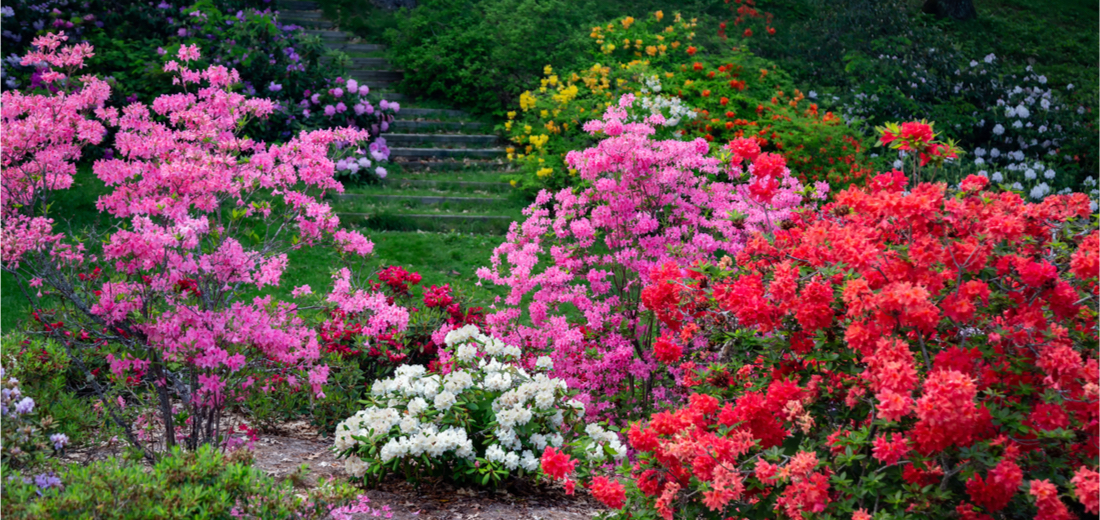
Look closely at an azalea right now and you will see fat buds at every tip. Those are next April’s blooms, already set and waiting.
Prune now and you cut them off. That is why NC gardeners wait until right after flowering in spring, usually April or May depending on your region.
For November, give azaleas a fresh layer of pine straw instead. It may help protect shallow roots during cold snaps.
10. Bigleaf Hydrangea (Never Touch in Fall)
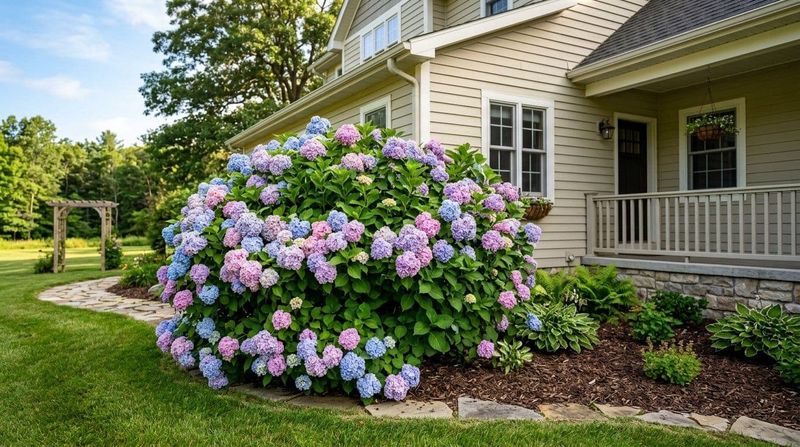
Ever wonder why your neighbor’s blue mopheads never bloom? Fall pruning is often the culprit.
Bigleaf hydrangeas set buds on last year’s stems, so November cuts remove next summer’s flowers. Leave the old blooms on, since they may even help shield buds from frost.
Wait until leaves begin to emerge in spring, then remove only dead stems. Mountain gardeners especially benefit from patience, since late freezes are common there.
11. Camellia (Never Touch in Fall)
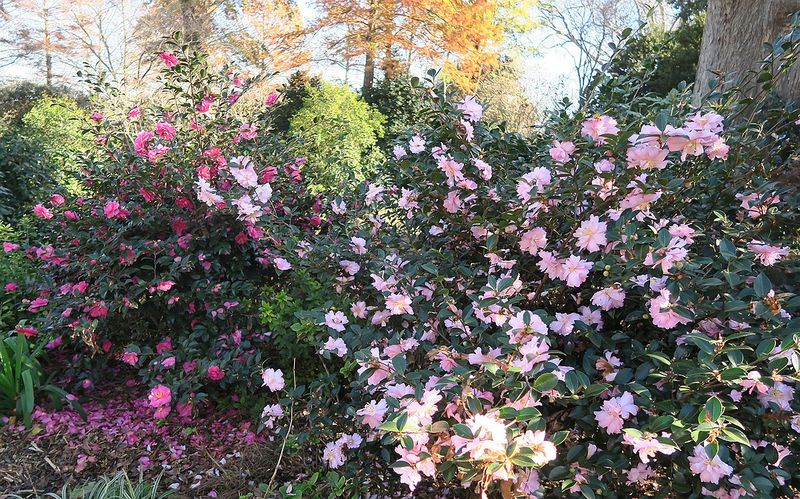
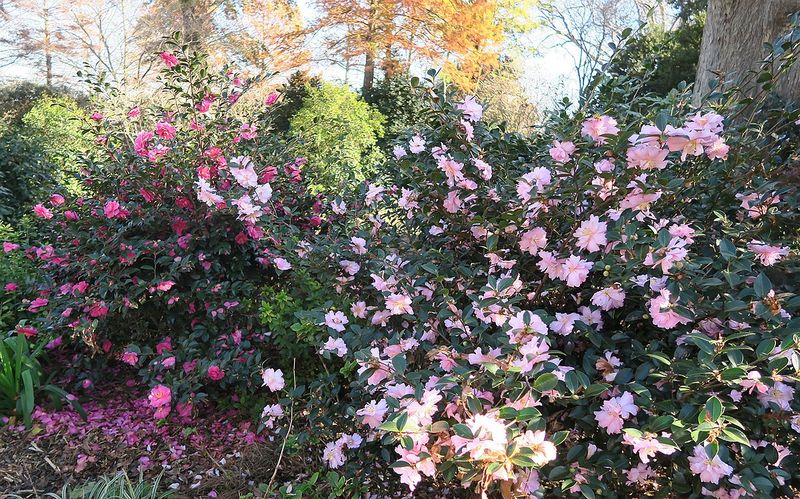
Camellias are the rebels of the Southern garden. Sasanquas bloom right now, and japonicas carry buds that open in winter and early spring.
Pruning either one this month means trading away flowers. The best time is just after blooming ends.
Enjoy them instead. In much of the Piedmont and coast, they bring a rare splash of color when little else is flowering.
12. Forsythia and Native Spring Bloomers (Never Touch in Fall)
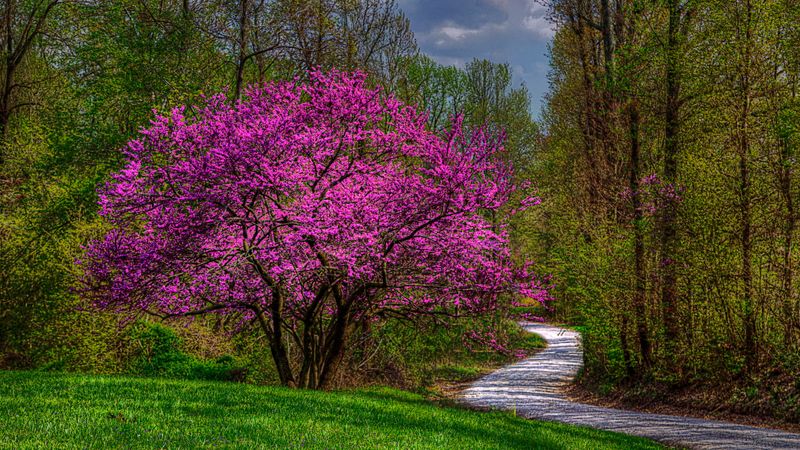
Spring bloomers all share one rule: prune after flowering, never before. That covers forsythia, plus native favorites like redbud, fringetree, and Carolina silverbell.
Their buds formed over summer and are sitting on the branches now. A November cut removes the early color that bees rely on when they wake up hungry.
Mark your calendar for right after bloom instead. Your quick takeaway: if it flowers before June, leave the pruners in the shed until it does.