
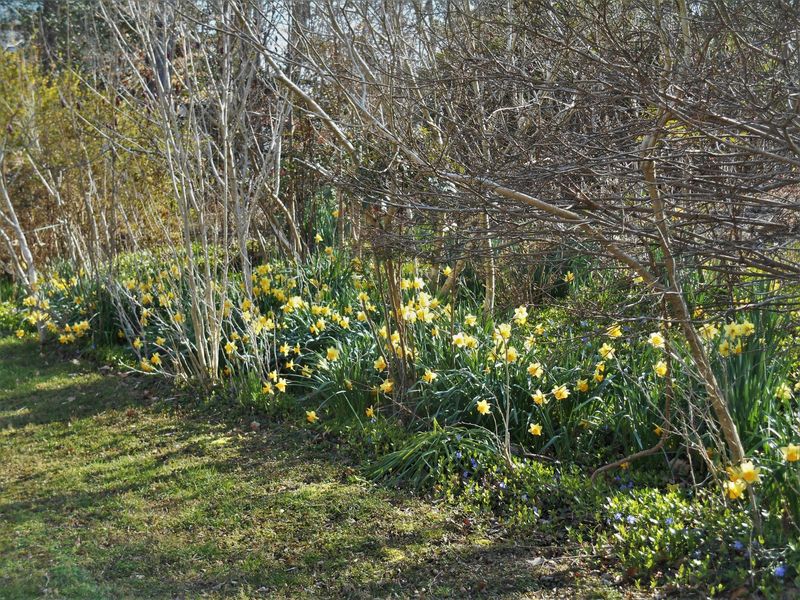
November feels like the end of the gardening year in most places, but in the South it is actually one of the best times to plant. Cooler air, warm soil, and steadier rain give roots months to settle in before spring heat shows up.
Flowers tucked in now often come back fuller, taller, and more colorful than anything planted in March. Here are nine reliable picks for Southern yards, including Florida and Texas, plus simple tips to help them thrive.
1. Pansies
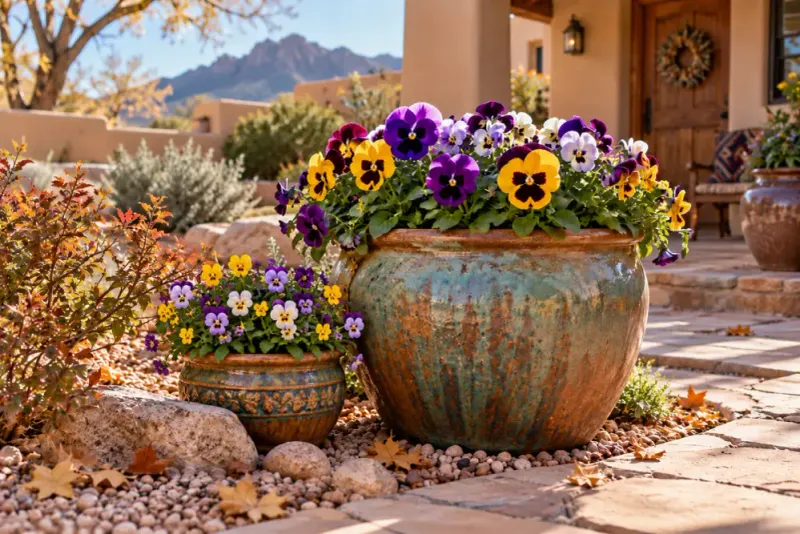
Few flowers shrug off a cold snap quite like a pansy. Plant a flat in November and you may still be cutting blooms for the kitchen table in April.
In the South, fall planting gives pansies a long, cool runway. Their roots spread through winter, so by early spring the plants are wider and more loaded with flowers than any spring-bought six-pack.
Gardeners in North and Central Texas often get five or six months of color from a single planting.
Pick a spot with morning sun and afternoon light shade if you live in Florida or South Texas. Loosen the soil, mix in compost, and set plants about eight inches apart.
Water them in well, then keep the soil lightly moist rather than soggy.
Feed every few weeks with a balanced liquid fertilizer, especially after cold spells, since chilly soil can slow nutrient uptake. Pinching off faded flowers can encourage more buds.
Watch for slugs on damp nights and rabbits nibbling edges. A light ring of coarse mulch may help discourage slugs.
When May heat arrives, pansies fade, which is your cue to swap in summer color.
2. Snapdragons
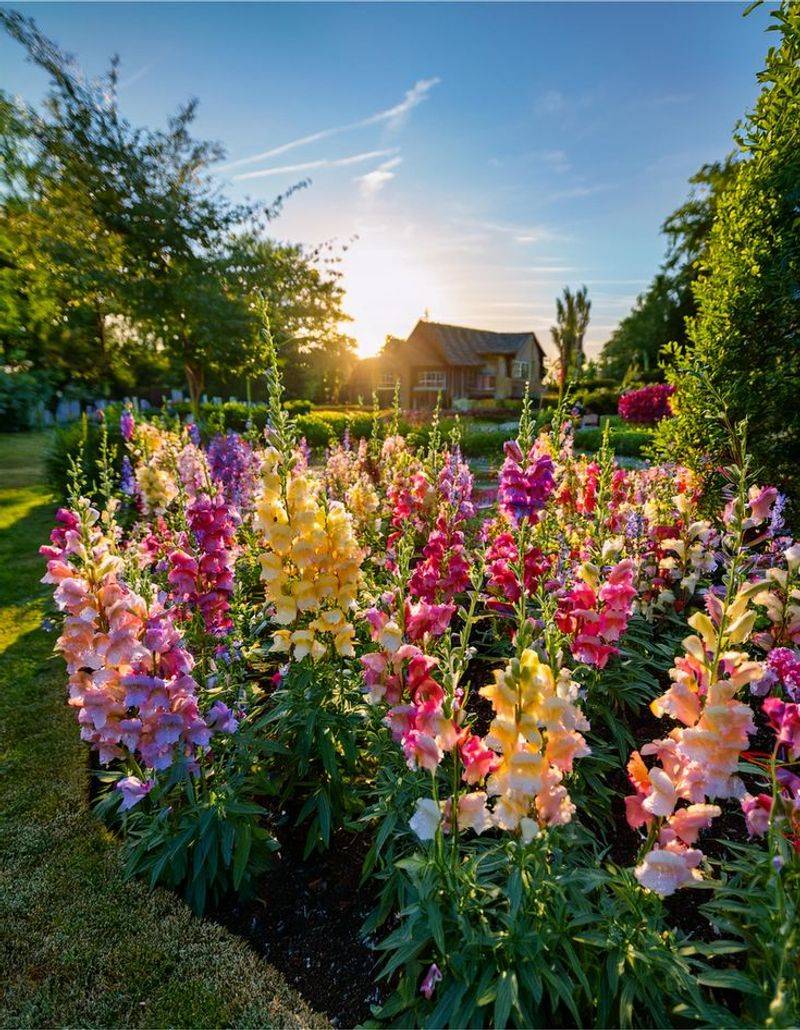
Remember squeezing a snapdragon bloom as a kid to make the little dragon mouth open? That same playful flower turns into a towering spring showpiece when it goes in the ground now.
Snapdragons love cool weather, and Southern winters suit them nicely. Fall-planted ones build thick root systems and sturdy stems over winter.
Come March, they can shoot up two or even three feet tall, far beyond what spring transplants usually manage before heat stunts them.
Give them full sun and well-drained soil. Space plants about ten inches apart so air moves freely, which can reduce fungal problems like rust.
Taller varieties such as Rocket may need a stake or two by spring.
Pinch the tip of each young plant once it has a few sets of leaves. That small step usually triggers side branches, which means more flower spikes later.
In Florida, snapdragons are a true winter bloomer and may flower straight through to spring. Farther north in Texas, a hard freeze below the low 20s can burn foliage, so keep frost cloth handy.
Cut spikes freely for vases, since cutting often prompts fresh blooms.
3. Daffodils
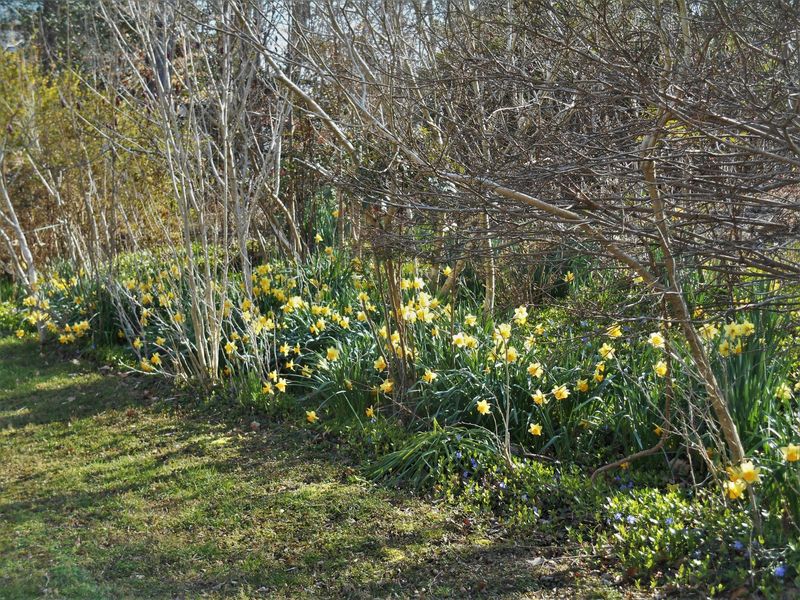
Here is a fun bit of history: some daffodils still blooming at old Southern homesteads were planted over a hundred years ago. Few flowers return so faithfully with so little help.
November is prime bulb time across most of Texas and the Deep South. Cool soil lets daffodil bulbs grow roots before they push leaves, and that head start often leads to bigger clumps each year.
The trick is choosing the right types. Many big Dutch hybrids struggle in mild winters, while varieties like Carlton, Ice Follies, and the tough little paperwhites and jonquils handle Southern heat much better.
Central and South Florida gardeners will have better luck with paperwhites than standard daffodils.
Plant bulbs pointy side up about six inches deep in a sunny, well-drained spot. Group them in clusters of seven or more for a natural look.
A big bonus for many yards: deer and rabbits usually leave daffodils alone because the bulbs and leaves are toxic to them. After blooming, let the foliage yellow on its own before trimming.
Those leaves feed next year’s flowers.
4. Larkspur
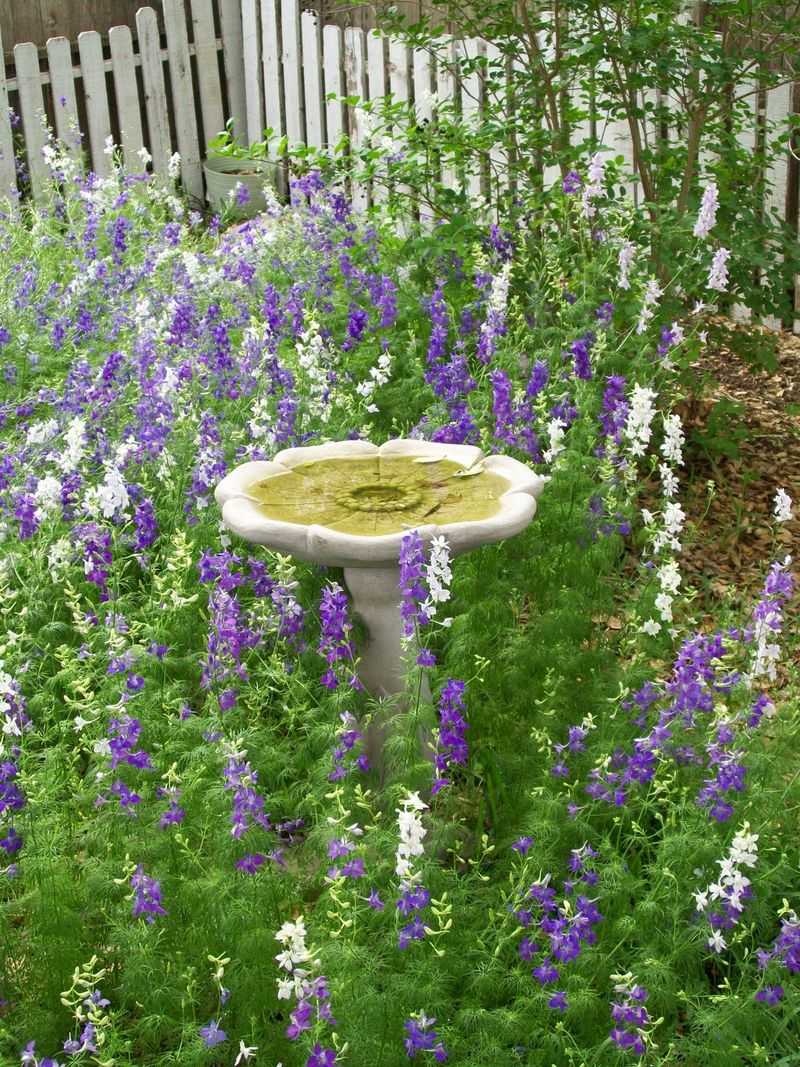
Ask a seasoned Texas gardener for a secret weapon, and larkspur often comes up. It looks fancy, but it practically plants itself.
Unlike transplants, larkspur is best grown from seed sown directly in late fall. The seeds need a stretch of cool weather to sprout well, which is exactly what November and December provide.
Seedlings sit low through winter, then rocket into blue, pink, and white spikes in spring.
Simply rake a sunny patch of bare soil, scatter seed, and press it in lightly. Don’t bury it deep, since larkspur prefers a thin cover.
Keep the area damp until sprouts show up, usually in a couple of weeks.
Once established, larkspur needs little fuss. Skip heavy fertilizer, which may lead to floppy stems.
Thin crowded seedlings so the remaining plants have room to fill out.
Bees and butterflies visit the blooms often, making larkspur a good pick for pollinator corners. Let a few plants dry and drop seed in early summer, and you may get a fresh crop next year with zero effort.
Keep it away from spots where pets or kids graze, as all parts are toxic.
5. Texas Bluebonnets
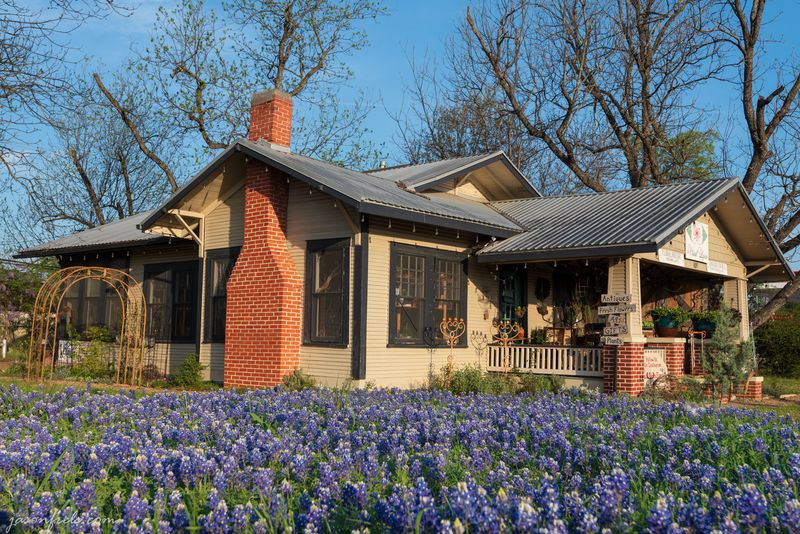
Nothing says spring in Texas like a sweep of bluebonnets along the roadside. Getting that same view in your own yard starts with a little planning right now.
Bluebonnets spend fall and winter as low leafy rosettes, quietly growing deep taproots. Seeds sown in September through November, or transplants set out by late fall, have the time they need.
Plants put in during spring rarely catch up.
Choose your sunniest, best-drained spot. Bluebonnets dislike soggy feet and rich, overwatered soil, so skip the compost and fertilizer.
Scarified seed, which has a nicked coat, usually sprouts faster and more evenly.
If you’re short on patience, nursery transplants are a smart shortcut. Plant them about a foot apart and water only when the top inch of soil dries.
Florida gardeners can try them too, though humid conditions and sandy soil may make results less predictable. A raised or mounded bed often helps.
Let plants set seed after blooming before mowing. Those pods pop open in early summer, scattering seed for next year.
Over time, a small patch can spread into a lovely blue carpet.
6. Dianthus
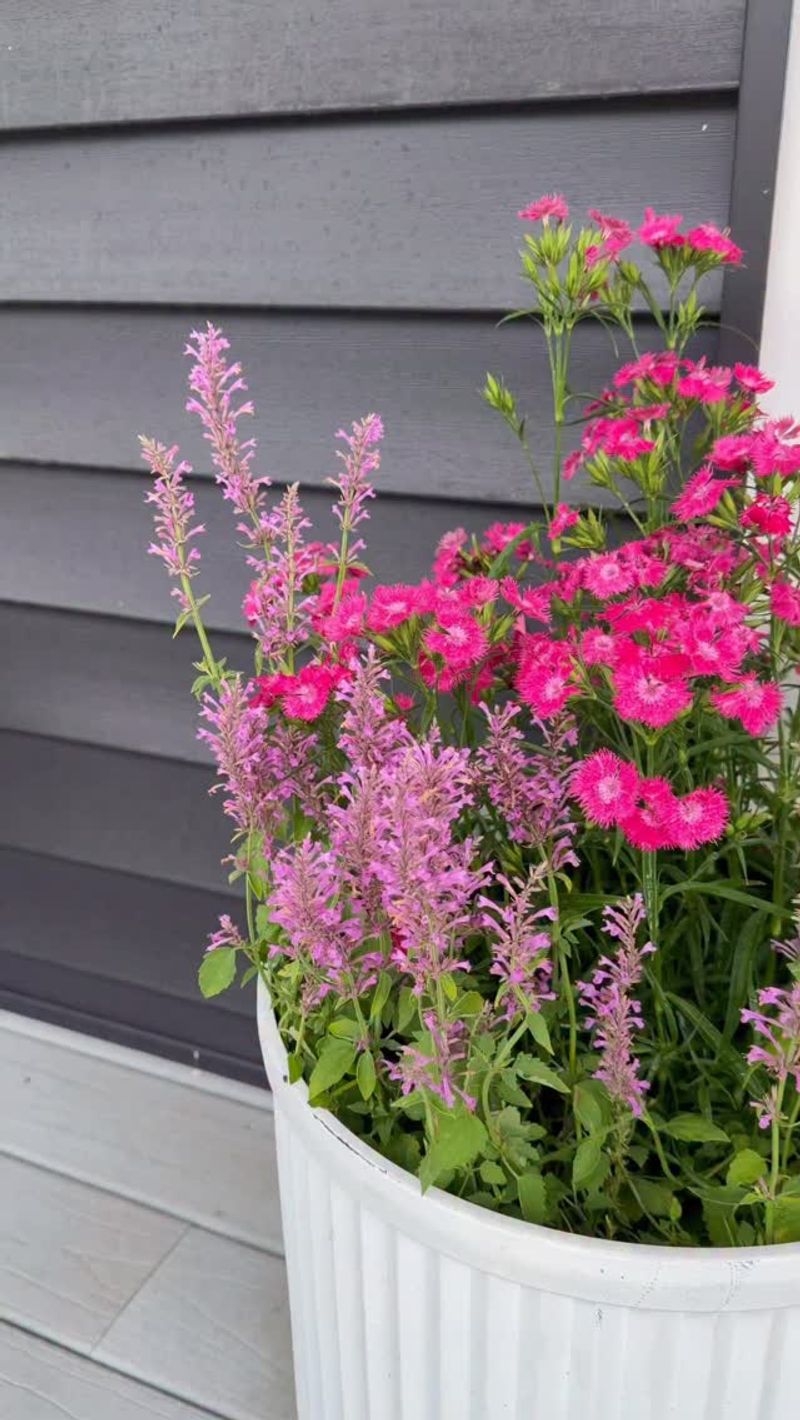
Lean in close to a dianthus bloom and you’ll catch a spicy, clove-like scent. That fragrance is a big part of why grandmothers across the South kept them by the front door.
Often called pinks, dianthus handle cold well and stretch out their bloom time when planted in fall. Over winter they stay compact and green, then burst into frilly pink, red, and white flowers as spring warms up.
Fall-planted clumps often bloom heavier than spring ones.
Plant them in full sun with sharp drainage. Dianthus hate wet soil, so raised beds or containers work great, especially in heavy Texas clay.
Mix in a bit of fine gravel or expanded shale if water tends to pool.
Space plants about eight inches apart and avoid piling mulch against their stems, which can encourage rot. Shear off spent flowers to keep new ones coming.
They make tidy edging along walkways and porch beds, adding instant curb appeal. Butterflies stop by too.
Some types, like Amazon dianthus, may even rebloom into early summer in North Texas. In hot Florida summers, treat them as cool-season annuals.
7. Calendula
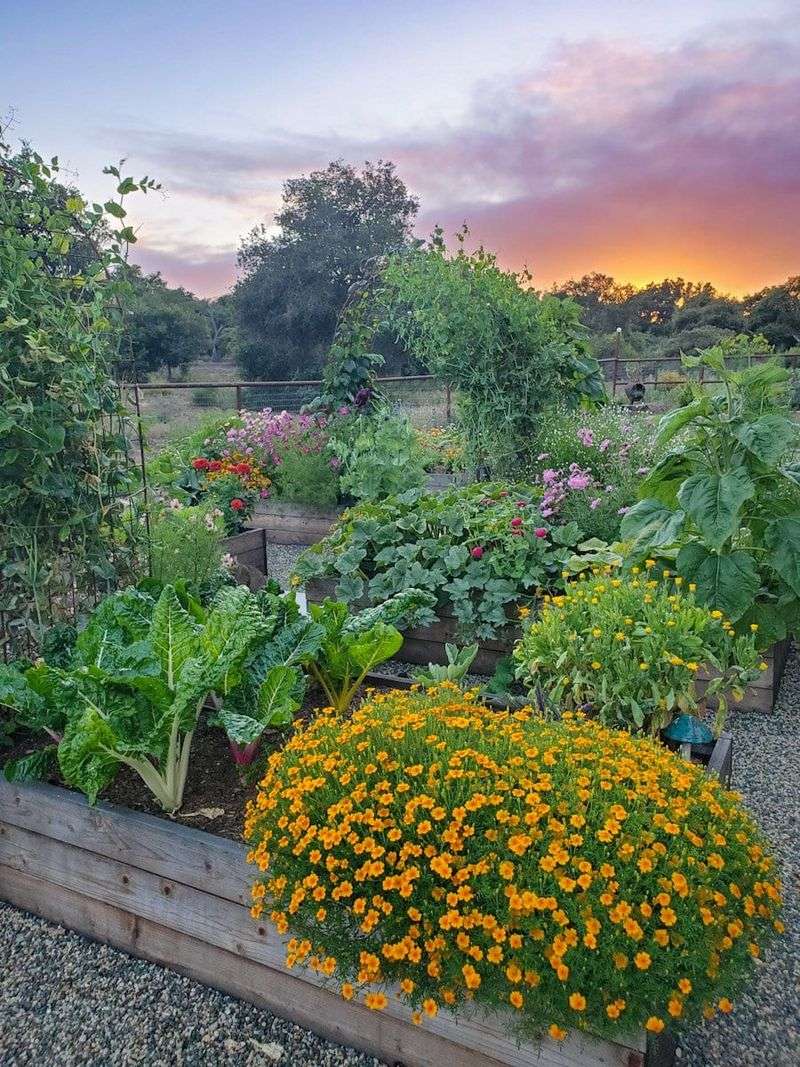
Calendula is the friendly neighbor of the cool-season garden. Its sunny orange and yellow blooms pull double duty, brightening flower beds and helping out the vegetable patch.
Plant seeds or transplants in November, and they’ll settle in during mild Southern winters. In Florida and South Texas, many gardeners enjoy flowers all winter long, with a big flush in early spring before heat arrives.
Tuck calendula between rows of lettuce, broccoli, or early tomatoes. The blooms attract hoverflies and ladybugs, which may help keep aphids in check.
Some gardeners also find calendula acts as a trap plant, drawing aphids away from tender crops.
Grow it in full sun with average soil. Calendula isn’t picky and actually blooms better without heavy feeding.
Water when the soil dries an inch down.
Fun fact: the petals are edible, with a slightly peppery taste. People have scattered them on salads and used them to color butter for centuries, earning it the nickname poor man’s saffron.
Deadhead often to keep flowers coming. A light frost rarely bothers it, but cover plants if temperatures drop well below freezing.
8. Violas
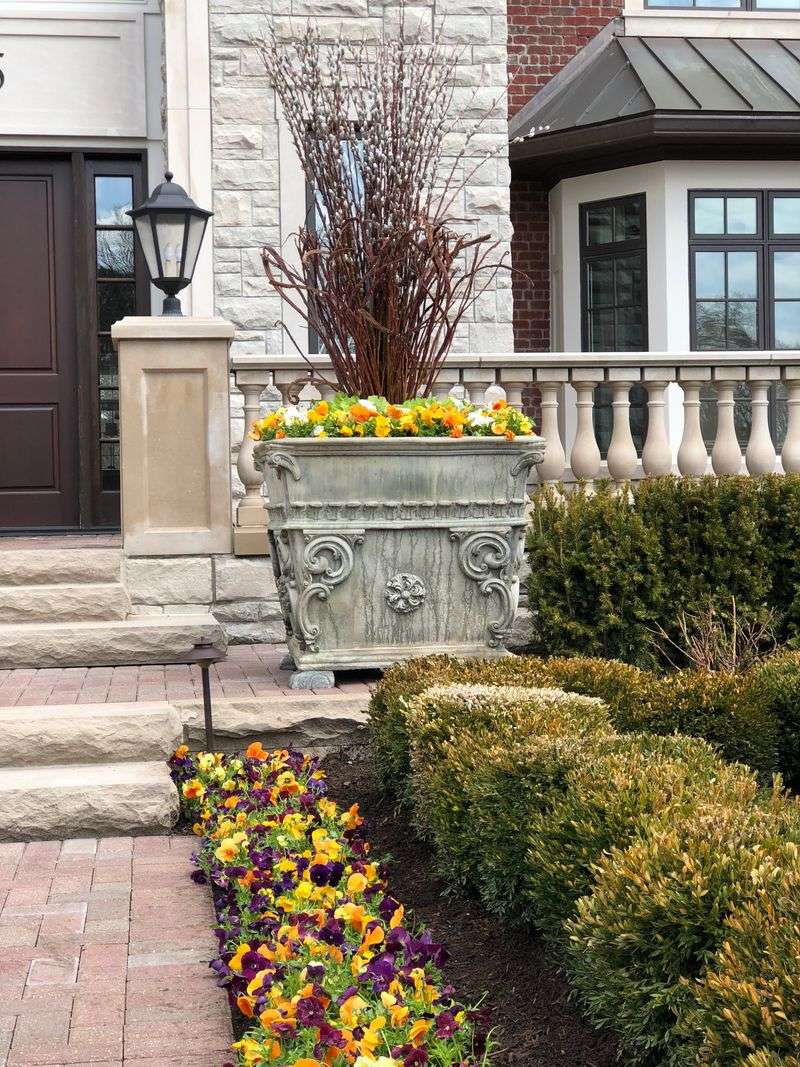
Small but mighty might be the best way to describe violas. They look delicate, yet they often outlast their bigger pansy cousins when winter turns rough.
Violas carry dozens of tiny, cheerful faces on each plant. Planted in November, they keep blooming through mild Southern winters and then explode with flowers once spring days lengthen.
Many gardeners notice violas bounce back faster after a freeze than pansies do.
Their compact size makes them ideal for porch pots, window boxes, and front bed edges. Pair them with ornamental kale or trailing ivy for a container that looks good from Thanksgiving to Easter.
Use a quality potting mix for containers and make sure pots drain well. In beds, add a little compost and plant about six inches apart.
Water deeply when the soil feels dry, but don’t let pots sit in saucers of water.
A light dose of liquid fertilizer every few weeks keeps them flowering strong. Violas are also edible, so the blooms can decorate cakes or salads if grown without chemical sprays.
As heat climbs in late spring, they’ll fade gracefully.
9. Ranunculus
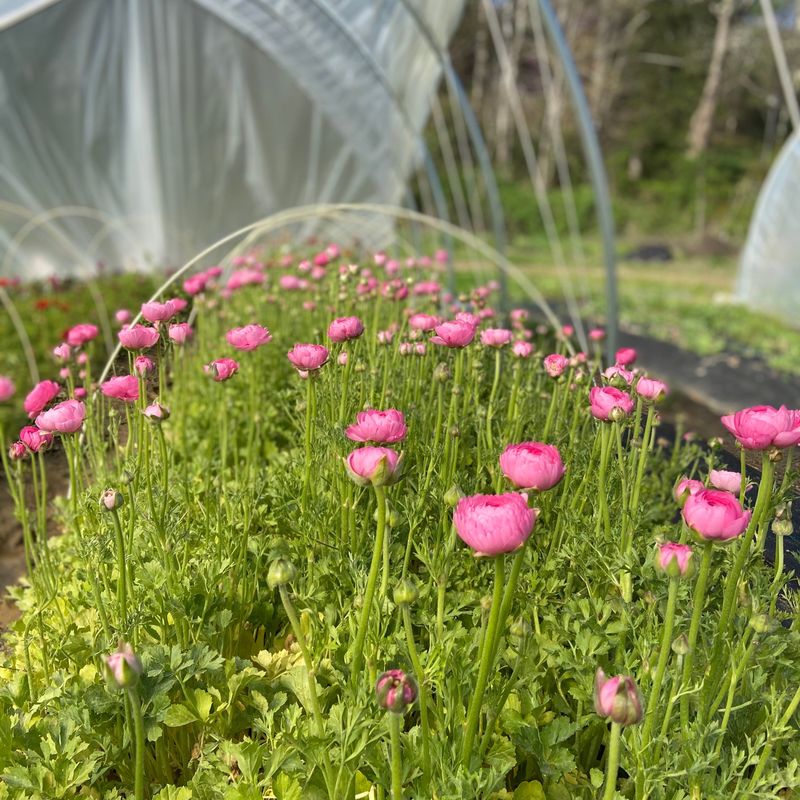
Picture a rose with even more petals, layered like tissue paper. That is ranunculus, and it might be the most showy flower you can plant this month.
Ranunculus grows from odd little claw-shaped corms. In the warmer South, fall planting is the way to go, since these flowers bloom best in cool weather and fizzle quickly once spring heat builds.
November planting gives them time to root before putting on a big March show.
Soak corms in room-temperature water for a few hours before planting. Set them claws down about two inches deep in loose, well-drained soil with full sun.
Space them around six inches apart.
Hold back on water until green shoots appear, because soggy soil may cause corms to rot. Once growing, water evenly.
A hard freeze can damage foliage, so cover plants with frost cloth when temperatures dip into the mid-20s. Florida gardeners often treat them as annuals, while North Texas growers sometimes start them in pots for easier protection.
Each plant can produce many blooms, and they last up to a week in a vase. Cutting stems often encourages more flowers.