
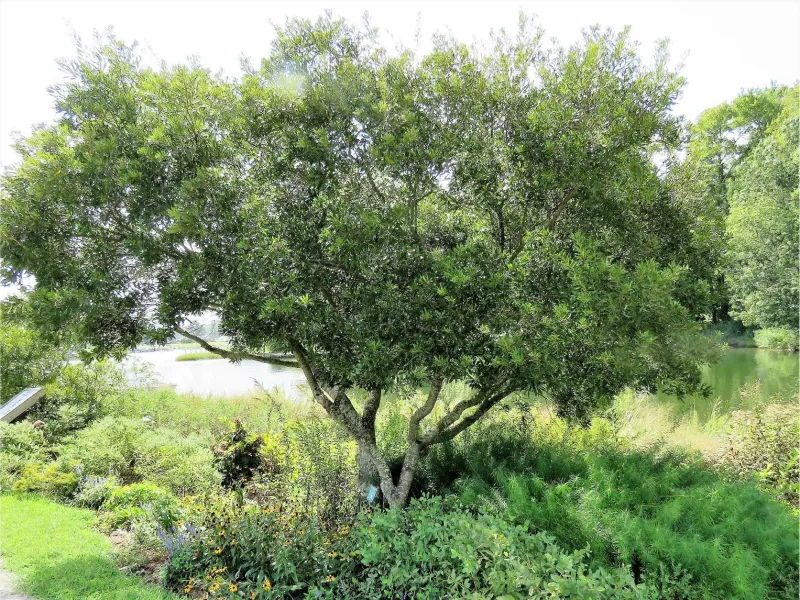
When the first hard freeze hits North Carolina, the bugs vanish and birds start hunting for food and a safe place to sleep. The right native shrubs can give them both, holding berries well into winter and offering thick cover from wind, hawks, and ice.
Late September is a great time to plant, since cool soil helps roots settle before spring. Here are nine shrubs that may turn your yard into a winter stop that cardinals, bluebirds, and thrushes keep coming back to.
1. American Beautyberry
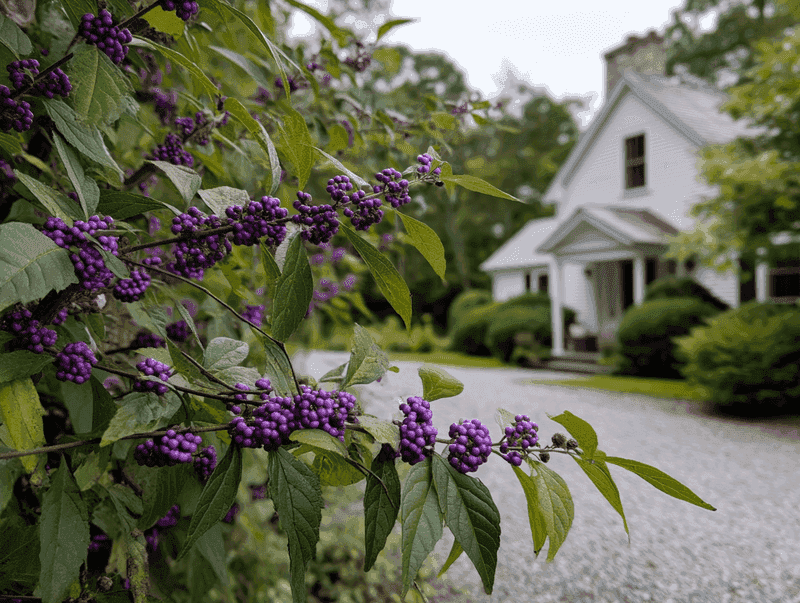
Nothing else in an NC fall garden looks quite like it. Clusters of glossy, almost neon-purple berries wrap around each stem like beads on a string, and passersby often stop to ask if they are real.
Birds care less about the color and more about the timing. Beautyberry fruit ripens in early fall and may hang on into early winter, feeding mockingbirds, cardinals, robins, and brown thrashers when other food runs thin.
Plant it in part shade to full sun across all three regions of the state. It grows about 4 to 6 feet tall and wide, and you can cut it back hard in late winter if it gets leggy.
Fun bit: old-timers crushed the leaves and rubbed them on skin, and research suggests compounds in the foliage may help repel mosquitoes.
2. Winterberry Holly
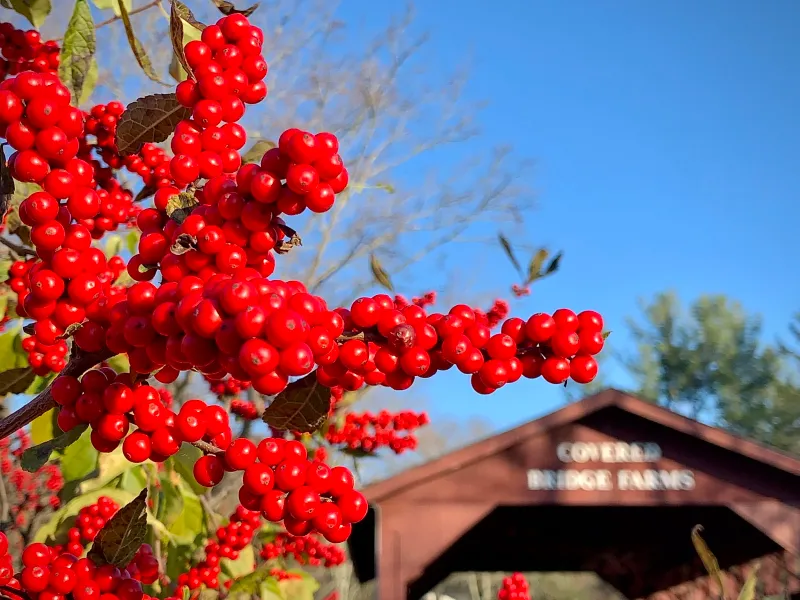
Picture a gray January morning, every tree bare, and then a burst of scarlet by the back fence. That glow comes from winterberry, a deciduous holly that drops its leaves and leaves its berries on full display.
Bluebirds, robins, and cedar waxwings often save these berries for later in the season, which makes them a valuable late-winter backup. One catch matters a lot: you need a male plant nearby for the females to set fruit.
- One male can pollinate several females.
- Match cultivars that bloom at the same time.
Winterberry handles wet, soggy spots better than most shrubs, so it shines near coastal plain ditches, rain gardens, and low corners of Piedmont lots.
3. Yaupon Holly
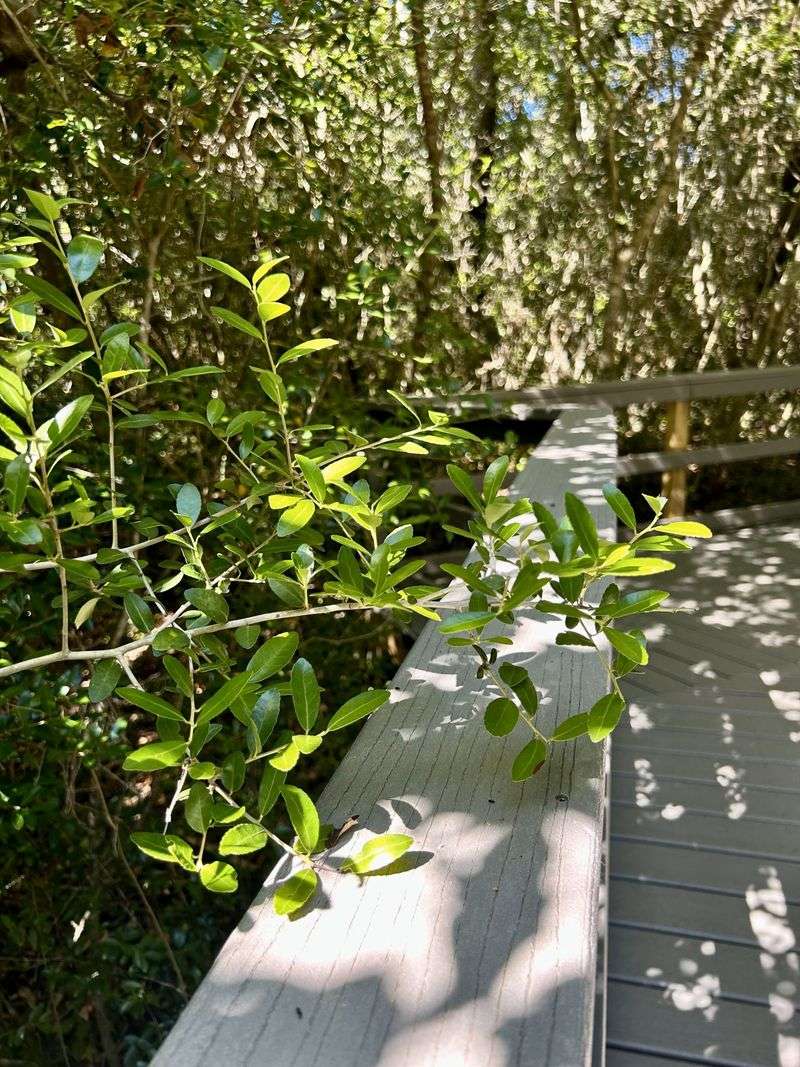
Salt spray, sandy soil, drought, heat. Yaupon shrugs all of it off, which is why it has thrived along the Outer Banks for centuries.
For birds, it does double duty. The tiny evergreen leaves form a dense screen that can shelter sparrows and wrens from icy wind and hunting hawks, while female plants carry small red berries through winter.
Choose the natural upright form for a privacy hedge or a dwarf type for foundation beds, though dwarf forms rarely fruit. History corner: Native peoples brewed its leaves into a caffeinated drink, and it is the only plant native to North America known to contain caffeine.
4. Inkberry Holly
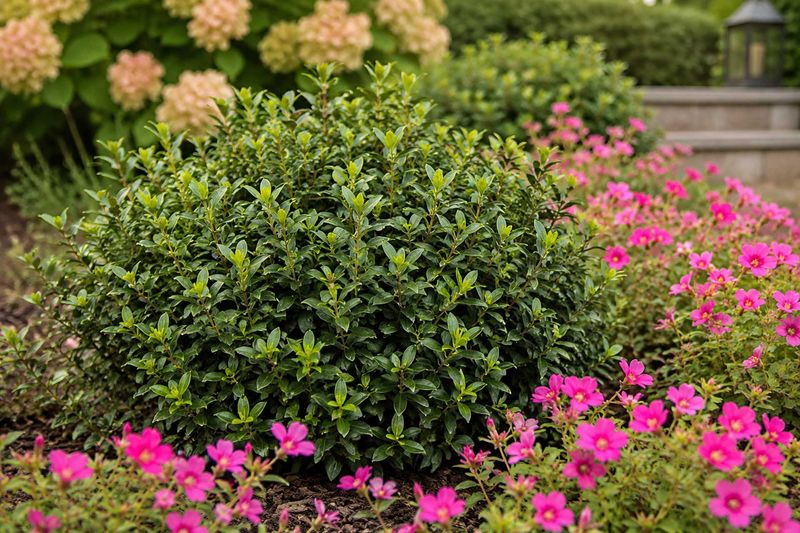
Tired of boxwood that browns out or gets chewed by pests? Inkberry is the quiet native swap many NC homeowners wish they had found sooner.
It stays green all year, takes shearing well, and tucks neatly against a house. Its small black berries are not flashy, but they tend to persist into late winter, giving catbirds, mockingbirds, and other fruit eaters a reliable meal.
Inkberry naturally grows in the damp pine flatwoods of the coastal plain, so it tolerates moist, acidic soil. In the mountains and Piedmont it still does well with steady water during its first year.
5. Wax Myrtle
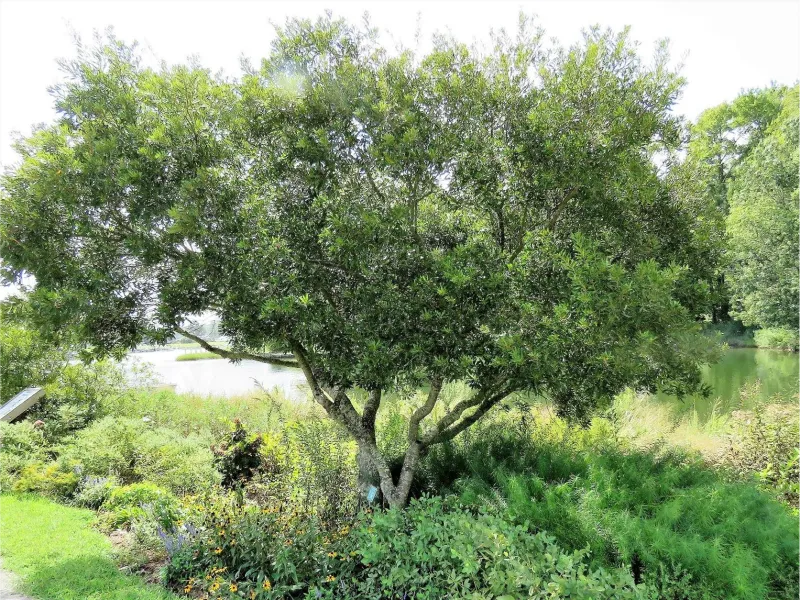
Yellow-rumped warblers have a secret superpower. Unlike most warblers, they can digest the waxy coating on wax myrtle berries, which lets them winter along the NC coast instead of flying farther south.
Plant a few female wax myrtles and you may get flocks of these little birds flitting through all winter, joined by tree swallows and bluebirds. The evergreen foliage also makes solid roosting cover on cold nights.
It grows fast, reaching 10 to 15 feet, and handles sand and salt. Gardeners in the western mountains should note it can suffer in hard freezes, so it fits best in the Piedmont and coastal plain.
6. Arrowwood Viburnum
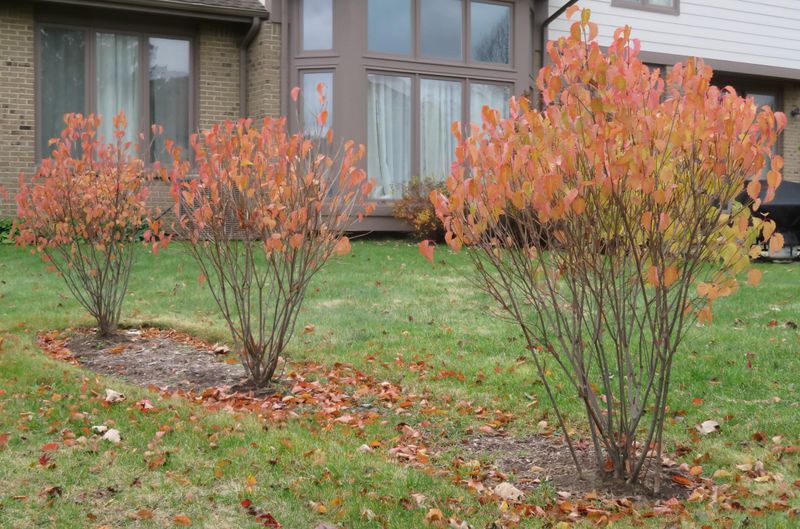
Spring brings flat white flower clusters buzzing with pollinators. Fall answers with blue-black berries and leaves that blush red and orange, giving you two seasons of payoff from one shrub.
Birds often strip the fruit by early winter, but the dense, multi-stemmed habit keeps offering cover afterward. Bluebirds, thrushes, and woodpeckers are frequent visitors.
Arrowwood adapts to sun or part shade and many soils statewide. Plant two different cultivars for better berry set, and give it room to reach about 8 feet.
The name comes from its straight young stems, reportedly used by Native Americans for arrow shafts.
7. Red Chokeberry
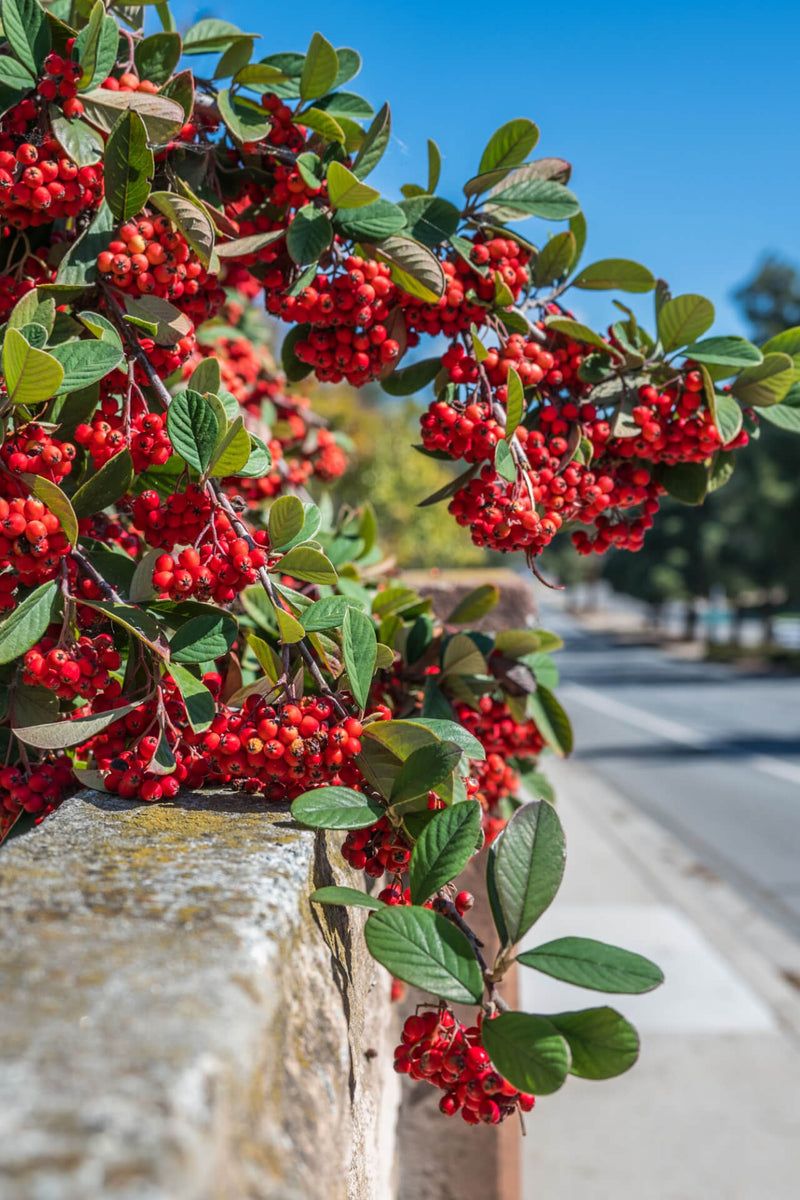
Here is a shrub that birds tend to ignore at first, and that is exactly why it earns a spot. Chokeberry fruit is tart, so many birds skip it in fall and come back in late winter when sweeter options are gone.
That delay makes it a valuable lean-season pantry. Robins, cedar waxwings, and even ruffed grouse in the mountains may feast on it in February.
Red chokeberry stays a manageable 6 to 8 feet, handles wet or dry spots, and turns brilliant red in fall. Use it in a mixed border or along a soggy property line where other shrubs sulk.
8. Possumhaw
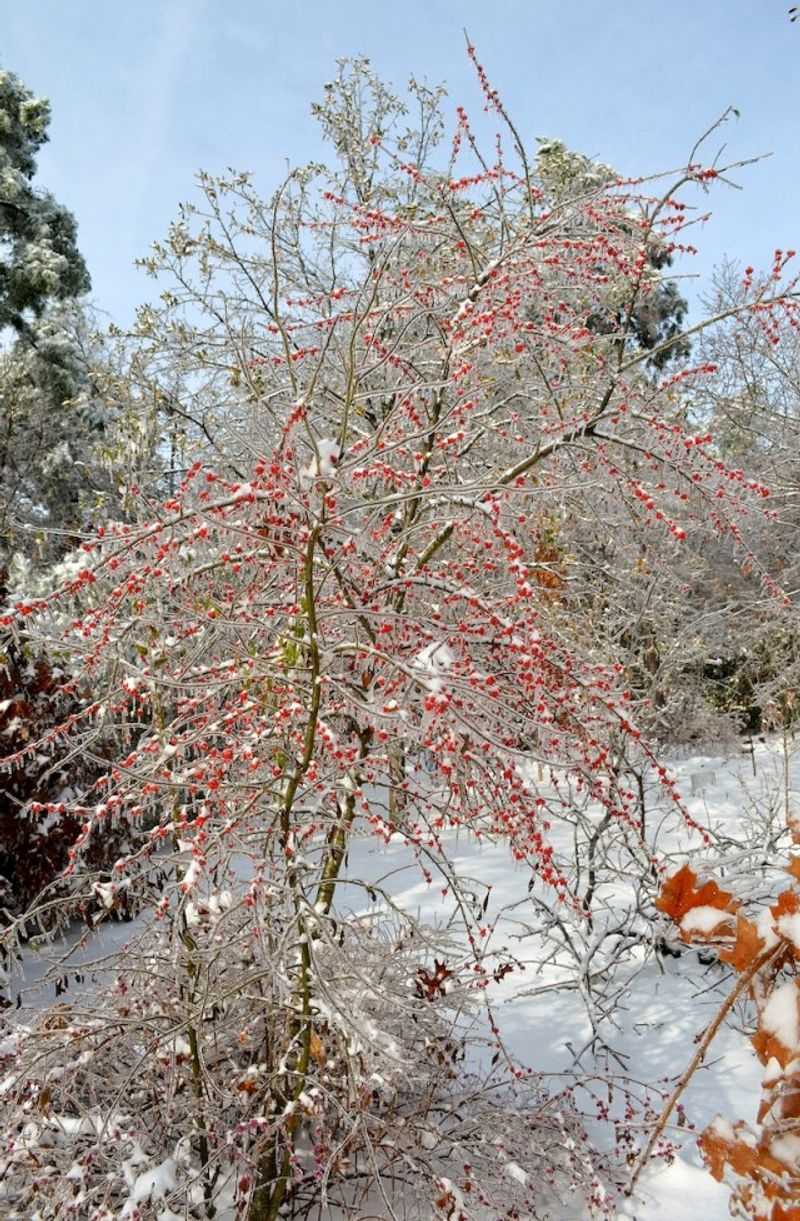
Opossums really do eat the fruit, which gave this deciduous holly its folksy name. So do mockingbirds, robins, and bluebirds, often in the coldest stretch of winter.
Possumhaw looks a lot like winterberry but grows into a small tree, up to 15 or 20 feet, with silvery bark. It is more drought tolerant too, which helps in sandy coastal plain soil or hot Piedmont lots.
As with other hollies, plant a male nearby so the females fruit. A single possumhaw outside a kitchen window can turn winter breakfast into a bird show.
9. Southern Arrowwood
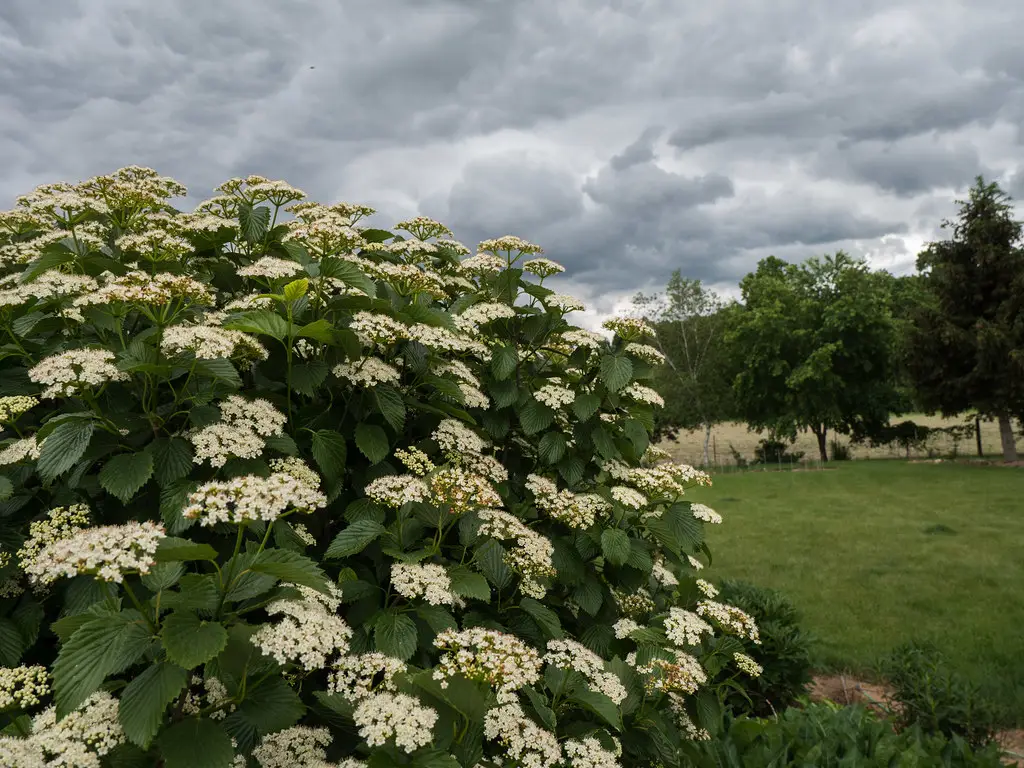
Some birds want a hiding spot more than a snack. White-throated sparrows, towhees, and Carolina wrens spend winter scratching through leaf litter, and they rely on thick shrubs to dart into when a Cooper’s hawk swoops past.
Southern arrowwood, Viburnum dentatum var. scabrellum, is the Piedmont and coastal form of the arrowwood family, and it suckers into a broad thicket over time. Let it spread along a back fence and leave the fallen leaves beneath it.
That simple, low-effort habit may create a sheltered feeding zone all winter. Its berries are a bonus, but the real gift here is a safe, tangled refuge.