
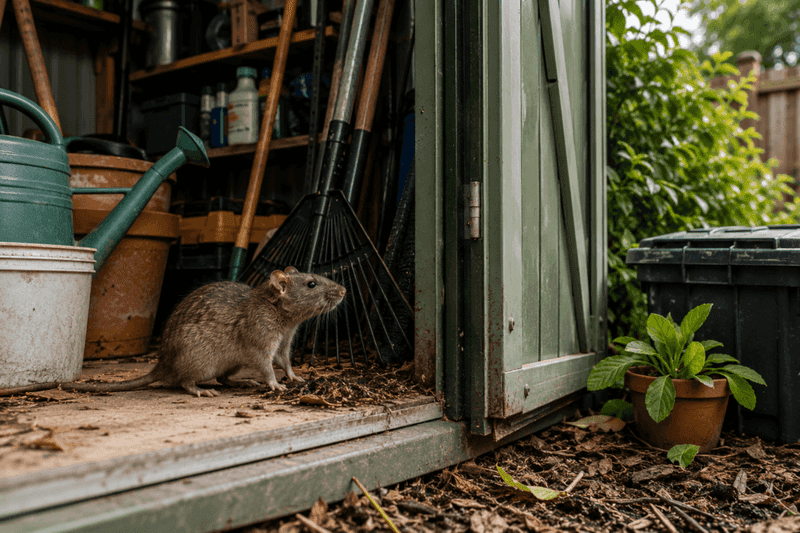
Rats rarely show up inside a house without leaving signs in the yard first. In the South, mild winters in Florida and Texas mean rats stay busy all season, hunting for food, water, and a dry spot to nest.
If you know what to look for in your beds, compost, and fence lines, you can often catch the problem early. Here are nine clues worth checking this week, plus simple steps that may help stop rats before they get closer.
1. Fresh Burrows Along Fences and Foundations
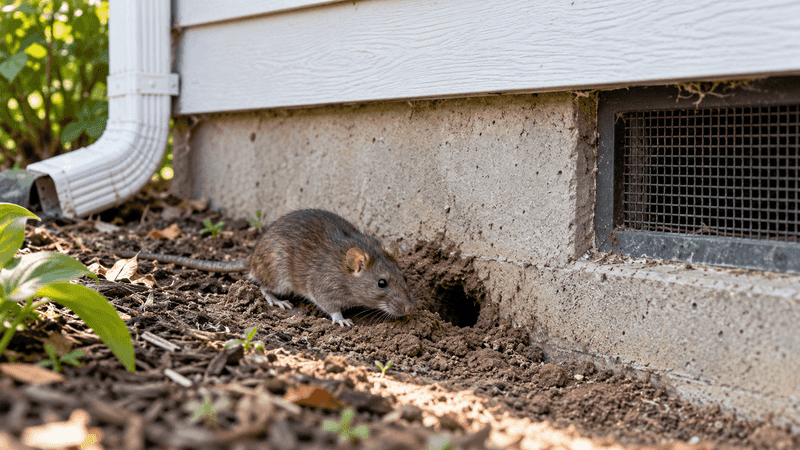
Picture a neat hole about the size of a tennis ball, tucked right where your fence meets the dirt. Norway rats love to dig, and they pick spots with cover overhead and solid structure on one side.
Fence lines, slab edges, and the space under shrubs are favorite places.
Active burrows usually have smooth, hard-packed rims from constant traffic. You may also see a small fan of loose soil spread outward from the entrance.
Cobwebs or leaves blocking the hole often mean nobody is home.
A quick test can help you tell. Loosely fill the hole with soil or crumpled newspaper and check back in a day or two.
If it has been reopened, something is using it, and rats are a likely suspect.
Burrows near your foundation deserve extra attention, since they can put rats just inches from gaps into your home. Trimming dense plantings away from the house may reduce hiding spots.
For several active holes, a licensed pest control pro can often handle baiting more safely than guesswork, especially if kids or pets play in the yard.
2. Gnawed Tomatoes, Squash, and Fallen Fruit
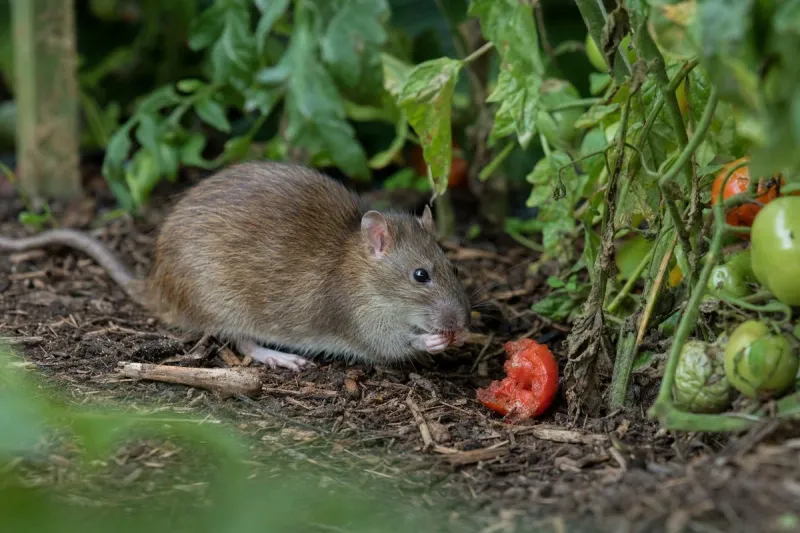
Nothing stings quite like walking out to pick a perfect tomato and finding a hollow shell instead. Rats are happy snackers in Southern vegetable beds, and fall gardens in Texas and Florida give them plenty to chew.
Tomatoes, peppers, squash, and sweet potatoes are common targets.
Look closely at the damage. Rat bites tend to leave small, paired tooth grooves and rough, scooped-out holes, often on the side of fruit still hanging low.
Birds usually peck shallow jabs, while squirrels tend to carry whole fruit away.
Fallen citrus, figs, and pecans also pull rats in. Roof rats especially like fruit trees, and a single citrus tree dropping fruit can feed them for weeks.
Harvest ripe produce promptly and pick up dropped fruit every day or two. Raising plants on cages and keeping vines off the ground may make meals harder to reach.
These steps will not guarantee rats move on, but they can reduce the free buffet that convinces them to stay close to your house.
3. Droppings Near Bird Feeders and Pet Bowls
Bird lovers, brace yourselves. The spilled seed under a feeder is one of the most common reasons rats settle into Southern yards.
Pet food left on the porch overnight works the same way.
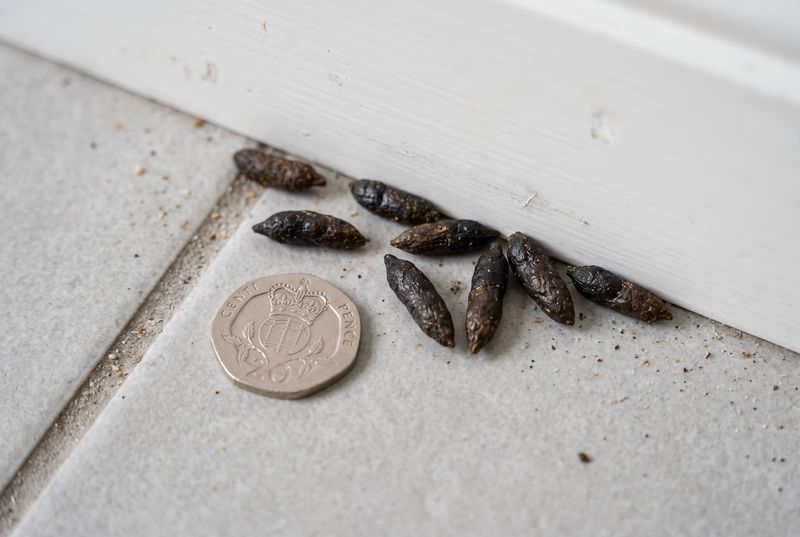
Rat droppings are dark, about half an inch to three-quarters of an inch long, and shaped like fat grains of rice with blunt or pointed ends. Fresh ones look shiny and soft, while older ones turn dull and crumbly.
Mouse droppings are much smaller, closer to the size of a sprinkle.
Finding a handful under the feeder or along the patio wall tells you rats are visiting regularly. Wear gloves and a mask when cleaning, and wet the droppings with a disinfectant before scooping, since dried waste can carry germs.
Switching to no-mess seed like hulled sunflower hearts may cut down on waste. A tray beneath the feeder and bringing feeders in at night can also help.
Feeding pets indoors is one of the simplest changes you can make, and it often removes a nightly meal rats count on.
4. Greasy Rub Marks on Walls and Steps
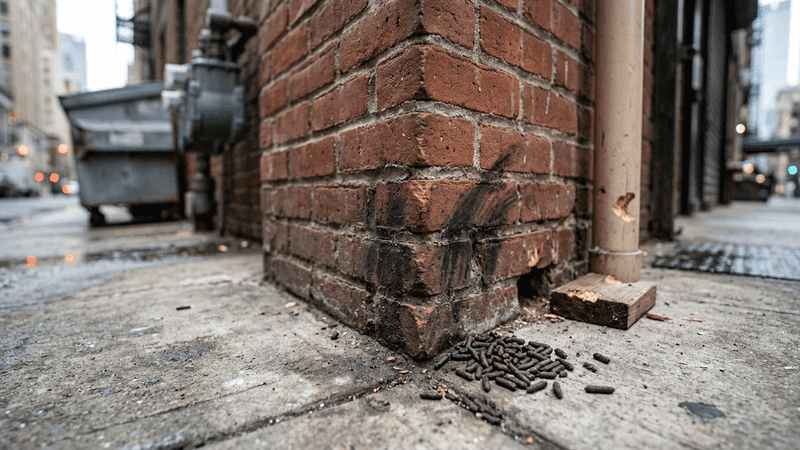
Here is a clue many homeowners walk right past. Rats are creatures of habit, running the same paths night after night.
As they brush against surfaces, oils and dirt from their fur leave dark, smeared streaks.
Check the lower edges of walls, the corners of steps, the bottom of sheds, and spots where pipes or cables enter the house. On light stucco or painted siding, the marks look like gray or black smudges, often in a curved swoop where rats squeeze around a corner.
Fresh marks feel slightly tacky. Old ones get dry and flaky, which may mean the traffic has shifted elsewhere.
Rub marks are especially useful because they point toward where rats are going. A trail heading to a dryer vent, AC line, or gap under siding is a strong hint about a possible entry point.
Sealing gaps with hardware cloth, steel wool, or metal flashing can help block access. Rats can chew through foam and thin plastic, so tougher materials usually hold up better.
5. Worn Runways Through Grass and Mulch
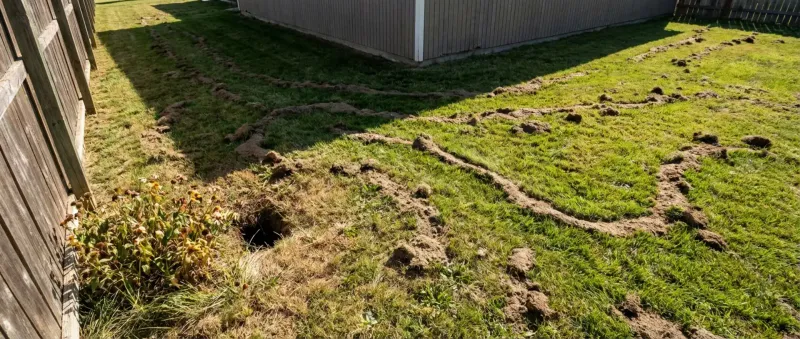
Ever notice a skinny little path in the lawn that no person made? Rats wear trails between their burrows, food, and water, and they stick to them like commuters on a favorite route.
These runways are usually two to three inches wide. In grass, the blades look pressed flat or thinned out.
In pine straw or mulch, the path may appear packed down and swept clear.
Runways tend to hug cover. They run along fences, under hedges, beside raised beds, and behind sheds where rats feel hidden from hawks and owls.
Morning is a great time to look, since dew can make trails easier to spot. Follow one in both directions and you may find a burrow on one end and a food source on the other.
Mowing tall edges and thinning thick groundcover near the house may make rats feel more exposed. Some gardeners also place traps inside sturdy covered boxes right along these paths, since rats travel them so faithfully.
6. Tunnels and Nests in the Compost Pile

Compost is a gardener’s gold, but to a rat it can look like a warm hotel with room service. Food scraps, steady heat, and loose material make an open pile hard to resist.
Signs to watch for include holes at the base of the bin, tunnels running through the heap, scattered scraps dragged out overnight, and droppings on the lid or nearby ground. Sometimes you will find a nest of shredded paper or leaves tucked in a dry corner.
A few tweaks can make compost far less inviting. Skip meat, dairy, oils, and cooked foods, which tend to attract rats faster than raw veggie scraps.
Bury fresh kitchen waste in the center and cover it with dry leaves.
Turning the pile often may disturb any rats trying to settle in. Placing a closed bin on hardware cloth with half-inch or smaller openings can help block digging from below.
In a warm Florida or Texas winter, piles stay active longer, so keeping them tidy matters all year.
7. Chewed Irrigation Lines and Hoses

A surprise puddle in a dry bed might not be a broken emitter at all. Rats chew drip tubing, soaker hoses, and garden hoses for two reasons: water and teeth that never stop growing.
During dry stretches, which Texas sees plenty of, rats may bite into lines to get a drink. Look for rough, jagged holes with tiny tooth grooves, rather than clean splits from sun damage or pressure.
Chewed lines tell you rats are drinking on your property, and a reliable water source is one of the biggest reasons they stick around. Leaky spigots, pet water bowls, birdbaths, and dripping AC condensate lines can draw them in too.
Fixing leaks and emptying standing water at night may make your yard less appealing. For drip systems, some gardeners bury tubing under mulch or switch to tougher lines in trouble spots.
Wrapping exposed sections near the house with metal mesh can help, though determined rats may still find a way, so pair repairs with other cleanup steps.
8. Rustling in Palms, Ivy, and Fruit Trees at Night

Step outside after dark with a flashlight and you might hear it: scratching and rustling up in the palm fronds. In Florida and along the Gulf Coast, roof rats are expert climbers, and they often live above your head rather than under your feet.
Dense palms, thick ivy on walls, overgrown oleander, and citrus trees give them shelter and a highway system. You may spot eyes shining in your light beam, or catch a slim, long-tailed shape running along a fence top or power line.
Fun fact: a roof rat’s tail is usually longer than its head and body combined, which helps it balance on narrow branches.
Trouble starts when those branches touch your roof. Rats can travel straight from a tree to the eaves and slip into the attic through small gaps.
Trimming limbs back several feet from the roofline may cut off that route. Thinning ivy from walls and cleaning dead fronds can also reduce nesting spots close to the house.
9. Nesting Material Under Sheds and Woodpiles
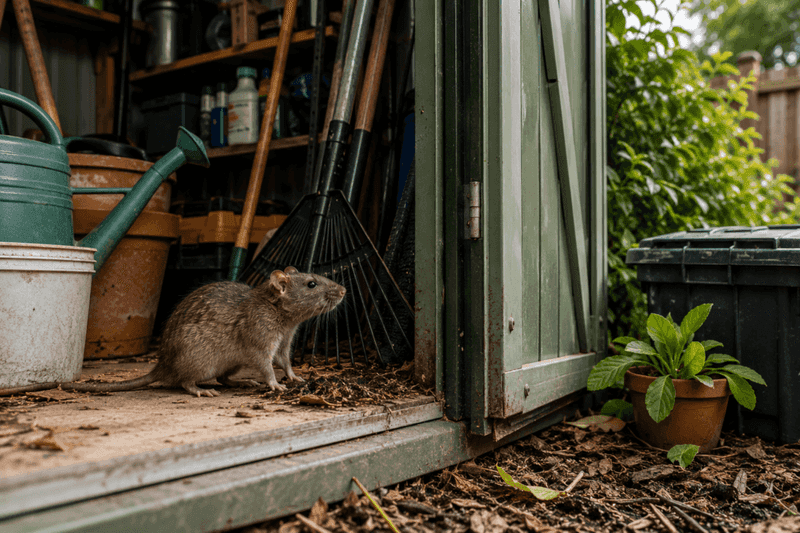
Clutter is cozy, at least if you are a rat. That stack of firewood, pile of old pots, or gap under the garden shed can become a nursery in no time.
Watch for bits of shredded material poking out from hidden spaces. Rats gather leaves, grass, paper, insulation, fabric scraps, and even torn seed bags to build nests.
A musty, sharp smell near a woodpile or shed floor is another warning sign.
Finding a nest is a big deal, because rats breed fast. A female can have several litters a year, and in warm Southern climates breeding may continue through winter.
Store firewood at least 18 inches off the ground and a good distance from the house. Clearing out old lumber, unused containers, and junk piles may remove prime shelter.
Sheds can be skirted with buried hardware cloth to block burrowing underneath.
If you find young rats or a large nest, calling a pest professional is often the smartest next step to get ahead of the population before it grows.