
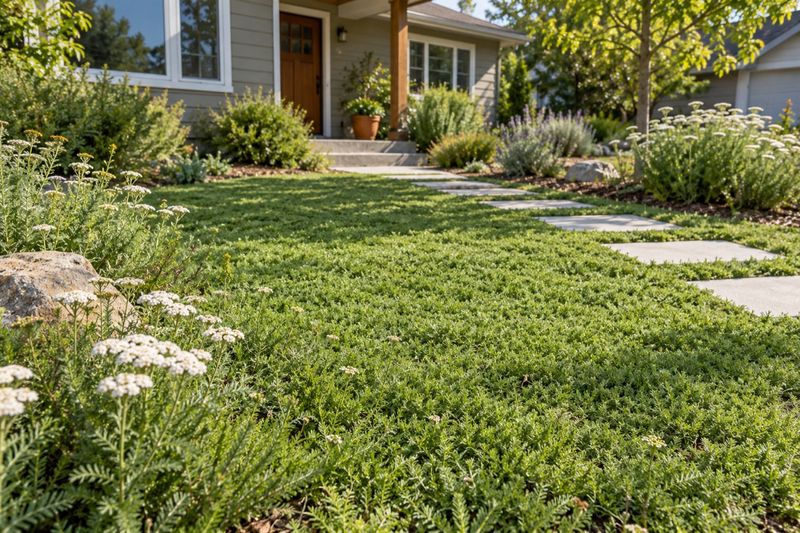
If your shovel bounces off rock-hard clay every August, you are not alone, and you do not need truckloads of compost to fix it. Many California homeowners dig in amendments because they think it helps, but rich, loose soil can actually shorten the lives of plants that evolved in tough native ground.
The good news is that plenty of local natives already love heavy clay just the way it is. Here are ten that can feed bees, birds, and butterflies while sipping very little water once established.
1. California Fuchsia (Epilobium canum)
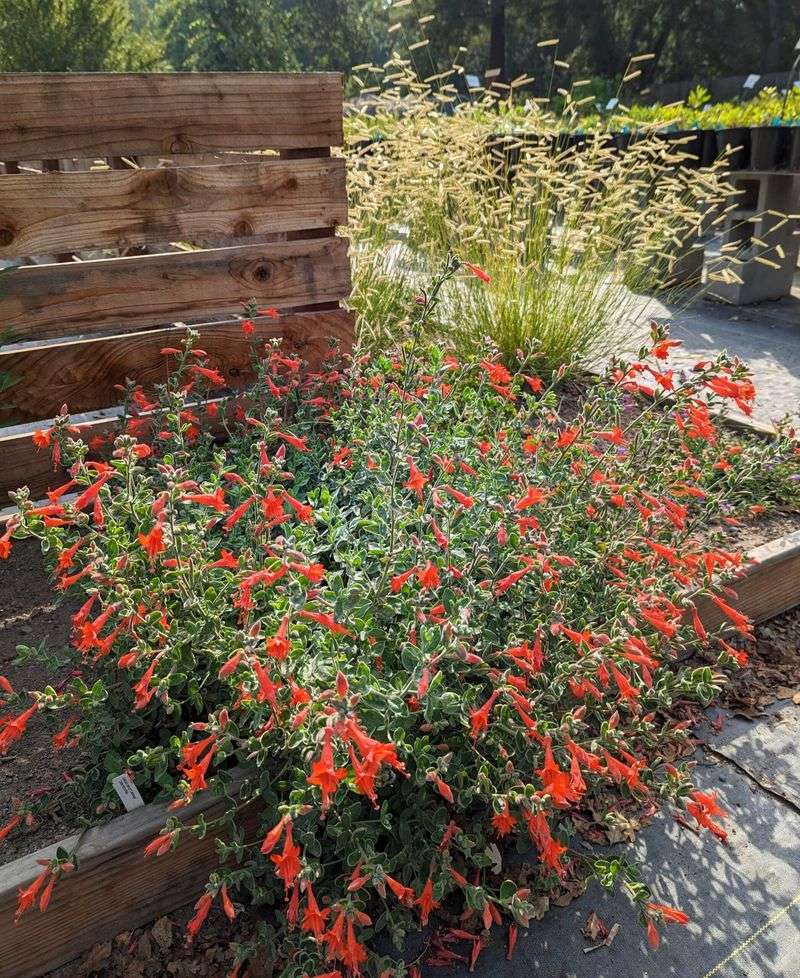
Right when most gardens look tired in September, California fuchsia lights up like a string of red party lanterns. Hummingbirds notice within days, and they may defend a patch of it fiercely.
Clay suits it well as long as you skip summer overwatering. Plant it in fall, water through the first dry season, then cut back to roughly once a month or less.
Shear the stems to a few inches in late winter. Fresh growth returns with spring rains, and the plant can spread slowly into a low, silvery mat along walkways or slopes.
2. Purple Needlegrass (Stipa pulchra)
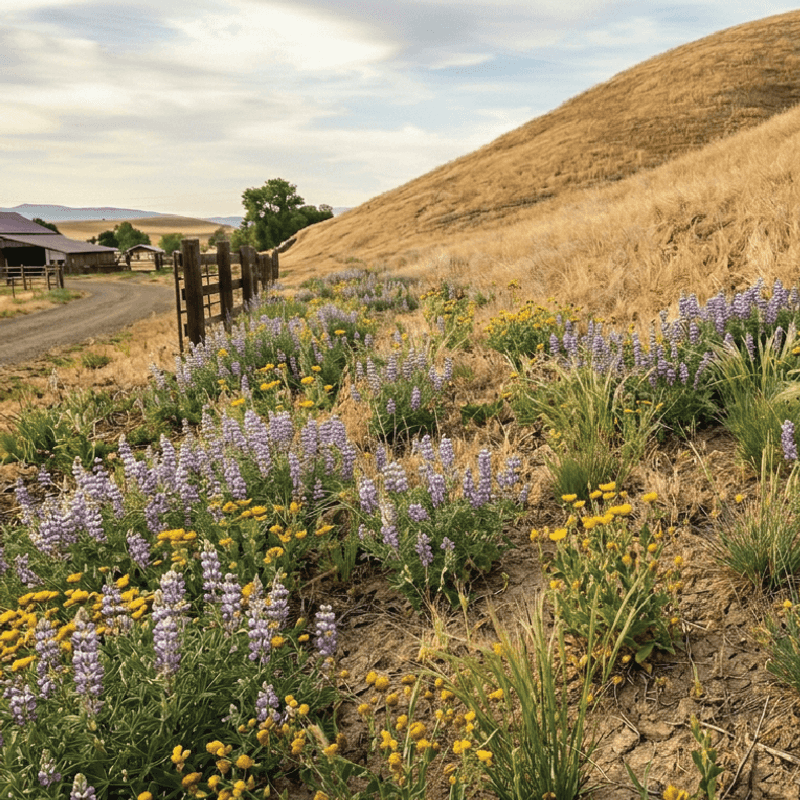
California’s official state grass once covered huge stretches of valley clay before European grasses moved in. Bringing it back to a front yard is a small act of restoration you can actually see.
Deep roots, sometimes reaching several feet, help it punch through dense soil and find moisture long after the rains stop. In spring, the purple-tinged seed heads shimmer in the breeze.
Use it as a lawn alternative in a meadow-style planting, mixing clumps with wildflowers. It goes golden and dormant in summer, so keep dry clumps trimmed near structures in fire-prone areas.
3. Coyote Brush (Baccharis pilularis)
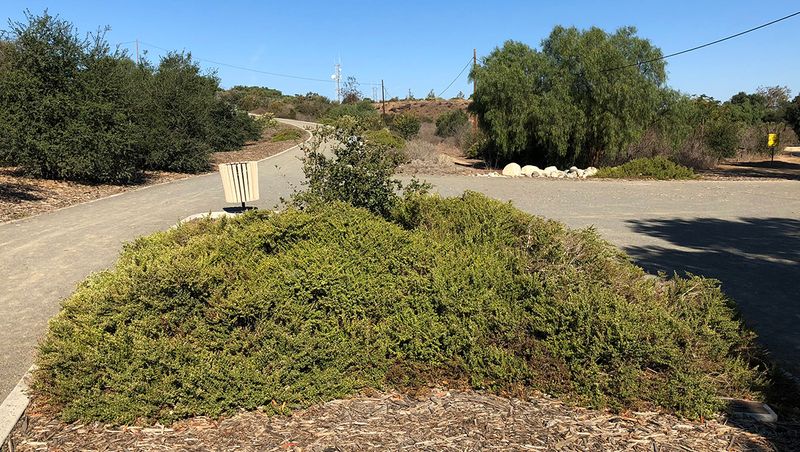
Tough as nails and a little underrated, coyote brush is the plant many restoration crews reach for first on bare, compacted clay. It holds slopes together and shrugs off neglect.
Look for low forms like ‘Pigeon Point’ or ‘Twin Peaks’ if you want a ground cover instead of a tall shrub. Both may spread six feet or more with almost no summer water once settled in.
Fall flowers draw a surprising crowd of native bees, wasps, and flies when little else blooms. Cutting it back hard every few years keeps it dense and reduces dead material, which matters for defensible space.
4. Toyon (Heteromeles arbutifolia)
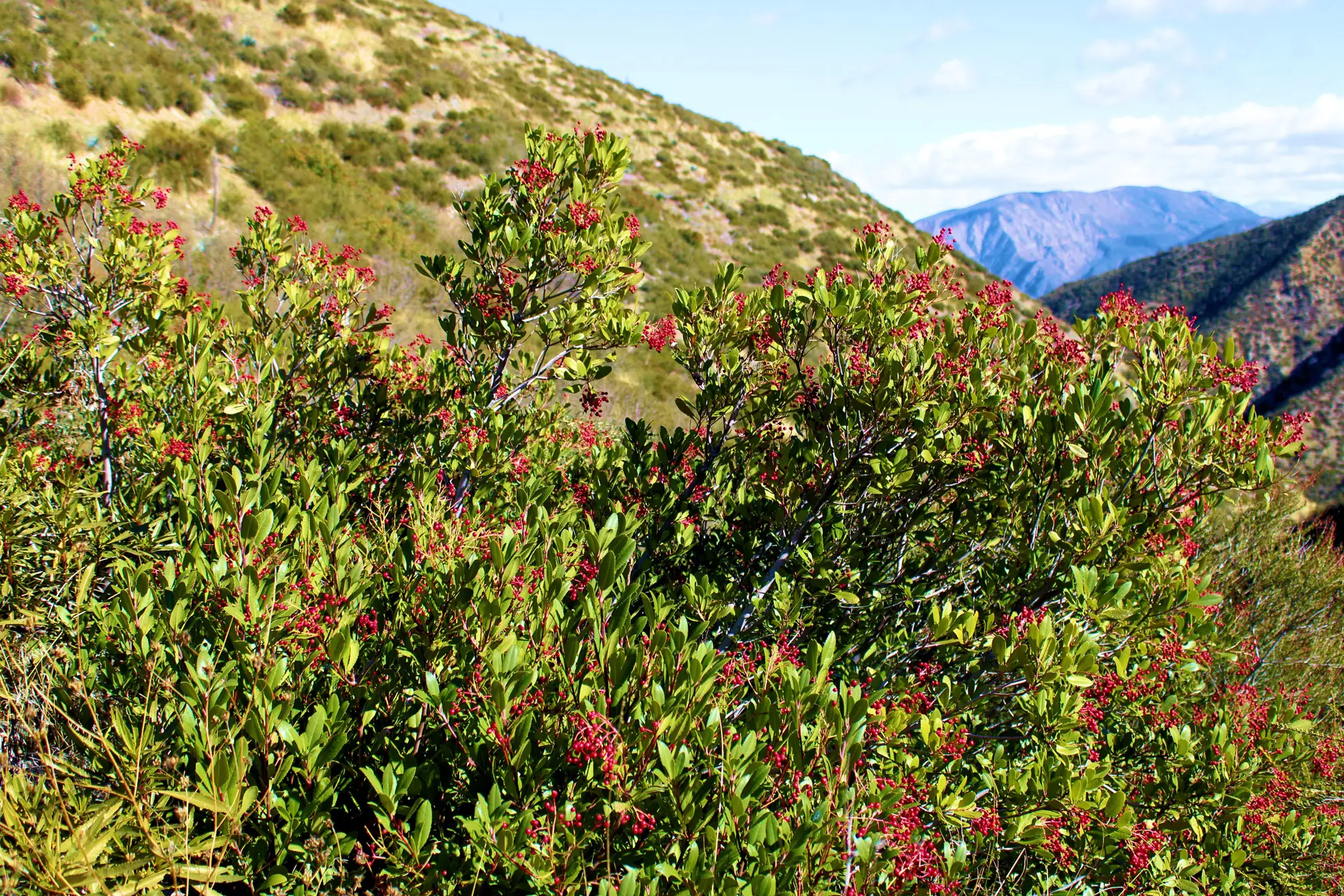
Some say Hollywood got its name from this shrub, since toyon is also called California holly. Whatever the true story, its red winter berries are a holiday show without a single ornament.
Toyon handles clay, heat, and drought with impressive calm. It grows into a large shrub or small tree, making it a strong privacy screen along a back fence.
Robins, mockingbirds, and cedar waxwings strip the berries in winter, and summer flowers feed bees. Give it room to reach 10 feet or more, and water deeply but rarely after its first year.
5. Deer Grass (Muhlenbergia rigens)
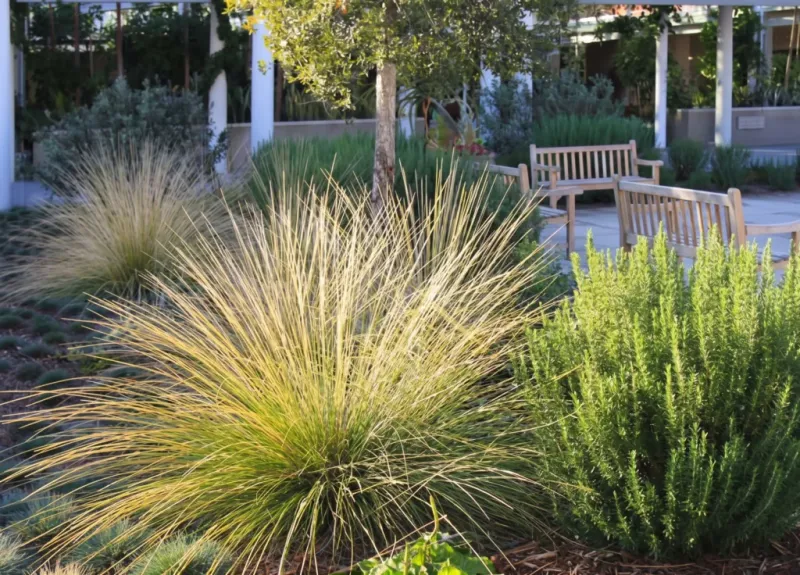
Picture a fountain of fine green blades topped with pencil-thin flower spikes. Deer grass gives a front yard that clean, architectural look people pay designers for.
Native Californian basket weavers prized its stalks, and the plant grows naturally in heavy soils near seasonal streams. That history explains why it puts up with both soggy winters and baked summers.
Space clumps about four to five feet apart along driveways or borders. An occasional late-winter cutback keeps them tidy, and they may need only a deep soak every few weeks in the hottest months.
6. Yarrow (Achillea millefolium)
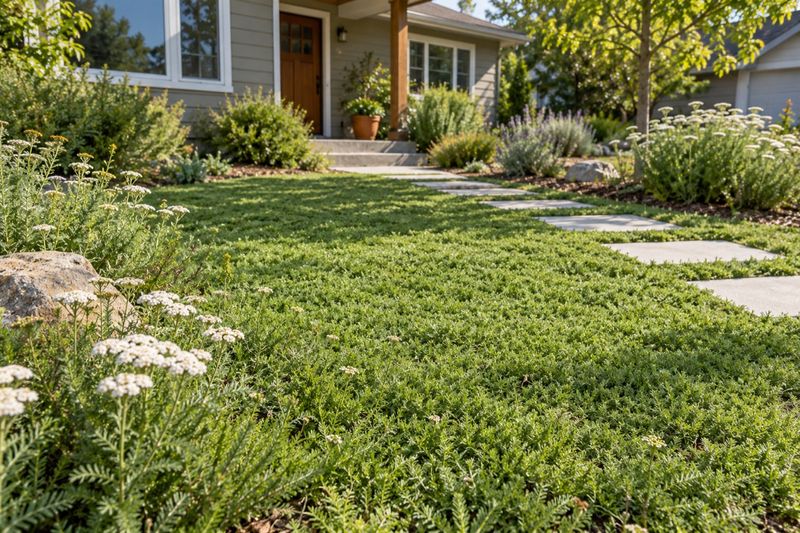
Ever wanted a lawn you could walk on that also feeds butterflies? Native yarrow can do a convincing impression of grass when mowed, then bloom in flat white clusters if you let it grow.
It spreads by underground stems through clay without complaint. Light foot traffic is fine, and it uses far less water than turf.
Small native bees and beneficial insects like lady beetles visit the flowers. Keep it a bit greener with an occasional summer drink, or let it rest and bounce back after the first rain.
7. Cleveland Sage (Salvia clevelandii)
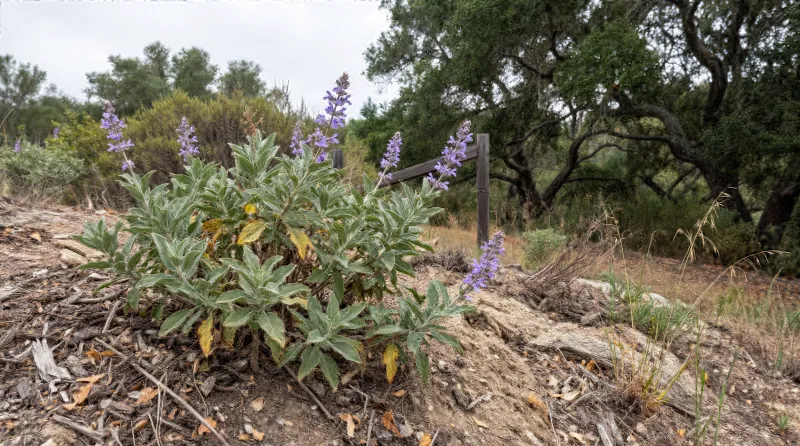
Brush past Cleveland sage on a warm evening and the whole yard smells like a hiking trail. That fragrance alone wins over plenty of gardeners.
Native to Southern California and Baja, it prefers sun and sharp drainage, so on heavy clay plant it on a gentle slope or slightly raised mound instead of mixing in compost. Once rooted, it needs very little summer water.
Too much irrigation is the most common way people lose it.
Purple-blue flower whorls bring bumblebees and hummingbirds in late spring. Lightly trim spent stems after bloom to keep the shrub compact and less woody.
8. Narrowleaf Milkweed (Asclepias fascicularis)
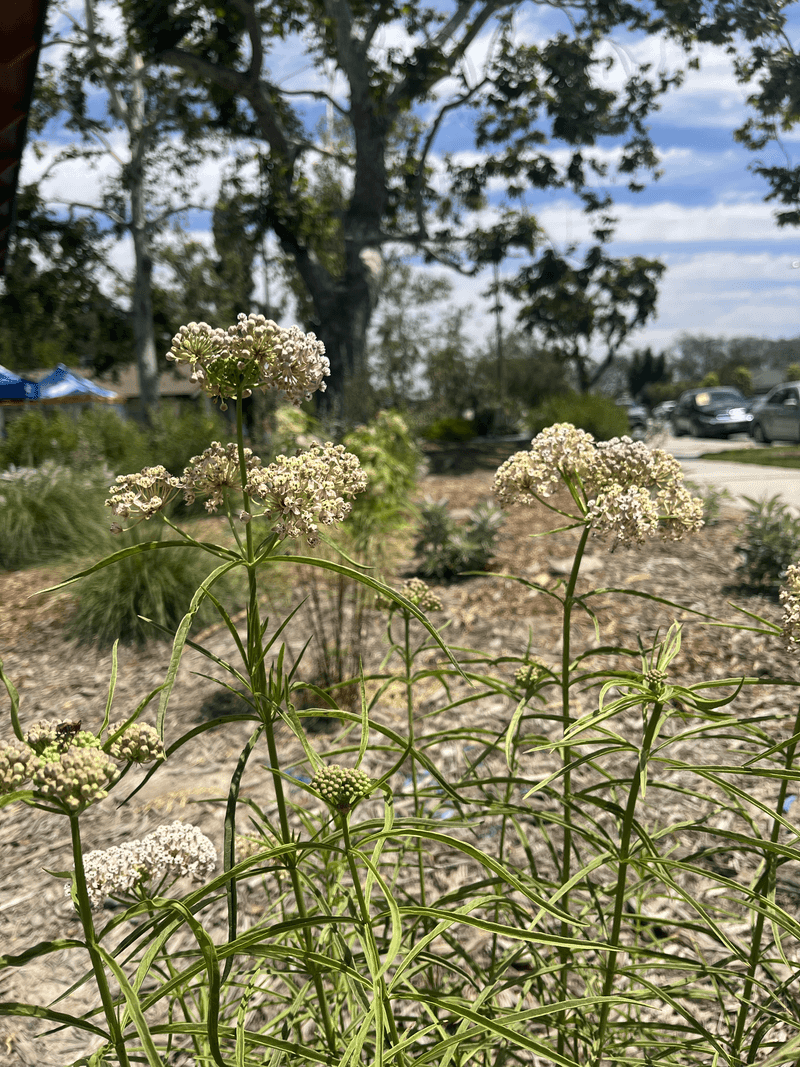
Monarch numbers in the West have crashed over recent decades, and many well-meaning gardeners planted tropical milkweed to help. That non-native species can stay green all winter and may disrupt migration and spread parasites.
Narrowleaf milkweed is the local fix. It grows naturally in clay across much of the state and dies back in winter the way monarchs evolved to expect.
Plant a small cluster in full sun and expect it to vanish in late fall. Don’t panic, since it returns in spring, often with caterpillars munching close behind.
9. Blue-Eyed Grass (Sisyrinchium bellum)
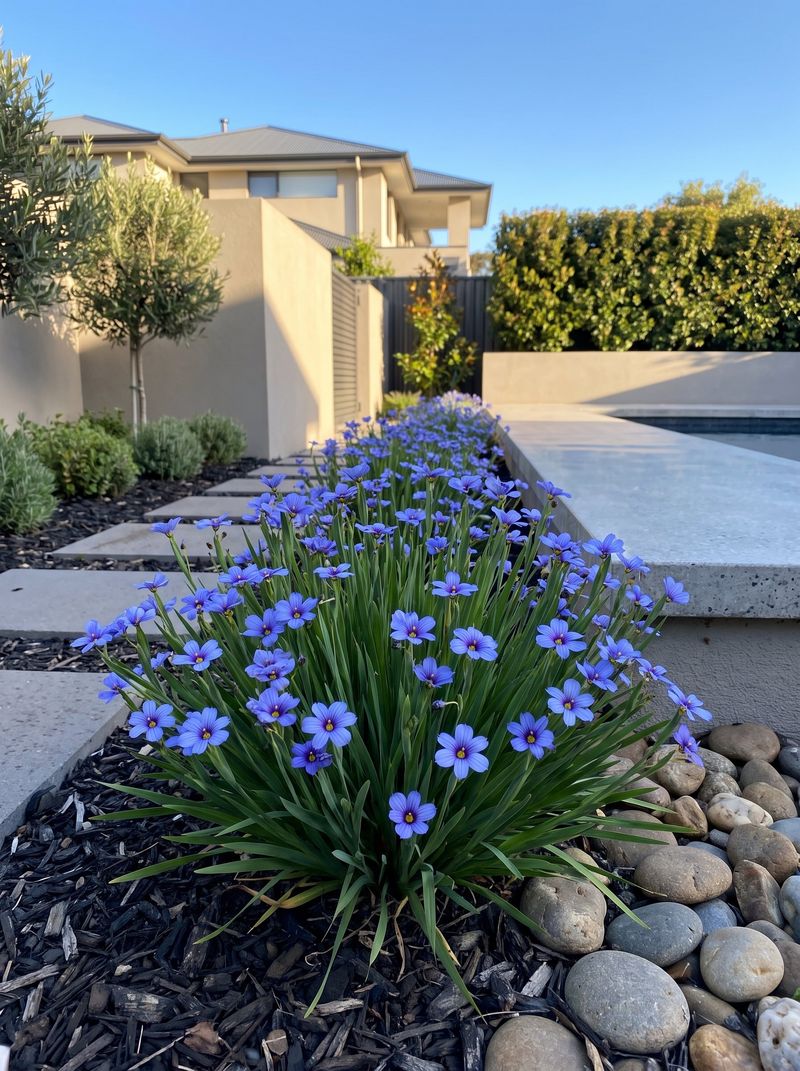
Small but cheerful, blue-eyed grass is actually an iris, not a grass. Its violet star-shaped flowers pop open on sunny spring mornings and close up by evening.
Clay that stays wet in winter and dries hard in summer is exactly what it knows from native grasslands. It goes dormant in the heat, then reseeds gently around the bed.
Tuck it along path edges or between stepping stones where you can see it up close. Native bees visit the blooms, and it pairs nicely with taller grasses in a meadow.
10. California Coffeeberry (Frangula californica)
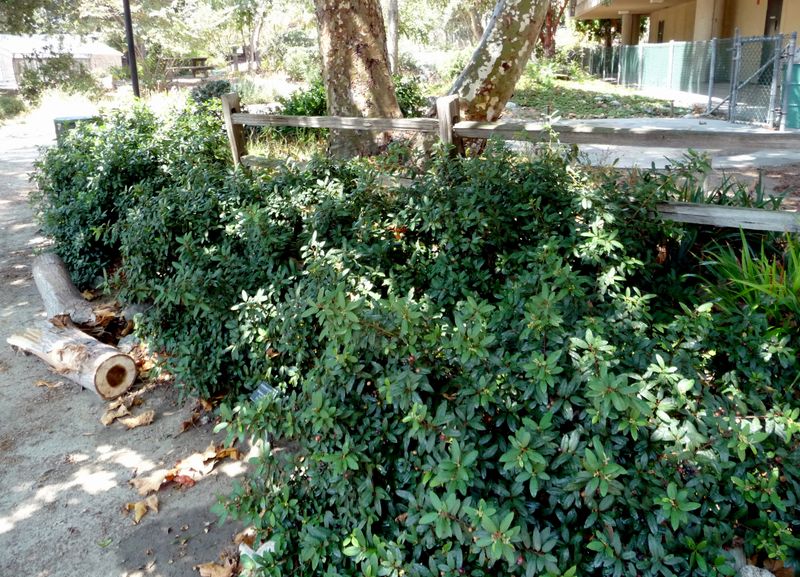
Need a hedge that looks polished but never begs for water? Coffeeberry has glossy leaves that stay handsome year-round, plus berries that ripen from green to red to nearly black.
Despite the name, it is not related to coffee. The beans just look similar, and birds such as thrushes and towhees gobble them up.
It handles clay in sun or partial shade, which makes it handy for side yards. Compact varieties like ‘Mound San Bruno’ stay smaller, so pick one sized for your space and you can skip constant pruning.
One easy takeaway for the whole list: plant in fall, mulch the surface instead of digging amendments in, and let winter rain do the hard work.