
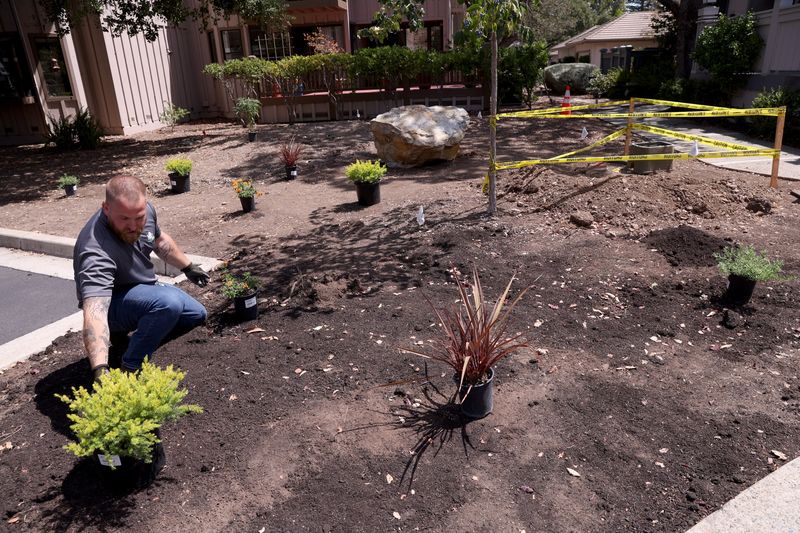
That shiny new tiller you used twice last spring is probably still sitting in your garage. Across California, a growing number of tool lending libraries let homeowners borrow garden gear for free or a small fee, so you can tackle lawn removal, mulching, or pruning without buying everything yourself.
Sharing tools saves money, saves garage space, and can make water-wise yard projects much easier to start. Here are eight libraries worth knowing about, plus what makes each one useful for your yard.
1. Berkeley Public Library Tool Lending Library
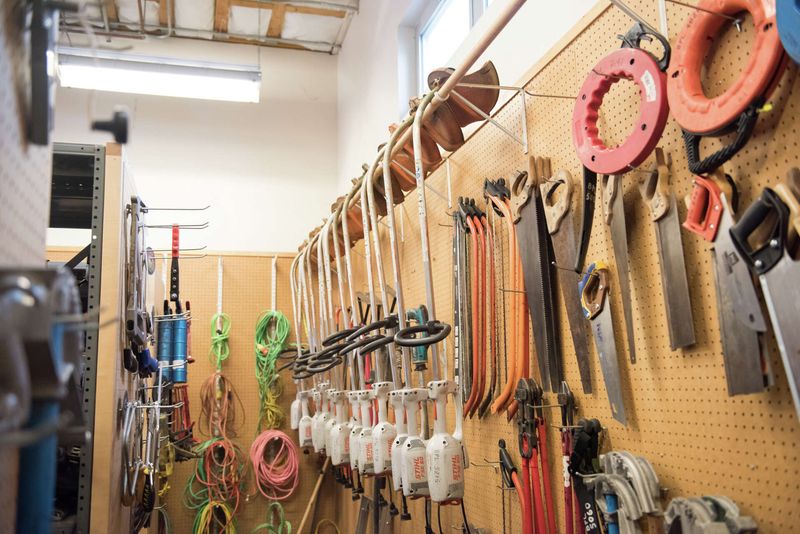
Back in 1979, Berkeley opened one of the first public tool lending libraries in the country, and it is still going strong. Residents can check out shovels, post hole diggers, loppers, and pruning saws much like they would borrow a novel.
For East Bay gardeners pulling out thirsty lawn to plant natives, the selection of digging tools is a real lifesaver. Borrowing periods are short, so plan your weekend project before you pick things up.
Bring proof of Berkeley residency and a library card. Staff can also point you toward the right tool if you are not sure whether you need a mattock or a spade.
2. Oakland Public Library Tool Lending Library
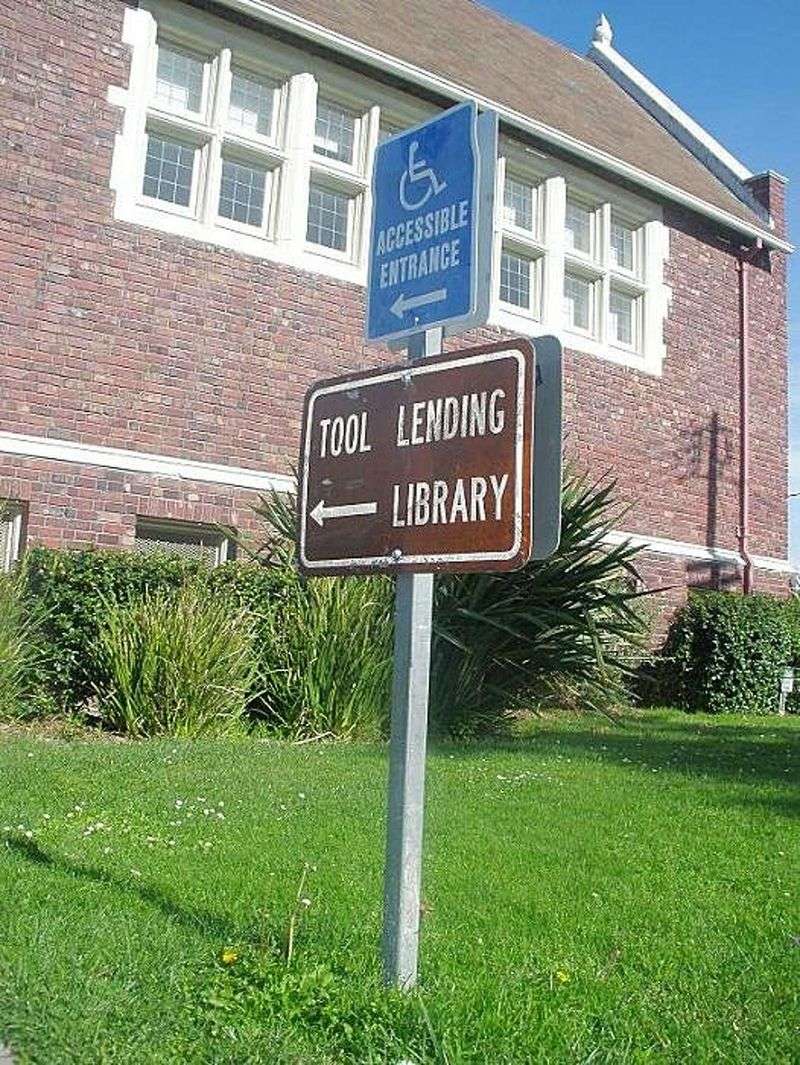
Tucked inside the Temescal branch, Oakland’s tool library holds thousands of items, and garden gear makes up a big share of them. Hedge trimmers, hoes, cultivators, and wheelbarrows all rotate through regular hands.
Neighbors often use it during the rainy months, when soil is soft and planting natives gives roots a head start before the dry summer. That timing lines up nicely with California’s Mediterranean climate.
Oakland residents with a library card can borrow at no cost. Arriving early on weekends may help, since popular items go out fast in planting season.
3. Sacramento Public Library Library of Things
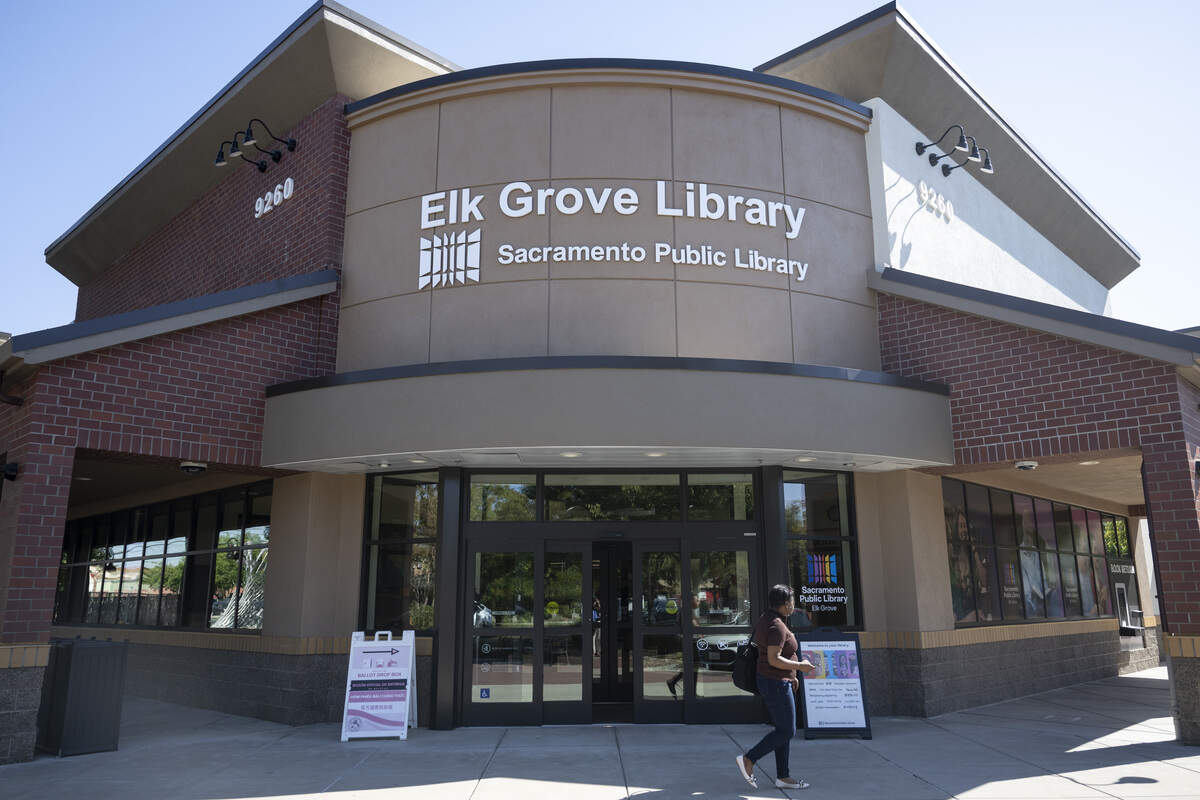
Ever wanted to test your soil before planting but balked at buying a kit? Sacramento’s Library of Things collection has included items like soil testers, gardening tools, and other handy gear at select branches.
Inland valley summers get scorching, so knowing your soil can help you pick drought-tolerant plants that actually thrive. A quick test may save you from replacing struggling shrubs later.
Collections change over time, so check the online catalog for your nearest branch before heading out. Many branches also host a seed library, which pairs perfectly with borrowed tools.
4. West Seattle-Style Community Tool Shares in Los Angeles
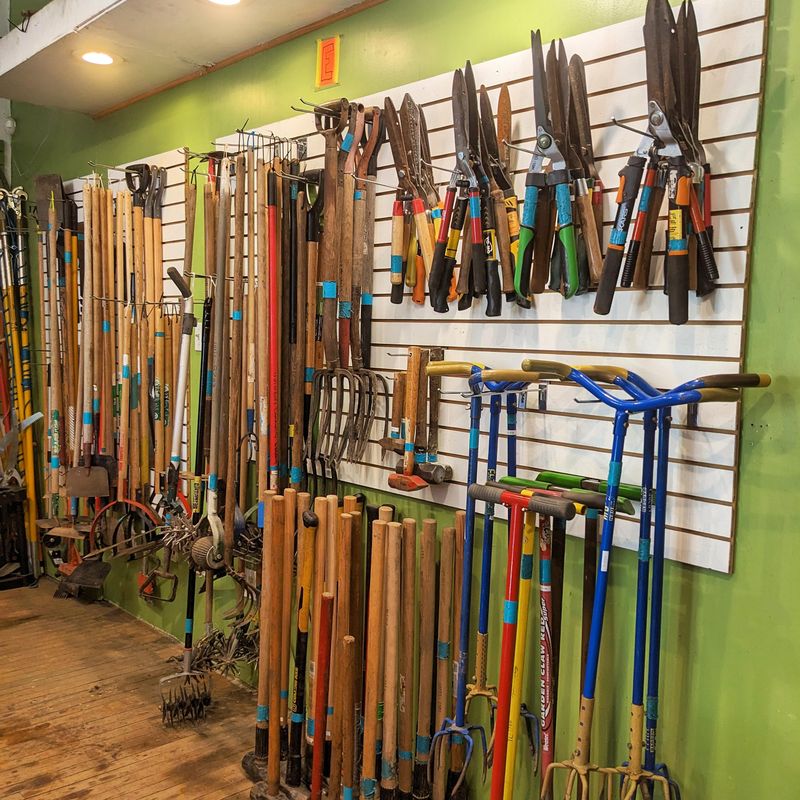
Los Angeles does not have one giant tool library, but volunteer groups and neighborhood councils run smaller tool shares across the city. Some operate from community gardens, while others pop up at weekend events.
Gardeners swapping turf for drought-tolerant plantings often lean on these groups for sod cutters, rakes, and mulch forks. Local volunteers usually know which plants handle LA heat, too.
Since offerings shift, search for your neighborhood plus “tool share” or ask at a nearby community garden. A small membership donation is common, and it keeps the tools sharp for everyone.
5. Santa Cruz Public Libraries Tool and Garden Collections
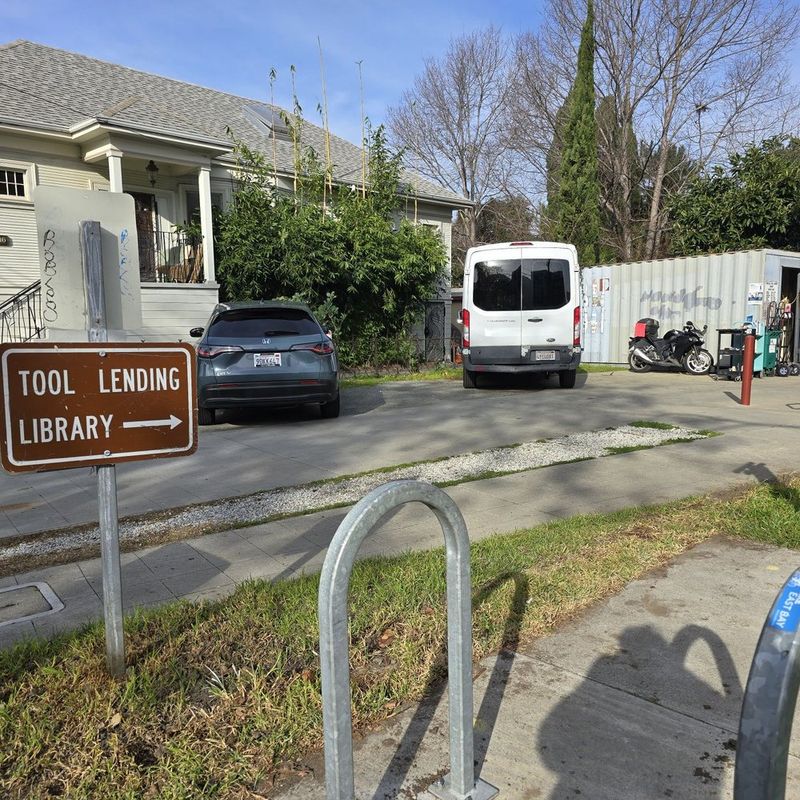
Foggy mornings and mild coastal weather make Santa Cruz a dream for native pollinator gardens. Local libraries have embraced that spirit with seed libraries and lending collections that may include gardening gear.
Borrowing a pair of quality pruners or a soil probe lets you tend sages and buckwheats that feed native bees. You skip the store, and your yard still gets some love.
Check branch listings first, because items can vary by location. Pair your visit with the seed library to grab locally adapted varieties.
6. San Diego Tool Lending and Repair Cafes
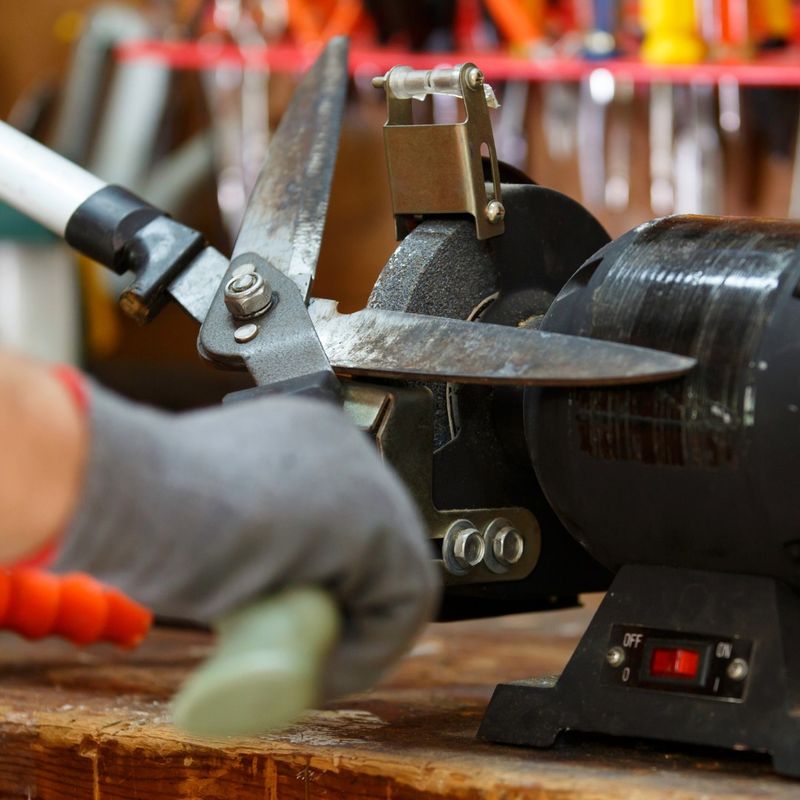
Picture a folding table, a sharpening stone, and a volunteer who can bring your rusty pruners back to life. San Diego repair cafes and tool share groups blend borrowing with fixing.
In a region with long warm seasons, tools see heavy use, and dull blades can tear plants instead of cutting cleanly. Clean cuts can reduce stress on shrubs and help them recover faster.
Events move around the county, so follow local sustainability groups for schedules. You may leave with a borrowed tool and a tune-up on the one you already own.
7. Fire-Safe Chipper Programs in Fire-Prone Counties
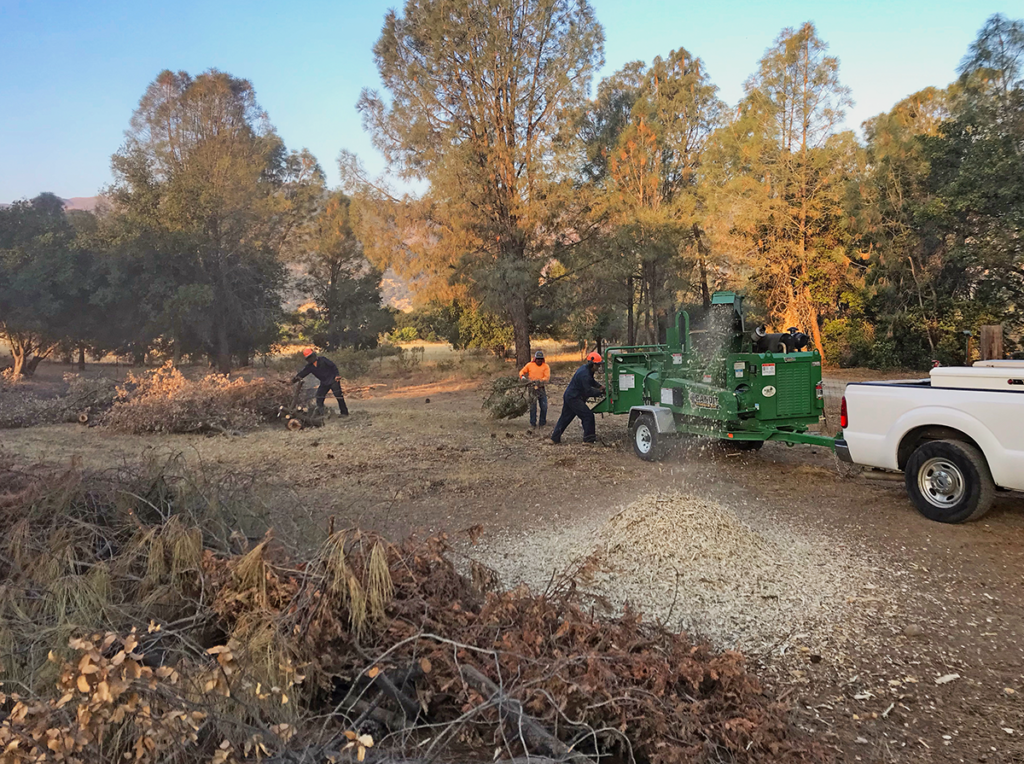
Clearing brush for defensible space is hard work, and renting a chipper can cost a lot. Many Fire Safe Councils in California counties offer free or low-cost chipper days for residents.
Rather than borrowing the machine, you stack cut branches near the road and a crew chips them for you. That turns hazardous fuel into mulch, which can help hold moisture in summer beds.
Hillside and wildland-interface homeowners benefit most, especially from late spring through fall. Contact your county Fire Safe Council to learn sign-up rules and brush pile limits.
8. Water District Lawn Conversion Tool Loans
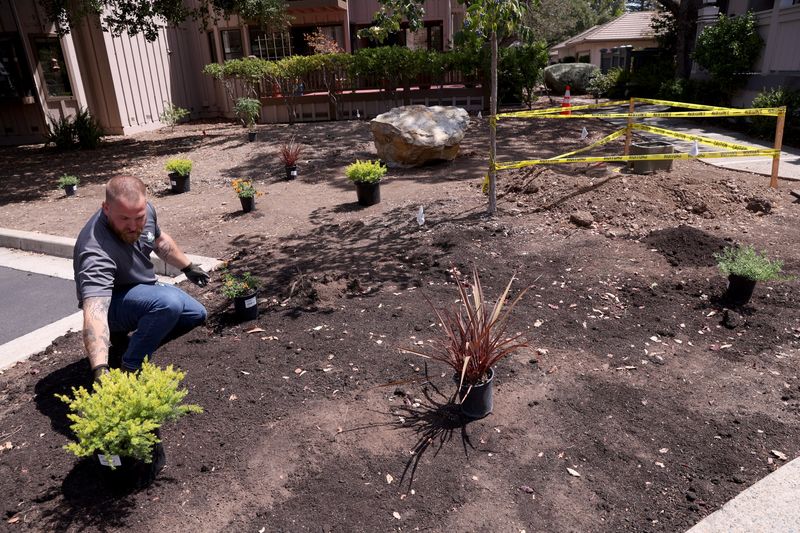
Here is a quiet perk many homeowners miss. Some California water districts and partner nonprofits have loaned out sod cutters, moisture meters, or drip irrigation kits to support turf replacement.
Programs differ widely, and some focus on rebates or workshops instead of loans. Still, asking your water provider can uncover gear or free classes that make a lawn swap far less scary.
Replacing turf with native plants can cut outdoor water use and give bees and birds more to eat. Borrowed tools plus a rebate check make that switch easier on your wallet and your yard.