 Complete Gardening
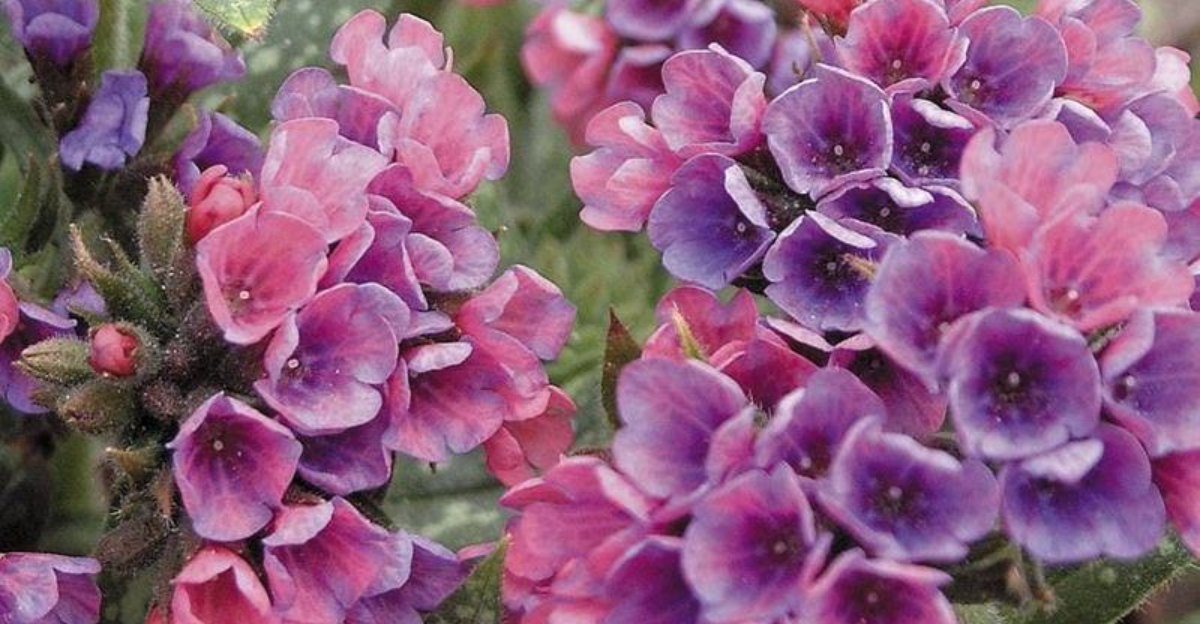
Discover the beauty of shade-loving perennial flowers that can transform your garden into a vibrant oasis.
These plants not only thrive in low-light conditions but also add a splash of color and texture to your green spaces.
1. Bugleweed (Ajuga reptans)
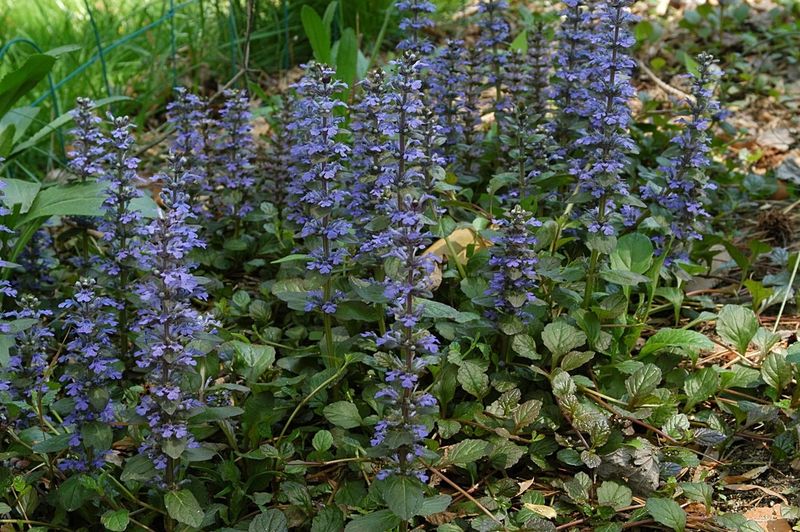
Bugleweed, or Ajuga reptans, is a steadfast groundcover that thrives in shaded areas, painting your garden with its rich blue-purple flowers each spring. Its dense foliage forms a lush carpet, providing an excellent solution for areas where grass struggles to grow. This plant is remarkably low-maintenance, making it perfect for those who prefer a fuss-free gardening experience.
Apart from its aesthetic appeal, Bugleweed is also beneficial for controlling erosion on slopes. Its vigorous growth habit ensures that it quickly covers bare spots, creating a unified and attractive look. It’s an all-around winner for shady spots.
2. Goat’s Beard (Aruncus dioicus)
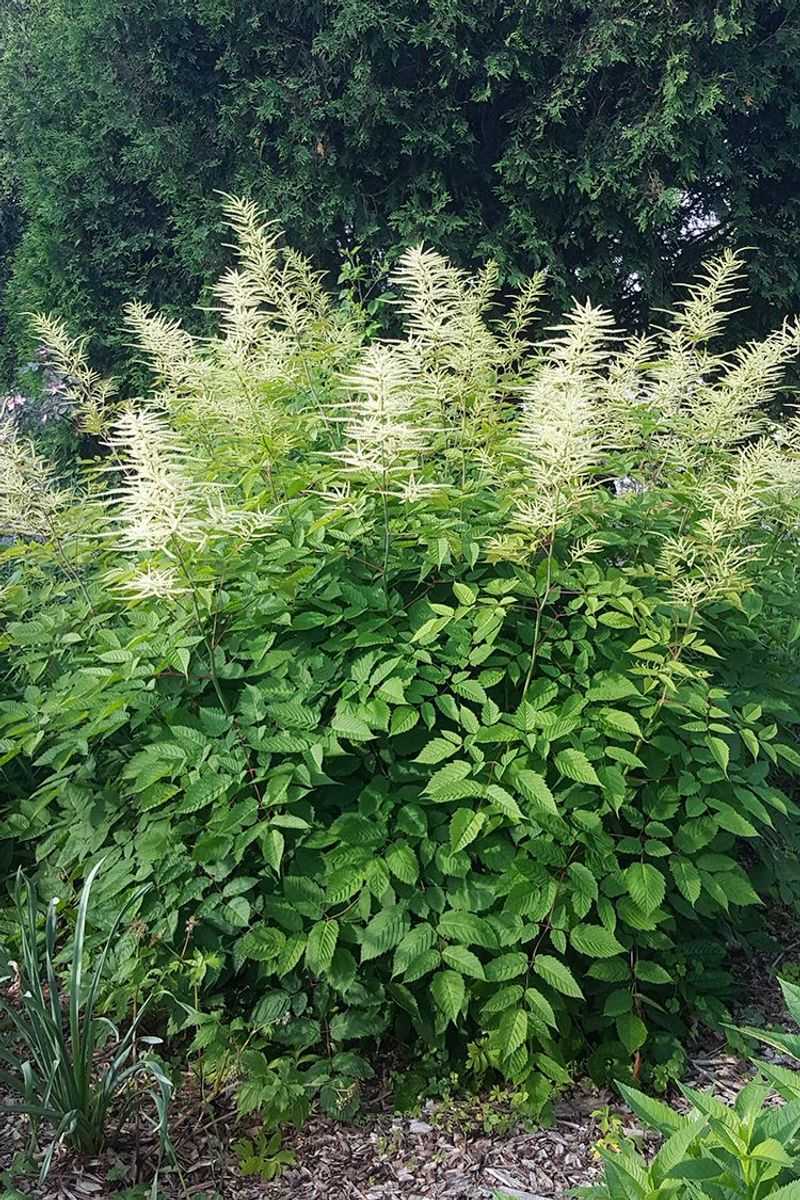
Standing tall and elegant, Goat’s Beard (Aruncus dioicus) brings a touch of drama to any shaded garden with its feathery, cream-colored plumes. Resembling a supersized astilbe, it reaches impressive heights, offering a striking contrast against darker foliage.
This perennial is not only visually appealing but also hardy and easy to grow. It’s perfect for creating a lush, woodland feel, particularly when planted in clusters. Goat’s Beard provides both height and texture, seamlessly blending with other shade-loving plants like hostas and ferns, making it an essential in any shade garden.
3. False Solomon’s Seal (Maianthemum racemosum)
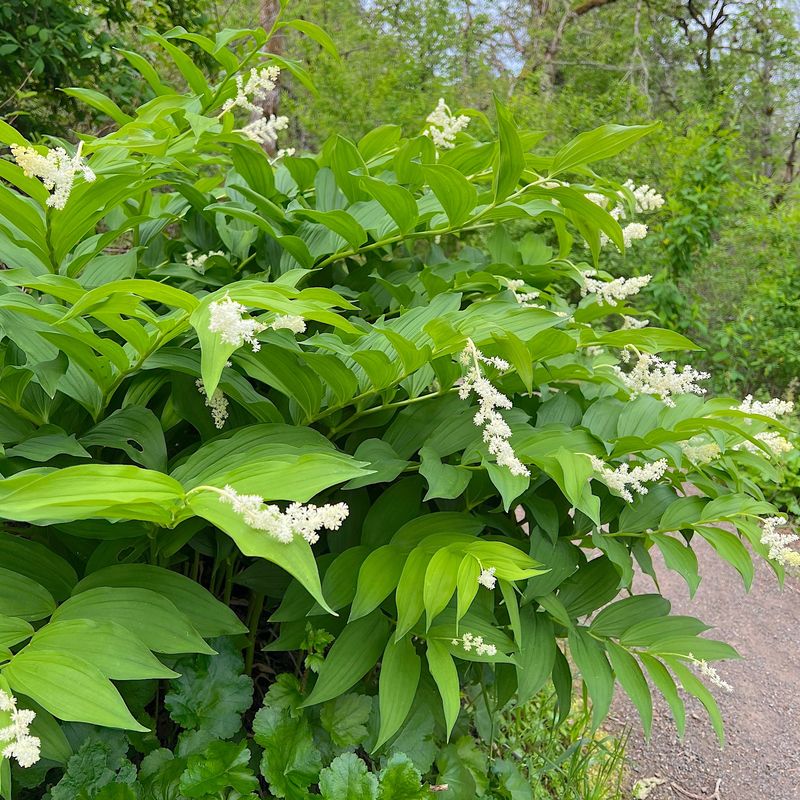
False Solomon’s Seal, known scientifically as Maianthemum racemosum, is a native woodland perennial distinguished by its graceful arching stems and clusters of starry white flowers. Unlike its namesake cousin, the blooms of False Solomon’s Seal appear at the tips, adding a unique charm.
Ideal for naturalizing in shaded areas, this plant contributes to the biodiversity of your garden by attracting pollinators. Its foliage turns a lovely golden yellow in the fall, offering a seasonal twist. This adaptability makes False Solomon’s Seal a versatile and robust choice for shade gardens.
4. Brunnera (Siberian Bugloss)
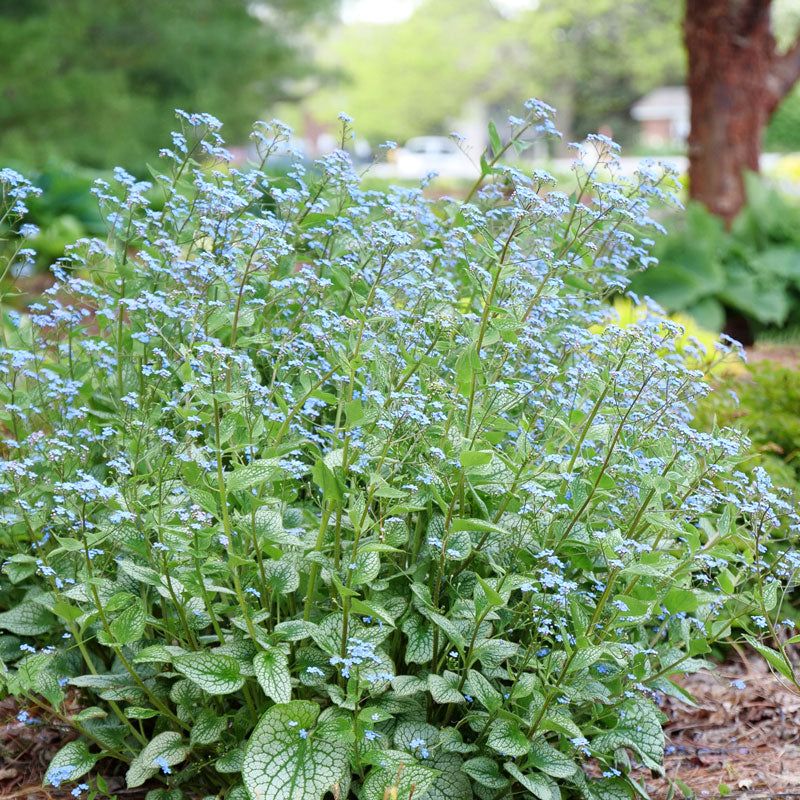
Brunnera, or Siberian Bugloss, is a perennial superstar in shaded gardens, famous for its heart-shaped, often silver-speckled leaves and charming blue flowers reminiscent of forget-me-nots. These blooms appear in spring, adding a dash of color and whimsy to the undergrowth.
This plant is not just about looks; it’s also durable and easy to grow, making it a favorite among gardeners. Whether used as groundcover or in a mixed border, Brunnera provides texture and visual interest. Its foliage remains attractive throughout the growing season, offering a continuous display of beauty.
5. Trillium
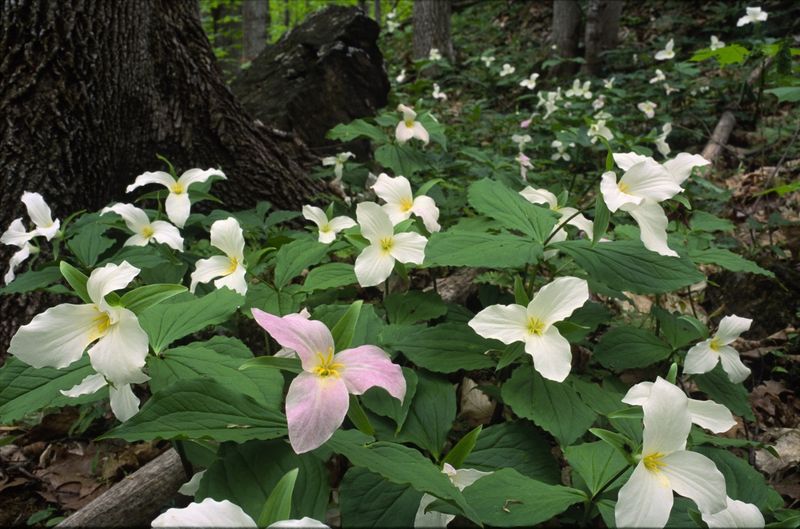
Trillium, a native woodland wildflower, stands as an icon of spring with its trio of petals that radiate elegance and simplicity. Thriving in deeply shaded areas, these plants prefer undisturbed locations, making them perfect for naturalized settings in your garden.
While often found in white, Trilliums can also present shades of pink or red, adding subtle beauty to your garden palette. They are not just ornamental but also play a role in supporting local ecosystems by providing habitat and food for native wildlife. Their presence marks the arrival of spring’s renewal.
6. Hardy Geranium (Cranesbill)
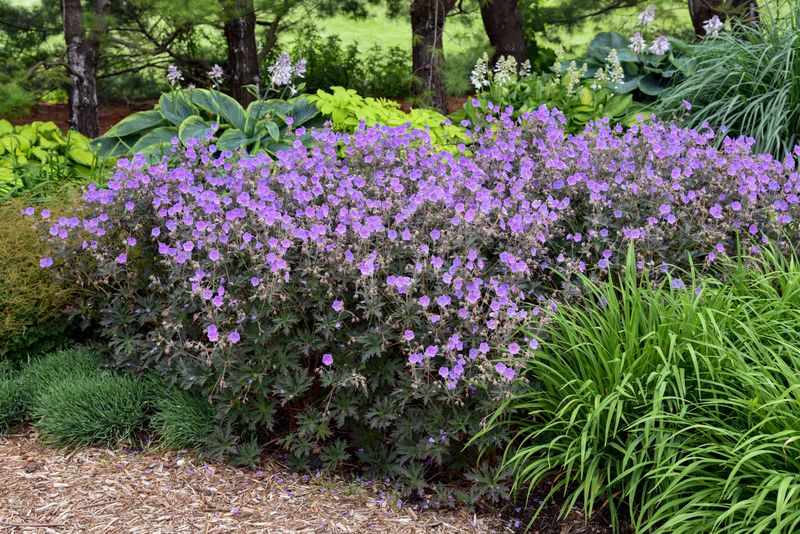
Hardy Geraniums, commonly known as Cranesbills, are a gardener’s delight, offering a burst of color and resilience in shaded garden corners. Unlike their more delicate annual counterparts, these perennials boast a tough constitution, thriving in less-than-ideal conditions.
Their flowers, ranging from pink to lilac, bloom generously, creating a lively tapestry against their green foliage. Hardy Geraniums are excellent for covering ground and suppressing weeds, providing both beauty and functionality. They require minimal care, making them an ideal choice for busy gardeners looking to add color to shaded areas.
7. Barrenwort (Epimedium)
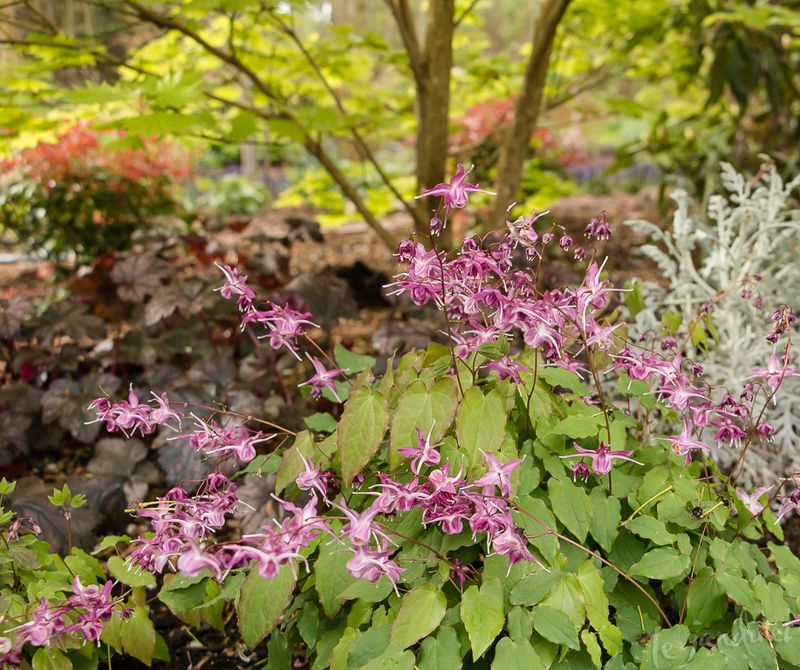
Barrenwort, or Epimedium, enchants with its delicate, fairy-like blooms and attractive, heart-shaped leaves. This perennial is a savior in dry, shaded areas where other plants may struggle. Once established, it is remarkably drought-tolerant, making it ideal for under trees where water can be scarce.
In addition to its floral charm, Barrenwort’s foliage often turns shades of red or bronze in the fall, adding seasonal interest. This versatile plant is great for adding a whimsical touch to woodland gardens, creating a serene and enchanting atmosphere with minimal maintenance.
8. Celandine Poppy (Stylophorum diphyllum)
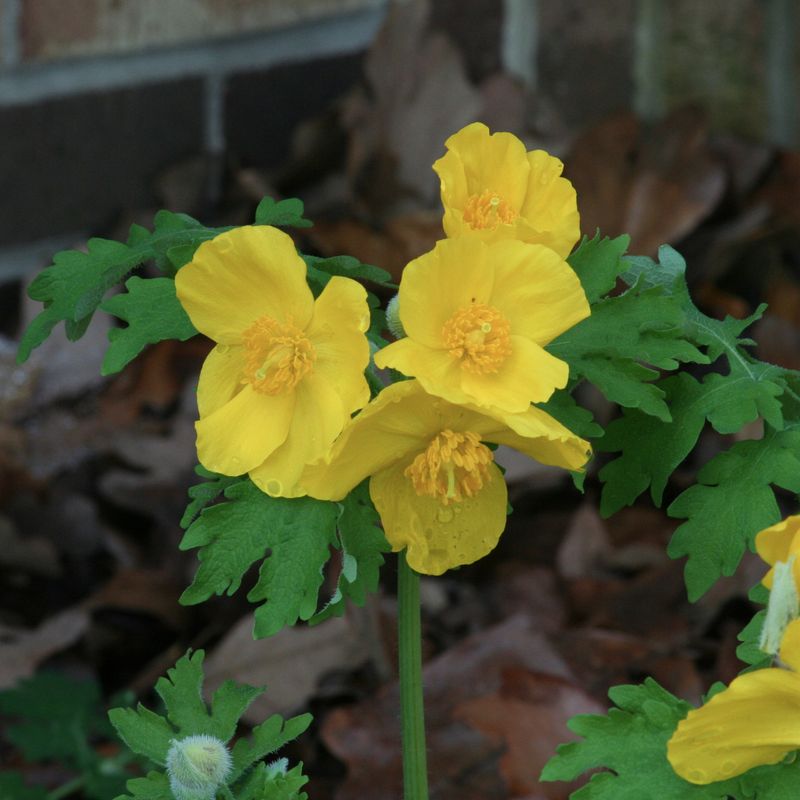
Celandine Poppy, scientifically known as Stylophorum diphyllum, brightens even the darkest garden corners with its cheerful golden-yellow blooms. A native wildflower, it thrives in shaded areas, offering vibrant color and a touch of the wild to your garden space.
The blooms appear in spring and early summer, providing a long-lasting display of sunshine-hued flowers. The plant’s deeply lobed leaves add texture, complementing its floral display. Celandine Poppy is a low-maintenance option, perfect for naturalizing in woodland settings, where its bright flowers can be a harbinger of warmer days.
9. Astilbe
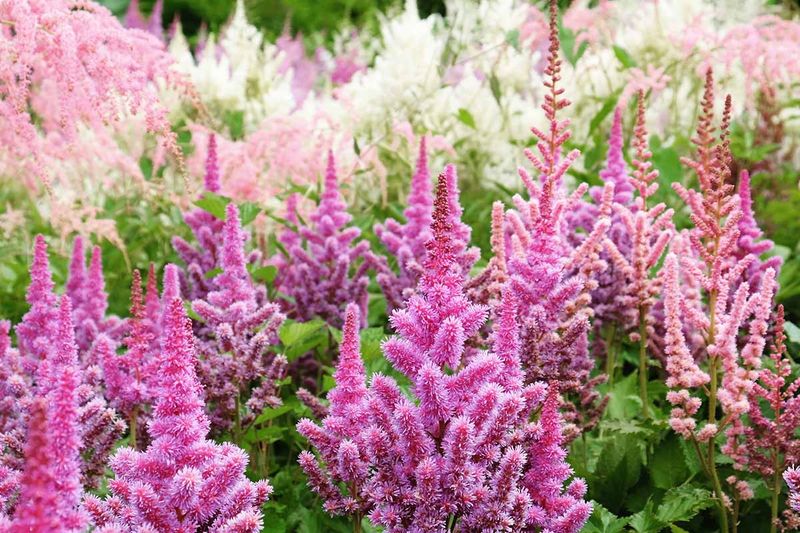
Astilbe, with its feathery plumes in shades of pink, white, and red, brings a touch of airy elegance to shady garden beds. These perennials are not only celebrated for their flowers but also for their fern-like foliage, which remains attractive even after the blooms have faded.
Perfect for moist, shaded areas, Astilbe thrives in conditions that mimic its native woodland habitat. It adds height and texture, making it an excellent companion for other shade-loving plants. Whether creating a soft backdrop or a focal point, Astilbe enchants with its versatile beauty and enduring charm.
10. Hosta
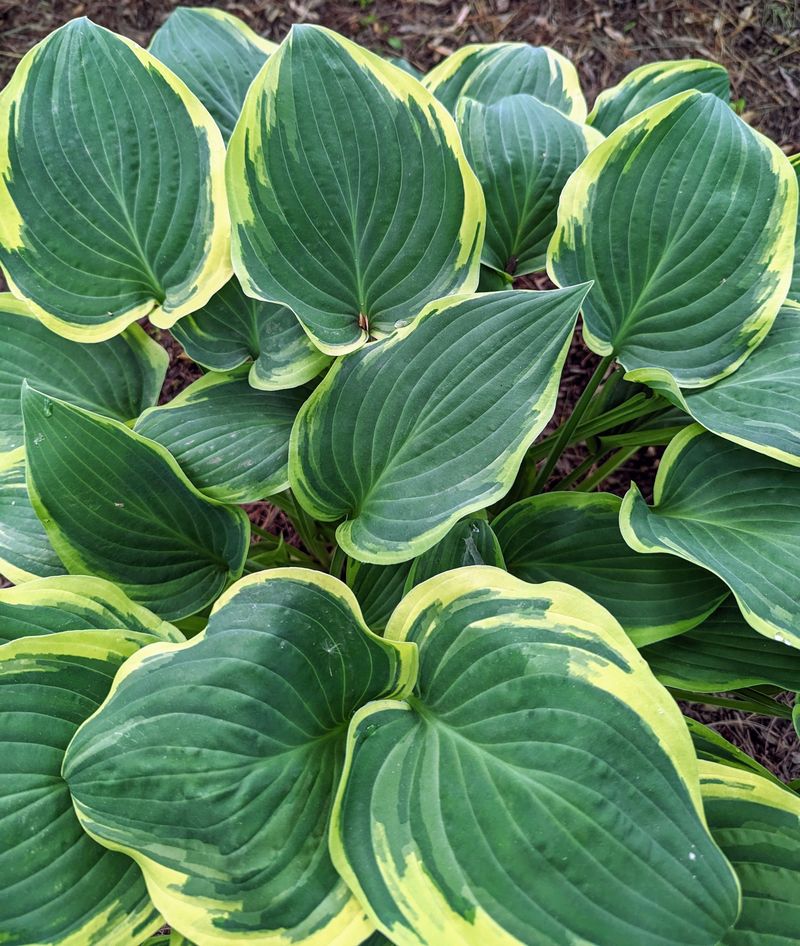
Hostas are the undisputed champions of shade gardens, renowned for their bold, textured leaves that come in a myriad of colors, from vibrant greens to striking blues and golds. These perennials are a gardener’s canvas, offering endless possibilities for creating visually arresting plantings.
Beyond their foliage, Hostas produce charming lavender or white flowers on tall spikes, adding vertical interest. With varieties suited for different shade levels, they are perfect for planting under trees or along shaded pathways. Hostas require minimal care and provide a lush, inviting backdrop for any shaded space.
11. Bleeding Heart (Dicentra)
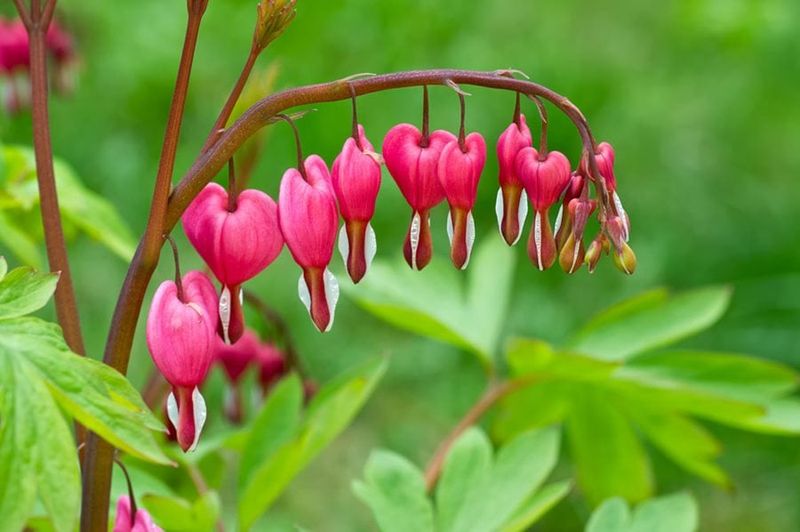
Bleeding Heart, known botanically as Dicentra, captivates with its unique heart-shaped flowers that dangle like delicate lanterns from arching stems. Thriving in cool, shaded areas, this plant brings a touch of romantic nostalgia to spring gardens.
Available in shades of pink and white, Bleeding Heart is an ephemeral beauty, blooming in early spring and retreating as summer approaches. Its graceful form and enchanting blooms make it a beloved choice among gardeners seeking to add a whimsical charm. It pairs beautifully with ferns and other shade-loving perennials, crafting a serene garden retreat.
12. Toad Lily (Tricyrtis)
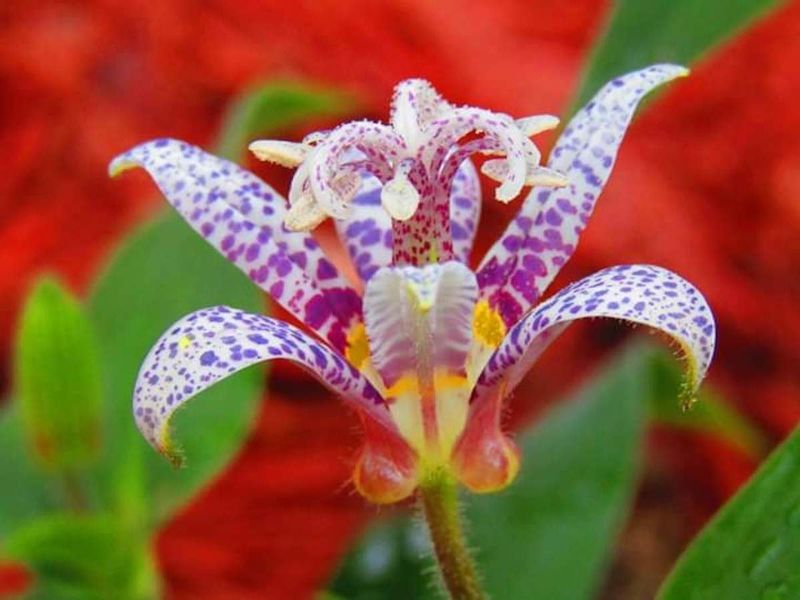
Toad Lily, or Tricyrtis, is a hidden gem of the shade garden, known for its exotic, orchid-like flowers that bloom in late summer to early fall. These intricate blossoms, speckled and colorful, make Toad Lily a standout plant in any shady spot.
Despite its delicate appearance, Toad Lily is robust and easy to grow. It thrives in woodland settings, where its unique flowers can surprise and delight as other plants begin to fade. With its late blooming season, Toad Lily provides continuous interest and ensures your garden remains vibrant well into the autumn months.
13. Hellebore (Lenten Rose)
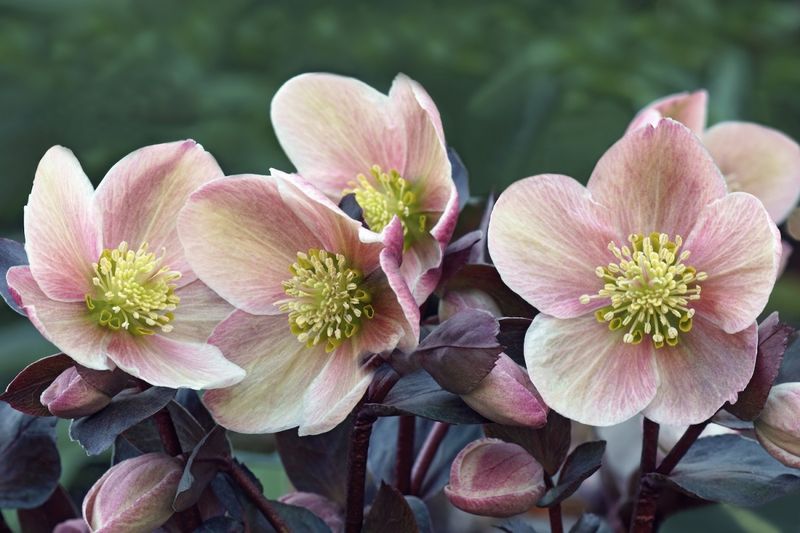
Hellebore, commonly known as Lenten Rose, is a winter-to-spring bloomer that thrives in deep shade, offering long-lasting flowers in dramatic hues like plum, green, and ivory. Its nodding blooms appear when few other plants dare, providing early-season color and life.
Not only known for its floral display, but Hellebore also boasts attractive evergreen foliage. It’s a hardy perennial that can withstand harsh conditions, making it a reliable choice for difficult spots. Perfect for naturalizing in woodland gardens, Hellebore adds structure and interest throughout the year, making it a gardener’s favorite.
14. Lungwort (Pulmonaria)
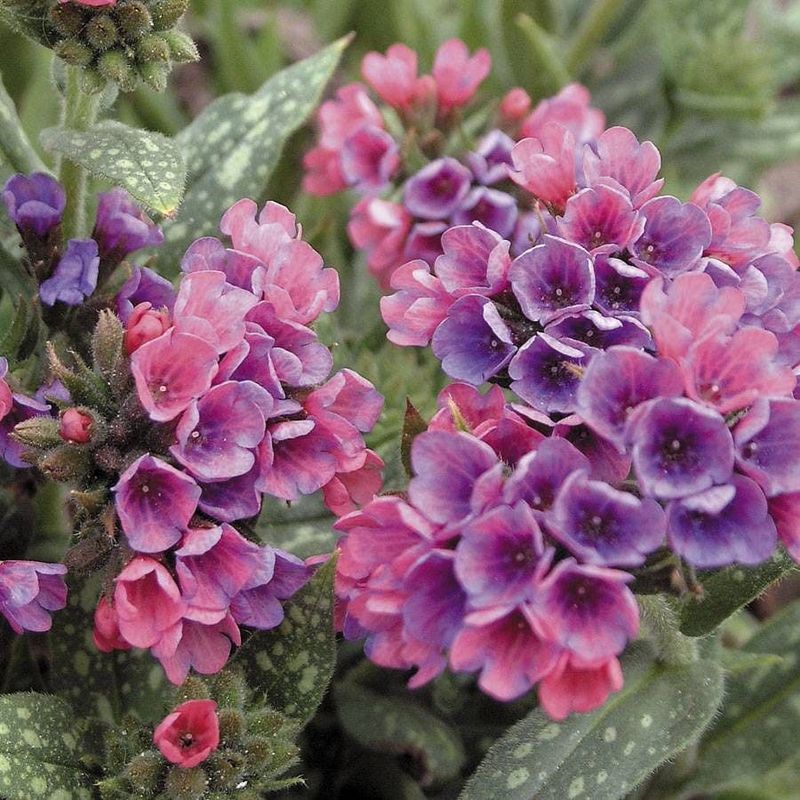
Lungwort, known scientifically as Pulmonaria, is a shade garden favorite, admired for its unique speckled foliage and early spring flowers. Its blooms can vary in color, appearing in shades of blue, pink, or white, adding a joyful splash to the garden.
This perennial is as practical as it is pretty, providing excellent groundcover in shaded areas. The distinctive dotted leaves remain attractive throughout the growing season, offering texture even when not in bloom. Lungwort’s early flowering also supports pollinators emerging in spring, making it a valuable addition to any eco-friendly garden.
15. Coral Bells (Heuchera)
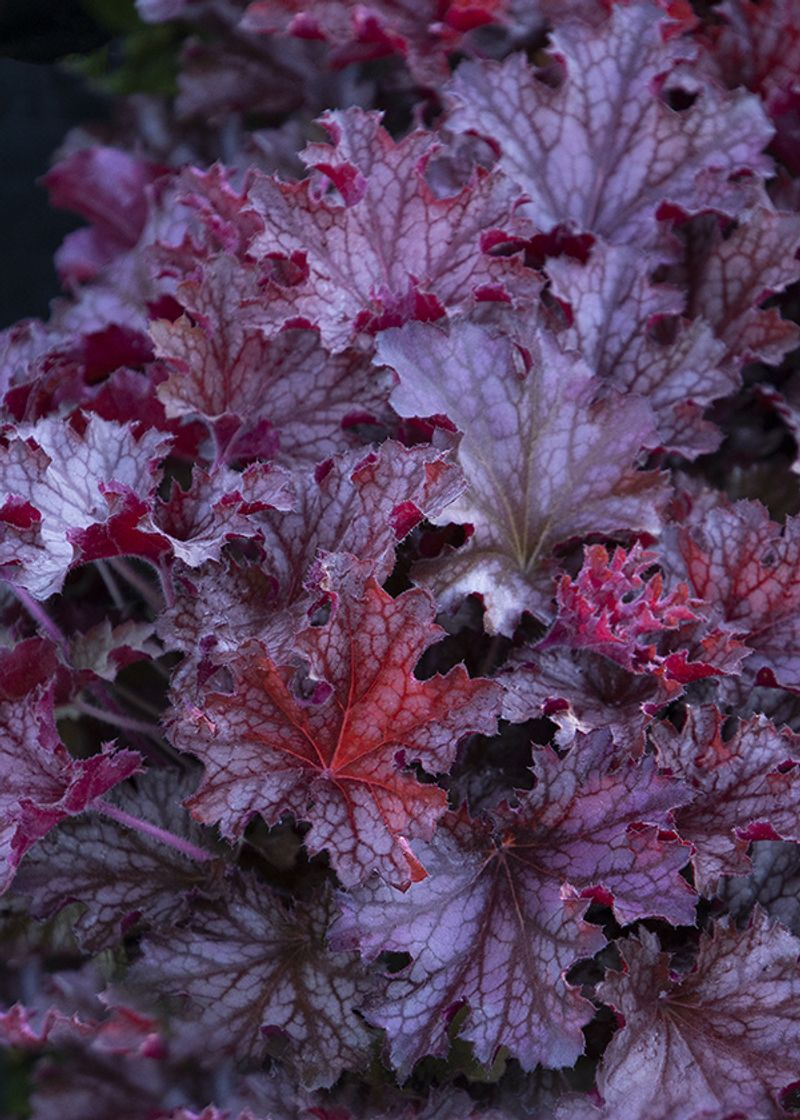
Coral Bells, or Heuchera, are celebrated for their striking foliage, which ranges in color from lime green to deep burgundy. These leaves provide an ever-changing palette, offering visual interest long after the bell-shaped flowers have come and gone.
Adaptable and low-maintenance, Coral Bells thrive in shaded or partially shaded locations, adding both height and color to garden beds. Their dainty flower stalks attract hummingbirds, enhancing the biodiversity of your landscape. Whether planted en masse or used as accents, Coral Bells are a designer’s dream for creating dynamic garden compositions.
16. Foamflower (Tiarella)
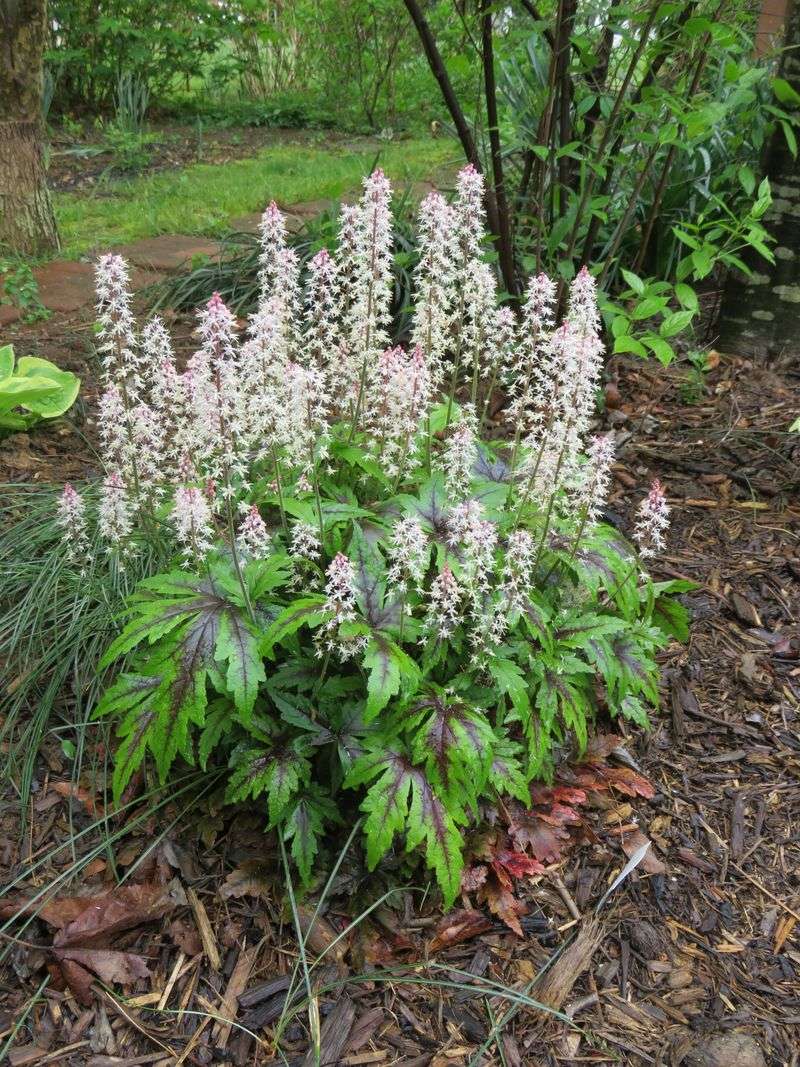
Foamflower, known as Tiarella, charms with its frothy white or pink blooms that appear to float above its foliage like delicate clouds. This perennial thrives in woodland settings, where its dainty flowers can add an ethereal touch.
The plant’s unique leaves often feature maroon markings, providing interest even when not in bloom. Foamflower is perfect for adding a layer of texture to shaded gardens, blending seamlessly with ferns and hostas. Its ability to naturalize quickly makes it a favorite for covering ground and preventing erosion, all while enhancing the garden’s aesthetic.
17. Solomon’s Seal
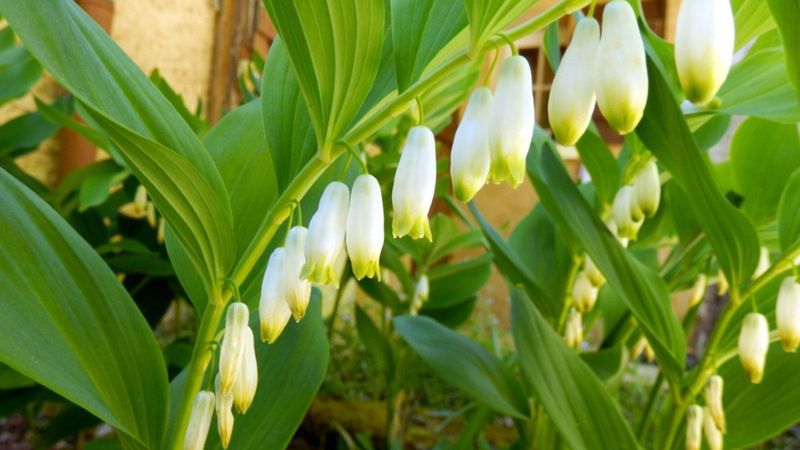
Solomon’s Seal is the epitome of elegance in shade gardens, with its arching stems and delicate, dangling white flowers. This plant exudes a timeless woodland vibe, perfect for adding sophistication to any garden space.
Its foliage remains lush and green through the growing season, turning a lovely golden yellow in the fall. Solomon’s Seal is not just decorative but also resilient, tolerating a range of soil conditions. It’s ideal for planting along shaded borders or in woodland gardens, where its graceful form can be admired from all angles.
18. Columbine (Aquilegia)
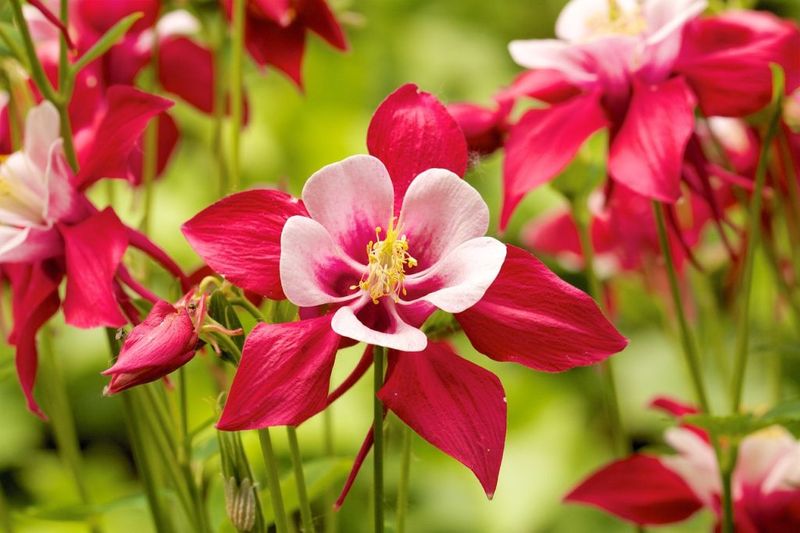
Columbine, known by its scientific name Aquilegia, is a delightful addition to any shaded garden, offering unique spurred flowers in a spectrum of colors. These blooms, resembling delicate lanterns, sway gently in the breeze, adding movement and charm.
Columbine is adaptable and easy to grow, making it suitable for both beginners and experienced gardeners. It thrives in part shade, making it a versatile choice for filling garden gaps. Beyond its beauty, Columbine supports wildlife by attracting pollinators, contributing to a vibrant and lively garden ecosystem.
19. Japanese Anemone
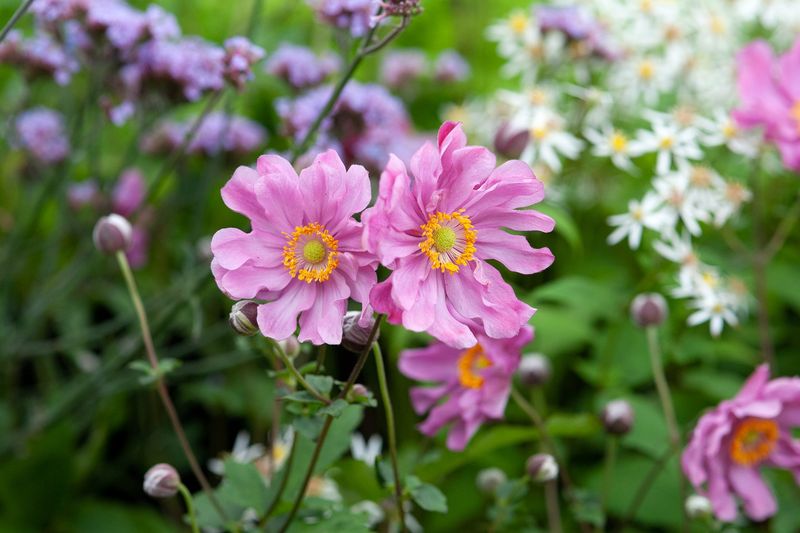
Japanese Anemone adds late-season beauty to shade gardens with its tall, airy flowers that flutter in the autumn breeze. Typically blooming in soft pinks, these perennials provide a bridge between summer and fall, ensuring your garden remains colorful.
Despite their delicate appearance, Japanese Anemones are hardy and easy to grow. They thrive in part shade and can reach impressive heights, making them ideal for the back of borders. Their extended blooming period and ability to spread make them a valuable addition for maintaining garden interest as the seasons change.
20. Virginia Bluebells (Mertensia virginica)
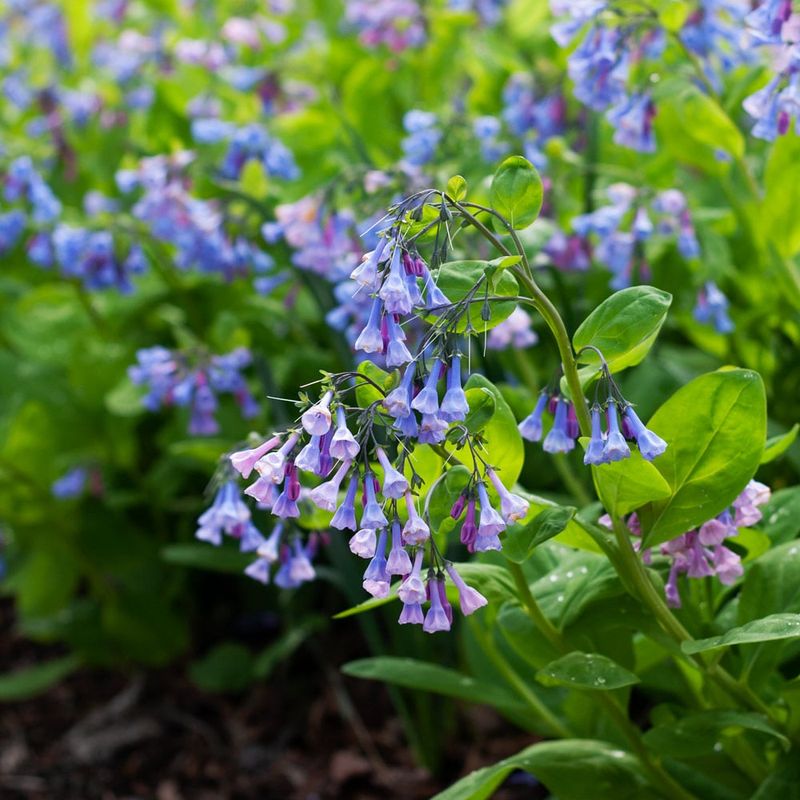
Virginia Bluebells, or Mertensia virginica, light up shady spots with their nodding clusters of pink buds that open into sky-blue flowers. These spring ephemerals provide a stunning display as they burst into bloom, heralding the arrival of warmer days.
Growing naturally in woodland settings, Virginia Bluebells thrive in moist, shaded areas. They are perfect for naturalizing, creating a carpet of blue that complements other spring bloomers. As the summer heat arrives, they gracefully retreat, allowing other plants to take center stage, ensuring continuous garden interest.