 Complete Gardening
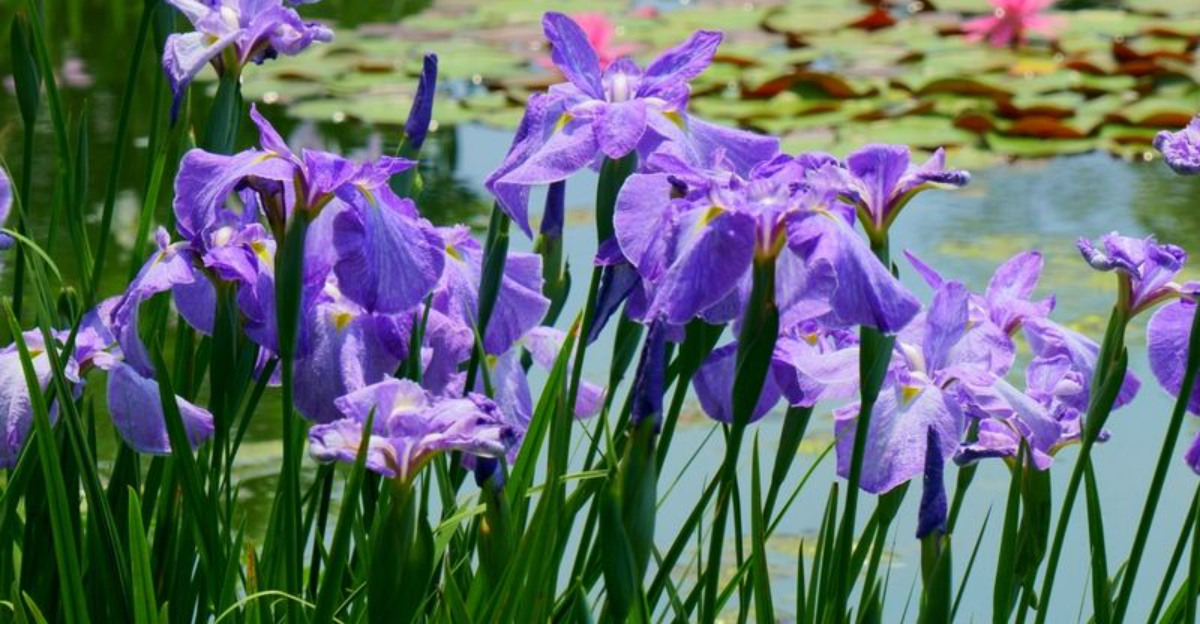
Many gardeners view wet, boggy areas as a challenge, but these conditions are actually ideal for a unique group of plants that thrive in moisture-rich environments.
These 10 bog plants not only adapt to soggy conditions but also bring vibrant colors, unique textures, and ecological benefits to your garden.
1. Pitcher Plant (Sarracenia spp.)
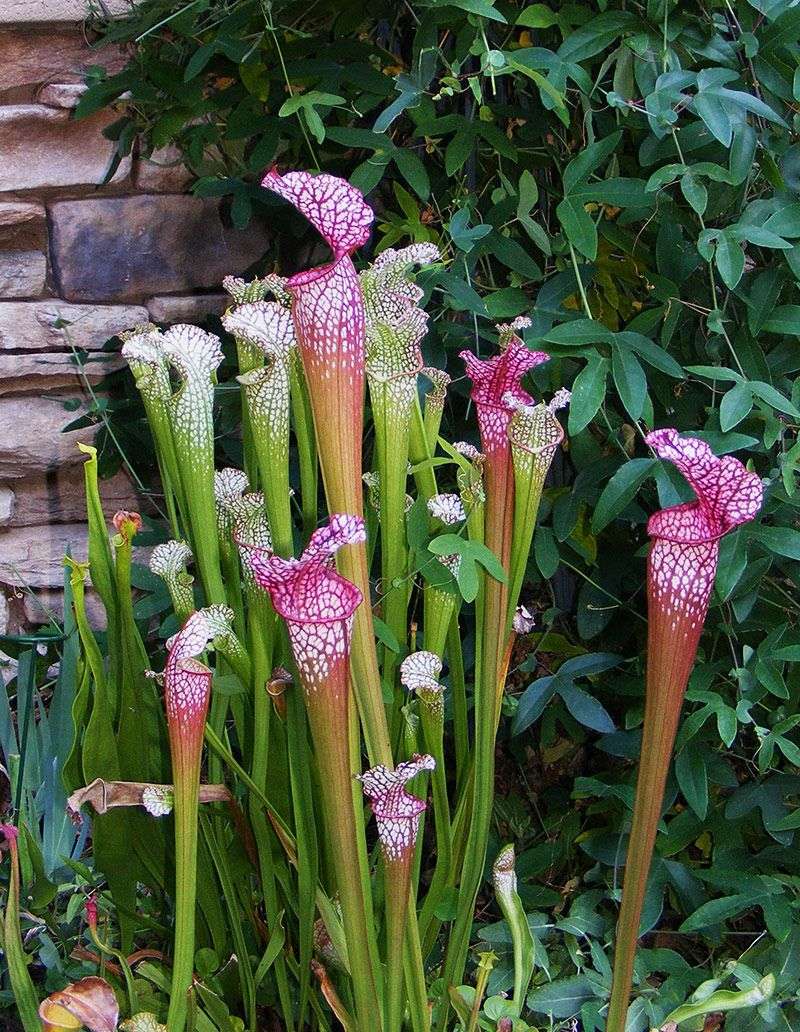
In the realm of carnivorous plants, the pitcher plant stands out with its captivating forms. Nestled in acidic, nutrient-deprived bogs, this plant turns the tables by devouring unsuspecting insects. Imagine a garden where nature’s drama unfolds as insects are lured to their doom by the plant’s sweet nectar.
Its tubular leaves, often tinged with red, serve as pitfall traps. This not only adds a unique aesthetic to any bog garden but also offers natural insect control. Perfect for those who appreciate both beauty and botanical intrigue.
2. Marsh Marigold (Caltha palustris)
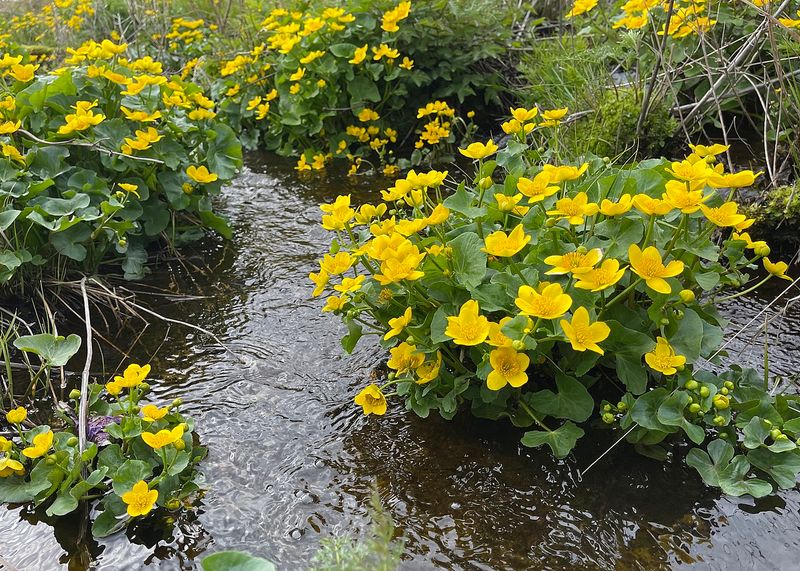
The Marsh Marigold heralds spring with its sunny disposition and vibrant yellow blooms. Thriving along stream banks and marshy areas, it transforms soggy patches into radiant displays of color. Early blooming makes it a beacon of life in otherwise dormant landscapes.
Its cheerful flowers are not just eye-catching but also provide early nectar for pollinators. As one of the first signs of spring, it signals the garden’s awakening. Ideal for gardeners seeking to infuse energy and brightness into their wetland spaces.
3. Cardinal Flower (Lobelia cardinalis)
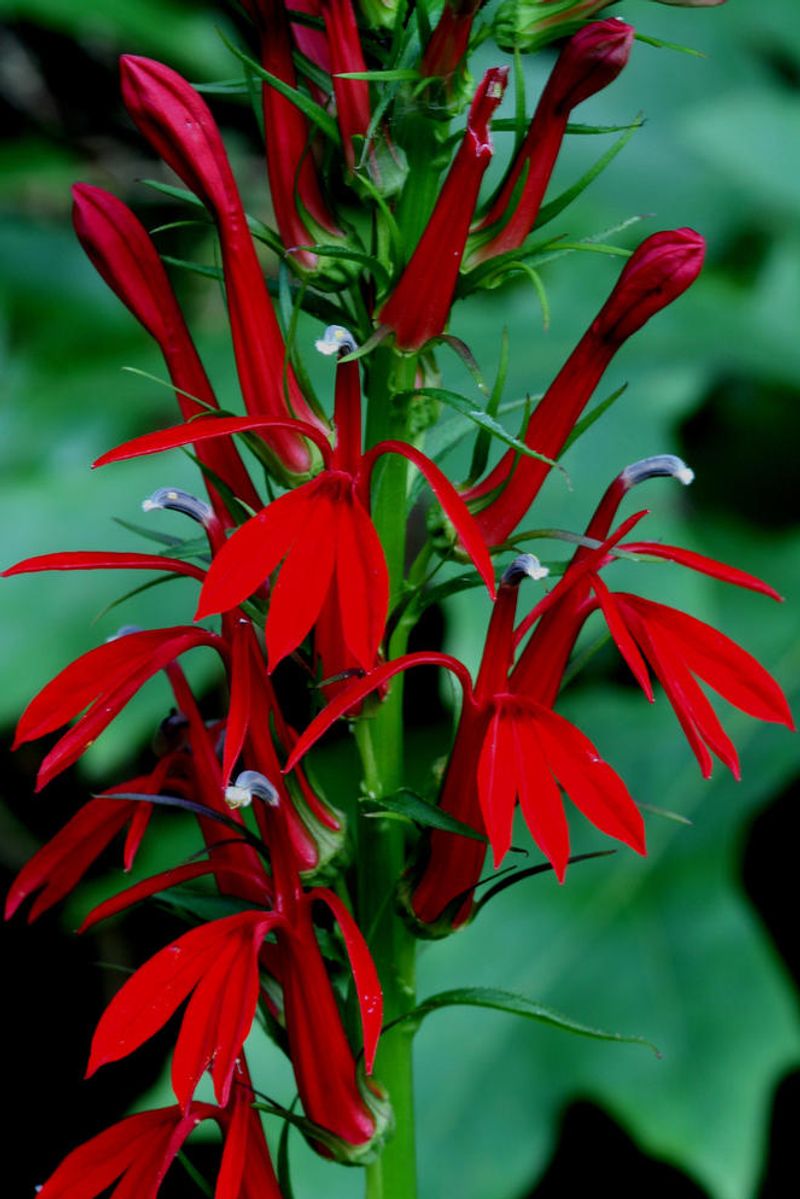
With its fiery red spikes, the Cardinal Flower brings a splash of excitement to any moist garden. Its preference for saturated soils and partial sun makes it a perfect candidate for boggy spaces.
A favorite among hummingbirds, its blooms act as nature’s own bird feeder. Seeing these vibrant flowers swaying in the breeze, while delicate hummingbirds dart from blossom to blossom, can be a magical garden experience. Ideal for those wishing to attract wildlife and add bold color.
4. Bog Rosemary (Andromeda polifolia)
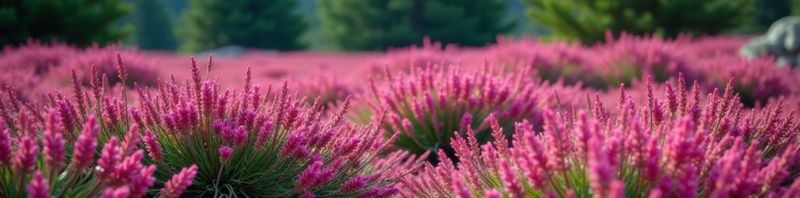
Bog Rosemary isn’t your typical garden rosemary. This plant thrives in cool, acidic bogs, offering a delicate beauty with its bell-shaped pink flowers. Its narrow, evergreen leaves provide year-round interest, making it a constant presence in the garden.
Its subtle elegance adds a gentle touch to any waterlogged landscape. This plant is perfect for those who appreciate understated beauty and desire a resilient addition to their damp garden areas.
5. Joe-Pye Weed (Eutrochium purpureum)
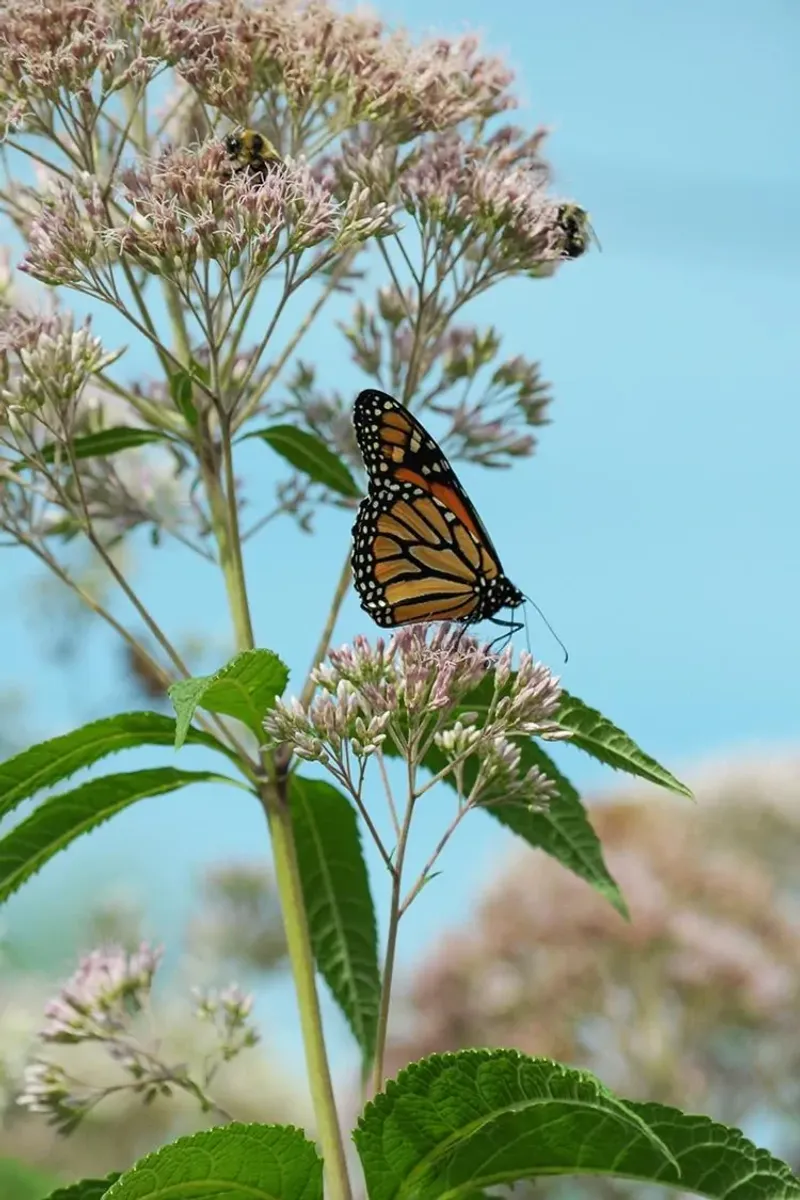
Towering over its bog companions, Joe-Pye Weed is a plant of stature and grace. Its majestic presence is complemented by pinkish-purple flower clusters that appear in late summer, offering a nectar-rich feast for butterflies.
Despite its commanding height, it is a gentle giant, adding structure and drama to back-of-the-bog plantings. With its air of nobility, Joe-Pye Weed is a must-have for gardeners looking to create a haven for pollinators and elevate their wetland aesthetics.
6. Swamp Milkweed (Asclepias incarnata)
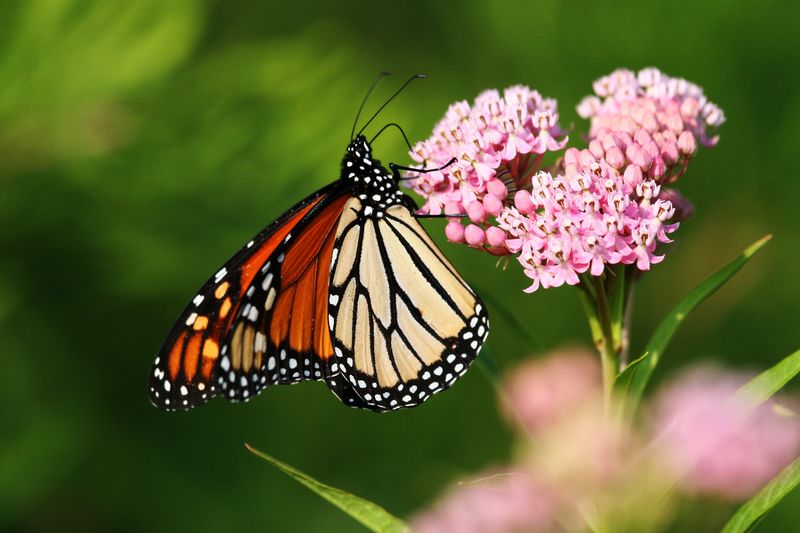
Swamp Milkweed is the unsung hero of bog environments, known for its ecological benefits. Flourishing in wet areas, it’s a crucial host plant for monarch butterflies, offering them a place to lay eggs and caterpillars a source of nourishment.
Its clusters of pink flowers add a soft touch to marshy landscapes, while its presence supports butterfly conservation. For gardeners passionate about wildlife preservation, incorporating swamp milkweed is a rewarding choice that nurtures both garden beauty and ecological health.
7. Sensitive Fern (Onoclea sensibilis)
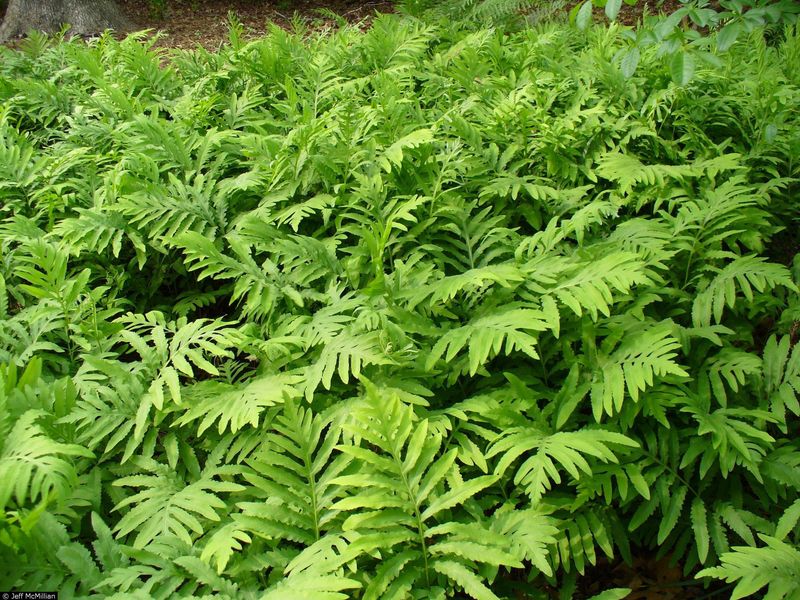
The Sensitive Fern, with its airy fronds and soft texture, thrives in wet soils and partial shade. Its name reflects its nature, as the foliage quickly wilts with the first frost, offering a dramatic seasonal change.
This adaptability makes it a versatile addition to any bog garden. Whether lining a water feature or filling a shaded nook, the Sensitive Fern provides a verdant backdrop that enhances the garden’s lushness. Ideal for those who appreciate nature’s cycles and seasonal transformations.
8. Turtlehead (Chelone obliqua)
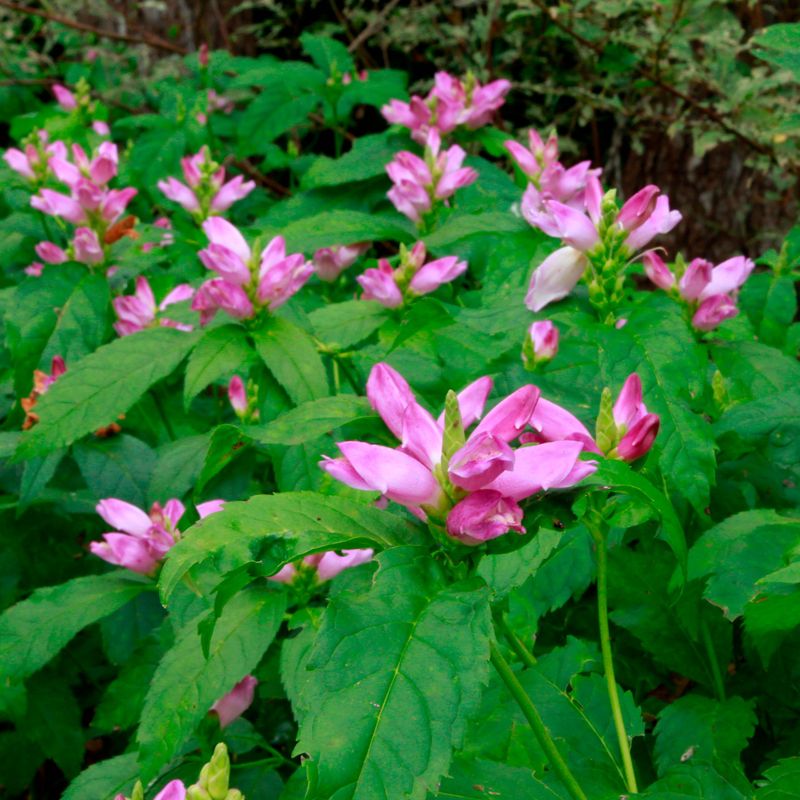
Turtlehead’s blooms are something to behold—resembling turtle heads, they add a whimsical touch to gardens. Preferring consistently moist soil, this plant flourishes in light shade, making it a delightful addition to boggy areas.
Its pink or white flowers bring a sense of playfulness to the garden, contrasting beautifully with the rich greenery. Turtlehead’s quirky blooms make it a charming choice for those looking to add personality and visual interest to their wetland plantings.
9. Japanese Iris (Iris ensata)
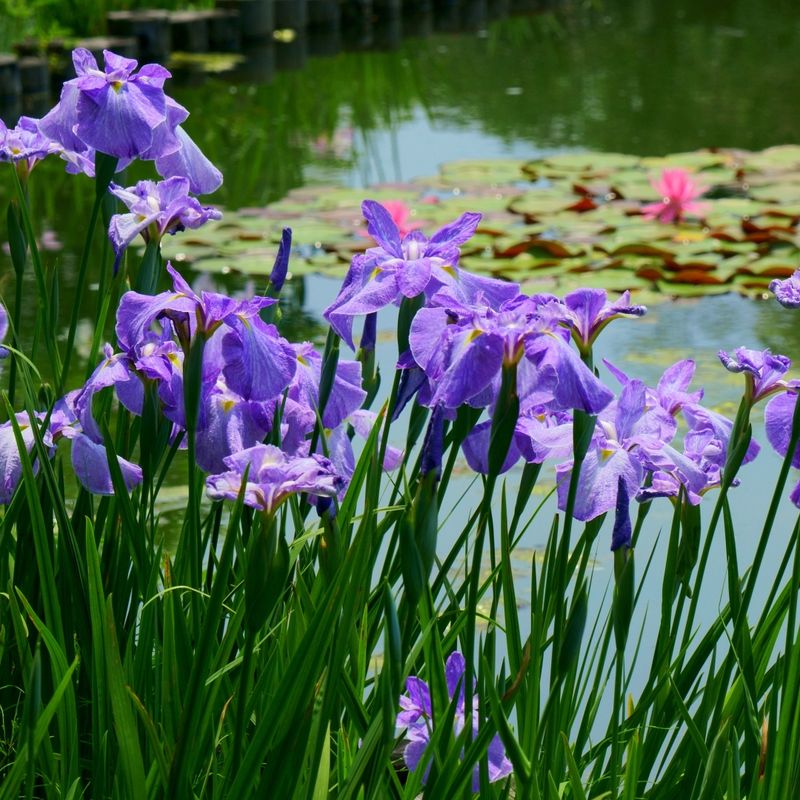
Elegance defines the Japanese Iris, a favorite for bog edges and pond margins. Its large, intricate purple or white flowers bloom in early summer, offering a refined beauty that captivates all who see it.
This iris thrives in moisture, making it a natural choice for waterlogged areas. Its graceful form and striking blooms make it a standout feature in any garden setting. Ideal for those who seek sophistication and timeless beauty in their garden designs.
10. Corkscrew Rush (Juncus effusus ‘Spiralis’)
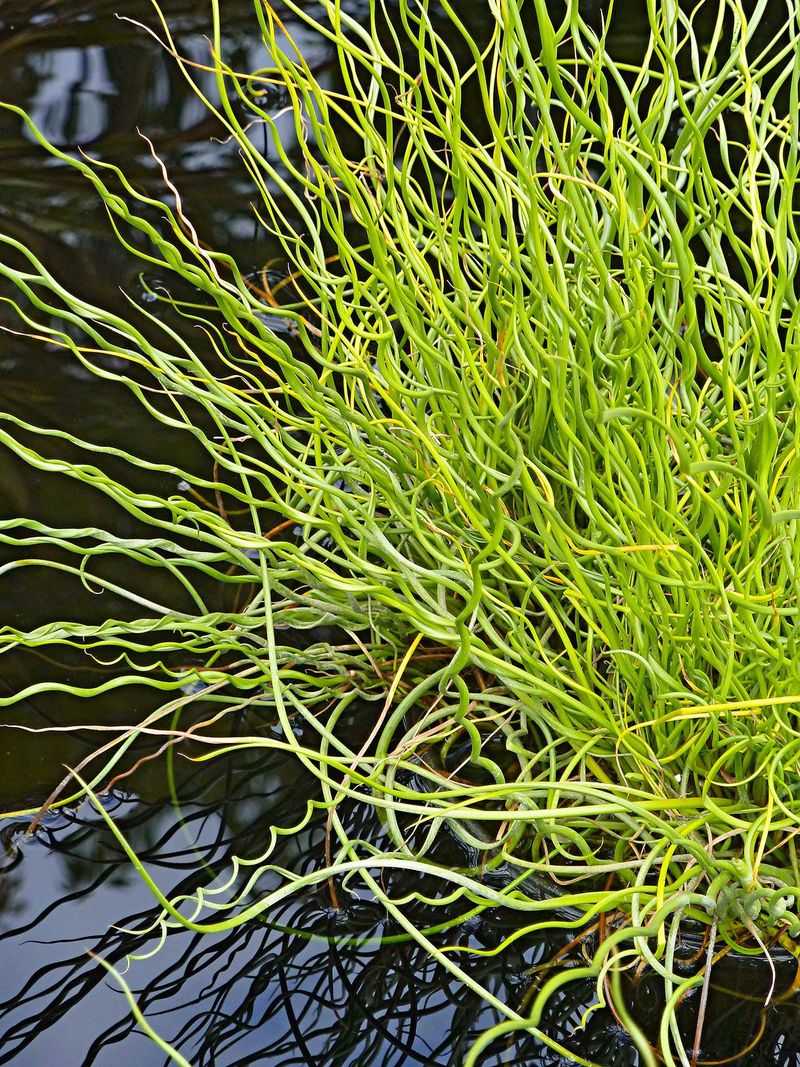
Corkscrew Rush is a plant full of character, with its curly, spiraled stems drawing attention in any waterlogged spot. Its unique form adds texture and whimsy to the garden, creating visual interest year-round.
This grass-like plant thrives in boggy conditions and offers a playful contrast to more traditional plant shapes. Perfect for gardeners looking to incorporate unconventional elements and a sense of fun into their water-feature or rain garden designs.