 Complete Gardening
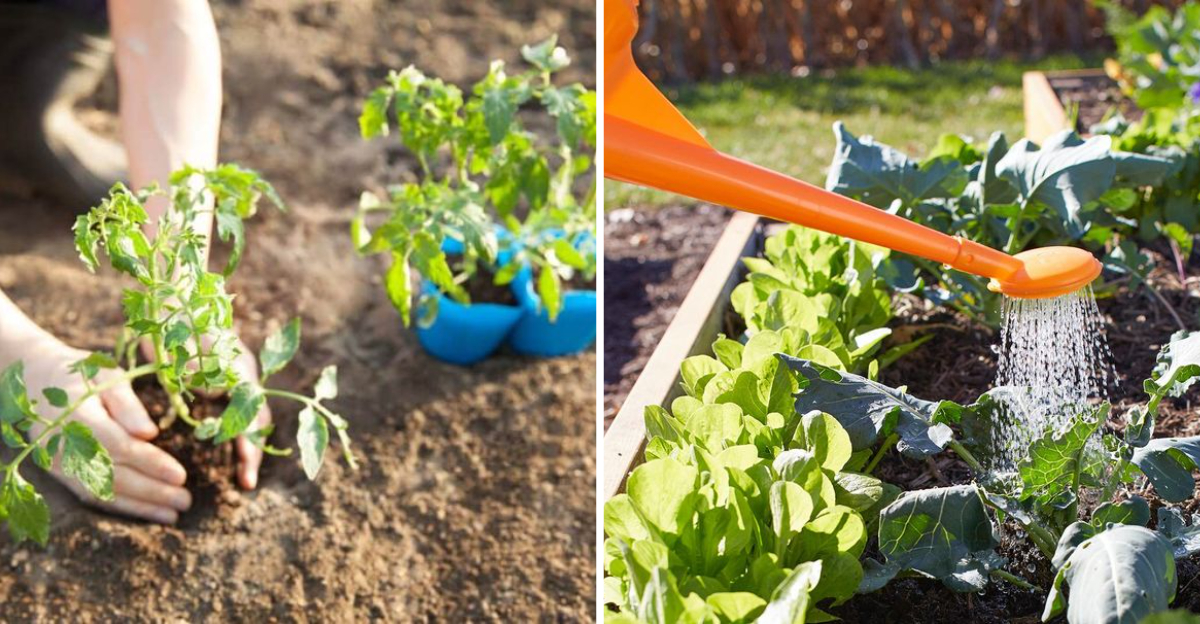
Embarking on a 31-day journey to test soil for growing tomatoes transformed my approach to gardening. This experiment revealed surprising insights and practical strategies that can revolutionize the way we cultivate this beloved fruit. Through careful observation and methodical testing, I discovered the profound relationship between soil quality and tomato health, leading to a deeper appreciation for the intricacies of gardening.
1. Day 1: Setting the Stage
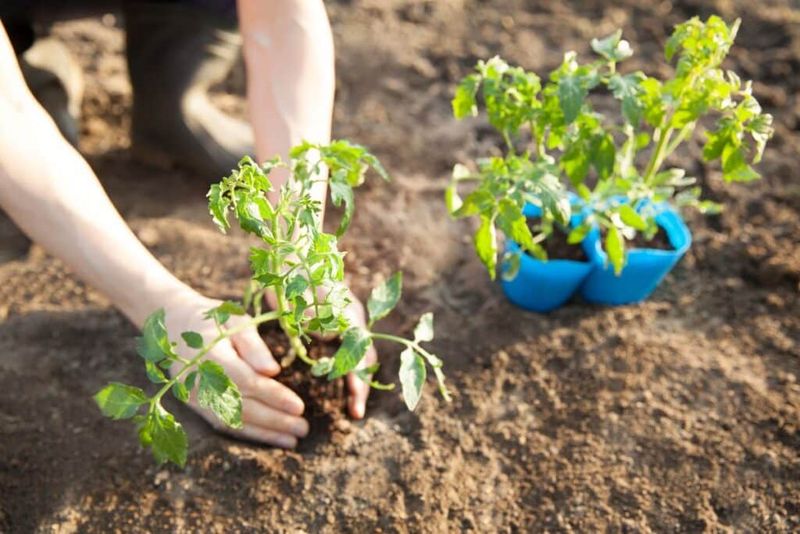
The first day of our soil test was all about preparation. With enthusiasm, I gathered my tools and stood under the sun, ready to embark on this journey. The garden, a canvas waiting to be transformed, sparked a sense of excitement.
As the soil was tilled and prepared, the anticipation grew. I knew the key to success lay in these initial steps. By carefully planning each stage, the foundation for a fruitful endeavor was set. It felt like the beginning of a grand adventure that promised to change my perspective on gardening forever.
2. Day 10: Nutrient Analysis
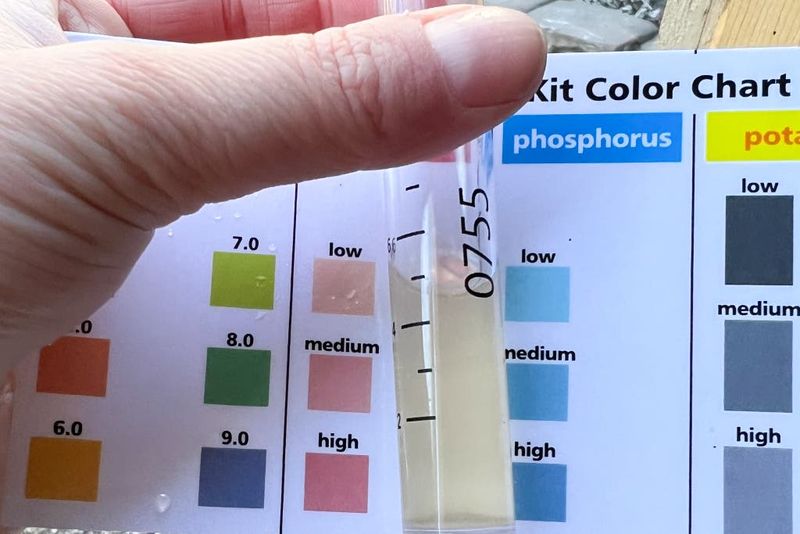
Ten days into the test, the focus shifted to understanding the soil’s nutrient content. I transformed my garage into a mini-lab, examining soil samples with curiosity. Each test tube and beaker held secrets of the earth beneath my feet.
The revelations were astounding. I discovered deficiencies that needed immediate attention, turning my thoughts towards solutions. This analytical phase was both enlightening and challenging, pushing the boundaries of my gardening knowledge. The lab-like environment added a scientific flair to the process, making it a memorable part of this experiment.
3. Day 15: Water Management Wonders
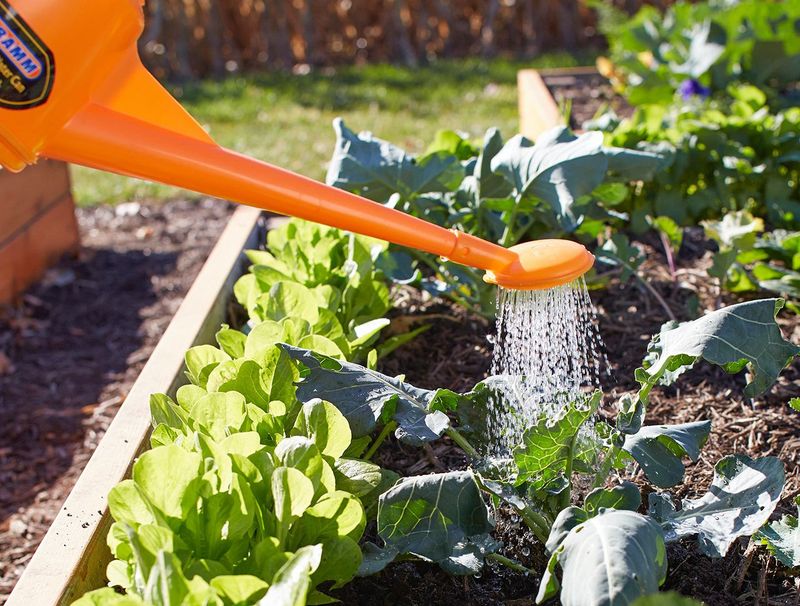
Midway through the experiment, water management became the focal point. I found myself adjusting irrigation systems under the sun’s glare, pondering the perfect balance. This stage was like a dance, with each drop playing a crucial role in the rhythm of growth.
The insights gained dramatically shifted my view on watering techniques. It was a reminder of nature’s complexity, where too much or too little could alter the course of cultivation. This segment of the journey highlighted the art and science of hydration, reshaping my understanding of nurturing plants.
4. Day 20: Pest Patrol
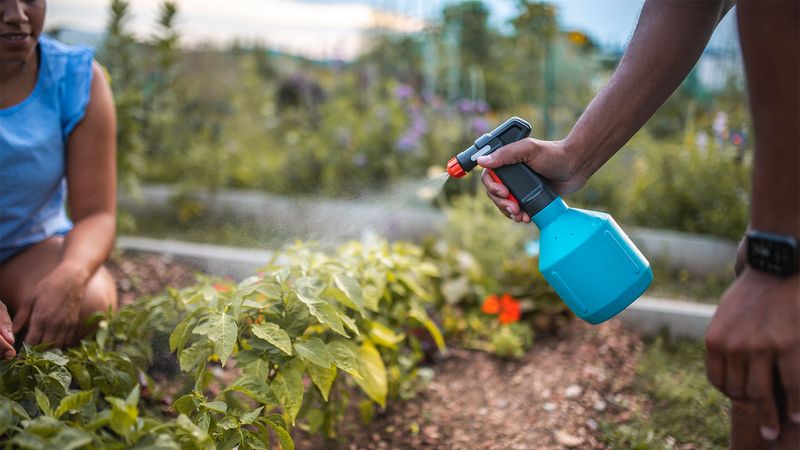
As the 20th day dawned, the garden faced its next challenge—pests. Armed with natural remedies, I embarked on a mission to protect my tomatoes. Each solution applied brought hope and a sense of victory over the tiny invaders.
The process was both strategic and intuitive, blending knowledge with instinct. Discovering the effectiveness of non-toxic methods felt like uncovering a garden secret. This phase became a testament to resilience and creativity, reinforcing the connection between gardener and garden. It was a turning point that taught valuable lessons in eco-friendly pest control.
5. Day 31: Harvest Reflections
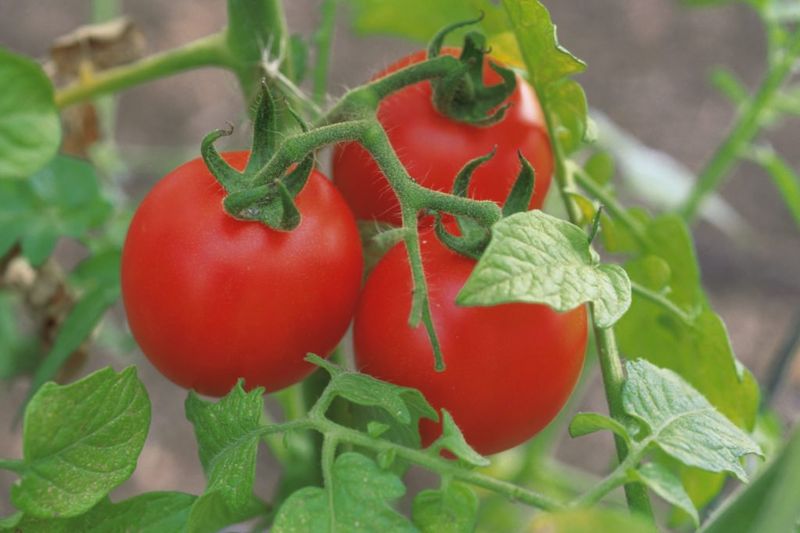
The final day of the soil test arrived with a sense of accomplishment. I stood amidst a sea of ripe tomatoes, reflecting on the journey. Each fruit was a testament to the effort and knowledge gained over the past month.
The harvest was not just about gathering produce but appreciating the intricate dance of nature and nurture. This experience changed my perception, instilling a deeper respect for the art of gardening. As the sun set, it marked the culmination of a transformative experiment, one that redefined my approach to growing tomatoes.
6. Day 2: Soil pH Surprise

The second day unveiled an unexpected twist in soil pH levels. With a meter in hand, I discovered that my tomato patch was slightly alkaline, a surprise given its previous acidic readings. Adjusting soil pH requires a fine balance of lime and sulfur.
Within days, a noticeable change in plant vitality emerged. The vibrant green leaves stood testament to the power of pH correction. Monitoring pH might seem trivial, yet this simple test set a transformative tone for the entire experiment. A balanced pH fosters optimal nutrient absorption, ensuring robust tomato growth.
7. Day 3: Texture Transformation
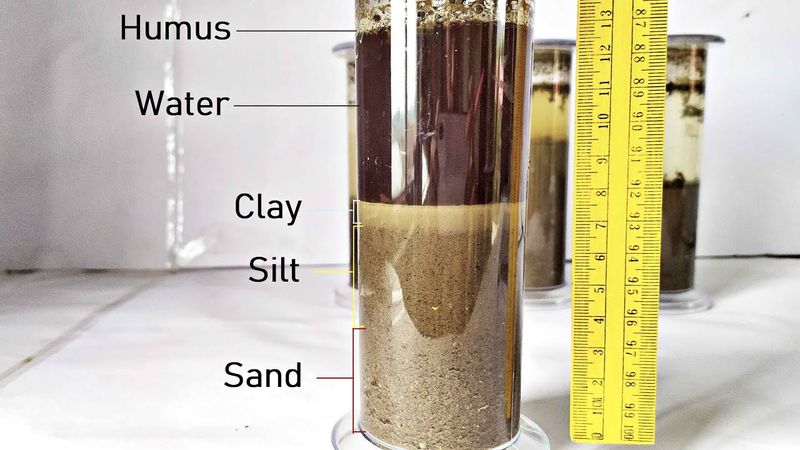
Soil texture tells a story of its own, with sand, silt, and clay each playing a vital role. Day three’s focus on texture revealed a sandy surprise. My garden soil crumbled too easily, signaling a lack of clay.
Incorporating organic matter proved essential to binding the soil. This change created a rich, loamy blend perfect for tomatoes. The newfound texture retained moisture and nutrients, eliminating previous drainage issues. Understanding soil texture’s impact is crucial for tailoring the soil to the specific needs of tomato plants, leading to healthier and more productive growth.
8. Day 5: Microbe Magic

Under the microscope, a bustling community of microbes came to life. These tiny organisms, invisible to the naked eye, orchestrate a symphony of nutrient cycling. Day five shed light on the importance of microbial health.
Encouraging beneficial microbes involved adding compost and ensuring proper aeration. The result was striking, as plants became more resilient to stress. Microbial activity enhances nutrient availability, promoting vigorous tomato growth. Observing this hidden world transformed my appreciation for soil’s living aspect, reminding me that it’s not just dirt, but a vibrant ecosystem.
9. Day 6: Mulch Mastery
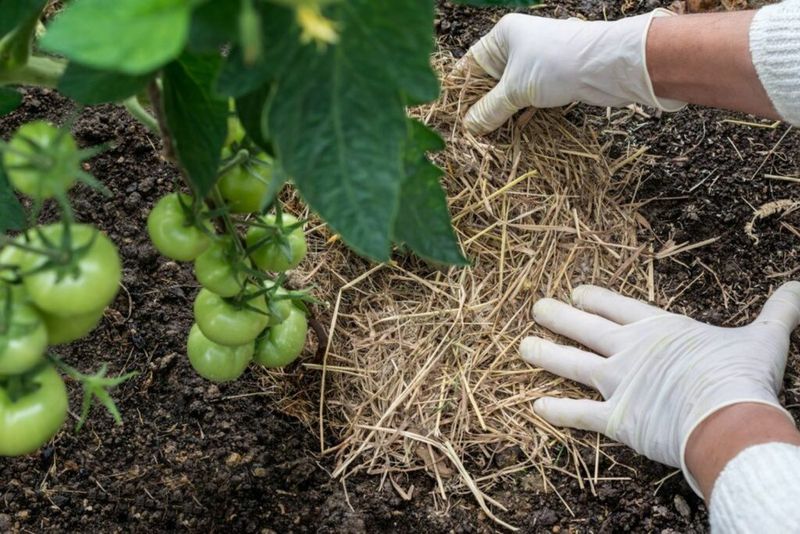
With the sun’s relentless gaze, mulch became an invaluable ally on day six. A thick layer of straw shielded the soil, conserving moisture and moderating temperature.
Beyond these benefits, mulch suppresses weed growth, reducing competition for nutrients. The barrier it creates allows soil life to thrive undisturbed. As the days grew hotter, the mulched areas flourished, showcasing its impact on plant health. This simple technique underscores the importance of protecting the soil surface, fostering a conducive environment for tomato plants to thrive under the sun.
10. Day 7: Root Deep Dive
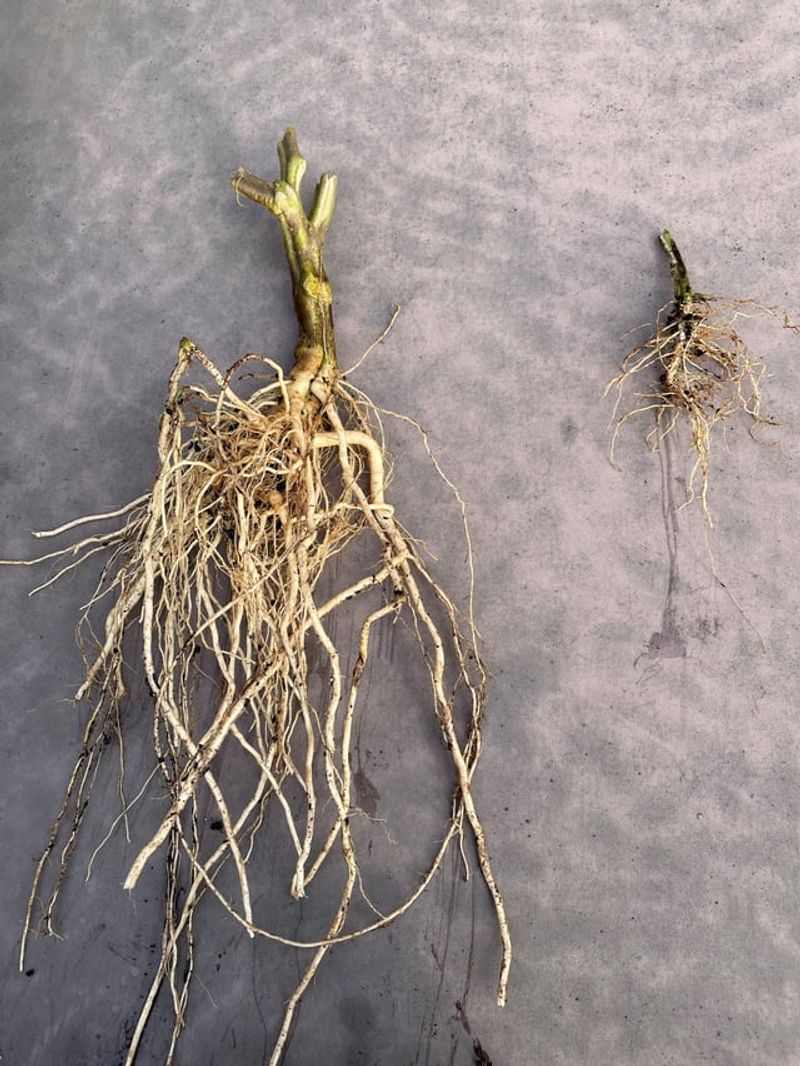
Beneath the surface, a hidden world of roots thrives. Day seven’s exploration into the root zone revealed their extensive network, critical for stability and nutrient uptake.
Deep watering techniques encouraged roots to reach deeper, tapping into layers rich in minerals. This approach not only enhanced drought resistance but also supported larger fruit yields. Understanding root dynamics emphasized the importance of watering practices. Observing the intricate root architecture reshaped my perspective, highlighting the underground efforts contributing to the tomatoes’ above-ground success.
11. Day 8: Compost Chronicles
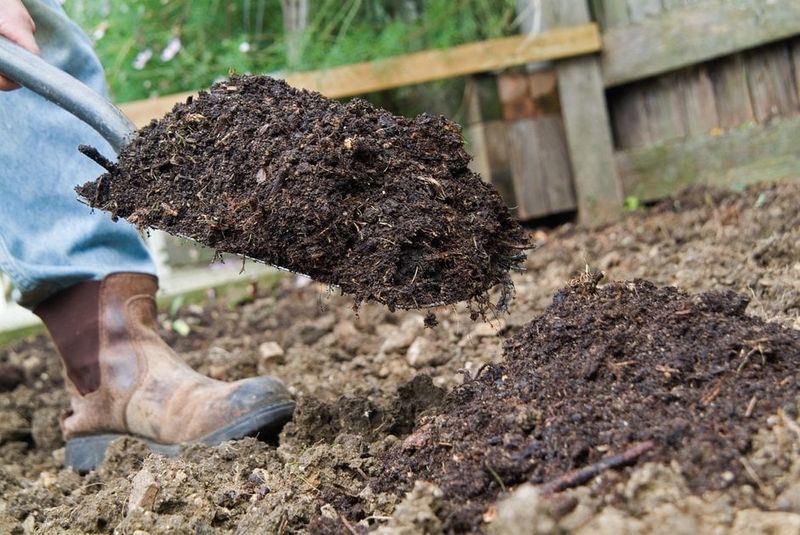
Compost, the gardener’s gold, took center stage on day eight. This organic matter infusion revitalized tired soil, introducing a wealth of nutrients and beneficial microbes.
Incorporating compost enhanced soil structure and fertility, setting a robust foundation for plant growth. Over time, the transformation was evident in the vigor of the tomato plants. Composting underscores sustainable gardening, turning kitchen scraps into a powerhouse of growth. Its presence within the soil became a testament to nature’s remarkable recycling process, ensuring tomatoes received a constant supply of nourishment.
12. Day 9: Earthworm Encounter
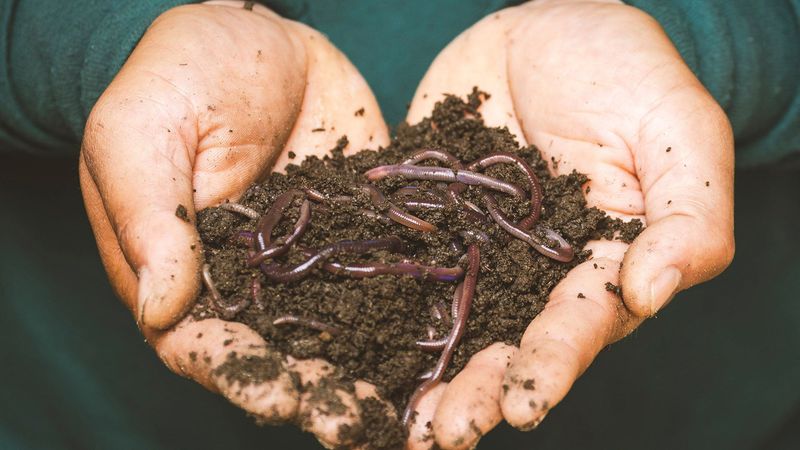
A chance encounter with earthworms on day nine revealed nature’s own soil engineers. Their presence signals a healthy soil ecosystem, as they aerate and enrich the earth.
Observing their work highlighted the importance of maintaining organic matter. Earthworms’ tunneling improves soil structure, facilitating root growth and nutrient flow. Their silent labor enhances soil fertility, providing an ideal environment for tomatoes. This experience underscored the symbiotic relationship between soil fauna and plant vitality, reminding me of the unseen contributions beneath the soil’s surface.
13. Day 11: Soil Amendments Adventure
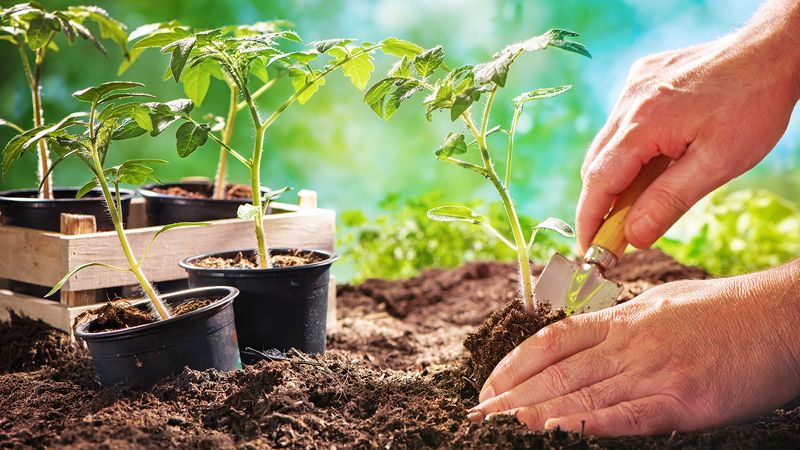
Navigating the world of soil amendments on day eleven felt like embarking on an adventure. From bone meal to green sand, each addition offered unique benefits.
Choosing the right amendments tailored the soil to the tomatoes’ specific needs. This strategy filled nutrient gaps and corrected imbalances, enhancing growth. Experimenting with amendments required patience and an understanding of soil chemistry. The journey revealed the art of customizing soil blends, ensuring tomatoes received the perfect mix of nutrients for optimal health and productivity.
14. Day 12: Cover Crop Clarity
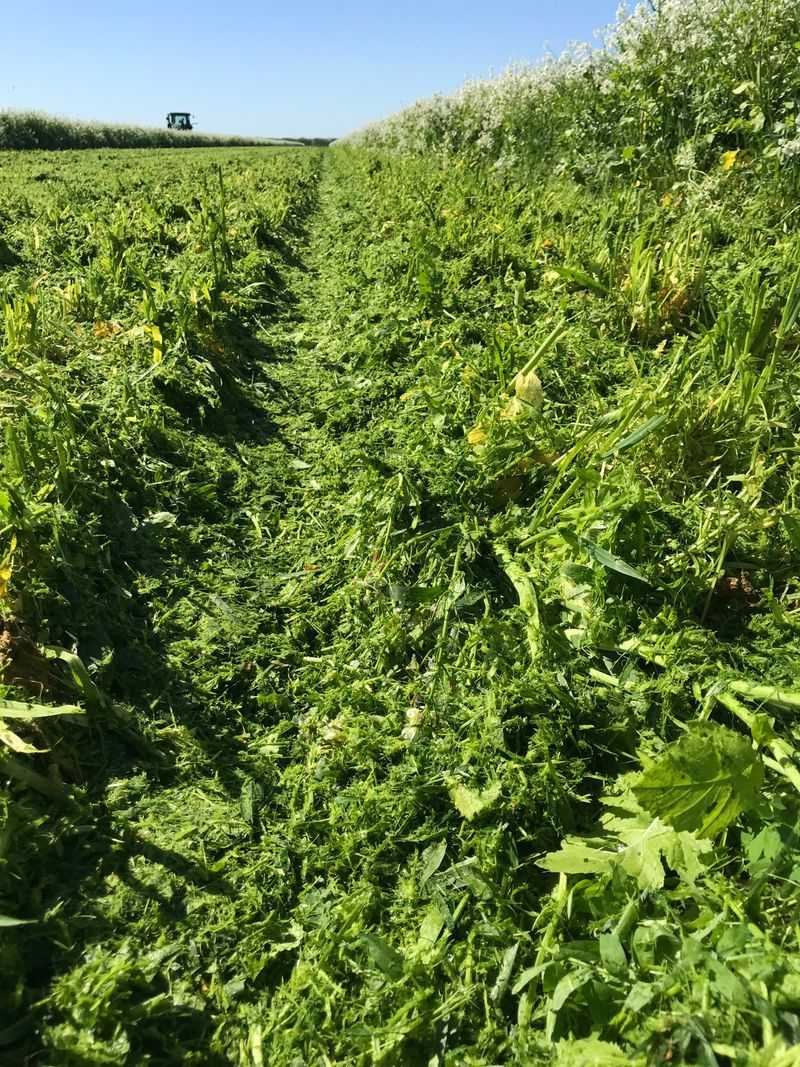
Introducing cover crops into the garden on day twelve offered clarity on sustainable practices. These plants protect and enrich soil, minimizing erosion and boosting fertility.
Cover crops added organic matter and fixed nitrogen, improving soil structure for tomatoes. As they decomposed, they contributed valuable nutrients, ensuring a continuous cycle of growth. Observing their benefits highlighted their role in sustainable agriculture, fostering a healthier soil ecosystem. This practice emphasized the importance of integrating diverse plant species to maintain soil vitality year-round.
15. Day 13: Irrigation Innovation
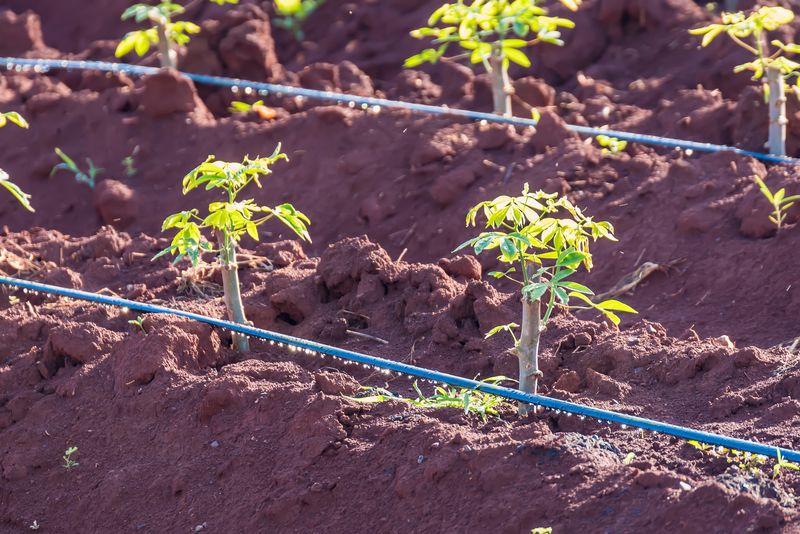
Day thirteen unveiled the wonders of irrigation innovation. Installing a drip system transformed water management, delivering moisture directly to the roots.
This method minimized evaporation and water wastage, ensuring consistent hydration. The precise control over water supply boosted plant health and reduced disease risk. Embracing technology optimized gardening efforts, providing tomatoes with the ideal environment to thrive. This experience underscored the blend of tradition and innovation, revealing how strategic water management can revolutionize tomato cultivation.
16. Day 14: Soil Testing Tools
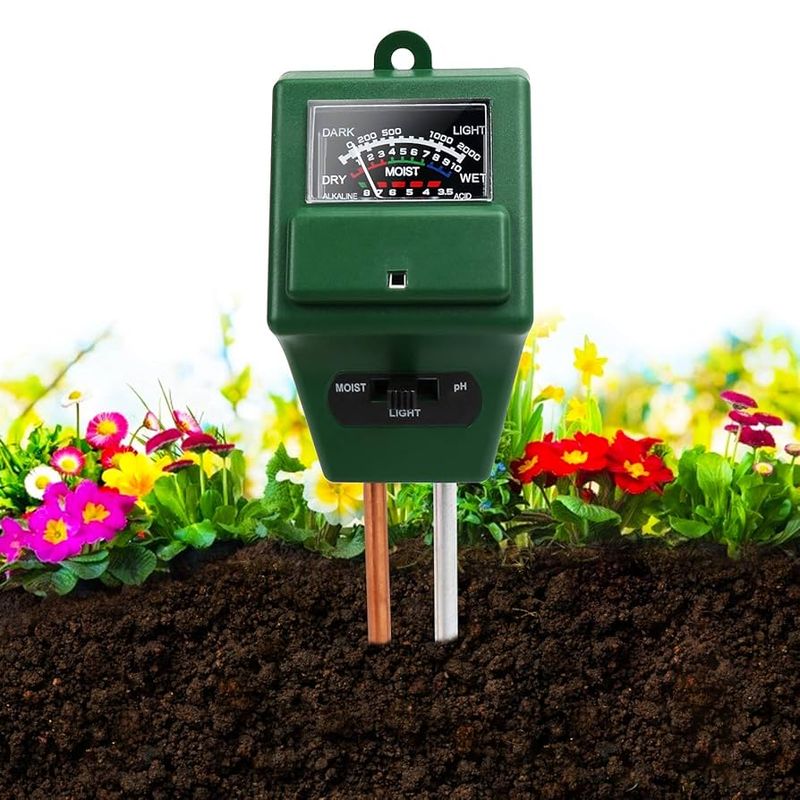
Exploring soil testing tools on day fourteen opened a new realm of understanding. From pH meters to moisture probes, each tool offered insight into soil conditions.
Regular testing informed decisions for nutrient application and irrigation, enhancing plant care. This hands-on approach empowered me to respond to changes, optimizing growing conditions. Embracing technology in gardening transformed it into a precise science, ensuring tomatoes received tailored care. The experience highlighted the importance of staying informed, using data to guide successful cultivation practices.
17. Day 16: Organic Matter Matters
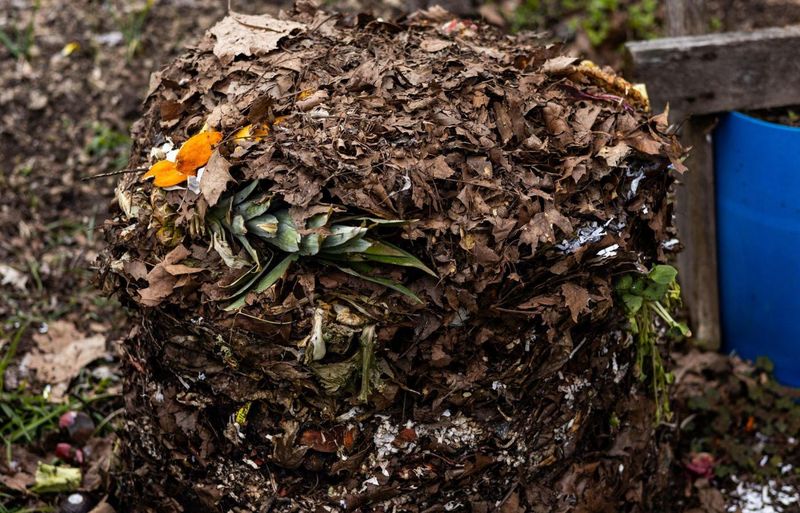
Day sixteen emphasized the significance of organic matter in soil health. Adding organic materials like leaf mold and aged manure enriched and revitalized the garden.
This practice improved soil structure, water retention, and nutrient availability. As the season progressed, the tomatoes’ robustness testified to the benefits of organic inputs. Observing the transformation underscored nature’s ability to recycle waste into nourishment. This approach reinforced a commitment to sustainable gardening, where every organic addition plays a role in nurturing the soil for future growth.