 Complete Gardening
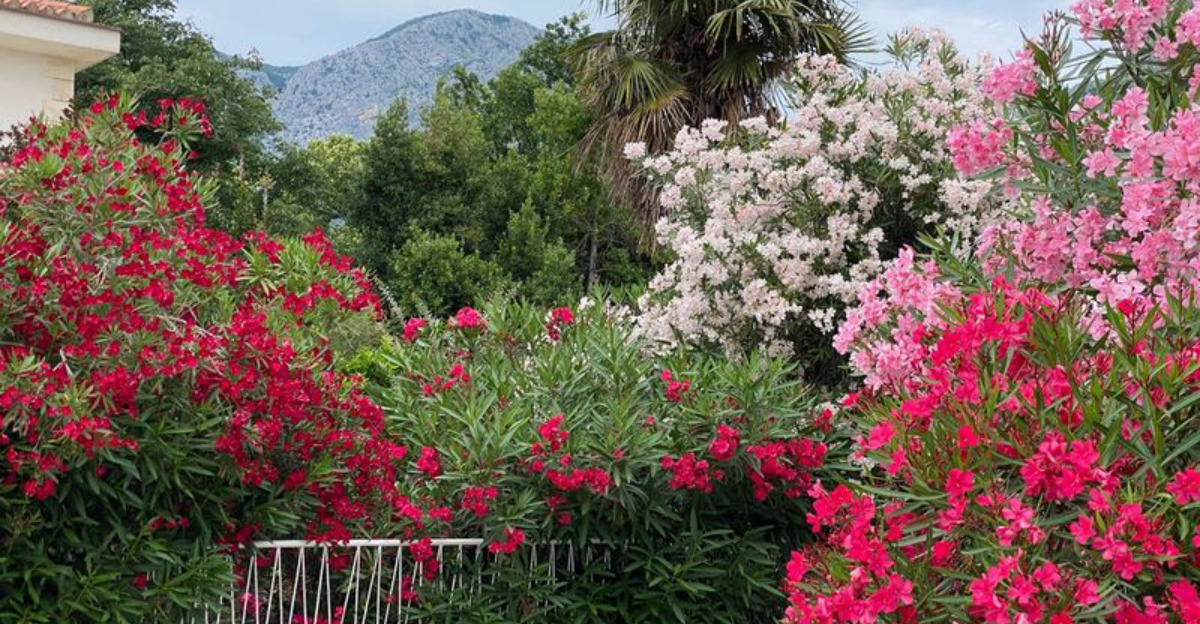
Oleander, despite its notorious toxicity, is a plant that has captivated gardeners and landscapers alike.
Its vibrant blooms and resilient nature make it a sought-after addition to gardens, even as it poses potential dangers.
Here, we explore nine fascinating reasons why oleander remains a beloved choice for many green thumbs.
1. Striking Ornamental Appeal
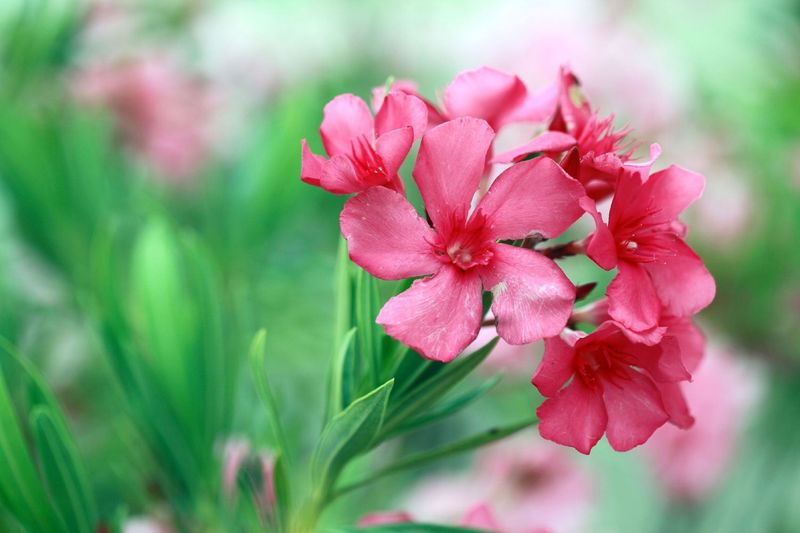
The oleander’s striking beauty is unmatched, with its flamboyant blooms capturing attention in any garden setting. The plant boasts a palette of pink, white, red, and yellow flowers that dance gracefully in the breeze. It thrives in challenging conditions—poor soil, scorching heat, and drought are no match for its tenacity.
This low-maintenance wonder requires little pampering, making it a favorite among landscapers. Its effortless charm and resilience allow it to enhance gardens and hedges with minimal fuss. The oleander’s ornamental allure is a testament to nature’s ability to create beauty in the harshest environments.
2. Natural Privacy Barrier
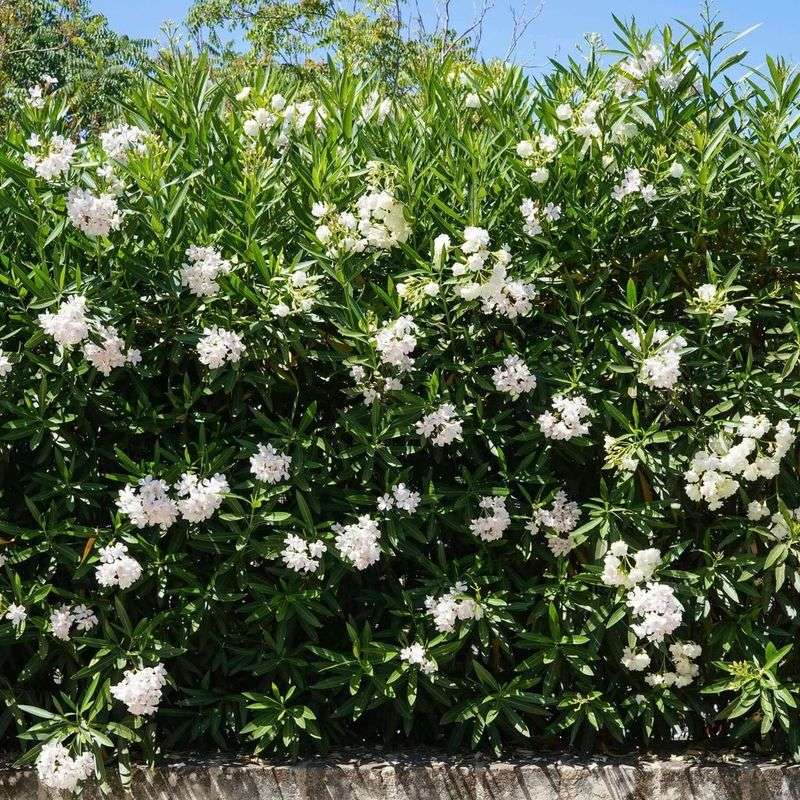
Imagine a lush, green wall that offers serenity and seclusion. Oleander’s dense foliage grows rapidly, creating an effective natural barrier for privacy. Planting oleander along property borders transforms spaces into tranquil retreats, shielded from prying eyes and bustling noise.
Its foliage forms a living fence, blending utility with elegance. The plant’s thick leaves not only block views but also reduce sound, offering a peaceful haven in urban settings. Oleander serves as a beautiful solution for those seeking both aesthetic appeal and functionality in their garden design.
3. Air Pollution Filter

Believe it or not, the oleander works silently to purify the air. Its waxy leaves absorb airborne pollutants, playing a vital role in improving local air quality. As dust and toxins settle on its foliage, oleander helps clean the environment naturally.
In bustling cityscapes, this plant stands as a green warrior against pollution. Its presence in urban gardens contributes to a healthier atmosphere, making it an unsung hero in the fight for cleaner air. The oleander’s ability to trap impurities adds a layer of environmental benefit to its already impressive resume.
4. Drought Tolerance Champion
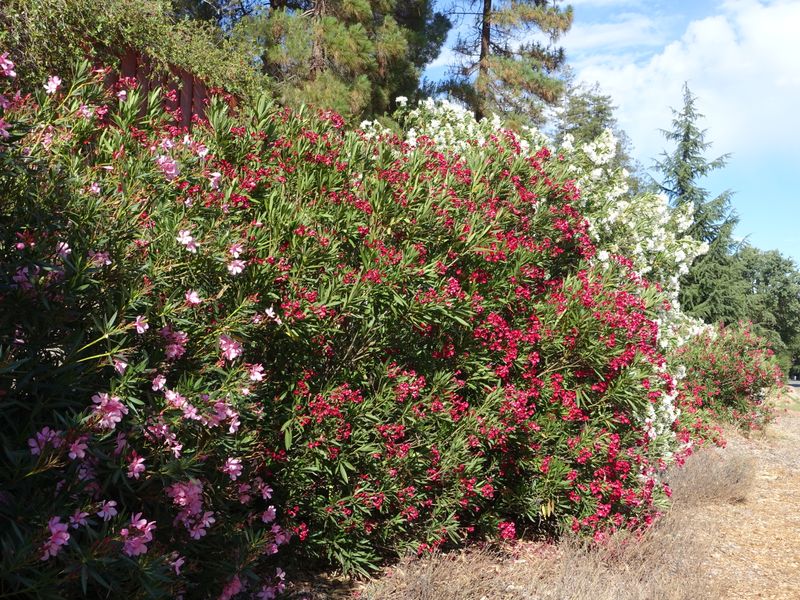
In the face of relentless drought, oleander stands unyielding, a true champion of survival. Its deep root system allows it to tap into water reserves that elude more delicate plants. The oleander’s tough, leathery leaves minimize water loss, enabling it to endure dry spells without faltering.
Its resilience makes it a valuable asset in arid landscapes, thriving where others wither. For gardeners seeking drought-resistant plants, oleander offers an ideal solution that doesn’t compromise on beauty. Its capacity to thrive in harsh conditions is a testament to its robust adaptability.
5. Coastal Wind & Salt Resistance
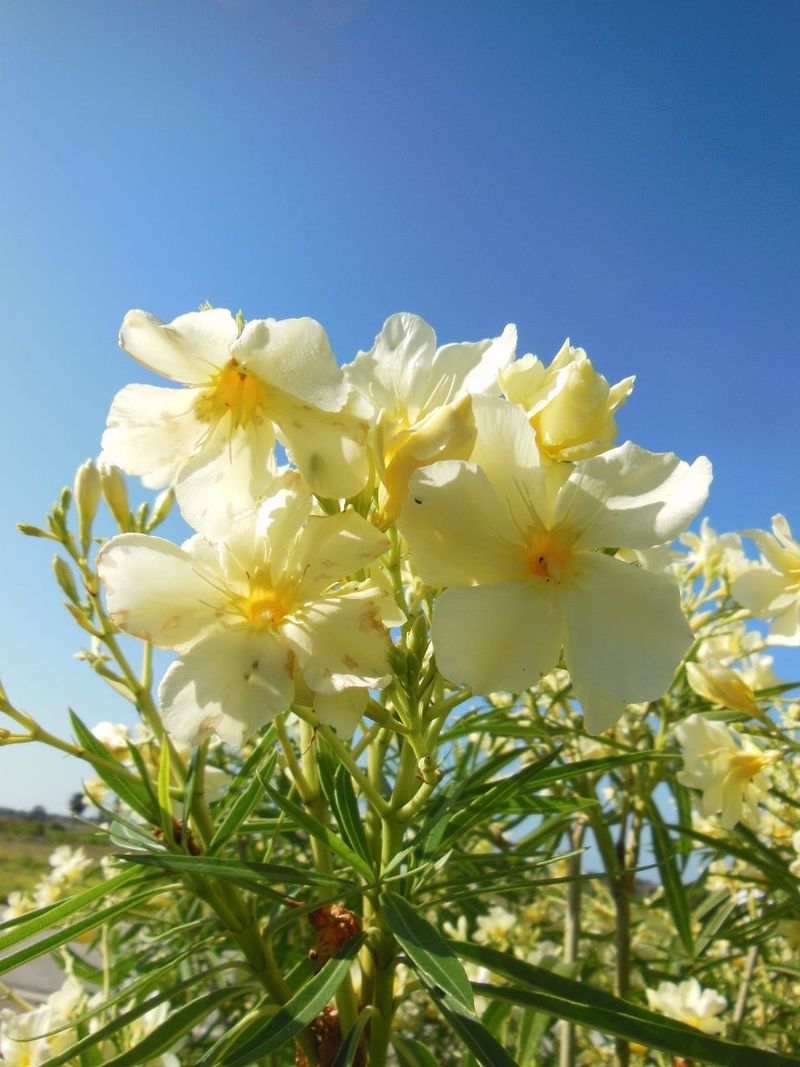
Oleander flourishes where others falter, especially in coastal environments. Resistant to salty winds and sandy soils, it is often planted to stabilize dunes and shield more fragile flora. Its robust nature makes it indispensable in landscapes battered by the sea.
The plant’s ability to withstand harsh coastal conditions ensures its place in seaside gardens. Its vibrant blooms add color to shores, proving that beauty can thrive even in adversity. For coastal gardeners, oleander offers a resilient and picturesque choice that harmonizes with the oceanic landscape.
6. Attracts Pollinators (Safely!)
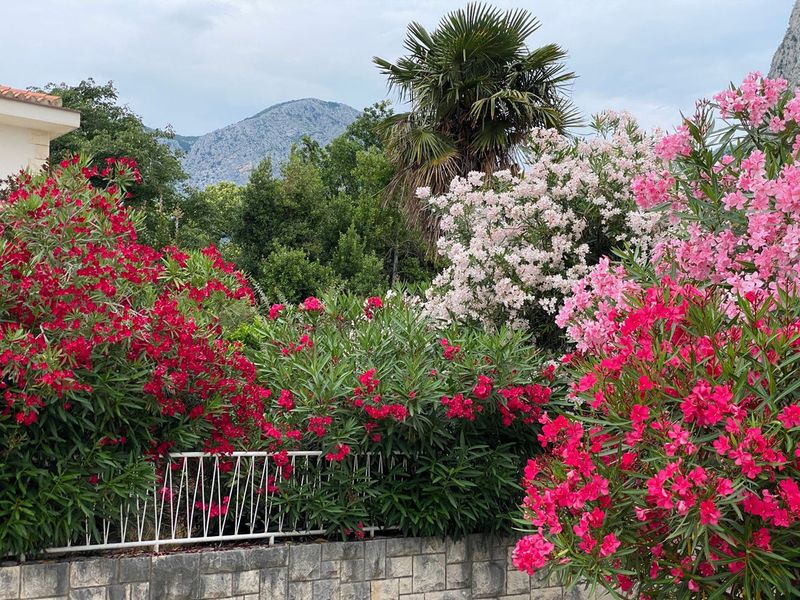
The oleander’s blossoms are a feast for pollinators. Bees and butterflies flock to its nectar-rich flowers, supporting the local ecosystem. Despite its toxicity to humans and animals if ingested, the plant provides a safe haven for these vital insects.
In gardens, oleander plays a crucial role in maintaining biodiversity. Its vibrant blooms entice pollinators, ensuring the health of surrounding plants. This paradoxical trait—being both poisonous and life-sustaining—adds a layer of intrigue to its presence in any landscape.
7. Cultural & Historical Significance
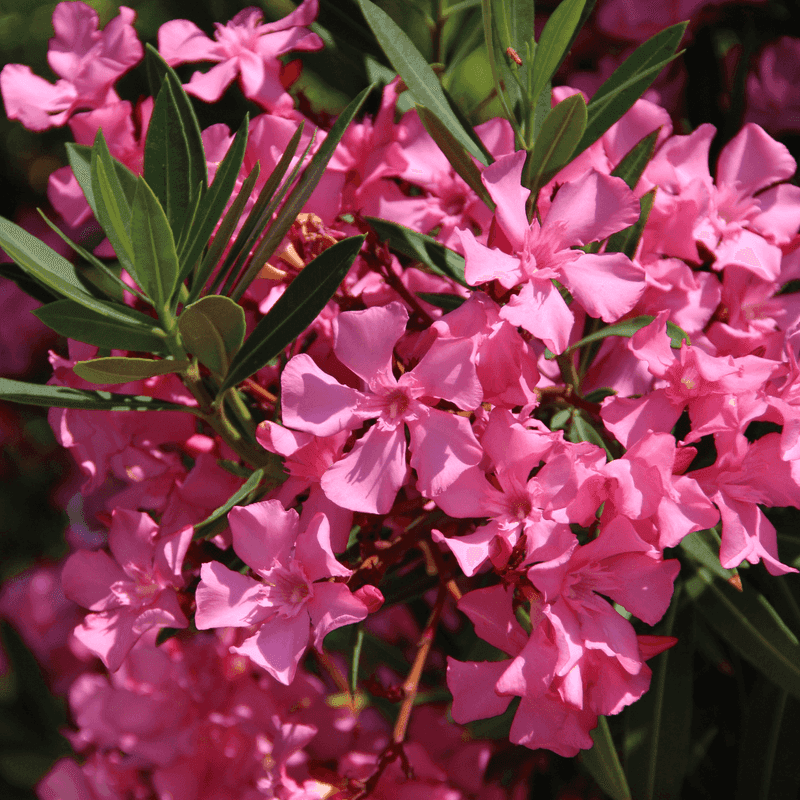
Oleander’s allure isn’t just botanical; it’s deeply woven into cultural tapestries. From ancient Roman murals to Middle Eastern poetry, the plant has symbolized beauty and danger for centuries. Its presence in art and literature highlights its dual nature—captivating yet perilous.
Throughout history, oleander has been a muse for artists and writers, embodying the delicate balance between allure and risk. This rich cultural heritage adds depth to its appeal, offering a narrative that transcends its physical beauty. In gardens, oleander stands as a testament to its historical legacy.
8. Medicinal Research Potential
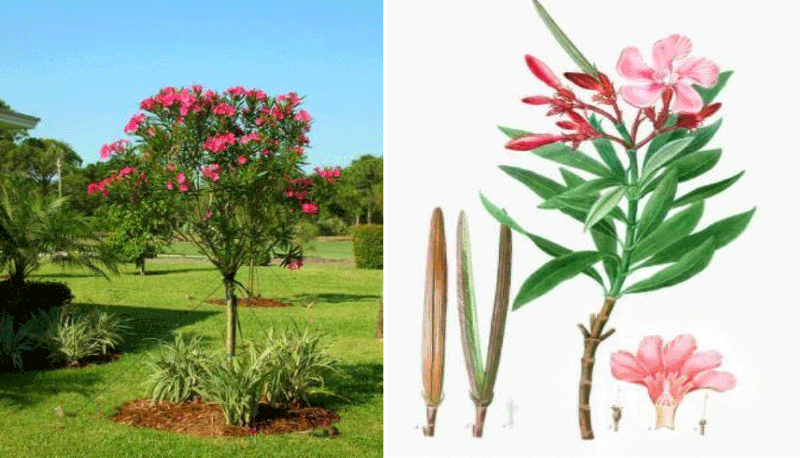
Beneath its beautiful exterior lies a plant of scientific interest. Oleander contains compounds like oleandrin, which are under investigation for potential medicinal uses, including cancer treatment. While clinical use remains unsafe, researchers continue to explore its therapeutic possibilities.
This juxtaposition of beauty and potential healing properties makes oleander a focal point of medical curiosity. The ongoing research into its compounds speaks to nature’s complex chemistry and the potential for discovery. The oleander’s role in scientific exploration adds another layer to its multifaceted identity.
9. Pest Deterrent for Gardens
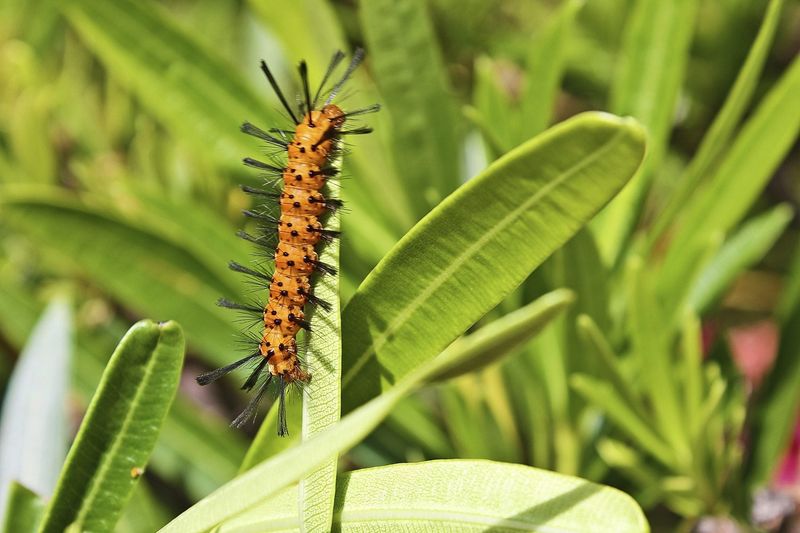
Oleander serves as a natural defender in the garden. Its toxic sap deters deer, rodents, and most insects, safeguarding more vulnerable plants nearby. This defensive quality enhances its utility in diverse landscapes.
By planting oleander strategically, gardeners create a protective barrier that minimizes pest damage. The plant’s ability to resist unwanted visitors ensures a flourishing garden free from common nuisances. Oleander’s role as a pest deterrent adds a practical dimension to its already impressive list of attributes.