
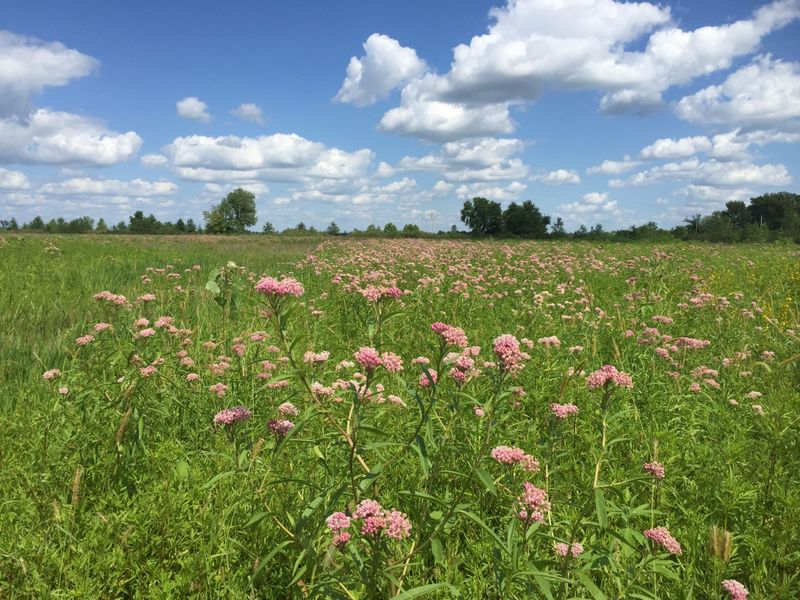
Almost every North Carolina yard with clay has one: a sunny border that stays wet long after the rain stops. Plants that look fine in the nursery pot can sulk or fade there.
One native perennial is a strong candidate for that spot, though it is not a cure-all. Here is how to tell whether your border is a match, and what to do this fall.
Wet soil can leave roots short of oxygen
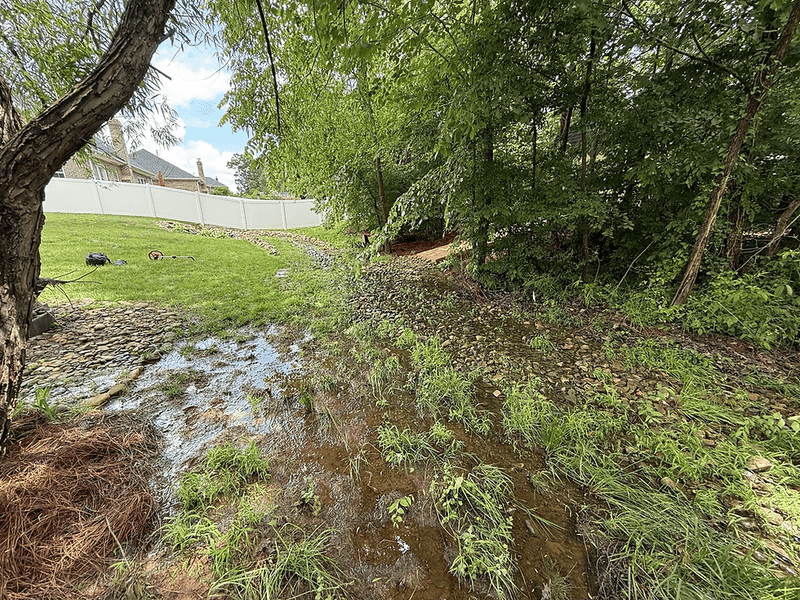
Sunshine does not guarantee an easy bed. When soil stays soaked, the tiny air pockets between soil particles fill with water, and roots can run short of oxygen.
Soil drainage guidance from Colorado State Extension notes that waterlogged ground can deprive roots of air and that many plants are prone to root rot.
That is where the old saying about wet spots goes too far. Not everything rots in a soggy border.
Some plants struggle badly, while others have adapted to wet ground, so the outcome depends on the species and the site.
Wilting leaves in a wet bed can be a clue. Yellowing foliage and a soft, dark crown can point the same way.
A plant that wants well-drained soil may show those signs, while a wetland native may carry on happily.
The takeaway is simple. Choose plants for the conditions you actually have, not just the amount of sun the spot gets.
Trace the water before choosing a plant
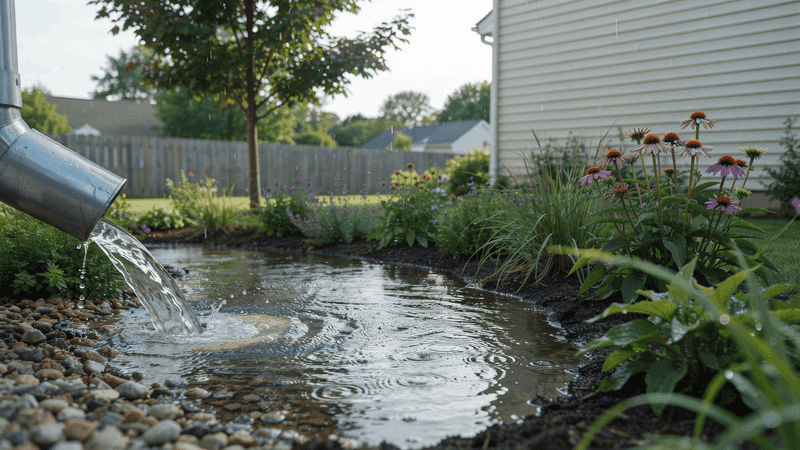
Before buying anything, spend a rainy afternoon watching your yard. Note where runoff travels, where it pools, and how long the water stands afterward.
NC State Extension’s rain garden plant list recommends exactly this kind of observation and cautions that no blanket plant list suits every garden.
Soil matters just as much as sun. The Extension Gardener Handbook advises weighing soil texture, drainage, and pH when picking natives.
Native status alone does not guarantee a good fit, since some natives spread aggressively and others need narrow moisture or soil conditions.
A border that stays naturally moist is a different project from a constructed rain garden. If you are building a rain garden, the NC Cooperative Extension rain garden manual recommends repeated infiltration tests.
It also advises siting the garden away from foundations, septic systems, wells, and underground utilities.
Try a simple check. Dig a small hole after a good rain and see how long it holds water.
Jot down the answer, because it will guide every plant choice that follows.
Swamp milkweed suits some moist, sunny sites
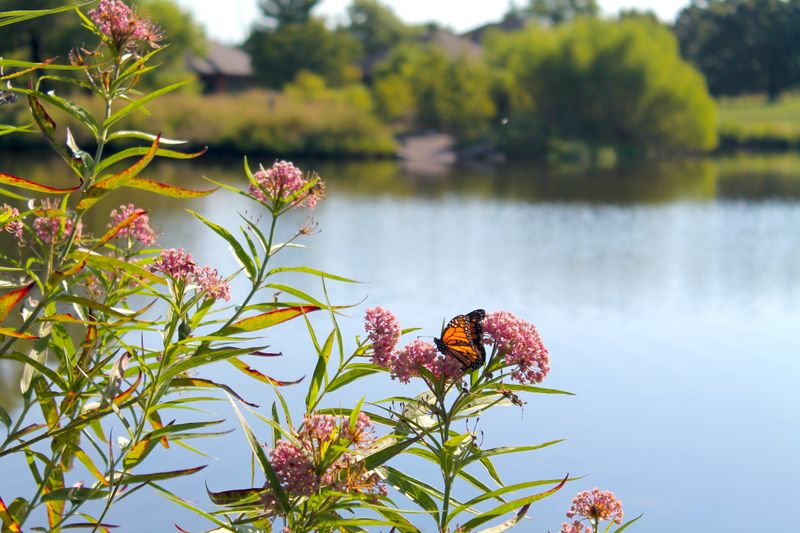
The title never names its plant, but swamp milkweed (Asclepias incarnata) is the strongest candidate for this kind of border. NC State Extension’s Plant Toolbox describes it as a perennial native to the central and eastern United States that grows naturally in wet sites.
Its listed traits line up well with a sunny, damp bed. It adapts to moist clay or loam, and it tolerates full sun to partial shade.
For many North Carolina yards with heavy soil, that combination is hard to find.
Fit has limits, though. Adapting to moist soil is not the same as thriving in every saturated spot, and no plant suits every yard in the state.
A bed that is moist most of the time is a better match than one that sits under standing water for days.
Compare your observations from the earlier check with these traits. If the border is sunny, moist, and clay or loam, swamp milkweed is worth a try.
Check local timing before fall planting

Fall is a good time to plant many natives, and it is November 10 as you read this. Still, no single statewide cutoff fits the mountains, Piedmont, and coast.
NC Cooperative Extension’s fall planting guidance supports fall as an option, so check with your county Extension office about timing where you live.
Conditions across North Carolina vary a great deal, and the Extension handbook describes natural communities that differ from place to place. Local advice beats a calendar date from somewhere else.
New plants need water while their roots settle in. When rain is scarce, water deeply instead of giving a light sprinkle.
Even a plant suited to damp ground can dry out during a dry autumn spell.
Add mulch around the plant, but keep it from burying the crown. The Extension Gardener Handbook also notes that wetland plants may need extra water during dry spells.
Pollinator value comes with a handling caveat
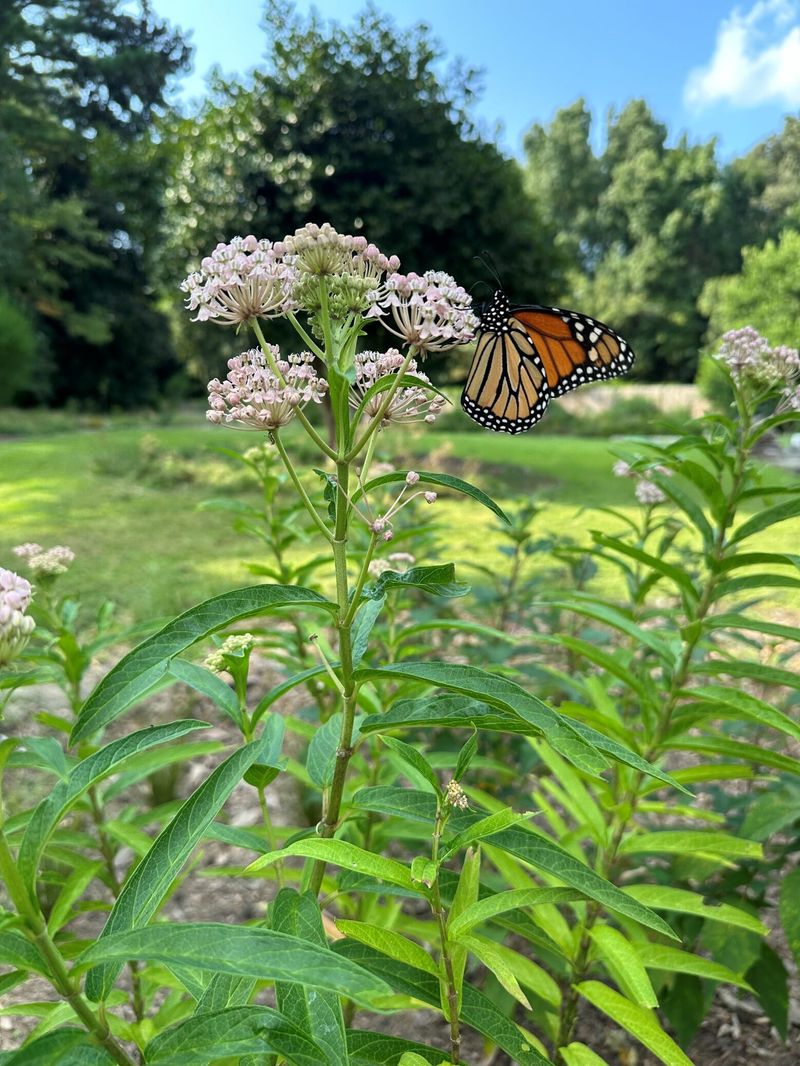
Wildlife is a big reason to grow this plant. According to NC State, swamp milkweed can serve as a food plant for monarch caterpillars and can attract pollinators.
For a yard meant to help native wildlife, that is a real payoff.
The plant also comes with a caution. The NC State Plant Toolbox lists low-severity poisonous characteristics, and its sap can irritate skin and eyes.
Eating a large amount can cause symptoms.
That does not make it a plant to avoid, but it is not harmless around children or pets. Wear gloves when cutting or dividing it, and wash your hands afterward.
Keep the sap away from your face.
Consider where it sits in your yard. A back border works better than a spot where small kids or curious pets play daily.
Other natives fit different wet-site conditions
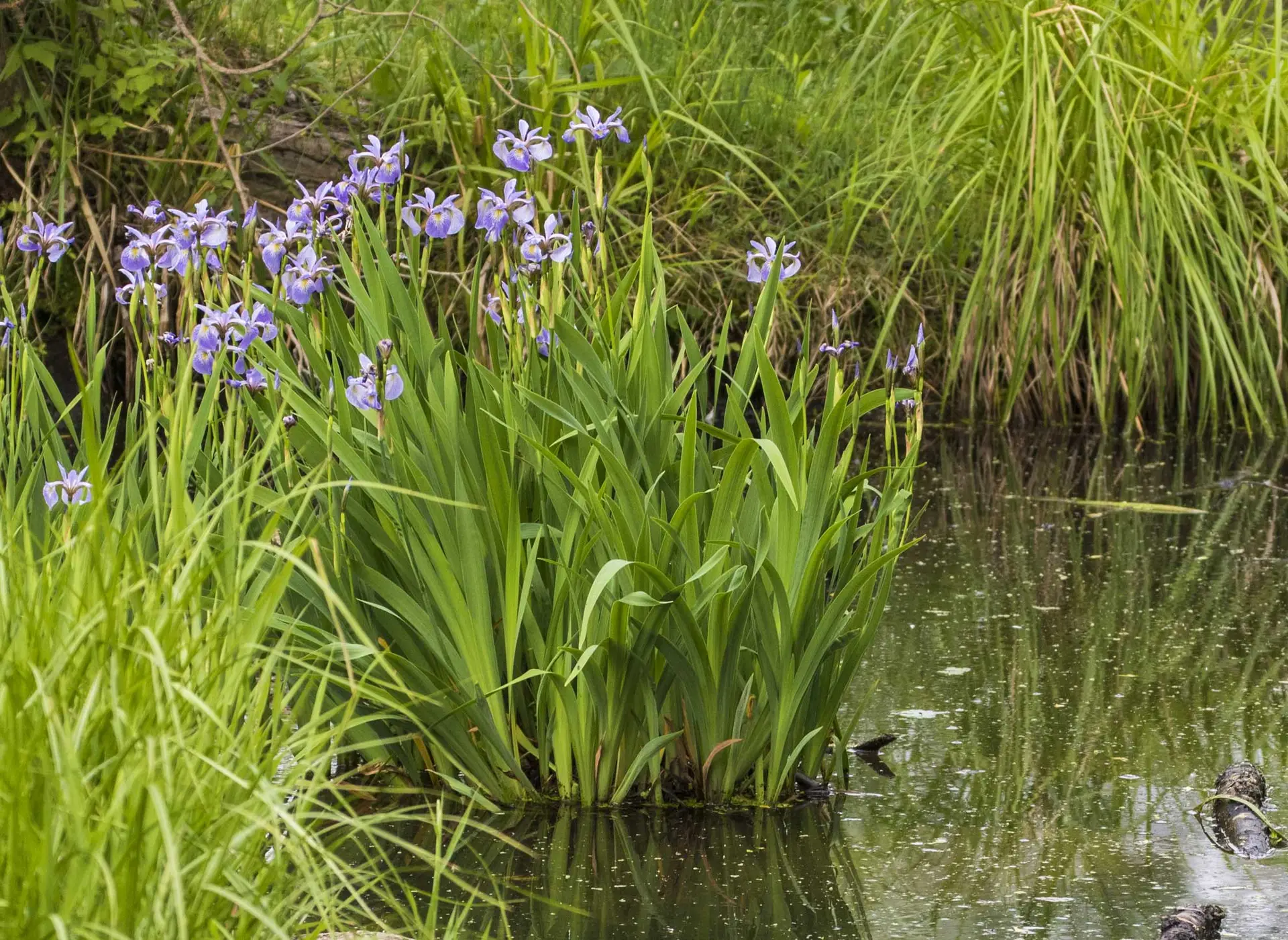
Swamp milkweed is not the answer for every damp bed. Two other North Carolina natives suit different conditions, so think of them as options for particular situations, not stand-ins for one another.
Cardinal flower (Lobelia cardinalis) tolerates medium-to-wet soil and brief flooding, according to NC State’s Plant Toolbox. It does best with consistently moist soil, and it may appreciate afternoon shade in hot summers.
A border that bakes and then dries out is a poor match.
Southern blue flag iris (Iris virginica) handles the wetter end of the scale. NC State describes it as growing in full sun and very wet soil, even in shallow standing water.
That makes it a fit for the soggiest corner, where milkweed may be pushed too far.
Match the plant to what you measured. Constant moisture with afternoon shade points to cardinal flower, while a sunny spot that holds shallow water points to the iris.
A perennial can occupy wet ground, not fix drainage

Picking a plant that tolerates wet feet is different from solving a water problem. No perennial will stop runoff or end persistent standing water.
The NC rain garden manual classifies sites that drain in more than three days as better suited to a wetland garden than a conventional rain garden.
If water lingers that long, get a site-specific assessment instead of leaning on one plant. NC State’s rain garden guidance calls for design based on your own yard.
So the decision is plain: plant swamp milkweed only where the border is sunny, moist, and clay or loam, as you observed. A plant can fill wet ground well, but the water still needs its own fix.