
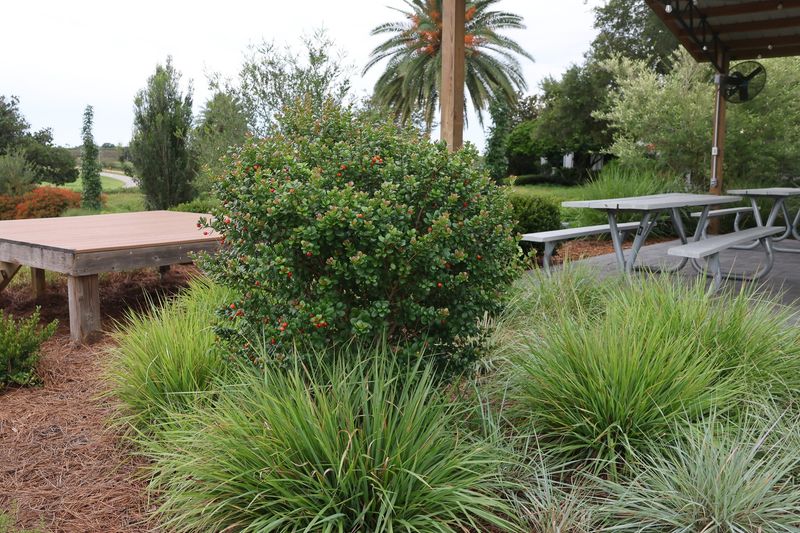
Florida homeowners are quietly swapping out overgrown, thirsty foundation shrubs for plants that can handle the heat, look good year-round, and actually belong here. One Florida native is catching the attention of gardeners who want evergreen structure without constant babysitting. Simpson’s stopper, also called twinberry, brings fragrant white flowers, colorful berries, and a tidy form to foundation beds when the right cultivar is chosen. Understanding its real-world size range and care needs is what separates a great planting decision from a future headache.
Consider Simpson’s stopper for a Florida foundation refresh
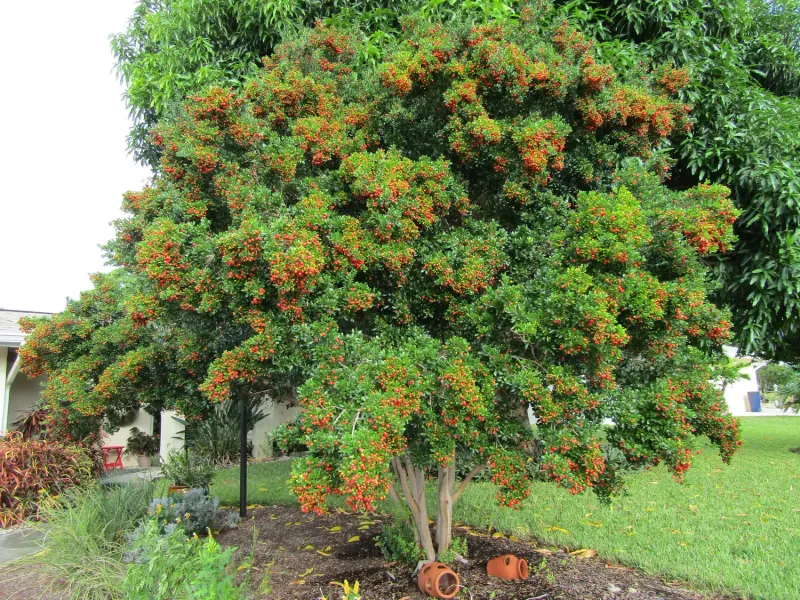
Simpson’s stopper, known botanically as Myrcianthes fragrans and commonly called twinberry, is a Florida-native evergreen that has earned a genuine following among homeowners looking to move beyond the same tired azaleas and ligustrums. UF/IFAS describes it as a versatile plant that can serve as a shrub, a clipped hedge, or even a small tree, depending on how it is grown and pruned. That flexibility makes it worth serious consideration for a foundation refresh, but it also means you need to go in with clear expectations.
The foliage is dense, dark green, and aromatic when brushed. White flowers with a light fragrance appear on a seasonal schedule, and orange-red berries follow later in the year, adding ornamental interest beyond the leaves alone. Those features, combined with its Florida-native status, put it on the short list for homeowners who want a plant that earns its spot rather than just filling space.
Where the story gets more complicated is mature size. The species can reach roughly 20 feet or more under favorable conditions, which is far too large for a typical foundation planting. The Florida Native Plant Society reports a potential size range of 5 to 20 feet tall and 3 to 15 feet wide, which is a substantial spread of possibilities. A compact cultivar such as ‘Compacta,’ combined with thoughtful placement and occasional pruning, is what makes Simpson’s stopper a realistic foundation option rather than a future problem.
Framing matters here: no reliable evidence documents a statewide replacement trend. What exists is a growing number of individual homeowners choosing Florida natives over conventional foundation plants, and Simpson’s stopper is one of the stronger candidates for that role when the site conditions are right.
Evergreen foliage adds structure without promising identical fullness
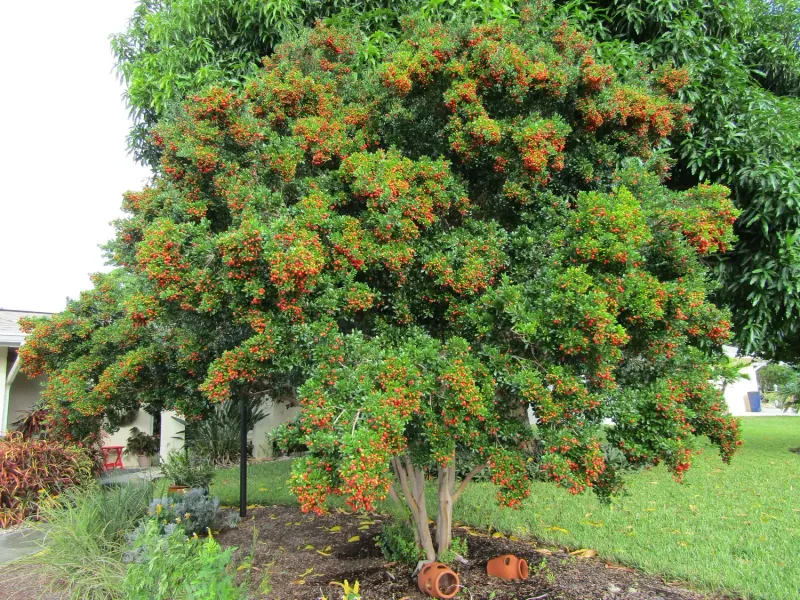
One of the most practical reasons to consider Simpson’s stopper for a foundation planting is that it keeps its leaves all year. In a Florida yard, where summer storms strip branches and winter cold can leave deciduous shrubs looking skeletal, a reliable evergreen anchor along the front of a house has real value. That said, “evergreen” describes the plant’s foliage retention, not a guarantee of uniformly dense screening in every situation.
Light plays a significant role in how full the plant grows. UF/IFAS notes that full sun encourages denser growth, which matters if you are counting on this plant to fill a foundation bed completely. A specimen growing in partial shade will generally be a bit more open and less dense than one receiving direct sun for most of the day. Cultivar selection, pruning history, and overall site conditions also shape the final form.
The seasonal display adds another layer of appeal beyond simple greenery. The Florida Native Plant Society reports that flowers may appear sporadically throughout the year, though the strongest and most reliable bloom typically arrives in spring and early summer. UF/IFAS identifies April and May as the primary Florida flowering window. After the flowers fade, orange-red berries develop in late summer and early fall, providing a second round of visual interest and a food source for birds.
The practical takeaway is that Simpson’s stopper gives you year-round structure with seasonal bonuses rather than a static, unchanging wall of green. Expecting a perfectly uniform hedge without occasional shaping is setting yourself up for disappointment, but expecting a handsome, living presence along your foundation is entirely reasonable.
Established plants handle drought, but new ones need water
Slow growth is one of Simpson’s stopper’s defining characteristics. UF/IFAS estimates roughly one foot of annual growth until the plant reaches maturity, though actual growth rates vary with soil type, light, and irrigation. That measured pace can make size management more gradual compared to faster-growing foundation shrubs, but it does not eliminate the need for pruning if you are maintaining a compact form or a tight hedge. How often you need to prune depends on the cultivar, the site, and the shape you are trying to hold.
Drought tolerance is real, but it applies specifically to established plants. UF/IFAS recommends monitoring young shrubs for drought stress for the first four years during extended dry weather, which is a meaningful window in Florida’s climate. A plant that has been in the ground for one season is not yet operating as a drought-tolerant specimen, no matter how robust it looks at the nursery.
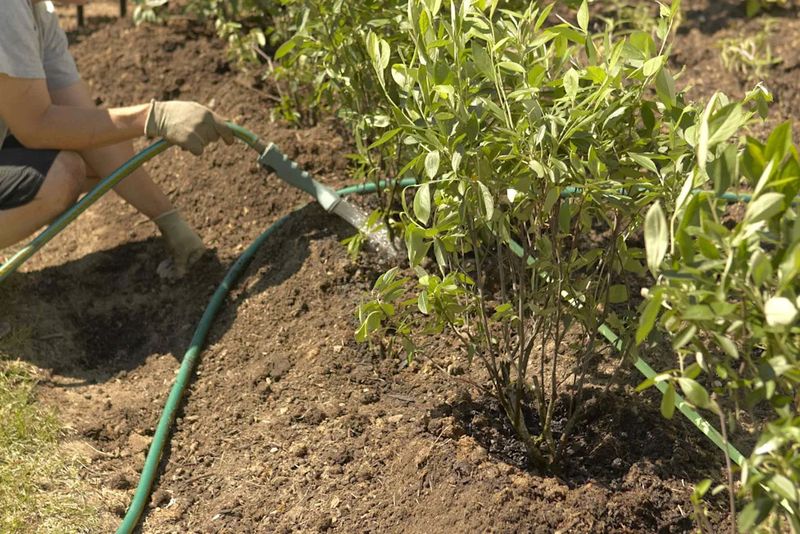
New plantings need regular supplemental irrigation delivered directly to the root ball. UF/IFAS irrigation guidance for newly installed shrubs uses different recommended intervals for northern, central, and southern Florida, which is a reminder that no single statewide watering schedule covers every yard. Checking soil moisture at the root zone and adjusting based on local rainfall and temperature is more reliable than following a fixed calendar.
The broader point is that getting Simpson’s stopper through its first few Florida summers successfully requires active attention, not passive optimism. Once the root system is established and the plant has settled into its site, the low-maintenance reputation it carries becomes much more accurate.
Choose the cultivar and mature dimensions before you plant
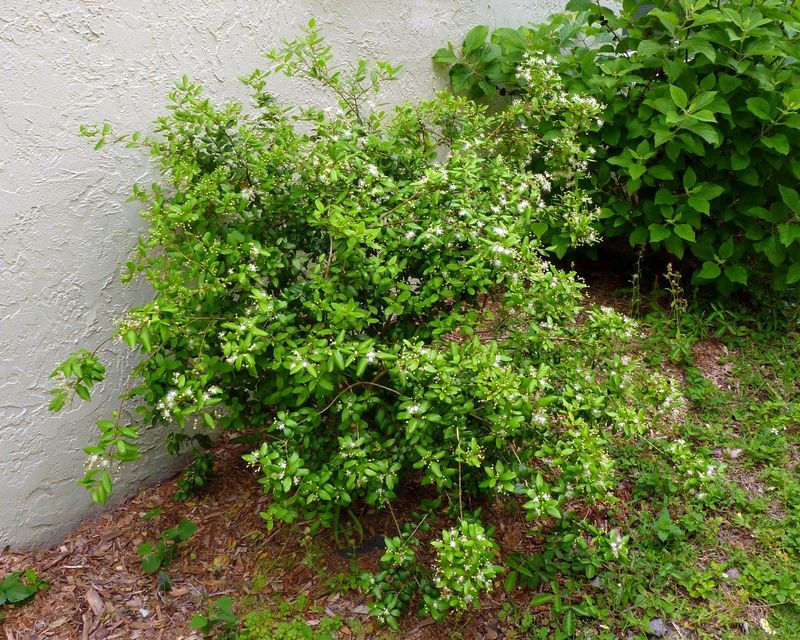
Buying a plant labeled “Simpson’s stopper” without checking its mature dimensions is one of the most common mistakes in Florida foundation planting. The species as a whole can reach 20 feet or more in height, with a potential spread as wide as 15 feet according to the Florida Native Plant Society. That is not a foundation shrub by any reasonable definition. It is a small tree, and treating it as a permanent front-of-house planting without accounting for that potential leads to years of heavy pruning or eventual removal.
The cultivar ‘Compacta’ changes the equation considerably. UF/IFAS specifically identifies ‘Compacta’ as a dwarf form reaching approximately 5 feet tall, making it a much more realistic candidate for a foundation bed. When you are shopping, ask the nursery for the expected mature height and width of the specific plant you are buying. A named compact form with documented dimensions is a much safer starting point than a generic species tag.
UF/IFAS’s Treasure Coast landscape guide lists the species at 5 to 20 feet tall and 3 to 5 feet wide, while FNPS reports a broader possible spread of 3 to 15 feet. That range reflects real variation across cultivars and growing conditions, which is exactly why confirming dimensions at purchase matters so much.
For hedge use, UF/IFAS recommends spacing plants 3 to 5 feet apart. That guideline is a hedge-spacing reference, not a suggestion to plant tight against your house. Leave enough clearance from the foundation for air circulation and for the plant to reach its expected width without crowding the structure.
Pruning can absolutely maintain a shrub or hedge form over time, and Simpson’s stopper tolerates even severe pruning when necessary. The trade-off is that frequent shearing reduces flowering and fruiting, so if the seasonal display of flowers and berries is part of why you chose this plant, a more selective, less aggressive approach to pruning will serve you better than running a hedge trimmer on a rigid schedule.
Flowers, berries, and foliage support specific wildlife
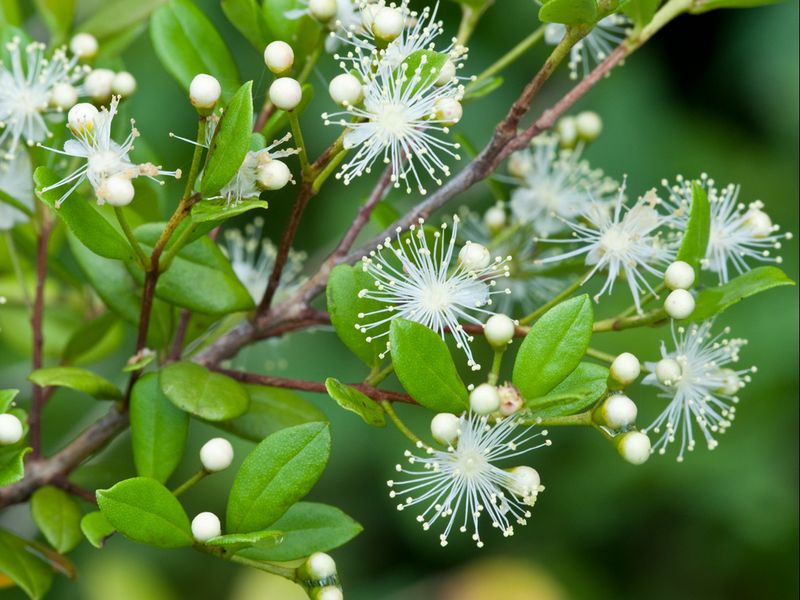
Adding Simpson’s stopper to a foundation planting does more than improve the view from the street. The flowers draw in bees, butterflies, and other pollinators, giving local insects a food source right alongside your home. That kind of functional beauty is one of the clearest advantages a Florida native holds over conventional ornamentals that may look similar but offer little to local wildlife.
UF/IFAS bird-friendly plant guidance highlights the orange-red fruits as a resource that attracts fruit-eating birds, and FNPS confirms the berries are eaten by birds. The dense evergreen canopy can also provide cover and nesting opportunities for birds that prefer to stay concealed in foliage rather than exposed on open branches.
These are real, documented benefits, and they are worth highlighting when you are choosing between foundation plants. At the same time, one shrub does not create a complete wildlife habitat on its own. Simpson’s stopper contributes meaningfully to a yard that already includes other native plants, water sources, and varied structure. Think of it as a strong supporting player in a broader landscape rather than a standalone solution for wildlife gardening.
The practical value of this wildlife connection is that you get a working ecosystem alongside your curb appeal. Pollinators visit during the spring and early summer bloom, birds show up for the late-summer berries, and the foliage provides year-round cover. For Florida homeowners who want a foundation planting that does more than sit there looking green, that combination is genuinely hard to beat among native options.
Plant the root ball correctly and match the site
Getting the installation right from day one makes a significant difference in how quickly Simpson’s stopper settles in and how well it performs over the long term. Timing is the first consideration: planting near the beginning of Florida’s rainy season, typically late May or early June, gives the root system access to consistent natural moisture during the critical establishment window. That timing alone reduces the irrigation burden during the months when new roots are spreading most actively.
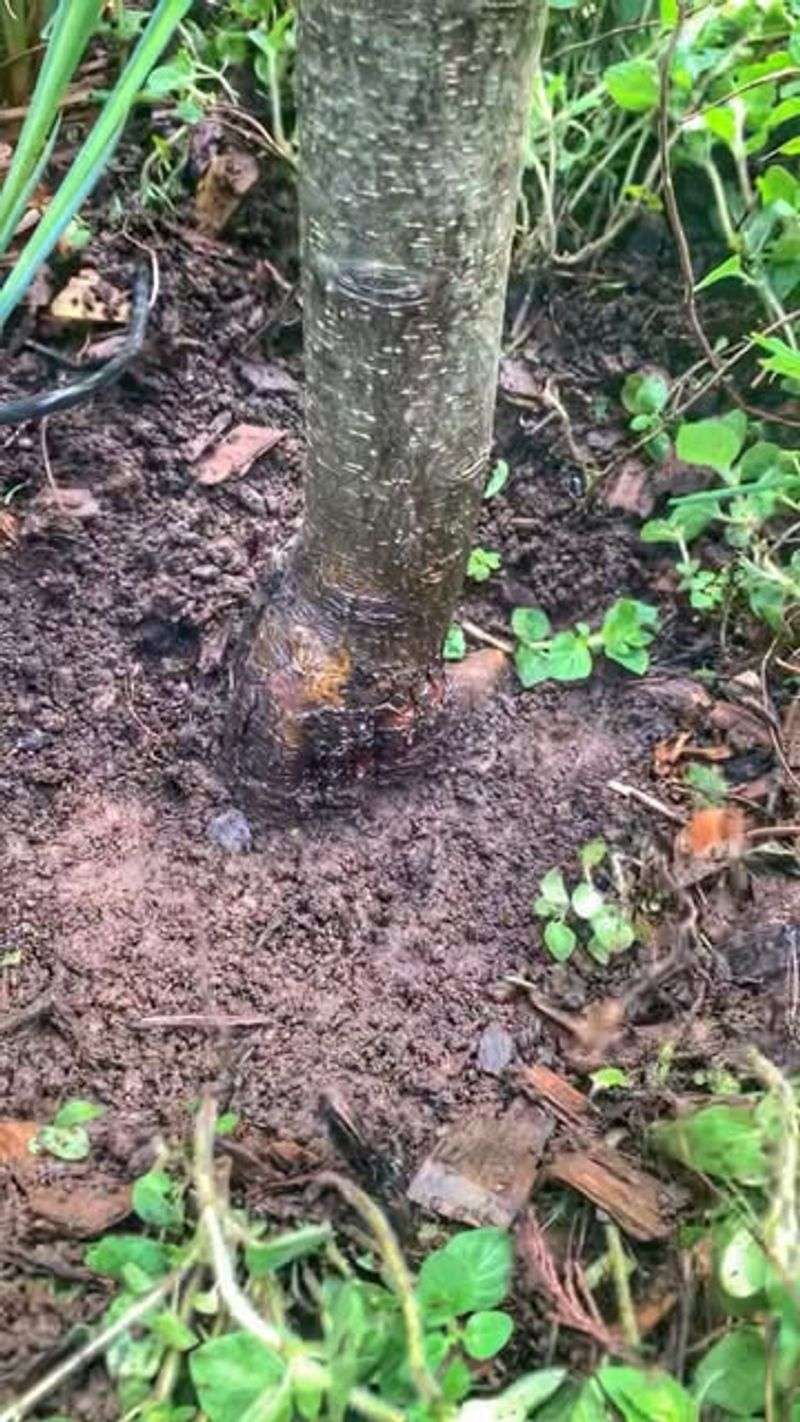
UF/IFAS planting guidance specifies that the root flare should sit at or slightly above the surrounding soil level, not buried. Planting too deep is one of the most common causes of slow establishment and long-term decline in Florida shrubs. Apply 2 to 3 inches of mulch in a ring around the plant to retain moisture and moderate soil temperature, but keep the mulch away from the root ball itself to prevent rot and pest problems.
UF/IFAS recommends directing low-volume irrigation straight to the root ball rather than broadcasting water across the surrounding soil. During the first season especially, the roots are concentrated in a relatively small area, and shallow or scattered watering encourages surface rooting rather than deep establishment.
Site selection shapes how the plant grows. Full sun produces the densest foliage and the best hedge performance, while partial shade results in a somewhat more open form. The UF/IFAS Treasure Coast guide and FNPS both confirm that Simpson’s stopper handles sandy and calcareous soils, including lime rock substrates. UF/IFAS also notes tolerance for salt and alkaline conditions, which makes it a reasonable choice for some coastal foundation beds.
Even so, drainage and local exposure still matter: a site that stays wet after rain or sits directly in a salt spray corridor needs careful evaluation before planting.
Do not mistake tolerance for storm or flood protection
Simpson’s stopper has a reputation for toughness that is mostly well-earned, but it has limits that matter in Florida. The plant tolerates poor drainage to a degree, and UF/IFAS notes some tolerance for salt and alkaline conditions. Those qualities are genuine assets in a state where soils vary widely and coastal exposure is a real factor for many homeowners.
What the sources do not support is treating this plant as flood-proof, storm-proof, or invulnerable to hurricane damage. FNPS specifically states that Simpson’s stopper tolerates somewhat moist conditions but is not tolerant of inundation by salty or brackish water. A foundation bed that fills with standing water after heavy rain, or a site that receives storm surge, is not a suitable location regardless of the plant’s general toughness. UF/IFAS describes it as moderately wind-resistant once mature, and FNPS lists hurricane wind resistance as a notable characteristic, but neither source supports a claim that the plant will come through a major storm without meaningful risk of damage.
Hardiness across Florida also varies more than a single recommendation can capture. UF/IFAS gives a hardiness range of zones 8b through 11, while FNPS lists growing zones 10A through 11, reflecting that cold exposure in northern Florida is a real limiting factor that does not apply in Miami or the Keys. Local soil type, drainage patterns, salt exposure, and available space all affect whether a given site is genuinely appropriate.
The UF/IFAS Treasure Coast guide mentions guava rust as an occasional disease concern, particularly on plants under stress. It is not a widespread or chronic problem for healthy, well-sited specimens, but stressed plants in poorly drained or heavily shaded spots are more vulnerable. Keeping the plant in appropriate conditions is the most reliable way to avoid most pest and disease issues.
Buy nursery-propagated plants and plan for the space
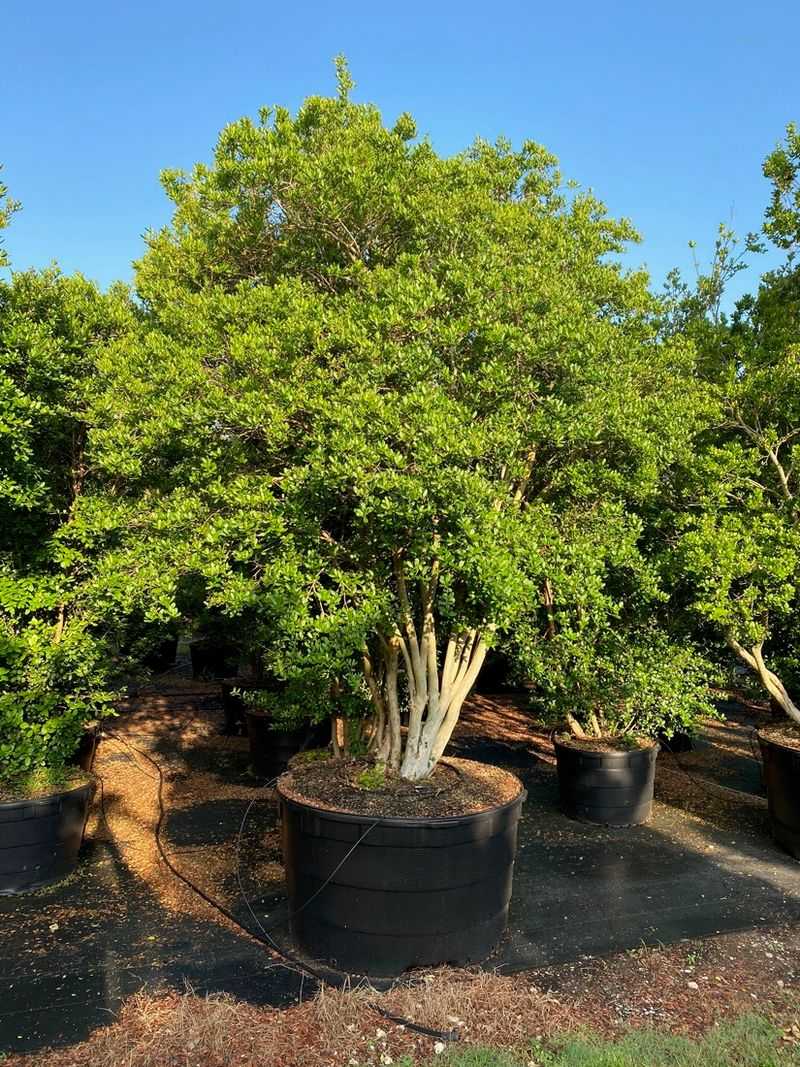
Simpson’s stopper earns a place in a Florida foundation planting when the conditions are right: a site with adequate sun, reasonable drainage, confirmed space for the cultivar’s mature dimensions, and a homeowner willing to provide establishment irrigation and occasional pruning. When those pieces line up, it delivers evergreen structure, seasonal flowers, late-summer berries, and genuine value for pollinators and birds without the aggressive growth or constant cutting that many conventional foundation shrubs demand.
The plant is listed as threatened in Florida, which means wild collection is not an appropriate sourcing option. Florida’s endangered and threatened plant regulations protect the species in the wild, and FDACS notes that harvesting protected native plants requires landowner permission and proper permitting. Purchase from a reputable nursery that sells nursery-propagated stock and can confirm the cultivar’s expected mature size.
UF/IFAS identifies ‘Compacta’ as the named dwarf form best suited to smaller landscapes, and that is the cultivar to ask for when space is limited. A foundation planting that starts with the right plant in the right spot, sourced responsibly, is the kind of low-drama investment that pays off for years. Simpson’s stopper will not reinvent your yard overnight, but it will grow into exactly the kind of quietly useful, genuinely Florida presence that tired foundation shrubs rarely manage to be.