 Complete Gardening
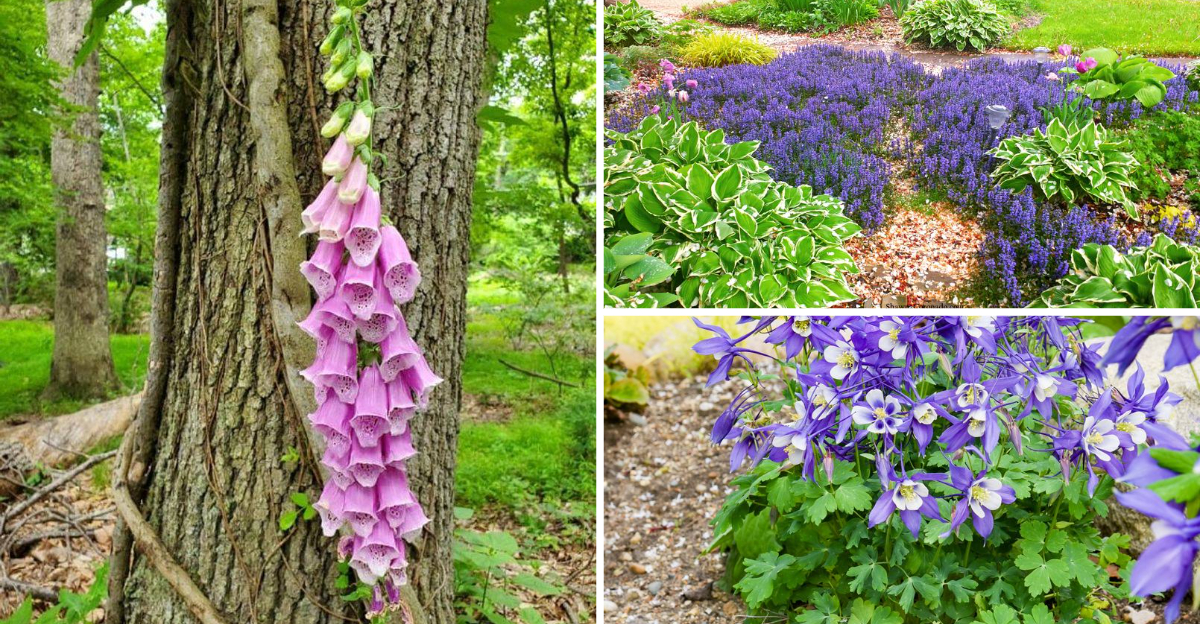
Planting wildflowers under trees can enhance the beauty of your garden while promoting biodiversity. Their shade tolerance and vibrant blooms are perfect for creating a natural, low-maintenance landscape. Here’s why you should consider planting this perennial wildflower under your trees.
Columbine
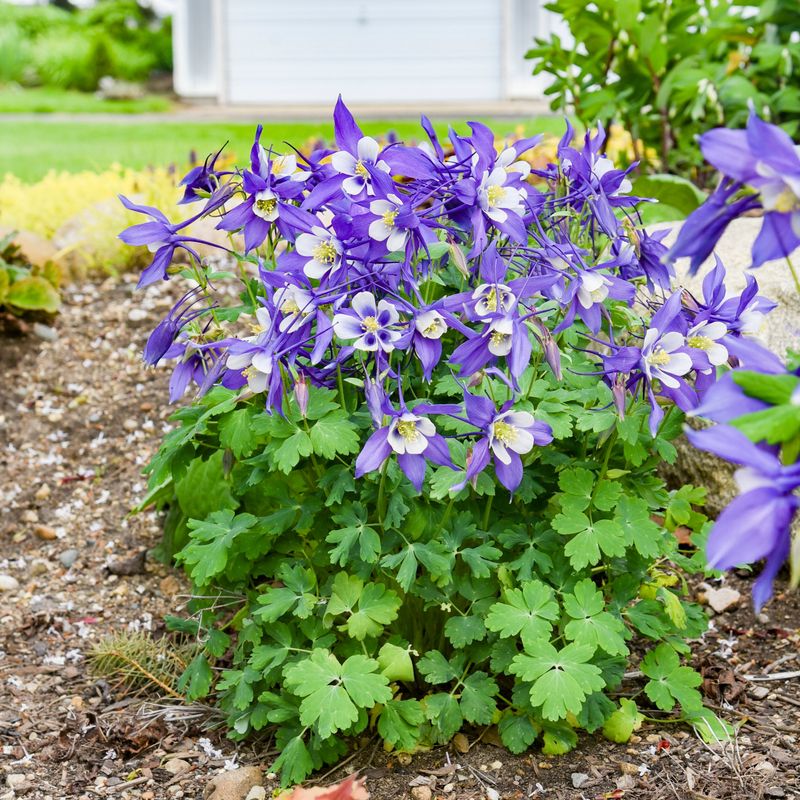
Columbine brings a splash of color to shaded areas. Known for its distinct bell-shaped flowers, it flourishes beneath trees. Columbine’s unique ability to attract hummingbirds adds life to your garden. Its delicate, lacy foliage contrasts beautifully with dark tree bark.
As a low-maintenance plant, it requires minimal watering once established. Columbine’s resilience to pests makes it a gardener’s favorite.
Enjoy its blooms from spring to early summer. With its enchanting presence, columbine turns shaded spots into a haven for wildlife.
Lily of the Valley
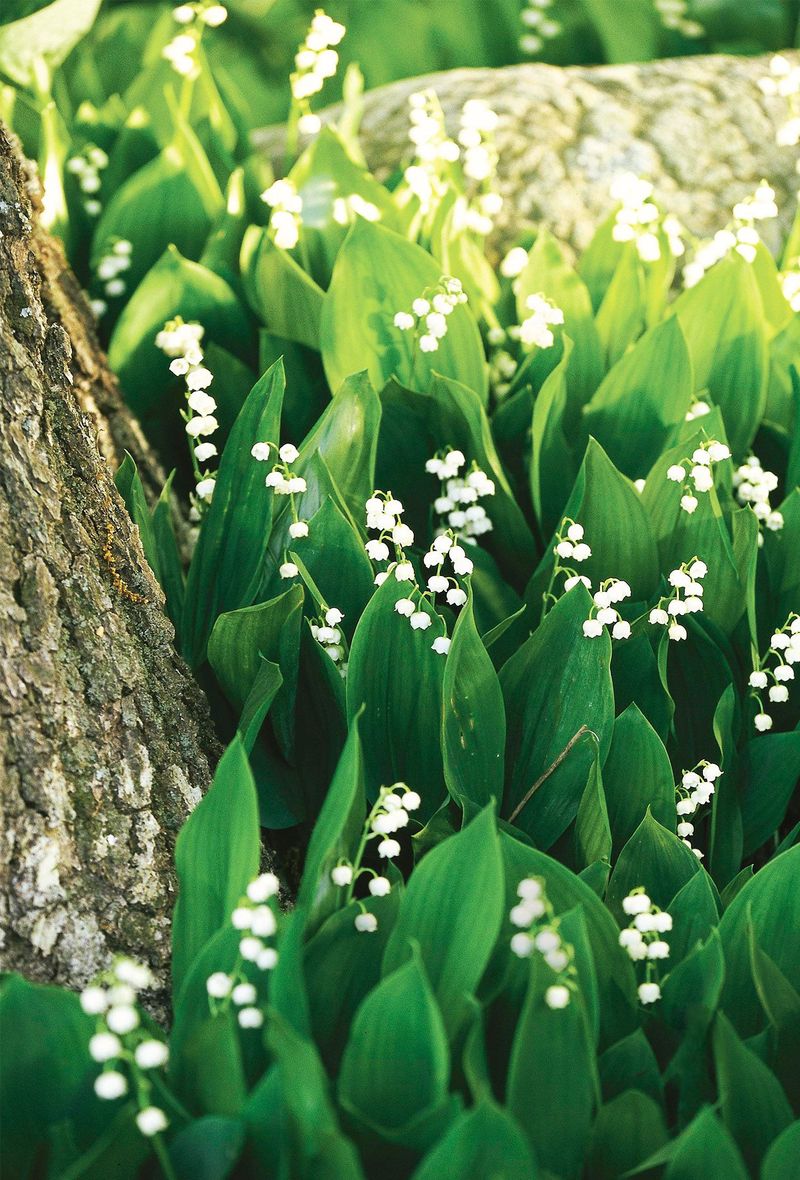
Lily of the Valley exudes a charm like no other. Its small, bell-shaped flowers emit a sweet fragrance that fills the air. Nestled under trees, they create a carpet of white blooms in spring.
These perennials thrive in the dappled shade, requiring little attention. They’re perfect for naturalizing and spreading gently over time.
Lily of the Valley is a symbol of purity and happiness, often used in wedding bouquets. Their resilient nature makes them ideal for shaded gardens.
Hosta
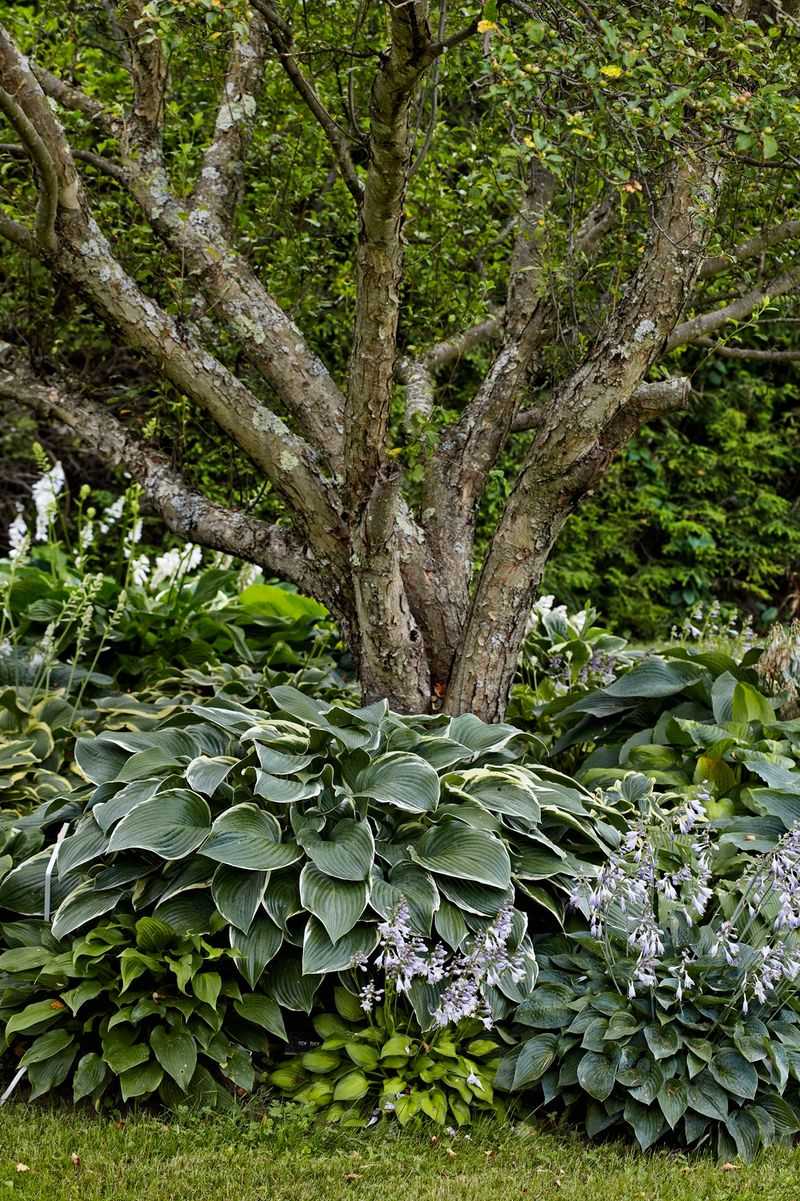
Hosta is a staple for shaded areas. Its broad, lush leaves offer a variety of textures and colors. Hostas thrive under trees, where their foliage creates a striking visual effect.
These perennials are known for their hardiness, withstanding varying climates. Slugs may visit, but hostas are generally pest-resistant.
Their subtle, fragrant flowers bloom in summer, adding elegance to any garden. With their versatility and beauty, hostas transform shaded areas into serene retreats.
Solomon’s Seal
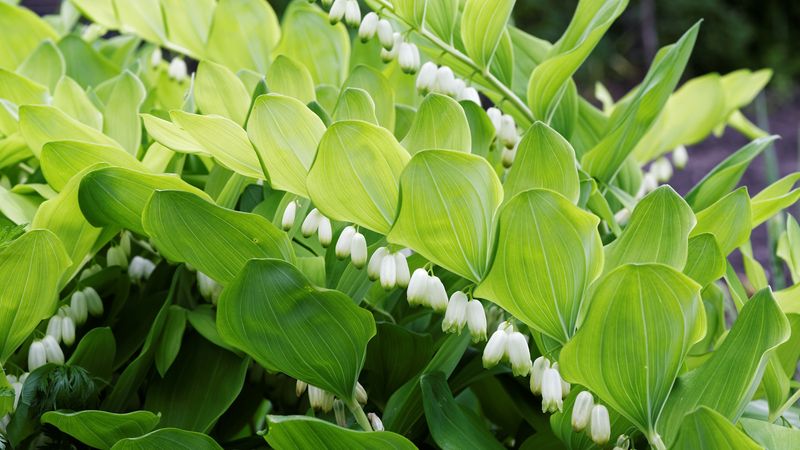
Solomon’s Seal adds elegance to any shaded garden. Its graceful, arching stems and hanging white flowers make it a standout.
This perennial thrives in woodland settings, appreciating the cool, moist soil. The plant’s foliage turns golden in fall, providing seasonal interest.
Solomon’s Seal is easy to cultivate and spreads slowly, ensuring it doesn’t overtake other plants. It’s perfect for creating a layered look under tree canopies.
Trillium
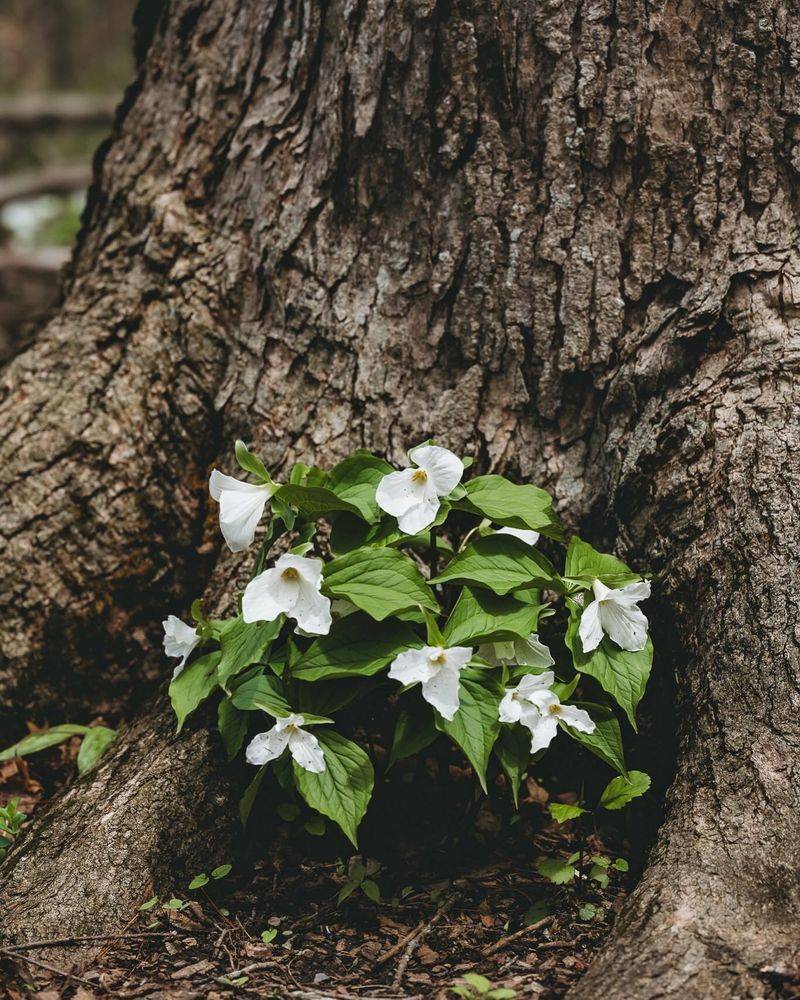
Trillium captivates with its simplistic beauty. Known as the ‘three-leafed’ plant, it features three petals and three leaves.
Trilliums prefer the rich, moist soils found under trees, where they blossom in early spring. They’re a symbol of rebirth and purity.
This wildflower is cherished for its slow growth and longevity. Trillium creates a natural and serene atmosphere in shaded gardens. Its presence under trees offers a glimpse of untouched wilderness.
Foxglove
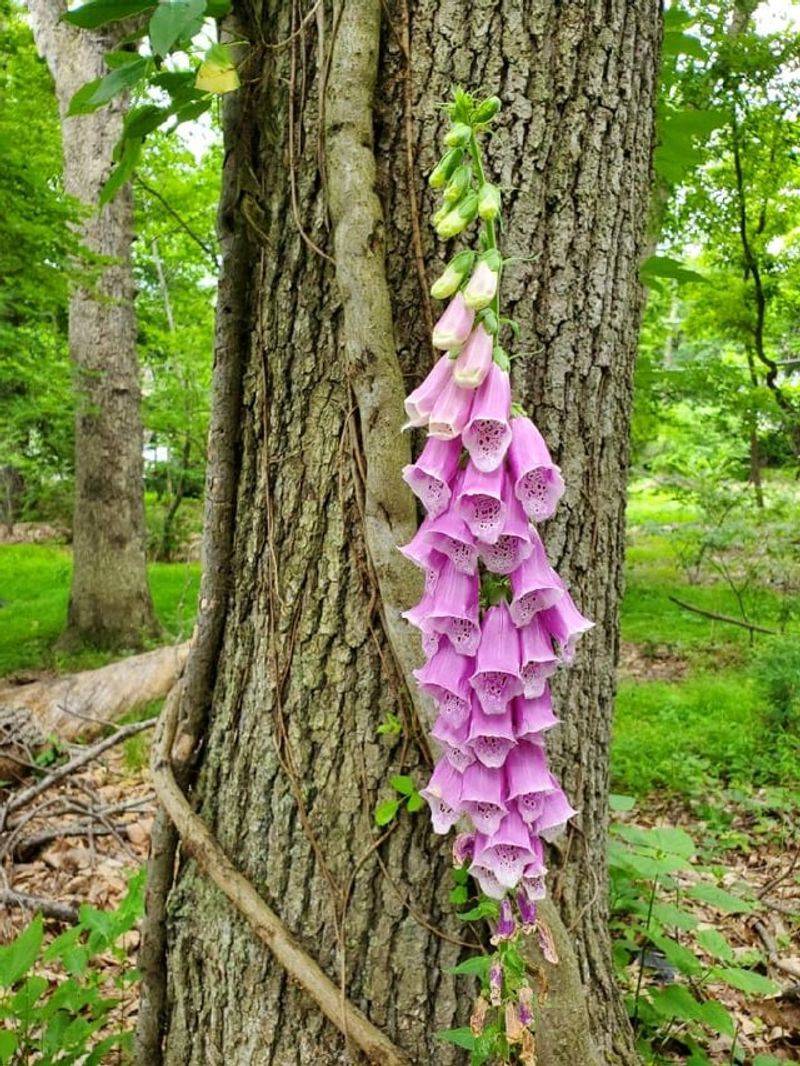
Foxgloves are enchanting with their towering spikes of tubular flowers. These wildflowers have a storied past, used historically in medicine. Their preference for partial shade makes them ideal for under-tree planting.
Their vibrant blooms attract pollinators such as bees and hummingbirds, contributing to your garden’s ecological balance. Despite their delicate appearance, foxgloves are surprisingly hardy and capable of thriving in the dappled sunlight under trees.
Exercise caution, though, as they are toxic if ingested. Nevertheless, their beauty and ecological benefits make them a worthy choice for any gardener seeking elegance and biodiversity.
Wild Geranium
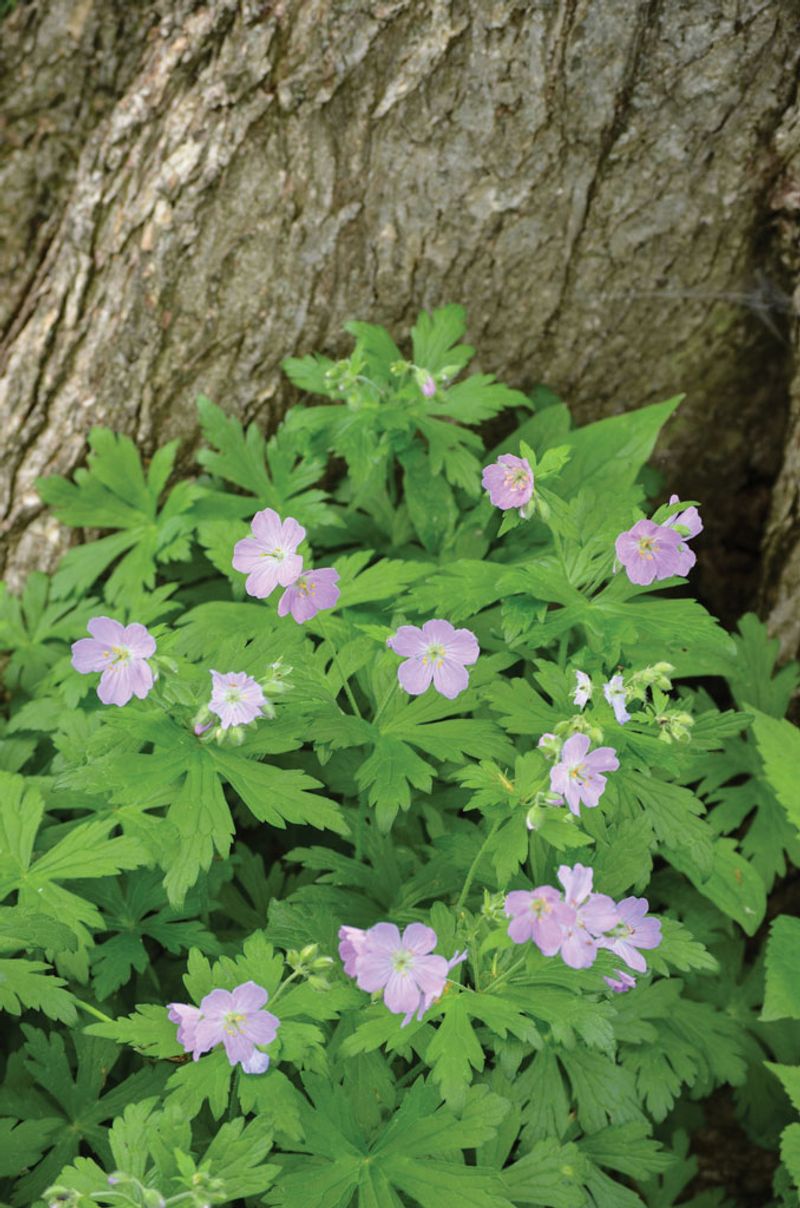
Wild geraniums, known for their striking violet blooms, bring life to shaded areas. These perennials flourish under trees, offering a pop of color in dimly lit spots.
With an easygoing nature, they require minimal care once established. The flowers attract butterflies, adding dynamic movement and vibrancy to your garden. Their foliage provides ground cover, reducing weed growth and preserving soil moisture.
Originating from North America, these plants have adapted to local climates, ensuring resilience and longevity. Wild geraniums are not just pretty; they’re a practical choice for enhancing the biodiversity of woodland gardens.
Bugleweed
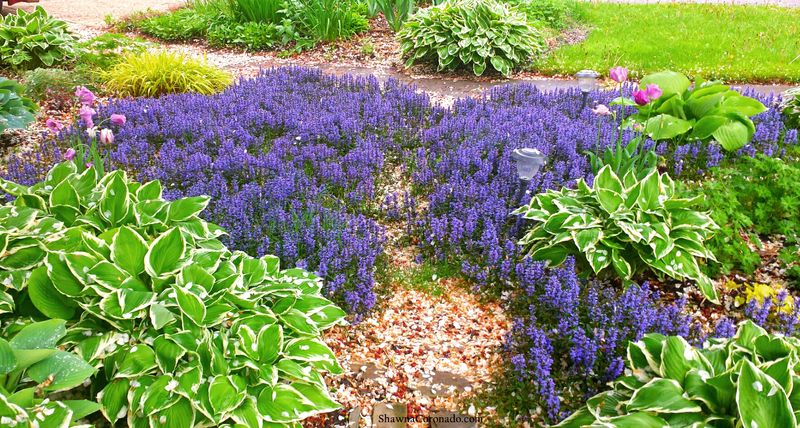
Bugleweed, or Ajuga, is a robust groundcover known for its carpet of purple-blue flowers. Ideal for shaded areas, it’s perfect for planting under trees.
This perennial spreads quickly, creating a lush, dense mat that suppresses weeds and conserves soil moisture. Its striking flowers attract bees and other beneficial insects, promoting a healthy garden ecosystem.
Easy to grow and manage, bugleweed requires little maintenance, making it a favorite among gardeners. Its vibrant colors and practicality make it an excellent addition to any garden, adding both beauty and function.
Wood Anemone
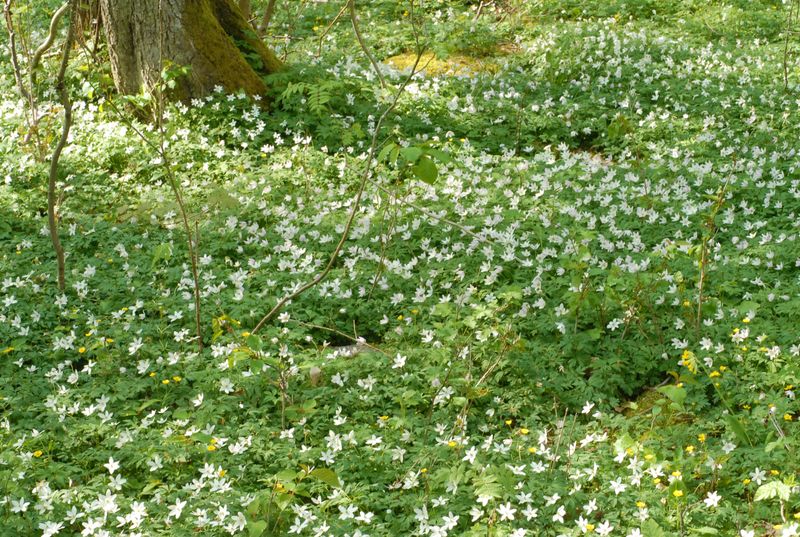
Wood anemones bring a touch of elegance with their delicate white flowers that bloom in spring. Thriving in the dappled light under trees, they offer a serene beauty to any garden.
These perennials are easy to care for, requiring minimal intervention once established. The flowers are a source of early nectar for pollinators, supporting wildlife in your garden.
Originating from Europe, wood anemones have a rich history in folklore and medicine. Their graceful appearance and ecological contributions make them a charming choice for those seeking a tranquil, natural garden.
Virginia Bluebells
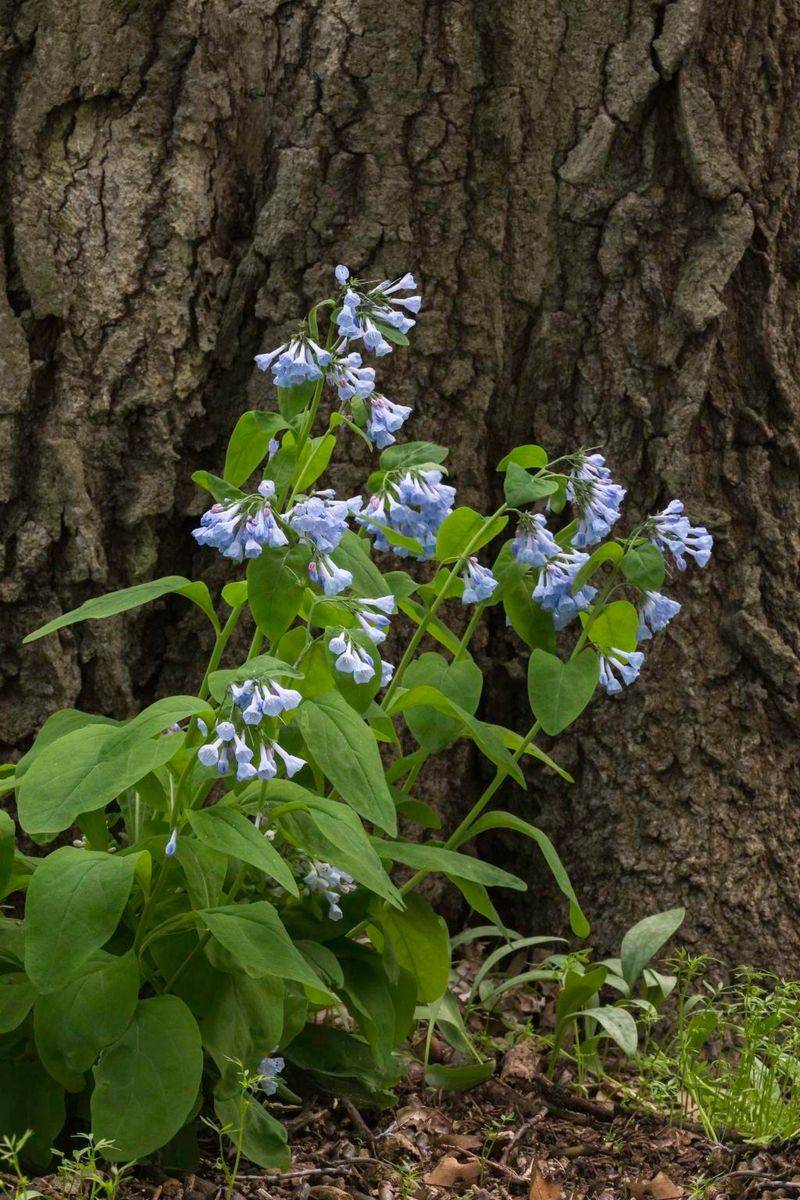
Virginia bluebells are a springtime delight, with clusters of sky-blue flowers that create a stunning display. They thrive in the rich, moist soil often found under deciduous trees.
As they bloom early in the season, they provide vital nectar for bees emerging from hibernation. Their foliage dies back by summer, allowing other plants to take the spotlight.
These wildflowers have been cherished in American gardens for generations, symbolizing renewal and beauty. Virginia bluebells are more than just visually appealing; they play a crucial role in supporting early pollinators.
Sweet Woodruff
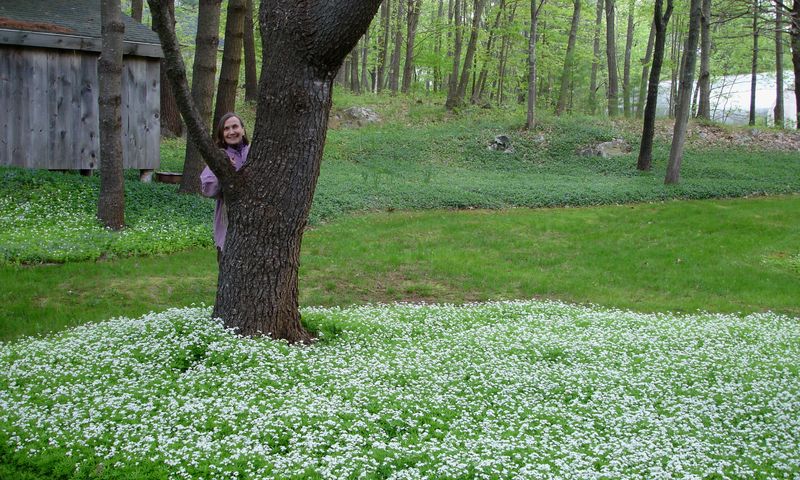
Sweet woodruff is loved for its star-shaped white flowers and sweet aroma. Growing vigorously under trees, it forms a dense, fragrant ground cover.
Besides its aesthetic appeal, sweet woodruff is known for its ability to repel pests, making it a practical choice for natural pest control. Its foliage emits a pleasant scent, often used in potpourri and herbal remedies.
This perennial is hardy and low-maintenance, thriving in well-drained soil. Sweet woodruff’s charm and utility make it a versatile addition to any shaded garden, offering beauty and practicality.
Bleeding Heart
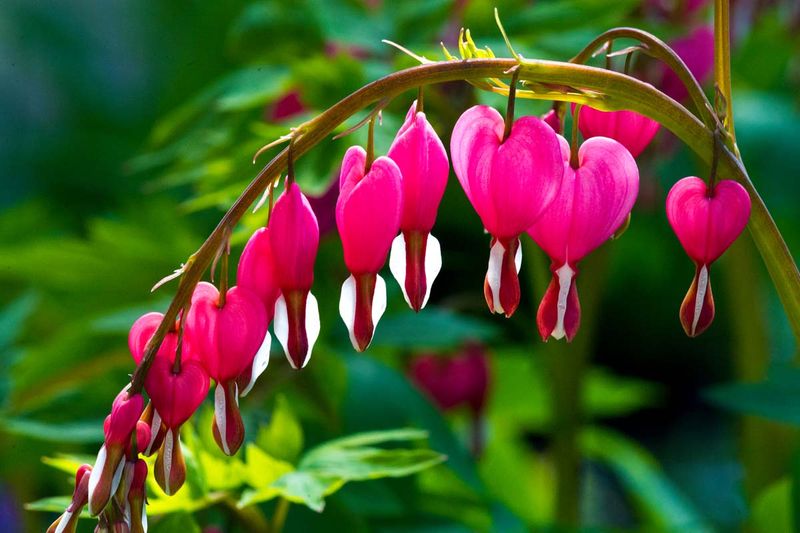
Bleeding hearts captivate with their heart-shaped pink flowers, dangling elegantly from arching stems. Perfect for planting under trees, they prefer cool, shaded environments.
These perennials bloom in spring, adding romantic charm to your garden. Their unique flower shape intrigues both gardeners and visitors alike. After blooming, their foliage provides lush greenery, enhancing the garden’s visual depth.
A favorite in cottage gardens, bleeding hearts are cherished for their old-fashioned beauty and easy care. They symbolize compassion and love, making them a meaningful addition to any landscape.
Toad Lily
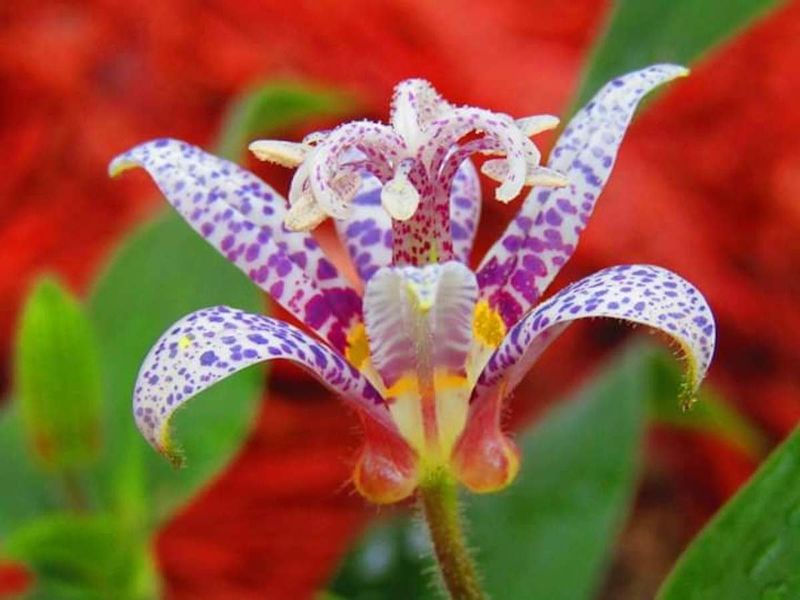
Toad lilies offer exotic beauty with their speckled, orchid-like flowers. Thriving in the dappled light under trees, these perennials bloom in late summer to fall.
They are prized for their intricate blooms, which add an unexpected touch of elegance to shady gardens. Toad lilies are resilient and adapt well to different soil types, making them easy to grow.
Native to Asia, they have been cultivated for their ornamental value and unique appearance. Toad lilies are perfect for gardeners looking to add a touch of the extraordinary to their shaded spaces.
Jacobs Ladder
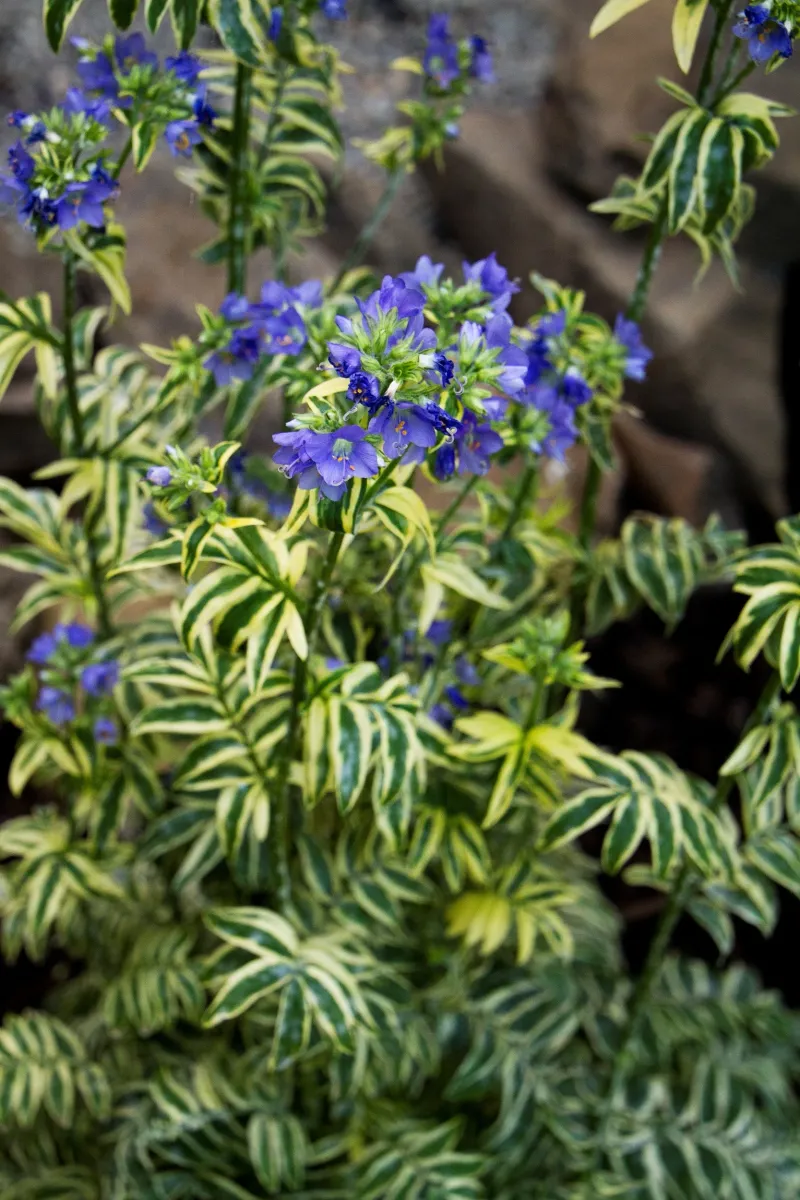
Jacob’s ladder is admired for its ladder-like foliage and clusters of blue flowers. Flourishing in the cool shade under trees, it adds vertical interest to your garden.
Their blooms attract pollinators, enhancing the biodiversity of your garden. These perennials are easy to grow and require little maintenance once established.
Named for the biblical ladder to heaven, Jacob’s ladder has a rich cultural history. Its elegant foliage and charming flowers make it a beautiful addition to any shaded garden, providing both aesthetic and ecological benefits.
Creeping Jenny
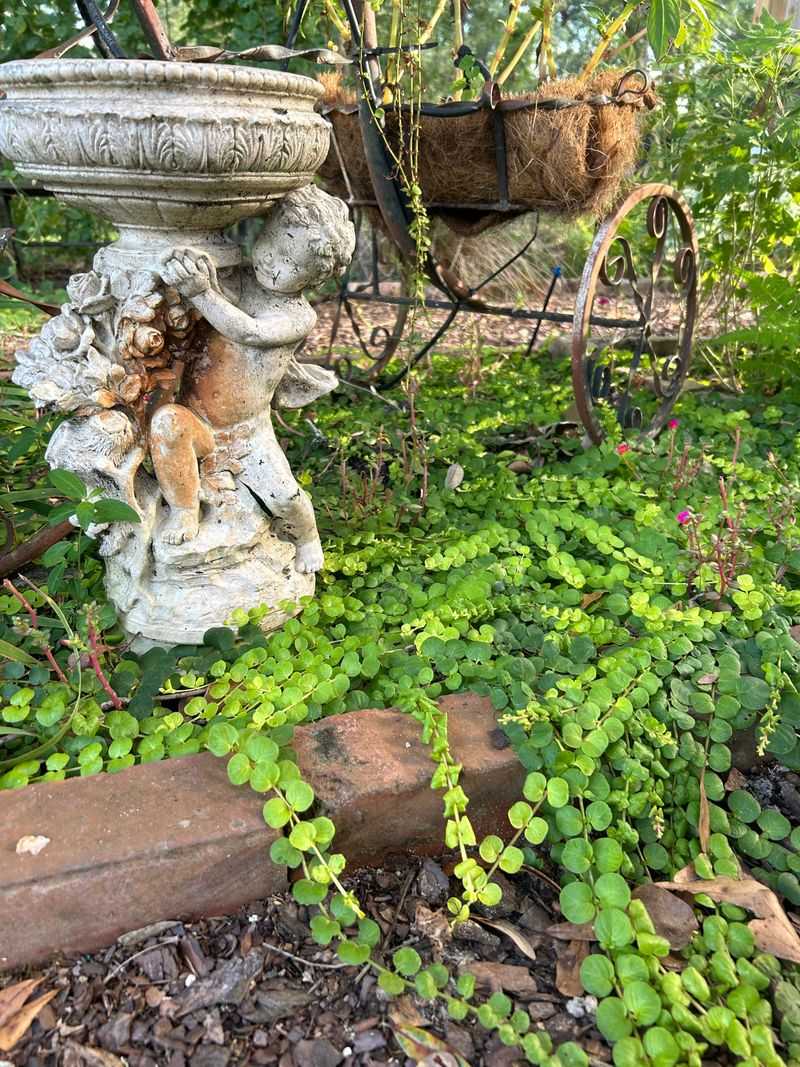
Creeping Jenny is a versatile groundcover, known for its vibrant golden-green leaves. It thrives in the shaded areas under trees, where it can spread vigorously.
This perennial is excellent for controlling erosion and adding color to your garden. Its leaves create a striking contrast against the darker shades of the forest floor.
With minimal care required, Creeping Jenny is perfect for gardeners looking to add low-maintenance beauty to their landscapes. It not only enhances the visual appeal but also provides practical ground coverage.
Ferns
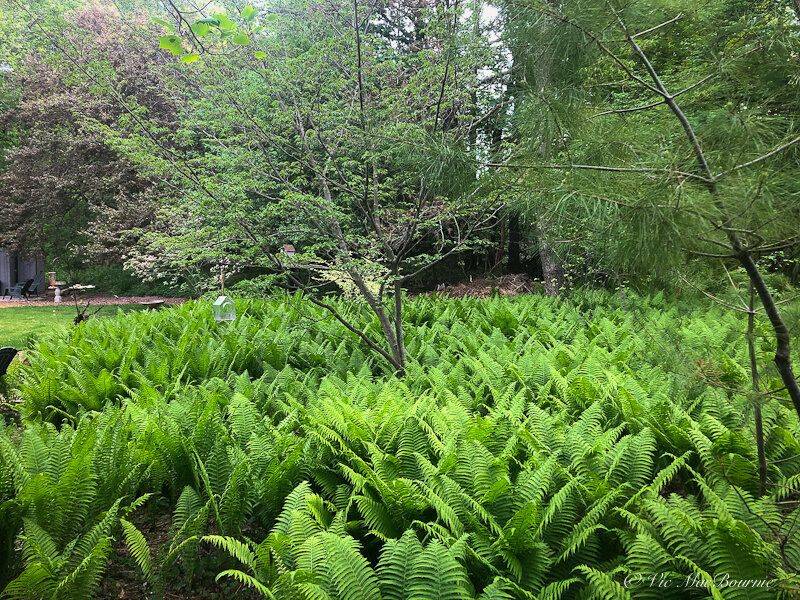
Ferns are ancient plants with a serene beauty that thrive in shaded environments. Under tree canopies, they create a lush, forest-like atmosphere.
These plants are low-maintenance, requiring little more than moist soil to flourish. Their fronds provide texture and visual interest, making them a staple in shade gardens. Ferns also improve air quality and support local wildlife.
With a vast array of species, there’s a fern to suit every garden style. Their timeless appeal and ecological benefits make them an invaluable addition to your shaded areas.
Primrose
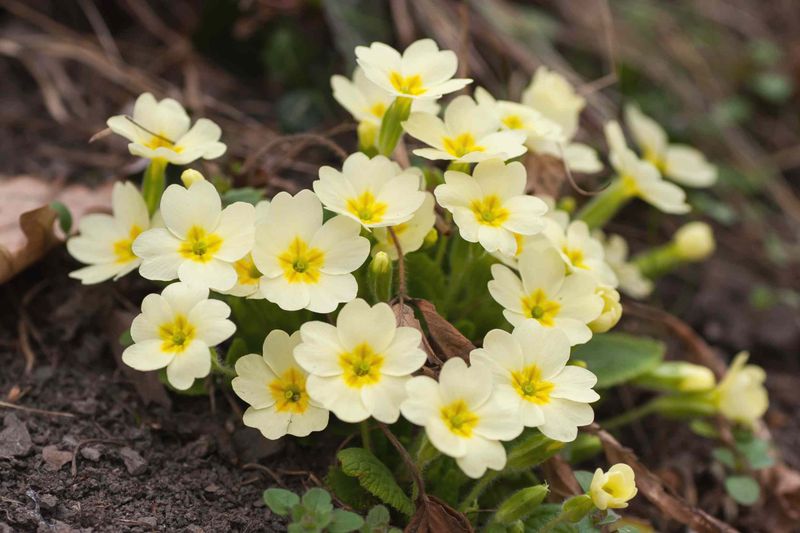
Primroses are beloved for their colorful blooms, appearing in shades of pink, yellow, and white. They brighten up the shaded areas under trees, offering a cheerful display.
Blooming in early spring, they provide essential nectar for early pollinators. These perennials are relatively easy to care for, thriving in well-drained soil and partial shade.
Primroses have a rich history in gardens around the world, symbolizing youth and renewal. Their vibrant colors and early blooming nature make them a delightful choice for those looking to inject color and life into shaded garden spots.